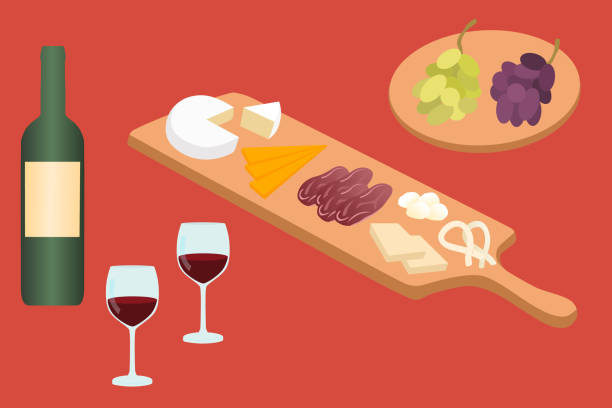
What Goes Good With Wine
Wondering what goes good with wine? You’re not alone—pairing the right foods with your favorite bottle can turn a simple drink into a delightful experience. Whether you’re sipping red, white, rosé, or sparkling, the right snacks or meals can elevate the flavors. From creamy cheeses and charcuterie to grilled meats and fresh fruit, we’ve got the perfect matches. Keep reading to discover easy, delicious pairings that work every time, so you can enjoy wine the way it was meant to be.
Best Foods to Pair with Wine
How to Match Wine with Cheese
Pairing wine with cheese is all about balancing intensity and texture. Soft cheeses like Brie or Camembert pair beautifully with light, acidic wines such as Pinot Noir or Chardonnay, as the creaminess is cut by the wine’s crispness.
For hard, aged cheeses like aged Cheddar or Manchego, choose bolder wines like Cabernet Sauvignon or Rioja—their tannins and structure stand up to the cheese’s sharpness. Blue cheeses, such as Gorgonzola, shine with sweet dessert wines like Port or Sauternes, where contrast enhances both flavors.
Always serve cheese at room temperature to release its full aroma and flavor. When in doubt, opt for regional pairings—French goat cheese with Sauvignon Blanc from the Loire Valley, for example—because local traditions often reflect perfect harmony.
What Meats Go Well with Red Wine
Red wine and meat are a classic duo, with tannins cutting through fat and enhancing savory flavors. Heavier reds like Cabernet Sauvignon or Syrah pair excellently with rich meats such as ribeye steak, lamb, or venison, as the wine’s structure balances the meat’s richness.
For grilled or roasted pork, a medium-bodied Merlot or Zinfandel offers fruity notes and softer tannins that complement without overwhelming. Duck and game birds work well with earthy Pinot Noir, whose acidity lifts the dish’s richness.
Avoid pairing delicate meats like chicken breast with bold reds—opt instead for lighter reds or even fuller white wines. Always consider the sauce: a tomato-based dish calls for an acidic wine like Chianti, while creamy sauces pair better with smoother, oak-aged reds.
Best Seafood Pairings for White Wine
White wine enhances seafood by highlighting freshness and balancing texture. Light, crisp whites like Sauvignon Blanc or Pinot Grigio are ideal with delicate fish such as sole, flounder, or steamed shrimp, as their acidity and citrus notes elevate subtle flavors.
For richer seafood like salmon or lobster, choose fuller-bodied whites such as oaked Chardonnay, which brings buttery notes that mirror the richness of the dish. Shellfish like oysters and clams shine with briny, mineral-driven wines like Muscadet or Albariño—these varieties echo the oceanic essence.
Avoid overly tannic or heavy wines, which can clash with seafood’s delicacy. When preparing grilled fish with herbs, a dry Rosé can also be a versatile and refreshing match, bridging the gap between light and bold flavors.
Fruits and Nuts That Complement Wine
Fruits and nuts make excellent wine companions by adding texture and enhancing flavor profiles. Sweet fruits like strawberries, peaches, and figs pair wonderfully with light reds such as Beaujolais or sparkling Rosé, where fruit flavors echo and amplify each other.
Citrus fruits like orange segments go beautifully with off-dry Riesling, creating a harmonious sweet-tart balance. For nuts, opt for unsalted almonds, walnuts, or Marcona almonds with oxidative wines like Sherry or aged Chardonnay—the nuttiness in both creates a seamless match. Cashews and hazelnuts pair well with medium-bodied reds like Tempranillo.
Avoid overly salty or spiced nuts, which can distort the wine’s taste. Serve at room temperature and in small portions to cleanse the palate between sips, making each taste experience fresh and layered.
Wine and Snack Combinations for Any Occasion

Easy Appetizers to Serve with Wine
Elevate your wine experience with simple yet elegant appetizers that require minimal prep. Cheese-based bites like brie with honey or goat cheese crostini complement both red and white wines beautifully. Marinated olives and prosciutto-wrapped melon add a savory-sweet balance that enhances lighter whites and medium-bodied reds.
For a crowd-pleasing option, stuffed mushrooms or mini quiches offer rich flavors that stand up to bold reds like Cabernet Sauvignon. Shrimp cocktail or smoked salmon on toast points pair exceptionally well with crisp whites like Sauvignon Blanc.
The key is balancing flavor intensity—lighter wines with delicate bites, fuller wines with richer snacks. These appetizers are not only easy to assemble but also create a sophisticated tasting atmosphere perfect for any gathering.
Best Crackers and Breads for Wine Tasting
Choosing the right cracker or bread can elevate your wine pairing by providing a neutral yet flavorful base. Plain water crackers are ideal for delicate cheeses and light white wines, as they don’t overpower the palate.
Baguette slices, lightly toasted, work well with bold spreads and robust reds like Merlot or Syrah. For added complexity, try seeded crackers or multigrain crisps, which bring nuttiness that pairs beautifully with earthy Pinot Noirs. Gluten-free options like almond flour crackers maintain texture without sacrificing taste.
Avoid overly salted or flavored varieties that can clash with wine’s subtleties. The crisp texture helps cleanse the palate between sips, making each taste experience fresh. These breads and crackers act as perfect palate partners, enhancing both food and wine harmony.
Vegetable Platters That Pair Well with Wine
A well-curated vegetable platter adds freshness and crunch to any wine-centric event. Raw veggies like cucumber slices, bell pepper strips, and cherry tomatoes pair wonderfully with chilled white wines such as Pinot Grigio or Chardonnay, enhancing their bright acidity.
Include roasted vegetables like eggplant or zucchini for deeper flavor that complements medium-bodied reds. Serve with herb-infused hummus or tzatziki for creamy dips that bridge the gap between wine and food.
Pickled vegetables, such as giardiniera, offer tanginess that cuts through tannins in red wine, making them excellent companions to bold varietals. The natural sweetness of carrots or sugar snap peas balances dry wines beautifully.
This platter is not only refreshing and healthy but also versatile across wine types, making it a must-have for any occasion.
Savory Snacks for Red and White Wine
Enhance your wine tasting with satisfying savory snacks designed to match the profile of your pour. For full-bodied reds like Malbec or Zinfandel, serve spiced nuts, aged cheddar, or beef jerky—their richness and umami depth stand up to bold tannins.
With crisp white wines such as Riesling or Albariño, opt for salted popcorn, wasabi peas, or crispy chickpeas to highlight their refreshing acidity. Mini savory tarts or spinach-artichoke dip offer gourmet appeal and pair well with both Chardonnay and lighter red blends.
The contrast of salt and wine enhances flavor perception, making each sip more enjoyable. Choose snacks with moderate salt levels to avoid overpowering delicate notes. These flavor-forward bites ensure your wine takes center stage while satisfying hunger in style.
How to Pair Wine with Main Dishes

What to Serve with Steak and Red Wine
When pairing steak with red wine, choose bold reds like Cabernet Sauvignon, Malbec, or Syrah that complement the rich, savory flavors of the meat. The tannins in these wines cut through the fat, cleansing the palate with each bite.
For side dishes, opt for roasted vegetables, garlic mashed potatoes, or a charred asparagus—these enhance the meal without overpowering the wine. Avoid overly spicy or sweet sides, as they can clash with the wine’s profile.
A simple herb butter or compound butter on the steak can elevate both the dish and the pairing. Remember, the quality of the cut and cooking method (grilled, seared, or roasted) also influences the ideal wine match. Pairing with intention ensures a balanced, satisfying dining experience.
Best Side Dishes for Chicken and Chardonnay
Chardonnay’s versatility makes it an excellent match for chicken, especially when the wine has balanced oak and acidity. For grilled or roasted chicken, pair with buttery sides like sautéed mushrooms, wild rice pilaf, or roasted root vegetables—these echo the wine’s creamy texture.
If your Chardonnay is unoaked and crisp, go for lighter accompaniments like citrus salad, grilled zucchini, or herbed couscous to maintain freshness. Avoid overly spicy or tangy dishes, as they can dull the wine’s nuances. Lemon-herb marinades on the chicken enhance citrus notes in the wine.
The key is harmony between richness and acidity, ensuring each bite and sip complement rather than compete. Thoughtful side pairings elevate the entire meal.
Wine Pairings for Pasta and Cream Sauces
Pasta with creamy sauces, like fettuccine Alfredo or mushroom stroganoff, calls for full-bodied white wines with good acidity, such as Chardonnay or Viognier. The wine’s acidity cuts through the richness, while its body stands up to the sauce’s texture. Avoid light wines like Pinot Grigio, as they can be overwhelmed.
For pasta with a touch of tomato in the cream sauce, a light red like Pinot Noir can work beautifully. Pair with garlic bread, sautéed spinach, or a crisp arugula salad to add contrast. Freshly grated Parmesan enhances both the dish and wine.
The goal is balance—richness in the dish met with vibrancy in the glass. Proper pairing turns a simple pasta night into a sophisticated experience.
Vegetarian Meals That Go Well with Wine
Vegetarian dishes offer diverse flavors that pair wonderfully with wine when matched thoughtfully. Roasted vegetable tarts or mushroom risottos shine with medium-bodied reds like Pinot Noir or earthy whites like Chardonnay.
For lighter fare like grilled vegetable skewers or citrusy grain bowls, choose crisp whites such as Sauvignon Blanc or dry rosé to enhance freshness. Creamy dishes like eggplant Parmesan pair well with wines that have good acidity, like Vermentino or Barbera.
Don’t overlook umami-rich ingredients like lentils or miso, which benefit from earthy or spicy reds. The key is matching intensity and flavor profiles—bold dishes with bold wines, delicate ones with lighter options. With mindful pairing, vegetarian meals become elevated, wine-friendly experiences.
Desserts That Enhance Your Wine Experience
Chocolate and Wine: What Works Best
Pairing chocolate with wine can elevate both flavors when done thoughtfully. Dark chocolate pairs exceptionally well with bold red wines like Cabernet Sauvignon or Syrah, as the tannins in the wine balance the richness of the chocolate.
For milk chocolate, choose a fruit-forward red such as Zinfandel or a slightly sweet Port, which complements its creamy sweetness without overpowering it. Avoid pairing dry wines with very sweet chocolates, as this can make the wine taste sour.
Instead, match the intensity of the chocolate to the body of the wine—rich, intense chocolates with full-bodied wines, and lighter chocolates with medium-bodied options. Experimenting with origin matters too: a dark chocolate with berry notes harmonizes beautifully with a Pinot Noir.
The key is balance—neither the wine nor dessert should dominate.
Fruit-Based Desserts with Sweet Wines
Fruit-based desserts like berry tarts, peach cobbler, or apple pie shine when paired with the right sweet wine. Choose a wine that matches the fruit flavor in your dessert—for example, a Riesling with peach or apricot notes complements a peach tart beautifully.
Late-harvest wines or botrytized dessert wines like Sauternes enhance the natural sweetness of fruit without overwhelming it. Berries pair wonderfully with a light, fruity red like Lambrusco or a rosé d’Ange, adding a refreshing contrast.
Always ensure the wine is at least as sweet as the dessert to avoid a flat taste. Chilling the wine slightly also lifts the fruit flavors and cuts through richness.
These pairings create a harmonious balance where both dessert and wine enhance each other, making for a truly memorable finish to any meal.
Cheesecake and Wine Pairing Tips
Cheesecake’s creamy texture and tangy flavor make it a versatile dessert for wine pairing. A classic New York-style cheesecake pairs beautifully with a rich, aromatic white wine such as a late-harvest Gewürztraminer or a lightly oaked Chardonnay, which mirrors its creaminess and balances its acidity.
For fruit-topped cheesecakes, consider a sparkling rosé or a fruity red like Beaujolais, as their brightness cuts through the richness. If serving a chocolate-swirled cheesecake, reach for a Port or a Banyuls to match the depth of flavor.
The key is to avoid overly tannic wines, which can clash with the cheese’s fat and create a metallic taste. Instead, opt for wines with good acidity or a touch of sweetness to cleanse the palate and enhance the overall experience.
Light Desserts for Sparkling Wine
Sparkling wines like Champagne, Prosecco, or Cava are excellent companions to light, airy desserts. Their crisp acidity and effervescence cut through sweetness, making them ideal for lemon sorbet, panna cotta, or angel food cake with fresh berries.
Match the sweetness level of the wine to the dessert—opt for Brut Nature or Extra Brut for less sweet treats, and Demi-Sec for slightly sweeter confections. The bubbles also refresh the palate between bites, enhancing each flavor.
Consider pairing a citrus-based dessert with a Champagne that has notes of green apple or lemon zest for a vibrant, uplifting experience. Even delicate meringues or macarons shine when served with sparkling wine, as the contrast in texture and taste creates a playful, celebratory finish.
This pairing is perfect for toasts, brunches, or any occasion that calls for elegance and balance.
Non-Food Items That Go Well with Wine
Best Music Playlists for a Wine Night
Creating the perfect atmosphere for a wine night involves more than just the drink—music sets the tone. Opt for smooth jazz, acoustic indie, or classical playlists to complement the sophistication of wine. Curate a relaxed tempo to encourage conversation and savoring each sip.
Streaming platforms offer ready-made ‘Wine Tasting’ or ‘Evening Lounge’ playlists, but personal touches like French café tunes or soft R&B can elevate the experience. Avoid loud or fast-paced tracks that distract from the nuances of flavor. The right soundtrack enhances the sensory journey, making every pour more enjoyable.
Share playlist control with guests to foster connection and keep the mood dynamic yet mellow throughout the evening.
Ideal Glassware for Different Wines
Using the correct glassware enhances wine’s aroma and flavor. Red wines like Cabernet benefit from large, round bowls that allow aeration, softening tannins. Whites, such as Chardonnay, do well in slightly tapered glasses that concentrate delicate aromas. Sparkling wines demand tall flutes to preserve bubbles and showcase effervescence.
Invest in crystal or thin-rimmed glass for a refined sip. Universal wine glasses are a practical option for casual gatherings. Proper glass shape directs wine to the right part of your palate, maximizing taste perception. Always hold the stem to avoid warming the wine.
Having the right glasses on hand makes your wine experience more authentic and enjoyable, turning any occasion into a mini-tasting event.
How Lighting Sets the Mood with Wine
Lighting plays a crucial role in creating a wine-friendly ambiance. Soft, warm lighting—such as candles, string lights, or dimmable lamps—encourages relaxation and intimacy, perfect for sipping and conversation. Avoid harsh overhead lights, which can feel clinical and detract from the experience.
Natural candlelight enhances the color of wine in the glass, adding visual appeal. For outdoor settings, lanterns or LED tea lights offer charm without fire risk. The goal is a cozy, inviting glow that complements the ritual of wine enjoyment.
Thoughtful lighting transforms any space into a sophisticated wine lounge, making even simple evenings feel special and memorable.
Board Games and Activities to Enjoy with Wine
Pairing wine with lighthearted, engaging activities enhances social connection. Choose board games with simple rules and high interaction, like Codenames, Ticket to Ride, or Bananagrams—games that allow sipping between turns without distraction. For a relaxed vibe, try trivia or wine-themed games like ‘Wine Bingo’ or ‘Guess the Grape’.
Avoid overly competitive or complex games that may lead to spills or frustration. Keep gameplay conversational to maintain the evening’s ease. Creative activities like wine and paint nights or charcuterie building also pair beautifully. The key is balance—fun without chaos—so everyone can enjoy their wine and company equally.
Wine Pairings for Different Events
What to Serve with Wine at a Dinner Party
When hosting a dinner party, pairing wine with the main course is essential for a polished experience. For red meats like steak or lamb, choose full-bodied reds such as Cabernet Sauvignon or Malbec to complement the richness.
Lighter dishes like roasted chicken or pork pair beautifully with Pinot Noir or Chardonnay. If serving seafood, opt for crisp whites like Sauvignon Blanc or Albariño to enhance delicate flavors without overpowering them. Consider your sauce—creamy sauces go well with oaked Chardonnay, while tomato-based sauces suit medium-bodied reds like Chianti.
Offer both a red and a white option to accommodate all guests, and serve wines at proper temperatures—too warm or too cold can dull the taste. Thoughtful pairings elevate the meal and impress your guests.
Casual Gatherings: Simple Pairings That Work
For laid-back get-togethers, keep wine pairings easy and approachable. A chilled Prosecco or Rosé pairs well with appetizers like bruschetta, salads, or light finger foods, adding a refreshing touch.
With pizza or burgers, go for versatile wines like Zinfandel or GSM blends (Grenache-Syrah-Mourvèdre) that handle bold flavors and tomato sauce with ease. Spicy snacks or wings? Try an off-dry Riesling or Gewürztraminer to balance the heat. Sparkling wines also double as celebratory sippers that go with almost anything.
The key is low effort with high impact—choose crowd-pleasing bottles that don’t require perfect pairing precision. Serve with reusable stemless glasses for convenience, and let the wine enhance the fun, not complicate it.
Wine and Charcuterie for Outdoor Events
Charcuterie boards are perfect for outdoor events, and wine enhances every bite when paired thoughtfully. Choose a dry Rosé or light Pinot Noir to match a variety of cured meats like prosciutto, salami, and chorizo without overwhelming them.
Add aged cheeses such as Manchego or cheddar, which pair beautifully with fruit-forward reds like Beaujolais or Tempranillo. Include tangy pickles and mustards to cut through richness—these bright flavors shine with crisp white wines like Vermentino or Grüner Veltliner.
For a bolder option, a bold Syrah stands up to smoky meats and sharp cheeses. Keep wines chilled in a cooler or wine sleeve, and use corkscrew-equipped bottle openers for easy service. The balance of salty, savory, and acidic elements makes this combo a foolproof outdoor favorite.
Holiday Meals and Seasonal Wine Matches
Holiday feasts call for wines that harmonize with rich, layered flavors. For turkey or ham, a dry Rosé or unoaked Chardonnay offers acidity to cut through richness, while Pinot Noir complements both poultry and stuffing.
With roast beef or prime rib, reach for bold reds like Cabernet Sauvignon or Bordeaux blends to match the depth of flavor. Spiced dishes or sweet sides like cranberry sauce pair well with slightly off-dry wines such as Riesling or Lambrusco, balancing sweetness and spice.
For dessert, serve a late-harvest Riesling or Port alongside pumpkin pie or chocolate treats. Consider offering a sparkling wine like Cava or Champagne as a festive starter. Planning ahead and chilling whites and sparkling wines properly ensures each pour enhances the holiday spirit.
Tips for Creating Your Own Wine Pairings
How to Balance Flavor Intensity
Matching the intensity of your food with the body of your wine is crucial for a harmonious pairing. A light dish like grilled fish or a delicate salad can be overwhelmed by a bold red wine, so opt for crisp whites like Sauvignon Blanc or light Pinot Noir.
Conversely, rich dishes such as steak or creamy pastas call for full-bodied wines like Cabernet Sauvignon or Chardonnay to stand up to the flavors. Think of pairing like a seesaw—both food and wine should balance each other, not dominate. Roasted vegetables, for example, pair beautifully with medium-bodied reds like Merlot.
When in doubt, taste both separately first, then together, adjusting as needed. This foundational principle ensures that neither element overshadows the other, creating a more enjoyable dining experience.
Use Acidity and Tannins to Your Advantage
Understanding acidity and tannins can elevate your wine pairings significantly. High-acid wines like Pinot Grigio or Chianti cut through rich, fatty foods, making each bite feel lighter and more refreshing—think lemony pasta with a zesty white.
Tannic reds such as Cabernet Sauvignon pair exceptionally well with protein-rich meats, as the tannins bind with the fat and soften the wine’s bite. For dishes with tomato-based sauces, choose wines with bright acidity to match the tanginess.
Avoid pairing tannic wines with spicy or bitter foods, which can amplify harshness. Instead, balance them with savory, umami-rich ingredients. By leveraging these structural elements, you create pairings that enhance both the food and the wine, resulting in a more dynamic and satisfying meal.
Common Mistakes to Avoid in Wine Pairing
One of the most common mistakes is over-prioritizing rules instead of personal taste—if you enjoy a pairing, it works, regardless of tradition. Another pitfall is pairing sweet wines with spicy food without balance, which can amplify heat.
Similarly, matching heavy wine with light food (or vice versa) creates imbalance—delicate dishes get drowned out. Don’t forget the impact of salt and umami, which can make tannic wines taste harsh unless balanced with fat. Avoid overly oaked wines with subtle dishes, as the oak can dominate.
Also, temperature matters: serving reds too warm or whites too cold masks flavors. Lastly, don’t ignore the sauce or seasoning—they often define the dish’s character more than the protein. Awareness of these missteps helps refine your pairing instincts and leads to more successful matches.
How to Taste and Adjust Pairings on the Fly
Even the best-planned pairings can surprise you, so taste as you go and stay flexible. Take a bite of food, then a sip of wine, and assess how they interact. If the wine feels flat, try a more acidic or fruit-forward option.
If the food overpowers the wine, switch to something bolder or slightly chilled. Have backup bottles ready, such as a crisp white and a medium red, to adapt quickly. Consider adding a squeeze of citrus or a pinch of salt to food to better align with the wine.
Sparkling wines like Prosecco can act as a reset, cleansing the palate when pairings feel off. Remember, context matters—ambient temperature, portion size, and even mood influence perception. With practice, you’ll learn to adjust in real time, turning unexpected mismatches into opportunities for discovery and delight.
Frequently Asked Questions
What foods pair well with red wine?
Red wines like Cabernet Sauvignon and Merlot pair well with red meats such as steak, lamb, and roast beef due to their bold flavors and tannin structure. Hearty dishes with rich sauces or aged cheeses also complement red wine nicely.
What are good pairings for white wine?
White wines such as Chardonnay and Sauvignon Blanc go well with poultry, seafood, and light pasta dishes. Crisp whites also pair nicely with salads and soft cheeses like goat cheese.
Can I eat cheese with wine?
Yes, cheese and wine are classic pairings. Try matching strong, aged cheeses like cheddar with bold reds, and softer cheeses like brie with light whites or sparkling wines.
What desserts go well with wine?
Desserts like chocolate cake pair well with sweet reds like Port, while fruit-based desserts go nicely with late-harvest Rieslings or Moscato. Always try to match the sweetness level of the wine with the dessert.
Are there non-food items that go well with wine?
Wine pairs well with relaxed atmospheres, conversation, and music, making it ideal for social gatherings, romantic evenings, or quiet relaxation after a long day.
What snacks are best for wine tasting?
During wine tasting, serve neutral snacks like crackers, almonds, or olives to cleanse the palate. Avoid heavily spiced or overpowering foods that can mask the wine’s flavors.
Conclusion
Pairing wine with food enhances both flavors, creating a delightful dining experience. Light whites complement seafood and salads, while bold reds suit rich meats and cheeses. Don’t forget desserts—sweet wines like Port or Riesling balance sugary treats beautifully. Trust your palate and experiment confidently. With these tips, anyone can create perfect pairings. Cheers to discovering new combinations and enjoying wine to its fullest!