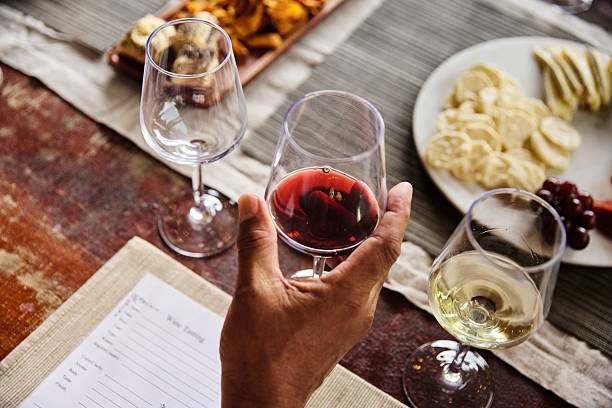
What Goes Good With White Wine
Wondering what goes good with white wine? You’re in the right place. Whether you’re sipping a crisp Sauvignon Blanc or a buttery Chardonnay, pairing it with the right food makes all the difference. From fresh seafood and creamy pasta to tangy cheeses and summer salads, white wine complements a wide range of flavors. In this guide, we’ll break down the best pairings by wine type so you can serve delicious combinations with confidence—elevating your next meal or gathering effortlessly.
Best Cheese Pairings for White Wine
Soft Cheeses That Complement White Wine
Soft, creamy cheeses like Brie, Camembert, and fresh mozzarella pair beautifully with light to medium-bodied white wines such as Pinot Grigio, Sauvignon Blanc, and unoaked Chardonnay. The rich, buttery texture of these cheeses balances the crisp acidity of the wine, creating a harmonious taste experience.
For best results, serve the cheese at room temperature to enhance its creamy consistency and flavor release. Pairing Brie with a citrusy Sauvignon Blanc highlights floral and tangy notes, while mozzarella with a light Pinot Grigio offers a refreshing, clean finish.
Avoid overly pungent soft cheeses, as they can overpower delicate whites. These pairings are ideal for summer gatherings or light appetizer courses.
Hard Cheeses to Serve with Chardonnay and Sauvignon Blanc
Aged hard cheeses such as Manchego, Gruyère, and aged Gouda complement fuller white wines like oaked Chardonnay and herbaceous Sauvignon Blanc. The nutty, caramelized flavors of these cheeses stand up well to the buttery, vanilla notes in oaked Chardonnay, creating a balanced and satisfying bite.
Meanwhile, the bright acidity of Sauvignon Blanc cuts through the cheese’s density, refreshing the palate. For optimal pairing, select cheeses aged 12 months or more to ensure depth of flavor. Serve with crisp crackers and green apple slices to enhance the experience.
These combinations work well as elegant starters or part of a sophisticated wine and cheese evening.
Blue and Goat Cheeses with Sweet and Dry Varietals
Bold-flavored blue cheeses like Gorgonzola and Roquefort pair exceptionally with sweet white wines such as Sauternes or late-harvest Riesling. The intense saltiness of the cheese contrasts the wine’s luscious sweetness, creating a luxurious balance.
Similarly, goat cheese—tangy and fresh—shines alongside dry whites like Sauvignon Blanc or Albariño, where the wine’s zesty acidity enhances the cheese’s citrus notes. Try a warm goat cheese crostini with a chilled Albariño for a delightful appetizer. Crumbled blue cheese with honey-drizzled pear slices and Sauternes is a restaurant-worthy pairing.
These combinations are perfect for dinner parties or decadent dessert courses.
Tips for Building a White Wine Cheese Board
Create a balanced cheese board by including a variety of textures and intensities: one soft, one hard, one blue, and one goat cheese. Choose wines first, then select cheeses that complement their flavor profile—crisp whites with mild cheeses, oaked or sweet wines with bolder options.
Add non-dairy accompaniments like grapes, figs, almonds, and grainy mustard to enhance pairings. Use separate knives for each cheese to avoid flavor mixing. Let cheeses sit at room temperature for 30–60 minutes before serving to maximize aroma and taste. Label each cheese for guests’ convenience.
A well-curated board with thoughtful pairings and visual appeal elevates any gathering and ensures every guest finds their perfect match.
Seafood Dishes That Match White Wine

Grilled Salmon with Pinot Grigio
Grilled salmon pairs exceptionally well with Pinot Grigio due to its crisp acidity and light citrus notes that complement the rich, oily texture of the fish. The wine’s bright finish cuts through the salmon’s natural fat, enhancing the overall flavor without overpowering it.
For best results, season your salmon with lemon, fresh herbs like dill or thyme, and a touch of olive oil to mirror the wine’s freshness. Avoid heavy sauces that might clash with the wine’s delicate profile. Chill the Pinot Grigio to around 45–50°F before serving to maximize its refreshing qualities.
This pairing works especially well in warm weather or for light summer dinners, offering a balanced, clean taste experience that highlights both the dish and the wine.
Shrimp Scampi and Chardonnay Pairing
The buttery, garlicky flavors of shrimp scampi are perfectly balanced by a medium-bodied Chardonnay, especially unoaked or lightly oaked versions. These wines offer crisp apple and pear notes with a creamy texture that mirrors the richness of the butter and olive oil sauce.
The wine’s acidity cuts through the dish’s richness, cleansing the palate with each sip. To elevate the pairing, add a splash of white wine to the scampi sauce to create flavor harmony. Avoid heavily oaked Chardonnays, as their strong vanilla and toast notes can overwhelm the delicate shrimp.
Serve the wine slightly chilled at 50°F to preserve its structure and enhance the dish’s savory depth, making this a luxurious yet approachable pairing for weeknight or dinner parties.
Oysters with Sauvignon Blanc
Raw oysters and Sauvignon Blanc are a classic pairing, celebrated for their shared briny, zesty character. The wine’s high acidity and vibrant citrus, gooseberry, and mineral notes echo the oceanic freshness of oysters, creating a harmonious and refreshing experience.
Serve oysters on the half shell with a squeeze of lemon or a light mignonette to complement the wine’s brightness. Choose a Sauvignon Blanc from regions like Sancerre or New Zealand for the most expressive flavor profile.
The wine’s crisp finish acts as a palate cleanser, preparing you for the next bite. This pairing is ideal for appetizers or seaside dining, offering a light, invigorating combination that highlights the purity of both ingredients.
How to Pair White Wine with Sushi
Pairing white wine with sushi requires balancing the wine’s acidity and body with the fish’s delicacy and any accompanying sauces. Opt for aromatic, light-bodied whites like Riesling or dry Gewürztraminer, which complement the subtle flavors of raw fish without dominating them.
For sushi with spicy elements like wasabi or sriracha mayo, a slightly off-dry Riesling helps soothe the heat. Avoid tannic or heavy wines, as they clash with raw fish. Crisp whites like Pinot Grigio or Albariño also work well with sashimi and vegetable rolls, enhancing freshness.
Serve wine well-chilled at 45–50°F to match sushi’s cool temperature. This approach ensures a harmonious, elegant pairing that enhances the nuanced flavors of Japanese cuisine.
Poultry and Meat Pairings for White Wine

Roasted Chicken with Herbal Sauces
Roasted chicken pairs exceptionally well with aromatic white wines like Sauvignon Blanc or unoaked Chardonnay, which complement its juicy, tender texture without overpowering it. When served with herbal sauces featuring thyme, rosemary, or tarragon, the wine’s bright acidity and citrus notes enhance the dish’s freshness.
For a richer sauce with cream or lemon, opt for a lightly oaked Chardonnay to balance the creaminess while cutting through with crisp apple and mineral undertones.
The key is matching the wine’s body to the sauce’s weight—lighter sauces call for leaner wines, while robust preparations benefit from more structured whites. This harmony elevates both the meal and the drinking experience.
Turkey and White Wine for Holiday Meals
Turkey’s mild flavor makes it a versatile partner for a range of white wines, especially during holiday feasts. Aromatic varieties like Gewürztraminer or Viognier shine when paired with herb-studded stuffing and sweet glazes, as their floral notes and subtle spice echo traditional seasonings.
For leaner white meat, a crisp Pinot Grigio offers refreshing acidity that cleanses the palate. If serving turkey with rich gravy or creamy sides, consider a lightly oaked Chardonnay to add buttery depth without overwhelming the bird.
Avoid overly tannic or heavy wines—white blends with balanced fruit and acidity ensure each bite and sip feel harmonious, making the meal both festive and satisfying.
Pork Tenderloin with Apple Glaze
Pork tenderloin with apple glaze is a perfect match for off-dry white wines like Riesling or Chenin Blanc, whose subtle sweetness mirrors the glaze’s caramelized fruit notes. The wine’s bright acidity cuts through the richness of the pork while enhancing the apple’s natural tartness.
Aromatic intensity in these wines brings out the dish’s warm spices—think cinnamon or cloves—without dominating. For a drier option, try an oaked Viognier, which adds honeyed texture and stone fruit flavors that complement the glaze beautifully.
Serve slightly chilled to maintain balance, ensuring each sip refreshes the palate and prepares it for the next savory-sweet bite of tender pork.
Duck with White Wine Reduction Sauce
While duck is often paired with reds, a well-prepared white wine reduction sauce opens the door for elegant white pairings. Choose a full-bodied white like oaked Chardonnay or white Burgundy, which offers the structure and richness to stand up to duck’s luxurious fat.
The sauce’s reduced acidity and depth call for a wine with complex layers of citrus, toasted oak, and minerality. These elements mirror the sauce’s intensity while lifting the dish’s earthy tones. Avoid overly light whites, as they may vanish against the robust flavors.
Instead, prioritize wines with balanced acidity and creamy texture to create a seamless blend of flavors, turning a rich entrée into a refined, harmonious dining experience.
Vegetarian Meals That Go Well with White Wine
Asparagus and Sauvignon Blanc
Asparagus pairs exceptionally well with Sauvignon Blanc due to its bright acidity and herbaceous notes that complement the vegetable’s earthy, slightly bitter flavor. The wine’s crisp citrus and green apple undertones cut through asparagus’s natural compounds, enhancing rather than clashing with its taste.
For best results, grill or roast asparagus with olive oil, lemon zest, and a touch of garlic to elevate the dish’s complexity. Avoid heavy cream sauces, which can dull the wine’s vibrancy. Instead, a light vinaigrette or sprinkle of Parmesan helps maintain balance.
This pairing shines in spring menus and works beautifully as an appetizer or side. Chill the Sauvignon Blanc to 45–50°F to maximize its refreshing qualities, making it an ideal match for warm-weather dining and light vegetarian fare.
Mushroom Risotto with Chardonnay
A creamy mushroom risotto finds its perfect match in a medium to full-bodied Chardonnay, especially those with subtle oak aging. The wine’s rich texture and notes of vanilla, butter, and baked apple harmonize with the risotto’s creaminess and the umami depth of mushrooms.
Use wild mushrooms like shiitake or porcini to intensify flavor and create a more sophisticated dish. Stir in Parmesan and a touch of white wine during cooking to mirror the drink’s profile. Opt for an unoaked or lightly oaked Chardonnay to avoid overwhelming the palate.
Serve the risotto warm, not piping hot, to preserve the wine’s aromatic complexity. This pairing delivers a luxurious, satisfying experience ideal for dinner parties or cozy evenings, showcasing how vegetarian dishes can stand up to bold white wines.
Caprese Salad and Light-Bodied Whites
Caprese salad, with its fresh mozzarella, ripe tomatoes, and basil, is a match made in heaven for light-bodied, crisp white wines like Pinot Grigio or Vermentino. The wine’s high acidity and clean finish cut through the cheese’s richness while enhancing the tomato’s natural sweetness.
Use vine-ripened tomatoes and high-quality mozzarella for the best flavor balance. A drizzle of balsamic glaze or extra virgin olive oil adds depth without overpowering the delicate wine. Serve the salad chilled but not cold to preserve aroma and taste.
These whites typically have floral and citrus notes that complement the basil’s herbal freshness. This pairing is ideal for summer lunches or appetizers, offering a refreshing, palate-cleansing experience that highlights the simplicity and elegance of vegetarian cuisine with white wine.
Vegetable Stir-Fry with Crisp White Varietals
A vibrant vegetable stir-fry pairs beautifully with crisp white varietals such as Grüner Veltliner or Albariño, which offer high acidity and zesty citrus or mineral notes. These wines balance the stir-fry’s savory umami and slight sweetness from ingredients like bell peppers, snap peas, and carrots.
Use a light soy or tamari-based sauce with ginger and garlic to keep flavors bright and aromatic. Avoid overly spicy versions, which can clash with alcohol; instead, focus on fresh crunch and subtle seasoning. The wine’s acidity cuts through any oil used in cooking, refreshing the palate between bites.
Serve the stir-fry warm and the wine well-chilled at 45–50°F. This combination is perfect for weeknight dinners, proving that vegetarian Asian-inspired dishes can be both satisfying and wine-friendly.
Fruits and Salads to Serve with White Wine
Citrus Fruits with Dry White Wines
Citrus fruits like grapefruit, lemon, and orange segments pair exceptionally well with dry white wines such as Sauvignon Blanc or Pinot Grigio. The natural acidity in these fruits mirrors the crispness of the wine, enhancing both the flavor of the fruit and the wine’s refreshing qualities.
For best results, serve chilled citrus in thin slices or as part of a fruit platter alongside light cheeses. Avoid adding sugar, which can clash with the wine’s dry profile.
Balancing tartness with the wine’s minerality creates a clean, palate-cleansing experience, making this combination ideal as an appetizer or palate refresher during multi-course meals. This pairing also works well at brunch or afternoon gatherings where freshness is key.
Peaches and Rosé Pairings
Juicy, ripe peaches are a perfect match for rosé wines, especially those with notes of strawberry, melon, or citrus. The natural sweetness and floral aroma of peaches complement the light to medium body and subtle fruitiness of most rosés without overwhelming them.
Serve sliced peaches on a cheese board, in a grilled form, or as part of a charcuterie spread to elevate the tasting experience. For a more elegant touch, pair with prosciutto-wrapped peach slices.
The harmony between the wine’s crisp finish and the fruit’s juiciness makes this duo ideal for warm-weather gatherings, garden parties, or light lunches. Avoid overly sweet or canned peaches, which can unbalance the wine’s profile.
Green Salads with Vinaigrette Dressings
A fresh green salad with a light vinaigrette dressing is one of the best accompaniments to white wine, particularly Chardonnay or Albariño. Use bitter greens like arugula, butter lettuce, or spinach as a base and add minimal toppings—think shaved fennel, cucumber, or radish—for a crisp contrast.
The acidity in the vinaigrette enhances the wine’s brightness, creating a cohesive and refreshing bite. Opt for dressings made with white wine vinegar or lemon juice to mirror the wine’s profile. Avoid creamy dressings, which can coat the palate and mute the wine’s delicate notes.
This pairing shines at lunch or as a starter, offering a clean, palate-prepping experience that highlights the wine’s complexity.
Fruit Salads for Summer White Wine Gatherings
A well-crafted fruit salad can be the centerpiece of a summer white wine gathering, especially when paired with aromatic whites like Riesling or Moscato. Combine seasonal fruits such as berries, melon, kiwi, and grapes for a colorful, refreshing mix.
A splash of citrus juice or a hint of mint enhances flavor without overpowering the wine. Serve the salad chilled in individual glasses or on a platter alongside the wine to encourage mingling and tasting.
The natural sugars in the fruit complement the wine’s subtle sweetness, while the fruit’s acidity keeps the palate refreshed. This pairing is ideal for outdoor events, picnics, or dessert courses, offering a light, healthy, and festive option that guests of all ages will enjoy.
Appetizers and Snacks for White Wine Tasting
Bruschetta with Sauvignon Blanc
Bruschetta is a perfect match for Sauvignon Blanc due to its bright acidity and citrusy notes that complement the fresh tomatoes, basil, and garlic topping. The wine’s crispness cuts through the olive oil, enhancing the overall freshness of each bite.
For best results, use ripe, juicy tomatoes and a high-quality baguette toasted just until golden. Add a drizzle of balsamic glaze for a touch of sweetness that mirrors the wine’s fruit profile. Serve immediately to maintain texture contrast.
This appetizer is easy to prepare ahead of time—just assemble right before serving to prevent sogginess. The herbal notes in both the bruschetta and the wine create a harmonious pairing, making it ideal for outdoor tastings or light gatherings.
Stuffed Mushrooms and Chardonnay
Buttery, rich stuffed mushrooms pair exceptionally well with oaked Chardonnay, whose creamy texture and notes of vanilla and toast mirror the filling’s indulgent qualities. Use cremini or button mushrooms, stuffed with a mix of sautéed onions, garlic, breadcrumbs, and Parmesan cheese.
The umami depth of the mushrooms enhances the wine’s complexity, while the cheese adds a savory note that lingers on the palate. Bake until golden and serve warm for maximum aroma and flavor. Avoid overly spicy fillings to keep the pairing balanced.
This combination works beautifully as a sophisticated starter for indoor wine tastings, especially when served on a rustic platter with fresh herbs for garnish.
Crispy Spring Rolls with Riesling
The sweet and savory contrast of crispy spring rolls makes them an excellent partner for Riesling, particularly off-dry varieties. The wine’s slight sweetness balances the rolls’ savory fillings—like pork, shrimp, or vegetables—while its acidity cuts through the oiliness of frying.
Serve with a light dipping sauce such as nuoc cham or plum sauce to enhance the flavor layers without overwhelming the palate. Opt for homemade or high-quality frozen rolls to ensure crispness and clean taste.
The aromatic profile of Riesling—featuring notes of apple, peach, and floral hints—complements the herbs in the filling. This pairing is ideal for refreshing, vibrant tastings and appeals to a wide range of preferences.
Marinated Olives and Light Whites
A simple bowl of marinated olives is a versatile, elegant snack that pairs beautifully with light white wines like Pinot Grigio, Vermentino, or Albariño. The briny, herbal, and slightly tangy flavors of olives enhance the crisp, mineral qualities of these wines.
Customize your olive mix with additions like lemon zest, rosemary, garlic, and chili flakes to elevate complexity without overpowering. Serve at room temperature in a rustic dish for easy sharing. The saltiness of the olives refreshes the palate between sips, making this an ideal low-effort, high-impact appetizer.
This pairing is perfect for casual gatherings or as a palate cleanser during multi-wine tastings.
Desserts That Pair Perfectly with White Wine
Lemon Tart with Sparkling Wine
A crisp lemon tart pairs beautifully with dry sparkling wine like Champagne or Prosecco, creating a refreshing balance of acidity and effervescence. The tartness of the citrus filling is offset by the wine’s bright bubbles, while the buttery shortcrust pastry complements the wine’s subtle brioche notes.
For best results, serve the tart chilled and the wine well-frosted to enhance the contrast. Choose a sparkling wine with high acidity to match the lemon’s zing without overwhelming the palate. This pairing works especially well as a post-dinner treat or afternoon indulgence.
Avoid overly sweet tarts, as they can dull the wine’s sparkle—opt for a clean, sharp citrus flavor profile to keep the pairing vibrant and harmonious.
Peach Cobbler and Late-Harvest Riesling
Warm peach cobbler meets its match in a luscious late-harvest Riesling, where the wine’s honeyed sweetness and vibrant acidity balance the fruit’s natural sugars.
The ripe, juicy peaches in the cobbler echo the stone fruit notes in the wine, while the crispy, buttery topping adds texture that contrasts beautifully with the wine’s silky mouthfeel. Serve the cobbler slightly warm and the wine well-chilled to heighten the sensory contrast.
Ensure the wine is slightly sweeter than the dessert to prevent bitterness. This pairing shines during autumn gatherings or summer evenings. Look for Rieslings with apricot, honey, and floral undertones to elevate the dessert’s flavors and create a truly memorable experience.
Crème Brûlée with Sweet Gewürztraminer
The rich, creamy texture of crème brûlée is perfectly complemented by a sweet Gewürztraminer, whose aromatic intensity stands up to the dessert’s decadence. The caramelized sugar top cracks delightfully under the spoon, releasing flavors that mirror the wine’s notes of lychee, rose petal, and spice.
Gewürztraminer’s low acidity and lush body prevent the pairing from feeling cloying, instead offering a harmonious blend of richness and fragrance. Serve both at cool room temperature to allow the aromas to fully express. This combination excels with vanilla-infused custards.
Avoid dry wines, as they can clash with sweetness—opt for an off-dry to sweet Alsatian or German-style Gewürztraminer for the best balance and depth.
Cheesecake and White Port Pairing Tips
A classic cheesecake finds an unexpected but excellent partner in white port, a fortified wine with rich, honeyed flavors and a smooth finish. The dense, creamy texture of the cheesecake aligns with the wine’s full body, while white port’s nutty, dried-fruit notes add complexity without overpowering.
For optimal pairing, serve the cheesecake plain or with a light fruit compote to avoid overwhelming the wine. Chill the port slightly to enhance its freshness. Choose a younger, lighter white port rather than an aged tawny style to maintain balance.
This duo works well for holiday desserts or dinner party finales. Avoid overly tangy cheesecakes, as they can clash—opt for a milder, vanilla-forward version to let the wine shine.
Frequently Asked Questions
What foods pair well with white wine?
White wine pairs well with a variety of foods including seafood, poultry, salads, and creamy pasta dishes. Lighter whites like Pinot Grigio go nicely with delicate flavors, while fuller-bodied whites like Chardonnay complement richer dishes.
Can I pair white wine with cheese?
Yes, white wine pairs excellently with many cheeses. Try pairing Sauvignon Blanc with goat cheese or Chardonnay with soft, creamy cheeses like Brie and Camembert.
What desserts go well with white wine?
Desserts with fruit, citrus, or light sweetness pair beautifully with white wine. Consider lemon tart, peach cobbler, or fruit-based desserts with a glass of Riesling or Moscato.
Is white wine good with spicy food?
Yes, off-dry or slightly sweet white wines like Riesling or Gewürztraminer balance the heat in spicy dishes such as Thai or Indian cuisine by cooling the palate.
What meats should I serve with white wine?
Chicken, turkey, pork, and seafood like salmon or shrimp are excellent choices. Grilled, roasted, or sautéed preparations with herbs and light sauces enhance the pairing.
Can I drink white wine with pasta?
Absolutely. White wine pairs well with pasta dishes in cream or butter sauces, or those featuring seafood, mushrooms, or vegetables. Avoid heavy meat-based sauces, which typically suit red wines better.
Conclusion
White wine pairs beautifully with a variety of foods, from seafood and poultry to creamy cheeses and fresh salads. Lighter varieties like Sauvignon Blanc complement zesty, herb-forward dishes, while fuller whites such as Chardonnay enhance richer flavors. The key is balancing the wine’s acidity and body with the meal’s intensity. Experimenting with pairings can elevate your dining experience and uncover delightful combinations. So, uncork a bottle, explore different matches, and enjoy the versatile charm of white wine with confidence and joy.
