How To Clean And Reseason Rusty Cast Iron
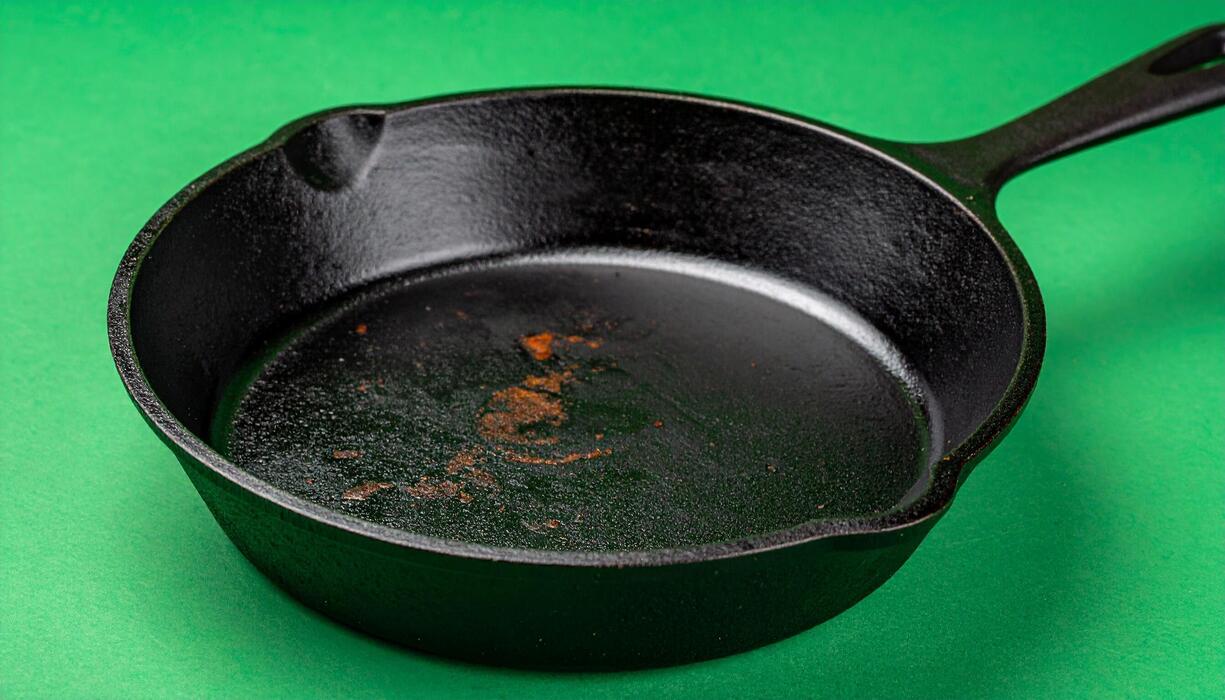
If your skillet or Dutch oven has surface rust, stuck-on residue, or patchy seasoning, you do not need to throw it away. This guide walks you through removing rust safely, restoring a smooth cooking surface, and building a durable nonstick seasoning layer so your cast iron is protected, usable, and ready for years of cooking again with confidence in your kitchen.
How to tell if rusty cast iron can be saved
Signs of light surface rust vs deep damage
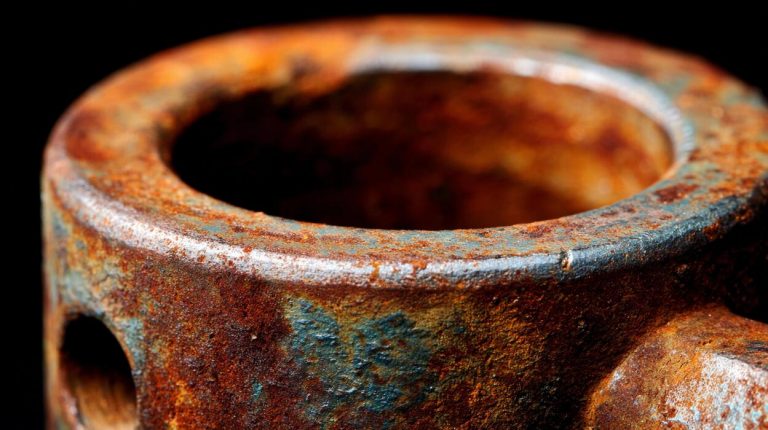
If you are wondering whether rusty cast iron is worth saving, start by checking how far the rust has progressed. Light surface rust usually looks orange, dusty, or patchy and sits on top of the metal without changing the pan’s overall shape.
This type is commonly fixable with steel wool, a scrub pad, vinegar soaks kept short, or even a self-cleaning oven cycle followed by thorough washing and drying. After cleaning, the surface should feel mostly smooth, even if it looks dull gray before reseasoning. Deeper rust damage is different.
Look for rough, flaky spots, dark scaling, or areas where the metal seems eaten away rather than simply stained. Run your fingers carefully across the cooking surface; if you feel sharp craters, heavy texture, or layers lifting off, the pan needs closer evaluation.
In most cases, if the body is solid and the rust is superficial, a full strip, scrub, dry, and reseason process can successfully bring it back.
When pitting is still safe to restore
A rusty cast iron pan with pitting can often still be restored, especially if the pits are small, scattered, and shallow. Pitting happens when rust sits long enough to leave tiny depressions in the metal, but that does not automatically make the cookware unusable.
If the cooking surface remains structurally solid, with no cracks, no soft spots, and no active flaking, you can usually clean it thoroughly and reseason it.
Start by removing all rust with abrasive scrubbing or a controlled vinegar soak, then wash, dry completely, and build several thin layers of seasoning with oil and heat. Minor pitting may remain visible after restoration, but a strong seasoning layer can still create a functional cooking surface over time.
Be realistic, though: deep pits can trap moisture and food, so the pan may need extra maintenance at first. If the pan sits flat, heats evenly enough for your needs, and feels strong, pitting alone usually does not mean it is beyond saving.
When to replace a cracked or warped pan
Some rusty cast iron should be replaced rather than cleaned and reseasoned, especially when there is structural damage. The biggest red flag is a crack, even a hairline one. Cracks can expand during heating and cooling, making the pan unsafe and unreliable.
Check closely around the sidewalls, handle joints, and base, because these areas often show stress first. Another deal-breaker is a warped bottom.
Set the pan on a flat surface; if it rocks noticeably or spins, it may not heat evenly and can be frustrating or unsafe to use, particularly on glass or induction cooktops. Also replace pans with severe metal loss, holes, or chunks missing from the cooking surface.
While rust itself is usually removable, missing metal is not. If cleaning reveals damage that changes the pan’s shape, stability, or strength, restoration is no longer the best solution. In those cases, replacing the pan is safer than trying to force a rescue.
What you need to clean and reseason rusty cast iron

Basic tools and cleaning supplies
To clean and reseason rusty cast iron effectively, gather a few simple, practical supplies before you start. You’ll want dish soap, warm water, a nonmetal scrub brush or sponge, steel wool or a rust eraser for stubborn corrosion, paper towels or clean cloths, and a plastic scraper for stuck-on debris.
For heavier rust, fine-grit sandpaper can help strip the surface back to bare iron without excessive damage. Keep white vinegar on hand for short soaks if the rust is widespread, but avoid leaving the pan submerged too long because acid can weaken the iron.
After cleaning, you’ll need an oven, aluminum foil or a baking sheet to catch drips, and your chosen seasoning oil. It also helps to have tongs or oven mitts for safe handling when the pan is hot.
Having everything ready in advance makes the job faster, cleaner, and much less frustrating.
Best oils for reseasoning cast iron
The best oil for reseasoning rusty cast iron is one that creates a thin, durable baked-on layer rather than a sticky coating. Many home cooks get reliable results with grapeseed oil, canola oil, vegetable oil, or avocado oil because they spread easily and polymerize well in the oven.
Crisco or other vegetable shortening is also a popular option since it is easy to apply in a very thin film. While flaxseed oil is sometimes recommended, it can produce a brittle finish on some pans, so it is not always the easiest choice for beginners.
Whatever oil you use, the key is applying a very light coat and then wiping off the excess until the pan looks almost dry. Too much oil leads to sticky, uneven seasoning instead of a smooth finish.
For best results, build seasoning in multiple thin rounds rather than trying to create one thick protective layer.
Safety tips before you start scrubbing
Before scrubbing rust off cast iron, take a few basic safety steps to protect yourself and avoid damaging the cookware. First, work in a well-ventilated area, especially if you plan to use vinegar, steel wool, or oven heat later in the process.
Wear rubber gloves if your hands are sensitive to cleaners, and consider eye protection when scrubbing aggressively or sanding flaky rust that can scatter particles. If the pan has sharp rusted edges or rough spots, handle it carefully to avoid cuts.
Never mix cleaning products, and if you use a vinegar soak, limit the soak time and check the pan often so the acid removes rust without etching the iron. Dry the pan immediately after washing because bare cast iron can flash-rust quickly.
Finally, plan for safe oven handling by keeping oven mitts, foil, and a clear workspace ready before you begin reseasoning.
How to remove rust from cast iron step by step
How to scrub off loose rust and old buildup
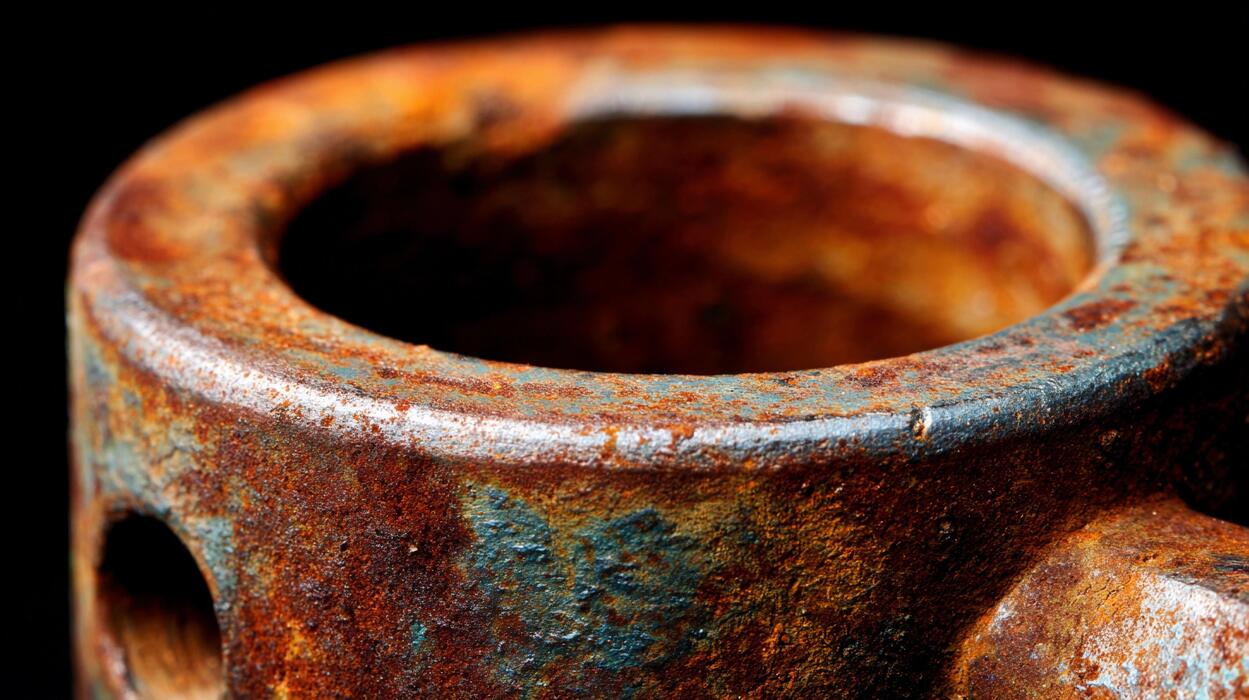
Start by putting the pan in the sink and rinsing it with hot water to loosen surface debris. Use steel wool, a scouring pad, or a stiff brush to scrub away flaky rust, stuck-on residue, and any failing seasoning.
Work in small circles and apply firm pressure, especially on orange or rough patches. A small drop of mild dish soap is fine here because you are stripping damaged buildup before reseasoning. Keep scrubbing until the surface feels more even and most visible rust is gone.
If the pan has heavy crust, use a plastic scraper or the edge of a wooden spatula to lift it without gouging the iron. Rinse and inspect often so you can focus on missed areas.
The goal is not a perfectly black finish at this stage, but a clean, mostly smooth bare-iron surface with loose rust removed. Once the pan looks consistently clean, move on quickly so fresh rust does not form.
How to use vinegar for stubborn rust spots
If rust remains after scrubbing, use a 50/50 mix of white vinegar and water to loosen stubborn spots.
You can either soak the rusty area or the entire pan briefly, but do not leave cast iron sitting in vinegar for too long because the acid can start to damage the metal.
In most cases, 15 to 30 minutes is enough, and very rusty pieces may need up to an hour with close checking every 10 to 15 minutes. Once the rust softens, scrub again with steel wool or a stiff scouring pad until the orange discoloration lifts.
Repeat only if needed rather than doing one long soak. As soon as the rust is gone, remove the pan from the vinegar solution and rinse immediately. This step works best as a targeted treatment, not an overnight bath.
Afterward, the iron may look gray and raw, which is normal and means it is ready to be cleaned, dried, and reseasoned.
How to rinse and dry cast iron the right way
After scrubbing and any vinegar treatment, rinse the pan thoroughly under warm or hot running water to wash away loosened rust, acid, and grit. Make sure you clean the handle, rim, and underside too, since leftover residue can interfere with seasoning.
Dry the pan immediately with a lint-free towel or paper towels, then place it on the stove over low heat for several minutes to evaporate hidden moisture from the pores of the iron.
This is one of the most important steps because cast iron can flash rust within minutes if left damp. Once fully dry, let it cool just enough to handle, then rub on a very thin coat of neutral oil such as grapeseed, canola, or vegetable oil.
Wipe off the excess so the surface looks barely shiny, not greasy. At that point, the pan is clean, dry, and ready for the oven or stovetop reseasoning process to rebuild a protective nonstick layer.
How to strip old seasoning before reseasoning
When full stripping is the best option
A complete strip makes sense when the pan has heavy rust, sticky old oil, flaking seasoning, or uneven black buildup that keeps new seasoning from bonding. If the surface feels tacky after washing, smells rancid when heated, or shows orange rust in several areas, spot cleaning usually is not enough.
Start by scrubbing away loose debris, then use hot water and a small amount of dish soap to remove surface grease. For stubborn residue, make a thick paste of baking soda and water and work it over the pan, or use steel wool to cut through failing layers.
Rinse well and check the metal underneath. The goal is not perfect shine but clean, bare iron with no loose seasoning left behind.
As soon as the pan is stripped, dry it completely on the stove or in a warm oven so flash rust does not form before you begin the reseasoning process.
How to use baking soda or steel wool safely
For a safer strip, start with baking soda because it is mild and helps lift grime without aggressively gouging the iron. Mix it with a little water until it forms a spreadable paste, then scrub with a sponge, brush, or folded cloth in small circles.
Let it sit for a few minutes on especially rusty spots, but do not expect it to dissolve deep corrosion on its own.
If rust or old seasoning still clings, switch to fine steel wool or a stainless scrubber and use firm, even pressure instead of grinding hard in one area. Focus on removing loose rust and flaky buildup while keeping the cooking surface smooth. Rinse often so you can see your progress.
After scrubbing, wash away all residue, dry the skillet immediately, and heat it briefly to drive off moisture. Finish by wiping on a very thin coat of oil as soon as the pan is fully dry.
Mistakes to avoid while stripping cast iron
One common mistake is leaving the pan wet after scrubbing, which can create fresh rust within minutes and undo your work. Another is using too much force with coarse abrasives, which can leave the surface rougher than necessary and make future seasoning less even.
Avoid soaking cast iron for long periods unless you are using a controlled rust-removal method, because extended moisture exposure encourages corrosion. Do not reseason over sticky grease, hidden rust, or loose flakes, since the new coating will fail quickly.
It is also a mistake to apply a thick layer of oil right after stripping; excess oil turns gummy instead of baking into a hard finish. After cleaning, always dry thoroughly, warm the pan, and apply only a thin, buffed-in coat of oil before baking it on.
Finally, do not panic if bare iron looks gray or patchy at first; that is normal and improves with several proper seasoning layers.
How to reseason rusty cast iron for a smooth finish
How to apply a thin coat of oil
After removing rust, drying the pan completely, and letting it cool enough to handle, add a very small amount of oil to the entire surface. Use a neutral, high-smoke-point oil such as grapeseed, canola, or vegetable oil.
Put a teaspoon or less into the skillet, then rub it over the inside, outside, handle, and rim with a lint-free cloth or paper towel. The goal is coverage without buildup.
Once the pan looks coated, take a clean towel and wipe it again as if you are trying to remove all the oil. That second wipe is what creates the thin, even film needed for a smooth finish.
If the pan looks wet, sticky, or shiny in patches, there is too much oil. Thick oil layers can harden unevenly and leave gummy spots. A properly oiled pan should look subtly satin, not greasy, before it goes into the oven.
Best oven temperature and baking time
For most cast iron, a reliable reseasoning method is to bake the oiled pan at 450°F to 500°F for about 1 hour. Preheat the oven first, then place the skillet upside down on the center rack so excess oil cannot pool inside the cooking surface.
Put a sheet of foil or a baking tray on the lower rack to catch any drips. This temperature range helps the oil polymerize into a harder coating, which is what gives cast iron its protective finish.
If your oil has a lower smoke point, expect some smoke and use ventilation. After the hour is up, turn off the oven and let the pan cool gradually inside. Slow cooling helps the layer set evenly and reduces the chance of tacky patches from handling it too soon.
If the finish looks blotchy after the first round, that is normal; additional thin layers will improve color and smoothness.
How many seasoning layers cast iron needs
A rusty skillet usually benefits from at least 2 to 4 seasoning layers after cleaning, while heavily stripped or badly rusted pans may need 4 to 6 rounds to build a stronger base.
One layer offers some protection, but multiple thin coats create a more even, durable surface and help the pan develop that darker look people expect. Focus on thin repetition, not thick coverage.
Each round should follow the same process: lightly oil, wipe off the excess, bake for an hour, and cool. If you notice sticky spots, that is usually a sign of too much oil rather than too few layers.
Once the pan has a dry, smooth feel and a uniform satin finish, you can stop and start cooking with it. The seasoning will continue to improve through use, especially when cooking foods with some fat.
To maintain it, dry thoroughly after washing and apply a whisper-thin oil coat if needed.
Best ways to maintain cast iron after reseasoning
How to clean cast iron after each use
After reseasoning, clean the pan while it is still warm, not blazing hot, so food releases more easily and moisture does not linger long enough to start new rust. Rinse with hot water and use a soft brush, sponge, or chain-mail scrubber to lift stuck bits.
If needed, use a tiny drop of mild soap; modern dish soap will not ruin a well-bonded seasoning layer when used sparingly. Avoid long soaking, harsh detergents, and the dishwasher, because standing water is the real enemy. For stubborn residue, add coarse salt and a little water, then scrub gently.
Once clean, dry the skillet completely right away with a towel and a minute or two over low heat to evaporate hidden moisture. Finish by wiping on a very thin film of oil and buffing off the excess so the surface stays protected, smooth, and ready for the next use.
What foods to avoid at first
Right after you have cleaned and reseasoned rusty cast iron, give the new finish time to strengthen by cooking foods that are gentle and slightly fatty.
For the first several uses, avoid long simmers of tomato sauce, wine reductions, citrus-based dishes, vinegar-heavy braises, or anything highly acidic, because acid can weaken fresh seasoning before it fully bonds.
It is also smart to skip sticky sugar glazes and delicate fish if the pan is still developing a smoother surface. Instead, start with foods like bacon, grilled cheese, cornbread, roasted vegetables, pancakes, or fried potatoes, which help reinforce the seasoning through regular use.
If you do cook acidic foods early, keep the cooking time short and clean and oil the pan promptly afterward. A good rule is to build up several successful, low-moisture cooks first so the skillet regains a darker, more resilient finish that resists rust and cleans up easily.
How to store cast iron to prevent rust
Proper storage is what keeps a newly restored skillet from sliding back into rust. Before putting it away, make sure the pan is completely dry, including the handle, rim, and pour spouts, since even small droplets can trigger orange spots.
After drying, rub on a whisper-thin layer of oil and buff until the surface looks almost dry, not greasy; too much oil can turn sticky during storage. Store cast iron in a cool, dry, well-ventilated place rather than under a damp sink or in a sealed cabinet that traps moisture.
If stacking pans, place a paper towel, coffee filter, or cloth between them to absorb humidity and protect the seasoning from scratches. Leave lids slightly ajar or store them separately so condensation does not collect inside.
If you live in a humid area, check the pan regularly and warm it briefly now and then to drive off moisture before rust has a chance to return.
Tips for fixing common cast iron seasoning problems
Why cast iron turns sticky after seasoning
A sticky surface usually means too much oil was left on the pan or the cookware was not heated long enough to fully polymerize that oil.
When you are trying to fix rusty cast iron, this often happens after reseasoning because it feels safer to add extra oil, but a thin, nearly invisible coat works best.
To fix stickiness, scrub the pan with hot water and a stiff brush or non-scratch scrubber, dry it completely, then place it over low heat to remove all moisture. Apply a very small amount of high-smoke-point oil, then wipe it off until the pan looks almost dry.
Bake it upside down at around 450°F to 500°F for about an hour, then let it cool in the oven. If the seasoning still feels tacky, repeat with less oil. For severe buildup, wash with soap, scrub harder, or strip and restart so you can build smooth, durable layers.
How to fix uneven seasoning or rust returning
If your cast iron looks blotchy, flakes in spots, or keeps developing rust after cleaning, the pan likely has remaining rust, trapped moisture, or weak seasoning layers. Start by scrubbing rusty areas with steel wool, coarse salt, or a rust eraser until you reach clean metal.
Rinse quickly, dry immediately, and heat the pan on the stove for several minutes so all hidden moisture evaporates. Uneven seasoning often improves when you stop applying thick coats and instead build multiple very thin layers.
Wipe on a small amount of oil, buff off the excess, and bake upside down for a full cycle. Repeat two or three times if needed. To prevent rust from returning, never leave the pan wet, avoid air-drying, and store it in a dry place.
After each use, wash, dry over heat, and apply a light protective film of oil. Consistent drying and thin seasoning are the best long-term fix.
How often to reseason cast iron cookware
You do not need to fully reseason cast iron after every meal. In most cases, a full oven reseasoning is only necessary when the pan has visible rust, dull gray patches, flaking seasoning, or persistent sticking that normal maintenance does not solve.
For everyday care, focus on cleaning, drying, and applying a light maintenance coat of oil after cooking. If you use your skillet often, the seasoning usually improves naturally over time, especially when cooking fatty foods.
A good rule is to do a full reseasoning only when performance drops, not on a strict schedule. If you have just cleaned off rust, however, plan on two to three seasoning rounds right away to rebuild protection. After that, maintain it with proper use and storage.
The key is watching the surface: if it stays dark, smooth, and rust-free, regular upkeep is enough. Reseason only when the pan clearly shows it needs restoration, not routine oiling.
Frequently Asked Questions
How do I remove rust from a cast iron pan?
Scrub the rusty areas with steel wool, a scouring pad, or fine-grit sandpaper until you reach bare metal. Rinse quickly, dry completely, and move on to seasoning right away to prevent new rust from forming.
Can I use soap when cleaning rusty cast iron?
Yes, a small amount of dish soap is fine when you are removing rust and old buildup. Just rinse well and dry the pan thoroughly, since moisture left behind can cause it to rust again.
What is the best way to dry cast iron after cleaning?
Dry it immediately with a towel, then place it on the stove over low heat or in a warm oven for a few minutes to evaporate any remaining moisture. The pan should be completely dry before you add oil for reseasoning.
How do I reseason cast iron after rust removal?
Rub a very thin layer of neutral oil or shortening over the entire pan, including the outside and handle, then wipe off the excess so it looks almost dry. Bake it upside down in a 450–500°F oven for about an hour, let it cool, and repeat if needed for a stronger finish.
What oils work best for seasoning cast iron?
Common choices include grapeseed oil, canola oil, vegetable oil, and Crisco-style shortening because they create a durable seasoning layer. The key is applying a very thin coat, since too much oil can leave the surface sticky.
How many times should I season a rusty cast iron pan?
One round of seasoning is often enough to protect the pan, but heavily stripped or badly rusted pieces usually benefit from two to three rounds. After that, regular cooking with oil and proper drying will continue to build the seasoning naturally.
When is cast iron too rusty to restore?
Most surface rust can be cleaned and reseasoned successfully, even if it looks severe. However, if the pan has deep pitting, cracks, warping, or flaking metal, it may not perform safely or well and might not be worth restoring.
Conclusion
With a little patience and regular care, your cast iron can last for generations. Don’t be discouraged by rust—treat it as a chance to bring your cookware back to life and keep it cooking beautifully.