
How To Clean An Old Cast Iron Pot
how to clean an old cast iron pot starts with removing rust, burnt-on residue, and old seasoning without damaging the metal. If your pot looks neglected, sticky, or orange with rust, you are in the right place. The safest method uses hot water, a scraper, salt or steel wool when needed, then thorough drying and re-seasoning. This guide will show you exactly what to do, what to avoid, and how to restore your cast iron for cooking again properly now.
What to check before cleaning an old cast iron pot
How to tell if the pot has rust, burnt-on food, or old seasoning
Before you clean an old cast iron pot, inspect the surface in bright light so you know what you are removing and what you should keep. Rust usually looks orange, reddish-brown, or dark flaky patches, and it may feel rough or powdery when you rub it with a dry cloth.
Burnt-on food often appears as raised black crusts or sticky spots that sit on top of the metal rather than blending into it. Old seasoning is different: it is normally dark brown to black, more even in color, and bonded tightly to the iron with a smoother, satin-like feel.
If the pot smells musty, oily, or rancid, the old coating may need to come off. Run your fingers carefully around the inside and bottom to find pitting, flaking, or heavy buildup.
Knowing whether you are dealing with surface rust, food residue, or stable seasoning helps you choose the right level of scrubbing and avoid unnecessary damage.
What parts of the pot need special care
Check every area of the pot before cleaning, because some sections collect damage faster and need gentler attention. Focus first on the cooking surface, where thick carbon and rust can hide in shallow pits.
Next, inspect the rim and pour spouts, since chipped seasoning often starts there and can spread if scrubbed too aggressively. If the pot has a lid, look underneath and around the lid ring, where moisture gets trapped and rust forms easily.
The handle and helper handle also deserve attention because old grease can harden in corners and make the pot slippery. Turn the pot over and inspect the bottom exterior, especially if it sat on a stove for years; soot, scale, and heat damage often build there.
For older or handmade pieces, check any maker’s marks, gate marks, or textured areas and avoid harsh grinding that could erase details. Paying attention to these spots helps you clean thoroughly while preserving the pot’s structure and character.
When an old cast iron pot is still safe to restore
An old cast iron pot is usually worth restoring if the damage is mostly cosmetic and the iron itself remains solid. Surface rust, stuck food, dull seasoning, and light pitting are common problems and can often be cleaned up successfully.
The pot is generally still safe if it sits flat, has no major warping, and shows no cracks when you inspect it closely inside, outside, and around the handle joints.
Tap it lightly with a wooden utensil; a clear ring can be a good sign, while a dull buzz may suggest a crack, though visual inspection matters most.
Be cautious if you see deep fractures, severe scaling, wobbling, or holes from corrosion, because those issues can affect cooking performance and safety. Also avoid restoring cookware with unknown chemical contamination, such as pieces used for non-food purposes.
If the pot is structurally sound, patient cleaning, drying, and reseasoning can usually bring it back into reliable cooking condition.
Supplies you need to clean an old cast iron pot
Best tools for scrubbing without damaging cast iron
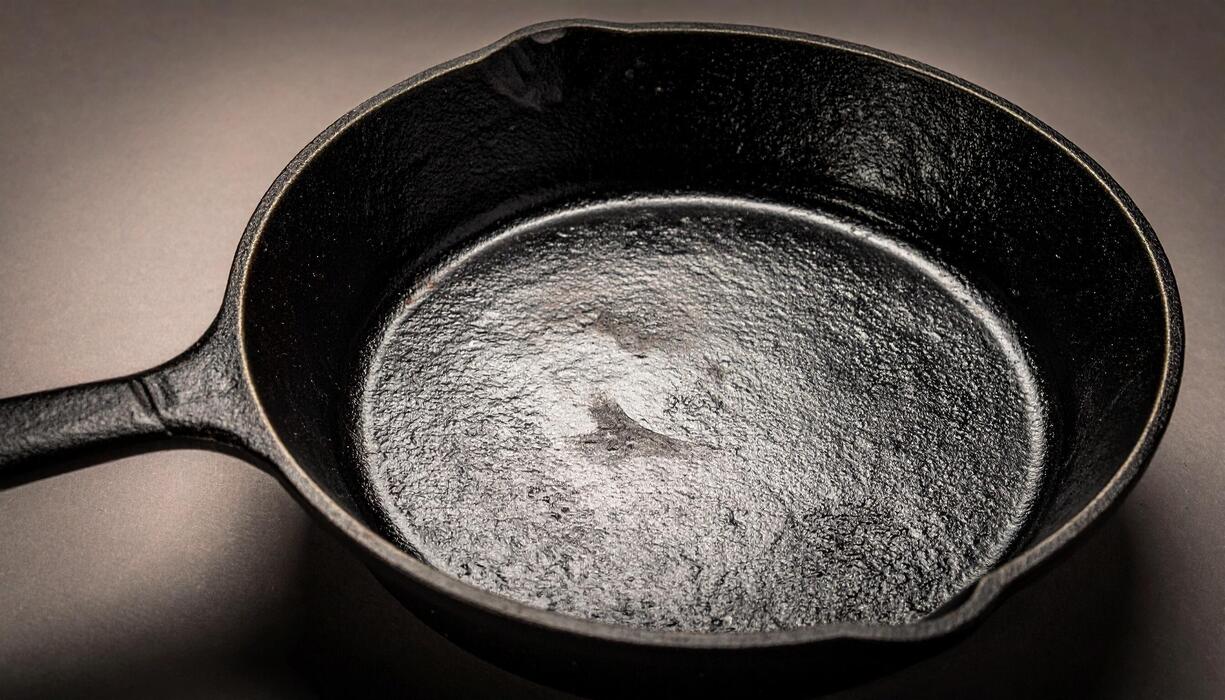
To clean an old cast iron pot safely, gather tools that remove grime without stripping the pan’s surface. A stiff nylon brush is one of the best all-purpose options because it lifts stuck-on food and loose rust while being gentler than harsh metal tools.
For heavier buildup, use a plastic scraper or pan scraper to work on crusted areas without gouging the iron.
A chainmail scrubber made for cast iron is also helpful for stubborn residue; it provides more abrasion than a sponge but is still designed to protect seasoning when used with moderate pressure.
Keep a stack of coarse kosher salt and a folded paper towel or clean cloth nearby for spot-scrubbing oily residue. You will also need lint-free towels for drying immediately and thoroughly, since moisture leads to rust fast.
If the pot has deep rust patches, use fine steel wool only sparingly and plan to re-season afterward.
What cleaning products are safe to use
When cleaning an old cast iron pot, stick with simple products that remove dirt, grease, and rust without causing unnecessary damage. Warm water is the main cleaning agent you need, especially when paired with a brush or scraper.
If the pot is especially greasy or smells stale, a small amount of mild dish soap is safe for occasional use, particularly on old cookware that needs a reset before re-seasoning. For stubborn stuck bits, coarse kosher salt works as a gentle abrasive that helps scrub without chemical residue.
If you are dealing with rust, a paste of baking soda and water can help loosen surface corrosion, though it should be followed by thorough drying.
For more extensive rust restoration, a brief treatment with white vinegar diluted with water can be useful, but only for short exposure because too much acid can pit the iron. After any cleaning, apply a thin coat of cooking oil to protect the surface.
What to avoid when cleaning old cast iron
Avoid anything that can strip, crack, or rust the pot further while you clean it. Do not soak old cast iron for long periods, because standing water encourages rust and can worsen weak spots in older cookware.
Skip harsh oven cleaners, bleach, and strong degreasers unless you are intentionally doing a full restoration and understand the risks, since these can remove all seasoning and leave the surface vulnerable.
Be careful with metal scouring pads and aggressive steel wool; they can scratch deeply and should only be used lightly for rust removal when necessary. Never put an old cast iron pot away damp, because even a little leftover moisture can trigger new rust quickly.
Avoid the dishwasher entirely, as detergent, water exposure, and heat can all damage the finish. Also do not use cooking oil too heavily after cleaning; a thick sticky layer of oil can turn gummy instead of protective. Thin, even oiling and complete drying are safer for long-term care.
How to clean an old cast iron pot step by step
How to wash away loose dirt and grease
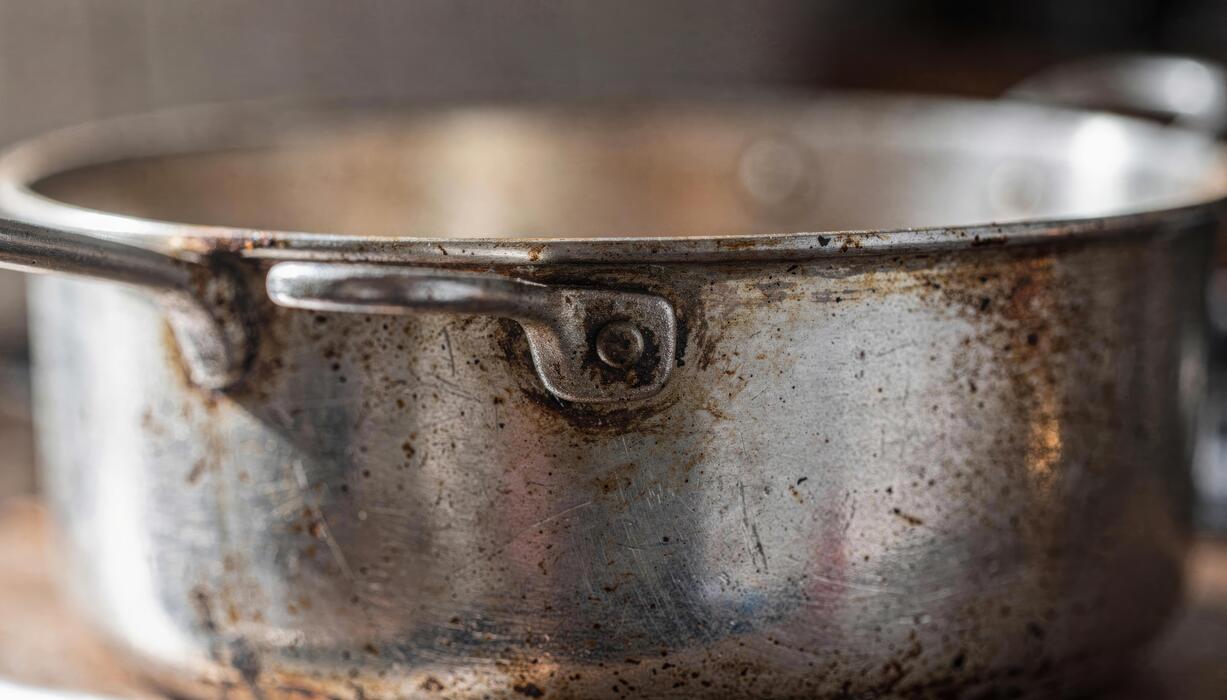
Start by placing the old cast iron pot in a sink and rinsing it with hot water to soften surface grime. Use a soft scrub brush, sponge, or nonmetal dish pad to loosen dust, grease, and flaky debris without gouging the iron.
If the pot feels oily, add a small drop of mild dish soap and scrub the inside and outside thoroughly; using a little soap occasionally is fine, especially on neglected cookware. Focus on the rim, handles, and corners where buildup often hides.
Avoid soaking the pot for long periods, because standing water can encourage rust. If loose rust appears, keep scrubbing gently until the surface feels cleaner and smoother. Empty the dirty water, rinse again, and inspect the pot under bright light.
The goal at this stage is not perfection but removing everything that comes off easily, so the next cleaning step can target the stubborn residue more effectively.
Best ways to remove stuck-on food and black residue
For stubborn messes, add a little hot water to the pot and bring it to a brief simmer for a few minutes to help release baked-on food and carbon buildup.
Pour out the water carefully, then scrub with a stiff nylon brush, chainmail scrubber, or coarse salt on a damp cloth. The salt works as a gentle abrasive that can lift black residue without harsh chemicals.
If thick crust remains, make a paste of baking soda and water and work it over problem areas, then scrub again. For rust patches, use fine steel wool lightly and only as needed, because aggressive scrubbing can strip the surface unevenly.
Avoid oven cleaner or strong chemical treatments unless the pot is severely neglected and you plan to fully reseason it afterward. Keep checking your progress and stop once the surface is mostly clean, solid, and free of loose flakes rather than trying to make the iron look brand new.
How to rinse and dry cast iron the right way
Once the debris and residue are gone, rinse the pot well with hot running water to remove every bit of loosened grime, salt, or baking soda. Do not leave the pot wet in the sink.
Instead, wipe it immediately with a clean, dry towel and pay attention to the rim, handles, and any textured areas where water can hide.
After towel drying, place the pot on the stove over low heat for several minutes or in a warm oven so all remaining moisture evaporates completely; this step is important because cast iron can rust quickly even from tiny droplets.
When the pot is fully dry, rub on a very thin layer of cooking oil using a paper towel, then buff off the excess so the surface looks barely coated, not sticky. If the pot was heavily stripped during cleaning, plan to reseason it soon.
Proper drying and light oiling help protect the iron and keep future cleaning easier.
How to remove rust from an old cast iron pot
Best ways to scrub light rust off cast iron
For light surface rust, start with the gentlest effective method so you do not remove more seasoning than necessary. Rinse the old cast iron pot with warm water, then sprinkle on coarse salt or baking soda to create mild abrasion.
Use a non-metal scrub pad, stiff brush, or folded paper towel to work in small circles over the rusty spots. If needed, add a few drops of water to form a paste, but avoid soaking the pot for long periods because excess moisture can worsen rust.
Once the orange discoloration lifts, wash quickly with a small amount of mild soap if necessary, then rinse and dry immediately and completely over low heat on the stove or in a warm oven. Finish by wiping on a thin layer of cooking oil over the entire surface.
This restores protection and helps prevent fresh rust from forming before you reseason the pot more fully.
How to deal with heavy rust on an old pot
If the cast iron pot has heavy rust, flaky patches, or rough pitting, you will need a stronger approach. Start by scrubbing with steel wool, a chainmail scrubber, or a stiff wire brush to remove loose corrosion.
For stubborn areas, make a paste of baking soda and water, or use a short soak in a 1:1 vinegar-and-water solution for no more than 30 minutes at a time, checking often. Vinegar can strip rust effectively, but leaving it too long may begin to damage the iron itself.
After each soak, scrub again until the metal looks clean and mostly gray. Rinse thoroughly, then dry the pot right away with a towel and heat to remove hidden moisture. Once clean, apply a very thin coat of oil and reseason the pot in the oven.
Heavy rust usually means the original seasoning is gone, so full reseasoning is essential before cooking.
When to repeat the rust removal process
Repeat the rust removal process if you still see orange spots, rough rusty streaks, or a metallic smell after the first round of cleaning. Cast iron often needs more than one scrub-and-dry cycle, especially if rust has formed around the rim, handle joints, or bottom exterior.
After each attempt, inspect the pot under bright light when fully dry; damp iron can hide remaining corrosion. If fresh rust appears almost immediately after drying, that usually means some oxidation is still present or the pot was not dried thoroughly enough.
In that case, scrub again, heat-dry longer, and reapply a very light coat of oil. You should also repeat the process if the surface feels powdery, uneven, or flakes after seasoning.
Stop only when the metal is clean, dry, and free of active rust, then complete two or three thin seasoning layers to rebuild lasting protection.
How to strip old seasoning and restore the surface

When it makes sense to strip the pot completely
You do not need to strip a cast iron pot for every bit of discoloration, but it is the best option when the surface has thick, sticky buildup, flaking black patches, rust inside the cooking area, or layers of old seasoning that leave food tasting off.
A full reset also makes sense if the pot was stored damp for years, came from a flea market with an unknown coating, or has carbon crust so uneven that normal scrubbing cannot smooth it out.
Before stripping, wash away dust and loose debris with hot water and a stiff brush so you can see the real condition of the iron. Check carefully for cracks, warped areas, or deep pitting, because seasoning cannot fix structural damage.
If the iron is sound, stripping gives you a clean base and helps the new seasoning bond evenly, which is usually the fastest route to restoring an old pot that cooks well and looks consistent again.
Best ways to remove flaky or uneven seasoning
For flaky seasoning, start with the least aggressive method that will work. Scrub the pot with hot water, dish soap, and a stiff nylon brush to remove grease and any loose layers.
If the buildup is stubborn, use a chain-mail scrubber or fine steel wool on problem spots, focusing on rough patches rather than grinding the whole pot. For heavier restoration, simmering water in the pot for a few minutes can soften old residue before scrubbing.
Some people also use a lye-based oven cleaner or a dedicated lye bath for badly coated vintage pieces, but that requires gloves, ventilation, and careful label-following. Avoid random power-tool sanding unless rust or carbon is severe, because aggressive abrasion can create uneven texture.
Once the flakes are gone, rinse well and inspect the surface. Your goal is not polished iron but a clean, solid, even base with no peeling seasoning left to fail under the next coat.
How to get the surface ready for reseasoning
After stripping, prepare the pot so the new seasoning can grip the iron properly. First, wash it thoroughly with hot water and a small amount of soap to remove any dust, residue, or chemical traces from the cleaning step.
Dry it immediately with a towel, then place it over low heat or in a warm oven for several minutes so all hidden moisture evaporates. If you see fresh orange rust appear, scrub that spot right away with steel wool or a scouring pad, rinse, and dry again.
The surface should feel clean, dry, and matte, not greasy or tacky. Once dry, wipe on a very thin coat of oil such as grapeseed, canola, or vegetable oil, then buff off the excess until the pot looks almost dry. Too much oil leads to sticky seasoning.
At that point, the iron is ready for the first baking cycle and a fresh, even reseasoning process.
How to season an old cast iron pot after cleaning
Best oil to use for cast iron seasoning
After you clean an old cast iron pot, choose an oil that creates a hard, thin, durable seasoning layer rather than a sticky coating. Grapeseed oil, canola oil, vegetable oil, and avocado oil are all practical choices because they spread easily and polymerize well when heated.
Many home cooks like grapeseed oil because it has a high smoke point and leaves a smooth finish, while canola is affordable and easy to find. Avoid using too much oil, no matter which type you pick, because excess oil causes gummy spots and uneven seasoning.
You also do not need specialty products to get good results. If the pot is fully dry after cleaning and rust removal, rub in only a very light coat over the inside, outside, handle, and rim. Then wipe again with a clean cloth until the surface looks almost dry.
That nearly invisible layer is what helps build a strong, even finish.
How to season the pot in the oven step by step
Once the old pot is cleaned, dry it completely first, even warming it briefly on the stove so hidden moisture evaporates from pores and corners. Preheat your oven to about 450°F to 500°F.
Using a cloth or paper towel, rub a very thin layer of oil over the entire pot, including the base, sides, rim, and handle. Then take a fresh towel and wipe off all visible excess; the iron should look lightly sheened, not wet.
Place foil or a baking sheet on the lower rack to catch drips. Put the pot upside down on the center rack so extra oil cannot pool inside. Bake for about one hour, then turn off the oven and let the pot cool inside slowly.
If the surface looks patchy after cooling, repeat the process. The goal is to build multiple thin baked-on layers, which protect the iron better than one heavy coat.
How many seasoning layers an old pot may need
An old cast iron pot usually needs more than one round of seasoning, especially if you removed rust, old flaky buildup, or bare gray metal during cleaning. In many cases, two to three oven layers are enough to create a solid starting finish.
If the pot was heavily stripped or badly neglected, it may need four to six thin layers before the surface begins to darken and feel more even. Focus on appearance and performance rather than chasing perfection right away.
A newly restored pot does not have to be jet black on day one to be usable. If the finish feels sticky, that often means the coats were too thick, not that you need more oil.
Once the initial seasoning is done, continued cooking helps improve it, especially foods cooked with a bit of fat. Frying, roasting, and baking cornbread can all strengthen the finish over time and make the pot easier to maintain.
Tips for keeping an old cast iron pot clean and rust-free
How to clean cast iron after everyday cooking
For everyday cleaning, let the old cast iron pot cool slightly, then rinse it with hot water while the surface is still warm. Use a soft brush, sponge, or coarse salt to loosen stuck-on food without stripping the seasoning.
If needed, use a small drop of mild soap occasionally, but avoid soaking the pot in water. Dry it immediately and thoroughly with a towel, then place it on low heat for a minute or two to remove hidden moisture.
Once dry, rub in a very thin layer of cooking oil over the inside and outside, then buff away excess so it does not feel greasy. This routine helps keep the surface clean, smooth, and protected from rust.
Best ways to store cast iron without moisture damage
To keep an old cast iron pot rust-free in storage, make sure it is completely dry before putting it away. Even a little trapped moisture can cause rust spots over time. Store it in a cool, dry place with good air circulation rather than in a damp cabinet or basement.
If you use a lid, place a paper towel or cloth between the pot and lid to absorb moisture and allow airflow. Avoid stacking damp cookware inside it, and never seal it in plastic. A light coat of oil on the cooking surface adds extra protection during long storage.
Check the pot occasionally, especially in humid seasons, so you can wipe away moisture and refresh the oil layer before rust has a chance to form.
Common cast iron cleaning mistakes to avoid
One of the biggest mistakes is soaking cast iron in water, which can quickly lead to rust, especially in older pots. Another common problem is using harsh scouring pads or strong chemical cleaners that strip away seasoning and leave the surface vulnerable.
Do not put cast iron in the dishwasher, and avoid storing it while still damp. Using too much oil after cleaning is also unhelpful, because a thick, sticky coating can turn gummy instead of protective.
If food is badly stuck, do not scrape aggressively with sharp metal tools; instead, simmer a little water in the pot to loosen residue. Finally, never ignore small rust spots. Treat them early with gentle scrubbing, drying, and reseasoning before they spread.
How often to reseason an old cast iron pot
An old cast iron pot does not need full reseasoning after every use, but it does benefit from regular maintenance seasoning.
If you clean, dry, and lightly oil it after cooking, you may only need a full oven reseasoning every few months or whenever the surface looks dull, patchy, sticky, or starts showing rust. Heavy use, acidic foods, or aggressive scrubbing can wear seasoning down faster, so check the pot often.
To reseason, apply a very thin coat of oil, wipe off the excess, and heat the pot in the oven until the layer bonds to the metal. For older cookware with bare spots, repeat the process several times.
Consistent light care is usually more effective than waiting until the pot becomes badly rusted.
Frequently Asked Questions
What’s the safest way to clean an old cast iron pot without damaging it?
Start by rinsing the pot with hot water and scrubbing it with a stiff brush or non-metal scrubber. Avoid soaking it for long periods, and use only a small amount of mild soap if needed, then dry it immediately and completely.
How do I remove rust from an old cast iron pot?
Scrub the rusted areas with steel wool or a chainmail scrubber until you reach clean metal. Rinse, dry thoroughly, and apply a thin coat of oil before heating the pot to begin restoring its seasoning.
Can I use soap on an old cast iron pot?
Yes, a small amount of mild dish soap is fine for removing stubborn grime, especially on very dirty old cookware. Just avoid harsh detergents or repeated heavy scrubbing that can strip the seasoning layer.
What should I do if the pot has baked-on grease or stuck food?
Add some water to the pot and simmer it for a few minutes to loosen the residue. After it cools slightly, scrub away the softened buildup, then dry and re-oil the surface.
How do I re-season an old cast iron pot after cleaning it?
Rub a very thin layer of neutral oil or shortening over the entire pot, inside and out, then wipe off any excess. Bake it upside down in the oven at about 450°F for 1 hour, let it cool, and repeat if the surface still looks dry or patchy.
How can I tell if an old cast iron pot needs full restoration instead of basic cleaning?
If the pot has widespread rust, sticky residue, flaking seasoning, or a rough uneven surface, it likely needs a deeper restoration. In that case, strip off the old buildup, remove rust completely, and then rebuild the seasoning from scratch.
What should I avoid when cleaning an old cast iron pot?
Avoid putting it in the dishwasher, soaking it overnight, or leaving it wet, since moisture leads to rust. Also skip harsh chemical cleaners unless you are doing a full restoration and know the cookware is not coated with anything unsafe.
Conclusion
Cleaning an old cast iron pot takes patience, but the results are worth it. By removing rust, scrubbing away buildup, drying it completely, and applying a fresh layer of seasoning, you can restore both its appearance and performance. With regular care and proper storage, your cast iron pot can last for many more years.