How To Fix Rusted Cast Iron
If you’re searching for how to fix rusted cast iron, the solution usually starts with removing the rust, cleaning the surface, and restoring the protective seasoning or coating. Whether you’re dealing with cookware, tools, or fixtures, the right method depends on how deep the corrosion goes and what finish you want to preserve. In this guide, you’ll learn the safest ways to strip rust, stop further damage, and bring cast iron back to a usable condition without causing more harm.
How to Tell If Cast Iron Is Rusted
Common signs of surface rust
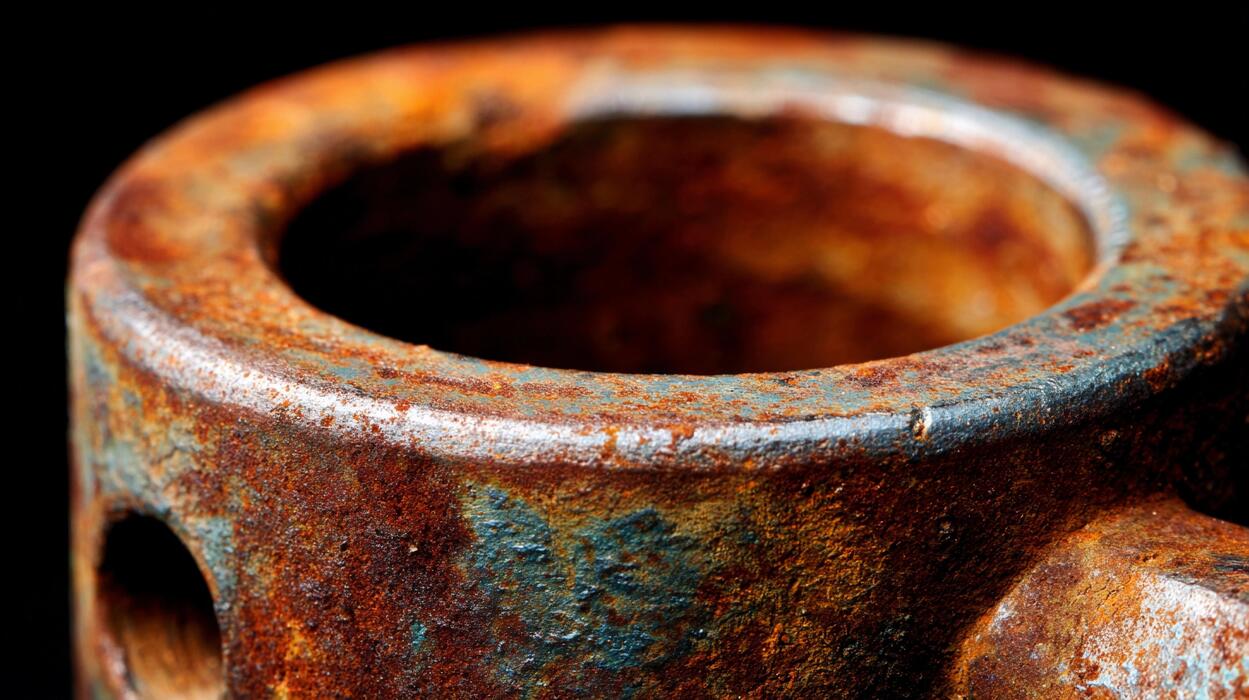
Surface rust usually looks like a thin orange, red, or brown film on top of the cast iron rather than deep pits. It may appear after the item has been stored in a damp place, air-dried too slowly, or left with water on it.
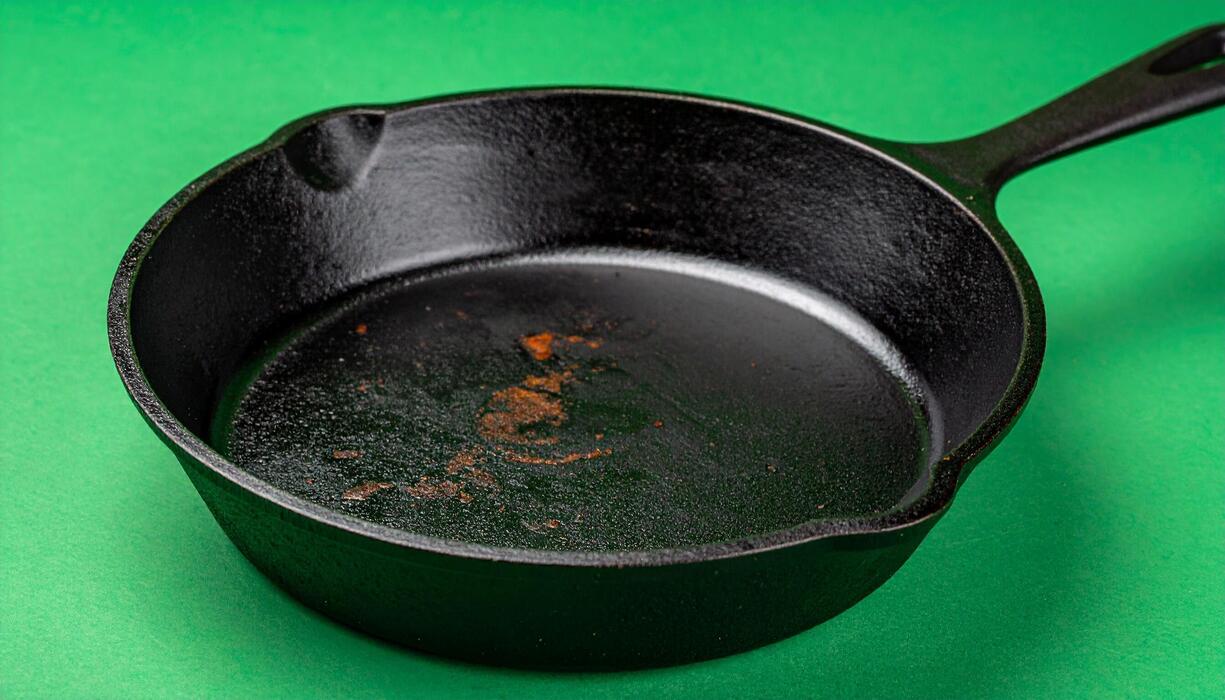
In cookware, you’ll often notice it first on the cooking surface, rim, handle, or around seasoning that has worn away. A slightly rough feel or a dusty residue on your fingers is another clue.
To check it, wipe the area with a dry paper towel; if the towel comes away orange or brown, rust is likely present. The good news is that light surface rust is usually fixable with scrubbing, drying, and re-seasoning.
If the metal still feels solid and the rust has not spread into deep holes, you can usually restore it before it becomes a bigger problem.
When rust becomes a serious problem
Rust is more serious when it stops being a thin surface layer and starts causing pitting, flaking, or rough scaling. Deep rust can look darker, feel crumbly, or leave behind chunks that come off when you scrub.
On cookware, serious rust may mean the seasoning has failed for a long time, or the pan has been exposed to moisture repeatedly. On tools or hardware, watch for weakened edges, stuck parts, or areas that bend, crack, or chip more easily than they should.
If the rust has eaten into the metal, simple cleaning may not be enough, and the item may need more aggressive restoration or replacement. A good test is whether cleaning exposes smooth metal underneath.
If the surface keeps shedding layers or the damage seems structural, treat it as a serious issue. Address it quickly to prevent further corrosion and to protect performance and safety.
What rust means for cookware and tools
For cast iron cookware, rust usually means the protective seasoning layer has been damaged, not that the pan is ruined. Most rusted pans and skillets can be saved if you remove the rust, dry the piece completely, and rebuild the seasoning with oil and heat.
The key is to act fast, because moisture left on cast iron allows rust to spread. For tools, rust can affect function, grip, and precision. Hinges may seize, blades may dull faster, and moving parts can become stiff.
Light rust is often cosmetic and easy to correct, but heavy rust can shorten the life of the tool if ignored. In both cases, the goal is the same: identify the rust early, remove it thoroughly, and protect the bare metal afterward.
If the item still has solid metal underneath, there is usually a practical path to restoration rather than replacement.
What You Need to Remove Rust from Cast Iron
Safe cleaning supplies and tools
To fix rusted cast iron, start with non-abrasive cleaning supplies that remove corrosion without damaging the pan’s seasoning or surface. You’ll want warm water, mild dish soap, a stiff nylon brush, non-scratch scrub pads, paper towels, and clean cloths.
For heavier rust, keep fine steel wool or a rust eraser on hand, but use them carefully and only where needed. A plastic scraper can help lift loose rust or stuck-on debris without gouging the metal.
If the rust is light, a scrub pad and soapy water may be enough; if it’s more advanced, pair the brush with a rust-cutting approach and repeat in small sections.
Avoid harsh abrasives unless the cookware is severely affected, because the goal is to clean the iron while preserving as much of the original surface as possible.
Having a drying rack or low-heat oven nearby also helps you move quickly from cleaning to drying, which is critical for preventing new rust.
Best rust removers for cast iron
The best rust removers for cast iron depend on how deep the rust has set in. For light surface rust, a paste of baking soda and water can loosen oxidation while staying gentle on the metal.
For more stubborn spots, white vinegar diluted with water can break down rust faster, but it should be used carefully and only for a short soak, since leaving cast iron in vinegar too long can start eating into the iron itself.
If you want a ready-made option, choose a cast iron-safe rust remover or a food-safe citric acid solution designed for cookware restoration. After using any remover, scrub, rinse thoroughly, and dry immediately so moisture does not trigger more rust.
If the rusted area is extensive, use a progressive approach: clean, inspect, repeat, and then restore the seasoning. The key is to remove rust efficiently without over-stripping the pan, because that makes reseasoning harder and can leave the metal vulnerable again.
Protective gear and workspace tips
When removing rust from cast iron, protect yourself and your workspace so the job stays clean and safe. Wear rubber gloves to keep your hands dry and to avoid skin irritation from rust, vinegar, or cleaning agents.
If you’re scrubbing aggressively or using a wire brush, add safety glasses to protect against debris. Work in a well-ventilated area, especially if you’re using vinegar, rust removers, or hot drying methods.
Set up your station with old towels, a sink or large basin, and a drying cloth so you can rinse and dry the pan immediately after cleaning. Keep the workspace clear of moisture because cast iron can start rusting again within minutes if it sits wet.
If you plan to use the oven for drying, place the pan on a middle rack and keep an eye on it. Organizing your supplies before you begin makes the process faster, reduces mess, and helps you finish with a dry, clean surface ready for seasoning.
How to Clean Light Rust from Cast Iron
Wash and dry the cast iron first
Start by removing any loose debris before you tackle the rust. Wash the pan with warm water and a small amount of mild dish soap to lift grease, dirt, and residue that can hide rust spots. Use a non-scratch sponge or cloth so you do not gouge the surface.
If the rust is only light, this cleaning step may reveal that the damage is superficial. Rinse thoroughly, then dry immediately with a clean towel. Do not let cast iron air-dry, because lingering moisture is what makes rust spread.
For stubborn water in the corners, place the pan on a low burner or in a warm oven for a few minutes until every bit of moisture evaporates.
Before moving on, check the whole surface, including the handle and underside, so you know exactly where the rust is and how much scrubbing you need to do.
Use scrubbing methods that work
For light rust, use a method that removes oxidation without damaging the seasoning. Try fine steel wool, a non-metal scrubber, or a paste of coarse salt and a little oil to gently work on the rusty areas.
Scrub in small circular motions and apply steady pressure, focusing only on the affected spots. If the rust is thin, it should lift fairly quickly.
For slightly more stubborn patches, make a paste with baking soda and water, spread it on the area, and let it sit for a few minutes before scrubbing again. Avoid aggressive tools unless necessary, because deep scratches can strip seasoning and make the pan more vulnerable later.
Wipe away loosened rust often so you can see your progress. If the surface starts looking raw and gray, stop scrubbing that area and move on, since the goal is to remove rust, not grind down the cast iron itself.
Rinse, dry, and inspect the surface
After scrubbing, rinse the cast iron well with warm water to remove rust particles, salt, or cleaner residue. Do a final check with your fingers or a paper towel to make sure the surface feels smooth and no orange or brown spots remain.
Then dry the pan completely with a towel and heat it on the stove or in the oven for a few minutes to drive out hidden moisture.
Once it is fully dry, apply a thin coat of cooking oil over the entire piece, including the outside and handle, to help protect it from future rust. Use only a light layer and wipe off any excess so the surface does not feel sticky.
If the rust left the pan dull or patchy, consider doing a quick re-seasoning step after cleaning. Store the cast iron in a dry place, and avoid stacking it while damp so the rust does not come back.
How to Remove Heavy Rust from Cast Iron
Soak rusted cast iron safely
Start by removing any loose food debris, then rinse the pan with warm water and dry it enough to handle. For heavy rust, soaking can help loosen the oxide layer, but keep the soak controlled so the iron does not stay wet for too long.
Fill a basin or tub with enough white vinegar and water to cover only the rusted areas, or use plain warm water for a shorter pre-soak if the rust is flaky but shallow. Check the pan every 15 to 30 minutes so the surface does not over-etch.
If the rust is very deep, soak in short intervals rather than leaving it overnight. After each soak, rinse immediately and dry completely. Never let cast iron air-dry, because that can create new rust fast.
If needed, repeat a few short soaks instead of one long one to protect the metal.
Use vinegar or other rust-removal methods
For a rusted cast iron pan, white vinegar is one of the most effective rust removers because it breaks down iron oxide. Mix equal parts vinegar and water for a gentler solution, or use a stronger mix only on severe rust for a short time.
If you prefer not to use vinegar, try baking soda paste, coarse salt with a little water, or a commercial rust remover labeled safe for cookware.
For thick rust, a chainmail scrubber, nylon brush, or fine steel wool can help after soaking, but avoid aggressive scraping that can gouge the seasoning base. Work in small sections and stop as soon as the rust lifts.
If the pan has decorative details or corners, use a toothbrush to reach them. Rinse after each round and inspect the surface. If orange stains remain, repeat the method rather than increasing pressure too quickly.
Scrub off loosened rust and residue
Once the rust has softened, scrub thoroughly but carefully to remove every loose particle. Use hot water, a stiff brush, or non-soapy abrasive scrubbers to lift residue from the cooking surface, handle, and underside.
Focus on any rough, orange, or pitted spots, because leftover rust can spread again once the pan is stored. If the residue is stubborn, apply a fresh coat of vinegar solution or baking soda paste and scrub again in circles.
Rinse often so you can see what is actually rust and what is just loosened debris. When the surface feels clean, dry it immediately with towels and place it on low heat for a few minutes to drive out hidden moisture.
Then apply a thin layer of oil over the entire pan to begin restoring protection. Finally, heat it in the oven to re-season, which helps seal the metal and prevents future rust.
How to Restore and Re-Season Cast Iron
Apply a thin layer of oil
Start by scrubbing off loose rust with a stiff brush or steel wool, then wash the pan with warm water and a small amount of soap if needed. Dry it completely right away, because any leftover moisture can bring rust back fast.
Once the surface is clean and dry, rub on a very thin layer of high-smoke-point oil such as flaxseed, grapeseed, canola, or vegetable oil. Use a paper towel to spread it over every surface, including the outside, handle, and rim.
Then wipe again until the pan looks almost dry; too much oil can leave sticky spots instead of a hard seasoning. The goal is a barely visible coating that bonds during heating. If the rust is heavy or flaky, repeat the cleaning step first until you reach solid iron.
This thin-oil prep creates the base for rebuilding the protective layer that keeps cast iron from rusting again.
Bake the cast iron to build seasoning
Place the oiled cast iron upside down on the middle rack of your oven and put foil or a baking sheet on the lower rack to catch drips. Heat the oven to 450–500°F and bake for about one hour.
This high heat helps the oil polymerize, which means it turns into a hard, protective coating bonded to the metal. After the hour is up, turn off the oven and let the pan cool inside it so the finish sets gradually.
If you remove it too early, the surface may stay uneven. When it is cool, check for a dull, dry sheen rather than a wet look; that is a sign the seasoning is forming correctly.
If the pan still looks patchy or rusty, don’t worry—another round of seasoning can improve it. Baking is the step that transforms oil from a temporary layer into a stronger barrier against moisture and corrosion.
Repeat seasoning for better protection
For a rusted pan, one round of seasoning is often not enough. Repeating the oil-and-bake cycle 2 to 4 times builds a stronger surface and helps fill in weak spots where rust once formed.
After each bake, let the cast iron cool, then inspect it for dull areas, orange discoloration, or sticky residue. If needed, wash lightly, dry thoroughly, and apply another ultra-thin coat of oil before baking again.
Multiple layers create a more durable finish that is better at resisting moisture, food acids, and daily wear. Once restored, keep the pan protected by drying it immediately after washing, applying a light oil wipe after use, and storing it in a dry place.
Avoid soaking it in water or leaving it in the sink. Regular maintenance matters because seasoning is not permanent—it improves with use and care. With patience, even a rusted pan can return to a smooth, reliable cooking surface.
How to Prevent Cast Iron from Rusting Again
Dry cast iron completely after use
Moisture is the main reason cast iron rusts again, so drying it fully is the first step in prevention. After washing, wipe the pan with a clean towel and make sure you reach the handle, rim, and underside, where water can hide.
Then place it on a warm burner or in a low oven for a few minutes to drive off any remaining moisture. Do not air-dry cast iron, because even a thin layer of water can leave orange spots behind.
If you recently removed rust, be extra careful around seams, ridges, and textured areas, since those spots hold water longer. Once the pan is dry, let it cool before storing so condensation does not form inside.
This simple habit is one of the most effective ways to protect the seasoning and keep the metal stable. A thoroughly dried pan is far less likely to develop fresh rust after cleaning or cooking.
Store cast iron the right way
Proper storage helps prevent rust from returning after you fix a rusted pan. Keep cast iron in a cool, dry place with good airflow, and avoid stacking it in a damp cabinet or directly against a wet sink wall.
If you nest pans, place a paper towel, cloth, or pan protector between them so trapped moisture does not sit on the surface. Never store cast iron with the lid sealed tightly while it is still warm or even slightly damp, because condensation can build up inside.
In humid climates, consider leaving the pan in an open shelf or drawer with a moisture absorber nearby. If you use your skillet often, store it where it can stay dry and easy to access, which also encourages regular use.
Before putting it away, check the cooking surface, rim, and handle for any lingering dampness. Good storage protects both the seasoning and the bare metal underneath, helping your repair last longer.
Use oil and regular maintenance
A light coat of oil is one of the best defenses against future rust. After cleaning and drying, apply a very thin layer of neutral oil such as vegetable, canola, or grapeseed oil, then wipe off the excess until the surface looks nearly dry.
Too much oil can become sticky instead of protective. For extra protection, heat the pan briefly so the oil bonds to the surface and reinforces the seasoning.
Regular maintenance matters too: cook with the pan often, clean it soon after use, and re-oil it whenever the surface starts to look dull or dry. If you notice rough spots or a tiny rust bloom, address it right away before it spreads.
Avoid soaking the pan, putting it in the dishwasher, or leaving it in the sink. Consistent care keeps the seasoning strong, blocks moisture from reaching the metal, and reduces the chance that you will need to remove rust again.
When to Repair, Replace, or Call a Professional
Signs cast iron is too damaged to save
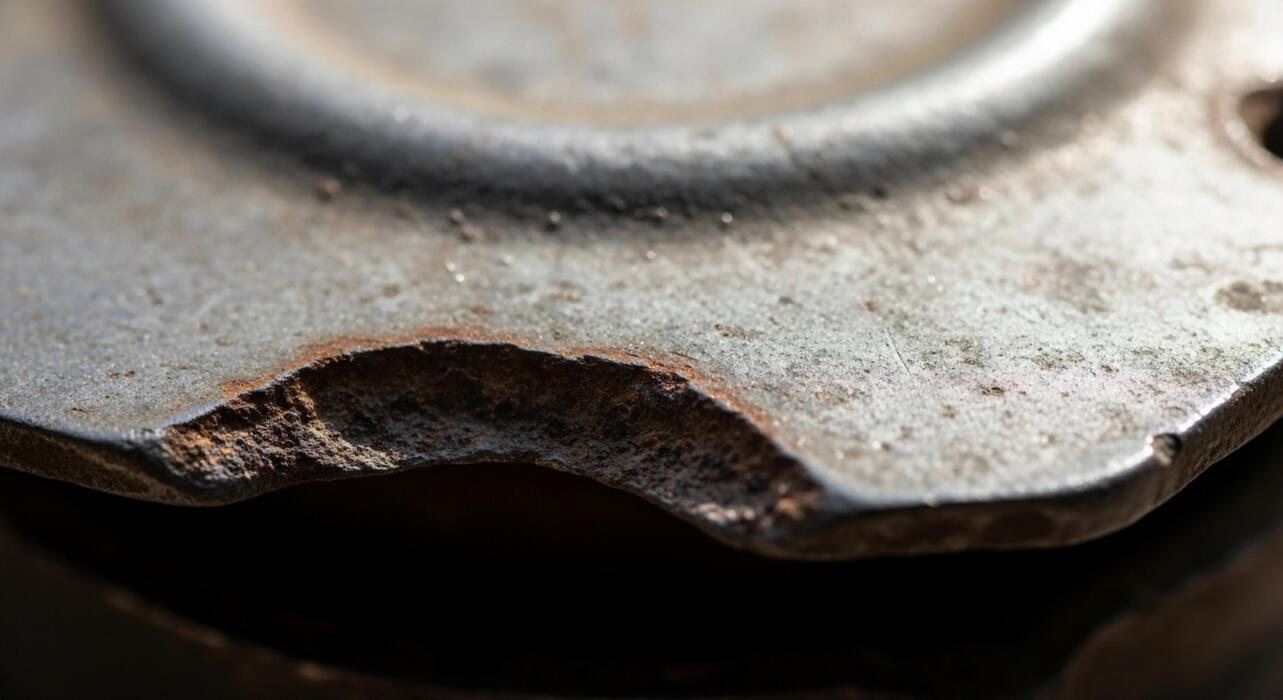
If the rust is only on the surface, you can usually restore the piece, but deep pitting, flaking metal, and cracks are warning signs that repair may not be worthwhile. Check whether the rust has eaten away enough metal to create thin spots, sharp edges, or holes.
On cookware, warping, severe wobble, or a broken handle can make the item unsafe even if the rust is removed. For hardware or structural parts, look for rust around fasteners, joints, and load-bearing areas; if the metal is softened or crumbling, replacement is often the safer choice.
A good rule is that if the object still feels solid after cleaning off loose rust, it may be salvageable. If it bends easily, leaks, or has compromised strength, don’t rely on a cosmetic fix.
When in doubt, especially for anything supporting weight or exposed to heat, treat safety as the deciding factor.
Fixing rusted cast iron cookware vs. hardware
Cast iron cookware is often the easiest type to save because the goal is usually to remove rust, dry it fully, and rebuild the seasoning.
Start with scrubbing, a vinegar soak only if needed, thorough rinsing, and immediate drying, then apply a thin coat of oil and heat it to protect the surface. If the pan has only light-to-moderate rust, this is usually enough.
Hardware is different: hinges, brackets, tools, and outdoor fixtures may need wire brushing, sanding, rust converter, primer, and repainting instead of seasoning. Also, hardware often matters for function, so moving parts, threads, and mounting points must still fit correctly after cleanup.
Never use aggressive acids or sanding methods on items where dimensional accuracy matters unless you know the part can tolerate it. In short, cookware is restored for food safety and seasoning; hardware is restored for strength, fit, and corrosion resistance.
When restoration services make sense
Professional restoration makes sense when the item is valuable, antique, unusually large, or structurally important. A specialist can assess whether the rust is surface-level or if hidden damage has weakened the metal.
This is especially useful for family heirlooms, vintage cookware, decorative cast iron, and architectural pieces where DIY mistakes could reduce value. Professionals also have access to blasting, controlled chemical treatments, welding, machining, and refinishing options that are hard to do at home.
If the cast iron has intricate details, mixed materials, or a finish you want preserved, expert help can save time and avoid irreversible damage. Call a pro if you see deep cracking, severe scaling, repeated rust after cleaning, or any safety concern.
For high-value items, the cost of restoration is often cheaper than replacing a rare piece. When the goal is to preserve both function and appearance, a restoration service is often the smartest route.
Frequently Asked Questions
How do I fix rust on cast iron cookware?
Start by scrubbing off loose rust with steel wool, a scrub pad, or a stiff brush using warm water and a little dish soap if needed. Rinse, dry completely, then re-season the pan with a thin layer of oil baked on in the oven to protect the surface.
Can I use vinegar to remove rust from cast iron?
Yes, a short vinegar soak can help remove light to moderate rust. Mix equal parts white vinegar and water, soak only until the rust loosens, then scrub, rinse well, dry immediately, and re-season right away to prevent new rust.
What is the best way to clean heavily rusted cast iron?
For heavy rust, use a combination of soaking, scrubbing, and repeated rust removal rather than aggressive sanding right away. After the rust is gone, dry the item completely and apply several layers of seasoning oil by heating it in the oven or on the stove.
How do I prevent cast iron from rusting again?
Keep cast iron completely dry after washing and apply a very light coat of cooking oil before storing. Avoid soaking it for long periods, and store it in a dry place with airflow if possible.
Can rusted cast iron still be used safely?
Usually yes, if the rust is removed and the pan is properly cleaned and re-seasoned. If the rust is extremely deep, flaky, or has damaged the metal structure, it may be better to replace the item.
Do I need to re-season cast iron after removing rust?
Yes, re-seasoning is an important final step because rust removal strips away the protective layer. A thin coat of oil baked onto the surface helps restore nonstick performance and protects the iron from moisture.
Conclusion
With a little patience and care, even heavily rusted pieces can be brought back to life and used for years to come. Don’t be intimidated—your cast iron can be rescued and made better than ever.
