
How Long Does Open Red Wine Last
Wondering how long your open red wine lasts before it goes bad? You’re not alone—many wine lovers hate wasting a good bottle. The good news is, with the right storage, most red wines stay fresh and flavorful for 3 to 5 days after opening. In this article, we’ll break down exactly how long different reds last, share simple storage tips to extend their life, and help you know when it’s time to pour a fresh glass. Keep reading to make every sip count.
How Long Does Open Red Wine Last at Room Temperature?
Factors That Affect Wine Spoilage
Several key factors influence how long open red wine lasts at room temperature. Oxidation is the primary culprit—once exposed to air, wine begins to degrade, altering its flavor and aroma. The amount of air in the bottle plays a role; a half-full bottle spoils faster than one with less headspace.
Temperature fluctuations accelerate spoilage, so storing wine in a consistently cool, dark place helps preserve it. Wine composition also matters: tannin-rich reds like Cabernet Sauvignon resist oxidation longer than lighter varieties. Exposure to light, especially UV rays, can degrade wine quality over time.
Using airtight stoppers and minimizing air contact can extend freshness. Ultimately, proper storage techniques significantly impact longevity, allowing you to enjoy your wine for several days after opening, even at room temperature.
Signs Your Red Wine Has Gone Bad
Knowing when open red wine has spoiled ensures you don’t serve an unpleasant drink. Color changes are a clear indicator—red wine may turn brownish or dull. Off-odors like vinegar, wet cardboard, or sherry-like notes suggest oxidation or bacterial contamination.
If the wine tastes sour, flat, or overly acidic, it’s likely past its prime. A fizzy texture in a non-sparkling wine can signal unwanted fermentation. While these changes aren’t harmful, they greatly affect enjoyment. Mold or cloudiness means contamination and the wine should be discarded.
Trust your senses: if something seems off, it’s safer to pour it out. Regularly inspecting your open wine helps avoid disappointment. Catching spoilage early allows you to adjust storage practices and maximize future bottles’ shelf life.
Average Shelf Life by Wine Type
The longevity of open red wine at room temperature varies by type due to differences in tannin, acidity, and alcohol content. Full-bodied reds like Cabernet Sauvignon, Syrah, and Malbec can last 4–6 days when re-corked and stored properly, thanks to their high tannin levels that act as natural preservatives.
Medium-bodied wines such as Merlot and Sangiovese typically remain enjoyable for 3–5 days. Lighter reds like Pinot Noir are more delicate and best consumed within 2–3 days. Fortified red wines, such as Port or Madeira, last significantly longer—up to 28 days—due to added spirits that inhibit spoilage.
While room temperature storage is acceptable short-term, refrigeration extends freshness across all types. Always reseal tightly to minimize air exposure and preserve quality.
How to Store Open Red Wine in the Refrigerator
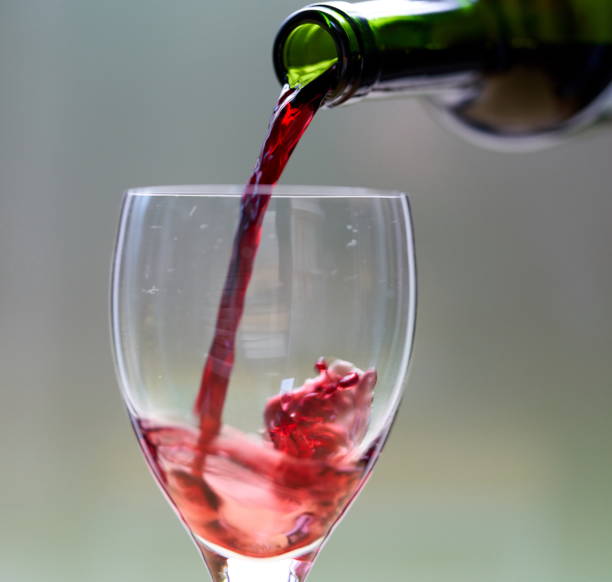
Step-by-Step Refrigeration Method
To properly store open red wine in the refrigerator, immediately re-cork the bottle after pouring. If the original cork is unavailable, use a wine stopper or airtight closure to minimize air exposure. Place the bottle upright in the refrigerator to reduce the surface area in contact with oxygen.
The cold temperature slows oxidation, preserving the wine’s flavor and aroma. Avoid storing the wine in the refrigerator door, as frequent temperature fluctuations can degrade quality. Instead, place it on an interior shelf where temperatures remain stable.
For added protection, consider transferring the remaining wine to a smaller glass container with minimal headspace. This method is especially effective for lighter reds like Pinot Noir. Always allow the wine to warm slightly before serving—about 15 to 20 minutes at room temperature—to restore its full bouquet and balance.
Best Bottles for Cold Storage
When storing open red wine, bottle shape and size significantly impact preservation. Wines in standard 750ml bottles with narrow necks are ideal, as they limit air contact when re-corked. Vacuum-sealed bottles with specialized stoppers outperform regular corks in refrigeration.
Consider using wine preservation systems like argon gas sprays, which create an inert layer over the wine’s surface. For longer storage, half-bottles (375ml) are excellent because they reduce headspace when resealed. Avoid wide-bowled bottles like Burgundy styles unless using a vacuum pump. Thick-glass bottles also help maintain temperature stability.
If you frequently save wine, invest in resealable wine dispensers with built-in cooling features. Ultimately, the best bottle for cold storage is one that can be tightly sealed and stored upright to minimize oxidation and preserve the wine’s integrity for several days.
How Long It Stays Fresh
An open bottle of red wine stored in the refrigerator typically stays fresh for 3 to 5 days, depending on the variety and storage method. Full-bodied reds like Cabernet Sauvignon or Syrah may last closer to 5 days due to higher tannin levels, which act as natural preservatives.
Lighter reds such as Merlot or Gamay usually remain enjoyable for 3 to 4 days. Proper sealing is critical—without it, wine can degrade in as little as 1–2 days. Signs of spoilage include a sharp, vinegar-like smell, flat taste, or brownish color.
To extend freshness, use inert gas preservers or vacuum pumps, which can add 1–2 extra days. While refrigeration slows oxidation, it doesn’t stop it entirely. For best results, taste test daily and discard if off-flavors develop. Ultimately, consuming within 3 days ensures optimal flavor and aroma retention.
Best Ways to Preserve Open Red Wine

Using Wine Stoppers and Vacuum Pumps
One of the most effective methods to extend the life of open red wine is using airtight wine stoppers combined with vacuum pumps. These tools remove oxygen from the bottle, significantly slowing oxidation—the primary cause of wine spoilage.
After pouring your wine, insert a vacuum stopper and use the pump to extract air until you hear a click or notice resistance. This method can keep red wine tasting fresh for up to 5 days when stored in a cool, dark place.
For best results, always re-cork immediately after pouring. While not all vacuum systems are equally effective, high-quality models create a strong seal that maintains the wine’s aroma and flavor. Avoid plastic stoppers that don’t form tight seals.
This approach is ideal for everyday preservation and works especially well with full-bodied reds like Cabernet Sauvignon or Syrah.
Transferring to Smaller Bottles
Transferring leftover red wine to a smaller bottle is a simple yet powerful way to minimize air exposure. The key principle is reducing headspace—the empty space where oxygen accumulates. Choose a clean glass container with a tight-sealing lid, ideally one that fits the remaining wine volume closely.
Gently pour the wine to avoid agitation, then seal and store in the refrigerator. This method can preserve red wine for 3 to 5 days with minimal flavor loss. Using smaller bottles also allows you to portion wine for gradual consumption.
For longer storage, consider decanting into half-bottle or 375ml containers. Glass is preferred over plastic to prevent chemical leaching and maintain taste integrity. This technique is particularly useful when you have only a small amount left and don’t want to waste a full bottle’s worth of space.
Wine Preservation Sprays and Tools
Inert gas wine preservation sprays offer a modern, convenient solution for extending the shelf life of open red wine. These sprays release a layer of heavier-than-air gases like argon or nitrogen into the bottle, forming a protective blanket over the wine’s surface to block oxygen contact.
Simply spray for a few seconds before re-corking. This method can keep red wine fresh for up to 6 days when stored properly. Unlike vacuum pumps, gas sprays don’t disturb the wine’s structure, preserving delicate aromas. Some advanced tools combine gas infusion with vacuum sealing for enhanced protection.
While the initial cost may be higher, a single can lasts many uses. Ensure even dispersion by spraying before reinserting the cork. These sprays are ideal for wine enthusiasts seeking minimal intervention and maximum freshness, especially with premium or aged red wines.
Does Cooking Wine Last Longer Once Opened?
Shelf Life of Cooking Red Wine
Once opened, cooking red wine typically lasts 3 to 5 years when stored properly, far longer than regular drinking wine. This extended shelf life is due to added preservatives like salt and acidity, which inhibit bacterial growth and oxidation.
Unlike fine wines meant for sipping, cooking wines are formulated for durability in the kitchen. While they won’t spoil quickly, their flavor can degrade over time, becoming flat or overly acidic. Using it within 1 year of opening ensures optimal taste and performance in recipes.
Always check the label for manufacturer recommendations, as formulations vary. If stored in a cool, dark place with the cap tightly sealed, opened cooking wine maintains quality much longer than table wine. However, if you notice off smells, cloudiness, or mold, discard it immediately.
For best culinary results, taste a small amount before using to confirm it hasn’t turned.
How to Tell If It’s Still Usable
Determining whether your opened cooking red wine is still usable involves checking its smell, color, and taste. First, pour a small amount and give it a sniff—a sharp vinegar-like odor or musty smell indicates spoilage.
Next, inspect the liquid’s appearance; cloudiness, sediment, or visible mold are clear signs it should be discarded. While some sediment can be normal, a hazy look or floating particles suggests contamination. Then, taste a tiny sip—if it’s overly sour, bitter, or flat, it’s lost its culinary value.
Remember, cooking wine doesn’t go bad in the same way perishable foods do, but its flavor diminishes. Trust your senses over the expiration date. If in doubt, err on the side of caution. Using degraded wine can negatively impact the flavor of sauces, stews, and marinades.
When all indicators are neutral or mild, the wine is likely still safe and effective for cooking.
Storage Tips for Long-Term Use
To maximize the shelf life of opened cooking red wine, store it in the refrigerator with the cap tightly sealed. The cool, consistent temperature slows oxidation and bacterial growth, preserving flavor and quality.
Always use the original bottle with an airtight closure—consider transferring to a smaller container if the bottle is nearly empty to reduce air exposure. Keep it away from strong-smelling foods, as wine can absorb odors. Avoid storing it in a warm pantry or near the stove, as heat accelerates degradation.
For long-term storage, label the bottle with the opening date so you can track freshness. While unopened cooking wine can last indefinitely in a cool, dark place, opened bottles benefit from refrigeration. Some cooks even freeze cooking wine in ice cube trays for portioned use in recipes.
Proper storage ensures your cooking wine remains effective and flavorful for months or years after opening.
How Temperature Affects Open Red Wine
Ideal Serving and Storage Temperatures
To maximize the shelf life of open red wine, storing it at the ideal temperature between 55°F and 65°F (13°C–18°C) is essential. After opening, promptly re-cork the bottle or use a wine stopper and place it in a cool, dark location—preferably a wine fridge or cellar.
Avoid leaving open red wine at room temperature for extended periods, especially above 70°F (21°C), as warmer conditions accelerate oxidation and spoilage. Lighter reds like Pinot Noir are more sensitive and benefit from slightly cooler storage, while fuller-bodied reds like Cabernet Sauvignon tolerate the upper end of the range.
Consistent temperature prevents the wine from expanding and contracting, which can force air into the bottle and degrade quality. When stored correctly, open red wine can remain enjoyable for 3 to 5 days. Always taste before serving to check for off-flavors.
Using inert gas preservers can further extend freshness within this window.
Impact of Heat and Light Exposure
Exposure to heat and light significantly shortens how long open red wine lasts. Temperatures above 70°F (21°C) speed up chemical reactions in wine, leading to flat flavors, vinegar-like aromas, and loss of fruit character.
Direct sunlight or fluorescent lighting introduces UV rays that degrade organic compounds, causing ‘light strike’—a condition that produces unpleasant, skunky odors. Once opened, red wine becomes even more vulnerable because oxygen has already begun altering its composition.
Leaving an open bottle on a sunny countertop or near a stove can spoil it within just 12 to 24 hours. To protect your wine, store it away from windows, heat sources, and bright lights. Use tinted glass containers or wrap bottles in cloth if ideal storage isn’t available.
Minimizing heat and light exposure is a simple yet powerful way to preserve aroma, flavor, and drinkability for up to several days after opening.
Cold vs Warm Storage Compared
Storing open red wine in a refrigerator (around 45°F/7°C) dramatically slows oxidation compared to warm room temperatures, effectively extending its freshness. While traditionally served at room temperature, red wine benefits from cold storage after opening because lower temperatures inhibit microbial activity and chemical degradation.
Re-chill the bottle immediately after pouring and return it to the fridge upright with a tight seal. When ready to drink, let it sit at room temperature for 15–30 minutes to reach optimal serving warmth.
In contrast, storing open red wine in warm environments (above 70°F) can degrade it in under 24 hours, especially in hot climates. Refrigeration can preserve quality for up to 5 days, whereas warm storage often ruins it by day two.
For longest shelf life, cold storage is superior, even for reds, and is one of the most effective, accessible preservation methods available.
What Is Wine Oxidation and How to Prevent It
Red Wine Oxidation: What It Is and How It Happens
Red wine oxidation occurs when oxygen interacts with the wine after the bottle has been opened, leading to chemical changes that alter its flavor, aroma, and color. This process begins the moment the cork is pulled, as oxygen starts breaking down the wine’s phenolic compounds, such as tannins and anthocyanins.
Over time, fresh fruit notes fade, replaced by flat, nutty, or vinegar-like flavors. Exposure to heat or light accelerates oxidation, so storing open wine improperly worsens the effect. While a small amount of oxygen can enhance young reds by softening tannins, prolonged exposure degrades quality.
Typically, most red wines last 3 to 5 days after opening when stored correctly. Full-bodied reds like Cabernet Sauvignon tend to last longer due to higher tannin levels, while lighter varieties like Pinot Noir degrade faster.
Understanding this process helps you maximize the lifespan of your open bottle and enjoy it at its best.
Can You Drink Oxidized Wine Safely?
Yes, drinking oxidized wine is generally safe, though it may not taste pleasant. Oxidation doesn’t introduce harmful bacteria or toxins; instead, it changes the wine’s sensory profile, making it taste dull, sour, or stale. While it won’t make you sick, heavily oxidized wine loses its intended complexity and balance.
If the wine smells like sherry or wet cardboard, it’s likely past its prime. However, slight oxidation in older wines can be a natural part of aging and may still be enjoyable.
To determine if oxidized wine is drinkable, assess its smell, color, and taste—if it’s brownish and flat, it’s best used for cooking. Always check for signs of spoilage like fizziness in still wine or mold, which indicate other issues.
When in doubt, err on the side of caution, but know that oxidation alone isn’t a health risk.
How to Slow Down Oxidation
To extend the life of open red wine, minimize oxygen exposure using practical storage techniques. First, reseal the bottle tightly with its original cork or a wine stopper immediately after pouring. Then, store it in the refrigerator—even reds benefit from cooler temperatures, which slow chemical reactions.
For longer preservation, consider transferring leftover wine to a smaller container to reduce headspace, or use inert gas sprays that create a protective layer over the wine. Vacuum pumps can also help by removing air from the bottle.
Avoid leaving wine at room temperature for extended periods, especially in warm or sunny areas. With these methods, most red wines stay fresh for up to 5 days. Full-bodied, tannic reds may last even longer.
The key is acting quickly after opening and storing the wine properly to preserve its quality and flavor.
Tips for Extending the Life of Your Open Red Wine
Re-Corking Techniques That Work
Properly re-corking your open red wine is one of the most effective ways to preserve its quality after opening. Always use the original cork if possible, as it’s shaped to fit your bottle perfectly. Insert it clean side first to avoid transferring any residue.
For an even tighter seal, consider using a wine stopper with a rubber gasket, which creates an airtight barrier that slows oxidation. If you don’t have a stopper, wrap the cork in plastic wrap before reinserting it to improve the seal.
Minimizing air exposure is crucial—pour wine into a smaller container if only a small amount remains. This reduces the surface area exposed to oxygen. Re-cork immediately after each pour, and avoid leaving the bottle open on the counter.
Consistently applying these simple sealing techniques can extend the life of your red wine by several days while preserving its intended aroma and flavor profile.
Avoiding Common Storage Mistakes
Many people unknowingly shorten the life of their open red wine by making common storage errors. One major mistake is leaving wine at room temperature, especially in warm or sunny areas. Heat accelerates oxidation and can cause wine to spoil faster.
Instead, always store open red wine in the refrigerator, even reds—this slows chemical reactions and preserves freshness. Another frequent oversight is storing the bottle upright for long periods, which dries out the cork. Keep the bottle on its side if using the original cork to maintain moisture and seal integrity.
Avoid placing wine near appliances that emit heat or vibrations, like ovens or dishwashers. Also, never store wine in the freezer, as freezing can damage its structure. Using a vacuum pump without a proper stopper is another flawed approach—it may remove air but won’t maintain the seal over time.
By avoiding these pitfalls, you can keep your wine tasting fresh for up to five days after opening.
When to Drink or Discard Leftover Wine
Knowing when to enjoy or toss leftover red wine ensures you get the best experience without risking your health. Most open red wines last 3 to 5 days when stored properly in the fridge with a tight seal.
Beyond that, oxidation causes noticeable changes: the wine may smell flat, vinegary, or like wet cardboard, and the taste becomes dull or sour. These are clear signs it’s time to discard it. However, slightly oxidized wine isn’t harmful—just unpleasant.
If the wine still has vibrant color and aroma, it’s likely safe to drink, even on day five. For older or delicate wines like Pinot Noir, err on the side of caution and consume within 2–3 days. Fortified wines like Port can last longer—up to 2–3 weeks.
When in doubt, taste a small amount first. If it’s off, consider using it for cooking instead of pouring it out. Trust your senses: smell, taste, and appearance are your best guides.
Frequently Asked Questions
How long does open red wine last?
An open bottle of red wine typically lasts 3 to 5 days when stored properly in a cool, dark place with a cork or wine stopper. Higher tannin wines like Cabernet Sauvignon tend to last longer than lighter reds.
What factors affect how long open red wine stays good?
Exposure to oxygen, temperature, and light are key factors. Oxidation degrades wine over time, while storing it in a warm or brightly lit area accelerates spoilage. Using a wine preserver or vacuum seal can help extend its life.
Can you refrigerate open red wine?
Yes, refrigerating open red wine slows oxidation and helps preserve its flavor. Let the wine come to room temperature before serving if preferred.
How can you tell if open red wine has gone bad?
Signs include a vinegary smell, flat or sour taste, and a brownish color. If the wine smells or tastes off, it’s best not to drink it.
Does the type of red wine affect how long it lasts after opening?
Yes, full-bodied reds with higher tannins and acidity, like Syrah or Nebbiolo, generally last longer after opening—up to 5 days—compared to lighter reds like Pinot Noir, which may only last 2–3 days.
What’s the best way to store open red wine?
Re-cork the bottle or use a wine stopper and store it upright in a cool, dark place or in the refrigerator. Minimizing air exposure helps maintain quality.
Conclusion
Open red wine typically lasts 3 to 5 days when stored properly in a cool, dark place with a tight seal. Fuller-bodied reds tend to last longer than lighter varieties. Refrigeration can extend freshness, especially after the third day. While the flavor may fade or change, it’s still safe to drink. Don’t waste good wine—enjoy it within a few days and savor every glass.


