What To Pair With Riesling
Looking for the perfect bite to complement your crisp, aromatic Riesling? You’ve come to the right place. In the next few lines we’ll walk you through a handful of tasty pairings—spicy Asian dishes, fresh seafood, creamy cheeses, and even fruit‑forward desserts—that bring out the wine’s bright acidity and subtle sweetness.
How to Choose the Right Riesling Style for Pairing
Dry vs. Off‑Dry vs. Sweet
Start by matching the wine’s residual sugar to the dish’s flavor intensity. Dry Rieslings (≤2 g/L) have crisp, mineral tones that complement salty appetizers, grilled seafood, or herb‑driven poultry without overwhelming subtle flavors.
Off‑dry Rieslings (2‑12 g/L) offer a gentle sweetness that balances spicy Asian stir‑fries, pork with apple glaze, or creamy cheeses, letting the wine soften heat while highlighting fruit notes.
Sweet Rieslings (≥12 g/L) shine with rich, sweet desserts, blue‑cheese plates, or intensely flavored dishes like duck à l’orange, where the wine’s sugar counteracts richness and adds a luscious finish.
Consider the overall weight of the meal: lighter fare pairs best with drier styles, while richer, spicier, or sweeter courses benefit from off‑dry to sweet options. This baseline helps you quickly narrow the Riesling style before fine‑tuning other attributes and enhances your dining experience.
Assessing Acidity Levels
Acidity is the engine that drives Riesling’s food‑friendly character. High‑acid wines (often from cooler vineyards) deliver bright, lemon‑sharp sensations that cut through fatty sauces, fried foods, and rich cheeses.
Pair a crisp, high‑acid Riesling with a buttery lobster bisque or a charcuterie board featuring pâté, allowing the wine to cleanse the palate between bites. The balanced acidity lifts earthy flavors without overwhelming them.
Medium‑acid expressions, typical of slightly warmer sites, offer a softer edge that supports dishes with moderate richness, such as roasted chicken with herb‑infused olive oil or mushroom risotto. The gentle acidity harmonizes the umami of mushrooms while keeping the rice creamy.
When the wine’s acidity drops toward low‑acid territory—common in very ripe, sun‑kissed grapes—the result is a rounder, almost plush mouthfeel that pairs beautifully with mildly spiced Asian noodles, creamy desserts, or fruit‑forward salads.
By tasting the wine’s initial zing and matching it to the dish’s fat or spice level, you can ensure the Riesling acts as a bridge rather than a clash, enhancing every component on the plate.
Considering Aromatic Profiles
The nose of a Riesling often dictates the perfect culinary partner. Floral‑dominant aromas—think jasmine, honeysuckle, or elderflower—pair beautifully with light salads dressed in citrus vinaigrette, herb‑infused spring rolls, or goat cheese crostini, where the perfume accentuates freshness.
Stone‑fruit notes such as peach, apricot, or nectarine thrive alongside dishes that feature caramelized onions, roasted pork tenderloin, or a sweet‑and‑sour glaze, as the fruit echo mirrors the dish’s gentle sweetness.
When a Riesling showcases mineral or petrol nuances, it creates a striking contrast with earthy foods like truffle‑scented risotto, mushroom pâté, or oysters on the half‑shell; the mineral backbone grounds the richness and lifts briny flavors.
Spice‑forward expressions, often derived from late‑harvest or botrytized grapes, carry hints of ginger, clove, or cinnamon, making them ideal companions for baked apple crumble, spiced Asian duck, or honey‑glazed carrots.
By listening to the wine’s primary scent family and aligning it with the dominant flavors of the plate, you craft a harmonious duet that elevates both food and wine.
What Foods Pair Best with Dry Riesling

Seafood Dishes
Dry Riesling’s crisp acidity and bright citrus notes make it a natural partner for delicate seafood. Serve chilled alongside grilled shrimp tossed in a garlic‑lemon butter, letting the wine’s acidity cut through the richness.
Try seared scallops with a light white‑wine beurre blanc; the subtle sweetness of the sauce mirrors the Riesling’s fruit without overwhelming it. For a classic combo, pair the wine with oysters on the half shell, drizzled with a splash of mignonette; the briny brine highlights the wine’s minerality.
Even a simple poached salmon, finished with a dill‑yogurt glaze, benefits from the wine’s crisp finish, keeping the palate refreshed. When plating, consider a garnish of fresh herbs like parsley or chives to echo the herbaceous undertones of the Riesling, creating a harmonious bite‑to‑sip experience.
Serve the pairing with a light, chilled glass to maintain the wine’s vibrant profile throughout the meal.
Poultry with Herbs
Dry Riesling’s aromatic profile, featuring notes of green apple and subtle stone fruit, pairs beautifully with herb‑infused poultry. Roast a half‑spatch chicken seasoned with rosemary, thyme, and a hint of lemon zest; the wine’s acidity balances the savory skin while echoing the herbal aromatics.
For a lighter option, try grilled turkey breast glazed with a honey‑mustard sauce; the gentle sweetness of the glaze mirrors the Riesling’s fruit, and the mustard’s bite is softened by the wine’s crisp finish.
A classic French preparation, herb‑crusted quail with a parsley‑garlic butter, benefits from the wine’s minerality, which lifts the richness of the bird. When serving, add a side of sautéed green beans tossed in olive oil and toasted almond slivers to reinforce the wine’s nutty undertones.
Finish the plate with a squeeze of fresh lime to accentuate the citrus sparkle that makes dry Riesling such a versatile companion. Serve the Riesling at 45‑50°F (7‑10°C) to preserve its lively acidity, and consider a small glass of sparkling water between bites to keep the palate bright.
A light dessert of apple‑tarte tatin with a dusting of cinnamon can also follow, allowing the wine’s lingering fruit notes to shine without overwhelming the finish.
Asian Stir‑Fry
Dry Riesling’s bright acidity and hint of sweetness make it an excellent match for the bold flavors of Asian stir‑fry dishes.
Prepare a quick shrimp and vegetable stir‑fry using soy sauce, ginger, and a splash of rice‑vinegar; the wine’s citrus edge cuts through the salty umami while its fruit notes complement the shrimp’s natural sweetness.
For a meatier option, try beef bulgogi with a gochujang glaze; the slight heat and caramelized sugars are balanced by the Riesling’s crisp finish, preventing the palate from feeling heavy.
A vegetarian favorite, tofu with bok choy and sesame oil, benefits from the wine’s minerality, which lifts the earthy tofu and enhances the nutty sesame flavor. Serve the dish over jasmine rice and garnish with fresh cilantro and sliced chilies for an extra aromatic lift.
Keep the Riesling slightly chilled, around 48°F, to maintain its refreshing profile alongside the spice‑laden wok creations.
Tips for Pairing Off‑Dry Riesling with Cuisine

Spicy Asian Meals
When pairing an off‑dry Riesling with spicy Asian dishes, focus on balancing heat with the wine’s natural acidity and touch of sweetness. Start with a cooler serving temperature (45‑50°F) to keep the palate refreshed.
Choose dishes like Thai green curry, Korean kimchi‑bokkeumbap, or Szechuan shrimp that feature chili, ginger, and garlic. The wine’s residual sugar tames the fire while its bright acidity cuts through oil and coconut milk, preventing the flavors from becoming overwhelming.
Look for Rieslings that show citrus and stone‑fruit notes; these will echo lemongrass or lime in the food. Pair a single‑grape Riesling with a modest amount of fresh herbs, such as cilantro or Thai basil, to highlight the herbaceous edge of the wine.
Finally, avoid overly sweet sauces that could make the wine taste flat; instead, let the wine’s subtle sweetness act as a bridge between spice and flavor.
Cheese Boards
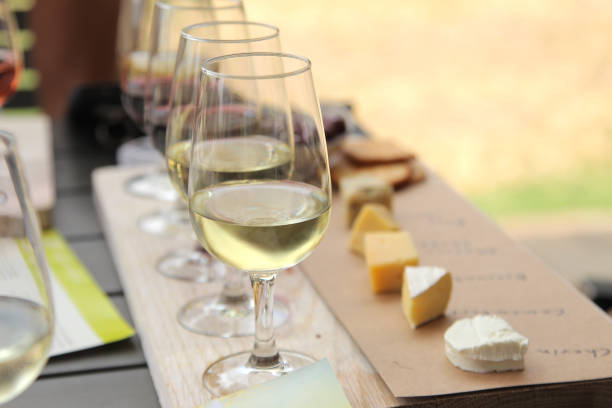
An off‑dry Riesling shines on a well‑curated cheese board because its acidity and gentle sweetness complement a range of textures and flavors.
Begin with soft, creamy cheeses such as Brie, Camembert, or a mild goat cheese; the wine’s fruit notes lift the buttery mouthfeel while its acidity prevents the palate from feeling heavy.
Add a wedge of aged Gouda or a nutty Gruyère; the caramelized edges of these cheeses echo the honeyed undertones often found in Riesling, creating a harmonious echo.
For a bold contrast, include a blue cheese like Gorgonzola; the wine’s residual sugar tames the sharp, salty bite and the bright citrus zest cuts through the richness. Sprinkle fresh fruit—green apple slices, pear wedges, or figs—to reinforce the wine’s own fruit profile.
Finish with a handful of toasted nuts or a drizzle of honey, which will enhance the wine’s natural minerality and leave a lingering, balanced finish.
Fruit‑Based Salads
Pairing an off‑dry Riesling with fruit‑based salads creates a refreshing dialogue between the wine’s crisp acidity and the salad’s natural sweetness. Start with a base of mixed greens—arugula, baby spinach, or butter lettuce—to provide a mild backdrop.
Add bright fruits such as orange segments, pomegranate seeds, or sliced kiwi; the citrus and tart berries mirror the wine’s lemon‑lime and peach aromas, amplifying the overall fruit profile.
Incorporate a light vinaigrette made with apple cider vinegar, honey, and a touch of mustard; the vinaigrette’s tang highlights the wine’s acidity while the honey balances the palate, preventing the wine from tasting overly dry.
Sprinkle toasted almond slivers or pumpkin seeds for a subtle crunch that enhances the wine’s mineral edge. Finish with a few fresh herbs—mint or basil—to underline the herbaceous notes in the Riesling, resulting in a harmonious, palate‑cleansing experience that works beautifully from lunch to light dinner.
Best Ways to Match Sweet Riesling
Desserts with Fruit
Pair sweet Riesling with fruit‑forward desserts to highlight its bright acidity and honeyed notes. Choose desserts that feature ripe stone fruits such as peach cobbler, apricot tart, or a mixed berry crumble; the wine’s crisp acidity cuts through the buttery crust while echoing the fruit flavors.
Citrus‑based treats like lemon bars or orange‑infused panna cotta also work, as the wine’s subtle minerality mirrors the zest and lifts the palate. When serving, keep the Riesling chilled at 45‑50°F to preserve freshness, and present the dessert in modest portions so the wine’s sweetness isn’t overwhelmed.
A light drizzle of honey or a splash of aged balsamic on the fruit can further bridge the wine’s floral aromatics, creating a harmonious finish that leaves guests wanting more.
Serve the pairing on a simple white plate to let the colors of the fruit and wine shine, and consider adding a sprig of fresh mint for an aromatic lift.
Rich Creamy Desserts
Rich, creamy desserts are a classic companion for the honeyed profile of sweet Riesling, as the wine’s acidity balances the indulgent texture.
Opt for desserts with vanilla or caramel bases such as crème brûlée, panna cotta, or a buttery flan; the wine’s subtle fruit notes enhance the custard’s smoothness while cutting through the richness.
Cheesecake varieties—especially those flavored with ginger, pumpkin, or a light fruit swirl—pair beautifully, with the Riesling echoing the dessert’s subtle sweetness and providing a refreshing contrast.
Keep the Riesling slightly cooler than room temperature (around 48°F) to maintain its lively acidity, and serve the dessert in modest slices to prevent the palate from becoming overly saturated.
A garnish of toasted almond slivers or a drizzle of caramel sauce can tie the nutty undertones of the wine to the dessert, delivering a cohesive and elegant finish.
Blue Cheeses
Blue cheeses and sweet Riesling form a striking contrast that brings out the wine’s fruitiness while mellowing the cheese’s sharp, salty bite.
Select milder blue varieties such as Gorgonzola Dolce, Roquefort with a creamy texture, or a crumbly Stilton; their buttery notes harmonize with the Riesling’s honeyed apricot and peach aromas.
Pair with accompaniments like toasted walnuts, fresh figs, or a drizzle of honey to bridge the pungent flavors and amplify the wine’s floral character.
Serve the Riesling chilled (45‑50°F) to keep its crisp acidity bright, and present the cheese on a wooden board with a few crackers or a slice of baguette for balance.
A small spoonful of quince paste or a dollop of mascarpone can further soften the intensity, creating a balanced bite where the wine’s sweetness and the cheese’s tang dance together in perfect harmony.
How to Pair Riesling with Cheese Selections
Soft Goat Cheese
When pairing Riesling with soft goat cheese, focus on the wine’s bright acidity and subtle fruit to complement the cheese’s creamy tang. Choose a dry or off‑dry Riesling (Riesling Kabinett or Spätlese) to balance the goat cheese’s herbal notes without overwhelming its delicate texture.
Serve the cheese at room temperature and drizzle a touch of honey or a few slices of fresh pear to echo the wine’s stone‑fruit aromas. Match the wine’s temperature—serve slightly chilled (45‑50°F) to keep the acidity lively and the fruit flavors pronounced.
Pairing with a light drizzle of olive oil and toasted walnuts adds a nutty crunch that mirrors the Riesling’s minerality. This combination creates a harmonious interplay where the wine’s crisp citrus lifts the cheese’s buttery mouthfeel, making each bite and sip refreshing and balanced.
Enjoy this pairing as an appetizer or alongside a light salad for a complete tasting experience.
Aged Gouda
Aged Gouda’s caramel‑sweet depth and crunchy protein crystals thrive alongside a richer Riesling style. Select a Spätlese or Auslese Riesling with enough residual sugar to echo the cheese’s nutty, toffee notes while its acidity cuts through the fat.
Serve the Gouda at room temperature, allowing its crystalline texture to shine, and pair with a handful of dried apricents or fig jam to reinforce the wine’s honeyed aroma. Keep the wine slightly cooler (48‑52°F) so the fruit remains vibrant without muting the cheese’s robust flavor.
Adding a pinch of toasted sesame seeds or a drizzle of balsamic reduction introduces a subtle umami that mirrors the Riesling’s mineral backbone.
This thoughtful match creates a layered experience where the wine’s bright citrus and stone‑fruit lift the Gouda’s deep, buttery richness, resulting in a satisfying balance of sweet, salty, and savory sensations.
Triple‑Cream Brie
Triple‑cream Brie’s buttery silkiness and mushroom‑earthy undertones are elevated by a luscious, off‑dry Riesling. Opt for a Riesling Auslese that offers ripe peach and apricot flavors, providing enough sweetness to match the cheese’s cream‑laden mouthfeel while its crisp acidity prevents heaviness.
Serve the Brie slightly warmed (around 60°F) to release its aromatic rind, and accompany with a spoonful of quince paste or caramelized onions to echo the wine’s honeyed notes. Maintain the wine at a cool 46‑50°F so its fruit vibrancy cuts through the cheese’s richness without becoming flabby.
A sprinkle of toasted hazelnuts or a drizzle of truffle oil adds an earthy depth that mirrors the Riesling’s subtle minerality. This pairing delivers a decadent harmony where the wine’s bright citrus and floral aromas lift the Brie’s luxurious texture, creating a memorable finish that lingers pleasantly on the palate.
What to Pair with Riesling at Holiday Meals
Roasted Turkey
Riesling’s bright acidity and subtle fruit make it a natural companion for roasted turkey, especially when the bird is seasoned with herbs and a touch of citrus.
Serve the wine slightly chilled (45‑50°F) to highlight its crisp minerality, which cuts through the savory skin while echoing the thyme and rosemary aromatics. If you prefer a sweeter style, opt for an off‑dry Riesling to balance any caramelized glaze on the breast.
Pair the wine with a light gravy made from pan drippings and a splash of white wine; the acidity will lift the sauce and keep the palate refreshed.
For maximum harmony, choose a Riesling with pronounced stone‑fruit notes, as these echo the natural sweetness of the turkey’s meat and keep the meal lively from start to finish.
Serve each slice with a small glass, allowing the wine’s lively acidity to cleanse the palate between bites, ensuring a balanced and festive dining experience.
Glazed Ham
Glazed ham’s sweet‑savory profile pairs beautifully with the honeyed notes of an off‑dry Riesling, whose acidity keeps the richness in check. Choose a Riesling with bright apple and apricot aromas to mirror the honey‑brown glaze and enhance the pork’s natural saltiness.
Serve the wine chilled (48‑52°F) and let its crisp finish cut through the caramelized crust, refreshing the palate after each bite. Complement the pairing with a mustard‑based glaze; the wine’s subtle fruit will soften the tang, creating a harmonious balance.
For added depth, select a Riesling from the Mosel region, where mineral undertones echo the smoky hints often present in holiday ham. Pairing the wine with a light mustard‑dijon sauce and a drizzle of fresh orange juice will amplify the citrus sparkle, making each mouthful lively and festive.
Serve the ham in thin slices alongside a chilled glass, allowing the Riesling’s lively acidity to cleanse the palate and highlight the glaze’s caramel notes throughout the celebration.
Holiday Side Dishes
Holiday side dishes—from buttery mashed potatoes to spiced carrots—gain brightness when paired with a crisp, dry Riesling that offers citrus zest and mineral clarity. Opt for a Riesling with green apple and lime nuances to lift the richness of creamy gratins and balance the warmth of nutmeg or cinnamon spices.
Serve the wine at 45‑50°F, letting its clean finish cut through buttery sauces while echoing the fresh herbs like dill or parsley used in the dishes. For root vegetables roasted with rosemary, the wine’s subtle sweetness mirrors the caramelization, creating a seamless flavor bridge.
When presenting a cheese platter with aged cheddar or blue cheese, the Riesling’s acidity and faint honeyed notes provide a refreshing counterpoint, preventing the cheese from overwhelming the palate. Pair each side with a modest pour, encouraging guests to enjoy the interplay of textures and flavors throughout the festive spread.
Tips for Serving Riesling with the Right Temperature and Glassware
Ideal Serving Temperatures
Serve Riesling at a cooler temperature to highlight its bright acidity and aromatic fruit. Aim for 45‑50°F (7‑10°C) for dry styles and 48‑52°F (9‑11°C) for off‑dry or sweeter versions; this range preserves freshness without muting flavors.
Chill the bottle in the refrigerator for about 30‑45 minutes, or use an ice bucket with a 1‑inch ice‑water mix for faster cooling. Avoid over‑chilling, which can dull the wine’s nuanced perfume and make the palate feel overly sharp.
Before pouring, let the wine sit for a minute to allow a thin film of condensation to evaporate, revealing its true nose.
If the wine feels too cold, let it warm slightly in the glass for 5‑10 minutes; this subtle rise unlocks layered notes of stone fruit, honey, and minerality, ensuring an optimal tasting experience. Pair this chilled Riesling with spicy Asian dishes or soft cheeses to complement its crisp profile.
Choosing the Perfect Glass
Choosing the right glass enhances Riesling’s aromatic intensity and balances its acidity. Select a tulip‑shaped white‑wine glass with a slightly narrowed rim; this shape traps volatile aromatics while directing the wine to the tip of the tongue, where sweetness is perceived.
A bowl of 12‑14 oz provides enough surface area for the wine to breathe without excessive oxidation. Avoid overly large or overly narrow glasses, which can either dissipate the fragrance or concentrate the alcohol heat.
For sparkling Riesling, a flute preserves effervescence, but a standard white‑wine glass still showcases fruit notes. When serving, hold the glass by the stem to keep the bowl cool and prevent hand warmth from altering temperature.
Clean the glass thoroughly and ensure no residual detergent scent, as this can interfere with the wine’s delicate bouquet. Consistent glassware across a tasting group creates a uniform sensory experience.
Storing Leftover Wine
Properly storing leftover Riesling keeps its vibrant character for future enjoyment. Recork the bottle tightly or use a wine stopper to limit oxygen exposure; a vacuum pump can further extend freshness.
Place the sealed bottle upright in the refrigerator, where a stable 55°F (13°C) environment slows oxidation and preserves aromatic compounds. Avoid storing wine in the freezer or on the kitchen counter, as temperature fluctuations degrade flavor.
For longer storage, transfer the wine to a smaller, airtight container to reduce headspace, then refrigerate. Before serving again, let the wine warm slightly to its ideal temperature range—about 45‑50°F for dry styles—by removing it from the fridge 10‑15 minutes prior.
Taste a small sip to assess any changes; if the wine has lost its crisp acidity, consider using it in cooking, such as in a light sauce or a fruit‑based glaze, where its sweetness and acidity can enhance the dish.
Frequently Asked Questions
What types of food complement the acidity of Riesling?
Riesling’s bright acidity pairs well with dishes that have a touch of sweetness or spice, such as Asian stir‑fries, sushi, or salads with citrus vinaigrette. The acidity cuts through rich sauces and balances salty or savory flavors.
Which cheeses go best with a dry Riesling?
Dry Riesling pairs nicely with sharp cheeses like aged cheddar, Gruyère, or blue cheese, as the wine’s mineral notes highlight the cheese’s depth without being overwhelmed by fat.
Can Riesling be served with spicy foods?
Yes, especially off‑dry or semi‑sweet Rieslings. The residual sugar tempers heat from dishes like Thai curry, Szechuan chicken, or spicy Mexican tacos, creating a harmonious sweet‑spicy balance.
What meats are ideal for pairing with an aromatic Riesling?
Aromatic Rieslings work well with pork tenderloin, roasted chicken, or duck breast, particularly when the sauces include fruit, honey, or mustard, which echo the wine’s floral and fruit aromas.
Is Riesling a good match for seafood?
Absolutely. Light, crisp Rieslings complement shellfish such as shrimp, crab, and mussels, as well as white fish prepared with butter or citrus, enhancing the seafood’s delicate flavors.
How should I pair Riesling with desserts?
For dessert, choose a sweeter Riesling (late harvest or ice wine) to match fruit tarts, apple crumble, or panna cotta. The wine’s honeyed notes mirror the dessert’s sweetness while its acidity prevents it from feeling cloying.
Conclusion
Riesling’s bright acidity, subtle sweetness, and aromatic complexity make it a versatile partner for a range of dishes. Pair it with spicy Asian cuisine, crisp salads, buttery seafood, or aged cheeses to highlight its fruit and balance heat. Remember that temperature and sweetness level can be tuned to suit the meal. Experiment confidently, and let Riesling’s charm elevate every bite.