Optimal Red Wine Temperature
Wondering about the optimal red wine temperature? You’re not alone—many wine lovers serve their reds too warm, missing out on the full flavor experience. The sweet spot isn’t room temperature, especially in modern homes. In just a few minutes, you’ll learn the ideal serving range for popular reds like Cabernet Sauvignon, Pinot Noir, and Merlot, plus easy tips to get it right every time. No wine fridge? No problem. Let’s unlock richer aromas and smoother sips together.
What Is the Ideal Serving Temperature for Red Wine
Common Myths About Red Wine Temperature
A widespread myth is that all red wines should be served at ‘room temperature,’ but this traditional guideline is outdated and often leads to wines being served too warm. Historically, ‘room temperature’ referred to cooler European homes, not modern heated environments, which can exceed 70°F (21°C).
When red wine is served too warm, alcohol becomes overpowering and delicate aromas fade. Another misconception is that chilling red wine ruins its character—on the contrary, slight chilling enhances balance and freshness. Lighter reds benefit from cooler temps, while full-bodied types need only a slight chill.
Avoid serving reds straight from a warm room or cellar; instead, use a refrigerator for 15–20 minutes before serving to reach the ideal range. Understanding these nuances helps avoid common serving mistakes and ensures a more enjoyable tasting experience.
How Temperature Affects Flavor and Aroma
Temperature dramatically influences how we perceive a red wine’s aroma, balance, and mouthfeel. When served too warm, typically above 68°F (20°C), the wine’s alcohol becomes more volatile, creating a ‘hot’ sensation that masks subtle fruit and floral notes.
Cooler temperatures, within the ideal 55–65°F (13–18°C) range, help preserve aromatic complexity and enhance acidity and freshness. If a wine is too cold, below 55°F, its flavors may seem muted and tannins overly harsh. Optimal serving temperature unlocks harmony, allowing fruit, earth, and spice characteristics to express themselves fully.
For example, a Cabernet Sauvignon served at 63°F will display structured tannins and layered aromas, while the same wine at 72°F may taste unbalanced and alcoholic. Adjusting temperature fine-tunes the sensory experience, making it essential to consider before pouring.
Differences Between Light and Full-Bodied Reds
Not all red wines share the same ideal temperature—body and structure determine optimal serving ranges. Light-bodied reds like Pinot Noir, Gamay, or Beaujolais shine when served slightly chilled, around 55–60°F (13–16°C), which accentuates their bright acidity and red fruit character while keeping alcohol in check.
In contrast, full-bodied reds such as Cabernet Sauvignon, Syrah, or Malbec are best at 60–65°F (16–18°C), warm enough to release complex aromas of dark fruit, spice, and oak, yet cool enough to avoid alcohol dominance.
Serving a light red too warm flattens its vibrancy, while serving a bold red too cold suppresses its depth. Use a thermometer or timed chilling—15 minutes in the fridge for fuller styles, 30 minutes for lighter ones—to hit the sweet spot.
Tailoring temperature to body ensures each wine expresses its best qualities.
Best Serving Temperatures by Red Wine Type
Pinot Noir: Serving at the Right Chill
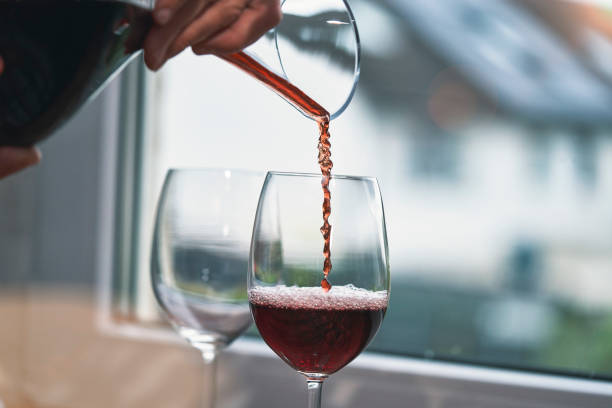
Pinot Noir thrives when served slightly cooled to 55°F (13°C), enhancing its bright acidity and delicate red fruit flavors. Serving too warm can amplify alcohol and dull subtleties, while too cold masks its aromatic complexity.
Chill the bottle for 30–45 minutes in the refrigerator before serving to reach the ideal range. This temperature preserves the wine’s elegant structure and silky texture, allowing notes of cherry, raspberry, and earth to shine.
Avoid serving at room temperature, especially in warm climates, as heat exaggerates alcohol and flattens the palate. For optimal enjoyment, use a thermometer or test with short pours to fine-tune the chill. Proper cooling ensures balance and enhances food pairings, especially with poultry, mushrooms, or salmon.
Cabernet Sauvignon: Balancing Richness and Heat
Cabernet Sauvignon performs best at 60–65°F (15–18°C), a range that balances its bold tannins, high alcohol, and concentrated dark fruit. Serving too cold suppresses aroma and makes tannins seem harsh, while excessive warmth amplifies alcohol and creates a ‘hot’ sensation.
Allow the bottle to rest 15 minutes after refrigeration if over-chilled, or cool in an ice bucket for 10–15 minutes if too warm. This temperature softens tannins and reveals layers of blackcurrant, cedar, and spice. Decanting at this range further improves integration.
Avoid standard room temperature in heated spaces—use a wine thermometer for precision. Proper serving temperature enhances pairings with steak, lamb, or aged cheeses, delivering a smoother, more structured experience.
Merlot and Zinfandel: Finding the Sweet Spot
Merlot and Zinfandel achieve their best expression at 60–65°F (15–18°C), a range that highlights their fruit-forward profiles while managing alcohol and softening tannins. Merlot’s plummy, velvety character shines when not overly warm, preventing a heavy, alcoholic finish.
Zinfandel’s jammy notes and spice benefit from slight cooling to preserve freshness and balance sweetness. Chill for 20–30 minutes in the fridge before serving—longer for high-alcohol Zins. This temperature enhances drinkability and food compatibility, especially with roasted meats, pasta, or barbecue.
Avoid serving straight from a warm room; even a brief chill improves clarity and structure. Consistent temperature control unlocks their approachable charm and layered complexity, making each sip more enjoyable and balanced.
Syrah and Malbec: Ideal Range for Bold Flavors
Syrah and Malbec deliver peak performance at 60–64°F (15–18°C), a range that supports their full body, dark fruit intensity, and structured tannins. At this temperature, Syrah’s notes of blackberry, pepper, and smoke emerge with balanced alcohol and smooth mouthfeel, while Malbec’s plush plum and cocoa flavors gain definition.
Serving too warm overwhelms the palate, and too cold mutes their richness. Use a wine cooler or a 20-minute refrigerator chill to reach the ideal zone. This range also enhances aging potential and decanting benefits, softening tannins and opening aromatics.
Ideal for pairing with grilled meats, stews, or bold cheeses, properly cooled Syrah and Malbec offer greater depth, harmony, and finish—transforming robust profiles into refined, satisfying experiences.
How to Accurately Measure Wine Temperature

Using a Wine Thermometer: Tips and Tricks
For the optimal red wine temperature, which typically ranges from 60°F to 68°F (15°C to 20°C), a wine thermometer is the most accurate tool. Insert the thermometer into the wine after pouring a small amount into a glass—avoid placing it directly in the bottle to prevent contamination.
Digital thermometers with quick-read features provide instant, precise readings within seconds. To ensure accuracy, calibrate your thermometer periodically using ice water (32°F/0°C) or boiling water (212°F/100°C at sea level). Avoid leaving the thermometer in the wine for extended periods, as it may affect taste.
For best results, chill full-bodied reds like Cabernet Sauvignon to around 63°F and lighter varieties such as Pinot Noir closer to 59°F. This precision enhances aroma and balance, preventing alcohol from overpowering the palate. Consistent use of a thermometer helps develop an intuitive sense of ideal serving temperatures over time.
Estimating Temperature Without Tools
If you don’t have a thermometer, you can still estimate the optimal red wine temperature using sensory cues. Hold the wineglass by the bowl for a few seconds—if it feels slightly cool but not cold to your palm, it’s likely within the ideal 60–68°F range.
Another method is the ‘cheek test’: take a small sip and roll it in your mouth; if the wine feels flat or overly alcoholic, it’s too warm, but if the fruit flavors are muted and tannins sharp, it may be too cold.
Room temperature (often 70°F+) is usually too warm for most reds. For a quick fix, place the bottle in the fridge for 10–15 minutes if it’s too warm, or warm it gently in your hands if overchilled.
With practice, you’ll learn to gauge temperature accurately through touch and taste, ensuring balanced, expressive flavors every time.
Common Household Methods for Checking Temp
You can achieve the optimal red wine temperature using simple household techniques. One effective method is the ‘15-minute fridge rule’: place a room-temperature red in the refrigerator for about 15 minutes to bring it down to approximately 65°F—ideal for most varieties.
For a more precise approach, use a bowl of ice and water; submerge the bottle for 7–10 minutes to chill quickly without overcooling. To test, touch the side of the bottle—if it’s cool to the touch but not icy, it’s likely in range.
Alternatively, pour a small amount into a glass and wait 30 seconds; this allows the wine to adjust slightly and gives you a better sense of its true temperature and aroma.
These accessible methods help maintain flavor balance and aromatic complexity, ensuring every glass is served at its best without specialized tools.
Ways to Cool Red Wine Quickly and Safely
Ice Bucket Method: Timing and Technique
The ice bucket method is one of the most effective ways to cool red wine quickly while preserving its flavor. Fill a bucket halfway with ice, add cold water and a handful of salt to lower the freezing point, creating a super-chilled brine that transfers cold faster than ice alone.
Submerge the wine bottle fully, ensuring the neck stays above the mixture. Gently rotate the bottle every few minutes to promote even cooling. For a room-temperature (70°F/21°C) red wine, 15 to 20 minutes is typically enough to reach the optimal serving temperature of 60–65°F (15–18°C).
Avoid leaving the wine longer, as over-chilling can mute aromas and make tannins more astringent. This method is ideal before dinner parties or when serving bold reds like Cabernet Sauvignon slightly cooled for better balance.
Wet Towel and Freezer Hack
For a rapid chill without an ice bucket, the wet towel and freezer method delivers impressive results in under 15 minutes. Dampen a kitchen towel with cold water, wrap it tightly around the wine bottle, and place it in the freezer horizontally.
The moisture on the towel freezes quickly, drawing heat from the glass and accelerating the cooling process. Check the bottle every 5 minutes to prevent freezing, which can damage the wine and expand the liquid, potentially pushing the cork out.
Most red wines reach the ideal 60–65°F (15–18°C) range in 10 to 14 minutes. Remove promptly and let sit for a minute before serving. This hack is perfect for last-minute guests or when you’ve forgotten to chill a bottle.
Avoid this method with sparkling wines or bottles under pressure, but it’s safe and effective for standard still reds like Merlot or Pinot Noir.
Chilling Time for Room-Temperature Wine
Understanding how long to chill red wine from room temperature is key to hitting the optimal 60–65°F (15–18°C) range without overdoing it. Most reds stored at 70°F (21°C) need 15 to 20 minutes in an ice-water bath, or 10 to 15 minutes in the freezer with a wet towel wrap.
Lighter reds like Beaujolais or young Pinot Noirs benefit from the lower end of the range (around 55–60°F), while fuller-bodied wines like Syrah or Malbec taste best at 62–65°F. Use a wine thermometer or test by feel—the bottle should feel cool but not icy.
Over-chilling suppresses fruit notes and accentuates bitterness. For precision, invest in a fridge thermometer to calibrate your freezer’s cooling speed. Planning ahead? Refrigerate the bottle for 45 minutes to 1 hour before serving for a controlled, even chill.
How to Store Red Wine for Optimal Serving
Ideal Cellar Conditions for Long-Term Storage
For long-term aging of red wine, maintaining consistent temperature between 55°F and 58°F (13°C–14°C) is essential. This range slows oxidation and preserves the wine’s chemical balance, allowing it to mature gracefully over time.
Humidity levels should remain around 70% to prevent corks from drying out, which could lead to air leakage and spoilage. Store bottles horizontally to keep the cork moist and maintain a tight seal.
A dedicated wine cellar or climate-controlled cabinet is ideal, as it offers stable conditions unaffected by seasonal changes. Avoid placing wine near appliances or exterior walls, which can cause temperature shifts. Darkness is crucial—exposure to light, especially UV rays, can degrade organic compounds and create off-flavors.
By creating a cool, dark, and humid environment, you protect the wine’s integrity and ensure it reaches peak complexity when ready to drink.
Short-Term Storage Before Serving
When preparing red wine for near-term consumption, adjust storage temperature to align with serving needs. Most reds benefit from being slightly cooled before serving, especially if stored at cellar temperature.
For optimal flavor and aroma expression, remove the bottle from long-term storage and let it sit at room temperature (around 68°F–70°F or 20°C–21°C) for 30–60 minutes, depending on the wine’s body.
Lighter reds like Pinot Noir do well at slightly cooler temps (55°F–60°F), while fuller-bodied wines such as Cabernet Sauvignon shine at 60°F–65°F. Avoid serving red wine too warm, as excessive heat exaggerates alcohol and dulls nuances.
If the wine is too warm, chill it in the refrigerator for 10–15 minutes—never use ice water, which can cool too rapidly. This brief adjustment ensures balanced structure and aromatic clarity at the table.
Avoiding Temperature Fluctuations and Light Exposure
Stable temperature is more critical than the exact number when storing red wine. Frequent fluctuations cause wine to expand and contract, potentially pushing it past the cork and introducing oxygen, which leads to premature aging or spoilage.
Avoid storing wine in areas like kitchens, garages, or near windows where temperatures vary daily. Instead, choose a dedicated, insulated space away from heat sources and direct sunlight. UV light degrades phenolic compounds, resulting in ‘light strike’—a fault that produces wet cardboard-like aromas.
Use opaque wine storage units or cabinets with solid doors to block light. Even brief exposure during display can be harmful over time. For homes without cellars, thermo-electric wine coolers offer reliable, low-vibration climate control.
By prioritizing consistency, darkness, and minimal movement, you preserve the wine’s intended character and ensure it performs at its best when uncorked.
Serving Tools That Help Maintain Proper Temperature
Best Wine Coolers and Fridges for Red Wine
Maintaining the optimal red wine temperature of 60–68°F (15–20°C) is essential for preserving flavor and aroma, and a high-quality wine cooler or dual-zone wine fridge can make all the difference. Look for models with precise temperature control, vibration reduction, and UV-protected glass doors to shield bottles from light and movement.
Dual-zone units allow you to store reds at their ideal range while keeping whites cooler. Consistent cooling prevents premature aging and cork damage. Place the unit in a cool, dry area away from direct sunlight and heat sources. For long-term storage, set the temperature to 55°F (13°C) with 70% humidity.
Top brands like EuroCave, Whirlpool, and NewAir offer reliable options with digital displays and adjustable shelving. Regular maintenance, such as cleaning condenser coils and checking seals, ensures peak performance.
A dedicated wine fridge is a must-have for enthusiasts who want to serve red wine at its best, enhancing body, tannin balance, and bouquet with every pour.
Using Insulated Wine Sleeves
Insulated wine sleeves are a practical solution for maintaining the optimal red wine temperature during service, especially in environments where ambient heat can quickly warm a bottle. These sleeves, made from neoprene or thermal fabric, slow heat transfer and help keep reds in the ideal 60–68°F (15–20°C) range without over-chilling.
They’re perfect for outdoor gatherings, restaurants, or events where wine sits on tables for extended periods. Simply chill the bottle to the target temperature, then insert it into the sleeve to extend thermal stability. Some models include spill-resistant bases and elegant designs for tableside presentation.
Unlike ice buckets, which can overcool, sleeves preserve the wine’s character. Choose breathable, lightweight sleeves for easy transport and quick access.
By minimizing temperature fluctuations, insulated sleeves ensure each glass delivers the full depth of flavor and aroma intended by the winemaker, making them a smart addition to any wine service toolkit.
Smart Decanters with Temperature Control
Smart decanters with built-in temperature control offer a cutting-edge way to serve red wine at its optimal temperature of 60–68°F (15–20°C) while enhancing aeration. These advanced decanters use integrated cooling elements and digital thermostats to maintain a consistent temperature throughout service, preventing the wine from warming too quickly.
Ideal for full-bodied reds like Cabernet Sauvignon or Syrah, they ensure tannins remain smooth and fruit notes stay vibrant. Many models feature LED indicators, app connectivity, and sleek designs for modern tablescapes. Simply pour the wine into the decanter, set the desired temperature, and let the system do the work.
This eliminates guesswork and elevates the tasting experience. Unlike traditional decanting, which only aerates, smart decanters actively manage thermal conditions. They’re especially useful in warm climates or during extended dinners. Investing in a temperature-controlled decanter is a game-changer for precision-focused hosts who value both flavor and technology.
Common Mistakes When Serving Red Wine
Serving Too Warm: What Goes Wrong
Serving red wine too warm is one of the most common mistakes that dulls its complexity and amplifies flaws. When red wine exceeds 68°F (20°C), alcohol becomes overly prominent, creating a ‘hot’ sensation that overwhelms delicate aromas and flavors.
Tannins can taste harsh, and fruit notes may seem stewed or flat. This is especially problematic with lighter reds like Pinot Noir, which lose their elegance at high temperatures. Full-bodied wines like Cabernet Sauvignon can also suffer, as warmth exaggerates bitterness and unbalances structure.
To avoid this, store bottles in a cool, dark place and briefly chill them in the refrigerator for 10–15 minutes before serving if the room is warm. Using a wine thermometer ensures precision. Remember, slightly cooler is better than too warm—you can always let the glass warm in your hand.
Proper temperature preserves balance, letting the wine express its true character.
Over-Chilling and How to Fix It
Over-chilling red wine suppresses its aromas and tightens tannins, muting the sensory experience. When red wine drops below 55°F (13°C), volatile compounds responsible for bouquet become less active, making the wine seem closed or one-dimensional.
Bold reds like Syrah or Malbec may taste overly astringent, while lighter styles lose their floral and fruity nuances. This often happens when wine is pulled straight from a standard refrigerator (typically 35–40°F).
The fix is simple: remove the bottle 20–30 minutes before serving and let it warm gradually at room temperature. Swirling the wine in the glass also helps release aromas. For urgent corrections, cup the bowl of the glass with your hand to gently warm the liquid.
Avoid microwaving or hot water, as rapid heating damages texture. Ideal serving range is 60–68°F, depending on body. Monitoring temperature ensures the wine opens up naturally, delivering a richer, more expressive tasting experience.
Decanting at the Wrong Temperature: Risks and Fixes
Decanting red wine at the wrong temperature can undermine its potential, either muting flavors or accelerating oxidation prematurely. Decanting a too-cold wine limits aeration benefits, as low temperatures inhibit the release of aromatic compounds. Conversely, decanting an overheated wine accelerates alcohol evaporation and can cause delicate notes to fade quickly.
The ideal approach is to bring the wine to its proper serving temperature *before* decanting. For young, tannic reds, aim for 64–68°F (18–20°C); for older vintages, slightly cooler at 60–64°F. If a wine is too cold, decant it and let it sit in a room-temperature environment, swirling occasionally.
If too warm, transfer the decanter to a cool spot—*not* the fridge. Using a temperature-controlled decanter or monitoring with a wine thermometer enhances precision. Proper pre-decanting temperature ensures optimal aeration, softening tannins and revealing layered aromas without compromising balance or structure.
Frequently Asked Questions
What is the optimal temperature for serving red wine?
The optimal serving temperature for most red wines is between 60°F and 65°F (15°C to 18°C). Serving within this range enhances the wine’s aromas and flavors while balancing alcohol and acidity.
Can red wine be served too cold?
Yes, serving red wine too cold suppresses its aromas and makes tannins taste harsher. Lighter reds like Pinot Noir are best around 55°F–60°F, while fuller-bodied reds like Cabernet Sauvignon do well at 60°F–65°F.
How can I chill red wine to the right temperature?
To reach optimal temperature, refrigerate red wine for about 15–20 minutes before serving. For quicker cooling, use an ice bucket with water and ice for 5–10 minutes.
What happens if red wine is served too warm?
When red wine is served too warm, usually above 68°F (20°C), the alcohol becomes overpowering and the wine tastes unbalanced. It may also lose its freshness and structure.
Should all red wines be served at the same temperature?
No, lighter red wines like Beaujolais or Pinot Noir are best slightly cooler (55°F–60°F), while fuller-bodied reds like Syrah or Malbec benefit from being served warmer (60°F–65°F) to bring out complexity.
Is room temperature always wrong for red wine?
Traditional ‘room temperature’ (around 70°F–75°F) is often too warm for red wine. The ideal serving temperature is cooler, closer to 60°F–65°F, especially in climate-controlled homes.
Conclusion
Serving red wine at the optimal temperature enhances its aroma, flavor, and overall enjoyment. Most reds taste best slightly below room temperature—between 60°F and 68°F—avoiding the dullness of over-chilling or the alcohol heaviness of serving too warm. Lighter reds benefit from cooler temps, while fuller-bodied wines thrive a bit warmer. Use a thermometer or a 15-minute fridge chill for best results. Experiment, savor, and discover how temperature transforms your wine experience.