
How To Make Good Cold Coffee At Home
How to make good cold coffee at home is simpler than you think, but it’s not just about pouring hot coffee over ice. The real problem is bitterness and dilution. You’re in the right place because I’ll show you the exact method—using cold brew or flash-chilling—to get a smooth, rich, café-quality result every time, without the watered-down disappointment.
Why Make Cold Coffee at Home Instead of Buying It
Save money with homemade cold coffee
Brewing cold coffee at home is a simple way to cut daily expenses without sacrificing your caffeine fix. A single café cold brew can cost $4–$6, while homemade versions cost roughly $0.50–$1 per serving using quality beans or concentrate.
To maximize savings, buy whole beans in bulk and grind them coarsely for a smooth, rich flavor. Use a French press or a mason jar with a fine-mesh strainer to steep grounds in cold water for 12–24 hours.
This method yields a concentrated brew you can dilute with milk or water, giving you multiple drinks from one batch. Investing in a reusable filter or a simple cold brew pitcher pays off after just a few uses.
By making your own, you also avoid the impulse add-ons like whipped cream or flavored syrups that inflate café bills. Start with a basic 1:4 coffee-to-water ratio, adjust to taste, and enjoy café-quality cold coffee for a fraction of the price.
Control ingredients and sweetness levels
Homemade cold coffee puts you in full command of flavor and nutrition. Café versions often use pre-sweetened concentrates or syrups that can pack 20–30 grams of sugar per serving.
At home, you can sweeten gradually with natural options like honey, maple syrup, or stevia, or skip sugar entirely and rely on vanilla extract or a pinch of cinnamon for depth. For a creamy texture, choose unsweetened almond milk, oat milk, or full-fat dairy based on your dietary needs.
You can also control the coffee strength by steeping grounds longer for a bolder taste or shorter for a milder brew. Experiment with cold foam by frothing cold milk with a handheld frother for a luxurious topping without added calories.
This level of customization lets you match your exact preferences—whether you want a low-sugar, keto-friendly, or dairy-free cold coffee. Each batch becomes a personalized treat that supports your health goals.
Avoid artificial flavors and preservatives
Store-bought cold coffee often contains artificial flavors, stabilizers, and preservatives to extend shelf life and mimic fresh taste. Ingredients like carrageenan, phosphoric acid, and natural flavors can mask low-quality beans or add unwanted chemicals.
By making cold coffee at home, you choose every component—starting with single-origin or organic beans for a pure, clean profile. You can infuse natural flavors by adding fresh mint, citrus zest, or a dash of nutmeg during steeping, avoiding synthetic substitutes.
The brewing process itself—slow extraction in cold water—preserves antioxidants and subtle notes that heat can destroy, resulting in a smoother, less acidic drink. Without preservatives, your cold coffee stays fresh for up to 5 days in the fridge, but you’ll likely finish it sooner because it tastes so good.
This clean approach means you’re drinking real coffee, not a lab-created beverage, and you can feel confident about what goes into your body.
Best Coffee Beans and Brewing Methods for Cold Coffee
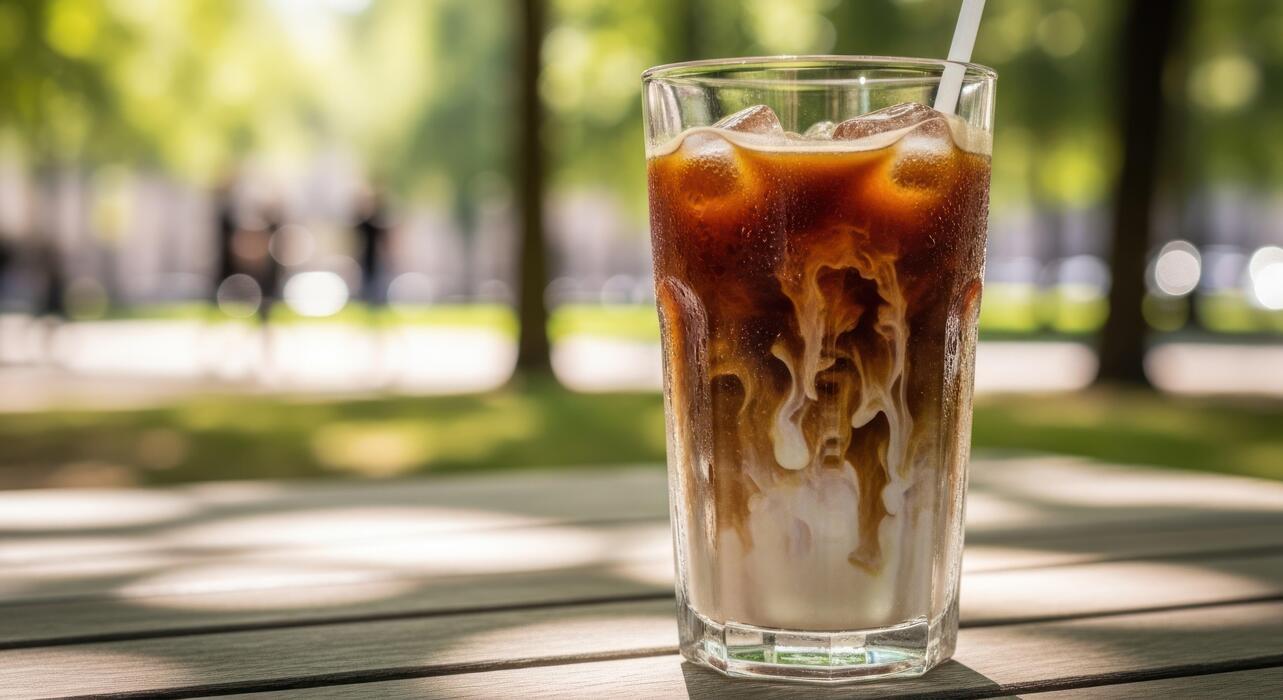
How to choose coffee beans for cold brew
For the best cold coffee at home, start with whole beans and grind them yourself just before brewing. Choose medium to dark roast beans with flavor notes of chocolate, nuts, or caramel, as these produce a smooth, rich, and naturally sweet cold brew without bitterness.
Avoid light roasts with bright acidity, which can turn sour or harsh when steeped cold. Single-origin beans from Brazil, Colombia, or Sumatra are excellent choices for their balanced, low-acid profiles. A coarse grind is essential — similar to breadcrumbs — to prevent over-extraction and sediment.
For iced coffee, use medium roast beans with a medium grind to preserve flavor when hot water extracts quickly. Always buy fresh beans roasted within the last two weeks and store them in an airtight container away from light and heat.
This foundation ensures your cold coffee tastes clean, bold, and delicious every time.
Cold brew vs. iced coffee: key differences
Understanding the difference between cold brew and iced coffee is crucial for making the best cold coffee at home. Cold brew is made by steeping coarse-ground coffee in cold or room-temperature water for 12-24 hours, then straining.
This method produces a smooth, low-acid concentrate that is naturally sweet and less bitter, perfect for sipping over ice or mixing with milk. Iced coffee, on the other hand, is brewed hot (using any method like drip, pour-over, or French press) and then chilled quickly by pouring over ice.
Iced coffee has a brighter, more acidic flavor and a lighter body, but it can become watery as the ice melts. For a richer, more concentrated base, choose cold brew; for a quick, refreshing cup with familiar coffee notes, go with iced coffee.
Both are great, but cold brew is ideal for making a batch that lasts several days in the fridge.
Step-by-step guide to making cold brew concentrate
Making cold brew concentrate at home is simple and yields a smooth, versatile base for delicious cold coffee. Step 1: Combine 1 cup of coarse-ground coffee (use a burr grinder for consistency) with 4 cups of cold, filtered water in a large jar or pitcher.
Stir gently to ensure all grounds are saturated. Step 2: Cover and let steep at room temperature for 12-24 hours — 18 hours is ideal for a balanced flavor.
Step 3: Strain the mixture through a fine-mesh sieve lined with a coffee filter or a nut milk bag into a clean container. Discard the grounds. Step 4: Store the concentrate in the fridge for up to two weeks.
To serve, pour equal parts concentrate and water or milk over ice (adjust to taste). For a stronger kick, use less dilution. Add sweetener or flavored syrups if desired. This method gives you total control over strength and flavor, making cafe-quality cold coffee at home effortless.
Essential Tools and Ingredients for Perfect Cold Coffee
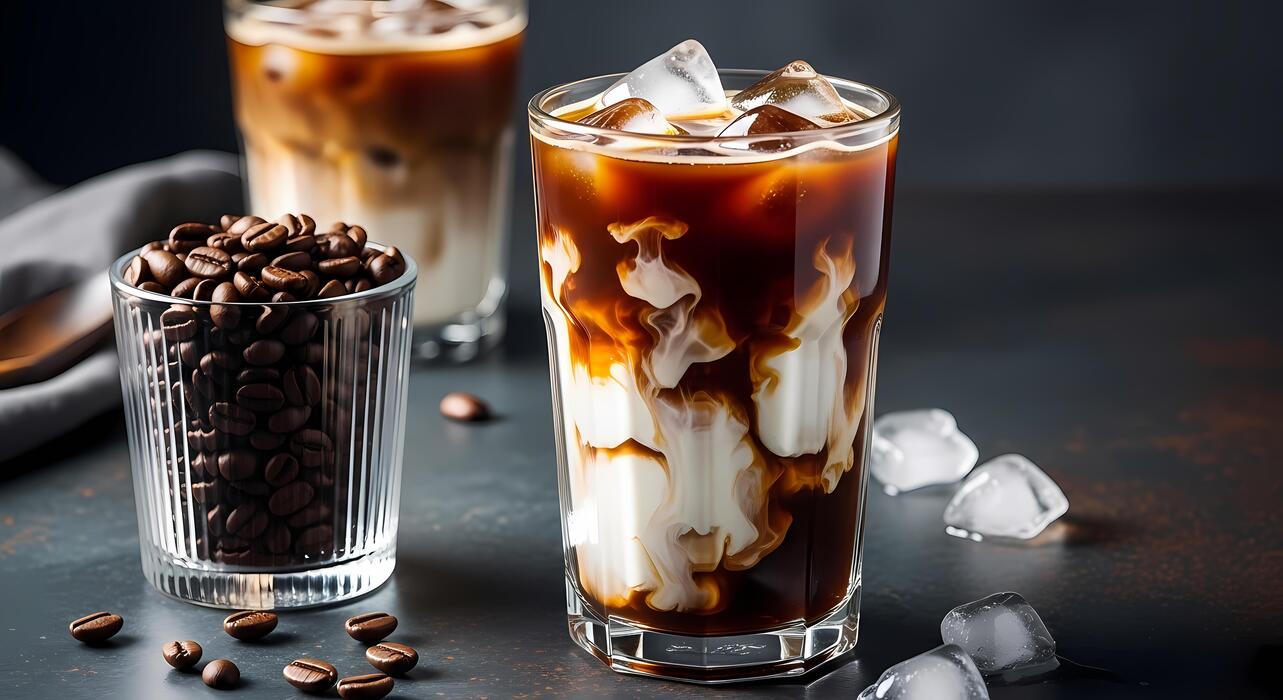
Must-have equipment: jars, filters, and shakers
Start with a large mason jar or French press for steeping coffee grounds overnight—no fancy machines needed. A fine-mesh strainer or cheesecloth is essential for filtering out grit, while a cocktail shaker or protein shaker creates that frothy, café-style texture.
For a smoother brew, use a pour-over dripper or AeroPress to extract bold flavor without bitterness. Don’t forget a whisk or handheld milk frother to aerate milk or cream. A tall glass and ice cube tray (preferably for filtered water) complete the setup.
Invest in a kitchen scale to measure coffee grounds precisely (aim for 1:8 coffee-to-water ratio). These tools ensure consistent results without cluttering your kitchen.
Milk options: dairy, oat, almond, and more
Whole milk creates the richest, creamiest cold coffee due to its high fat content, but 2% or skim work well for lighter textures. For non-dairy, oat milk is the top choice—its neutral sweetness and creamy consistency mimic dairy perfectly.
Almond milk offers a nutty flavor but can separate; opt for barista blends. Coconut milk adds tropical notes, while soy milk provides protein without curdling. Cashew milk is extra smooth and mild. For a decadent twist, try evaporated milk or sweetened condensed milk for Vietnamese-style coffee.
Always shake or blend plant-based milks before pouring, and use cold milk to maintain the drink’s temperature. Experiment with ratios: start with ½ cup milk per serving and adjust to your taste.
Sweeteners and flavor boosters to try
Simple syrup dissolves instantly in cold liquid—make it by simmering equal parts sugar and water. Honey or maple syrup add floral or earthy notes; stir vigorously to blend. For zero-calorie options, stevia drops or monk fruit sweetener work well. Vanilla extract, cinnamon, or cocoa powder elevate flavor without extra sugar.
Try a pinch of sea salt to balance bitterness. For a mocha twist, add chocolate syrup or melted dark chocolate. Caramel sauce or toasted marshmallow syrup create dessert-like versions. Spice it up with pumpkin pie spice or cardamom. Use cold brew concentrate as a base to amplify coffee flavor.
Start with 1-2 teaspoons of sweetener per cup and adjust to preference.
How to Make Classic Cold Coffee at Home
Simple recipe for creamy cold coffee
Start by brewing a strong coffee concentrate using 2 tablespoons of instant coffee powder mixed with 1/4 cup of hot water. Stir until fully dissolved, then let it cool to room temperature.
In a blender, combine the cooled coffee concentrate, 1 cup of cold milk (whole milk works best for creaminess), 2 teaspoons of sugar (or to taste), and a handful of ice cubes. For extra richness, add 1 tablespoon of condensed milk or a splash of heavy cream.
Blend on high speed for 30–45 seconds until the mixture becomes frothy and smooth. Pour into a tall glass and top with a dollop of whipped cream or a sprinkle of cocoa powder if desired. This method ensures a lush, café-style texture without any chalkiness.
For a vegan version, substitute milk with oat or almond milk and use maple syrup instead of sugar. Serve immediately to enjoy the perfect balance of bold coffee flavor and creamy indulgence.
Tips for frothing milk without a machine
Achieving silky, frothy milk at home is easy with simple tools. The most effective method is using a Mason jar with a tight-fitting lid: fill it one-third full with cold milk, close securely, and shake vigorously for 30–60 seconds until the milk doubles in volume.
Remove the lid and microwave the jar for 30 seconds (if using room-temperature milk) to stabilize the foam. Alternatively, use a handheld whisk or fork by vigorously whisking warm milk in a bowl for 2–3 minutes until frothy.
For a no-fuss approach, blend cold milk in a regular blender on high for 20 seconds—this creates a thick, stable foam perfect for cold coffee. To enhance frothing, always use full-fat milk as it creates denser bubbles, or opt for barista-style plant milks that are formulated to foam well.
Avoid over-frothing, which can lead to large, airy bubbles that dissipate quickly. A pinch of salt can help stabilize the foam, and chilling your tools beforehand improves results.
Adjusting strength and sweetness to taste
Customizing your cold coffee to your preference starts with the coffee-to-milk ratio. For a stronger kick, use 3 tablespoons of instant coffee or brew a more concentrated batch by reducing water to 2 tablespoons.
If you prefer a milder drink, dilute with extra milk or add a few more ice cubes. Sweetness is easily adjustable: start with 1–2 teaspoons of sugar, then blend and taste. For a deeper flavor, try brown sugar, honey, or agave syrup—these dissolve better in cold liquids if stirred first.
For a sugar-free option, use stevia or monk fruit sweetener, but note that these can have a slight aftertaste. Flavor variations include adding a dash of vanilla extract, a pinch of cinnamon, or a tablespoon of chocolate syrup for a mocha twist.
Remember that ice melts and dilutes the coffee over time, so make it slightly stronger and sweeter than desired initially. Keep a small batch of coffee concentrate in the fridge for quick adjustments to each serving.
5 Easy Variations of Cold Coffee Recipes

Vietnamese iced coffee with condensed milk
Start by brewing strong dark roast coffee using a traditional Vietnamese phin filter or an espresso machine. While the coffee is hot, stir in 2 tablespoons of sweetened condensed milk until fully dissolved. Fill a tall glass with ice cubes, then pour the sweetened coffee mixture over the ice.
For a creamier texture, add a splash of whole milk or heavy cream. Stir well and enjoy this rich, decadent cold coffee that balances bold coffee flavor with creamy sweetness. Adjust the condensed milk to your taste for a perfect homemade treat.
Mocha cold coffee with chocolate syrup
Brew a double shot of espresso or 1/2 cup of strong coffee and let it cool to room temperature. In a glass, mix 2 tablespoons of chocolate syrup with the cooled coffee until smooth. Add 1/2 cup of cold milk (dairy or plant-based) and stir.
Fill the glass with ice cubes and pour the mocha mixture over them. For a frothy finish, shake the coffee, milk, and chocolate syrup in a sealed jar before pouring.
Top with whipped cream and a drizzle of chocolate syrup for an indulgent mocha cold coffee that rivals any café version.
Vegan coconut cold coffee recipe
For a dairy-free option, brew 1 cup of strong coffee and chill it. In a blender, combine the cold coffee with 1/2 cup of full-fat coconut milk (from a can), 1-2 tablespoons of maple syrup or agave, and a handful of ice cubes. Blend on high until smooth and frothy.
Pour into a glass and garnish with toasted coconut flakes or a cinnamon stick. This creamy vegan cold coffee offers a tropical twist with natural sweetness. Adjust the sweetness to your preference, and use light coconut milk for a thinner consistency.
Spiced cold coffee with cinnamon and vanilla
Brew 1 cup of coffee and stir in 1/2 teaspoon of ground cinnamon and 1 teaspoon of vanilla extract while it’s still hot. Let the mixture cool completely. Fill a glass with ice and pour the spiced coffee over it.
Add 1/4 cup of milk or cream and a pinch of nutmeg on top for extra warmth. For a frothy version, shake all ingredients in a jar with ice before serving. This aromatic spiced cold coffee is perfect for cozy mornings or an afternoon pick-me-up.
Adjust cinnamon to your taste for a gentle kick.
Common Mistakes to Avoid When Making Cold Coffee
Using hot coffee that waters down with ice
One of the most common pitfalls is pouring hot, freshly brewed coffee directly over ice. While this seems convenient, the heat rapidly melts the ice, resulting in a watery, diluted drink that lacks the bold, concentrated flavor of proper cold coffee.
Instead, brew your coffee double-strength by using twice the amount of grounds you normally would for hot coffee. This ensures that even as some ice melts, the final beverage retains a robust taste. Alternatively, prepare a coffee ice cube tray by freezing leftover coffee into cubes.
When you pour your hot brew over these cubes, they chill the drink without diluting it. For the best results, let your brewed coffee cool to room temperature before refrigerating it for at least an hour.
This pre-chilling step reduces the temperature shock and minimizes ice melt, delivering a smooth, full-bodied cold coffee every time.
Over-brewing or under-brewing the coffee
Achieving the perfect balance in cold coffee starts with proper brewing strength. Over-brewing extracts bitter, harsh compounds from the coffee grounds, leaving an unpleasant aftertaste that masks the natural flavors. Under-brewing, on the other hand, produces a weak, watery base that fails to stand up to milk or ice.
To avoid this, use a precise coffee-to-water ratio—typically 1:4 for cold brew concentrate (e.g., 1 cup grounds to 4 cups water) or 1:8 for iced coffee made with hot brew. For cold brew, steep for 12 to 24 hours in the refrigerator, not at room temperature, to prevent over-extraction.
For iced coffee, brew with a shorter contact time (4-5 minutes for drip) to avoid bitterness. Always taste your base before mixing; it should be strong but smooth, with a pleasant acidity. Adjust your grind size—coarse for cold brew, medium for iced—to control extraction speed.
This precision ensures your cold coffee is rich, balanced, and never overpowering.
Not chilling ingredients before mixing
A refreshing cold coffee requires all components to be cold from the start. Adding warm milk, syrup, or cream to chilled coffee can cause uneven temperatures and faster ice melt, ruining the texture and taste.
Pre-chill your milk, cream, and any flavorings in the refrigerator for at least 30 minutes before assembly. If using syrups, make a simple syrup in advance and store it chilled. For a creamier result, use cold heavy cream or oat milk that you’ve shaken or frothed beforehand.
Even your glassware matters—place your serving glass in the freezer for 5 minutes to keep the drink cold longer. When combining, pour the chilled coffee first, then add the cold milk or cream slowly to avoid splashing.
This method preserves the integrity of each ingredient, ensuring a silky, consistent temperature throughout. The payoff is a perfectly chilled beverage that stays refreshing without becoming watery, highlighting the coffee’s true character.
Tips for Serving and Storing Homemade Cold Coffee
Best ways to serve cold coffee for guests
Impress guests by serving cold coffee in tall glasses filled with large ice cubes (they melt slower, preventing dilution). For a cafe-style touch, froth cold milk with a handheld frother or shake it in a jar for 30 seconds before pouring over ice.
Garnish with whipped cream, a dusting of cocoa powder, or cinnamon sticks. Offer a small tray with flavored syrups like vanilla, caramel, or hazelnut so guests can customize sweetness. For a non-dairy option, use oat milk or coconut cream—they add richness without curdling.
If serving iced lattes, pour the coffee over ice first, then add milk slowly to create beautiful layers. Always chill the glasses beforehand for an extra refreshing feel.
For a party, prepare a large pitcher of cold coffee (double-strength brewed and cooled) and let guests add their own milk and sweetener. This interactive approach ensures everyone gets their perfect cup.
How to store cold brew concentrate properly
Store cold brew concentrate in an airtight glass jar or bottle in the refrigerator—it stays fresh for up to two weeks. Avoid plastic containers, as they can absorb odors and affect taste. For best flavor, keep the concentrate away from strong-smelling foods like onions or garlic.
Label the container with the date brewed, and always use a clean, dry spoon to avoid contamination. If you notice any off smells or mold, discard immediately. To serve, dilute the concentrate with equal parts water or milk (adjust to taste).
For longer storage, freeze the concentrate in ice cube trays; once solid, transfer cubes to a freezer bag. These coffee ice cubes are perfect for blending into iced drinks without watering them down. Never store cold brew at room temperature, as it can spoil quickly.
Shake the container gently before each use, as some sediment may settle at the bottom.
Make-ahead tips for busy mornings
Save time by brewing a large batch of cold brew concentrate over the weekend—it lasts up to two weeks in the fridge. Portion the concentrate into individual mason jars or travel mugs with pre-measured milk or water, so you can just grab and go.
For an instant iced coffee, freeze leftover brewed coffee in ice cube trays; pop a few cubes into a cup with milk for a quick, no-dilution drink. Pre-make flavored simple syrups (like vanilla or cinnamon) and store them in squeeze bottles.
You can also blend a batch of coffee smoothies (cold coffee, banana, milk, and cocoa) and freeze in single-serve bags; just thaw overnight and shake. Set out your reusable straws and insulated cups the night before.
If you prefer hot coffee, brew double-strength and chill it—then microwave for 30 seconds in the morning. These small prep steps turn a rushed morning into a seamless, delicious routine.
Frequently Asked Questions
What is the best coffee-to-water ratio for cold brew coffee?
For a strong and smooth cold brew concentrate, use a 1:4 ratio of coffee grounds to water (e.g., 1 cup coffee to 4 cups water). For a milder ready-to-drink cold brew, use a 1:8 ratio. Let it steep in the fridge for 12-24 hours before straining.
Can I use instant coffee to make cold coffee at home?
Yes, instant coffee works well. Dissolve 1-2 teaspoons of instant coffee in a small amount of hot water, then add cold milk, ice cubes, and sweetener. For a frothy texture, blend the mixture with ice for a quick iced coffee.
How do I make cold coffee without a coffee maker?
You can make cold brew by steeping coarsely ground coffee in cold water for 12-24 hours in a jar, then straining it through a fine-mesh sieve or cheesecloth. Alternatively, simply stir instant coffee into cold milk or water with ice.
What ingredients make cold coffee taste like a café version?
Use quality coffee beans, add a splash of vanilla extract or syrup, and sweeten with simple syrup (dissolved sugar) rather than granulated sugar. Top with cold milk or cream, and blend with ice for a creamy, frothy texture.
How do I prevent my cold coffee from becoming watery?
Use coffee ice cubes (frozen brewed coffee) instead of regular ice, or chill your coffee first before adding ice. Also, brew a stronger concentrate so the melting ice doesn’t dilute the flavor too much.
What is the difference between iced coffee and cold brew?
Iced coffee is hot-brewed coffee that is chilled and poured over ice, which can sometimes taste bitter or acidic. Cold brew is steeped in cold water for 12-24 hours, resulting in a smoother, less acidic, and naturally sweeter flavor.
How can I make dairy-free cold coffee creamy?
Use full-fat oat milk, coconut milk, or almond milk for a creamy texture. Add a tablespoon of coconut cream or a splash of cashew milk for extra richness. Shake or blend with ice to create a frothy, smooth drink.
Conclusion
Making excellent cold coffee at home is simple: use fresh, coarsely ground beans, steep them in cold water for 12-24 hours, then filter for a smooth, non-bitter concentrate. Dilute with milk or water to your taste, and sweeten with simple syrup. Avoid instant coffee for best results. Experiment with ratios and enjoy a refreshing, café-quality drink anytime. Your perfect brew is just a fridge away—start steeping tonight