How To Make Cold French Press Coffee
If you’ve been searching for how to make cold french press coffee, you’re likely tired of weak, watery cold brew or complicated gadgets. The core problem is getting rich, smooth flavor without heat or mess. You’re in the right place. This method uses your french press to steep coarse grounds in cold water for 12–24 hours, then press and serve. No filters, no fuss—just bold, silky coffee concentrate you can dilute with milk or water. Let’s get brewing.
What Is Cold French Press Coffee?
Cold brew vs. cold press coffee explained
While often used interchangeably, cold brew and cold press refer to distinct methods. Cold brew involves steeping coarse coffee grounds in cold water for 12-24 hours, then filtering. The result is a smooth, low-acid concentrate. In contrast, cold press coffee uses pressure to extract flavors quickly.
A French press achieves this by pressing the grounds through cold water immediately after a short steep. This method is faster—taking only 3-5 minutes—and yields a different profile.
The key actionable tip: for cold French press coffee, use a 1:4 coffee-to-water ratio, steep for 4 minutes at room temperature, then press and pour over ice. This gives you a bold, aromatic cup without the long wait of cold brew.
Remember, cold press extracts more oils and subtle flavors due to the pressure, while cold brew emphasizes smoothness. Choose based on your time and taste preference.
Why use a French press for cold coffee
A French press is ideal for cold coffee because it combines simplicity and control. Unlike drip machines or Aeropresses, the French press allows you to adjust steeping time and pressure manually. For cold coffee, you can press the grounds directly into cold water, extracting flavor without heat.
This method avoids bitterness from over-extraction that hot brewing can cause. The metal mesh filter also lets more natural oils and fine particles through, creating a fuller body and richer mouthfeel. Actionable step: Use coarse grounds to prevent clogging, and press slowly to maximize extraction.
The French press is also easy to clean and requires no paper filters, making it eco-friendly. Plus, you can serve directly from the carafe. For best results, chill your French press beforehand to keep the water cold during pressing.
This technique gives you a fresh, vibrant cold coffee in minutes, perfect for hot days.
Flavor profile of cold French press coffee
Cold French press coffee offers a distinct flavor profile that sets it apart from hot-brewed or cold brew versions. Because the water is cold, extraction is slower, resulting in lower acidity and bitterness.
The French press method, with its metal filter, retains more natural oils and fine sediment, giving the coffee a silky, full-bodied texture. Expect pronounced chocolate, nutty, and caramel notes with a clean finish.
The quick steep (3-5 minutes) means less over-extraction of harsh compounds, so the flavor remains bright and aromatic without being sour. To enhance this profile, use medium-roast beans with tasting notes like cocoa or almond. Serve over ice to further mellow any remaining sharpness.
Actionable tip: Add a pinch of salt to reduce bitterness and highlight sweetness. This method creates a smooth, refreshing cup that’s perfect for iced coffee lovers who want complexity without the wait.
Ingredients and Equipment You Need
Best coffee beans for cold French press
For a rich, smooth cold brew, start with coffee beans that have a medium to dark roast profile. Beans from Central or South America offer chocolatey, nutty notes that shine when steeped cold, while African beans can bring bright, fruity acidity if you prefer a more complex cup.
Choose whole beans over pre-ground for peak freshness—grind them just before brewing. A single-origin or blend labeled for cold brew works well, but avoid light roasts that may taste overly acidic. Buy from a local roaster to ensure the beans are recently roasted (within two weeks).
For a bolder flavor, use a dark roast; for a milder, sweeter result, go with a medium roast. Store beans in an airtight container away from light and heat. Remember, fresh beans are the foundation of great cold French press coffee—they determine the depth and clarity of your final brew.
Grind size and why it matters
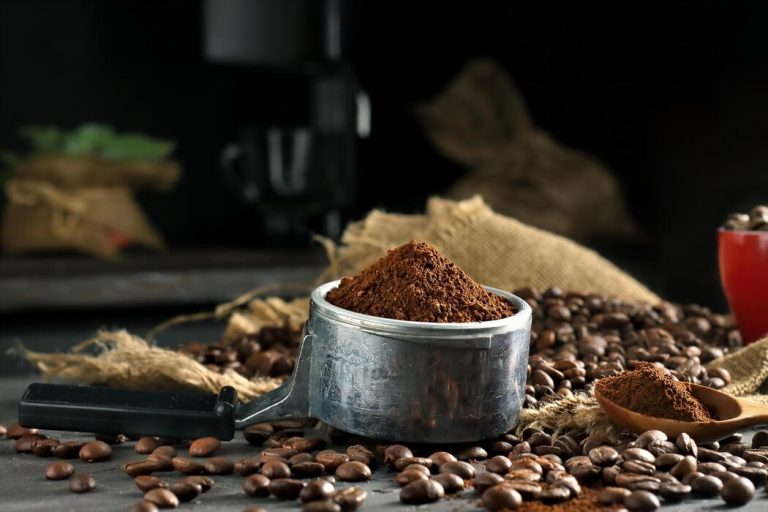
Grind size is critical for cold French press because it controls extraction speed and clarity. Use a coarse grind, similar to breadcrumbs or sea salt, to avoid over-extraction and bitterness.
A coarse grind allows water to flow through the grounds slowly during the long cold steep (12–24 hours), extracting smooth flavors without harsh tannins. If the grind is too fine, the coffee will taste muddy, over-bitter, and may clog the mesh filter.
Invest in a burr grinder for consistent particle size; blade grinders produce uneven results. For cold brew, you want uniformly coarse grounds that don’t turn into sludge. If you buy pre-ground, look for a “French press” or “cold brew” grind setting.
To test, pinch the grounds—they should feel gritty, not powdery. Adjust grind size based on taste: if it’s too weak, grind slightly finer; if bitter, go coarser. Mastering grind size ensures your cold French press coffee is clean, balanced, and delicious every time.
Essential gear: French press, water, and tools
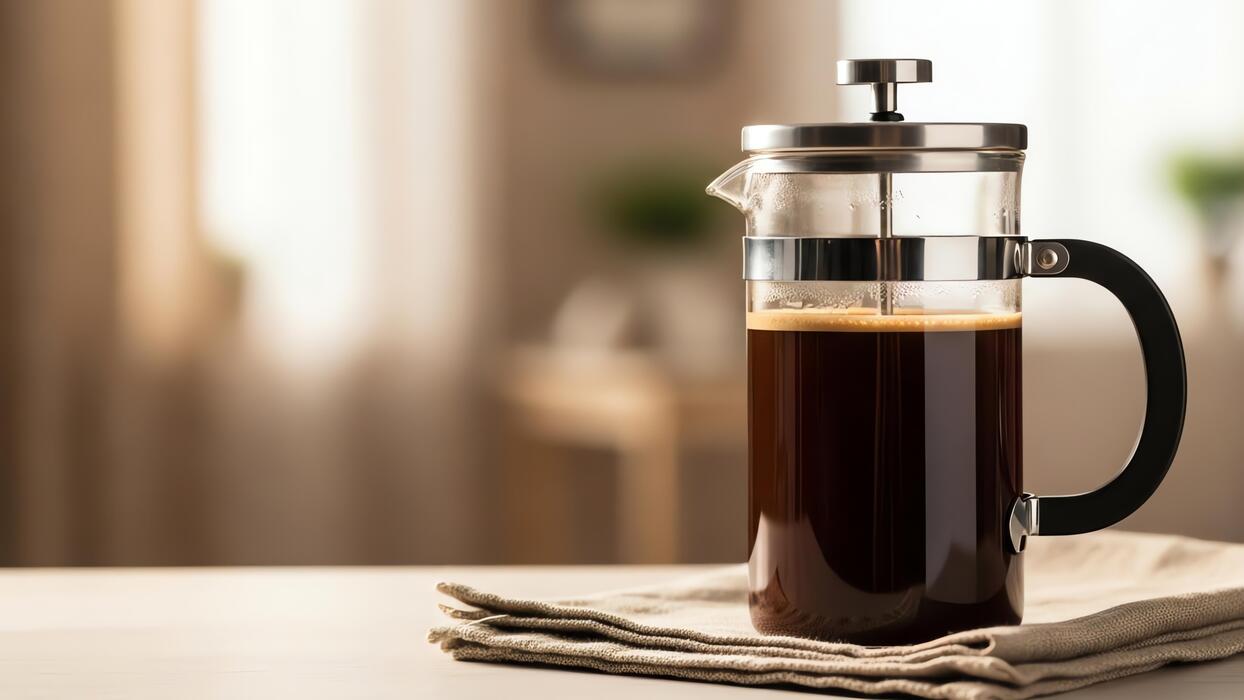
You need a French press (any size, but 32 oz is ideal for making a batch), filtered water (cold or room temperature), a stirring spoon, and a container for the concentrate (like a jar or pitcher).
The French press should have a tight-fitting plunger with a fine mesh screen to minimize sediment. Use cold, filtered water—tap water with chlorine or minerals can alter flavor. A digital scale helps measure coffee (use a 1:4 to 1:5 ratio of coffee to water for concentrate).
A long-handled spoon is useful for stirring grounds. Optional but helpful: a fine-mesh strainer or cheesecloth for extra filtering, and a timer to track steeping. For storage, a glass jar with a lid works perfectly. Keep all gear clean to avoid stale flavors.
With these essentials, you’re set to brew a smooth, low-acid cold French press coffee that’s ready to dilute with milk or water.
How to Make Cold French Press Coffee Step by Step
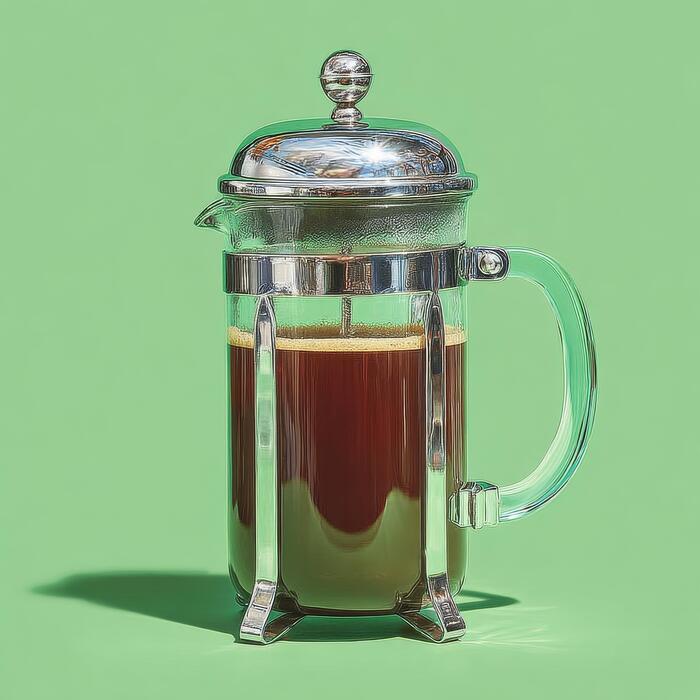
Step 1: Measure and grind your coffee
Start by measuring your coffee beans. For a strong, balanced cold brew, use a coarse grind—similar to breadcrumbs—and a coffee-to-water ratio of 1:4 or 1:5 (e.g., 1 cup coffee to 4 cups cold water). This ratio ensures a concentrated brew that you can dilute later.
Weigh your beans using a kitchen scale for precision, aiming for about 140-170 grams of coffee per liter of water. Grind the beans just before brewing to preserve freshness and flavor. Avoid fine grinds, as they can slip through the filter and make the coffee muddy.
A consistent, coarse grind allows for optimal extraction without over-extraction bitterness. Remember, cold brew requires a longer steep time, so the grind size is crucial for a smooth, rich result. Once ground, transfer the coffee to your French press carafe.
Step 2: Combine coffee and cold water
Pour cold, filtered water over the coarse coffee grounds in the French press. Use water at room temperature or chilled—avoid hot water to maintain the cold brew method. Gently stir the mixture with a long spoon to ensure all grounds are saturated; this promotes even extraction.
For best results, use a 1:4 coffee-to-water ratio for a concentrate, or 1:8 for a ready-to-drink brew. After stirring, place the plunger on top but do not press it down—just rest it on the surface to keep the grounds submerged.
Let the mixture steep at room temperature for 12-24 hours; longer steeping yields a stronger, more robust flavor. Cover the press with a lid or plastic wrap to prevent dust or odors from affecting the brew.
The cold water slowly extracts the coffee’s oils and flavors, resulting in a smooth, low-acid concentrate.
Step 3: Steep and press the coffee
After steeping, it’s time to separate the liquid from the grounds. Slowly and evenly press the plunger down using steady pressure—this helps avoid disturbing the sediment. If resistance is high, pause and press gently to prevent grounds from escaping.
Once pressed, pour the cold brew concentrate through a fine-mesh strainer or cheesecloth into a clean container to catch any fine particles. This step ensures a clean, sediment-free drink. Store the concentrate in the refrigerator for up to two weeks.
To serve, dilute with water, milk, or ice to your taste—typically a 1:1 or 1:2 ratio of concentrate to liquid. For a refreshing twist, add a splash of vanilla or a pinch of cinnamon.
Enjoy your smooth, low-acid cold French press coffee as a base for iced lattes or black over ice.
Tips for the Best Cold French Press Coffee
Water-to-coffee ratio for balanced flavor
Getting the water-to-coffee ratio right is the foundation of a great cold brew. For a smooth, balanced concentrate, use a ratio of 1:8 coffee to water by weight. For example, combine 100 grams of coarsely ground coffee with 800 grams (or milliliters) of cold, filtered water.
This yields a strong concentrate that you can dilute later. If you prefer a ready-to-drink strength, try a 1:15 ratio instead. Avoid fine grinds, as they over-extract and create bitterness. Always weigh your ingredients for consistency—using volume measurements like tablespoons can be inaccurate.
A coarser grind, similar to breadcrumbs, ensures even extraction and easier filtering later. Remember, the ratio directly impacts flavor: too little coffee results in weak, watery brew; too much creates an overly intense, bitter concentrate. Start with 1:8, then adjust to your taste after your first batch.
Steeping time: 12 to 24 hours
Steeping time is crucial for extracting the best flavor without bitterness. The ideal window is 12 to 24 hours at room temperature or in the refrigerator. A 12-hour steep yields a lighter, more tea-like brew with brighter notes, while 24 hours produces a bolder, richer, and slightly chocolatey concentrate.
Steeping beyond 24 hours can lead to over-extraction, making the coffee taste harsh or metallic. For consistent results, steep at room temperature for 18 hours—this is the sweet spot for most beans. If using a fridge, extend the time by a few hours since cold slows extraction.
Always stir the grounds and water after the first hour to ensure even saturation. Set a timer to avoid forgetting, and taste-test at 12 hours to decide if you prefer a shorter or longer steep. This flexibility lets you customize the strength and flavor profile to your liking.
Filtering for a cleaner cup
Proper filtering removes fine particles and oils, giving you a crystal-clear, smooth cup without grit. Start by pouring the steeped mixture through a fine-mesh sieve lined with a damp paper towel or a reusable nut milk bag. This catches most sediment.
For even cleaner results, use a French press plunger as a secondary filter: press down slowly to avoid disturbing the grounds. Alternatively, pour the initial brew through a coffee filter in a pour-over cone—this yields the clearest cup but takes longer.
Avoid pressing the grounds too hard, as this pushes bitter compounds through. Rinse your filter with hot water before use to remove paper taste. If you notice silt at the bottom of your container, let the brew settle for 5 minutes, then carefully decant the top layer.
A clean filter not only improves texture but also extends the shelf life of your cold brew in the fridge.
Common Mistakes to Avoid
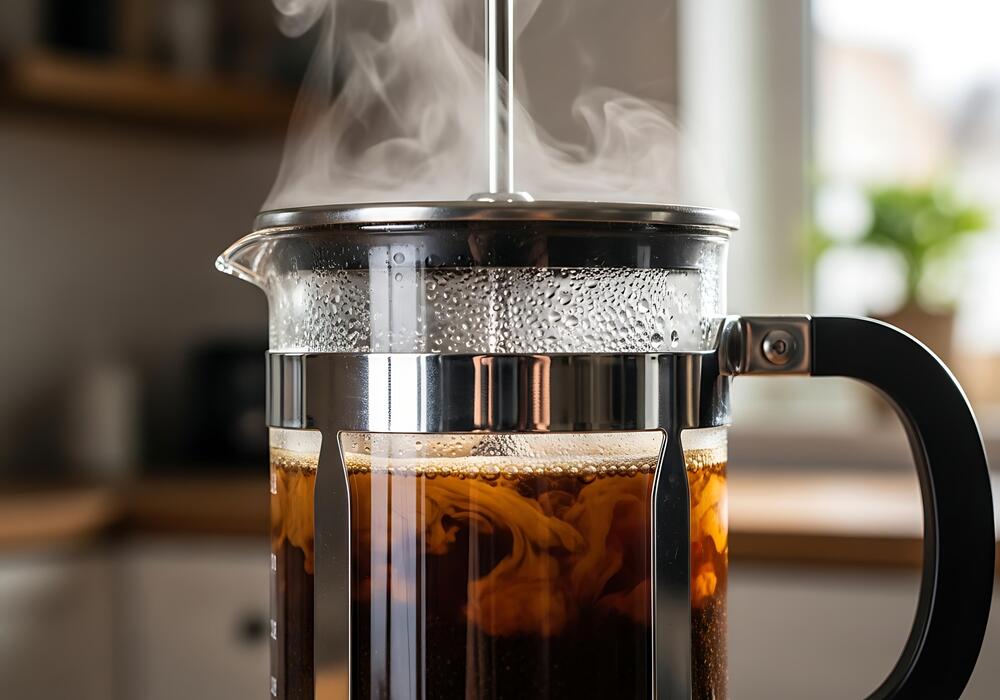
Using hot water or wrong grind size
One of the most common mistakes is treating cold French press coffee like its hot counterpart. Never use hot water; the entire point is cold extraction, which requires room-temperature or cold water to avoid bitterness. Equally critical is choosing the right grind size.
For cold brew, use a coarse grind, similar to breadcrumbs. A fine grind will over-extract, resulting in a muddy, harsh flavor, while an overly coarse grind may under-extract, leaving a weak brew. Stick to a consistent, coarse grind to ensure balanced extraction over the long steep time.
Over-steeping or under-steeping
Steeping time is crucial for cold French press coffee. Under-steeping (less than 12 hours) yields a thin, sour brew lacking depth, as the cold water hasn’t had enough time to extract the coffee’s full flavor profile.
Conversely, over-steeping (beyond 24 hours) can lead to excessive bitterness and stale notes, especially if left at room temperature. The sweet spot is 12 to 18 hours in the refrigerator. Set a timer to avoid guesswork, and taste-test after 12 hours to adjust for future batches.
Consistency in timing ensures a smooth, rich result every time.
Skipping the secondary filtration
A frequent oversight is assuming the French press plunger alone creates a perfectly clean cup. The metal mesh filter cannot trap fine coffee particles (fines), leading to a gritty, sludgy texture that masks the coffee’s delicate flavors.
Always perform secondary filtration by pouring the steeped coffee through a paper filter, a fine-mesh sieve, or a nut milk bag into a separate container. This step removes sediment and yields a crisp, clear brew that highlights the cold extraction’s smooth, low-acid profile.
For best results, filter immediately after plunging to avoid re-extraction of bitter compounds from settled grounds.
How to Serve and Store Cold French Press Coffee
Serving suggestions: over ice or with milk
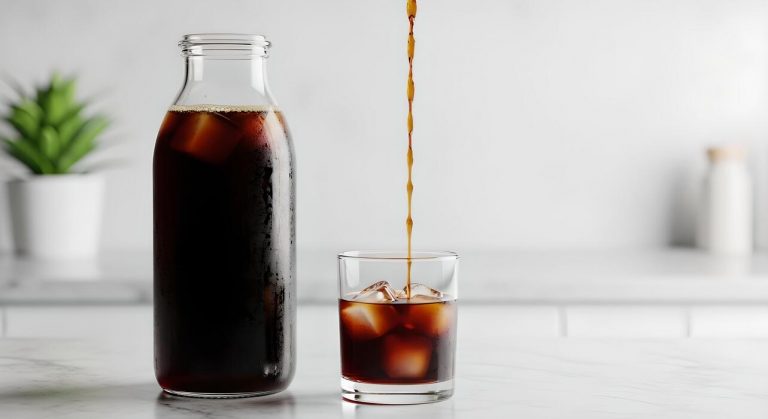
To serve your cold French press coffee, start by pouring it over a tall glass filled with fresh ice cubes to prevent dilution. For a classic iced coffee, add a splash of cold water or your favorite milk—oat or almond milk complements the smooth, low-acid profile.
If you prefer a creamier texture, stir in condensed milk or a dash of vanilla syrup for sweetness. For a refreshing twist, try adding a pinch of cinnamon or cocoa powder before serving.
Always serve immediately after pouring to enjoy the full flavor, as the coffee will stay crisp and aromatic. If you like a stronger brew, use a 1:1 ratio of coffee to milk or water. For a dairy-free option, coconut milk adds a subtle tropical note.
Remember, cold French press coffee is versatile—experiment with flavored syrups, nutmeg, or even a hint of salt to balance bitterness. Serve with a straw or a large ice cube to keep it chilled without watering it down.
Storing in the fridge for up to a week
Store your cold French press coffee in an airtight container, such as a glass jar or a dedicated carafe, to preserve its freshness and prevent absorption of fridge odors. Let the coffee cool to room temperature before refrigerating—this avoids condensation and flavor loss.
In the fridge, it stays fresh for up to a week, though it’s best consumed within 3-4 days for peak taste. For longer storage, avoid adding milk or sweeteners beforehand, as they shorten shelf life. Instead, keep the black coffee separate and add mix-ins just before serving.
To reheat, gently warm on the stove or in a microwave, but note that cold-brewed French press is designed for cold consumption. If you notice any off smells or flavors, discard it. For easy access, pour into individual serving bottles or use a tight-sealing mason jar with a pour spout.
Always label with the date to track freshness and avoid waste.
Reusing grounds for a second batch
Yes, you can reuse French press grounds for a second cold brew batch, but the result will be weaker and less flavorful than the first. After the initial steep, rinse the grounds with cold water to remove residual oils, then steep them again for 12-24 hours in fresh cold water.
Expect a lighter, more tea-like brew—perfect for iced coffee or as a base for smoothies. For better extraction, increase the steeping time or use slightly warmer water (room temperature) for the second batch. Pro tip: Combine reused grounds with fresh ones (a 50/50 ratio) for a balanced flavor.
Avoid reusing more than once, as the grounds lose most of their caffeine and oils. Use the second batch quickly within 2-3 days, as it spoils faster. This method reduces waste and saves money, but always check for bitterness—if too bitter, discard.
For compost, spent grounds are great for gardens, so consider that as a final use.
Frequently Asked Questions About Cold French Press Coffee
Can I use a regular French press for cold brew?
Absolutely, a regular French press is ideal for making cold brew. Its built-in plunger with a fine mesh filter perfectly separates the coffee grounds from the water after steeping, which is exactly what you need.
To start, add coarsely ground coffee (use a 1:4 or 1:5 coffee-to-water ratio by weight) to your clean press. Pour in cool, filtered water, then stir gently to ensure all grounds are saturated. Place the lid on without plunging, and let it steep in the refrigerator for 12-24 hours.
The longer it steeps, the stronger the concentrate. After steeping, slowly press the plunger down to separate the grounds. If you notice sediment, you can pour the cold brew through a fine-mesh sieve or a coffee filter for a cleaner cup.
The result is a smooth, concentrated brew that you can dilute with water or milk to taste. Cleanup is simple—just rinse the press and grounds. This method leverages the press’s design for effortless cold brew without any special equipment.
How long does cold French press coffee last?
Properly stored cold French press coffee can last up to 7-10 days in the refrigerator, but it’s best enjoyed within the first 3-5 days for peak flavor. To maximize freshness, transfer the brewed coffee to an airtight glass container immediately after pressing.
Avoid leaving it in the French press with the grounds, as continued contact can lead to over-extraction and bitterness. Keep the container sealed and refrigerated at all times; exposure to air or warm temperatures accelerates flavor degradation.
The cold brew concentrate will stay potent, but you may notice subtle changes in taste after day 5. For the best experience, brew smaller batches more frequently. If you plan to dilute it with water or milk, do so right before serving rather than diluting the entire batch.
Remember, cold brew is more stable than hot coffee due to lower acidity, but it’s still perishable. Discard if you see any mold or off-odors. Always use clean utensils when pouring to avoid contamination.
Is cold French press coffee less acidic?
Yes, cold French press coffee is significantly less acidic than hot-brewed coffee, which makes it gentler on the stomach and teeth. The cold brewing process extracts fewer acidic compounds because lower temperatures prevent the release of certain oils and acids that are soluble in hot water.
Specifically, cold brew has about 60-70% less acidity compared to traditional hot coffee. This results in a smoother, sweeter flavor profile with notes of chocolate or caramel, rather than sharp or bitter tones.
The French press method further enhances this effect by using a coarse grind and long steep time, which minimizes over-extraction of harsh compounds. However, since the French press doesn’t use a paper filter (which absorbs oils), some of the coffee’s natural oils remain, adding body and a silky mouthfeel.
For those with acid reflux or sensitive teeth, this is an excellent alternative. To further reduce acidity, use a medium-to-dark roast and brew at a higher coffee-to-water ratio (like 1:5). The result is a mellow, refreshing cup that’s perfect for iced or room-temperature drinking.
Frequently Asked Questions
What is the difference between cold brew and iced French press coffee?
Cold brew involves steeping coarse coffee grounds in cold water for 12-24 hours, then filtering. Iced French press coffee is made by brewing hot coffee in a French press, then cooling it with ice or refrigerating it for immediate consumption.
What coffee-to-water ratio should I use for cold French press coffee?
For a concentrated cold brew in a French press, use a 1:4 ratio of coffee to water (e.g., 1 cup coffee to 4 cups water). For a ready-to-drink iced version, use a 1:8 ratio and adjust to taste.
How long should I steep coffee in a French press for cold brew?
Steep coarse-ground coffee in cold water for 12-24 hours in the refrigerator. Longer steeping (up to 24 hours) yields a stronger, smoother flavor, but avoid going beyond 24 hours to prevent bitterness.
Do I need to use coarse ground coffee for cold French press coffee?
Yes, coarse grounds are essential to prevent over-extraction and a muddy texture. Fine grounds can slip through the press filter and make the coffee bitter and gritty.
How do I press and store cold French press coffee?
After steeping, slowly press the plunger down. Pour the concentrate into a sealed container and refrigerate. It stays fresh for up to 2 weeks. Dilute with water or milk to serve.
Can I make iced French press coffee quickly without steeping overnight?
Yes, brew hot coffee in your French press using a 1:8 ratio, then pour it over a glass filled with ice. This dilutes the coffee slightly, so use a stronger brew or add less ice for desired strength.
Why is my cold French press coffee cloudy or bitter?
Cloudiness often results from fine grounds slipping through the filter—use a coarser grind. Bitterness can come from over-steeping (more than 24 hours) or using too hot water during steeping; always use cold or room-temperature water.
Conclusion
Mastering cold french press coffee is simple: use coarse grounds, a 1:4 coffee-to-water ratio, and steep for 12-18 hours at room temperature before pressing. The result is a smooth, rich concentrate perfect over ice. Dilute with milk or water to taste. Enjoy this refreshing, low-acid brew any morning. Give it a try—your perfect iced coffee awaits with minimal effort.