How To Make Cold Coffee With Cold Brew
How to make cold coffee with cold brew is simpler than you think—no heat, no bitterness, just smooth, concentrated coffee. The core problem is avoiding watered-down, acidic iced coffee. You’re in the right place: we’ll show you the exact ratio of coarse grounds to cold water, the steeping time (12–24 hours), and how to dilute and serve for a perfect glass every time. No fancy gear required.
What Is Cold Brew Coffee?
Cold brew vs. iced coffee: key differences
To make the best cold coffee at home, start by understanding the difference between cold brew and iced coffee. Iced coffee is simply hot-brewed coffee that is cooled down and poured over ice—this can result in a more bitter, acidic taste.
In contrast, cold brew is made by steeping coarse-ground coffee in cold or room-temperature water for 12–24 hours, then filtering out the grounds. This slow extraction produces a smooth, concentrated liquid that is naturally less acidic and bitter. For your cold coffee recipe, use cold brew concentrate as a base.
It mixes perfectly with milk, water, or ice without becoming watery or sour. Unlike iced coffee, cold brew stays smooth even as the ice melts, giving you a richer, more consistent flavor.
If you want a refreshing, non-bitter cold coffee, always choose cold brew over iced coffee for a superior taste experience.
Why cold brew tastes smoother and less bitter
The secret to cold brew’s smoothness lies in its low-temperature extraction process. Hot water extracts more of the coffee’s bitter compounds, such as chlorogenic acid and tannins, which can make iced coffee harsh.
Cold brew, however, steeps in cold or room-temperature water, which selectively extracts the sweeter, more aromatic flavors while leaving behind the bitter elements. The result is a naturally sweet, mellow concentrate with a velvety mouthfeel.
For your homemade cold coffee, this means you can skip adding sugar or cream to mask bitterness—cold brew already tastes smooth and rich. To replicate this, use a coarse grind and steep for at least 12 hours.
The longer steeping time enhances the smoothness, giving you a concentrate that’s perfect for pouring over ice. This method ensures your cold coffee is consistently delicious without any sharp aftertaste.
How cold brew concentrate works for cold coffee
Cold brew concentrate is the key ingredient for making quick, customizable cold coffee at home. It is a highly concentrated coffee liquid, typically made with a 1:4 coffee-to-water ratio (or stronger), which you can dilute with milk, water, or ice.
To use it for cold coffee, simply mix 1 part concentrate with 2–3 parts water or milk over ice. This gives you a perfectly balanced, smooth drink without bitterness. The concentrate stores in the refrigerator for up to two weeks, so you can prepare a batch ahead of time.
For a richer cold coffee, use whole milk or oat milk; for a lighter version, add water. You can also sweeten it with simple syrup or flavored syrups.
The versatility of cold brew concentrate means you can adjust the strength and flavor to your liking, making it the ultimate base for any cold coffee recipe.
How to Make Cold Brew Concentrate at Home
Best coffee beans for cold brew
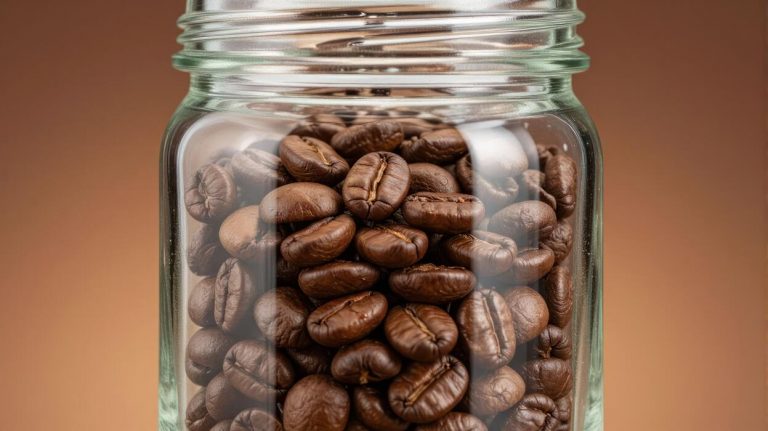
For a smooth, rich concentrate, choose a medium to dark roast with flavor notes of chocolate, nuts, or caramel. Avoid light, fruity roasts as they can become sour. Coarsely ground beans are essential to prevent over-extraction and bitterness.
Single-origin beans from Colombia or Brazil work well, but a blend often delivers balanced depth. Buy whole beans and grind them yourself just before brewing for maximum freshness.
Simple cold brew ratio: coffee to water
Use a 1:4 ratio of coffee to water by weight for a strong concentrate. For example, 1 cup (100g) of coarsely ground coffee to 4 cups (400ml) of cold, filtered water. This yields a bold base that you can dilute with water or milk.
For a milder concentrate, try a 1:5 ratio. Always weigh your ingredients for consistency—volume measurements can be inaccurate.
Step-by-step cold brew steeping process
Combine coarsely ground coffee and cold water in a large jar or pitcher. Stir gently to ensure all grounds are saturated. Cover and let steep at room temperature for 12 to 24 hours—18 hours is ideal for most roasts. Do not stir during steeping to avoid bitterness.
A longer steep extracts more flavor but can turn bitter if overdone. Taste after 12 hours to find your preferred strength.
How to filter and store cold brew concentrate
Line a fine-mesh sieve with a coffee filter or cheesecloth and place it over a clean container. Pour the steeped mixture through slowly, pressing gently on the grounds to extract all liquid. Discard the grounds and transfer the concentrate to an airtight glass bottle or jar.
Store in the refrigerator for up to 2 weeks. For serving, mix 1 part concentrate with 1 part water or milk over ice, adjusting to taste.
How to Make Cold Coffee with Cold Brew

Basic cold coffee recipe using cold brew concentrate
Start with high-quality cold brew concentrate for the smoothest, least acidic cold coffee. The ideal ratio is 1 part concentrate to 1 part water, but adjust to your taste.
For a single serving, combine ½ cup cold brew concentrate with ½ cup cold or room-temperature filtered water in a glass filled with ice. Stir gently to blend. If you prefer a stronger kick, use a 2:1 ratio of concentrate to water. Always use fresh, filtered water to avoid off-flavors.
For an extra-chilled drink, chill your glass beforehand or use coffee ice cubes (frozen cold brew) to prevent dilution. This base recipe creates a clean, bold coffee flavor that you can customize with milk or sweeteners.
Remember, cold brew concentrate is typically 2-3 times stronger than regular coffee, so never drink it straight unless you want an intense caffeine jolt. Experiment with ratios until you find your perfect balance.
Adding milk, cream, or non-dairy alternatives
Transform your cold brew base into a creamy delight by adding whole milk, half-and-half, or heavy cream for richness. Start with 2-3 tablespoons per 1 cup of diluted cold brew, then adjust to your preference.
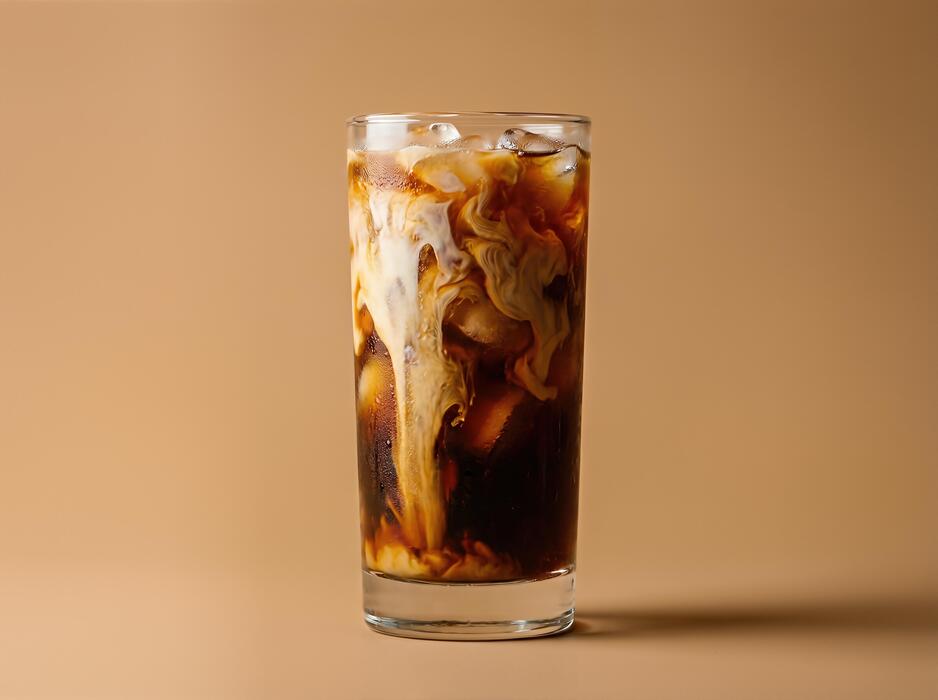
For a dairy-free option, oat milk adds natural sweetness and a velvety texture, while almond milk keeps it light. Coconut milk lends a tropical twist, and soy milk offers protein without overpowering the coffee. Always pour the milk slowly over ice after adding the cold brew to create beautiful layers.
For an indulgent treat, use sweetened condensed milk for a Vietnamese-style iced coffee. If you want foam, warm the milk slightly and froth it before adding. Non-dairy creamers in vanilla or caramel flavors are also excellent shortcuts.
Remember, cold brew’s smoothness pairs well with any milk, so don’t be afraid to experiment. The key is to add milk last so you can see the color change and control the strength.
Sweeteners and syrups for perfect cold coffee
Sweeten your cold coffee without grittiness by using liquid sweeteners that dissolve instantly in cold liquid. Simple syrup (equal parts sugar and water, boiled until dissolved) is the classic choice—add 1-2 tablespoons per cup. Honey or agave nectar offer natural alternatives; stir thoroughly as they’re thicker.
For flavored options, try vanilla syrup, caramel syrup, or chocolate sauce—start with 1 tablespoon and adjust. Maple syrup adds a unique, earthy sweetness. For sugar-free versions, use stevia drops or monk fruit syrup.
To make your own flavored syrup, simmer water with sugar and vanilla beans, cinnamon sticks, or lavender buds. Always add sweetener to the cold brew concentrate before diluting with water or milk, ensuring even distribution. A pinch of salt can also enhance sweetness without extra sugar.
Remember, cold brew’s natural low acidity means you may need less sweetener than with hot-brewed iced coffee. Taste as you go for perfect balance.
Best Ways to Serve Cold Coffee with Cold Brew
Classic iced cold brew coffee recipe
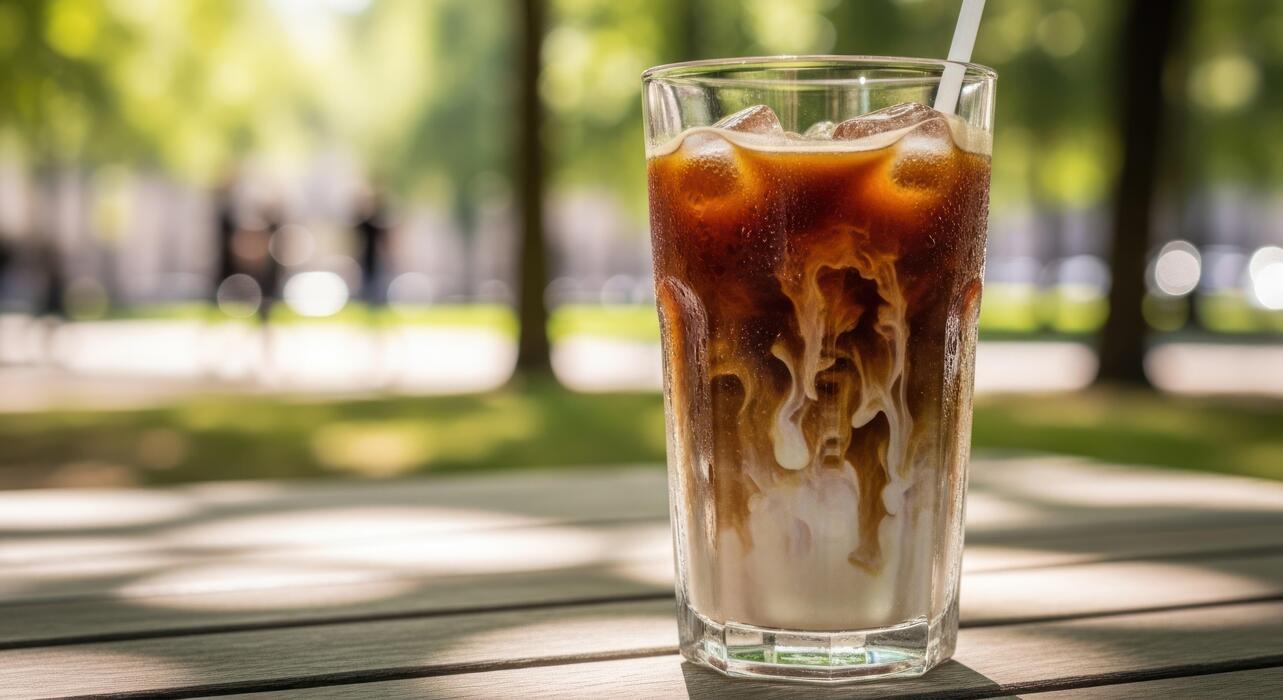
For a perfect classic iced cold brew, start with a 1:4 ratio of cold brew concentrate to water or milk. Pour 4-6 ounces of your homemade or store-bought cold brew over a tall glass filled with ice.
To avoid dilution, consider making cold brew ice cubes by freezing leftover concentrate in an ice cube tray. This keeps your drink strong and flavorful as the cubes melt.
Add a splash of simple syrup, vanilla extract, or a pinch of salt to enhance the natural sweetness without masking the coffee’s bold notes. Stir gently and serve immediately for a refreshing, low-acid iced coffee that’s smooth from first sip to last.
For a dairy-free twist, swap water with oat or almond milk, but keep the base cold brew concentrated to maintain that rich, robust profile. This method highlights the cold brew’s inherent chocolatey, nutty undertones while providing a customizable canvas for your preferred sweetness level.
Perfect for hot days when you need a quick, satisfying caffeine boost without the bitterness of traditional iced coffee.
Cold brew latte: creamy and smooth
Elevate your cold brew into a luxuriously creamy latte by pairing it with frothed milk. Use a 1:1 ratio of cold brew concentrate to milk of your choice—whole milk offers the richest texture, while oat or coconut milk adds a subtle sweetness.
For the best results, cold-froth your milk using a handheld frother or a jar with a tight lid: shake vigorously for 30 seconds until frothy, then pour over ice. Slowly add 4-6 ounces of cold brew concentrate, allowing the layers to remain distinct for a beautiful presentation.
Stir gently to combine, and finish with a dusting of cinnamon or cocoa for extra depth. The cold brew’s smooth, low-acidity base blends seamlessly with the creamy milk, creating a balanced, velvety drink that’s less bitter than espresso-based lattes.
Adjust sweetness with a drizzle of honey or maple syrup, but avoid over-sweetening to let the coffee’s natural flavors shine. This method delivers a café-quality latte at home, perfect for sipping slowly on a warm afternoon.
Cold brew mocha or flavored variations
Transform your cold brew into a decadent mocha or explore creative flavored variations with simple additions. For a classic mocha, mix 2 tablespoons of high-quality cocoa powder with 1 tablespoon of hot water to create a smooth paste, then stir into 6 ounces of cold brew concentrate.
Pour over ice and top with your favorite milk, or add a scoop of chocolate ice cream for an indulgent affogato-style treat. For fruity or spiced variations, infuse your cold brew with vanilla bean, cinnamon sticks, or orange zest by steeping them in the concentrate for 2-4 hours before serving.
Alternatively, blend cold brew with a splash of coconut milk and a dash of cardamom for a tropical twist, or add a teaspoon of lavender syrup for a floral note.
Sweeten with agave or simple syrup to taste, and garnish with whipped cream or a sprinkle of sea salt for contrast. These customizable options let you tailor the drink to your cravings while preserving the cold brew’s smooth, bold foundation.
Experiment with ratios and flavors to find your signature iced coffee creation.
Tips for the Perfect Cold Coffee Texture
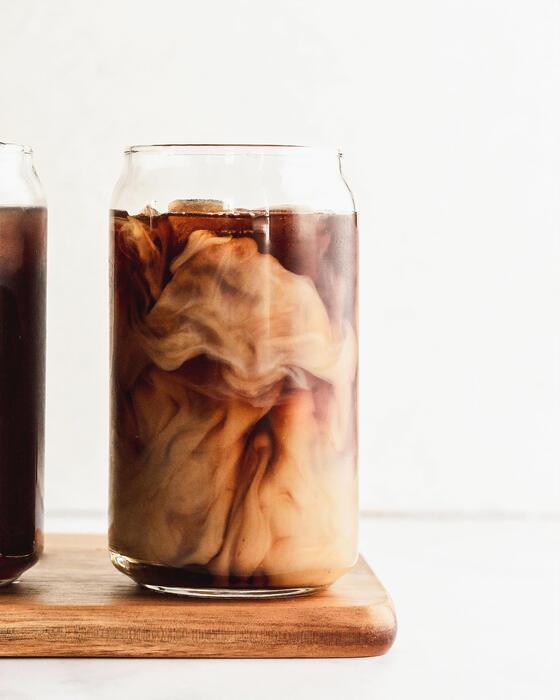
Why ice cubes matter and how to avoid dilution
The biggest enemy of perfect cold coffee texture is watery dilution from melting ice. When you pour hot or room-temperature cold brew over standard ice, the cubes quickly melt, thinning out your rich concentrate.
To preserve that velvety mouthfeel, use large, slow-melting ice cubes—like those from a silicone sphere mold—which have less surface area and melt slower. Alternatively, chill your cold brew concentrate thoroughly in the fridge before serving; this reduces the temperature shock that causes rapid melting.
For an even better result, fill your glass with ice first, then slowly pour the cold brew over it. This technique chills the coffee without immediate dilution. If you’re using regular cubes, consider adding a splash of milk or cream first to create a barrier that slows ice melt.
Remember, the goal is a bold, smooth sip every time, so controlling ice quality and glass temperature is your first step toward a non-watery, satisfying cold coffee texture.
Using coffee ice cubes for stronger flavor
For the ultimate anti-dilution hack, freeze leftover cold brew into coffee ice cubes. Simply pour your concentrate into an ice tray and freeze overnight. When you’re ready to make your drink, use these coffee cubes instead of regular water ice.
As they melt, they infuse your cold coffee with extra strength rather than watering it down. This technique is perfect for hot days when you want a long, sippable beverage that stays bold to the last drop.
You can also experiment by flavoring your coffee cubes—add a pinch of cinnamon, vanilla extract, or a splash of oat milk before freezing for a custom twist. For best results, use a strong cold brew concentrate (at least a 1:4 coffee-to-water ratio) so the cubes pack a punch.
Pair these cubes with your chilled cold brew and a splash of milk for a creamy, never-diluted cup that maintains its luxurious texture from first sip to last.
Shaking or blending for a frothy finish
Elevate your cold coffee’s texture by shaking or blending to create a microfoam that mimics a café-style iced latte. For a quick shake, combine cold brew concentrate, milk (or a dairy-free alternative), and a few ice cubes in a sealed mason jar.
Shake vigorously for 15–20 seconds until frothy, then strain over fresh ice. This aerates the coffee, producing a light, creamy layer on top. For an even silkier result, use a blender: add cold brew, milk, ice, and a sweetener if desired, then blend on high for 10 seconds.
This creates a smooth, slushy-like texture that’s indulgent yet refreshing. Avoid over-blending to prevent bitterness from over-extraction. For a dairy-free froth, opt for oat or barista blend almond milk, which emulsifies well. The key is to incorporate air gently—too much agitation can break the emulsion.
This technique transforms simple cold brew into a velvety, decadent drink with a satisfying mouthfeel.
Common Mistakes When Making Cold Coffee with Cold Brew
Using too much water and losing strength
A common mistake is diluting your cold brew with excessive water, which results in a weak, watery coffee that lacks the bold, smooth character you’re aiming for. To avoid this, always use a proper coffee-to-water ratio when making your cold brew concentrate.
A good starting point is 1 part coffee to 4 parts water (by weight) for a concentrate, or 1:8 for a ready-to-drink brew. When serving, remember that the concentrate is meant to be diluted. Start with a 1:1 ratio of concentrate to water or milk, then adjust to taste.
For a stronger flavor, use less diluent; for a lighter cup, add more. If you skip measuring and just pour, you’ll likely end up with a bland drink. Use a kitchen scale for precision when making the concentrate, and always taste before serving to ensure the strength is right.
This simple step guarantees a rich, satisfying cold coffee every time.
Over-steeping or under-steeping the cold brew
Timing is everything in cold brew. Over-steeping for more than 24 hours extracts bitter, unpleasant compounds, while under-steeping for less than 12 hours yields a sour, weak brew. Aim for a steeping time of 12 to 24 hours at room temperature or in the refrigerator.
For best results, use coarsely ground coffee to prevent over-extraction and a gritty texture. Start checking at the 12-hour mark: taste a small amount. If it’s already smooth and flavorful, strain it. If it’s too weak, let it steep for a few more hours, tasting periodically.
Set a timer to avoid forgetting, and always strain through a fine-mesh sieve or a coffee filter to remove all grounds. Remember, cold brew is forgiving, but extreme times ruin the flavor. By dialing in your steep time, you’ll consistently get a balanced, non-bitter concentrate that’s perfect for iced coffee.
Not adjusting sweetness for cold temperatures
Cold temperatures dull our perception of sweetness, so simply adding the same amount of sugar you use in hot coffee will leave your cold brew tasting flat or unsweetened. Always increase the sweetener by 20-30% when making iced coffee with cold brew.
For best results, use liquid sweeteners like simple syrup, honey, or agave because granular sugar dissolves poorly in cold liquid, leaving a gritty texture. To make simple syrup, combine equal parts sugar and water, heat until dissolved, then cool.
Add the sweetener directly to the cold brew concentrate before diluting to ensure even distribution. Taste and adjust gradually—you can always add more, but you can’t remove it. For a healthier option, try stevia or monk fruit sweeteners, but remember they are more concentrated.
This simple adjustment ensures your cold coffee is perfectly sweetened and refreshing, not disappointingly bland.
How to Customize Your Cold Coffee Recipe
Adding spices like cinnamon or vanilla
Elevate your cold brew coffee by infusing it with warm spices or aromatic extracts. For a subtle spice kick, add a whole cinnamon stick directly to your cold brew concentrate as it steeps in the refrigerator. Let it infuse for 12-24 hours, then remove the stick before serving.
For a quicker option, stir in a pinch of ground cinnamon or nutmeg into your finished glass. Vanilla is another classic choice: add 1/2 teaspoon of pure vanilla extract per cup of cold brew, or scrape the seeds from a fresh vanilla bean into the concentrate for a richer flavor.
You can also experiment with cardamom pods, star anise, or a dash of pumpkin pie spice for seasonal variations. For a creamy texture, blend these spices with your cold brew and a splash of milk or cream.
Remember to start with small amounts and adjust to taste, as spices can quickly overpower the smooth, low-acidity profile of cold brew.
Making dairy-free or vegan cold coffee
Transforming your cold brew into a vegan delight is simple with plant-based milk alternatives. Oat milk is a top choice for its creamy texture and neutral flavor that complements coffee beautifully. Almond milk adds a subtle nuttiness, while coconut milk lends a tropical richness—just shake the can well before using.
For a protein boost, try soy milk or pea milk. To mimic a traditional creamy cold coffee, froth your plant milk using a handheld frother or shake it vigorously in a jar with a pinch of salt.
Sweeten your drink with maple syrup, agave nectar, or coconut sugar instead of honey. For an indulgent treat, blend cold brew with frozen banana and a splash of vanilla oat milk for a dairy-free frappé.
Always choose unsweetened, unflavored plant milks to control sweetness, and remember that some milks, like rice milk, are thinner and may alter the texture. Experiment to find your perfect vegan base.
Turning cold brew into a cold coffee cocktail
Your cold brew concentrate is a fantastic base for sophisticated cocktails. Start with a classic Espresso Martini variation: shake 2 ounces cold brew, 1.5 ounces vodka, 1 ounce coffee liqueur (like Kahlúa), and 0.5 ounce simple syrup with ice. Strain into a chilled martini glass for a smooth, caffeinated kick.
For a refreshing Cold Brew Old Fashioned, muddle an orange slice and a cherry with a teaspoon of maple syrup, add 2 ounces bourbon and 1 ounce cold brew, then stir over ice and garnish with a twist.
A Cold Brew Negroni offers a bitter twist: mix equal parts gin, sweet vermouth, Campari, and cold brew, stir with ice, and strain. For a creamy dessert cocktail, blend 2 ounces cold brew, 1 ounce Irish cream liqueur, 1 ounce vanilla vodka, and ice until smooth.
Always use high-quality spirits to complement the cold brew’s flavor, and adjust sweetness to your preference. Garnish with coffee beans or a cinnamon stick for an elegant finish.
Frequently Asked Questions
What is the difference between cold brew and iced coffee?
Cold brew is made by steeping coffee grounds in cold water for 12-24 hours, resulting in a smooth, less acidic concentrate. Iced coffee is brewed hot and then poured over ice, which can taste more bitter. Cold brew is typically used for making cold coffee due to its concentrated, mellow flavor.
How do I make cold brew concentrate at home?
Combine 1 cup of coarsely ground coffee with 4 cups of cold, filtered water in a jar or pitcher. Stir gently, cover, and let it steep at room temperature or in the fridge for 12-24 hours. Strain through a fine-mesh sieve or coffee filter to remove grounds, yielding a smooth concentrate.
What is the best ratio of cold brew to milk or water for cold coffee?
For a balanced cold coffee, use a 1:1 ratio of cold brew concentrate to milk or water. For example, mix 1/2 cup cold brew with 1/2 cup milk. Adjust to taste: use more concentrate for a stronger coffee flavor or more milk for a creamier drink.
Can I sweeten my cold brew cold coffee?
Yes, add simple syrup (equal parts sugar and water, heated until dissolved) or flavored syrups like vanilla or caramel directly to the cold brew concentrate before adding milk or ice. Granulated sugar dissolves poorly in cold liquids, so liquid sweeteners work best.
How do I serve cold brew cold coffee with ice?
Fill a glass with ice cubes, then pour in your cold brew concentrate and milk or water mixture. Stir well to combine and chill. For extra flavor, add a splash of cream or a pinch of cinnamon before serving.
Can I use store-bought cold brew for this recipe?
Absolutely. Store-bought cold brew concentrate works the same way as homemade. Simply follow the same ratio of 1 part concentrate to 1 part milk or water, and adjust to your taste preference. It’s a convenient shortcut for quick cold coffee.
How long does homemade cold brew last in the fridge?
Homemade cold brew concentrate stays fresh for up to 2 weeks when stored in a sealed container in the refrigerator. The flavor may mellow over time, but it remains safe to drink. Discard if it develops off odors or mold.
Conclusion
Making cold coffee with cold brew is simple, smooth, and rewarding. By steeping coarse grounds in cold water for 12-24 hours, you unlock a less acidic, naturally sweet concentrate. Remember to strain thoroughly and dilute to taste with water or milk. This method is perfect for batch-prepping and avoids bitterness. Embrace the patience required, and you will enjoy a refreshing, café-quality drink at home. Start your brew today and elevate your summer mornings.