Cold Brew Coffee How Long
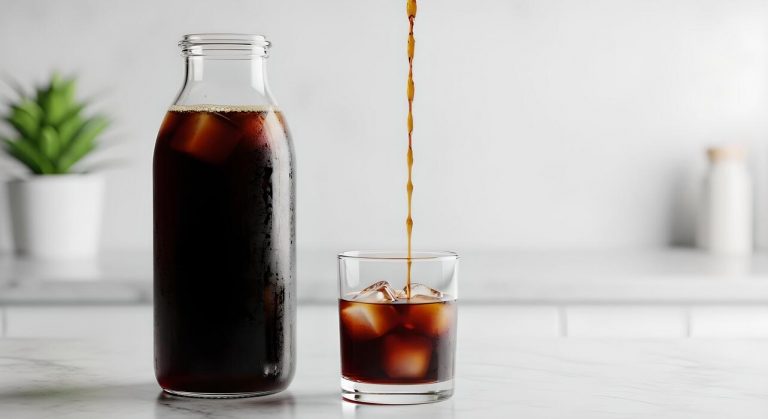
If you are wondering how long cold brew coffee takes to reach perfection, the short answer is typically twelve to twenty-four hours. Getting that smooth, low-acid flavor depends entirely on your timing, but don’t worry about the guesswork. Whether you are brewing on your counter or in the fridge, we have the precise timelines you need. This guide quickly covers the ideal steeping windows and storage tips to ensure your homemade batch stays fresh and delicious every time.
How long to steep cold brew for the best flavor
The ideal steeping time for room temperature
When brewing on your kitchen counter, the optimal duration for extracting a rich, chocolatey profile is typically 12 to 15 hours. Because higher temperatures accelerate the extraction process, room temperature water draws out oils and caffeine much faster than a chilled environment.
If you leave the grounds to sit for more than 16 hours at this temperature, you risk over-extraction, which introduces a harsh, woody bitterness that masks the delicate floral or fruity notes of your beans.
For the most balanced results, aim for a 14-hour window to achieve a smooth concentrate that pairs perfectly with milk or water. It is essential to keep the vessel away from direct sunlight or heat sources like the oven, as fluctuating temperatures can lead to inconsistent flavors or even sourness.
By sticking to this specific timeframe, you ensure a low-acid cup that maintains its natural sweetness while providing the bold kick that cold brew enthusiasts crave without the metallic aftertaste of over-brewed coffee.
How long to brew in the refrigerator
Steeping cold brew in the refrigerator requires more patience because the cold environment significantly slows down the molecular breakdown of the coffee grounds. To achieve a full-bodied and robust flavor, you should aim for a steeping time of 18 to 24 hours.
Most baristas agree that the 20-hour mark is the sweet spot for a refrigerator brew, as it allows the water enough time to penetrate the coarse grounds deeply without pulling out excessive tannins.
If you pull the brew out before 18 hours, the result may taste thin, weak, or unpleasantly acidic, resembling under-extracted iced coffee rather than true cold brew. Since the cold temperature acts as a preservative, this method often produces a cleaner, crisper finish compared to room temperature methods.
Always ensure your container is tightly sealed during this long duration to prevent the coffee from absorbing odors from other foods in your fridge, such as onions or leftovers, which can quickly ruin the integrity of your batch.
Signs your coffee has steeped too long
Knowing when to stop the extraction is crucial, as over-steeped cold brew quickly loses its signature smoothness and takes on an unpleasant, bitter, or astringent quality. If your coffee tastes muddy or leaves a dry, sand-like sensation on your tongue, it has likely sat with the grounds for too long.
Another clear indicator of over-extraction is a heavy, fermented aroma that smells more like compost than fresh roasted beans. Visually, the concentrate might appear excessively dark or opaque, losing the vibrant clarity seen in a well-timed brew.
Once the coffee surpasses the 24-hour mark, the caffeine levels can become uncomfortably high, and the acidity levels rise, which may cause digestive upset for sensitive drinkers.
If you realize you have over-steeped your batch, you can sometimes salvage it by diluting it with extra water or milk, but the best solution is to strictly monitor your timer and strain the grounds immediately once your target duration is reached to lock in the peak flavor profile.
Factors that change your cold brew timing
How grind size affects extraction speed
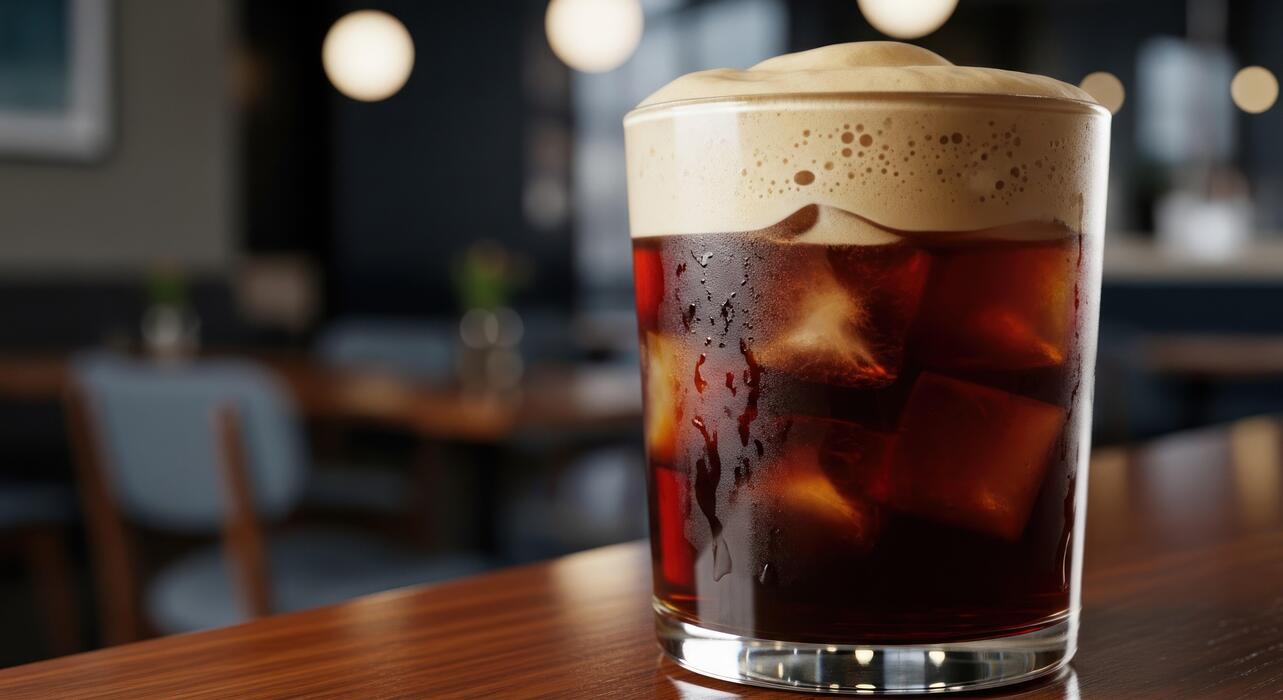
The particle size of your coffee is the most significant variable determining your total steep time. For a classic cold brew, you should always aim for a coarse, sea-salt consistency to ensure a slow, steady extraction that avoids bitterness.
Because cold water is less efficient at dissolving solids than hot water, a larger surface area requires more time to release flavorful oils and sugars.
If your grind is too fine, the water will saturate the grounds too quickly, leading to over-extraction and a harsh, muddy profile in as little as 10 hours.
Conversely, a very coarse grind can easily handle a 16 to 24-hour steep window, allowing the complex chocolate and nutty notes to fully develop without the astringency associated with finer particles.
Always check your grinder settings before starting, as even a slight shift toward a medium grind can necessitate cutting your brewing time by several hours to maintain a smooth, palatable finish.
The impact of water-to-coffee ratios
Your chosen ratio of water to coffee grounds dictates the saturation levels and the speed at which the liquid becomes concentrated. When brewing a high-strength cold brew concentrate using a 1:4 or 1:5 ratio, the water becomes saturated with coffee solubles much faster.
This dense environment means you might achieve your desired flavor profile closer to the 12-hour mark because the liquid can only hold so much dissolved material.
However, if you are brewing a ‘ready-to-drink’ batch with a 1:10 or 1:12 ratio, there is more ‘room’ in the water to continue extracting flavors over a longer period.
In these lighter dilutions, extending the brew time to 18 or 20 hours is often necessary to prevent a weak, watery result.
Understanding this balance allows you to adjust your schedule based on your ratio, ensuring that concentrated batches don’t become overly intense or bitter while thinner batches have enough time to reach a robust and satisfying body.
Why light vs dark roasts need different times
The roast level of your beans significantly changes their physical structure and chemical solubility, which directly impacts how long they should sit in water. Dark roast beans are more porous and brittle because they have been exposed to heat longer, causing their cell structures to break down.
This makes it very easy for water to penetrate and extract flavors, meaning they often reach peak deliciousness at around 12 to 14 hours. If left longer, they frequently develop unpleasant smoky or ashy undertones.
On the other hand, light roast beans are much denser and retain more of their organic cell structure. These beans require more time—often a full 24-hour cycle—to yield their bright, floral, and acidic characteristics.
To get the best results, you should tailor your timer to the roast color; shorter windows preserve the bold richness of dark roasts, while extended steeping is the only way to fully unlock the delicate complexity hidden within lighter, more stubborn coffee beans.
How long does cold brew last in the fridge?

Shelf life of undiluted concentrate
When you brew a heavy concentrate, you are essentially creating a stable base that holds its flavor profile much longer than standard drip coffee. Generally, undiluted cold brew concentrate will stay fresh and flavorful for up to two weeks when stored properly in the refrigerator.
Because the acidity is lower and the chemical breakdown happens more slowly at cold temperatures, the flavor remains robust and bold. However, you should always keep the container tightly sealed to prevent the coffee from absorbing odors from other foods in your fridge like onions or leftovers.
Around the ten-day mark, you might notice the complex chocolatey or nutty notes beginning to fade into a more generic bitterness. To ensure the highest quality, try to consume your concentrate within seven to ten days.
If you notice any visible mold, a sour vinegar-like smell, or a cloudy appearance that does not settle, it is time to discard the batch and start fresh for safety and taste.
How long ready-to-drink cold brew stays fresh
If you have already diluted your concentrate with water or milk, the shelf life drops significantly compared to the pure extract. A ready-to-drink cold brew mixture typically stays fresh for only two to three days in the fridge.
Adding water introduces more oxygen into the liquid, which accelerates the oxidation process and leads to a stale, flat taste much faster. If you have added milk, cream, or sweeteners, the window for consumption is even shorter due to the perishable nature of dairy and the risk of bacterial growth.
It is highly recommended to dilute only what you plan to drink immediately rather than mixing a large pitcher of ready-to-drink coffee. This practice preserves the integrity of your main batch of concentrate for a longer period.
Always check for any changes in texture or scent before drinking a diluted mixture that has been sitting for more than forty-eight hours, as the flavor profile degrades rapidly once the concentrate is cut with other liquids.
Storage tips to keep your coffee tasting great
To maximize the longevity of your cold brew, the vessel you choose plays a critical role in maintaining freshness. Use an airtight glass container, such as a Mason jar or a specialized glass carafe, rather than plastic which can be porous and leach flavors over time.
Glass provides a non-reactive environment that keeps the delicate oils and aromas intact. You should also aim to minimize headspace in the container; the less air trapped inside the jar, the slower the oxidation process will occur.
If you have a large batch, consider transferring it to smaller jars as you consume it to reduce air exposure. Additionally, always store your coffee in the main body of the refrigerator rather than the door, as the temperature fluctuates every time the door is opened.
Consistent, cold temperatures are the key to preventing spoilage and keeping your brew tasting smooth. For a creative long-term solution, you can freeze cold brew into ice cubes to use later in iced lattes without diluting the drink.
How to tell if your cold brew has gone bad
Changes in smell and aroma
The first indicator that your cold brew has reached its expiration point is a noticeable shift in its bouquet. Fresh cold brew should possess a deep, chocolatey, or nutty fragrance that invites you to take a sip.
However, as the oils within the coffee begin to oxidize and degrade over time, that pleasant scent transforms into something sharp and unpleasant. If you detect a sour, vinegary, or fermented odor when you open the container, the batch has likely been sitting for too long.
In some cases, the coffee may even develop a dusty or chemical-like smell, which suggests that the chemical composition has changed significantly. Since cold brew is typically stored for seven to ten days, checking the aroma daily is essential for safety.
If the liquid no longer smells like coffee but instead reminds you of old wine or damp cardboard, it is time to discard the remaining liquid and start a fresh brew cycle immediately.
Visual signs of mold or sediment
While cold brew is a dark liquid that can hide imperfections, a visual inspection is vital for spotting dangerous spoilage. Pour a small amount of the coffee into a clear glass and look closely at the surface and the bottom of the vessel.
If you notice any white fuzzy patches, green spots, or a thin oily film floating on top, mold spores have successfully colonized your beverage. This is more common in batches that contain added milk or sugar, but even black concentrate can spoil if the container was not properly sterilized.
Additionally, while some fine silt is normal at the bottom of the jar, a thick, slimy, or gelatinous texture indicates bacterial growth rather than simple coffee sediment. If the liquid appears unusually cloudy or has developed visible strands of bio-matter, do not attempt to taste it.
Consuming moldy coffee can lead to digestive distress, so always prioritize visual clarity and discard any batch with visible growths.
The difference between stale flavor and spoilage
It is important to distinguish between coffee that is simply stale and coffee that is truly spoiled. After about two weeks in the refrigerator, cold brew concentrate loses its vibrant flavor profile due to oxidation, resulting in a flat, woody, or bitter taste that lacks the original sweetness.
While drinking stale coffee is generally safe, it provides a poor sensory experience. Spoilage, however, presents as a distinctly sour or rancid flavor that stings the tongue or leaves a lingering chemical aftertaste.
If your cold brew tastes like it has been fermented or has an acidic bite that was not present on the first day, the pH levels have shifted, and harmful bacteria may be present.
To maximize the shelf life and maintain peak quality, always store your concentrate in an airtight glass carafe and try to consume it within seven to ten days. If the flavor profile shifts from smooth to unpleasantly sharp, trust your palate and throw the batch away.
Best ways to speed up the cold brew process

Using the hot bloom method for faster results
To significantly shorten the standard twelve to twenty-four hour waiting period, the hot bloom method is a game changer. This technique involves pouring a small amount of hot water over the coffee grounds for about thirty to sixty seconds before adding cold water.
This initial heat exposure helps to release gases and unlock aromatic oils that normally take hours to extract in cold water. By initiating the extraction process with high temperatures, you effectively jumpstart the chemical breakdown of the beans.
After the bloom, fill the rest of your container with cold filtered water and let it steep in the refrigerator. Using this approach, you can achieve a rich and flavorful profile in as little as four to six hours.
It provides the perfect balance between the smooth, low-acid taste of traditional cold brew and the speed of flash-chilling. This method is ideal for those who forgot to prep their brew the night before but still want a high-quality glass of cold coffee by lunchtime.
Vacuum pressure brewing tools
If you are looking for the fastest possible way to enjoy cold brew, investing in specialized vacuum pressure brewing equipment is the most effective solution. These innovative devices work by creating a powerful vacuum seal that forces water into the cellular structure of the coffee grounds at an accelerated rate.
Instead of relying on passive immersion, the pressure cycles pull flavors out in a fraction of the time, often yielding a finished concentrate in just ten to fifteen minutes. This technology mimics the long-term extraction process by mechanically increasing the surface area contact between the water and the coffee.
While traditional methods require a full day of patience, vacuum brewers allow you to produce barista-quality coffee on demand. This is particularly useful for small kitchens or office settings where space is limited and you cannot afford to have large pitchers sitting out for twenty-four hours.
It eliminates the need for advanced planning while maintaining the signature low-acidity and sweetness that defines the cold brew experience.
Stirring techniques to reduce wait times
While many enthusiasts prefer a hands-off immersion approach, incorporating regular stirring and agitation can drastically reduce the total steep time. In a standard static brew, the water immediately surrounding the grounds becomes saturated quickly, which slows down the overall extraction process.
By gently stirring the mixture every few hours, you ensure that fresh, unsaturated water is constantly coming into contact with the coffee particles. This active movement helps to break down the solubles more efficiently and can cut your total brewing time down to around six or eight hours.
It is important to use a long spoon to reach the bottom of the container to ensure that no dry pockets remain. This simple manual intervention increases the kinetic energy within the vessel, leading to a more consistent and robust flavor profile in less time.
If you are brewing at room temperature and utilizing a frequent stirring schedule, you will find that the concentration levels rise much faster than they would in a dormant, refrigerated environment, allowing for a quicker caffeine fix.
How long to wait before adding milk and ice
Diluting concentrate at the right moment
You should only add milk and ice once the extraction process is fully complete, which typically takes between 12 to 24 hours of steeping at room temperature or in the refrigerator.
Before adding any mixers, ensure you have strained the grounds thoroughly through a fine-mesh sieve or paper filter to stop the brewing process. Adding milk or ice too early will drastically lower the water’s temperature and alter the chemical extraction, resulting in a weak, sour, and underdeveloped flavor profile.
Once you have a clean concentrate, you can immediately proceed with dilution. Most enthusiasts prefer a one-to-one ratio of coffee concentrate to cold water or milk. Waiting until the very end ensures that the smooth, chocolatey notes characteristic of cold brew are fully developed before they are mellowed by dairy.
Always taste a small spoonful of the neat concentrate first to gauge its strength before deciding exactly how much liquid to add for your perfect cup.
How to prevent watered-down coffee
To maintain the integrity of your beverage, it is vital to wait until the coffee is chilled before adding ice cubes. If you add ice to a room-temperature concentrate, the cubes will melt rapidly, over-diluting the brew and stripping away the complex oils and caffeine content you spent hours extracting.
A professional solution is to use coffee ice cubes made from a previous batch of cold brew; this ensures that as the ice melts, it actually adds more flavor rather than taking it away.
Additionally, consider the surface area of your ice; larger spheres or blocks melt much slower than crushed ice, giving you more time to enjoy the drink without it becoming thin. If you are using milk, ensure it is straight from the fridge to keep the overall temperature low.
By managing the thermal transition carefully, you protect the heavy body and low-acidity benefits that make cold brew distinct from traditional iced coffee, which is often brewed hot and flash-chilled.
Best practices for serving cold brew
For the best sensory experience, the ideal time to add milk is immediately before consumption rather than during storage. Storing cold brew with milk already mixed in can lead to spoilage and a separation of fats over time, which ruins the texture.
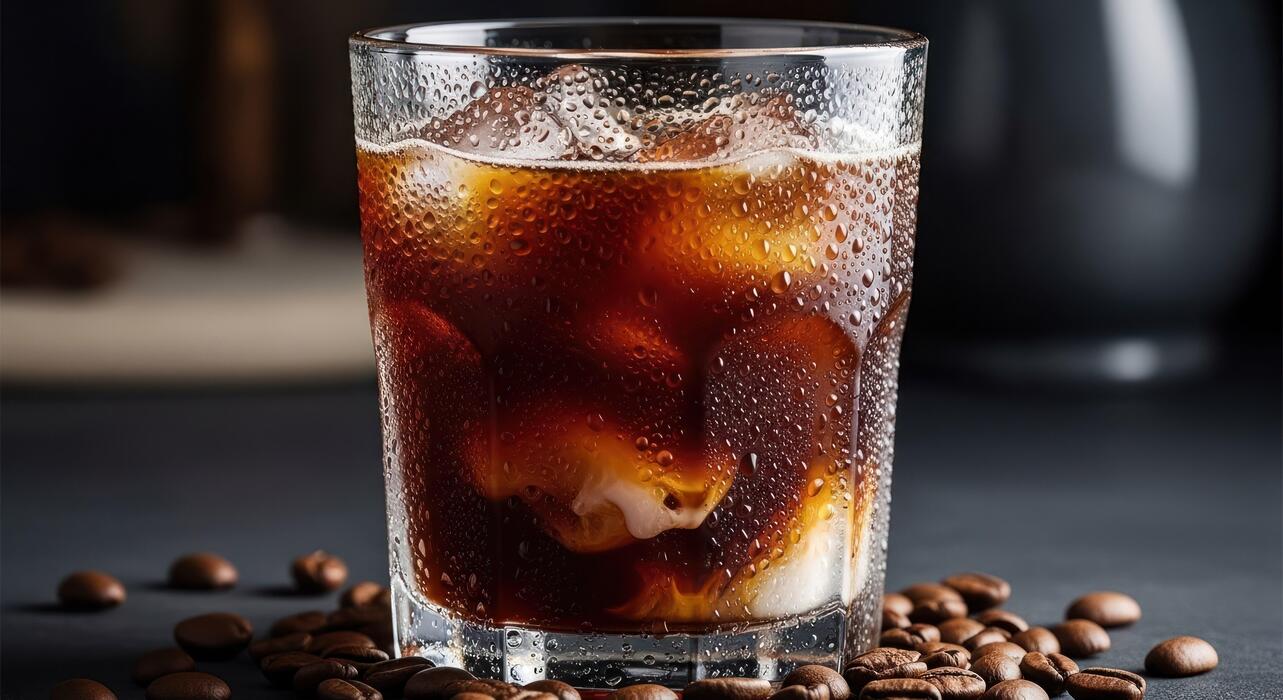
When you are ready to serve, pour your measured concentrate over the ice first, then slowly add your milk or cream to create a beautiful marbling effect. This method allows you to control the opacity and creaminess to your exact preference.
If you prefer a sweeter drink, add any syrups or liquid sweeteners to the concentrate before the ice goes in to ensure they dissolve evenly. Remember that cold brew is highly concentrated, so patience during the steeping phase is the most important factor.
Once the timer hits that 18-hour mark and you have filtered the liquid, you have total freedom to customize. Following these steps ensures a professional-grade beverage that remains bold, refreshing, and perfectly balanced from the first sip to the very last drop.
Common cold brew timing mistakes to avoid
Why you should never steep for 24+ hours
One of the most frequent errors in cold brewing is the belief that leaving beans in water for over 24 hours creates a stronger, better concentrate. In reality, excessive steeping leads to over-extraction, which pulls out the heavy tannins and woody cellulose fibers that you specifically want to avoid.
After the 24-hour mark, the smooth, chocolatey profile of cold brew rapidly transforms into a bitter, astringent liquid with a dusty aftertaste. This chemical breakdown happens because the water has already absorbed the desirable soluble solids and begins breaking down the organic plant material itself.
To maintain the signature low-acidity profile, you must strain your grounds between 12 and 18 hours for room temperature batches, or up to 20 hours if brewing in a very cold refrigerator.
Beyond this window, you aren’t gaining caffeine or flavor; you are simply ruining the delicate balance of the brew. Consistency is key, so always set a digital timer the moment the water touches the coffee grounds to ensure you don’t forget the container on your counter.
The problem with short brewing cycles
On the opposite end of the spectrum, many beginners pull their brew far too early, resulting in a weak, sour, and underwhelming drink.
Because cold brew relies on time rather than heat to extract flavor, a cycle shorter than 12 hours often fails to reach the optimal extraction yield required for a rich body.
If you rush the process, the water only pulls the surface-level acids, leaving the deep, sweet sugars trapped inside the coarse grounds. This results in a thin, tea-like consistency that lacks the syrupy mouthfeel characteristic of high-quality cold brew.
To avoid this, ensure you allow at least 12 to 15 hours of contact time at room temperature.
If you find yourself in a hurry, do not simply cut the time; instead, try using a slightly finer grind size to increase surface area, though a coarse grind remains the gold standard for clarity.
Remember that patience is the primary ingredient in this method, and cutting corners on the clock will always result in a wasted batch of expensive specialty coffee beans.
How temperature fluctuations ruin your schedule
Timing is not an isolated variable; it is deeply dependent on the environment where your jar sits. A common mistake is ignoring how ambient temperature shifts affect extraction speed, leading to inconsistent results even if you follow the same hourly schedule.
For example, a 16-hour steep on a hot summer kitchen counter will extract much faster than the same 16 hours in a cool, air-conditioned pantry. This inconsistency makes it difficult to dial in your perfect recipe.
To solve this, you should choose a stable environment for your brewing vessel, such as the back of a cupboard or a dedicated spot in the refrigerator.
If you choose to brew in the fridge, you must extend your timing by 4 to 6 hours to compensate for the slower molecular movement in cold water. Fluctuating temperatures can cause the coffee to swing from under-extracted to bitter unexpectedly.
By standardizing your brewing location, you ensure that your 12 or 18-hour timer produces the exact same flavor profile every single time you brew, allowing for a truly professional-grade home experience.
Frequently Asked Questions
How long should I steep cold brew coffee?
The ideal steeping time for cold brew is between 12 and 18 hours at room temperature, or up to 24 hours if brewing in the refrigerator. Steeping for less than 12 hours may result in a weak, sour flavor, while exceeding 24 hours can lead to over-extraction and bitterness.
How long does cold brew concentrate stay fresh in the fridge?
Undiluted cold brew concentrate typically stays fresh for 7 to 14 days when stored in an airtight container in the refrigerator. For the best flavor profile, try to consume the concentrate within the first week before the aromatic compounds begin to degrade.
How long does diluted cold brew last?
Once you have diluted your cold brew concentrate with water or milk, it should be consumed within 2 to 3 days. Dilution introduces oxygen and potential contaminants that accelerate spoilage compared to the pure concentrate.
Can I steep cold brew for 48 hours?
It is generally not recommended to steep cold brew for 48 hours as it often leads to over-extraction. This results in a harsh, woody, or excessively bitter taste that lacks the smooth profile cold brew is known for.
How long does it take to make nitro cold brew?
After the initial 12-24 hour steeping process and filtration, infusing the coffee with nitrogen takes only a few minutes using a specialized dispenser. However, for the best cascading effect, the coffee should be thoroughly chilled before the nitrogen is added.
How long should I let cold brew sit at room temperature versus the fridge?
If brewing at room temperature, 12 to 15 hours is usually sufficient because the heat accelerates extraction. In the refrigerator, the process slows down significantly, requiring 18 to 24 hours to achieve the same strength and flavor depth.
Conclusion
Mastering the timing of your cold brew is the secret to a perfect cup. While twelve to twenty-four hours is the standard window, experimenting within this timeframe helps you find your ideal strength and flavor profile. Remember to strain your concentrate promptly to avoid bitterness. Now that you know exactly how long to steep, it is time to start your next batch. Enjoy the smooth, refreshing results of your patience and craft your ultimate caffeine fix.