What Wine Pairs With Sushi
Looking for the perfect sip to complement your sushi night? You’ve come to the right place. In the next few lines we’ll quickly break down the top wine choices that enhance fresh fish, delicate rice, and bold sauces without overwhelming flavors. From crisp whites to light reds and even a splash of sparkling, we’ll match each sushi style to a wine that sings in harmony. Get ready for a simple, tasty guide that answers your question right away today now.
How to Choose the Right Wine for Sushi
Consider the Type of Sushi
When you start selecting a wine for sushi, first look at the specific style of the roll or nigiri. White fish, such as tuna or salmon, pairs well with light, crisp whites like Sauvignon Blanc or a dry Riesling because the acidity cuts through the buttery texture.
Tempura‑coated pieces need a wine with a touch of sweetness and fizz; a slightly off‑dry sparkling wine or a Prosecco will lift the fried crunch without overwhelming the delicate batter.
For rich, fatty cuts like toro or eel, choose a fuller‑bodied white such as Chardonnay with gentle oak, or a lightly chilled rosé that mirrors the oiliness while keeping the palate fresh.
Keep the sushi’s seasoning in mind—soy sauce, wasabi, and pickled ginger all influence the wine’s perception, so aim for a wine that can stand up to salty and spicy notes without masking the fish’s natural flavor.
Match the Flavor Intensity
Aligning the wine’s strength with the sushi’s flavor profile prevents one side from drowning the other. Mild rolls like cucumber or avocado call for a delicate, low‑alcohol white such as Albariño or a petite sirah rosé; the subtle fruit notes echo the freshness without adding heaviness.
Spicy rolls featuring jalapeño, sriracha, or spicy mayo benefit from a wine with a hint of residual sugar—an off‑dry Gewürztraminer or a slightly sweet Vinho Verde will tame heat while highlighting the aromatic spices.
For umami‑rich pieces such as soy‑marinated sashimi or mushroom‑filled rolls, select a wine with a pronounced mineral edge, like a Chablis or a dry Muscadet, to cut through the savory depth.
Remember to serve the wine slightly chilled (around 45‑50 °F) so its crispness stays vivid, and taste a sip before the first bite to confirm the balance feels harmonious.
Balance Acidity and Sweetness
The interplay of acidity and a touch of sweetness is the secret to a seamless sushi‑wine marriage. High‑acid wines like a crisp Grüner Veltliner or a bright Italian Pinot Grigio provide the clean lift that mirrors the rice’s subtle tang and keeps the palate from feeling greasy after oily fish.
When the sushi includes sweet components—think teriyaki glaze, eel sauce, or pickled vegetables—add a wine with a modest sugar level, such as an off‑dry Riesling or a lightly sweet Chenin Blanc, to echo the glaze without turning the pairing cloying.
For neutral or lightly seasoned sushi, aim for a wine where acidity slightly outweighs sweetness, ensuring the wine can cleanse the mouth between bites.
Serve the wine in a small glass, let it breathe for a minute, and sip it just before the bite; this timing lets the acidity awaken your taste buds, while the subtle sweetness rounds out the overall flavor experience.
What is the Best White Wine for Sushi?
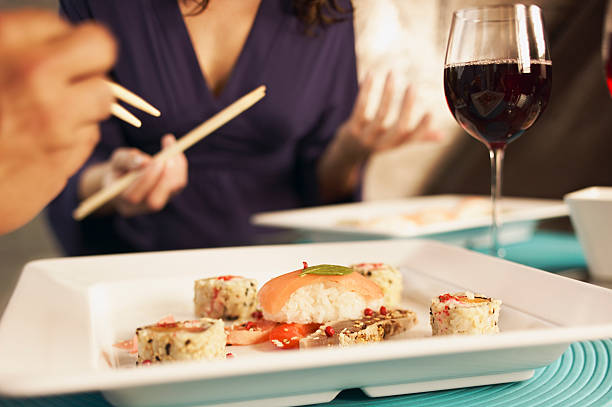
Riesling: Light and Crisp
Riesling’s bright acidity and subtle sweetness make it a versatile partner for sushi’s delicate flavors. Choose a dry or off‑dry Riesling to balance the saltiness of soy sauce while highlighting the rice’s mild sweetness.
Look for German Kabinett or Alsace versions that offer crisp green apple and citrus notes without overwhelming the fish. When serving, keep the wine chilled at 45‑50°F to preserve its refreshing character. Pair it with nigiri of salmon, tuna, or shrimp, as the wine’s fruit accents complement the umami.
For rolls with spicy mayo, the slight residual sugar can tame heat, creating a harmonious bite‑after‑bite experience. Serve the Riesling in a slender white wine glass to focus its aromatic profile, and consider a small palate cleanser like pickled ginger between bites to keep the flavors bright.
This approach ensures each piece of sushi is enjoyed with a wine that lifts rather than masks the subtle textures.
Sauvignon Blanc: Herbaceous Notes
Sauvignon Blanc’s vibrant acidity and herbaceous aromatics make it an excellent match for sushi that features green vegetables and herbal accents. Select a New Zealand or Loire Valley Sauvignon Blanc that showcases citrus, gooseberry, and subtle grassy tones.
The wine’s crisp palate cuts through the richness of fatty fish like toro or eel, while its green notes echo the presence of cucumber, avocado, or shiso in maki rolls. Serve the wine chilled at 48‑52°F and pour it into a tulip‑shaped glass to concentrate its fragrant profile.
Pair it with salmon‑avocado rolls, cucumber nigiri, or any dish that includes wasabi, as the wine’s acidity balances the heat and enhances the freshness. For an added touch, garnish the plate with a sprig of fresh dill or mint, mirroring the wine’s herbaceous character and creating a cohesive dining experience.
Pinot Grigio: Clean Finish
Pinot Grigio offers a light‑bodied, mineral‑driven profile that pairs seamlessly with the subtle nuances of sushi. Opt for an Italian Pinot Grigio from the Veneto or Friuli regions where citrus zest, white peach, and a crisp minerality dominate.
The wine’s clean finish accentuates the delicate texture of white fish such as snapper, sea bass, or scallops, while its subtle fruit notes complement the slight sweetness of sushi rice. Keep the bottle chilled to 46‑50°F and serve in a narrow‑rimmed glass to preserve its freshness.
Match it with simple nigiri, sashimi platters, or rolls that feature light sauces like ponzu or citrus‑based dressings.
Adding a side of pickled radish or a drizzle of yuzu juice can echo the wine’s bright acidity, ensuring each bite is lifted by a refreshing, unobtrusive finish that lets the seafood shine.
Which Red Wines Work with Sushi?
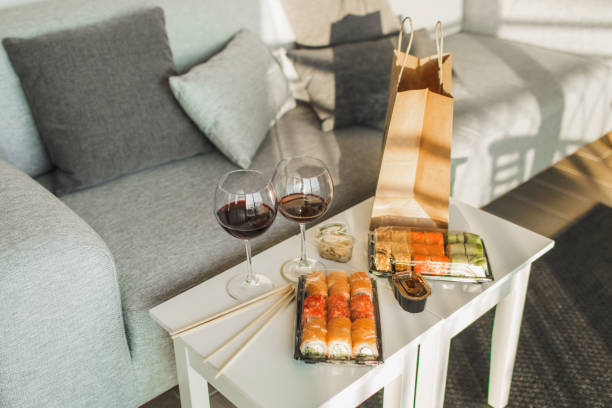
Light-bodied Pinot Noir
Pairing sushi with a light‑bodied Pinot Noir can be surprisingly rewarding. The wine’s soft tannins and bright acidity complement the delicate flavors of raw fish without overwhelming them.
Choose a Pinot Noir from cooler climates such as Oregon or Burgundy, where the fruit leans toward red berries and subtle earth notes. These nuances echo the umami of soy sauce and the gentle brine of nigiri. Serve the wine slightly chilled, around 55°F (13°C), to enhance its refreshing character.
Avoid heavily oaked versions, as the vanilla and spice can clash with sushi’s clean palate. A modest glass alongside a sashimi platter or a maki roll featuring tuna or salmon will highlight the wine’s silky texture while keeping the palate lively.
This pairing works especially well with dishes that include a touch of ginger or a light citrus dressing.
Gamay (Beaujolais)
Gamay, most famously expressed in Beaujolais, offers a playful alternative for sushi lovers who prefer red wine. Its light structure, low tannins, and vibrant red‑fruit profile make it a natural companion to the subtle sweetness of rice and the clean taste of fish.
Select a Beaujolais Villages or a Cru Beaujolais such as Morgon, where the wine shows bright cherry, raspberry, and a hint of spice that can mirror the zing of wasabi. Serve it chilled, about 50‑55°F (10‑13°C), to accentuate its refreshing acidity and keep the palate from feeling heavy.
The wine’s slight effervescence and juicy finish can cut through richer rolls that contain avocado or tempura, while still respecting the delicate balance of nigiri. Avoid the overly sweet Beaujolais Nouveau if you’re pairing with salty soy‑based sauces, as the sweetness may clash with the umami depth of the dish.
Avoid Heavy Tannins
Heavy‑tannin reds such as Cabernet Sauvignon, Syrah, or Malbec generally clash with sushi’s nuanced flavors. The firm grip of tannins can accentuate the fish’s protein, making the palate feel dry and masking the subtle brine that defines good sushi.
Steer clear of wines with high oak influence, because the vanilla, smoke, and pepper notes compete with soy sauce, ginger, and the delicate seasoning of the rice.
If you prefer a red, opt for a wine that is low in tannin and high in acidity, serving it slightly chilled to soften any residual bitterness. This approach preserves the freshness of sashimi and the crisp texture of rolls that include cucumber or crab.
Remember that the goal is to enhance, not dominate, the dining experience; a light, fruit‑forward red can add a pleasant lift, but a robust, tannic wine will overwhelm the dish and diminish enjoyment.
Tips for Pairing Sparkling Wine with Sushi
Champagne for Rich Rolls
Champagne’s bright acidity and fine bubbles cut through the richness of buttery, avocado‑laden rolls such as dragon, spider and spicy tuna. Start by chilling the bottle to 45‑48°F so the palate stays crisp.
Serve in a flute to preserve the mousse‑like texture, then sip a small amount before each bite to cleanse the mouth. High acidity balances the fattier fish and creamy sauces, while fine bubbles lift the umami and highlight subtle spice.
Pair a non‑dosage Brut for a drier finish, or a slightly sweeter Demi‑Sec if the roll includes sweet eel sauce. For maximum harmony, match the intensity of the roll: richer, richer rolls deserve a fuller‑bodied Champagne, whereas lighter maki pairs well with a delicate rosé cuvée.
This approach ensures every bite feels refreshed and the flavors dance together. Finish the experience by pairing a small cheese cracker to accent the Champagne’s minerality.
Prosecco with Tempura
Prosecco’s lively fruit profile and gentle effervescence make it an ideal companion for the light, crispy batter of tempura‑coated sushi and vegetables. Keep the wine chilled at 50‑52°F and pour into a tulip glass to concentrate the aromatic notes of green apple, pear and subtle floral hints.
Take a sip just before biting into the tempura to let the soft acidity cut the oil, while the delicate bubbles lift the batter’s crunchiness.
Choose an Extra Dry style for a balanced sweetness that mirrors the occasional dipping sauce, or a Brut for a drier palate if you prefer less sugar.
Pair classic shrimp tempura rolls, sweet potato, or even a light tuna nigiri with a glass of Prosecco, and you’ll notice the palate refreshing after each bite, preventing the fried coating from feeling heavy.
To enhance the match, add a squeeze of fresh lemon to the tempura, which echoes the wine’s citrus zest and creates a harmonious finish.
Cava for Sashimi
Cava’s crisp acidity and mineral backbone provide a clean canvas for the pure, delicate flavors of sashimi, allowing the fish’s natural sweetness to shine. Serve the Spanish sparkling wine chilled at 45‑48°F in a white wine glass to showcase its fine, persistent bubbles.
Before each slice, take a small sip and let the bright acidity cleanse the palate, while the subtle toast notes add a whisper of complexity that complements the seaweed and soy sauce.
Opt for a Brut Nature Cava for the driest expression, which pairs beautifully with buttery toro, silky salmon, or lean tuna, whereas a slightly off‑dry Reserva Rosado can enhance the subtle peppery bite of yellowtail.
To maximize the pairing, drizzle a touch of yuzu ponzu over the sashimi; the citrus tang mirrors the wine’s lemon‑lime aromatics and creates a seamless, refreshing rhythm that keeps each bite light and vibrant.
How to Pair Wine with Specific Sushi Types
Nigiri Pairings
For classic nigiri, choose wines that highlight the delicate fish without overwhelming the seasoned rice. Start with a crisp, off‑dry Riesling; its bright acidity and subtle fruit balance the sweet soy glaze and buttery texture of salmon or tuna.
A dry rosé offers red‑fruit notes and a light tannin structure that pairs well with richer cuts like eel or yellowtail, while its freshness cuts through the rice’s slight sweetness.
Sparkling Brut is a versatile match—its fine bubbles cleanse the palate between bites, enhancing the umami of shrimp nigiri and the briny snap of mackerel. When selecting, aim for wines with 6‑8% acidity and low to medium alcohol (10‑12%).
Serve chilled at 45‑50°F, and pour a modest glass (4‑5 oz) to keep the tasting experience focused on the sushi’s nuanced flavors. Pair each wine with a single piece to fully appreciate the harmony of taste and texture.
Maki Roll Pairings
Maki rolls combine rice, seaweed, and a variety of fillings, so the wine must adapt to both subtle and bold flavors.
A light, aromatic Sauvignon Blanc works well with cucumber, avocado, or crab rolls; its citrus zest and herbaceous notes echo the freshness of the vegetables while cutting through the slight salt of soy sauce.
For spicy tuna or jalapeño rolls, choose an off‑dry Gewürztraminer; the wine’s natural sweetness tempers heat and its lychee aroma complements the fish’s richness.
If you prefer red options, a chilled Pinot Noir with low tannins and bright red‑fruit character pairs nicely with tempura‑battered rolls, balancing the fried crunch and savory sauce. Keep the wine’s acidity between 5‑7% and serve at 50‑55°F.
Pour 4‑6 oz per person, allowing the palate to reset between different roll varieties and highlight each ingredient’s contribution.
Sashimi Pairings
Sashimi showcases the pure flavor of raw fish, demanding a wine that accentuates its silky texture without masking its delicate nuances. A crisp, mineral‑focused Chardonnay (unoaked) provides bright acidity and subtle citrus that lifts the buttery mouthfeel of yellowtail and enhances the clean taste of snapper.
For richer cuts like toro or mackerel, try a dry, low‑alcohol Pinot Gris; its stone fruit notes and restrained oak complement the fatty richness while preserving freshness. If you enjoy bubbles, a dry Prosecco offers gentle effervescence that brightens the briny essence of scallop or sea urchin sashimi.
Aim for wines with 7‑9% acidity and alcohol under 12%. Serve chilled at 45‑48°F, and sip in small 3‑4 oz pours to let the wine’s minerality echo the oceanic character of each slice. Enjoy the pairing slowly, noting how the wine’s crisp finish mirrors the fish’s clean lines.
Common Mistakes to Avoid When Pairing Wine and Sushi
Overpowering the Fish
Choosing a wine that overwhelms the delicate flavors of sushi is a common pitfall. Heavy reds, high‑alcohol whites, or overly oaky chardonnays can mask the subtle sweetness of the fish and the nuanced texture of the rice.
Select light‑bodied, low‑alcohol options such as a crisp rosé, a dry riesling, or a sparkling sake‑style wine to let the sushi shine. These wines provide enough acidity to cut through the fattiness of tuna or salmon without drowning the umami.
Avoid wines with strong tannins or intense oak because they will clash with the clean, marine notes. Remember, the goal is harmony: the wine should accentuate, not dominate, the fish, the seaweed, and the vinegared rice.
By keeping the wine’s profile gentle, you preserve the sushi’s elegance and enhance the overall dining experience. Enjoy each bite with confidence.
Ignoring Soy Sauce Salt
Soy sauce is a salty, umami‑rich companion that can dramatically shift the balance of a wine pairing if it is overlooked. When you dip sushi in soy sauce, the added sodium amplifies the perception of bitterness and can make a wine taste harsher than intended.
Choose wines with bright acidity and subtle fruit—such as a Sauvignon Blanc, a Grüner Veltliner, or a lightly chilled Pinot Gris—to counteract the salt without competing with it. These wines have enough crispness to cleanse the palate and keep the flavors lively.
Avoid overly sweet or heavily tannic wines, because the salt will highlight their flaws and create a discordant taste.
A good rule of thumb is to match the intensity of the sauce: lighter soy sauces pair well with delicate whites, while richer, darker soy sauces can handle a slightly more robust, yet still fresh, aromatic wine.
By respecting the soy sauce’s influence, you preserve harmony between the sushi and the glass.
Forgetting Temperature
The serving temperature of both sushi and wine plays a crucial role in how flavors are perceived, yet many diners forget to align them.
Warm or room‑temperature wines can mute the refreshing bite of sushi and make the rice feel heavy, while overly chilled wines may numb the palate and hide subtle nuances.
Aim for a cool, but not icy, temperature—around 45‑50°F (7‑10°C) for crisp whites and sparkling options, and slightly warmer, about 55°F (13°C), for aromatic reds like a light Pinot Noir. This range preserves the wine’s acidity and aromatic profile while complementing the cool, vinegared rice and raw fish.
Avoid serving full‑bodied reds at room temperature, as they can overwhelm the delicate textures and introduce bitterness. Likewise, steer clear of overly frosty sake or champagne, which can dull the umami and make the sushi taste flat.
By synchronizing temperature, you ensure that each sip refreshes the palate just enough to highlight the next bite, creating a seamless dining rhythm.
Best Ways to Serve Wine with Sushi at Home
Proper Wine Temperature
Serving sushi with wine works best when the wine is at the right temperature. White wines and rosés should be chilled to 45‑50°F (7‑10°C), which keeps their acidity bright and their fruit flavors crisp, complementing the delicate fish.
Sparkling wines benefit from a slightly colder 40‑45°F (4‑7°C) to enhance their effervescence and cleanse the palate between bites. Red wines are generally too warm for sushi, but if you choose a light Pinot Noir, keep it just above fridge temperature, around 55°F (13°C), to avoid overwhelming the flavors.
Use a wine thermometer or an ice bucket with a splash of water for quick cooling. Remember to let the wine sit for a few minutes after removal from the fridge so it can breathe slightly, ensuring the aromatics are fully expressed when paired with soy‑based sauces and wasabi.
Glassware Selection
Choosing the right glassware enhances the sushi‑wine experience by directing aromas and controlling sip size. Use a narrow‑rimmed white‑wine glass for Sauvignon Blanc, Riesling, or Albariño, as the shape concentrates citrus and floral notes that echo the vinegared rice and fresh fish.
For sparkling options like Prosecco or Champagne, a flute or tulip glass preserves bubbles and focuses the crisp acidity, helping to cut through soy sauce and oily textures.
If you prefer a light red such as Pinot Noir, a smaller, slightly tapered red‑wine glass limits tannin exposure and keeps the wine cooler. Avoid oversized or overly wide glasses, which can dissipate temperature quickly and mute subtle flavors.
Clean the glasses thoroughly and dry them completely to prevent any residue that could interfere with the delicate balance of sushi flavors and the wine’s subtle nuances.
Storing Leftover Wine
After a sushi night, preserving leftover wine correctly ensures you can enjoy another pairing without waste. Seal the bottle with a vacuum stopper or a reusable wine cork to limit oxygen exposure, which can dull the bright acidity essential for sushi.
Store the sealed bottle upright in the refrigerator; the cool environment slows oxidation and keeps whites and rosés at a ready‑to‑serve temperature. If you have sparkling wine, transfer it to a specialized sparkling‑wine stopper to maintain carbonation, and consume within 1‑2 days for optimal fizz.
For a light red like Pinot Noir, keep it in the fridge and let it warm to the recommended 55°F (13°C) before the next serving. Avoid storing wine near strong‑smelling foods, as it can absorb odors.
Label the bottle with the date opened to track freshness, and plan a second sushi‑style meal within a few days to fully enjoy the preserved wine.
Frequently Asked Questions
What type of wine best complements the delicate flavors of sushi?
Light-bodied white wines with bright acidity, such as Sauvignon Blanc, Pinot Grigio, or a dry Riesling, enhance the subtle taste of sushi without overpowering it. Their crispness balances the rice and fish while highlighting fresh ingredients.
Can sparkling wine be paired with sushi?
Yes, sparkling wines like Champagne, Prosecco, or a dry Cava work well with sushi. The bubbles cleanse the palate and the acidity cuts through the richness of fatty fish like salmon or tuna.
What red wines, if any, are suitable for sushi?
If you prefer red, choose very light, low-tannin options such as a chilled Beaujolais Nouveau or a Pinot Noir. Serve them slightly chilled to maintain freshness and avoid overwhelming the delicate sushi flavors.
How should I match wine with different sushi toppings, like raw fish versus tempura?
For raw fish, stick to crisp whites or sparkling wines that emphasize freshness. For tempura or fried rolls, opt for a slightly richer white like an unoaked Chardonnay or a dry rosé to match the buttery texture.
Are there specific wine regions known for sushi-friendly wines?
Wines from cool climate regions—such as the Loire Valley in France, Marlborough in New Zealand, or the Mosel in Germany—often have high acidity and subtle fruit that pair nicely with sushi. These wines tend to be lighter and more aromatic, complementing the cuisine.
What serving temperature is ideal for wine when enjoying sushi?
White and sparkling wines should be served chilled, typically between 45–50°F (7–10°C). Light reds, if chosen, are best slightly cooler than room temperature, around 55–60°F (13–16°C), to preserve their delicate fruit character.
Conclusion
In short, sushi shines with bright, low‑alcohol wines—think crisp Sauvignon Blanc, aromatic Riesling, dry Champagne, or a delicate rosé—while light reds like Pinot Noir work for richer rolls. Match the wine’s acidity and minerality to the fish’s freshness and the soy‑ginger glaze’s salt. Experiment, trust your palate, and enjoy discovering the perfect sip that elevates every bite. Share your favorite pairings with friends and keep exploring new flavors.