What Is Sweet Champagne Called
Looking for the name of a sparkling wine that’s a touch sweeter? You’re in the right spot— we’ll quickly tell you it’s called “Demi‑Sec” Champagne, the perfect balance of gentle sweetness and crisp acidity. In this guide we’ll explain what makes Demi‑Sec distinct, how to spot it, and which occasions it shines best. Stay tuned for a clear, concise answer and helpful tips to enjoy your bubbly choice. Enjoy the celebration with confidence! Cheers to you!
What is Sweet Champagne Called?
Definitions of Sweet Champagne
Sweet champagne refers to sparkling wines from the Champagne region that contain a noticeable amount of residual sugar. Unlike the dry Brut style, these wines finish with a gentle sweetness that balances the acidity and fruit flavors.
Understanding the sugar level helps consumers choose the right bottle for desserts or celebratory toasts. The term “sweet” is not a formal classification in French law; instead, producers label the wine according to specific dosage ranges.
When the dosage exceeds 32 grams per liter, the champagne is generally perceived as sweet. This style is popular for pairing with fruit tarts, cheese plates, and even spicy dishes because the sugar softens sharp flavors.
Identify the style by checking the label for terms such as Demi‑Sec, Doux, or Extra‑Demi‑Sec, which signal higher sugar content than Brut. Enjoy it chilled for best experience.
Official Terms: Demi‑Sec, Doux, etc.
The official nomenclature for sweet champagne is governed by the European Union’s dosage guidelines, which assign specific names based on the amount of sugar added after the second fermentation. Demi‑Sec indicates a dosage of 32‑50 grams per liter, offering a medium‑sweet profile that works well with desserts like crème brûlée.
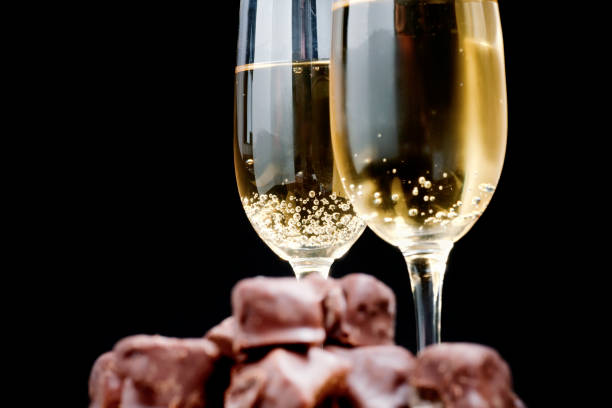
Extra‑Demi‑Sec sits just below Demi‑Sec, typically 24‑32 grams per liter, providing a slightly lighter sweetness while retaining richness. The rare Doux category exceeds 50 grams per liter, delivering an intensely sweet palate often reserved for special occasions or pairing with chocolate truffles.
Producers must list the exact dosage on the back label, allowing savvy shoppers to compare bottles objectively. When shopping, look for the bolded term on the front; it is the quickest way to identify the wine’s sweetness level.
Choose the appropriate term based on your menu or personal taste, ensuring the champagne complements rather than overwhelms the food.
How Sweetness Levels Are Measured
Sweetness in champagne is quantified by measuring the dosage, the liquid sugar added during the tirage process. Laboratories use a Brix scale or refractometer to determine grams of sugar per liter of finished wine.
The resulting figure is printed on the label as the dosage, which directly translates into the official category: Brut (0‑12 g/L), Extra‑Dry (12‑17 g/L), Sec (17‑32 g/L), Demi‑Sec (32‑50 g/L), and Doux (>50 g/L). For consumers, the key is to compare the listed dosage with the desired palate intensity.
Check the back label for a numeric value; if it is absent, the front‑label term is your guide. Some producers also provide a “sweetness index” on promotional materials, offering a quick visual cue.
By understanding the measurement method, you can confidently select a champagne that matches your dessert pairing or personal preference, avoiding overly sweet or unexpectedly dry bottles.
How to Identify Sweet Champagne on a Label

Reading the Dosage
Start by locating the dosage figure, usually expressed in grams of sugar per litre on the back label or in the technical sheet.
Dosage determines sweetness: 0‑3 g/L is Brut Nature, 3‑6 g/L Extra Brut, 6‑12 g/L Brut, 12‑17 g/L Extra Sec, 17‑32 g/L Sec, 32‑50 g/L Demi‑Sec, and over 50 g/L Doux. When the exact number isn’t printed, rely on the style name; Sec, Demi‑Sec, and Doux indicate progressively sweeter champagnes.
Compare the listed dosage with your taste preference: if you want a noticeably sweet wine, aim for Sec (17‑32 g/L) or higher. Remember that some producers hide the dosage behind marketing terms, so cross‑check the official EU classification chart.
By mastering dosage reading, you can instantly filter out dry options and focus on truly sweet bottles. Also, note that vintage champagnes may list dosage differently, often using the term ‘reserve sugar’ which follows the same gram‑per‑litre scale.
Recognizing Key Sweetness Terms
Familiarize yourself with the official sweetness terminology used across EU wine regulations. Sec, Demi‑Sec, and Doux are the three designations that signal a sweet champagne, with Sec ranging from 17‑32 g/L, Demi‑Sec 32‑50 g/L, and Doux over 50 g/L of residual sugar.
Beware of the misleading label “Extra Dry”; despite its name, it actually falls in the Brut range (12‑17 g/L) and is not sweet. When scanning a label, prioritize the French terms rather than English translations, as producers often keep the original style name.
If you encounter “Demi‑Sec” or “Doux” on the front, you can be confident the wine will taste noticeably sugary, suitable for desserts. Some houses also use the phrase “sweet style” in the tasting notes; treat this as a secondary cue and verify it against the dosage or style term.
By mapping each term to its sugar bracket, you instantly decode the label’s sweetness level.
Spotting Common Sweet Champagne Brands
Create a quick reference list of the most widely distributed sweet champagne labels so you can spot them instantly on shelves. Moët & Chandon Nectar Impérial and Veuve Clicquot Demi‑Sec are classic Demi‑Sec options (32‑50 g/L) that advertise “sweet” on the front.
Laurent‑Perrier Demi‑Sec and Taittinger Noelle use elegant pastel ribbons and the word “Demi‑Sec” to signal their sugar level. For truly dessert‑style bottles, look for Nicolas Feuillatte Doux or Piper-Heidsieck Doux, which exceed 50 g/L and often feature a gold‑foil seal.
When a brand is unfamiliar, check the back label for the dosage number or the French term “Demi‑Sec”/“Doux”. Retailers sometimes group sweet champagnes in a separate “dessert wine” aisle; use that placement as a shortcut.
By memorizing these key brand cues and confirming the style term, you can confidently select a sweet champagne without guessing.
Best Sweet Champagne Varieties for Different Tastes

Lightly Sweet Options
Explore lightly sweet champagnes, perfect for those who enjoy a subtle hint of sugar without overwhelming richness. The style most often labeled Extra Dry actually contains 12‑17 grams of residual sugar per litre, offering a gentle sweetness that balances crisp acidity.
Another popular choice is Demi‑Sec, which is sweeter, ranging from 32‑50 grams per litre, yet still retains the fresh fruit character of the wine. These options pair beautifully with light appetizers such as fresh oysters, soft cheeses, or fruit‑based desserts.
When selecting a bottle, look for terms like “Extra Dry” or “Demi‑Sec” on the label, and consider producers known for elegant balance, such as Moët & Chandon Impérial or Veuve Clicquot Demi‑Sec.
By choosing a lightly sweet champagne, you can enjoy a refined palate experience that complements both savory and mildly sweet dishes.
Medium Sweet Selections
Medium‑sweet champagnes strike a harmonious middle ground, delivering noticeable sweetness while preserving the wine’s vibrant acidity. The classic term for this level is Demi‑Sec, which typically contains 32‑50 grams of sugar per litre, making it ideal for celebratory desserts like crème brûlée, fruit tarts, or chocolate‑covered strawberries.
Brands such as Bollinger Special Cuvée Demi‑Sec and Laurent-Perrier Demi‑Sec showcase rich honeyed notes, ripe peach, and a smooth mousse that linger on the palate. When pairing, consider dishes that balance richness with acidity, such as duck à l’orange, spiced Asian cuisine, or creamy cheeses like brie and camembert.
Look for the “Demi‑Sec” designation on the back label, and note any additional descriptors like “rich” or “intense” that indicate a fuller body. By opting for a medium‑sweet champagne, you enjoy a versatile wine that enhances both sweet treats and savory courses, creating a memorable tasting experience for any occasion.
Very Sweet Choices
For those who crave an indulgent, dessert‑like finish, very sweet champagnes offer the ultimate richness. The style known as Doux or Demi‑Sec Ultra‑Sweet contains more than 50 grams of residual sugar per litre, delivering luscious flavors of candied orange peel, apricot jam, and caramelized honey.
Rare but exquisite examples include the Dom Pérignon Rosé Sweet and the Krug Grande Cuvée Sweet, which showcase deep amber hues and a velvety mouthfeel that coats the tongue.
Pair these wines with decadent desserts such as tiramisu, chocolate mousse, or a cheese platter featuring blue cheese and aged gouda, where the intense sweetness balances the bold flavors. When shopping, verify the sugar level on the label—terms like “Doux” or “Extra Sweet” signal the highest sweetness tier.
Selecting a very sweet champagne transforms a celebration into a luxurious experience, providing a memorable finale that lingers long after the last sip.
Tips for Pairing Sweet Champagne with Food
Desserts and Pastries
Pair sweet champagne, often labeled Demi‑sec or Doux, with desserts that have a touch of richness. The gentle acidity balances buttery pastries, while the residual sugar highlights caramelized flavors. Serve a chilled glass alongside flaky croissants, almond tarts, or a classic éclair; the bubbles cleanse the palate between bites.
For chocolate lovers, a Demi‑sec complements dark chocolate mousse without overwhelming bitterness. When choosing a bottle, look for the “Doux” designation for the sweetest style, ideal for fruit‑filled pastries. Keep the temperature around 45‑50°F to preserve freshness, and present the wine in a tulip‑shaped glass to concentrate aromas.
This pairing creates a harmonious dance between the dessert’s sweetness and the champagne’s crisp fruit notes, making each mouthful more memorable. Add a light dusting of powdered sugar on the pastry or a drizzle of honey to echo the champagne’s natural sweetness, enhancing the overall synergy.
Fruit and Cheese
Sweet champagne, known in the market as Demi‑sec or the ultra‑sweet Doux, pairs beautifully with fruit‑forward cheeses and fresh produce. The wine’s bright acidity cuts through creamy brie, while its sugar mirrors the natural sweetness of ripe figs, grapes, or apple slices.
Choose a Demi‑sec for a balanced match with a cheese platter featuring triple‑cream camembert and a handful of berries; the bubbles lift the fat, creating a refreshing contrast.
For a more decadent experience, serve a Doux alongside a blue cheese and honey drizzle, letting the honey amplify the champagne’s honeyed notes. Keep the serving temperature slightly cooler than for dry styles, around 48°F, and present the glass on a wooden board with sliced fruit to highlight aromas.
This thoughtful pairing turns a simple snack into an elegant tasting moment for guests.
Spicy Dishes
When tackling spicy cuisine, a sweet champagne labeled Demi‑sec or the richer Doux can act as a cooling counterpoint. The effervescence lifts heat while the residual sugar soothes the palate, making it ideal for dishes like Thai curry, Mexican mole, or Indian biryani with a kick.
Pair a Demi‑sec with grilled shrimp tossed in chili‑lime sauce; the citrus notes echo the wine’s lemon‑green apple profile and temper the heat. For a bold match, serve a Doux alongside a spicy cheese fondue or a pepper‑spiced dessert, allowing the wine’s honeyed character to balance the fire.
Keep the bottle chilled to about 46°F and serve in a flute to preserve the delicate bubbles. This strategy transforms fiery meals into a harmonious experience, where the champagne’s sweetness and acidity work together to moderate spice and enhance flavor depth.
How Sweet Champagne Differs from Other Sparkling Wines
Comparison with Prosecco
Sweet champagne, most commonly labeled Demi‑sec (approximately 32‑50 g/L residual sugar) or the even sweeter Doux style, differs markedly from Prosecco’s typical sweetness levels.
Prosecco is produced primarily in the Veneto region using the Glera grape and is often marketed in three main sweetness categories: Brut (≤12 g/L), Extra Dry (12‑17 g/L) and Dry (17‑32 g/L).
While Prosecco’s Dry style approaches the sugar range of a Demi‑sec champagne, the flavor profile remains lighter, with pronounced floral and apple notes and a less pronounced autolytic character. Champagne’s traditional method (méthode champenoise) adds complexity through yeast‑derived brioche, toast, and nutty nuances that persist even in sweeter styles.
Consequently, a Demi‑sec champagne offers a richer mouthfeel, higher acidity balance, and a distinct minerality that sets it apart from the generally fruit‑forward, lower‑pressure Prosecco. It also typically undergoes longer aging on lees, which contributes to its creamy texture and subtle yeasty notes.
Comparison with Cava
Sweet champagne, identified as Demi‑sec or Doux, is produced using the traditional method, whereas Spanish Cava, even in its sweeter Semi‑Seco style, follows the same secondary fermentation but often uses different grape varieties such as Macabeo, Xarel·lo, and Parellada.
A Semi‑Seco Cava contains 32‑50 g/L of residual sugar, placing it in a similar sugar bracket to a Demi‑sec champagne, yet the overall palate experience diverges.
Cava generally exhibits brighter citrus and green apple characteristics with a lighter mineral backbone, while sweet champagne delivers richer stone‑fruit flavors, toasted brioche, and a pronounced acidity that balances the sugar.
Additionally, champagne’s longer minimum aging requirement of 15 months on lees (and 36 months for vintage) imparts greater complexity and a creamier mouthfeel compared with Cava’s typical 9‑month lees period. Therefore, when seeking a sweet sparkling wine, a Demi‑sec champagne offers a more layered, nuanced profile than its Spanish counterpart.
Comparison with Moscato
The term Demi‑sec (or Doux) identifies the sweet style of Champagne, distinguishing it from Italy’s beloved Moscato d’Asti, which is naturally sweet and lightly sparkling (frizzante).
Moscato typically carries 50‑120 g/L of residual sugar and a lower alcohol level (around 5‑6 % ABV), delivering intense aromatic notes of peach, orange blossom, and honey.
In contrast, a Demi‑sec champagne balances 32‑50 g/L of sugar with higher acidity (12‑13 % ABV) and the signature autolytic flavors of toast, almond, and minerality derived from extended lees aging.
While both wines are enjoyed as dessert companions, Moscato’s sweetness is more overt and its palate lighter, often described as “soft and frothy.” Champagne’s sweet version retains a crisp backbone that prevents cloyiness, offering a refined, lingering finish.
Consequently, if you ask “what is sweet champagne called?” the answer is Demi‑sec (or Doux) – a sophisticated alternative to the fruit‑forward Moscato experience.
Where to Buy Authentic Sweet Champagne
Online Retailers
Online retailers provide a convenient way to locate authentic sweet champagne, often labeled as Demi‑Sec or Doux. Start by visiting reputable platforms such as Wine.com, Vivino, or the official sites of major champagne houses.
Use the site’s filter tools to select “sweet” or “Demi‑Sec” style, and read user reviews for quality cues. Pay attention to the producer’s reputation, vintage, and dosage level, which indicates the residual sugar content. Many retailers offer detailed tasting notes and shipping guarantees, ensuring the bottle arrives in optimal condition.
Compare prices across sites, but also watch for promotions or bulk‑purchase discounts. Finally, verify that the seller is authorized to distribute the brand in your region to avoid counterfeit bottles. By following these steps, you can confidently purchase genuine sweet champagne online and enjoy its balanced sweetness without leaving home.
Specialty Wine Shops
Specialty wine shops are ideal destinations for discovering authentic sweet champagne, typically classified as Demi‑Sec or Doux. Begin by locating a reputable boutique in your city or a well‑curated online storefront that emphasizes curated selections.
Engage the knowledgeable staff; ask them to recommend a Demi‑Sec that balances fruitiness with acidity, and inquire about the dosage level, which determines the wine’s sweetness. Many shops carry limited‑edition bottles from smaller growers, offering unique flavor profiles not found in mass‑market outlets.
Take advantage of in‑store tastings to assess the palate before buying, and request the provenance and storage conditions to ensure quality. Verify that the shop sources its inventory directly from licensed distributors or the champagne houses themselves, reducing the risk of counterfeit products.
By leveraging the expertise and curated inventory of specialty wine shops, you can secure genuine sweet champagne that meets your taste preferences and occasion.
Direct from Champagne Houses
Purchasing sweet champagne directly from the houses guarantees authenticity, as the product is labeled under the official Demi‑Sec or Doux designation. Visit the websites of renowned producers such as Moët & Chandon, Veuve Clicquot, or Bollinger, where you can explore their sweet‑style portfolios and read detailed production notes.
Many houses operate online stores that ship worldwide, often offering exclusive releases and vintage selections unavailable elsewhere. When ordering, check the dosage information, which indicates the residual sugar level and confirms the wine’s sweet classification. Take note of the recommended serving temperature and food‑pairing suggestions to maximize enjoyment.
Some houses also provide virtual tastings or concierge services to guide you through the selection process. By buying straight from the source, you eliminate middle‑man mark‑ups and reduce the chance of counterfeit bottles, ensuring you receive a bottle of genuine sweet champagne that reflects the house’s heritage and quality standards.
FAQs About Sweet Champagne
Is Sweet Champagne the Same as Sparkling Wine?
Sweet Champagne is a type of sparkling wine, but not all sparkling wines are sweet. The official designation for a sweeter style is Demi‑sec (typically 32–50 g/L residual sugar) or the very sweet Doux category (over 50 g/L).
While both are produced in the traditional Champagne method, the sugar level distinguishes them from Brut, Extra‑Brut, or Extra‑Dry styles. When you see a label that reads “Champagne Demi‑sec,” you are looking at a deliberately sweet product, often paired with desserts or fruit‑based dishes.
Key point: the term “Champagne” refers to the region and production method, whereas “sweet” refers to the dosage added after the second fermentation. Knowing this helps you choose the right bottle for your palate and occasion.
If you prefer a milder sweetness, opt for Demi‑sec; for a dessert‑level richness, choose Doux. Tip: always check the dosage information on the back label to confirm the sugar level before purchasing.
Can Sweet Champagne Age?
Sweet Champagne can develop additional complexity with age, but its aging potential differs from dry styles. Because the higher dosage provides more sugar, the wine retains a fresh fruit character longer, yet the delicate balance of acidity and bubbles can fade after about 5–8 years.
To age a bottle successfully, look for a reputable house with a solid vintage, such as Bollinger or Krug, and store it in a cool, dark environment.
Key point: aim for a storage temperature around 10–12 °C (50–54 °F) and a humidity level of 70 % to keep the cork from drying out. Over time, you may notice notes of caramel, toasted almond, and dried apricots emerging, while the initial citrus sparkle softens.
Tip: taste the wine after three years to decide if you prefer the youthful vibrancy or the richer, aged profile, and adjust your cellar plan accordingly.
How to Store Sweet Champagne Properly
Storing sweet Champagne correctly preserves its effervescence and flavor balance for years. The ideal storage conditions mimic a wine cellar: a constant temperature between 10 °C and 12 °C (50 °F–54 °F), humidity around 70 %, and minimal light exposure.
Place bottles horizontally so the cork stays moist, which prevents air from entering and carbonation from escaping. Key point: avoid vibrations from appliances or traffic, as they can disturb the delicate bubbles. If you lack a dedicated cellar, a wine refrigerator set to the recommended range works well.
Keep the bottles away from strong odors, because cork can absorb them and alter the wine’s aroma. Tip: before opening a stored bottle, let it rest upright for 24 hours to allow any sediment to settle, then chill it to 8 °C–10 °C (46 °F–50 °F) for optimal sipping.
Following these steps ensures your sweet Champagne remains lively and enjoyable for any celebration.
Frequently Asked Questions
What is the term used for sweet Champagne?
Sweet Champagne is typically labeled as “Demi‑Sec” or “Doux” (also “Demi‑Doux” in some regions). These terms indicate higher residual sugar levels, ranging from 32–50 g/L for Demi‑Sec up to over 50 g/L for Doux.
How does the sweetness level of Champagne compare to other sparkling wines?
Champagne’s sweetness categories are stricter than many other sparkling wines. While a Brut Champagne has up to 12 g/L of sugar, a Demi‑Sec contains 32–50 g/L, making it noticeably sweeter than most Prosecco or Cava labeled as Brut.
Which Champagne houses are known for producing sweet Champagne?
Renowned houses such as Moët & Chandon (Nectar Impérial), Veuve Clicquot (Rich), and Bollinger (Raspberry) offer Demi‑Sec or sweeter styles. Smaller growers also produce Doux Champagnes that showcase rich fruit flavors.
How can I identify a sweet Champagne on the label?
Look for the French terms “Demi‑Sec,” “Demi‑Doux,” or “Doux” on the back label, often accompanied by the sugar content in grams per litre. The official dosage information is usually listed in the technical sheet or on the bottle’s neck tag.
What foods pair well with sweet Champagne?
Sweet Champagne pairs beautifully with desserts like fruit tarts, crème brûlée, and chocolate mousse. It also complements salty cheeses such as blue cheese or aged Gouda, creating a balanced sweet‑salty contrast.
Can I buy sweet Champagne online, and what should I consider?
Yes, many retailers sell Demi‑Sec and Doux Champagnes online. Check the wine’s dosage level, storage conditions, and ensure the seller provides a reliable return policy in case of shipping damage.
Conclusion
In summary, sweet Champagne is officially labeled as Demi‑Sec, while the even sweeter styles are called Doux and Extra‑Demi‑Sec. These designations reflect precise residual sugar levels, helping consumers choose the perfect balance of fruitiness and acidity. Whether you’re pairing with dessert or celebrating a special moment, knowing these terms ensures you select the ideal bottle. Explore, taste, and enjoy the delightful world of sweet Champagne.