
Why Does Wine Burn Going Down
If you have ever felt a sharp heat in your throat after a sip of Merlot, you are likely wondering why wine burns going down. This unpleasant sensation usually stems from high alcohol content irritating sensitive tissues or acidity triggering acid reflux. While it can ruin a good glass, there are simple ways to fix it. In this guide, we will quickly explain the science behind the sting and offer practical tips to ensure your next pour is perfectly smooth.
What causes the burning sensation from wine?
The role of ethanol in mouth sensitivity
When you experience a stinging sensation while drinking wine, the primary culprit is ethanol, which acts as a powerful irritant to the delicate mucous membranes lining your throat and esophagus.
Unlike water or juice, alcohol possesses a chemical structure that allows it to penetrate the protective layers of your tissue quite rapidly. This interaction creates a biological signal that your body interprets as physical heat or pain, even though the liquid itself is at room temperature.
To minimize this discomfort, you can focus on choosing wines with lower alcohol by volume (ABV), typically under thirteen percent, such as a crisp Riesling or a light Vinho Verde.
Additionally, staying hydrated by drinking water between sips of wine helps maintain the moisture barrier in your mouth, diluting the ethanol’s immediate impact on your sensitive tissues.
Understanding that this burn is a chemical reaction rather than a physical burn can help you select smoother, more balanced vintages that prioritize flavor over high alcohol intensity.
How alcohol lowers your heat threshold
The burning sensation you feel from wine is largely due to how alcohol interacts with your body’s internal temperature sensors. Specifically, ethanol lowers the activation threshold of the VR1 receptors in your throat, which are responsible for detecting heat.
Normally, these receptors trigger a warning signal at approximately 107 degrees Fahrenheit, but the presence of alcohol can drop this threshold to your natural body temperature of 98.6 degrees. Consequently, your own body heat begins to trigger these pain sensors, making the wine feel physically hot as it travels down.
To counteract this effect, you should serve your wine at the proper cooler temperature, as chilling the liquid provides a thermal offset to the chemical irritation. Furthermore, sipping slowly and avoiding large gulps reduces the volume of alcohol interacting with these sensitive receptors at any given time.
By managing the serving temperature and your pace of consumption, you can significantly reduce the perceived heat and enjoy the nuanced aromatic profile of the wine without the distracting burn.
The interaction between wine and pain receptors
The burning sensation from wine is a direct result of ethanol stimulating the vanilloid receptor 1, also known as TRPV1. This is the same receptor that reacts to the capsaicin found in spicy chili peppers, explaining why high-alcohol wines can feel like they have a spicy kick.
When the alcohol molecules bind to these receptors, they send an immediate distress signal to the brain, manifesting as a sharp, stinging, or warming sensation in the chest and throat.
To mitigate this biological response, it is helpful to pair your wine with fatty or protein-rich foods, such as cheese or nuts, which create a temporary protective coating on your throat and buffer the receptors.
You should also avoid high-tannin wines if you have a sensitive palate, as the combination of astringency and alcohol can exacerbate the feeling of irritation.
Selecting well-aged wines or those with integrated alcohol levels ensures a smoother transition, allowing you to appreciate the craftsmanship of the winemaker without the overwhelming sensation of a chemical burn during every sip.
Why high alcohol content increases the burn

Measuring ABV and its impact on your throat
When you examine the Alcohol by Volume (ABV) on a wine label, you are essentially looking at a measurement of ethanol concentration. This chemical compound is the primary culprit behind the burning sensation in your throat because it acts as a physical irritant to delicate mucosal membranes.
As the ABV increases, the intensity of this reaction scales proportionately. The ethanol molecules lower the activation threshold of VR1 heat receptors in your esophagus, making your body perceive the liquid as physically hot even if it is served at room temperature.
To mitigate this effect, you should focus on sipping slowly and ensuring you are properly hydrated before tasting. Drinking water alongside your wine helps dilute the ethanol concentration as it passes through the pharynx, significantly reducing the immediate chemical sting.
Understanding that high ABV directly correlates to a more aggressive sensory experience allows you to make better selections if you have a sensitive throat or prefer a smoother finish.
Why fortified wines feel hotter
Fortified wines like Port, Sherry, or Madeira often reach alcohol levels between 17% and 22%, which is significantly higher than standard table wines. This increased concentration occurs because a neutral grape spirit is added during the production process, drastically raising the ethanol content.
When you consume these wines, the high alcohol levels cause a more pronounced desiccating effect on the tissues of the throat, stripping away moisture and triggering a sharp, fiery sensation.
To enjoy these richer styles without the overwhelming burn, it is essential to use smaller glassware and serve them at the recommended cooler temperatures. Chilling a high-alcohol fortified wine can help mask the volatility of the ethanol vapors, preventing them from hitting the back of your throat with such intensity.
By treating these as sipping wines and controlling the serving temperature, you can appreciate the complex flavors of dried fruit and spice while minimizing the aggressive heat that typically accompanies such high-proof viticulture products.
The difference between 12% and 15% alcohol levels
The jump from a 12% ABV wine to a 15% ABV wine might seem marginal on paper, but the sensory impact on your palate and throat is substantial. A wine at 12% is generally considered light-to-medium bodied, where the acidity and fruit profile easily mask the ethanol.
However, once you cross the 14% threshold into the 15% range—common in warm-climate Cabernet Sauvignon or Zinfandel—the alcohol becomes a structural component that can feel ‘hot’ or unbalanced.
To manage this, look for wines that boast high dry extract and balanced acidity, as these elements provide a buffer that coats the throat and prevents the alcohol from feeling too sharp.
If you find a particular bottle too pungent, try aerating the wine in a decanter for at least thirty minutes.
Allowing the wine to breathe helps some of the more volatile ethanol molecules dissipate, resulting in a smoother transition as the liquid travels down your throat and reducing the overall burning sensation significantly.
How wine acidity affects your throat
The link between low pH and irritation
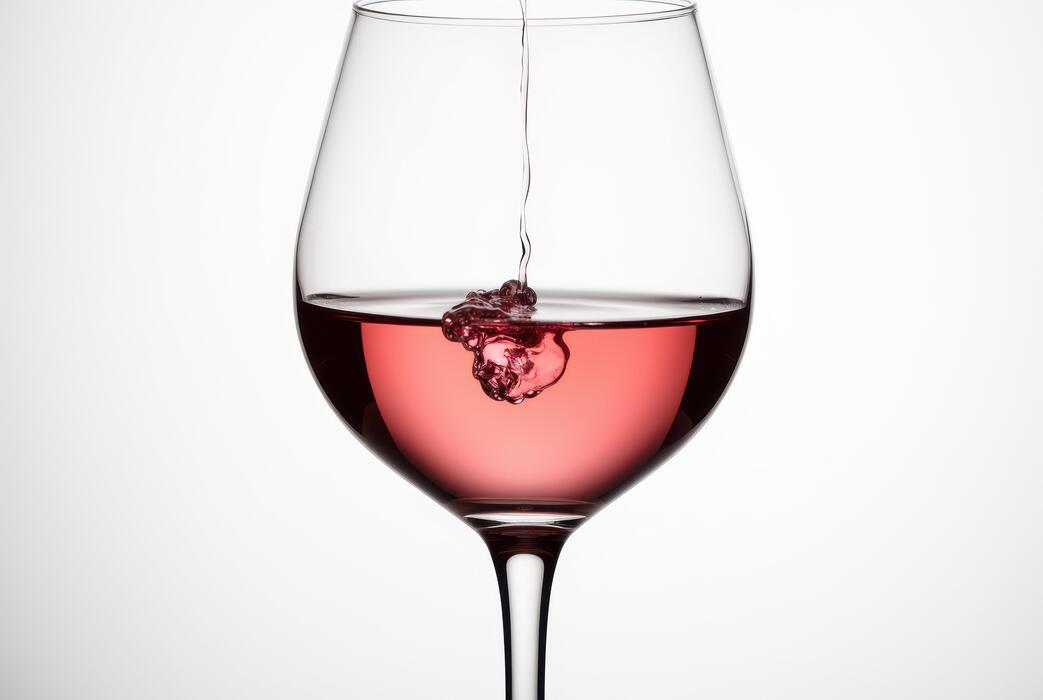
When you experience a burning sensation while drinking wine, it is often due to the liquid’s low pH level interacting with the delicate lining of your esophagus. Most wines fall between a 3.0 and 4.0 on the pH scale, making them significantly more acidic than water.
This high concentration of hydrogen ions can cause a temporary chemical reaction upon contact with mucous membranes, leading to localized irritation or a sharp stinging feeling. If you have a pre-existing condition like acid reflux or a thinning protective layer in your throat, this sensation is amplified.
To mitigate this effect, try alternating every glass of wine with alkaline water to help neutralize the acid before it lingers.
Additionally, consuming a small amount of bread or cheese can act as a physical buffer, coating the throat and reducing the direct contact between the wine’s organic acids and your sensitive tissues, ultimately preventing that common burning sensation during consumption.
Common high-acid wines that cause discomfort
Not all varietals are created equal when it comes to chemical composition, and choosing the wrong bottle can lead to significant throat discomfort.
White wines from cooler climates, such as Sauvignon Blanc, Riesling, and Chablis, are naturally higher in malic and tartaric acids, which are the primary culprits behind the burn. Sparkling wines like Champagne also have high acidity levels to balance their sugar content, which can trigger sensitivity in the throat.
If you find these styles problematic, it is actionable to switch to low-acid alternatives such as Viognier, Gewürztraminer, or Merlot, which typically have a rounder mouthfeel and a higher pH. Red wines that undergo malolactic fermentation are often softer because the harsh malic acid is converted into smoother lactic acid.
By checking the wine’s region and varietal before purchasing, you can intentionally select bottles that are less likely to cause a painful reaction, ensuring a much smoother and more enjoyable tasting experience.
Signs your throat is sensitive to tartaric acid
Recognizing the specific symptoms of acid sensitivity can help you adjust your drinking habits for better comfort. If you notice a lingering tightness or a scratchy sensation immediately after swallowing, your throat may be reacting to tartaric acid, the most prevalent acid found in grapes.
Unlike a standard allergic reaction, this sensitivity often manifests as a warmth that turns into a sharp burn, sometimes accompanied by increased salivation as your body attempts to neutralize the irritant.
You should monitor for persistent coughing or throat clearing during your tasting sessions, as these are clear indicators that the acidity is causing micro-irritations in the esophageal tract. To manage this, consider opting for aged wines, as the acidic profile tends to soften and mellow over time through chemical integration.
If the burning persists even with low-acid options, it may be a sign of a more general digestive sensitivity, suggesting that you should limit your intake or consult a professional regarding your gastric health.
Health conditions that make wine feel painful
Acid reflux and GERD triggers
Wine is a significant trigger for acid reflux and Gastroesophageal Reflux Disease (GERD) because it contains high levels of both ethanol and organic acids.
When you consume wine, the alcohol acts as a direct irritant that relaxes the lower esophageal sphincter (LES), which is the muscular valve responsible for keeping stomach acid from moving upward. Once this valve loses its tension, acidic stomach contents backflow into the esophagus, causing a sharp burning sensation.
Furthermore, wine stimulates the stomach to produce even more gastric acid, compounding the problem. If you experience pain, consider opting for low-acid wines or drinking smaller amounts alongside a meal to buffer the acidity.
Staying upright for at least three hours after consumption can also help prevent the gravitational backflow of acid. If the burning sensation is frequent, it is essential to consult a healthcare professional to manage underlying reflux issues and prevent long-term damage to the delicate esophageal lining.
How gastritis changes your reaction to wine
Gastritis is a condition characterized by the inflammation, erosion, or irritation of the stomach lining, and wine can exacerbate these symptoms significantly. The ethanol in wine acts as a chemical irritant that can further erode the protective mucosal barrier of the stomach.
When this barrier is compromised, the stomach’s own digestive acids come into direct contact with the sensitive tissue, leading to a gnawing or burning pain that often radiates upward toward the chest.
To minimize discomfort, you should avoid drinking wine on an empty stomach, as food acts as a protective buffer that slows the absorption of alcohol and dilutes its acidic impact. Many people find that switching to non-alcoholic alternatives or hydrating heavily with water between sips helps reduce the localized irritation.
If wine consistently causes sharp pain or nausea, it may be a sign of an acute flare-up, requiring a temporary period of abstinence to allow the gastric mucosa to heal properly and restore its natural defenses.
The effect of wine on an inflamed esophagus
An inflamed esophagus, often referred to as esophagitis, makes the simple act of swallowing wine an incredibly painful experience. Whether caused by chronic reflux, allergies, or infections, the tissue becomes hypersensitive to external triggers.
Wine is particularly problematic because its high alcohol content and low pH levels act as a double threat to the raw, sensitive epithelium. As the liquid passes over the inflamed areas, it creates a localized chemical burn that is felt instantly as it travels down to the stomach.
To manage this, it is crucial to identify the source of inflammation with a doctor’s help, as continuing to drink wine can lead to scarring or narrowing of the esophagus known as strictures.
In the meantime, drinking lukewarm water before and after wine may help soothe the area, but the most effective solution is to limit consumption until the inflammation subsides. Prioritizing throat-soothing habits and avoiding highly acidic beverages will provide the necessary environment for the esophageal tissue to recover fully.
Ways to reduce the burn while drinking
Why water intake matters
One of the most effective ways to mitigate the burning sensation caused by wine’s alcohol content is to prioritize consistent hydration. Alcohol is a natural desiccant, meaning it draws moisture away from the delicate mucosal lining of your throat and esophagus.
When these tissues are dry, they become significantly more sensitive to the irritating effects of ethanol and high acidity levels. By practicing the one-to-one ratio rule, which involves drinking a full glass of water for every glass of wine consumed, you maintain a protective moisture barrier.
This process effectively dilutes the alcohol concentration as it passes through your system, reducing the immediate chemical irritation on your nerve endings.
Furthermore, staying hydrated helps your body process the wine more efficiently, preventing the cumulative dryness that often makes the final sips of a bottle feel harsher than the first.
Keeping water on the table ensures that your palate remains refreshed and your throat stays lubricated against the localized heat produced by higher-proof vintages.
The benefit of pairing wine with fatty foods
Consuming wine alongside the right types of food can dramatically alter how the liquid interacts with your throat. Specifically, choosing dishes rich in healthy fats or proteins can provide a physical buffer that shields your esophagus.
When you eat fatty foods like cheese, nuts, or olive oil, a thin lipid layer coats the mucous membranes of the mouth and throat. This organic coating acts as a defensive shield, slowing down the rate at which the alcohol molecules make contact with sensitive tissues.
This interaction softens the chemical bite of the wine, making the overall experience feel much smoother and more rounded. Additionally, fats help to neutralize high tannin levels and balance out sharp acidity, which are two primary contributors to the perceived burn.
Instead of the alcohol hitting your system in a concentrated form, the presence of food ensures a slower, more tempered delivery. This culinary strategy not only enhances the flavor profile of the wine but also significantly reduces the physical discomfort of the swallow.
How serving temperature changes the sensation
The temperature at which you serve wine plays a pivotal role in how the ethanol vapors are released and perceived by your senses.
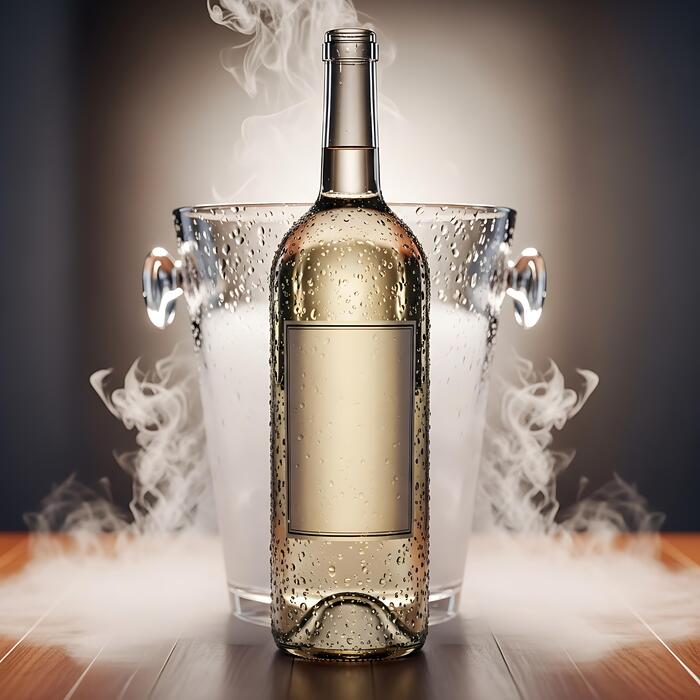
When wine is served too warm, the alcohol becomes more volatile, evaporating rapidly and creating a concentrated vapor that intensifies the burning sensation in the back of the throat. By slightly chilling your wine, even red varieties, you can effectively suppress these aggressive alcohol fumes.
Lower temperatures keep the ethanol more stable within the liquid, ensuring that the initial heat is muted upon entry. For instance, putting a red wine in the refrigerator for fifteen minutes before serving can make a high-alcohol Zinfandel or Syrah feel much more approachable.
Conversely, you should avoid drinking wine that is ice-cold, as extreme cold can mask the wine’s bouquet; the goal is a cool, controlled temperature that highlights the fruit notes while subduing the harshness of the alcohol.
Managing the thermal state of your beverage is a simple yet professional way to ensure a smooth finish every time.
How to choose smoother wines
Looking for low-alcohol varieties
The burning sensation many drinkers experience is primarily caused by ethanol, which can irritate the delicate lining of the throat. To avoid this, focus on selecting wines with lower ABV percentages, typically under 13%.
When you choose varieties like Gamay, Pinot Noir, or certain cool-climate Rieslings, you are opting for structures that rely more on subtle fruit profiles than high alcohol content. High-alcohol wines, often reaching 15% or more, trigger heat receptors in the mouth and esophagus, creating that unpleasant stinging feeling.
By checking the label for a lower alcohol content, you ensure a gentler experience on the palate and a smoother finish. Additionally, these lighter varieties often possess a more delicate mouthfeel that glides down easily without the aggressive bite associated with bolder, more robust bottles.
Prioritizing low-alcohol grape varieties is the most direct way to eliminate the chemical burn and enjoy the nuanced flavors of the wine without physical discomfort or harshness during every single sip.
The best regions for soft, low-acid wines
Geography plays a massive role in how a wine feels in your throat, as climate directly influences sugar and acid development. To find smoother options, look for wines from moderate or coastal regions where grapes ripen slowly and maintain a balanced pH level.
Regions like the Loire Valley in France or parts of coastal Oregon produce wines that avoid the jagged, sharp acidity that often contributes to a burning or tart sensation. While high acidity provides structure, too much can feel abrasive when combined with alcohol.
Seek out appellations known for balanced growing seasons, which allow the tannins to soften and the acids to integrate seamlessly. Avoiding extreme heat is key, as grapes from scorched inland valleys often develop high sugar levels that ferment into high alcohol, leading to that dreaded back-of-the-throat heat.
By targeting specific cool-climate growing zones, you can identify bottles that offer a silky, rounded texture that feels soothing rather than sharp, ensuring your wine-drinking experience remains entirely focused on pleasure and sophisticated flavor profiles.
Why aged wines often feel less harsh
If you find young wines too aggressive, the solution often lies in the cellar. As wine ages, complex chemical reactions occur that cause tannins to bind together and precipitate, resulting in a much softer and more velvety mouthfeel.
This process, known as polymerization, transforms a wine from being puckering and sharp to being smooth and integrated. The ‘burn’ is frequently a combination of high acidity and youthful, grippy tannins that haven’t yet mellowed.
By choosing bottles with several years of age, you are selecting a product where the components have had time to harmonize. Furthermore, the primary fruit flavors evolve into savory notes, which often masks the perception of alcohol heat.
An aged Rioja or a mature Bordeaux will feel significantly more polished than a recent vintage.
Investing in properly cellared, aged bottles ensures that the initial bite has dissipated, leaving behind a refined liquid that flows smoothly without any of the stinging or irritation common in younger, more volatile commercial releases.
When to see a doctor about throat burning
Persistent pain after drinking
While the high alcohol content and acidity in wine can cause a temporary warming sensation, you should seek medical attention if a burning throat persists for several days after your last glass.
Chronic irritation may suggest that the wine is exacerbating underlying Gastroesophageal Reflux Disease (GERD) or causing significant inflammation of the esophageal lining, known as esophagitis.
If you experience a frequent sore throat or a raspy voice alongside the burning sensation, a doctor can perform a physical exam to rule out long-term damage to the delicate tissues of the throat.
It is important to monitor whether the discomfort occurs only with specific types of wine or if it has become a constant presence in your daily life.
Addressing these symptoms early with a healthcare provider can help prevent complications like Barrett’s esophagus or chronic vocal cord strain, ensuring that your digestive health remains intact while identifying if lifestyle changes or medications are necessary to manage your persistent acid reflux symptoms effectively.
Difficulty swallowing after wine consumption
If you notice a sensation of food or liquid getting stuck in your throat, a condition known as dysphagia, you must consult a medical professional immediately.
While the tannins and ethanol in wine can cause a mild, fleeting tightness, actual difficulty swallowing or painful swallowing is never a normal reaction to alcohol consumption.
This symptom could indicate a narrowing of the esophagus, a severe allergic reaction, or an underlying structural issue that requires diagnostic imaging or an endoscopy. Pay close attention if the burning sensation is accompanied by unintended weight loss, frequent coughing while drinking, or the regurgitation of undigested wine.
A physician can help determine if the wine is triggering an eosinophilic esophagitis response, which is an immune-mediated condition that causes the esophagus to swell.
Seeking prompt medical advice ensures that any physical obstructions or inflammatory conditions are treated before they interfere with your ability to maintain proper nutrition and hydration, as chronic swallowing issues can lead to serious health complications if left completely unaddressed by specialists.
Distinguishing between a normal burn and an allergy
It is crucial to differentiate between the standard heat of ethanol and a genuine allergic reaction to wine components like sulfites, histamines, or specific grape proteins.
You should see a doctor if the burning in your throat is accompanied by systemic symptoms such as hives, facial swelling, or wheezing, as these indicate a potentially dangerous hypersensitivity.
While a mild tingle is common, a sharp, intense burn followed by a skin rash or nasal congestion suggests your body is reacting to allergens rather than just the acidity.
A medical professional can conduct skin prick tests or blood work to identify specific triggers found in red or white wines. Furthermore, if you experience a rapid heart rate or dizziness after a few sips, this could signal a sulfite intolerance or an inability to metabolize acetaldehyde.
Distinguishing these symptoms from a simple ‘alcohol burn’ is vital for your safety, as true allergies can escalate into anaphylaxis. Consulting an allergist allows you to understand your limits and determine if you need to avoid certain varietals entirely to protect your health.
Frequently Asked Questions
Why does the alcohol in wine cause a burning sensation?
Alcohol is a chemical irritant that lowers the threshold of VR1 receptors in your throat and esophagus. These heat-sensing receptors normally trigger at 107°F, but alcohol makes them react to your normal body temperature, creating a false sensation of burning.
Can high acidity in wine cause a burning feeling?
Yes, wines with high tartaric or malic acid levels can irritate the sensitive lining of the esophagus. This is particularly common in crisp white wines or young reds, which can cause a sharp, stinging sensation if your digestive tract is sensitive.
Does the alcohol percentage affect how much wine burns?
Higher alcohol content, often referred to as ‘heat’ in wine tasting, directly correlates to the intensity of the burn. Wines with an ABV of 14% or higher provide a more pronounced warming or burning sensation in the back of the throat compared to lighter wines.
Could a burning sensation from wine be related to acid reflux?
Wine can trigger gastroesophageal reflux (GERD) by relaxing the lower esophageal sphincter, allowing stomach acid to rise. This creates a burning sensation in the chest and throat that is exacerbated by the wine’s own ethanol and acidity.
How can I reduce the burning sensation when drinking wine?
You can minimize the burn by choosing wines with lower alcohol content (under 12.5% ABV) and lower acidity. Additionally, sipping water between glasses and eating food while drinking helps buffer the irritation to your esophageal lining.
Is a burning throat a sign of a wine allergy?
While a mild burn is usually due to alcohol or acid, an intense or painful burning sensation could indicate a sensitivity to sulfites or histamines. If the burn is accompanied by swelling or difficulty breathing, it may be a more serious allergic reaction.
Conclusion
Understanding why wine burns involves recognizing the roles of alcohol content, acidity, and individual sensitivity. High ethanol levels and low pH can irritate the delicate lining of your throat, creating that familiar warmth or sting. By selecting wines with lower ABV or higher residual sugar, you can enjoy a smoother experience. Embrace your personal palate, experiment with different varietals, and remember that finding the perfect, comfortable pour is all part of the journey.

