
What Wine With Spaghetti
Wondering what wine pairs best with spaghetti? You’re in the right place! The perfect match depends on your sauce—classic marinara loves a zesty Chianti or Sangiovese, while creamy carbonara shines with a crisp Pinot Grigio. Meaty Bolognese? Go bold with a Barbera or Montepulciano. No matter your dish, we’ve got quick, delicious recommendations to elevate your pasta night. Keep reading to find your ideal pairing and impress your taste buds—because every spaghetti deserves the right wine!
Best Red Wines for Classic Meat Sauces
Why Chianti Classico pairs perfectly with Bolognese
When contemplating what wine with spaghetti Bolognese, Chianti Classico stands out as the quintessential partner for this rich, meat-based sauce. The region’s indigenous Sangiovese grape offers high acidity and firm tannins that cut through the fatty richness of the ground beef and pork, cleansing the palate between each savory bite.
This interaction prevents the meal from feeling heavy, allowing the diner to appreciate the complex layers of herbs and tomatoes without overwhelming the senses. Furthermore, the bright cherry and herbal notes found in a quality Chianti mirror the aromatic vegetables and tomato paste often used in a traditional ragù.
Avoid overly oaky styles, as these can clash with the acidity of the tomatoes; instead, seek out producers who prioritize balance and traditional winemaking methods. A well-structured Chianti Classico possesses enough body to stand up to the protein while offering a rustic elegance that enhances the dining experience.
This classic Italian pairing works because the wine acts as a flavor bridge, connecting the savory meat elements with the pasta, ensuring a harmonious and memorable meal.
Matching Barbera with hearty meat ragouts
For those wondering what wine with spaghetti featuring a robust, slow-cooked meat ragout, Barbera d’Asti or Barbera d’Alba provides a brilliant solution-focused pairing. Known for its low tannins and vibrant acidity, Barbera is exceptionally food-friendly and specifically adept at handling rich, savory sauces without imparting astringency or bitterness.
The wine’s juicy acidity acts like a squeeze of lemon, effectively brightening the deep, concentrated flavors of the meat and cutting through any rendered fat or cheese accompaniments.
You will find that Barbera’s characteristic notes of dark cherry, plum, and subtle spice integrate seamlessly with the herbs and aromatics often found in these hearty preparations.
Unlike heavier reds that might dominate the dish, Barbera supports the texture of the ragout, allowing the slow-simmered complexity to remain the star of the plate. It is crucial to serve this wine at a slightly cool temperature to maximize its refreshing qualities.
By choosing Barbera, you ensure that every mouthful of pasta remains balanced, lively, and utterly delicious, making it a reliable choice for robust sauces.
How to serve Sangiovese with tomato-based pasta
Answering the query of what wine with spaghetti in a tomato-heavy context requires understanding how acid interacts with food. Sangiovese, the noble grape of Tuscany, is naturally equipped to handle the high acidity of tomato sauces, making it an ideal candidate for classic marinara or arrabbiata dishes.
The wine’s tart cherry and cranberry profile resonates with the fruitiness of the tomatoes, while its structural acidity ensures the wine does not taste flat or flabby alongside the sauce.
Serve Sangiovese slightly below room temperature to emphasize its refreshing character and structure, which is critical when dealing with the brightness of tomatoes. The savory, herbal undertones often present in Sangiovese—think dried oregano or thyme—complement the dried spices typically used in these sauces, creating a seamless flavor profile.
A young, fruit-forward Rosso di Montalcino or a basic Chianti works wonders here, providing sufficient body without overpowering the dish with heavy tannins.
This pairing works on a chemical level, as the acid in the wine matches the intensity of the acid in the food, resulting in a palate-cleansing effect that keeps you coming back for more.
Top White Wine Picks for Seafood and Vegetable Spaghetti
Pinot Grigio options for shrimp and lemon pasta
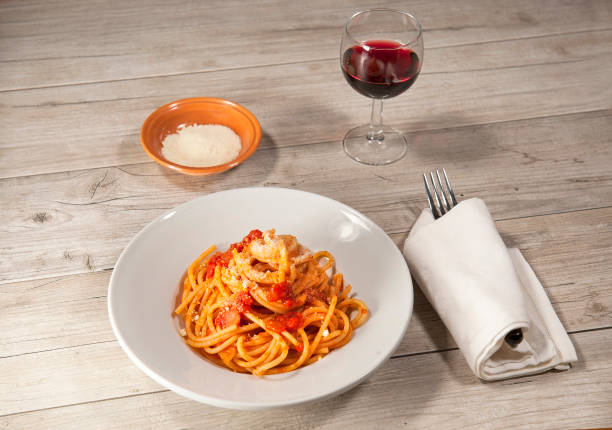
Pinot Grigio stands out as a stellar companion for shrimp and lemon spaghetti because its high acidity and neutral profile allow the dish’s bright citrus notes to shine without overpowering the delicate seafood.
When selecting a bottle, prioritize Northern Italian Pinot Grigio from regions like Alto Adige or Venezia, as these wines offer a crisp, mineral-driven finish that complements the briny sweetness of the shrimp.
The wine’s signature notes of green apple and citrus blossom echo the lemon zest often used in the sauce, creating a harmonious flavor bridge that elevates the entire meal. Avoid overly oaky variations, which can clash with the dish’s fresh, zesty character; instead, look for stainless steel fermentation.
Serve this wine ice-cold to maximize its refreshing qualities, especially if the pasta includes spicy red pepper flakes, as the cool temperature and sharp acidity will help tame the heat while cleansing the palate between bites.
When to choose Sauvignon Blanc for pesto dishes
Sauvignon Blanc is the ideal match for vegetable spaghetti tossed in a vibrant green pesto sauce, primarily due to its grassy, herbal, and slightly vegetal flavor profile.
The wine’s inherent notes of bell pepper, basil, and fresh-cut grass mirror the key ingredients in a traditional Genovese pesto, creating a synergistic effect known as flavor mirroring.
When pairing, opt for a Sauvignon Blanc from New Zealand for a punch of tropical fruit that contrasts nicely with the garlic, or choose a classic Sancerre for a more mineral-forward approach.
The wine’s high acidity is crucial here, as it cuts through the rich olive oil and pine nuts found in the sauce, preventing the dish from feeling heavy on the palate. Avoid creamy, oaky styles which would mask the fresh herbal nuances of the pesto.
This pairing works exceptionally well when the spaghetti is finished with a squeeze of lemon and a sprinkle of parmesan.
Best Vermentino selections for clam spaghetti
Vermentino is a Mediterranean gem that pairs effortlessly with clam spaghetti, especially when the dish features a white wine, garlic, and olive oil base. This variety thrives in coastal regions like Liguria and Sardinia, and often carries a distinctive saline minerality that enhances the oceanic flavors of the clams.
Seek out Vermentino di Sardegna for a richer texture that stands up to the savory umami of the clams, or a Ligurian version for a lighter, more floral character.
The wine typically offers vibrant acidity and hints of citrus and white flowers, which provide a refreshing counterpoint to the savory garlic and olive oil. Its slight bitterness on the finish acts as a palate cleanser, making each bite taste as bright as the first.
Serve this wine well-chilled in a white wine glass to concentrate its aromatic intensity. This combination captures the essence of seaside dining, creating a balanced and transportive culinary experience.
How to Match Wine with Creamy Carbonara and Alfredo
Why high-acid whites cut through rich cream sauces
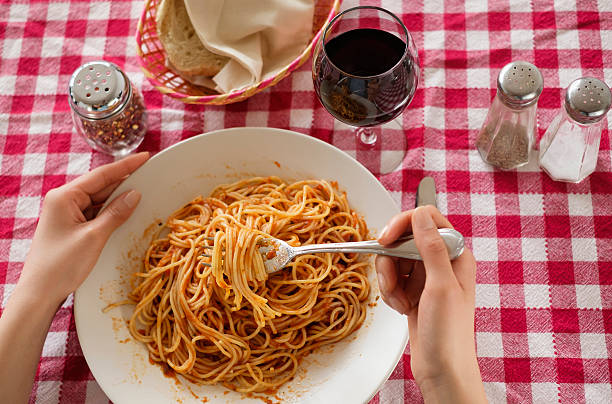
When pairing wine with heavy cream sauces like Carbonara or Alfredo, acidity is the most critical factor to consider. Rich, fatty dishes require a wine with high acidity to cleanse the palate and prevent the meal from feeling overly heavy.
The crispness of a high-acid white wine acts like a squeeze of fresh lemon, cutting through the butter and cheese to refresh your taste buds between bites. Italian white wines are exceptional choices for this specific role.
Varietals such as Pinot Grigio, Vermentino, or Gavi provide a zesty brightness that perfectly balances the savory, oily nature of the sauce. Without this essential acidity, the wine may taste flabby or flat against the richness of the pasta.
Look for wines labeled as ‘crisp’ or ‘dry’ to ensure they have the necessary structure to stand up to the sauce. This contrast creates a harmonious balance that enhances both the wine and the creamy texture of the spaghetti.
Selecting the right Chardonnay for heavy dishes
While high-acid wines are standard, a well-balanced Chardonnay is a game-changer for creamy pasta dishes. The secret lies in selecting a bottle that offers both body and brightness without being overwhelmed by oak.
An oaked Chardonnay can complement the dish beautifully because its buttery, vanilla notes mirror the creamy richness of the Alfredo or Carbonara sauce. However, be careful with heavily oaked varieties, as too much wood can clash with the delicate egg and cheese flavors.
Instead, look for a Chardonnay from Burgundy or a balanced New World example that retains good acidity. The wine’s weight should match the weight of the food; a light wine disappears against a heavy cream sauce, whereas a medium to full-bodied white stands its ground.
The creamy texture of the wine interacts seamlessly with the spaghetti, creating a luxurious mouthfeel that highlights the savory Parmesan and Pecorino cheeses used in the recipe.
Light red wine options for cheesy pasta varieties
Although white wine is the traditional choice, light red wines can offer a surprising and delightful pairing for cheesy pasta varieties.
The key is to select a red wine with low tannins, as high tannins can taste metallic or bitter when paired with the high salt content in cheese and cured meats like guanciale.
Pinot Noir is an excellent option because its light body and bright red fruit flavors provide a lovely contrast to the savory, rich sauce without overpowering it.
Alternatively, an Italian Dolcetto or a Valpolicella offers juicy acidity and moderate tannins that work well with the tomato components sometimes found in variations of these dishes. Serve these reds slightly chilled to accentuate their freshness and acidity.
This approach allows the fruitiness of the wine to shine, cutting through the richness of the carbonara or Alfredo while complementing the earthy notes of any added mushrooms or herbs.
Choosing the Right Wine for Spicy Arrabbiata and Puttanesca
Matching herbal notes in wine with fresh basil
When preparing spaghetti dishes that feature fresh basil, selecting a wine with complementary herbal characteristics creates a harmonious dining experience. Sauvignon Blanc is an exemplary choice because its inherent grassy and herbaceous notes mirror the aromatic qualities of fresh basil, creating a seamless bridge between the glass and the plate.
This synchronization enhances the overall flavor profile, making the herbal notes in both the wine and the dish more pronounced and enjoyable.
For a red wine option, consider a light-bodied Cabernet Franc, which often exhibits subtle green pepper and herbal undertones that pair beautifully with pesto or basil-garnished oil and garlic pasta. The key is to avoid heavy, oaky wines that can overpower the delicate freshness of the herb.
Instead, focus on crisp, clean wines that allow the basil to shine. By aligning the herbal notes in your wine with the ingredients in your spaghetti, you ensure a balanced palate where no single element dominates the other.
Why dry rosé works well with aglio e olio
Aglio e olio is a classic simplicity of olive oil, garlic, and chili flakes, requiring a wine that balances richness without overwhelming the palate.
A dry Rosé is the quintessential partner for this dish because it possesses the acidity to cut through the fat of the olive oil while offering enough fruitiness to counterbalance the savory, spicy elements.
Unlike a heavy red, which might clash with the delicate garlic nuances, or a light white, which might lack the body to stand up to the oil, a dry Rosé sits perfectly in the middle.
Look for a Provence Rosé or a darker Spanish Rosado; these wines typically have a structural backbone and crisp minerality that refreshes the mouth after each bite.
The slight fruit notes also help tame the heat from the chili flakes, providing a cooling contrast that enhances the overall enjoyment of the meal.
Selecting wines that highlight garlic flavors
Garlic acts as a pungent, savory anchor in many spaghetti preparations, and the right wine can elevate this distinct flavor profile significantly. To highlight garlic without masking it, choose wines with bright acidity and mineral undertones, such as an Italian Pinot Grigio or a Vermentino.
These wines act as a palate cleanser, scrubbing away the heavy oiliness and preparing the taste buds for the next savory bite.
It is crucial to avoid wines with high tannins or excessive oak, as these elements can create a harsh, metallic taste when paired with the sulfur compounds found in garlic. Instead, unoaked white wines allow the sharp, spicy character of the garlic to remain the star of the show.
A sparkling wine, like Prosecco, is also an excellent choice; the bubbles and high acid content cut through the texture, ensuring that the rich garlic and oil combination feels vibrant rather than heavy on the palate.
Wine Pairing Guidelines for Oil and Garlic Based Pasta
Matching herbal notes in wine with fresh basil
When preparing spaghetti dishes that feature fresh basil, selecting a wine with complementary herbal characteristics creates a harmonious dining experience. Sauvignon Blanc is an exemplary choice because its inherent grassy and herbaceous notes mirror the aromatic qualities of fresh basil, creating a seamless bridge between the glass and the plate.
This synchronization enhances the overall flavor profile, making the herbal notes in both the wine and the dish more pronounced and enjoyable.
For a red wine option, consider a light-bodied Cabernet Franc, which often exhibits subtle green pepper and herbal undertones that pair beautifully with pesto or basil-garnished oil and garlic pasta. The key is to avoid heavy, oaky wines that can overpower the delicate freshness of the herb.
Instead, focus on crisp, clean wines that allow the basil to shine. By aligning the herbal notes in your wine with the ingredients in your spaghetti, you ensure a balanced palate where no single element dominates the other.
Why dry rosé works well with aglio e olio
Aglio e olio is a classic simplicity of olive oil, garlic, and chili flakes, requiring a wine that balances richness without overwhelming the palate.
A dry Rosé is the quintessential partner for this dish because it possesses the acidity to cut through the fat of the olive oil while offering enough fruitiness to counterbalance the savory, spicy elements.
Unlike a heavy red, which might clash with the delicate garlic nuances, or a light white, which might lack the body to stand up to the oil, a dry Rosé sits perfectly in the middle.
Look for a Provence Rosé or a darker Spanish Rosado; these wines typically have a structural backbone and crisp minerality that refreshes the mouth after each bite.
The slight fruit notes also help tame the heat from the chili flakes, providing a cooling contrast that enhances the overall enjoyment of the meal.
Selecting wines that highlight garlic flavors
Garlic acts as a pungent, savory anchor in many spaghetti preparations, and the right wine can elevate this distinct flavor profile significantly. To highlight garlic without masking it, choose wines with bright acidity and mineral undertones, such as an Italian Pinot Grigio or a Vermentino.
These wines act as a palate cleanser, scrubbing away the heavy oiliness and preparing the taste buds for the next savory bite.
It is crucial to avoid wines with high tannins or excessive oak, as these elements can create a harsh, metallic taste when paired with the sulfur compounds found in garlic. Instead, unoaked white wines allow the sharp, spicy character of the garlic to remain the star of the show.
A sparkling wine, like Prosecco, is also an excellent choice; the bubbles and high acid content cut through the texture, ensuring that the rich garlic and oil combination feels vibrant rather than heavy on the palate.
Regional Italian Wine Rules for Spaghetti Dishes
Why regional pairing creates the best flavor balance
Embracing the Italian philosophy of ‘what grows together, goes together’ is the secret to unlocking the perfect dining experience. When selecting a wine for spaghetti, you should look to the specific region where the sauce originated to find the ideal pairing.
For example, a rich Spaghetti Bolognese finds its soulmate in a Sangiovese from Emilia-Romagna, as the wine’s high acidity and firm tannins cut through the savory meat fats, creating a harmonious balance on the palate.
Conversely, if you are serving a seafood-based spaghetti dish like Spaghetti alle Vongole, you must reach for a crisp Vermentino or Pinot Grigio from coastal Liguria.
The bright citrus notes and saline minerality of these coastal wines mirror the fresh sea flavors of the clams, enhancing the dish rather than overpowering it.
This regional approach works because the local grapes have evolved over centuries to complement the local cuisine, ensuring that the wine’s body, acidity, and aromatic profile perfectly match the weight and intensity of the pasta sauce you are serving.
Overview of Italian wine classification labels
Navigating Italian wine labels is an essential skill for selecting the right bottle to accompany your spaghetti, as these classifications strictly guarantee quality and geographical authenticity. The pyramid starts with Vino da Tavola, which is basic table wine, but you should aim for the higher tiers for a memorable meal.
Indicazione Geografica Tipica (IGT) offers excellent value and flexibility, allowing winemakers to experiment with non-traditional blends that often pair beautifully with modern fusion pasta dishes. For strict regional pairings, look for Denominazione di Origine Controllata (DOC) and the top-tier Denominazione di Origine Controllata e Garantita (DOCG).
These labels ensure the wine is produced using specific, traditional methods within a defined area, giving you certainty that a Chianti Classico DOCG will possess the characteristic tart cherry and herbal notes required to balance a tomato-heavy spaghetti sauce.
Always check for the DOCG strip seal on the neck of the bottle, as this government guarantee assures you are getting a high-quality wine that adheres to the rigorous standards necessary for authentic regional pairing.
How to identify local grapes for specific sauces
Identifying the correct local grape varieties for your specific spaghetti sauce ensures that every component of the meal works in unison rather than competing for attention.
When you prepare a spicy Arrabbiata or a savory Amatriciana, you need a grape that can handle the heat and acidity; look for Montepulciano d’Abruzzo, a versatile varietal that thrives in central Italy and offers soft tannins and dark fruit flavors that tame the spice.
For a creamy Carbonara, the richness of the egg and guanciale demands a wine with contrasting acidity, making a medium-bodied white like Greco di Tufo from Campania or a dry Malvasia an excellent, authentic choice.
If your spaghetti features a delicate pesto Genovese, you must bypass heavy reds entirely and select a Ligurian white such as Pigato, which possesses enough herbal complexity to stand up to the basil.
By focusing your selection on these specific indigenous grapes rather than international varieties, you guarantee that the wine acts as an extension of the dish, elevating the entire culinary experience to restaurant-quality standards.
Practical Tips for Serving Wine with Pasta
Correct serving temperatures for red and white
Serving wine at the correct temperature is crucial for enhancing your spaghetti dining experience, as temperature directly influences the perception of acidity, tannins, and fruit flavors. For robust red wines like Chianti or Barbera, aim for a cellar temperature between 60-65°F (15-18°C) rather than room temperature.
If the wine feels too warm, the alcohol becomes overpowering and the structure feels flabby; conversely, if it is too cold, the tannins become harsh and astringent. Place the bottle in the fridge for twenty minutes before serving to achieve the ideal chill.
For crisp white wines such as Pinot Grigio or Vermentino, a temperature of 45-50°F (7-10°C) is optimal for refreshing acidity. Be careful not to over-chill, as freezing temperatures mute delicate aromas and flatten the wine’s profile.
If you are drinking a light red with your pasta, do not hesitate to serve it slightly chilled. Mastering these temperature nuances ensures the wine balances perfectly with the acidity of tomato sauces, creating a harmonious meal.
Budget-friendly bottle recommendations under $20
Enjoying a delicious wine with your spaghetti does not require spending a fortune; there are exceptional value-driven options that pair beautifully with pasta dishes. For tomato-based spaghetti, seek out Italian Sangiovese or Montepulciano d’Abruzzo, which typically offer bright cherry flavors and acidity to match the sauce for under fifteen dollars.
These wines provide authentic Italian character without the premium price tag of Chianti Classico Riservas. If you prefer white wine, a Sauvignon Blanc from Chile or New Zealand offers zesty citrus notes that cut through creamy or oil-based sauces effortlessly.
Another fantastic budget contender is Spanish Tempranillo, which provides enough structure for meat sauces but remains soft enough for casual dining. Look for labels marked ‘Crianza’ for a touch of complexity at a low cost.
Exploring lesser-known regions allows you to discover hidden gems that over-deliver on quality, ensuring your weeknight spaghetti dinner feels luxurious and complete regardless of your budget constraints.
How to adjust pairings for vegetarian ingredients
Vegetarian spaghetti dishes often feature unique ingredient profiles that require thoughtful wine adjustments to maintain balance. When serving spaghetti primavera or puttanesca without anchovies, the dominant flavors come from roasted vegetables and garlic.
In these instances, opt for medium-bodied reds like Barbera or Dolcetto, which have lower tannins and higher acidity, preventing them from overpowering delicate vegetable flavors.
If you are preparing a rich pasta with cream, cheese, or heavy herb components, a textural white wine like Viognier or an unoaked Chardonnay works wonders.
The wine’s weight mirrors the richness of the sauce while its fruit profile complements the natural sweetness of ingredients like caramelized onions or roasted red peppers. Avoid heavily oaked red wines, as they can clash with the fresh, green notes of basil and spinach often found in vegetarian recipes.
Instead, prioritize acidity and fruit purity to create a seamless pairing that highlights the freshness of your plant-based ingredients effectively.
Frequently Asked Questions
What is the best general wine pairing for spaghetti?
A medium-bodied red wine like Chianti or Sangiovese is the safest choice for most spaghetti dishes. These wines have good acidity that cuts through tomato sauce and complements the pasta without overpowering it.
What wine should I serve with Spaghetti Bolognese or meat sauce?
Hearty red wines such as Cabernet Sauvignon, Merlot, or Barolo work best with rich meat sauces. The bold tannins in these wines bind with the proteins and fats in the meat, creating a balanced flavor profile.
Which wine pairs well with spaghetti in a creamy white sauce?
For carbonara or Alfredo, opt for a crisp white wine like Pinot Grigio or a light red like Pinot Noir. The acidity in these wines cuts through the richness of the cream and cheese while not overwhelming the delicate sauce.
Can I drink white wine with spaghetti and tomato sauce?
Yes, a dry white wine with high acidity, such as Sauvignon Blanc or Vermentino, pairs nicely with tomato-based spaghetti. The acidity in the wine mirrors the acidity in the tomatoes, providing a harmonious balance.
What wine goes best with spaghetti alle vongole (clams)?
A dry, mineral-driven white wine like Pinot Grigio or Vermentino is the classic pairing for seafood spaghetti. These wines enhance the briny, salty flavors of the clams without competing with the delicate seafood taste.
Does the type of pasta shape affect the wine pairing?
While the sauce is the primary factor, thicker pasta shapes often hold heartier sauces that require bolder wines, while thin pasta like angel hair suits lighter sauces and more delicate wines. Focus primarily on the sauce weight and flavor intensity to make your final decision.
Conclusion
Pairing wine with spaghetti is all about balancing flavors and embracing creativity. Classic reds like Chianti complement tomato-based sauces, while whites like Pinot Grigio shine with lighter, seafood-infused dishes. Don’t hesitate to experiment—regional pairings often yield delightful surprises. Remember, the best wine is one you enjoy, so trust your palate and have fun exploring. Whether you’re a novice or a connoisseur, the perfect bottle awaits to elevate your spaghetti night. Cheers to delicious discoveries!
