What Wine With Seafood
Wondering what wine pairs best with seafood? You are not alone! Finding the perfect match can seem tricky, but it does not have to be. While the old rule says “white with fish,” the truth is a bit more flavorful. From crispy Sauvignon Blanc with oysters to a light Pinot Noir alongside salmon, the right glass elevates every bite. We have broken down the best pairings for every type of catch, so you can serve the perfect drink with confidence. Let us dive in
Best White Wines for Seafood Dishes
Why Acidity Matters in Seafood Pairings
When selecting the perfect white wine for seafood, prioritizing acidity is the single most important rule for a successful pairing. High acidity acts like a squeeze of fresh lemon, instantly brightening the natural flavors of fish and shellfish while cutting through rich oils and buttery sauces.
Without this crucial crispness, a wine can taste flabby or flat against the briny, delicate nature of seafood dishes. Wines with vibrant acidity, such as Albariño or Pinot Grigio, provide a palate-cleansing effect that refreshes the mouth between bites, ensuring the meal remains light and enjoyable.
This zesty characteristic is particularly effective with fried foods, as it slices through the grease, or with simply prepared dishes like oysters and ceviche. Look for terms like ‘crisp,’ ‘zesty,’ or ‘bright’ on labels to identify wines that will complement rather than overwhelm your meal.
Ultimately, the right acidity ensures the wine stands up to the sea-salt minerality without overpowering the subtle nuances of the catch, creating a harmonious balance that elevates the dining experience significantly.
Top Sauvignon Blanc Picks for Shellfish
Sauvignon Blanc is widely considered the ultimate match for shellfish, offering a zesty profile that perfectly complements the sweet, delicate meat of shrimp, crab, and lobster.
Its signature herbaceous notes, often described as grassy or bell pepper-like, add a complex layer of flavor that enhances the natural sweetness of the seafood without competing with it.
The wine’s racy acidity cuts through the richness of dishes like shrimp scampi or butter-poached lobster, cleansing the palate and preparing it for the next delicious bite. For a classic pairing, try a bottle from the Loire Valley, such as Sancerre or Pouilly-Fumé, which offers steely minerality ideal for oysters.
Alternatively, New Zealand Sauvignon Blanc provides a punch of tropical fruit and citrus that pairs beautifully with spicy shrimp tacos or garlic butter prawns. Always serve this varietal well-chilled to maximize its refreshing qualities, ensuring a vibrant dining experience that highlights the fresh, briny characteristics of your favorite shellfish platters.
When to Choose Chardonnay for Fish
While lighter whites often dominate seafood recommendations, Chardonnay is the ideal choice for heartier fish preparations and rich, creamy sauces.
A full-bodied, oaky Chardonnay serves as a bridge between the food and wine, matching the intensity of dishes like salmon with beurre blanc, seared halibut, or fish pie topped with mashed potatoes.
The buttery texture and vanilla notes from oak aging harmonize beautifully with the oils in fatty fish like tuna or mackerel, creating a luxurious mouthfeel that a lighter wine simply cannot achieve.
However, it is crucial to match the weight of the wine to the dish; save the big, buttery Chardonnays for grilled meats or heavily sauced preparations. For simply cooked white fish, a stainless-steel fermented Chardonnay offers purity and crisp apple flavors without overwhelming the delicate protein.
Consider the sauce first when selecting your bottle; if cream or butter is involved, Chardonnay is rarely a wrong choice, providing a velvety backdrop that turns a meal into an indulgent feast.
When to Pair Red Wine with Fish
Low Tannin Red Varieties to Try
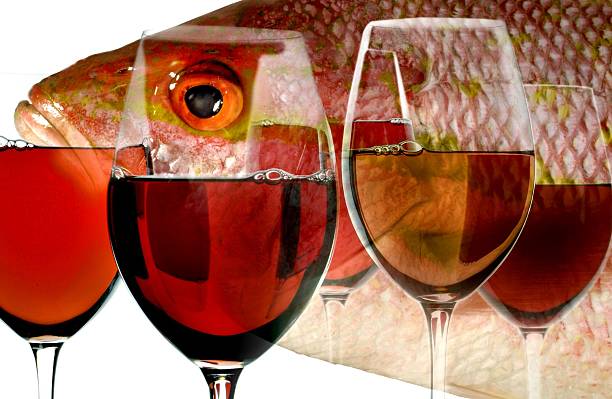
When selecting a red wine to pair with seafood, the most critical factor is choosing a bottle with low tannin levels. High tannins found in bold wines like Cabernet Sauvignon can react with the natural iodine and salt in fish, resulting in a bitter, metallic taste that ruins the meal.
Instead, you should look for lighter-bodied red wines that offer bright acidity and subtle fruit flavors without the astringent grip of heavy tannins. Pinot Noir is widely considered the gold standard for seafood pairings because its delicate profile complements rather than overpowers.
Other excellent options include Gamay, which is fruit-forward and vibrant, or a chilled Grenache that offers spicy notes. If you want to explore Italian varieties, Dolcetto and Lambrusco provide crisp acidity that cuts through sauces beautifully.
For a unique experience, try a Frappato from Sicily, which delivers juicy berry notes perfect for grilled swordfish. By prioritizing low tannins and high acidity, you ensure the wine enhances the delicate flavors of the ocean catch.
Which Oily Fish Work Best with Red Wine
While delicate white fish often demands white wine, oily fish varieties are the perfect bridge into the world of red wine pairings. The rich, robust nature of oily fish stands up well to the weight of a light red, creating a harmonious balance that white wines sometimes fail to achieve.
Salmon is the classic choice, particularly when grilled or roasted, as its natural fats merge seamlessly with the earthiness of Pinot Noir. Tuna steaks offer a meaty texture that mimics beef, making them an ideal partner for medium-bodied reds like a chilled Grenache.
Mackerel and sardines, often overlooked, pair wonderfully with acidic reds that cut through their intense oiliness. When preparing these fish, consider cooking methods that add char, such as grilling or blackening, as the caramelized exterior provides a flavor bridge to the red wine.
Avoid pairing reds with lean, flaky fish like cod or sole, as the wine will likely dominate and overshadow their subtle taste.
Serving Temperature Tips for Red Wine
Temperature control is the secret weapon for successfully pairing red wine with seafood dishes. While room temperature is often the standard recommendation for reds, serving your wine slightly chilled is essential when accompanying fish.
Cooling the wine to between 55°F and 60°F suppresses the perception of alcohol and tannins while highlighting the refreshing acidity needed to balance seafood. To achieve this, place the bottle in the refrigerator for about twenty minutes before serving, or use an ice bucket for faster results.
This technique, often referred to as ‘cellar temperature,’ makes the wine feel lighter and more energetic on the palate, miming the crisp profile of white wine. Avoid over-chilling, as temperatures below 50°F can mute the delicate aromas and flatten the flavor profile entirely.
If you are dining outdoors in warm weather, keep the bottle in a shaded ice bucket to maintain this optimal temperature throughout the meal. Proper temperature ensures the wine remains a refreshing complement to the food rather than a heavy burden.
How Cooking Methods Change Wine Selections
Pairing Wines with Raw Oysters and Sushi
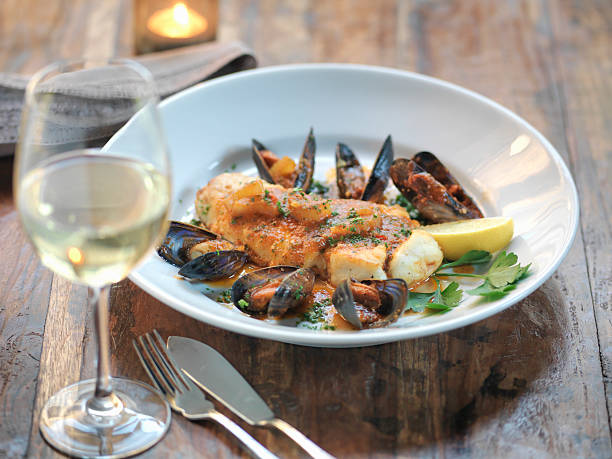
When enjoying raw seafood like oysters or sushi, the primary goal is to preserve the delicate, clean flavors of the ingredient without overwhelming them. High-acid white wines are the gold standard here, as they act like a squeeze of fresh lemon, highlighting the briny sweetness of the meat.
For raw oysters, a classic Muscadet or Chablis is unparalleled because their mineral-driven profiles mirror the salinity of the shellfish. These wines possess a crisp texture that cuts through the silky mouthfeel of the oyster, creating a refreshing balance.
Similarly, sushi requires a wine that respects the subtle nature of raw fish and the sharp accent of wasabi or soy sauce.
A dry Riesling or Albariño works beautifully with sushi rolls, offering sufficient acidity to stand up to spicy notes while remaining light enough not to hide the tuna or salmon. Avoid oaky wines at all costs; wood tannins clash aggressively with raw fish, leaving a metallic aftertaste.
Instead, stick to youthful, stainless-steel fermented whites that offer brightness, ensuring the seafood remains the star of the dining experience while cleansing the palate between bites.
Best Wines for Grilled and Smoked Fish
Grilling and smoking introduce robust flavors, char, and oiliness that demand wines with more body and intensity than delicate seafood pairings. Oaked white wines excel here because the toasted notes in the wine echo the char from the grill, creating a harmonious bridge between the dish and the glass.
A lightly oaked Chardonnay or Viognier is an excellent match for grilled salmon or swordfish, as the wine’s creamy texture matches the natural oils of the fish while its vanilla undertones complement the smoky skin.
For heavily smoked fish like trout or mackerel, consider a dry rosé or even a light red like Pinot Noir; the slight tannins and berry notes can stand up to the intense, savory smoke without overpowering the meat.
The key is to match the weight of the wine to the weight of the dish; a light wine will taste washed out against strong smoke, while a bold red might strip the fish of its nuance. Always prioritize fruit-forward profiles to balance the savory bitterness of the char.
Matching Wine with Fried Seafood Batters
Fried seafood, whether it is tempura shrimp, beer-battered cod, or calamari, presents a specific challenge due to the heavy, fatty nature of the batter and the inherent saltiness of the preparation. You need high-acid wines with effervescence to scrub the palate and prevent the meal from feeling too heavy.
Sparkling wines like Cava, Prosecco, or Champagne are the ultimate pairing for fried foods because the bubbles physically interact with the batter, cleansing the tongue and preparing it for the next bite.
The sharp acidity cuts right through the grease, acting as a counterbalance to the rich oiliness of the fryer. If you prefer a still wine, look for a dry Sauvignon Blanc or Pinot Grigio, which provides a zesty, citrus-driven contrast to the savory crust.
Avoid heavy, rich wines that lack acidity, as they will feel flabby and cloying against the crispy texture. The goal is refreshment, so choose wines that are lean, crisp, and vibrant to ensure every bite tastes as satisfying as the first, effectively balancing indulgence with brightness.
Perfect Wine Matches for Shellfish and Crustaceans
What to Drink with Crab and Lobster
When pairing wine with the rich, sweet meat of crab and lobster, you need a bottle that can cut through the richness while complementing the natural sweetness.
A chilled glass of Chardonnay is the gold standard here, specifically those with a bit of oak aging, as the buttery notes mirror the texture of the shellfish perfectly. If you are serving a dressed crab salad or lobster thermidor, consider a mature White Burgundy for added complexity and depth.
For a lighter preparation, such as steamed lobster, a Crisp Chablis offers a minerally sharpness that cleanses the palate between bites. Red wine lovers should not feel left out; a light Pinot Noir can work beautifully, provided it is served cool and the shellfish is accompanied by a rich sauce.
Avoid heavy, tannic reds which will clash with the iodine flavors, and instead focus on high-acid whites that provide a refreshing contrast to the luxurious, velvety texture of these premium crustaceans.
Champagne and Oyster Pairing Guide
The classic pairing of oysters and Champagne is legendary for a reason, as the effervescence and high acidity provide the ultimate palate cleanser. Dry Champagne or Sparkling Wine cuts through the briny salinity of oysters, making each fresh slurp taste as vibrant as the first.
For raw oysters on the half shell, look for non-vintage Brut or a crisp Cava, which offer zesty citrus notes that highlight the oyster’s ocean freshness without overpowering it.
If you are grilling your oysters with garlic butter, a Blanc de Blancs is the ideal choice, as its chalky minerality and lean profile stand up to the added fat.
While Champagne is the traditional go-to, Sauvignon Blanc from the Loire Valley is a fantastic still wine alternative, offering a distinct flintiness that echoes the oyster’s terroir.
Always prioritize high acidity over fruitiness; a wine that is too lush will lose its structure against the sharp, saline punch of fresh seafood.
Best Wines for Spicy Shrimp Dishes
Spicy shrimp dishes, whether they are Cajun grilled or simmered in a piri-piri sauce, require wines that can handle the heat while refreshing the palate.
Off-dry Riesling is arguably the best choice, as the hint of residual sugar tames the spice, while the high acidity balances the intensity of the flavors. The contrast between the wine’s fruit-forward profile and the fiery seasoning creates a harmonious dining experience.
For those who prefer a fully dry wine, a zesty New Zealand Sauvignon Blanc works well, particularly with lemon-garlic shrimp, as its intense herbaceous notes act as a flavor bridge. Avoid heavy oaked whites, which will taste flabby and metallic against the spice.
Instead, look for Gewürztraminer if you are serving Asian-style shrimp; its aromatic profile of lychee and rose petals offers an exotic counterpoint to ginger and chili. Ultimately, the goal is to soothe the heat and highlight the sweet, tender texture of the shrimp.
Rosé and Sparkling Wine Options for Seafood
Why Dry Rosé is a Versatile Choice
Dry Rosé is arguably the most versatile partner for a wide variety of seafood dishes, bridging the gap between white and red wines effortlessly. Its defining characteristic is the perfect balance of crisp acidity and subtle fruitiness, which allows it to complement rather than overpower delicate marine flavors.
When pairing, look for classic Provence-style Rosés that offer notes of strawberry, citrus, and melon. These wines shine brightest when served with grilled Mediterranean seafood, such as shrimp or swordfish, where the wine’s acidity cuts through the richness of the meat.
Furthermore, the slight fruit profile helps tame the briny salinity found in oysters or shellfish, creating a harmonious flavor profile on the palate. It is crucial to avoid overly sweet blush wines, as these can clash with savory herbs and lemon-based sauces often used in seafood preparation.
Instead, opt for a bone-dry vintage to ensure the wine acts as a refreshing counterpoint to spicy dishes like seafood curry or Cajun blackened fish, making it a reliable choice for any seafood platter.
Using Sparkling Wine as a Palate Cleanser
Sparkling wine serves as an exceptional palate cleanser, making it a strategic choice for multi-course seafood meals or rich, fried preparations. The effervescence, characterized by lively bubbles, scrubs the tongue clean of oils and fats, preparing the taste buds for the next delicious bite.
Prosecco or Cava are excellent affordable options that bring bright citrus and green apple notes to the table, effectively cutting through heavy butter sauces or the grease of a classic fish and chips dinner.
When selecting a bottle for a diverse seafood spread, consider the intensity of the bubbles; a vigorous mousse can sometimes distract from very delicate raw bar items, so a creamer, finer bubble like Champagne is better suited for luxury ingredients like caviar or lobster thermidor.
Ultimately, sparkling wine is not just for celebration; it is a functional tool that enhances the dining experience by ensuring every mouthful of seafood tastes as fresh and vibrant as the first, preventing flavor fatigue during indulgent feasts.
Selecting the Right Sweetness Level
Determining the correct sweetness level in your Rosé or Sparkling wine is essential for a successful seafood pairing, as a mismatch can ruin the meal. As a general rule, the wine should always be at least as sweet as the accompanying dish; otherwise, the wine will taste sour and thin.
Off-dry Rosés work wonders with spicy seafood cuisines, such as Thai shrimp curry or blackened Cajun salmon, because the residual sugar helps tame the heat while the acidity balances the oil.
However, when dealing with simply prepared shellfish like steamed crab or raw oysters, bone-dry varieties are superior, as they highlight the natural brininess without adding unnecessary sugar. Be cautious with demi-sec sparkling wines, as they can overwhelm delicate white fish but pair beautifully with glazed salmon or fruit-based seafood salsas.
Always check the label for terms like ‘Brut’ or ‘Sec’ to ensure you are selecting a wine that complements the flavor profile of the dish rather than fighting against it.
How Sauce Ingredients Affect Your Pairing
Wines that Complement Creamy Sauces
When seafood is draped in rich, creamy sauces like a decadent Alfredo or a velvety white wine sauce, the wine selection must focus on cutting through the fat while enhancing the savory notes of the seafood.
High-acid white wines are your best strategic choice here, as their crispness slices through the richness of the cream, effectively cleansing the palate between bites. An unoaked Chardonnay is a classic pairing because it offers sufficient body and weight to match the sauce’s texture without overpowering the delicate protein.
Alternatively, a vibrant Albariño or a dry Riesling provides a zesty contrast that brightens the entire meal. Avoid overly delicate wines like Pinot Grigio, which may taste washed out against a heavy sauce; instead, choose a white Burgundy or a Viognier to mirror the luxurious mouthfeel.
The goal is to find a harmonious balance where the wine’s acidity complements the sauce’s density, ensuring every bite tastes as fresh and delightful as the first.
Pairing Wines with Citrus and Butter Preparations
For seafood prepared with lemon, butter, and fresh herbs, the pairing strategy shifts toward enhancing brightness rather than simply cutting fat. Sauvignon Blanc is the quintessential partner for these dishes, as its inherent grassy and citrus notes mirror the seasoning while providing a refreshing lift.
The zesty acidity in the wine acts as a flavor amplifier, making the citrus marinade or garnish pop on the palate. A crisp Vermentino or a dry Pinot Gris also works exceptionally well, offering saline minerality that complements the seafood’s natural sweetness.
If you prefer a lighter red, a low-tannin Pinot Noir can suffice, but white wine remains the superior choice for maintaining the dish’s fresh profile. Ensure the wine has enough acidity to stand up to the lemon juice; otherwise, the wine will taste flat and flabby.
The ultimate goal is to create a synergistic relationship where the wine and the citrus notes elevate each other, resulting in a bright, vibrant dining experience.
Best Wine Picks for Spicy Seafood Curries
Spicy seafood curries and heavily seasoned stews require wines that can handle heat without amplifying the alcohol burn. Off-dry white wines are the secret weapon for spicy dishes, as the hint of residual sugar acts as a soothing agent that tames the chili heat.
A German Kabinett Riesling or a slightly sweet Gewürztraminer is ideal because they provide intense floral and stone fruit aromatics that complement the complex spice blends.
Avoid heavily oaked wines or those with high alcohol content, as these will likely clash with the heat and create an unpleasantly hot sensation on the finish. Instead, look for wines labeled as ‘dry’ or ‘off-dry’ that possess good acidity to refresh the palate.
The interplay between the sweetness in the wine and the spice in the curry creates a balanced, exotic flavor profile that highlights the seafood. A chilled Torrontés or a Chenin Blanc can also offer the necessary fruit-forward character to stand up to bold spices while letting the seafood shine.
Common Mistakes to Avoid When Pairing Wine
Why High Tannins Clash with Seafood
One of the most frequent errors when selecting wine for seafood is choosing a bold red with high tannins, such as Cabernet Sauvignon or Shiraz.
While these wines pair beautifully with steak, the tannins interact negatively with the iodine and iron found in fish, often resulting in a jarring metallic taste that ruins the dining experience. This chemical reaction creates a bitterness on the palate that completely overpowers the delicate, subtle flavors of the seafood.
To avoid this culinary mismatch, opt for low-tannin reds like Pinot Noir if you absolutely crave red wine, or stick to crisp whites and light rosés which naturally complement the texture. Understanding this reaction is crucial because the texture of the wine matters as much as the flavor profile.
By skipping the heavy tannins, you allow the natural sweetness and briny characteristics of shrimp, clams, or white fish to shine through without interruption. Always prioritize lighter-bodied wines to ensure the ocean’s delicate bounty remains the star of the meal.
Balancing Wine Acidity with Food Acidity
A common mistake involves underestimating the role of acidity in creating a harmonious pairing, particularly when dishes feature lemon wedges, capers, or tomato bases. If you serve a low-acid wine alongside an acid-forward dish, the wine will unfortunately taste flat, flabby, and lifeless.
The golden rule here is to match the acidity level of the wine with the acidity in the food. High-acid whites like Sauvignon Blanc, Albariño, or dry Riesling are exceptional choices because their crispness mirrors the citrus zing, making the wine taste fruitier and more vibrant.
Conversely, avoid oaky, buttery Chardonnays with lemon-drizzled seafood, as the oily texture clashes with the sharp citrus notes, creating an unpleasant disconnect on the palate. The brightness of the wine should act as a counterpoint, cutting through any richness while matching the zesty nature of the preparation.
Successfully balancing these acid levels elevates the entire meal, ensuring each bite feels refreshing rather than overwhelming the senses.
How to Handle Sweet Glazes and Marinades
Navigating sweet glazes, such as teriyaki salmon or maple-glazed shrimp, often trips up enthusiastic hosts who default to dry wines. A bone-dry wine served alongside sweet seafood will inevitably taste thin, sour, and overly astringent, stripping the pleasure from the meal.
The solution lies in selecting a wine that possesses just a touch of residual sugar or intense fruitiness to bridge the flavor gap. Off-dry Riesling, Gewürztraminer, or a ripe Chenin Blanc work beautifully because they mirror the sweetness intensity of the glaze, creating a seamless transition between sip and bite.
Never serve bone-dry wines with heavily sweetened dishes, as the contrast highlights the wine’s bitterness rather than its fruit. Instead, look for wines labeled ‘off-dry’ or those with lush fruit profiles to ensure the pairing feels cohesive.
This approach respects the complexity of the marinade, allowing the savory notes to persist while the wine complements the caramelized sugars, resulting in a balanced and delicious culinary experience for all.
Frequently Asked Questions
What is the general rule for pairing wine with seafood?
The golden rule is to pair seafood with white wines, as their acidity cuts through the natural oils of fish and complements the delicate flavors. Red wines are generally avoided because their high tannins can create a metallic taste when combined with seafood, though there are exceptions for meatier fish.
Which wine pairs best with oysters and raw shellfish?
Champagne or dry sparkling wines are excellent choices because the bubbles and high acidity cleanse the palate and highlight the briny freshness of the shellfish. Muscadet and Sauvignon Blanc are also classic pairings that enhance the mineral qualities of raw oysters.
What wine should I serve with rich, fatty fish like salmon or tuna?
Richer fish can handle fuller-bodied white wines like oaked Chardonnay or Viognier, which have the weight to match the texture of the fish. If the fish is grilled or served with a dark sauce, a light red wine with low tannins, such as Pinot Noir, can be a surprisingly good match.
What wine goes well with lobster and creamy seafood dishes?
Lobster and dishes with rich cream sauces pair beautifully with a rich, buttery Chardonnay or a White Burgundy, as the wine’s texture mirrors the creaminess of the dish. Alternatively, a dry Rosé can provide a crisp contrast that balances the richness without overwhelming the palate.
Which wine is best for spicy seafood dishes like shrimp tacos or curry?
Spicy seafood pairs best with off-dry white wines like Riesling or Gewürztraminer, as the residual sugar helps tame the heat and cool the palate. Avoid heavy or oaky wines, as they can clash with the spices and increase the sensation of heat.
Can I ever serve red wine with seafood?
Yes, but you must choose red wines with very low tannins, such as Pinot Noir or Gamay, to avoid a bitter, metallic reaction. These lighter reds work best with meaty, oilier fish like grilled salmon, tuna, or swordfish, rather than delicate white fish.
Conclusion
Pairing wine with seafood doesn’t have to be complicated—remember, light wines like Sauvignon Blanc or Pinot Grigio complement delicate fish, while richer dishes shine with Chardonnay or even a light red like Pinot Noir. Sparkling wines are versatile, and regional pairings often work wonders. Trust your palate, experiment with flavors, and don’t shy away from breaking traditional rules. The best pairing is the one you enjoy most. Cheers to discovering your perfect seafood and wine combinations!