What Wine To Use For Risotto
Choosing the right wine for risotto can feel like a mystery, but it’s actually simple. In this quick guide we’ll reveal the perfect white wines that add depth without overpowering the creamy rice. From crisp Pinot Grigio to buttery Chardonnay, you’ll learn which flavors complement mushrooms, seafood, or a classic Parmesan risotto. Stick with us, and you’ll be stirring up restaurant‑quality dishes at home in no time. Plus, a quick tip on balancing acidity and a handy substitute if needed.
What is the role of wine in risotto
Flavor development
Choosing the right wine is the first step in building flavor for risotto. Dry white wines such as Pinot Grigio, Sauvignon Blanc, or an Italian Trebbiano provide bright fruit notes that lift the onions and garlic at the start of cooking.
When you deglaze the pan, the wine’s acidity helps dissolve the caramelized bits stuck to the bottom, releasing umami‑rich compounds. As the rice absorbs the liquid, the subtle herbal or citrus nuances from the wine weave through the starch, creating layers of taste that deepen with each stir.
Avoid sweet or heavily oaked wines, which can mask the delicate broth and cheese. By selecting a crisp, unoaked wine, you ensure that the risotto’s flavor profile remains clean, nuanced, and ready to complement the final ingredients.
This careful choice also harmonizes with the Parmesan and butter added later, tying the whole dish together.
Balancing acidity
Acidity is the backbone that prevents risotto from becoming flat or overly rich. A dry, high‑acid white wine such as a crisp Vermentino or a bright Soave introduces just enough tartness to cut through the buttery mouthfeel of the finished dish.
When the wine is added early, its sharp pH reacts with the broth, creating a balanced backdrop that highlights the vegetables and herbs. As the rice continues to simmer, the acidity mellows, allowing the flavors to integrate without overwhelming the cheese.
If the wine is too low in acidity, the risotto may taste cloying; if it’s too sharp, the rice can taste sour. Aim for a wine with a pH around 3.2‑3.4, which offers a lively lift while still blending smoothly with the stock and aromatics.
This equilibrium ensures each bite feels bright and satisfying rather than heavy.
Enhancing creaminess
While the starch from Arborio rice creates the classic creamy texture, wine can amplify that silkiness. A lightly oaked Chardonnay with subtle buttery notes works well when you want a richer mouthfeel, as the wine’s natural fats meld with the melted cheese and butter added at the end.
Add the wine after sautéing the aromatics; the alcohol evaporates, leaving behind a velvety coating that coats each grain. This coating reduces the need for excessive stirring, allowing the rice to release its starch more evenly and produce a smoother consistency.
If you prefer a leaner profile, choose a crisp, unoaked white such as a Pinot Grigio, which still contributes depth without adding extra body. The key is to balance the wine’s texture‑enhancing properties with the broth’s richness, ensuring the final risotto feels luxurious but not greasy.
Properly selected wine thus acts as a subtle emulsifier, uniting all components into a cohesive, creamy dish.
How to choose the right wine for different risotto styles
Match wine to main ingredient
Start by identifying the dominant flavor of your risotto, then pair a wine that mirrors or complements that ingredient. For a mushroom or truffle risotto, choose an earthy Pinot Noir or a medium‑bodied Nebbiolo whose tannins won’t overwhelm the umami.
A classic seafood risotto, such as shrimp or scallop, shines with a crisp Verdicchio or a mineral‑driven Soave, both of which enhance briny notes without adding heaviness.
When the dish is built around saffron or a bright citrus broth, a fragrant Gewürztraminer or a lightly sweet Riesling can echo the spice while balancing richness. If you’re making a cheese‑heavy risotto, opt for a buttery Chardonnay with subtle oak, which cuts through the creaminess.
By aligning the wine’s primary characteristics—fruit, body, and texture—with the risotto’s star component, you create a harmonious palate that elevates both elements.
Consider regional pairings
Think about the geographic origin of the risotto and select a wine from the same region to honor local culinary traditions.
A traditional Milanese saffron risotto (Risotto alla Milanese) pairs beautifully with a Franciacorta sparkling wine from Lombardy; its fine bubbles and bright acidity echo the dish’s buttery texture while highlighting the golden saffron hue.
For a Venetian seafood risotto, reach for a Prosecco or a dry Soave from Veneto, both of which bring a light, floral profile that mirrors the lagoon’s freshness.
In the Alpine foothills, a mushroom risotto benefits from a Valtellina red such as Schiava, whose light tannins and red‑fruit notes complement the earthy forest flavors. When cooking in Tuscany, a Chianti Classico can accompany a tomato‑based risotto, its firm acidity cutting through the sauce and enhancing the herbs.
By matching the wine’s terroir to the risotto’s regional roots, you create a cohesive dining experience that feels both authentic and thoughtfully curated.
Assess wine acidity level
Acidity is the key driver that balances the creamy richness of risotto, so evaluate the wine’s sharpness before committing. A high‑acid white such as Verdicchio or Gavi provides a lively backbone that lifts the starch, making the dish feel lighter and preventing it from becoming cloying.
If you prefer a red, choose one with moderate acidity—Barbera or a Pinot Noir from cooler climates—so the fruit‑forward edge cuts through the cheese and butter without overpowering the subtle flavors.
For risottos with a buttery or cream‑based sauce, a wine with bright acidity like a Sauvignon Blanc or a dry Riesling can act as a palate cleanser, refreshing the mouth between bites.
Conversely, low‑acid wines such as Chenin Blanc in a richer, mushroom‑laden risotto may feel flat, failing to provide contrast. By tasting the wine’s acidity level and matching it to the dish’s richness, you ensure every spoonful remains balanced, vibrant, and enjoyable.
Best white wines for classic risotto

Dry Pinot Grigio
Choose a dry Pinot Grigio for its crisp acidity and light body, which cut through the creamy texture of classic risotto without overwhelming delicate flavors. This Italian white offers subtle citrus and green apple notes that complement the buttery rice while preserving the dish’s subtlety.
When cooking, add a splash of the wine early in the sauté step to deglaze the pan, allowing the aromatics to absorb the wine’s bright profile.
Finish the risotto with a drizzle of the same Pinot Grigio for a cohesive taste, and serve the remaining glass alongside the meal to highlight the Italian origin and enhance the overall dining experience.
Italian Pinot Bianco
Opt for an Italian Pinot Bianco when you want a neutral palate that lets the risotto’s ingredients shine. This wine delivers gentle pear and almond aromas, providing a subtle fruit backdrop that melds with the Parmesan and butter without adding overpowering tannins.
Begin by stirring a quarter cup of Pinot Bianco into the sautéed onions, allowing the rice to absorb the soft flavors. As the broth is added, continue to incorporate the wine in small increments, maintaining a versatile character throughout the cooking process.
The final dish benefits from the wine’s restrained acidity, which balances richness while preserving the creamy consistency, making it an ideal companion for both mushroom and seafood risottos.
Sauvignon Blanc
Select a vibrant Sauvignon Blanc for its high acidity and herbaceous notes, perfect for cutting through the richness of a classic risotto while adding a fresh, green dimension.
The wine’s citrus zest and subtle grassy tones echo the parsley and lemon zest often used in the dish, creating a harmonious flavor bridge. During preparation, pour a splash of Sauvignon Blanc after the rice has toasted, letting it deglaze the pan and release aromatic compounds.
Continue to stir in the wine gradually with the broth, preserving its bright profile until the final spoonful. Serve the risotto with a chilled glass of the same Sauvignon Blanc to amplify the herb‑forward character and elevate the overall dining experience.
Verdicchio
Turn to Verdicchio for its bright minerality and medium acidity, a traditional Italian choice that mirrors the rice’s subtle earthiness while enhancing the dish’s creamy texture. This regional white offers notes of green apple, almond, and a hint of sea‑salt, which pair beautifully with Parmesan and butter in risotto.
Begin by adding a modest splash of Verdicchio after the onions have softened, allowing the wine to lift the aromatics and integrate its mineral backbone.
As you ladle in the broth, keep stirring in small pours of Verdicchio to maintain a balanced flavor profile that supports, rather than dominates, the final dish. Finish with a drizzle of extra‑virgin olive oil and serve the remaining wine chilled for a cohesive, authentic Italian experience.
Best red wines for specialty risotto
Light-bodied Chianti
When pairing a classic mushroom or saffron risotto, choose a light‑bodied Chianti from Tuscany. Its bright acidity cuts through the creamy texture while the subtle cherry and herbal notes enhance earthy flavors. Serve the wine slightly chilled (around 60°F) to keep the tannins gentle, preventing them from overwhelming the dish.
Decant for 15‑20 minutes to open up aromas, then sip alongside each bite to maintain balance. This approach ensures the wine supports rather than competes with the risotto, creating a harmonious dining experience that highlights both the rice and the wine’s nuanced profile.
Beaujolais
A fruit‑forward Beaujolais, especially a Beaujolais Villages, works wonderfully with seafood or vegetable risotto. Its low tannin structure and lively bright red fruit flavors provide a refreshing contrast to the dish’s richness. Serve the wine slightly cooler than room temperature (around 55°F) to accentuate its crispness.
Swirl and inhale the aromas of raspberry and violet before each sip, allowing the wine’s light acidity to cleanse the palate and keep the rice from feeling heavy. This pairing keeps the focus on the delicate ingredients while delivering a playful, balanced taste experience.
Pinot Noir
For a risotto featuring roasted root vegetables or truffle, a medium‑light Pinot Noir from Oregon or Burgundy is ideal. Its silky tannins and subtle earthy undertones echo the dish’s umami depth, while bright cranberry and mushroom notes mirror the flavors on the plate.
Serve the wine at 58‑60°F to preserve its aromatic complexity. Allow it to breathe for 10 minutes, then enjoy a sip after each spoonful to let the soft acidity refresh the palate. This synergy ensures the wine enhances the richness of the risotto without overpowering the nuanced ingredients.
Barbera
A high‑acid Barbera from Piedmont pairs exceptionally well with tomato‑based or cheese‑laden risotto. Its vibrant acidity balances the creaminess, while notes of black cherry, plum, and a hint of spice complement the savory components.
Serve the Barbera slightly chilled (around 60°F) and let it sit for a few minutes after opening to release its aromas. The wine’s low tannins allow it to meld seamlessly with the risotto’s texture, while the fruit‑forward profile adds a lively contrast.
This combination delivers a well‑rounded, satisfying dining experience that highlights both the dish and the wine’s character.
Tips for cooking with wine without overpowering the dish
Use moderate amounts
Start by selecting a dry, unoaked white wine such as Pinot Grigio, Sauvignon Blanc, or a light Italian Soave. Use moderate amounts—typically ½ to ¾ cup of wine for a standard 4‑person risotto—so the acidity brightens the broth without drowning the subtle flavors of the rice and stock.
Pour the wine after the rice has toasted for a minute, allowing it to evaporate quickly; this step lifts aromatics and creates a gentle backbone. Avoid overly sweet or heavily oaked wines, which can leave a cloying aftertaste and mask the delicate Parmesan finish.
By keeping the volume modest and the style crisp, the wine acts as a flavor enhancer rather than a dominant player, ensuring the final dish remains balanced and elegant. Taste the broth before adding more wine, and adjust seasoning with salt and pepper to maintain harmony.
Deglaze at the right time
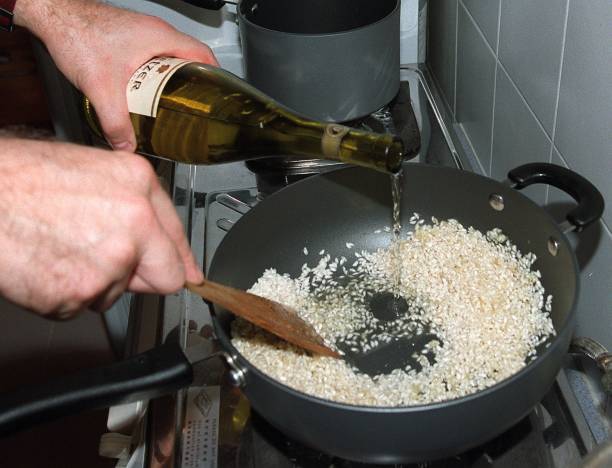
After sautéing the onions and toasting the Arborio grains, deglaze at the right time by pouring the wine directly into the hot pan.
This moment is crucial because the heat forces the alcohol to evaporate while the liquid lifts the caramelized bits stuck to the bottom, infusing the rice with depth.
Stir continuously for one to two minutes until the wine has reduced by half, which concentrates its acidity and fruit notes without leaving a raw alcohol taste. Using a pan with a wide surface helps the liquid evaporate evenly, preventing a soggy texture.
If the wine reduces too quickly, you may lose the subtle aromatics; if it lingers, the dish can become overly sharp. Aim for a glossy coating on each grain, signaling that the flavors are well‑integrated and ready for the gradual addition of broth.
Allow proper reduction
The final secret to preventing wine from dominating a risotto is to allow proper reduction before the broth arrives. Once the wine has been deglazed, continue stirring until the liquid has thinned to a syrupy consistency, usually two to three minutes on medium heat.
This step concentrates the wine’s acidity and fruit nuances, while the alcohol fully dissipates, leaving behind a subtle tang that lifts the dish without overpowering it. If you add stock too early, the wine’s flavors become diluted and the rice may absorb excess liquid, resulting in a mushy texture.
Conversely, letting the wine evaporate completely can strip away its bright character, making the risotto flat.
Aim for a balance where the pan glistens with a thin veil of reduced wine; then begin ladling warm broth, one ladle at a time, allowing the rice to absorb each addition fully before the next.
Common mistakes and how to avoid them
Choosing overly sweet wine
Select a dry or off‑dry white wine rather than a dessert‑style wine. Avoid overly sweet wines such as late‑harvest Riesling or Moscato, because their residual sugar will make the risotto cloy and mask the delicate flavors of broth and cheese.
When shopping, look for labels that say “dry,” “extra dry,” or “Brut.” A classic choice is an Italian Pinot Grigio, Verdicchio, or a crisp Sauvignon Blanc; these provide bright acidity that lifts the dish. Taste the wine before adding it to ensure it isn’t syrupy.
If you only have a sweet bottle on hand, dilute it with an equal part of water or low‑sodium broth to temper the sweetness. By choosing the right wine, you set a balanced foundation that lets the rice absorb flavor without becoming overly sugary.
This simple step ensures the final risotto stays creamy and elegant.
Adding wine too early
Pour the wine into the pan after the rice is toasted but before you start adding broth. Adding wine too early, when the onions are still soft, can cause the alcohol to evaporate too quickly and the liquid to be absorbed before the rice develops its protective starch coating.
This results in a flat flavor and a grainy texture. Once the rice grains are lightly golden and coated with butter or oil, deglaze with the wine, stirring constantly to lift any browned bits from the bottom.
Allow the wine to simmer for 1–2 minutes until it reduces by half, concentrating its acidity without overwhelming the dish. By timing the wine addition correctly, you preserve the aromatic qualities of the wine and create a harmonious base for the subsequent broth additions.
This careful sequencing also helps the rice absorb liquid evenly, leading to a perfectly creamy consistency.
Skipping the simmer
After you’ve deglazed with wine, do not skip the brief simmer before introducing the broth. The simmer allows the wine’s acidity to meld with the fat in the pan, creating a smooth, velvety base.
If you pour broth immediately, the wine’s sharp edge remains, producing a harsh taste and preventing the starches from gelatinizing properly. Bring the mixture to a gentle boil, then reduce to a low simmer for about two minutes, stirring constantly.
This step also helps release any caramelized bits stuck to the bottom, which add depth to the final flavor. Maintain a steady low heat throughout the cooking process; high heat can cause the liquid to evaporate too fast, leaving the rice under‑cooked.
By honoring the simmer, you ensure the risotto develops a rich, cohesive palate that balances wine, broth, and cheese.
Alternatives to wine for non‑alcoholic risotto
Use vegetable broth with lemon
Replace wine with a bright vegetable broth infused with lemon to keep the risotto creamy and flavorful. Start with a low‑sodium broth and bring it to a gentle simmer. As you stir the rice, ladle warm broth gradually, allowing each addition to be absorbed before the next.
Add a splash of fresh lemon juice halfway through cooking to introduce acidity that mimics the crispness of white wine. Finish the dish with a zest of lemon rind for extra aroma and a pinch of salt to balance the taste.
This method supplies the necessary liquid, seasoning, and a subtle tang without any alcohol, ensuring the risotto remains silky while delivering a fresh, garden‑like note that complements mushrooms, peas, or seafood.
You can also stir in a tablespoon of grated Parmesan at the end to enrich the mouthfeel and tie the lemon brightness to the cheese richness.
Try white grape juice with vinegar
Swap the traditional wine splash for a blend of white grape juice and a touch of vinegar to achieve the right balance of sweetness and acidity in risotto. Combine equal parts juice and white wine vinegar, then dilute with warm water to prevent overpowering sweetness.
Begin cooking the arborio rice by sautéing onions in butter, then pour in the juice‑vinegar mixture, stirring until the liquid is mostly absorbed. Continue adding warm broth spoon‑by‑spoon, letting the rice release its starch.
Midway, adjust the acidity with an extra teaspoon of vinegar if the flavor feels flat, and season with salt and pepper. Finish with a knob of butter and freshly grated Parmesan for richness.
This substitution delivers a subtle fruitiness and a bright tang that mirrors the role of white wine, making the risotto suitable for all ages while preserving its classic creamy texture.
Employ apple cider reduction
Use an apple cider reduction as a non‑alcoholic stand‑in for wine, offering a sweet‑tart depth that enhances the risotto’s flavor profile. Start by simmering equal parts apple cider and a splash of lemon juice until the liquid thickens to a syrupy consistency, about ten minutes.
This reduction supplies both the liquid needed for cooking and the acidity that wine normally provides. When the onions are translucent, stir in a tablespoon of the reduction and let it caramelize briefly, creating a fragrant base.
Continue the risotto by adding warm vegetable broth gradually, stirring constantly so the rice releases its starch. Mid‑cook, taste and adjust with a pinch of salt and, if desired, a few drops of the reduction for extra brightness.
Finish with a drizzle of the remaining reduction, a pat of butter, and a sprinkle of fresh herbs such as thyme or parsley. The result is a velvety risotto with a nuanced apple‑kissed tang that satisfies both traditionalists and those avoiding alcohol.
Frequently Asked Questions
What type of wine is best for risotto?
A dry, white wine with good acidity, such as Pinot Grigio, Sauvignon Blanc, or a dry Italian white like Verdicchio, works best because it adds flavor without overwhelming the dish.
Can I use red wine in risotto?
While you can use red wine for a different flavor profile, it’s not traditional; if you do, choose a light, fruity red like a Pinot Noir and use it sparingly to avoid a heavy taste.
Should I cook the wine before adding broth?
Yes, simmer the wine for a minute or two after adding it to the rice to evaporate the alcohol and concentrate the flavor before gradually stirring in the broth.
How much wine should I add to a risotto?
Typically, use about ½ to ¾ cup of wine for a standard 4‑serving risotto; this amount provides enough flavor without making the dish too liquidy.
Can I substitute non‑alcoholic wine or broth for wine?
If you avoid alcohol, replace the wine with an equal amount of dry white grape juice diluted with a splash of lemon juice, or simply use extra broth for a milder flavor.
Does the wine need to be high‑quality?
You don’t need an expensive bottle; a decent, dry white wine that you would enjoy drinking is sufficient, as the cooking process concentrates its flavors.
Conclusion
Choosing the right wine for risotto is simple: opt for a dry, crisp white such as Pinot Grigio, Sauvignon Blanc, or an unoaked Chardonnay. These wines add bright acidity and subtle fruit without overwhelming the dish. Remember to use the same wine you’ll sip while cooking, and keep the amount modest to let the rice shine. Experiment, enjoy, and let your perfect risotto become a staple in your kitchen.