How Long Does Wine Last With A Stopper
Wondering how long does wine last with a stopper? You’re not alone—once that bottle’s open, the clock starts ticking. But good news: using a proper stopper can significantly extend your wine’s freshness. Whether it’s red, white, or rosé, the right seal helps preserve flavor and aroma. In this guide, we’ll break down exactly how many days your wine stays drinkable with a stopper, plus tips to get the most out of every glass. Let’s pour into the details.
How Long Does Wine Last with a Stopper
Factors That Affect Wine Shelf Life After Opening
Several key factors determine how long wine lasts with a stopper after opening. The most important is oxygen exposure—once wine is uncorked, oxidation begins, altering flavor and aroma. A high-quality stopper that creates an airtight seal can significantly slow this process.
Temperature also plays a crucial role; storing opened wine in the refrigerator helps preserve freshness, especially for white, rosé, and sparkling wines. Light and humidity levels matter too—keep wine in a cool, dark place to avoid degradation.
The wine’s original structure, including acidity, tannin, and sugar content, influences longevity; higher acidity or sugar tends to extend shelf life. Finally, the type of stopper matters—vacuum seals or inert gas preservers outperform standard cork or screw caps.
By controlling these variables, you can extend the life of your opened wine by several days, preserving its intended taste and quality for a more enjoyable experience.
How Different Wines React to Exposure
Not all wines age the same once opened—varietal and style matter. Light white and rosé wines typically last 3–5 days in the fridge with a stopper, thanks to their higher acidity, which acts as a natural preservative.
Sparkling wines, however, begin losing fizz quickly and should be consumed within 1–3 days, even with a specialized sparkling wine stopper. Red wines, with their tannins and complex structure, can last 3–6 days when stored properly, though delicate varieties like Pinot Noir degrade faster than bolder types like Cabernet Sauvignon.
Fortified wines such as Port or Sherry are the most resilient, lasting several weeks to months due to their higher alcohol content. Using a proper stopper and refrigeration maximizes shelf life across all types.
Understanding your wine’s profile helps set realistic expectations for how long it will remain enjoyable after opening.
Signs Your Wine Has Gone Bad
Knowing when wine has spoiled is essential for an enjoyable experience. The first red flag is a noticeable change in smell—oxidized wine often smells like vinegar, wet cardboard, or sherry. A flat or dull aroma, especially in sparkling wine, suggests it’s lost its vibrancy.
Visually, a brownish tint in white wine or a faded, brick-red hue in reds indicates oxidation. For sparkling wines, lack of fizz after pouring is a clear sign of degradation. Taste is the ultimate test—sour, vinegary, or lifeless flavors mean the wine has passed its prime.
While drinking spoiled wine isn’t dangerous, it’s unpleasant. To avoid waste, always store wine properly with a tight seal and in the right temperature. If in doubt, pour a small taste before serving. Trust your senses—smell, sight, and taste are your best tools for determining wine freshness.
Types of Wine Stoppers and Their Effectiveness
Vacuum Stoppers: How Well They Work
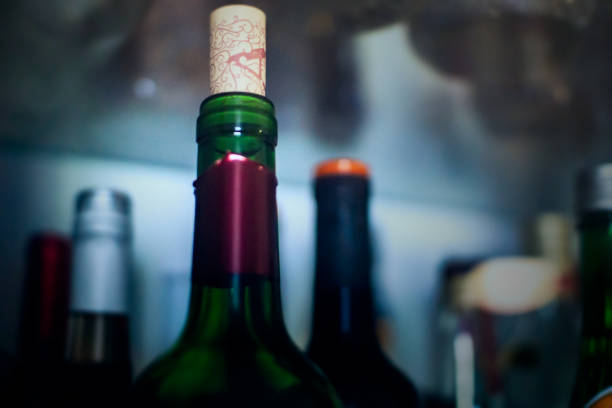
Vacuum stoppers are designed to remove air from the wine bottle, slowing oxidation and helping preserve the wine’s freshness. These systems typically include a stopper and a hand pump to extract oxygen, creating a partial vacuum inside the bottle.
When used correctly, vacuum stoppers can keep opened wine tasting good for 3 to 5 days, depending on the wine type. Lighter wines like Pinot Noir or Sauvignon Blanc benefit most, as they degrade faster when exposed to air.
However, vacuum systems are less effective for sparkling wines, as the pressure can diminish carbonation over time. Proper sealing is crucial—check that the stopper fits snugly and the pump releases a clicking sound, indicating sufficient air removal.
While not a long-term solution, vacuum stoppers are practical for short-term storage and widely available. For best results, store the wine in the refrigerator to further slow chemical reactions.
Cork and Silicone Stoppers Compared
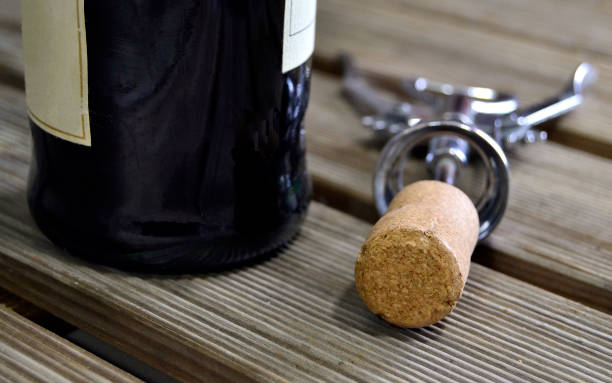
Traditional cork and modern silicone stoppers offer different benefits for preserving opened wine. Natural cork stoppers are breathable, which can accelerate oxidation, making them less ideal for long-term storage—wine may only last 1 to 2 days before flavor deteriorates. They also risk crumbling or not sealing tightly.
In contrast, silicone stoppers create an airtight seal, significantly reducing air exposure. High-quality silicone versions can keep wine fresh for 3 to 5 days when stored properly in the fridge. They’re durable, reusable, and often designed to fit various bottle sizes.
Ease of use and consistent sealing make silicone a superior choice for most wine drinkers. While cork may appeal for aesthetic or traditional reasons, it doesn’t provide the same level of protection. For reliable short-term preservation, silicone stoppers are more effective and practical. Pair them with refrigeration for optimal results.
Wine Preserver Sprays with Stoppers
Wine preserver sprays, when used with a stopper, offer a unique method to extend wine’s shelf life. These sprays inject an inert gas—usually argon or nitrogen—into the bottle before sealing. The gas forms a protective layer over the wine, displacing oxygen and preventing oxidation.
When combined with a tight-fitting stopper, this method can keep wine fresh for up to 5 to 7 days. Argon is heavier than air, so it settles perfectly on the wine’s surface, enhancing protection.
This technique works well for both red and white wines and is especially useful for partial bottles. Ease of use and effectiveness make preserver sprays a favorite among sommeliers and casual drinkers alike.
However, the spray can is an added expense and must be used correctly—spray for 3–5 seconds before sealing. For maximum freshness, store the bottle upright in the refrigerator. This method outperforms stoppers alone.
How to Store Opened Wine with a Stopper
Ideal Temperature for Storing Opened Wine
To maximize the shelf life of opened wine with a stopper, storing it at the ideal temperature is essential. Most wines benefit from being kept at a consistent, cool temperature—ideally between 50°F and 59°F (10°C to 15°C). This range slows oxidation and preserves the wine’s aromas and flavors.
Fluctuations in temperature can cause the wine to expand and contract, pushing air past the stopper and accelerating spoilage. Red wines, even when stored with a stopper, should not be kept at room temperature for long after opening; instead, a cool cellar or wine fridge is ideal.
White, rosé, and sparkling wines require even colder conditions. Using a temperature-controlled storage solution ensures that your opened bottle remains fresh for up to 3 to 5 days, depending on the type. Avoid placing wine near heat sources like ovens or direct sunlight, as warmth degrades quality quickly.
Consistent, cool temps are key to preserving taste and structure.
Should You Refrigerate Wine with a Stopper?
Yes, refrigeration is one of the best ways to extend the life of opened wine, even reds, when using a stopper. While red wine is traditionally served at room temperature, once opened, cooling it slows oxidation and microbial activity, helping preserve its quality.
Place the re-stoppered bottle upright in the fridge to minimize surface area exposure to oxygen. White, rosé, and sparkling wines especially benefit from refrigeration and can last up to 5 days with minimal flavor loss.
For reds, refrigeration can keep them fresh for 3 to 4 days—simply let the wine warm slightly before serving. Avoid leaving opened wine at room temperature, where oxidation occurs rapidly. The cold, stable environment of a refrigerator significantly extends drinkability.
When combined with an airtight stopper, refrigeration becomes a powerful preservation method. Just remember to label the bottle with the opening date to track freshness and avoid guessing.
Keeping Wine Away from Light and Vibration
Protecting opened wine with a stopper involves more than just sealing the bottle—limiting exposure to light and vibration is equally important.
Ultraviolet (UV) light, especially from sunlight or fluorescent bulbs, can degrade wine compounds and create off-flavors, a condition known as ‘light strike.’ Store your stoppered bottle in a dark cabinet, pantry, or wine fridge to prevent this.
Similarly, vibrations from appliances or foot traffic can disturb the wine’s sediment and accelerate chemical reactions, affecting taste and aging. A quiet, stable storage location helps maintain stability. Even short-term storage benefits from these conditions. For optimal results, combine dark, vibration-free storage with proper temperature and sealing.
This holistic approach ensures your opened wine stays fresh and enjoyable for up to 3–5 days, depending on varietal. Think of your refrigerator’s back corner—it’s cool, dark, and still, making it an ideal spot.
Red Wine Storage with a Stopper
How Long Red Wine Lasts After Opening
Once opened, red wine typically lasts 3 to 5 days when stored properly with a stopper. The exact timeframe depends on the wine’s tannin and acidity levels—full-bodied reds like Cabernet Sauvignon tend to last longer due to their natural preservatives, while lighter varieties like Pinot Noir may degrade faster.
Storing the bottle upright in a cool, dark place—preferably a refrigerator—slows oxidation and preserves flavor. Exposure to oxygen is the main enemy, gradually turning wine flat or vinegary. A high-quality stopper creates an airtight seal that significantly reduces air contact.
Even with a stopper, some oxygen remains in the bottle after opening, so freshness diminishes over time. To assess drinkability, smell and taste the wine after a few days; if it lacks aroma or tastes sour, it’s past its prime. Monitoring changes daily helps avoid wasting good wine.
Best Stopper Types for Red Wine
Not all stoppers are equally effective—vacuum pumps with silicone stoppers are among the best for preserving opened red wine. These systems remove air from the bottle, reducing oxidation and extending freshness up to 5 days.
High-quality, airtight glass or stainless steel stoppers with rubber gaskets also offer excellent protection by forming a tight seal without altering the wine’s taste. Avoid simple cork or plastic stoppers that don’t fully block air entry, as they offer minimal protection.
For frequent wine drinkers, investing in a wine preservation system using inert gas—like argon—can be ideal; it creates a protective layer over the wine’s surface. Ensure the stopper fits snugly in the bottle neck to prevent leaks and air seepage. Reusable stoppers are both eco-friendly and cost-effective over time.
Choosing the right stopper is crucial for maintaining aroma, flavor, and balance in stored red wine.
Tips to Extend Red Wine Freshness
To maximize the shelf life of opened red wine, refrigeration is key, even for reds—cooler temperatures slow chemical reactions that degrade wine. Always reinsert the stopper immediately after pouring to minimize air exposure. Store the bottle upright to reduce the wine’s surface area in contact with oxygen.
For longer preservation, consider transferring leftover wine to a smaller container to limit headspace. Using wine preservation tools like inert gas sprays can extend freshness up to a week by displacing oxygen. Avoid storing wine near heat sources, light, or strong odors, which can compromise quality.
Label the bottle with the opening date to track freshness. If you don’t finish a bottle within 5 days, consider repurposing it for cooking. Following these simple, consistent habits ensures your red wine stays enjoyable as long as possible after opening.
White and Rosé Wine with a Stopper
Shelf Life of Opened White Wine
When stored properly with a stopper, opened white wine typically lasts 3 to 5 days in the refrigerator. The cooler temperature slows oxidation and preserves freshness. Using a quality stopper that creates an airtight seal is essential—cork or silicone stoppers work better than plastic twist-ons.
Lighter whites like Pinot Grigio or Sauvignon Blanc may begin to lose their vibrant acidity and fruity notes after 3 days, while fuller-bodied whites such as Chardonnay can hold up slightly longer, especially if oak-aged.
To extend shelf life, minimize headspace in the bottle by transferring leftover wine to a smaller container if needed. Avoid storing opened white wine at room temperature, as heat accelerates spoilage. Smell and taste the wine before serving; if it smells vinegary or flat, it’s past its prime.
For best quality, consume within 5 days even with a stopper.
Does a Stopper Prevent Oxidation in Light Wines?
A stopper helps slow oxidation in light wines like white and rosé, but it doesn’t stop it completely. Once wine is exposed to air, chemical reactions begin degrading its flavor and aroma. A tight-sealing stopper limits additional oxygen exposure, preserving the wine longer than leaving it uncorked.
However, the amount of air already in the bottle (headspace) plays a major role—larger headspace means faster oxidation. For maximum protection, combine a vacuum stopper or inert gas preserver with a traditional stopper to displace oxygen.
Standard stoppers are effective for short-term storage (up to 5 days), especially when paired with refrigeration. Remember, no stopper can fully halt oxidation indefinitely. To maintain crispness and brightness, consume light wines quickly.
For best results, use stoppers immediately after pouring and always store bottles upright to reduce surface area exposure.
Storing Rosé Wine After Opening
Rosé wine, with its delicate balance of fruit and acidity, should be stored with a stopper and kept refrigerated after opening to maintain quality. Like white wine, an opened bottle of rosé lasts 3 to 5 days under proper conditions.
Use a well-fitting stopper to seal the bottle tightly and prevent air from entering. The cool, stable temperature of the fridge slows oxidation and microbial growth. Store the bottle upright to minimize the wine’s surface area in contact with oxygen.
Light-bodied and dry rosés are especially vulnerable to flavor loss, so avoid leaving them at room temperature even for a few hours. If the rosé develops a flat aroma, brownish hue, or sour taste, it has likely spoiled.
For optimal enjoyment, treat rosé like perishable juice—consume quickly and always reseal promptly. Pairing proper stoppers with refrigeration ensures the best possible taste throughout the week.
Sparkling Wine and Stopper Use
Can a Regular Stopper Keep Sparkling Wine Fizzy?
A regular stopper is not effective at preserving the fizz in sparkling wine. Standard wine stoppers are designed for still wines and do not create the airtight seal needed to retain carbonation.
Once sparkling wine is opened, carbon dioxide begins escaping immediately, and a basic stopper allows too much pressure loss. Within a few hours, your bubbly will go flat, even when refrigerated. For best results, avoid using regular corks or generic stoppers on sparkling bottles.
Instead, opt for specialized stoppers engineered to lock in pressure. The shape and seal integrity are crucial—sparkling wine requires a closure that fits securely into the bottle’s lip and withstands internal gas pressure. While a regular stopper might keep dust out, it won’t preserve effervescence.
If you’re serious about enjoying your prosecco or cava the next day, invest in the right tool. Preserving bubbles demands purpose-built equipment, not makeshift solutions.
Best Stoppers for Champagne and Sparkling Wines
The best stoppers for sparkling wines are those specifically designed to maintain internal pressure and prevent CO₂ loss. Look for hinged champagne stoppers made of stainless steel with a flexible silicone or rubber seal—these create an airtight closure that locks bubbles in.
Brands like Le Creuset, Metrokane, and Vintorio offer durable options with secure clamping mechanisms. The stopper should fit snugly into the bottle neck and clamp tightly across the lip to prevent gas escape. Avoid plastic stoppers without locking mechanisms, as they often fail under pressure.
For frequent sparkling wine drinkers, owning 2–3 high-quality stoppers ensures you’re always ready. These stoppers are easy to clean, reusable, and often dishwasher safe. Proper placement is key—insert the stopper straight and clamp firmly.
With the right stopper, you can enjoy your sparkling wine for days without significant fizz loss, making it a smart investment for wine lovers.
How Long Sparkling Wine Lasts with a Stopper
When using a proper sparkling wine stopper, you can expect your opened bottle to retain noticeable fizz for 2–3 days if stored correctly in the refrigerator. The key factors are the quality of the stopper and how quickly the wine is resealed after pouring.
High-end hinged stoppers significantly slow carbonation loss by maintaining internal pressure. However, even the best stoppers can’t fully prevent gradual flatness over time. After 72 hours, most sparkling wines begin to lose their vibrant bubbles and fresh taste.
To maximize shelf life, always refrigerate immediately after resealing—cold temperatures help retain CO₂. Avoid storing upright, as this increases surface exposure. Instead, keep the bottle at a slight angle if possible. While the wine remains safe to drink beyond three days, the sensory experience diminishes.
For optimal enjoyment, consume within 48 hours of opening, especially with premium champagnes where effervescence is essential to flavor.
Tips for Maximizing Wine Freshness After Opening
Re-Seal Wine Immediately After Pouring
To maximize wine freshness after opening, it’s crucial to re-seal the bottle immediately after each pour. Exposure to oxygen begins degrading the wine’s flavor and aroma the moment the cork is removed. Using a quality stopper or the original cork helps minimize oxidation and preserve the wine’s integrity.
Vacuum stoppers are especially effective as they remove air from the bottle, further slowing spoilage. For best results, store the re-sealed bottle upright in the refrigerator to reduce the surface area exposed to oxygen. Light and heat accelerate degradation, so a cool, dark environment is essential.
While red wines are often stored at room temperature, once opened, they also benefit from refrigeration. Consuming wine within 3–5 days of opening ensures optimal taste, especially for delicate varieties like Pinot Noir or aromatic whites.
Immediate re-sealing is a simple yet critical step in extending a wine’s drinkable life and maintaining its intended character.
Use Inert Gas to Protect Opened Wine
One of the most effective ways to preserve opened wine is by using inert gas wine preservers. These products, such as argon or nitrogen sprays, create a protective layer over the wine’s surface, displacing oxygen and preventing oxidation.
Since oxygen is the primary culprit behind wine spoilage, this method significantly extends freshness. Simply spray the gas into the bottle before reinserting the stopper. This technique works especially well for wines you plan to enjoy over several days.
Argon is preferred because it’s heavier than air and settles on the wine, forming a stable barrier. When combined with refrigeration, inert gas can keep wine tasting fresh for up to 5–7 days. Avoid shaking the bottle after application to maintain the protective layer.
This method is ideal for both white and red wines, particularly expensive or complex bottles you want to savor slowly. Using inert gas is a professional-grade solution accessible to home enthusiasts seeking longer-lasting wine quality.
Avoid Common Wine Storage Mistakes
Many wine lovers unknowingly shorten their opened bottle’s lifespan by making common storage mistakes. Leaving wine at room temperature for days, especially in warm or sunny areas, accelerates oxidation and spoilage. Always refrigerate opened wine, regardless of color, to slow chemical reactions.
Another mistake is using improper stoppers—flimsy decorative ones often don’t create an airtight seal. Invest in quality stoppers designed for wine preservation. Storing bottles upright without enough liquid contact can dry out corks, so ensure minimal air space.
Additionally, avoid storing wine near strong odors in the fridge, as they can permeate the seal and alter the aroma. Never leave wine in a decanter for extended periods—return it to the original bottle with a stopper.
Lastly, don’t rely solely on vacuum pumps for long-term storage, as they may not fully prevent oxidation. Avoiding these errors ensures your wine remains enjoyable for up to 5 days or more after opening.
Frequently Asked Questions
How long does wine last with a stopper?
Wine typically lasts 3 to 5 days with a stopper when stored in the refrigerator. The exact duration depends on the type of wine, with reds generally lasting slightly less time than whites under the same conditions.
Does using a wine stopper preserve wine longer?
Yes, a wine stopper helps slow oxidation by creating an airtight seal, preserving the wine’s flavor and aroma. However, it doesn’t stop oxidation completely, so refrigeration is still essential for longer freshness.
Should I refrigerate wine with a stopper?
Yes, refrigerating wine with a stopper significantly extends its shelf life by slowing down oxidation and bacterial growth. This is especially important for white, rosé, and sparkling wines, but recommended for reds as well after opening.
Can I reuse a wine stopper?
Yes, most wine stoppers are designed for multiple uses, especially if made of stainless steel or high-quality plastic. Just make sure to clean it thoroughly after each use to avoid contamination.
What type of stopper best preserves wine?
Vacuum stoppers that remove air from the bottle are among the most effective, followed by argon gas preservers. Simple rubber or silicone stoppers are better than cork but less effective than vacuum systems.
Does the type of wine affect how long it lasts with a stopper?
Yes, lighter wines like white and rosé can last 5–7 days with a stopper and refrigeration, while reds typically last 3–5 days. Fortified wines like port can last several weeks due to higher alcohol content.
Conclusion
A wine stopper can help preserve opened wine by limiting oxygen exposure, typically keeping it fresh for 3 to 5 days. Sparkling wines last shorter, around 1 to 3 days, while fortified wines can last weeks. Proper storage in a cool, dark place enhances longevity. While a stopper isn’t a permanent solution, it’s a practical tool for enjoying wine over several days. Use one to savor each glass without waste and experiment to find what works best for your favorites.