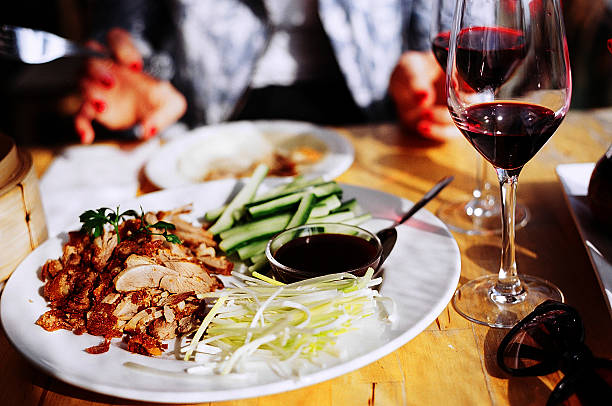
What Wine To Pair With Duck
If you’re wondering what wine to pair with duck, you’ve come to the right place. We’ll quickly guide you through the best choices, from silky Pinot Noir that highlights the bird’s richness to a bright, fruity Zinfandel that cuts through the fat. Whether your duck is roasted, confit, or glazed, we’ve got the perfect wine match ready in just a few sentences. We’ll also suggest a few easy serving tips to make your dinner unforgettable tonight.
How to Choose the Right Wine for Duck
Consider the Duck Preparation Method
Start by looking at how the duck is cooked, because the method changes the flavor and texture. Roasted or pan‑seared duck develops a crisp skin and rich, caramelized meat that pairs well with wines offering bright acidity and moderate tannins, such as a Pinot Noir or a cool‑climate Chardonnay.
Confit duck, slow‑cooked in its own fat, is softer and more buttery; a fuller‑bodied white like an oaked Viognier or a lightly aged red such as a Merlot can stand up to the silkiness.
Smoked or grilled duck introduces a smoky, charred note; look for wines with a hint of spice and firm structure, for example a Syrah or a Grenache‑based blend.
By matching the cooking style first, you create a foundation that guides the rest of your pairing decisions and ensures the wine complements rather than competes with the duck’s core flavors.
Match the Sauce Flavor Profile
Next, identify the sauce or glaze that accompanies the duck, because the sauce often dictates the dominant taste.
Fruit‑based sauces such as orange, cherry, or plum bring bright acidity and a touch of sweetness; a slightly off‑dry Riesling or a Gewürztraminer with aromatic intensity will echo those fruit notes while cutting through the richness.
Rich, savory reductions like red‑wine jus, mushroom, or bacon glaze add depth and umami; choose a wine with enough body and subtle tannins, such as a Bordeaux‑style blend or an aged Tempranillo, to mirror the depth without overwhelming the palate.
Spicy or Asian‑inspired sauces featuring star anise, ginger, or chili benefit from wines that have a hint of spice and good acidity, like a Chinese Sauvignon Blanc or a Zinfandel with moderate alcohol.
Aligning the wine’s flavor profile with the sauce ensures the pairing feels cohesive and highlights both the duck and its accompaniment.
Balance Fat Content with Wine Body
Finally, think about the duck’s fat content and choose a wine whose body balances that richness.
High‑fat cuts such as duck breast with skin are buttery and juicy; a wine with good acidity and a medium‑to‑full body—like an Italian Barbera, a New World Pinot Noir, or a crisp yet round Chenin Blanc—will cleanse the palate while matching the weight.
Lean portions like confit leg or shredded duck salad have less grease; a lighter, more mineral wine such as a Sancerre or a Grüner Veltliner can provide freshness without drowning the subtle flavors.
Tannic reds can clash with excessive fat, so if you prefer a bolder red, look for one with softer tannins and a touch of fruit, for example a California Zinfandel or an aged Rioja.
By aligning the wine’s body and acidity with the duck’s fat level, you achieve harmony and keep the dining experience lively.
What Red Wines Pair Best with Duck

Pinot Noir: Light‑to‑Medium Body
Pinot Noir’s bright acidity and subtle tannins make it a classic companion for duck, especially when the bird is roasted or served with a fruit‑based glaze. Start by selecting a Pinot from a cool climate such as Burgundy or Oregon, where the wine shows red‑berry aromas and a silky mouthfeel.
Pair a light‑to‑medium body with duck breast cooked rare to medium‑rare; the wine’s freshness will cut through the rich skin without overwhelming the delicate meat. If you’re serving a cherry or orange reduction, the wine’s natural cherry notes will echo the sauce, creating harmony.
For a simple preparation, drizzle a spoonful of the Pinot’s own fruit‑forward character over the sliced duck, and finish the plate with a sprinkle of fresh thyme to reinforce the herbaceous edge of the wine. Enjoy the balanced pairing with a relaxed dinner atmosphere.
Merlot: Soft Tannins and Fruit
Merlot’s plush fruit profile and soft tannins complement the richness of duck, particularly when the meat is braised or glazed with sweet‑savory sauces. Choose a Merlot from a warm region like California’s Napa Valley or Bordeaux’s Right Bank, where ripe plum, black‑cherry and a hint of vanilla develop.
The wine’s round mouthfeel matches the tender texture of duck leg, while its moderate acidity balances any sugary glaze such as a plum‑wine reduction.
To accentuate the pairing, add a pinch of cracked black pepper to the sauce; the pepper’s spice will echo the subtle oak spice in the Merlot, creating a seamless bridge.
Serve the wine slightly chilled—around 60°F—to keep the fruit forward and the tannins gentle, ensuring each sip refreshes the palate between bites of the luscious duck. Pair it with a side of roasted root vegetables to round out the earthy flavors.
Syrah/Shiraz: Bold Spice
Syrah, known as Shiraz in warmer climates, delivers bold peppery spice and dark fruit that stand up to the gamy intensity of duck, especially when the bird is grilled or served with a pepper‑corn sauce.
Select a bottle from the Rhône Valley or an Australian Barossa where the wine shows black‑currant, smoked meat and a firm tannic backbone. The wine’s bold spice cuts through the crispy skin, while its robust structure supports rich, herb‑laden marinades featuring rosemary or thyme.
For a harmonious match, incorporate a splash of smoked paprika into the glaze; the smoky note mirrors the wine’s subtle charred oak character.
Serve Syrah at a slightly cooler temperature, around 58‑60°F, to keep the fruit vibrant and the spice pronounced, allowing each sip to amplify the savory depth of the duck dish. delicious
What White Wines Complement Duck Dishes

Gewürztraminer: Aromatic Sweetness
Gewürztraminer’s aromatic profile makes it a top match for duck, especially when the bird is prepared with sweet‑spicy glazes or Asian‑inspired sauces. The wine’s pronounced floral notes of lychee and rose, combined with a gentle honeyed sweetness, echo the richness of the duck’s fat while cutting through its gaminess.
Look for a medium‑body style with low acidity to keep the palate smooth, and choose a bottle from Alsace or Germany’s Pfalz for balanced spice. When serving a classic duck à l’orange, the citrus‑bright edge of Gewürztraminer highlights the orange zest, creating a harmonious duet.
For roasted duck with a five‑spice rub, the wine’s subtle peppery undertones complement the seasoning without overwhelming it. Serve slightly chilled, around 55°F (13°C), to preserve its aromatic intensity and ensure a refreshing contrast to the warm, succulent meat.
Pair it with a side of braised red cabbage to echo the wine’s spice and add texture to the dining experience.
Chardonnay: Oaked Richness
Chardonnay’s buttery, oaked character pairs beautifully with duck dishes that feature creamy sauces or buttery potatoes, as the wine’s vanilla and toasted nut notes mirror the richness of the meat.
Opt for a full‑bodied, barrel‑aged style from Burgundy’s Côte de Beaune or California’s Sonoma Coast to bring out layers of caramel and subtle oak that stand up to the duck’s fat.
When serving duck confit with a sage‑infused beurre blanc, the wine’s creamy mouthfeel blends seamlessly, while its bright acidity cuts through the indulgent sauce, preventing the palate from feeling heavy.
For a pan‑seared duck breast glazed with a mushroom‑cream reduction, the Chardonnay’s balanced acidity and lingering finish enhance the earthiness of the mushrooms and the silkiness of the cream. Serve at 50‑55°F (10‑13°C) to maintain its structure and allow the nuanced flavors to shine alongside the succulent poultry.
Riesling: Off‑Dry Acidity
Riesling’s crisp acidity and subtle off‑dry sweetness make it an excellent companion for duck prepared with fruit‑based glazes or spicy Asian marinades, as the wine can balance both richness and heat.
Select a Kabinett or Spätlese from Germany’s Mosel for a light‑to‑medium body that offers bright stone‑fruit aromas and a gentle touch of residual sugar.
When pairing with duck à l’orange, the citrus notes in the wine echo the orange sauce while its acidity lifts the fatty mouthfeel, creating a lively contrast.
For duck breast with a plum‑ginger reduction, the Riesling’s honeyed undertones and minerality complement the sweet‑spicy profile, softening the ginger’s bite and enhancing the plum’s depth. Serve chilled at 45‑50°F (7‑10°C) to keep the wine’s refreshing zing prominent, ensuring each sip revitalizes the palate between bites of succulent duck.
A side of lightly pickled carrots adds a bright crunch that mirrors the wine’s acidity, completing a harmonious plate.
Tips for Pairing Wine with Specific Duck Recipes
Roasted Duck with Orange Glaze
Serve a medium‑dry Riesling or a Pinot Noir with roasted duck in an orange glaze. The wine’s bright acidity cuts through the sweet citrus while its subtle fruit echoes the orange notes.
Choose a Riesling from Alsace with a hint of minerality, or a classic Burgundy Pinot Noir that offers soft tannins and red‑berry flavors. Chill the Riesling to around 10‑12 °C to keep it refreshing, and let the Pinot Noir breathe for 20 minutes before serving.
Match the wine’s body to the duck’s richness: the slightly oily skin and caramelized glaze need a wine that can lift the palate without overwhelming it. A glass of these selections will balance the savory meat, the sweet glaze, and the aromatic spices, creating a harmonious dining experience.
Serve the wine in a crystal flute to enhance aroma and enjoy the pairing with a side of wilted greens.
Duck Confit with Herb Sauce
Pair duck confit with a full‑bodied red such as a Bordeaux blend or a mature Rioja. The wine’s firm tannins support the rich, rendered fat while its dark fruit and subtle oak complement the herbaceous sauce.
Opt for a left‑bank Bordeaux with Cabernet Sauvignon for structure, or a Tempranillo‑rich Rioja that offers a silky mouthfeel. Serve the wine slightly below room temperature, around 16 °C, to keep the alcohol from masking the delicate herbs like thyme and rosemary.
Align the wine’s acidity with the sauce’s brightness; a touch of acidity lifts the buttery confit and balances the savory herbs. Decant the Bordeaux for 30 minutes to open up its flavors, and let the Rioja breathe briefly.
This thoughtful pairing accentuates the depth of the meat and the freshness of the herb sauce, making each bite feel luxurious.
Asian‑Style Duck with Soy‑Ginger Marinade
Choose a slightly off‑dry Gewürztraminer or a sparkling rosé to accompany Asian‑style duck glazed with soy‑ginger. The wine’s gentle sweetness tames the salty umami while its aromatic profile mirrors ginger’s spice and the dish’s citrus hints.
A Alsatian Gewürztraminer offers lychee and rose notes that resonate with the glaze, whereas a crisp rosé from Provence provides bright acidity and red‑fruit freshness. Serve the Gewürztraminer chilled at 8‑10 °C and the rosé a touch cooler, around 6 °C, to keep the palate lively.
Balance the wine’s acidity with the dish’s richness; the acidity cuts through the duck’s fatty skin and highlights the sweet‑savory glaze. Pour the sparkling rosé into a flute to preserve its bubbles, and let the Gewürztraminer breathe briefly before serving.
This pairing creates a vibrant contrast that elevates the complex flavors of the soy‑ginger duck.
Best Ways to Serve Wine with Duck
Ideal Serving Temperature
Serve red wines for duck at a temperature that highlights both fruit and structure. Aim for 60‑64°F (16‑18°C) for medium‑bodied Pinot Noir or Merlot, allowing the wine’s acidity and soft tannins to complement the duck’s richness without becoming flabby.
For fuller‑bodied options like a Grenache‑based Rhône blend, a slightly warmer 62‑66°F (17‑19°C) helps release spice notes that echo the dish’s herbs. If you prefer a white pairing such as an oaked Chardonnay, chill it to 50‑52°F (10‑11°C) to preserve its buttery texture while balancing the fatty skin.
Use a wine thermometer or a quick‑cooling bucket to achieve precise temperatures, and let the bottle sit for a few minutes after removal from the fridge before serving. Proper temperature ensures the wine’s aromatics and palate‑weight align with the duck’s savory profile.
Serving at the right temperature also enhances the wine’s ability to cut through the duck’s fat, making each bite feel lighter and more refined.
Glassware Selection
Choosing the correct glassware amplifies the wine‑duck partnership.
Opt for a large‑bowl, slightly tapered red‑wine glass when serving Pinot Noir, Merlot, or Rhône blends; the generous bowl gathers aromatic compounds and directs them toward the nose, while the tapered rim guides the wine to the palate’s tip, emphasizing acidity that balances duck’s richness.
For fuller‑bodied reds like a Cabernet Sauvignon, a broader‑rimmed Bordeaux glass provides ample surface area for oxygen to soften tannins, allowing fruit‑forward notes to meld with the savory sauce.
When a white such as oaked Chardonnay is preferred, a medium‑size, U‑shaped glass preserves its buttery texture and highlights subtle oak nuances. Avoid overly narrow glasses, which can mute the wine’s complexity and reduce the perception of body.
Clean, crystal‑clear glasses also reflect light, enhancing visual appeal and setting a refined tone for the dining experience.
Decanting and Aeration
Decanting can transform a wine’s ability to pair with duck, especially for younger reds that need softening. Pour the wine into a decanter and let it rest for 30‑45 minutes; this exposure to oxygen releases secondary aromas like dried fruit, spice, and earth that echo the duck’s herb‑infused sauces.
For mature wines with delicate nuances, a shorter 10‑15 minute aeration in a glass or a vented decanter preserves subtle flavors while still opening the palate.
If you’re serving a robust Grenache or a Syrah, a wide‑bowl decanter accelerates tannin integration, creating a smoother mouthfeel that cuts through the duck’s fatty skin. Swirl the wine gently after decanting to further enhance aromatics.
Remember to taste periodically; stop decanting once the wine reaches its peak expression, ensuring the final sip perfectly balances the richness of the duck with the wine’s acidity and fruit profile.
Common Mistakes to Avoid When Pairing Wine and Duck
Choosing Overly Tannic Reds
When you reach for a wine with a big, firm tannic structure, such as a young Cabernet Sauvignon or a Nebbiolo, the result can be a clash with duck’s tender, fatty flesh. High tannins dry out the palate, making the meat feel rough and emphasizing any bitterness.
Instead, choose a red with softer tannins and a round mouthfeel—think Pinot Noir, Merlot, or a mature Bordeaux blend. These wines provide enough body to stand up to the richness without overwhelming it. Look for moderate acidity and subtle fruit that can echo the duck’s natural sweetness.
If you prefer a white, a lightly oaked Chardonnay or a Viognier can also work, but the key is to keep the tannin level low to preserve the silkiness of the dish. Serve the wine slightly chilled, around 14‑16°C, to further soften any residual grip and enhance the aromatic profile.
Ignoring the Dish’s Sweetness
Many duck preparations—especially those glazed with orange, cherry, or plum—carry a natural sweetness that can be drowned if you select a dry, austere wine. Overlooking the sweet component leads to a flat pairing where the wine cannot mirror the fruit‑laden glaze.
Opt for wines that have a hint of residual sugar or ripe fruit character, such as a Gewürztraminer, an off‑dry Riesling, or a Pinot Noir with jammy berry notes. These choices match the glaze’s sweetness while still providing acidity to cut through the fat.
If you favor a richer style, a lightly sweetened Zinfandel or a Grenache‑based blend works well, as long as the sugar level is balanced and not cloying. Remember to taste the sauce first; the wine should feel like a complementary echo, not a competing force.
Serve the wine at cellar temperature to let its fruit nuances shine.
Mismatching Wine Acidity
Acidity is the secret bridge that balances duck’s richness; choosing a wine with too little acidity leaves the palate coated, while excessive sharpness can mask the subtle flavors of the meat. Ignoring acidity levels often results in a dull dining experience.
Aim for wines that sit in the medium‑acid range—examples include a Chianti Classico, a dry Alsatian Pinot Gris, or a lightly oaked Chardonnay with bright citrus notes.
These selections provide enough lift to cleanse the palate between bites, highlighting both the duck’s skin crispness and any aromatic herbs used in the preparation.
For Asian‑inspired duck dishes with soy or ginger, a slightly higher‑acid wine such as a Sancerre or a Grüner Veltliner works beautifully, offering a clean finish without overwhelming spice. Always taste the wine first; the acidity should feel like a gentle, refreshing counterpoint.
Frequently Asked Questions About Duck Wine Pairing
Can Sparkling Wine Work with Duck?
Sparkling wine can be a surprisingly elegant partner for duck, especially when the bird is prepared with a crisp, salty glaze or a fruit‑based reduction. The high acidity and fine bubbles cut through the rich, fatty flesh, cleansing the palate between bites and highlighting subtle game notes.
Look for a Brut or Extra‑Dry style with a touch of orchard fruit; classic Champagne, a quality Crémant, or a dry Prosecco work well.
If the duck is served with a sweet element such as orange or cherry sauce, consider a slightly off‑dry sparkling wine to echo the fruit without overwhelming the dish. Serve the wine chilled, around 45‑50°F, to maintain freshness.
Key tip: match the intensity of the sauce—lighter bubbles for simple preparations, richer mousse for more decadent preparations—to keep the pairing balanced and enjoyable.
Is Rose a Good Option?
Rosé is often overlooked for duck, yet its bright acidity and gentle tannins make it a versatile match for both classic and modern preparations. A dry, Mediterranean‑style rosé—think Provençal blends of Grenache, Cinsault, and Mourvèdre—offers red‑fruit aromas that echo the sweet‑savory flavors of a cherry‑glazed or herb‑crusted duck.
The wine’s subtle minerality lifts the richness of the meat while its crisp finish prevents the palate from feeling weighed down. For duck served with Asian‑inspired sauces, a slightly spicier rosé with a hint of pepper can complement ginger, soy, or five‑spice notes.
Serve rosé slightly chilled, around 50‑55°F, to preserve its fruit character. Pro tip: choose a rosé with a deeper color and more structure for richer duck dishes, and a lighter, pale rosé for simple roasted or grilled preparations to maintain harmony today.
How to Pair Wine with Duck Breast vs. Leg?
Pairing wine with duck breast versus duck leg requires attention to texture, fat content, and cooking method, because each cut delivers a distinct mouthfeel.
Duck breast is leaner, especially when served medium‑rare, and benefits from wines that provide bright acidity and moderate tannins to cut through the subtle richness; a Pinot Noir with red‑berry notes or a light Merlot works beautifully.
In contrast, the leg contains more connective tissue and renders more fat when slow‑braised, calling for fuller‑bodied reds with firm structure—think Syrah, Cabernet Sauvignon, or a mature Rioja—to stand up to the deep, gelatinous flavor.
If the leg is glazed with a sweet sauce, a wine with a hint of residual sugar, such as a late‑harvest Zinfandel, can echo the glaze without clashing. Serve each wine at its ideal temperature: lighter reds slightly cooler (55‑60°F) and robust reds a touch warmer (60‑65°F).
Bottom line: match the wine’s body to the cut’s richness for a harmonious dining experience.
Frequently Asked Questions
What type of red wine pairs best with duck?
A medium‑to‑full‑bodied red like Pinot Noir or Merlot works well, as its bright acidity and soft tannins complement the rich, fatty meat without overwhelming it.
Can I pair duck with a white wine?
Yes—an oaked Chardonnay or a rich Viognier can match the duck’s richness, especially if the dish includes a buttery or creamy sauce.
How does the cooking method affect wine choice for duck?
Roasted or pan‑seared duck pairs nicely with fruit‑forward reds, while duck confit or braised dishes benefit from fuller reds or aromatic whites that can stand up to the deep, savory flavors.
What wine pairs with duck served with a fruit sauce?
A wine with a hint of sweetness, such as a Riesling off‑dry or a Gewürztraminer, balances the tartness of cherry, orange, or plum sauces commonly served with duck.
Is a rosé a good match for duck?
A dry rosé with good acidity and subtle fruit notes can be a versatile partner, especially for duck salads or lighter preparations like duck breast with a vinaigrette.
Should I consider the wine’s acidity when pairing with duck?
Absolutely—higher acidity helps cut through the duck’s fat, making wines like Pinot Noir, Barbera, or a crisp white such as Sauvignon Blanc excellent choices.
Conclusion
Choosing the right wine for duck hinges on balancing its rich, gamey flavor with acidity, fruit, and subtle spice. Pinot Noir offers bright fruit and soft tannins, while a chilled Beaujolais adds juicy freshness. For fuller-bodied options, consider a Grenache‑based Rhône or an elegant Merlot. Remember to match the sauce—fruit‑based or savory—to fine‑tune the pairing, and enjoy experimenting with these classic choices.
