What Wine Pairs With Ribs
If you’re wondering what wine pairs with ribs, you’ve come to the right place. I’ll walk you through the best choices, from bold reds that stand up to smoky barbecue to fruit‑forward options that balance sweet sauces. Expect quick, practical tips that match the flavor profile of your ribs, whether they’re dry‑rubbed, glazed, or slathered in sauce. By the end, you’ll know exactly which bottle to uncork for a perfect pairing. Grab a glass, fire up the grill, and enjoy!
How to Choose the Right Wine for Ribs
Identify the rib style
Start by pinpointing the exact rib cut you’re serving, because each style brings a distinct texture and fat level that shapes the wine match. Baby back ribs are leaner and tender, often benefiting from a wine with bright acidity and moderate tannins. Spare ribs and **St.
Louis‑style ribs carry more meat and connective tissue, so richer, fuller‑bodied reds can stand up to their heft. Beef short ribs** are dramatically fattier and benefit from wines with higher tannin and oak influence to cut through the grease.
Knowing whether the ribs are pork or beef, and whether they are bone‑in or boneless, lets you narrow the wine spectrum from light‑bodied rosés to robust Cabernets. Key tip: Write down the cut on your recipe card; it becomes the first filter before you even think about sauce or seasoning.
Consider the sauce flavor
Next, examine the sauce that will coat the ribs, because the dominant flavor dictates the wine’s secondary role. Sweet‑and‑tangy BBQ with molasses or brown sugar calls for wines that can balance sugar without being overwhelmed, such as a Zinfandel with jammy fruit or a Grenache offering soft spice.
Smoky, char‑grilled ribs pair well with wines that have a hint of earth, like a Syrah or Malbec, whose peppery notes echo the grill. Vinegar‑based or mustard‑heavy sauces need higher acidity to match, making a Sangiovese or a crisp Riesling ideal.
If the ribs are served with a spicy rub, look for a wine with a touch of residual sugar to tame heat, for example an off‑dry Gewürztraminer. Key tip: Match the sauce’s dominant taste—sweet, smoky, acidic, or spicy—to the wine’s flavor profile for harmony.
Match wine body to meat richness
Finally, align the wine’s body with the overall richness of the meat, ensuring the drink can either complement or cut through the fat. Light‑to‑medium‑bodied reds like Pinot Noir or Barbera work for lean baby back ribs, offering enough acidity to brighten the palate without masking the pork’s subtle flavor.
For medium‑rich spare ribs, a Merlot or Tempranillo provides a bit more weight and soft tannins that hug the meat.
Full‑bodied options such as Cabernet Sauvignon, Syrah, or a structured Rioja are best with beef short ribs or heavily marbled pork, as their firm tannic backbone and oak‑driven spice slice through the grease.
Remember to serve the wine slightly cooler than room temperature to keep alcohol from overwhelming the rib’s texture. Key tip: Taste a sip before serving; if the wine feels “thin” against the rib, move up a level of body.
What Red Wines Pair Best with BBQ Ribs
Zinfandel – sweet spice match
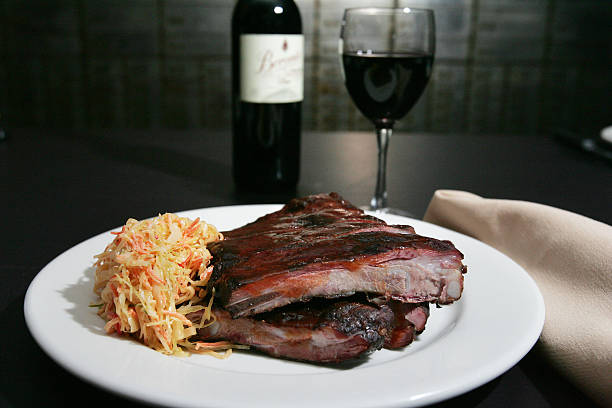
Zinfandel is a classic companion for BBQ ribs because its natural fruit sweetness and peppery spice echo the caramelized glaze on the meat. Look for a medium‑to‑full‑bodied Zinfandel with ripe blackberry, plum, and a hint of cinnamon or clove.
The wine’s moderate acidity cuts through the fattiness of pork, while the subtle jammy notes amplify the barbecue sauce’s brown‑sugar undertones. When the ribs are brushed with a sweet‑and‑spicy rub, the wine’s own spice profile mirrors the heat, creating a harmonious balance rather than competition.
Serve the Zinfandel slightly chilled, around 58‑60°F, to keep the fruit forward and the alcohol from overwhelming the delicate smoke. This pairing works especially well with Kansas City‑style ribs that feature a thick, molasses‑based sauce, allowing the wine to highlight both sweet and savory dimensions.
Try pairing it with a side of grilled corn and a light coleslaw to keep the palate refreshed between bites.
Syrah/Shiraz – smoky depth
Syrah, known as Shiraz in warmer regions, delivers the smoky depth that complements the charred crust of BBQ ribs. Its dark fruit core—blackberry, blueberry, and plum—melds with notes of black pepper, smoked meat, and a touch of leather, echoing the grill’s influence.
The wine’s firm tannins provide structure, cutting through the rib’s richness while the subtle hint of licorice or smoked paprika enhances the spice rub.
Choose a Syrah with moderate alcohol (13.5‑14%) to avoid overpowering the sauce, and look for a hint of oak aging that adds vanilla and toasted cedar nuances. Serve at 60‑64°F so the aromatics stay vibrant.
This match shines with Texas‑style ribs that feature a dry rub of cumin, paprika, and brown sugar, allowing the wine’s earthy intensity to mirror the smoky, savory layers of the meat perfectly.
Cabernet Sauvignon – bold tannins
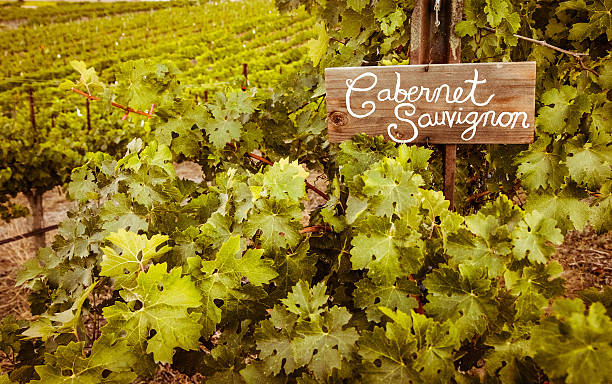
CABERNET SAUVIGNON brings bold tannins and concentrated dark fruit that stand up to the hearty flavor of BBQ ribs, especially when the sauce is tomato‑based and robust. The wine’s blackcurrant, cassis, and cedar profile cuts through the pork’s fat, while its firm structure cleanses the palate for each bite.
Look for a Cabernet with balanced acidity (around 3.6‑3.8 pH) and moderate oak influence, which adds a whisper of vanilla and spice that mirrors the rib’s barbecue rub. A slightly cooler serving temperature of 58‑60°F keeps the fruit bright and prevents the tannins from feeling too aggressive.
Pair this wine with St‑Louis‑style ribs that are glazed in a tangy ketchup‑brown‑sugar mixture; the wine’s acidity balances the sweetness, and the tannic grip highlights the smoky char on the meat. Serve with a side of roasted sweet potatoes to echo the wine’s earthy undertones.
What White Wines Work with Ribs

Chardonnay – buttery balance
Chardonnay’s creamy texture and subtle oak can tame the richness of pork ribs while echoing the smoky char. Look for a medium‑bodied style with buttery mouthfeel, a hint of vanilla, and balanced acidity.
The wine’s subtle fruit—often apple, pear, or tropical notes—mirrors the caramelized glaze on the meat, creating a harmonious mouthfeel. When ribs are prepared with a buttery or herb‑infused sauce, the Chardonnay’s oaked nuances amplify those flavors without overwhelming the palate.
Choose a bottle from cooler climates such as Burgundy or Sonoma Coast for bright acidity, or a warmer region like California for fuller body. Serve slightly chilled, around 50‑55°F, to keep the wine refreshing against the fat.
This pairing works especially well with dry‑rubbed ribs, allowing the wine’s richness to complement the meat’s savory depth. Pair it with a side of grilled corn or a light slaw to complete the summer barbecue experience.
Riesling – acidity for sweet sauces
Riesling’s bright acidity and touch of sweetness make it a natural ally for ribs glazed in honey, brown sugar, or fruit‑based sauces. The wine’s crisp citrus notes cut through the fattiness of the meat, while its low‑to‑moderate alcohol lets the sauce’s flavors shine.
Look for an off‑dry style from Germany’s Mosel or Alsace, where minerality adds depth and the residual sugar balances the heat of spicy rubs. The aromatic profile—often peach, apricot, and a whisper of jasmine—mirrors the caramel notes in a BBQ glaze, creating a seamless flavor bridge.
Serve Riesling chilled at 45‑50°F to preserve its lively zing. This pairing excels with ribs that feature a sweet‑and‑tangy barbecue sauce, as the wine’s balanced sweetness tempers any bitterness and highlights the smoky undertones. Enjoy the duo with a side of coleslaw, which adds crunch and further balances the palate.
Gewürztraminer – aromatic contrast
Gewürztraminer’s aromatic intensity and slight spice make it a daring match for ribs seasoned with Asian‑inspired or herb‑forward rubs. The wine bursts with lychee, rose petal, and ginger aromas that echo the complex layers of a miso‑glazed or herb‑infused barbecue.
Its low acidity and medium body allow the meat’s smoky richness to sit comfortably alongside the wine’s fragrant profile. Choose a German or Alsatian Gewürztraminer that is off‑dry, offering a hint of residual sugar to soften any heat from chili or peppercorns in the seasoning.
Serve at 50‑55°F to keep the perfume vivid without muting the palate. This pairing shines when ribs are finished with a ginger‑soy glaze, as the wine’s spicy floral notes amplify the dish’s umami and create a memorable contrast that keeps each bite exciting.
Pair it with a light cucumber salad to refresh the palate between bites.
Tips for Pairing Wine with Different Rib Sauces
Dry rub vs. sauce
When ribs are seasoned with a dry rub, the meat’s peppery, herb‑laden crust calls for wines that can match intensity without drowning the flavor. Choose a medium‑body red such as Zinfandel or Grenache, whose ripe fruit and subtle spice echo the rub’s cumin and paprika.
If you prefer a cooler palate, a dry rosé offers bright acidity that cuts through the fat while highlighting the rub’s herbal notes. Avoid overly tannic wines like Cabernet Sauvignon, which can clash with the salt and make the rib feel heavy.
Instead, look for wines with moderate tannins and a touch of residual sugar to balance the savory crust, ensuring each bite feels refreshed and the wine’s fruit shines alongside the meat.
Serve the wine slightly chilled, around 60°F, to enhance its fruit vibrancy and keep the palate lively throughout the meal.
Spicy vs. sweet glaze
Ribs glazed with a spicy barbecue sauce bring heat, smoky undertones, and a caramelized finish that demand a wine with enough fruit and a hint of sweetness to tame the fire.
Opt for an off‑dry Riesling or a Gewürztraminer, whose natural acidity balances the heat while their honeyed notes mirror the glaze’s sugar. For red lovers, a fruit‑forward Malbec with low tannins offers blackberry richness that stands up to the pepper and chipotle without overwhelming the palate.
If the glaze leans toward a sweeter molasses base, a semi‑sweet Lambrusco adds gentle fizz and bright red fruit, cutting through the richness and refreshing the mouth between bites.
Steer clear of high‑alcohol, heavily oaked wines that can amplify the spiciness; instead, select wines that provide a cool, crisp counterpoint, letting the glaze’s complexity shine while keeping the overall experience harmonious.
Smoky charcoal flavor
The deep, smoky charcoal flavor of slow‑cooked ribs creates a robust backdrop that pairs beautifully with wines offering earthy depth and a touch of fruit to lift the intensity.
A classic Syrah with peppery notes, medium tannins, and dark‑berry fruit mirrors the grill’s char while adding a subtle spice that complements the meat.
If you favor a lighter profile, try a Nebbiolo; its high acidity and floral tannins cut through the smoke, while cherry and rose nuances provide a refreshing contrast.
For those who enjoy a touch of oak, a Barolo or Bordeaux blend brings structured tannins and cedar‑spice aromas that echo the charcoal’s bitterness. Avoid overly sweet wines such as Moscato, which can clash with the savory smokiness.
Serve the wine at a cool room temperature, around 58‑62°F, to preserve its aromatic complexity and ensure each sip balances the rib’s smoky richness.
Best Ways to Serve Wine with Ribs
Ideal serving temperature
To enjoy ribs with wine, aim for a serving temperature that highlights the wine’s fruit and softens its tannins. Serve red wines slightly below room temperature, around 60–65°F (15–18°C); this cools the palate without muting the smoky, sweet flavors of the ribs.
If you prefer a richer, fuller‑bodied wine like a Zinfandel, let it sit a few minutes after removal from the fridge to reach the ideal range. For lighter options such as a Grenache or a chilled rosé, target 55–58°F (13–14°C).
Use a wine thermometer or the back of your hand to gauge warmth—your wrist should feel cool but not icy.
Adjust the temperature based on the sauce: sweeter barbecue sauces benefit from a slightly cooler pour, while spicier rubs can handle a marginally warmer glass, allowing the wine’s spice notes to complement the heat.
Glassware selection
Choosing the right glass enhances the rib‑wine experience by directing aromas and controlling flow. Opt for a large‑bowl, slightly tapered red‑wine glass; its spacious cavity allows the smoky, caramelized notes of the ribs to mingle with the wine’s fruit and oak.
The rim’s gentle flare guides the liquid to the middle of the tongue, balancing acidity with the meat’s richness. For lighter reds or rosés, a standard Bordeaux‑style glass works well, offering enough surface area for subtle aromatics without overwhelming the palate.
Avoid narrow, flute‑shaped glasses, as they trap heat and mute the complex flavors needed to cut through barbecue sauce. When serving multiple wines, keep each type in its dedicated glass to prevent cross‑contamination of scents.
Finally, ensure the glass is clean and free of residue; even a faint detergent film can dull the perception of spice and sweetness that pairs so well with ribs.
Decanting tips
Decanting can soften tannins and open up fruit flavors, making the wine a better companion for hearty ribs.
Pour the wine into a clean, wide‑mouth decanter and let it rest for 20–30 minutes before serving; this brief exposure to oxygen brightens the palate and reduces any sharpness that might clash with sweet barbecue glaze.
For younger, robust reds like a Syrah or a Malbec, a longer decant of up to an hour can mellow aggressive edges while highlighting smoky spice notes that echo the grill. Swirl the wine gently in the decanter to increase surface contact, but avoid vigorous shaking that could introduce bitterness.
If you lack a decanter, a large pitcher or even a clean glass bottle works; simply pour the wine slowly and let it sit uncovered. Remember to taste periodically—once the wine reaches its peak expression, serve it promptly to enjoy the perfect balance with the ribs.
Common Pairing Mistakes to Avoid
Overpowering tannins
Ribs are rich, smoky, and often coated in a sweet‑spicy glaze, so a wine with high tannins can dominate the palate. Avoid high‑tannin reds like young Cabernet Sauvignon that leave a dry, astringent finish.
Instead, choose a wine with softer tannic structure such as a Grenache‑based blend or a mature Merlot. These options provide enough fruit to complement the meat while keeping the texture smooth. If you must use a tannic wine, serve it slightly cooler (around 60°F) to soften the perception of bitterness.
Pairing a wine with balanced tannins ensures the sauce’s sweetness and the pork’s fattiness are highlighted rather than masked by harsh mouthfeel. Consider the cooking method: grilled ribs develop char that can handle a bit more structure, but braised ribs benefit from even softer profiles.
Match the wine’s acidity to the sauce’s tang to keep the palate refreshed. Finally, avoid over‑extracting tannins by decanting only briefly, just enough to open the wine without releasing excessive bitterness.
Too much oak
When ribs are paired with a heavily oak‑aged wine, the wood flavors can overwhelm the delicate balance of sweet, smoky, and savory notes in the dish. Steer clear of new American oak Cabernet or overly barrel‑finished Syrah that pour out vanilla, cedar, and toast.
These characteristics compete with the rib glaze, making the wine taste one‑dimensional. Opt for a wine with subtle oak integration, such as an older Rioja or a lightly oaked Zinfandel, where the fruit remains front and center.
If you prefer an oakier style, limit the serving size to a small glass and let the wine breathe briefly, allowing the fruit to surface.
Pairing a wine with restrained oak ensures the smokiness of the ribs is complemented, not masked, and the sauce’s acidity can cut through any residual woodiness, creating a harmonious finish.
Mismatched sweetness
Ribs often feature a glaze that balances barbecue sauce’s sugar, honey, or fruit preserves, so pairing them with a wine that is too dry can leave the palate feeling thin and accentuate the meat’s fattiness. Avoid ultra‑dry Pinot Grigio or high‑acid Sauvignon Blanc that lack any residual sugar.
Instead, select a wine with a touch of sweetness that mirrors the rib sauce, such as an off‑dry Riesling, a slightly sweet Malbec, or a Zinfandel with natural fruit ripeness. These wines provide balanced acidity and gentle sweetness that cut through the fat while echoing the glaze’s caramel notes.
If you enjoy a completely dry wine, add a splash of fruit juice or a small amount of simple syrup to the glass to create a better match.
The key is to ensure the wine’s sweetness level aligns with the rib’s glaze, preventing a clash that can make the dish taste overly acidic or the wine taste overly cloying.
How to Test Your Pairing at Home
Taste test method
Begin by selecting a small portion of your favorite rib style—whether smoky barbecue, sweet‑and‑spicy, or herb‑marinated. Prepare a tasting station with a glass of the wine you suspect, a water palate cleanser, and a notepad.
Take a bite of the rib, let the flavors settle, then sip the wine, noting how the acidity, tannins, and fruit profile interact with the meat’s richness and sauce. Observe the balance: a good match will soften the fat, highlight the sauce’s sweetness, or complement the spice without overwhelming.
Repeat the cycle with at least three different wines, keeping the rib portion constant. Record immediate impressions, focusing on mouthfeel, lingering finish, and overall harmony. This systematic approach lets you compare varietals side‑by‑side and identify the style that best elevates your ribs.
Finally, taste the rib and wine together one last time to confirm the synergy before deciding on your perfect pairing.
Adjusting wine selection
After the initial test, refine your choices by considering the rib’s dominant flavors and the wine’s structural elements.
Match acidity with sweetness: a tangy barbecue sauce pairs well with a fruit‑forward Zinfandel or a slightly off‑dry Riesling, while a rich, smoky rub benefits from a full‑bodied Cabernet Sauvignon with firm tannins.
If the ribs are heavily spiced, look for a wine with a hint of spice itself, such as a Syrah or Grenache, to create a complementary echo. Adjust temperature—serve reds slightly cooler (60‑65°F) to soften alcohol heat, or chill whites to enhance crispness.
Experiment with oak influence: oaked Chardonnay can mirror charred flavors, whereas unoaked varieties keep the palate bright. Document each tweak, noting how the new wine either amplifies the rib’s character or introduces a pleasing contrast, guiding you toward a balanced, enjoyable pairing.
Recording your notes
Create a simple spreadsheet or notebook layout to capture every tasting variable, ensuring future reference and reproducibility. Columns to include: wine name, vintage, temperature, serving glass, rib preparation (sauce type, spice level), first impression, mid‑palate interaction, finish, and overall rating out of ten.
Use bold highlights for standout observations, such as “bright acidity cuts fat” or “tannins clash with sweet glaze.” After each session, add a brief summary that links the wine’s profile to the rib’s characteristics, noting any adjustments you’d like to test next time.
Periodically review the compiled data to spot patterns—perhaps a particular fruit note consistently enhances a smoky rub, or a certain tannin level always feels harsh. This organized record‑keeping transforms casual tasting into a data‑driven approach, helping you confidently select the ideal wine for any rib style you prepare at home.
Frequently Asked Questions
What type of wine best complements pork ribs?
Full-bodied red wines with moderate tannins, like Zinfandel or Syrah, match the rich, smoky flavor of ribs.
Can I pair ribs with a white wine?
Yes, richer whites such as oaked Chardonnay or Viognier can work, especially if the ribs are prepared with a sweeter glaze.
How does the sauce style affect wine choice for ribs?
Spicy or BBQ sauces pair well with fruit-forward reds like Malbec or Grenache, while sweeter sauces can be complemented by slightly off‑dry Rieslings.
Is a rosé a good match for ribs?
A dry rosé with good acidity can cut through the fattiness of ribs and provide a refreshing contrast, particularly for grilled ribs.
What temperature should I serve wine with ribs?
Serve reds slightly below room temperature (around 60‑65°F) to keep the fruit fresh, and whites or rosés chilled to about 50‑55°F.
Do I need to consider the rib cut when choosing wine?
Thicker, meatier cuts like beef short ribs pair better with robust reds, while leaner pork ribs work well with medium‑bodied reds or richer whites.
Conclusion
In short, ribs shine with bold, fruit‑forward reds like Zinfandel, Syrah, or a peppery Grenache, while a chilled rosé or a buttery Chardonnay can balance smoky sweetness. Remember to match the sauce intensity—spicy BBQ calls for higher‑alcohol, tannic wines, whereas a sweet glaze pairs nicely with softer, off‑dry whites. Experiment, trust your palate, and enjoy the perfect sip‑and‑bite harmony at your next gathering.