What Wine Pairs With Lamb Chops
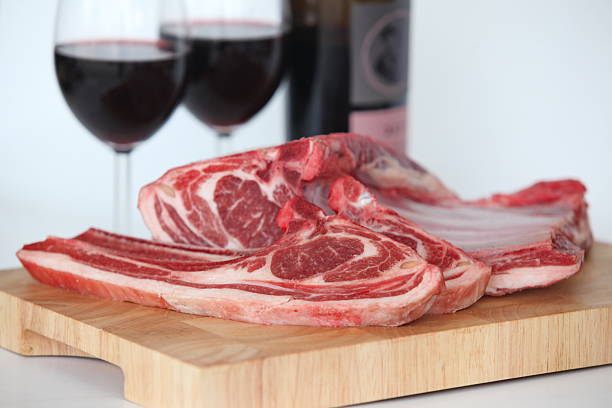
If you’re wondering what wine pairs with lamb chops, you’ve come to the right place. In the next few lines we’ll cut through the confusion and match your juicy, herb‑crusted chops with the perfect bottle. Expect a quick rundown of reds that complement the meat’s richness, a few white options for a lighter twist, and tips on serving temperature. By the end, you’ll be ready to pour, sip, and enjoy a flawless dinner pairing with friends or a special someone.
Best wines for lamb chops
Red wines that complement lamb
When it comes to lamb chops, full‑bodied reds are the classic match. Cabernet Sauvignon offers firm tannins and dark fruit that stand up to the meat’s richness, while its subtle oak notes echo the char from grilling.
Syrah/Shiraz brings peppery spice and a plush mouthfeel that mirrors the herb rubs often used on lamb, especially rosemary and thyme. For a slightly softer profile, Merlot delivers plum‑laden fruit and velvety tannins that soften the chop’s gaminess without overwhelming it.
If you prefer a wine with a touch of earth, Pinot Noir from a cooler climate provides bright acidity and mushroom‑like nuances that cut through fat and enhance the dish’s savory depth.
Serve these reds slightly below room temperature, around 60‑65°F, to keep the fruit vibrant and the tannins supple, ensuring each bite of lamb is perfectly balanced.
White wines that work surprisingly well
White wines are often overlooked with lamb, but several styles can brighten the dish and soften its intensity. Gewürztraminer brings aromatic rose and lychee notes that complement the herbaceous rubs typical of lamb chops, while its natural acidity cuts through the fat.
Chardonnay, especially those with moderate oak, offers buttery richness and a creamy mouthfeel that mirrors a pan‑seared lamb finished with a beurre blanc sauce.
For a crisp, mineral edge, Sauvignon Blanc from a cooler region delivers citrus zest and grassy undertones that lift the meat’s earthiness and make each bite feel fresher.
If you enjoy a touch of sweetness, Riesling (off‑dry) balances the lamb’s gaminess with honeyed apricot flavors and enough acidity to keep the palate clean. Serve these whites chilled at 45‑50°F to preserve their aromatic intensity and to provide a refreshing counterpoint to the hearty chop.
Rosé options for a lighter touch
Rosé can be the perfect middle ground, offering red‑wine fruit with white‑wine freshness, making it an elegant partner for lamb chops. Provence rosé delivers delicate strawberry and citrus aromas, plus a crisp acidity that slices through the meat’s fat while echoing any lemon‑herb glaze.
Spanish rosado, especially from Rioja, adds a richer berry profile and subtle spice, which complements a rosemary‑garlic rub without overpowering the lamb’s natural flavor.
For a bolder choice, Australian Shiraz rosé provides a burst of dark cherry and pepper, giving the dish a lively lift that works well with grilled or pan‑seared chops.
When serving, keep the rosé chilled at 50‑55°F; this temperature preserves its bright fruit character and ensures the wine’s subtle tannins enhance, rather than dominate, the savory bite. Pairing rosé with lamb lets you enjoy a lighter palate experience while still honoring the dish’s depth.
How to match wine with lamb flavor profiles

Spicy rubs and bold reds
When lamb chops are seasoned with a fiery spice rub, look for wines that can stand up to the heat without being overwhelmed. Full‑bodied, high‑tannin reds such as Syrah, Shiraz, or a robust Zinfandel provide the structure needed to match pepper, cumin, and smoked paprika.
The wine’s dark fruit flavors and peppery notes echo the rub, while a touch of oak softens any bitterness. If you prefer a cooler climate option, a Cabernet Sauvignon with firm tannins and a hint of blackberry will also complement the spice.
Serve the wine slightly chilled (about 60°F) to keep the alcohol lively and the palate refreshed. The key is to choose a wine with enough body and spice‑aligned aromatics so the lamb’s heat feels balanced rather than clashing.
Pairing this way creates a harmonious dialogue where the wine’s richness amplifies the lamb’s boldness, making each bite more satisfying.
Herb‑crusted lamb and earthy wines
Herb‑crusted lamb chops, featuring rosemary, thyme, garlic, and lemon zest, call for wines that echo the earthiness of the greens while offering a subtle acidity to cut through the fat.
Medium‑bodied, earthy reds like Pinot Noir, Chianti Classico, or a Grenache‑based blend provide bright red fruit and soft tannins that complement the herbal aromatics. The natural minerality in a Sangiovese‑dominant Chianti mirrors the lemon zest, while the mushroom‑like notes of a cool‑climate Pinot add depth without overpowering the delicate meat.
For a white alternative, a lightly oaked Chardonnay with a crisp finish can match the herbaceous profile, especially when the lamb is finished with a drizzle of olive oil. Serve the wine at 58‑62°F to preserve its nuanced flavors.
The goal is to let the wine’s earth‑forward character enhance the herb crust, creating a balanced palate where the meat’s richness and the wine’s freshness play off each other.
Sweet glaze and fruit‑forward wines
Sweet‑glazed lamb chops, finished with honey, apricot jam, or a pomegranate reduction, thrive alongside wines that bring fruit intensity and a hint of acidity to balance the syrupy coating.
Fruit‑forward reds such as a ripe Grenache, a warm Zinfandel, or a New World Malbec deliver ripe berry and plum flavors that mirror the glaze’s sweetness while their moderate tannins keep the palate from feeling cloying.
If you prefer a rosé, a dry Provence style with strawberry and citrus notes can echo the fruit glaze without adding extra sugar. For white lovers, an off‑dry Riesling or a Gewürztraminer with natural acidity and aromatic spice will cut through the richness and highlight the glaze’s bright fruit tones.
Serve these wines slightly cooler, around 55‑60°F, to keep the fruit freshness vibrant. The pairing works because the wine’s own fruit profile reinforces the glaze, creating a harmonious sweet‑savory experience that feels elegant rather than heavy.
Tips for tasting lamb and wine together

Temperature guidelines for each wine
When pairing lamb chops, aim for a wine that complements the meat’s rich, slightly gamey flavor. Red wines such as a medium‑bodied Syrah, Grenache‑based blend, or a classic Bordeaux work best. Serve these reds slightly cooler than room temperature, around 60‑65°F (15‑18°C), to highlight fruit acidity while keeping tannins smooth.
If you prefer a lighter option, a chilled Pinot Noir at 55°F (13°C) can provide bright red fruit notes without overwhelming the lamb. For white wine lovers, a full‑bodied, oak‑aged Chardonnay at 50‑55°F (10‑13°C) offers buttery texture that matches the chop’s succulence.
Key point: Adjust the temperature based on the wine’s body—cooler for lighter styles, slightly warmer for fuller reds—to ensure the wine’s structure enhances, rather than masks, the lamb’s flavor.
Taste the wine a few minutes after it reaches the target temperature to let its aromas settle, then sip alongside each bite for a harmonious balance.
Serving order for optimal pairing
Start your lamb tasting with a small sip of wine before the first bite to prime the palate. Step 1: Pour a modest amount, swirl, and inhale the aromas; this prepares your senses for the meat’s herbal and smoky notes.
Take a bite of the lamb chop, then immediately follow with another sip, allowing the wine’s acidity to cut through the fat and highlight the rosemary or mint seasoning. Progress to a second, slightly larger pour as the meal advances, matching the increasing intensity of the lamb’s caramelized crust.
If you serve a side of root vegetables, transition to a wine with a touch more earthiness, such as a Cabernet‑Franc, to echo the dish’s flavors. Key point: Keep the wine‑to‑food rhythm consistent—sip, bite, sip—so the wine continuously refreshes the palate and the lamb’s richness is never dulled.
Common mistakes to avoid
A frequent error is serving the wine too warm, which can make tannins taste harsh and mask the lamb’s subtle herbs. Avoid letting a full‑bodied red sit at room temperature for hours; instead, chill it briefly in an ice bucket to reach the ideal 60‑65°F.
Another mistake is pairing an overly oaky wine that overwhelms the meat’s natural flavor; choose a wine with balanced oak, or decant it for 30 minutes to soften aggressive notes.
Do not match a highly acidic white, such as a Sauvignon Blanc, with lamb chops, as the acidity can clash with the meat’s richness. Finally, neglecting to cleanse the palate between bites—by drinking water or eating a small piece of bread—can cause flavors to blend undesirably.
Key point: Keep the wine’s temperature, oak level, and acidity in harmony with the lamb, and reset your palate regularly for a clean tasting experience.
What to consider when choosing a wine for lamb chops
Cut thickness and cooking method
When selecting a wine for lamb chops, start by matching the cut’s thickness and how you cook it.
Thick, bone‑in chops that are seared then finished in the oven develop a richer, meat‑forward flavor; they shine with full‑bodied reds such as a Cabernet Sauvignon or a Syrah that can stand up to the robust texture.
Thin, boneless chops cooked quickly over high heat stay tender and slightly sweet, making them perfect partners for lighter reds like a Pinot Noir or a Grenache‑based blend that won’t overwhelm the delicate bite.
If you prefer a herb‑crusted chop, choose a wine with moderate tannins and a hint of spice, for example a Rioja Reserva, to echo the rosemary or thyme.
Adjust the wine’s acidity to the cooking method: grilling adds smoky char that benefits from a wine with bright acidity, while pan‑roasting calls for a rounder mouthfeel. This alignment ensures the wine amplifies the chop’s character rather than competing with it.
Sauce and side dish influence
The sauce you drizzle over lamb chops can completely shift the wine choice, so treat it as the primary flavor driver.
Mint‑yogurt or chimichurri sauces bring bright herbaceous notes; pair them with a crisp, aromatic white such as a Sauvignon Blanc or an Albariño, whose acidity cuts through the cream and highlights the green freshness.
Red wine‑based reductions featuring rosemary, garlic, or balsamic glaze demand a wine that mirrors those depth‑filled layers—think a Merlot, a Bordeaux blend, or a mature Tempranillo with enough structure to match the sauce’s richness.
When the side dish leans toward earthy vegetables like roasted carrots, parsnips, or mushroom risotto, select a wine with earthy undertones, for example a Pinot Noir from Burgundy or a Chianti Classico, which will echo the soil‑derived flavors.
Conversely, a citrus‑forward quinoa salad or a bright pea purée calls for a wine with lively acidity, such as a dry Riesling or a Vouvray, to keep the palate balanced. Aligning the wine with both sauce and sides creates a harmonious plate where each component lifts the others.
Budget-friendly vs premium picks
Your wallet doesn’t have to limit flavor; map the price tier to the wine’s role in the lamb experience. For budget‑friendly options under $15, look for reliable, fruit‑forward reds that deliver softness without pretension—such as a Chilean Carménère, an Australian Shiraz, or a Portuguese Douro blend.
These wines provide enough body to stand up to grilled chops while keeping the palate fresh and approachable.
If you’re ready to splurge $30‑$50, aim for structured, age‑ready selections like a Napa Valley Cabernet, a Spanish Rioja Reserva, or a Greek Xinomavro, each offering layered tannins, spice, and a lingering finish that mirrors the meat’s richness.
For true premium splurges over $70, consider a classic Bordeaux Grand Cru, a high‑altitude Argentinian Malbec, or a fine Italian Barolo; their complexity and depth turn the meal into a celebration, with nuanced oak and mineral notes that evolve with each bite.
Match the price to the occasion—casual weeknight versus special dinner—and you’ll enjoy a wine that feels appropriate without over‑or under‑matching the lamb’s character.
Best ways to store and serve wine with lamb
Decanting red wines for lamb
When serving lamb chops, start by selecting a red wine with enough structure to match the meat’s richness—think Cabernet Sauvignon, Syrah, or a Bordeaux blend. Decant the wine for 30‑45 minutes to let tannins soften and aromatics open. Use a clean, wide‑bodied decanter; swirl gently to expose more surface area.
Taste before serving to confirm the wine has reached its peak flavor. If the wine still feels tight, give it a few extra minutes.
For a more delicate lamb preparation, such as herb‑crusted chops, a Pinot Noir or a Grenache‑based blend works well; decant these for a shorter period, about 15‑20 minutes, to preserve their bright fruit notes while still smoothing the edge.
Proper decanting not only enhances the pairing but also showcases the wine’s complexity, ensuring each sip complements the lamb’s savory herbs and caramelized crust.
Chilling reds and whites correctly
Even reds benefit from a brief chill when paired with lamb, especially lighter styles like Pinot Noir or a young Merlot. Cool the bottle to 55‑60 °F (13‑16 °C) using an ice‑water bucket for 10‑15 minutes; this temp softens tannins and heightens fruit without muting the wine’s body.
For fuller‑bodied reds such as Cabernet or Syrah, aim for 60‑65 °F (16‑18 °C) and avoid over‑cooling, which can conceal spice and oak nuances. White wines that accompany herb‑marinated lamb—like a crisp Sauvignon Blanc or an oaked Chardonnay—should be served at 45‑50 °F (7‑10 °C).
Place the bottle in the refrigerator for 20‑30 minutes or use a wine sleeve for precise control. Always check the temperature with a wine thermometer before pouring; a correctly chilled wine enhances the lamb’s juiciness and balances the palate, turning every bite into a harmonious experience.
Glassware that enhances flavor
Choosing the right glass can amplify the synergy between lamb chops and wine. For medium‑to‑full‑bodied reds, use a Bordeaux‑style glass with a broad bowl and slightly tapered rim; this shape directs wine to the palate’s center, highlighting fruit and softening tannins that complement the meat’s richness.
If you prefer a lighter red like Pinot Noir, a tulip‑shaped glass concentrates aromatic compounds, drawing out earthy and berry notes that mirror herb‑crusted lamb.
When serving whites such as a buttery Chardonnay alongside a rosemary‑infused chop, opt for a large, rounded white‑wine glass to preserve the wine’s creamy texture and aromatic intensity.
For sparkling or rosé pairings, a flute or stemless coupe maintains carbonation while allowing the wine’s acidity to cut through the lamb’s fat.
Hold the glass by the stem to avoid warming the wine, and always swirl gently before sipping to release the full bouquet, ensuring each sip enhances the lamb’s flavor profile.
Popular wine regions for lamb‑friendly bottles
France: Bordeaux and Rhône
French wines from Bordeaux and the Rhône Valley are classic companions for lamb chops, offering structure, fruit, and subtle earthiness that echo the meat’s richness.
In Bordeaux, a blend dominated by Cabernet Sauvignon or Merlot provides firm tannins and black‑currant flavors, while a touch of Cabernet Franc adds herbaceous nuance that mirrors rosemary or mint marinades. Key point: choose a medium‑to‑full‑bodied Bordeaux with balanced acidity to cut through the fattiness.
From the Rhône, a Syrah‑based Côtes‑du‑Rhône or a full‑bodied Hermitage delivers peppery spice, dark plum, and smoky undertones that enhance grilled or pan‑seared lamb. Key point: look for a wine with soft tannins and a hint of pepper to complement the char.
Serve slightly below room temperature (about 60‑65°F) to keep the fruit vibrant and the pairing harmonious. Pair with a side of ratatouille or rosemary‑infused potatoes for a truly balanced French dinner.
Italy: Chianti and Barolo
Italian reds from Tuscany and Piedmont, especially Chianti Classico and Barolo, bring bright acidity and tannic backbone that cut through lamb chops while echoing herbal and earthy flavors. Chianti, built on Sangiovese, offers red‑cherry, dried‑herb, and subtle tomato‑leaf notes that complement a rosemary‑garlic rub or a tomato‑based sauce.
Key point: select a Chianti with moderate tannins and vibrant acidity to balance the meat’s fattiness. Barolo, made from Nebbiolo, delivers powerful tannins, floral aromatics, and flavors of tar, truffle, and dried plum, perfect for lamb cooked with wild mushrooms or a rich demi‑glace.
Key point: choose a younger Barolo (3‑5 years) for softer tannins if you prefer a smoother match. Serve both wines slightly cooler than typical reds (around 58‑62°F) and let them breathe for 20‑30 minutes to unlock their complexity, ensuring a harmonious Italian‑style pairing.
New World: Australian Shiraz and Californian Zinfandel
Across the New World, Australian Shiraz and Californian Zinfandel provide bold fruit and spice that stand up to the robust flavor of lamb chops, especially when they’re grilled or smoked. Shiraz from the Barossa Valley showcases jammy blackberry, pepper, and chocolate‑covered‑cinnamon notes, while its velvety tannins soften the meat’s richness.
Key point: pick a Shiraz with ripe fruit and a hint of smoky oak to mirror a charred crust. Zinfandel from Napa or Sonoma brings raspberry, plum, and a peppery backbone, often with a touch of cinnamon and clove that pairs beautifully with a sweet‑spicy glaze or a rosemary‑honey rub.
Key point: choose a Zinfandel with moderate alcohol (13‑14 %) and bright acidity to keep the palate fresh. Serve these wines slightly chilled (about 60‑64°F) and consider a short decant of 15‑20 minutes for Shiraz to open up, creating a dynamic, fruit‑forward match for hearty lamb dishes.
Frequently asked questions about lamb and wine pairing
Can I pair lamb with sparkling wine?
Sparkling wine can be a surprising but delightful partner for lamb chops, especially when the dish includes bright herbs or a citrus glaze. The high acidity and fine bubbles cut through the meat’s richness, while the subtle fruit notes highlight rosemary or mint sauces.
Choose a dry style such as Brut Champagne, a crisp Prosecco, or an aromatic Franciacorta to keep the balance lively. Avoid overly sweet bubbles, as they may clash with the savory profile.
Serve the wine chilled at 45‑50°F (7‑10°C) and pour a modest glass to let the carbonation cleanse the palate between bites. This approach works best for grilled or pan‑seared chops with a light glaze; richer, heavily spiced preparations may benefit more from a fuller red.
Experiment with a dry rosé sparkling for a middle ground that offers both fruit and acidity.
What if I use a different meat cut?
Switching from lamb chops to another cut, such as a leg, shoulder, or rack, changes the texture and flavor intensity, which in turn influences the ideal wine match.
A leg of lamb, roasted with garlic and rosemary, develops deeper caramelized notes that pair beautifully with a medium‑bodied red like a Bordeaux blend or a Syrah, whose tannins complement the meat’s firmness.
For a shoulder, which is fattier and often braised, look for a richer, fruit‑forward wine such as a Rioja Reserva or a Grenache‑based blend; the wine’s acidity will cut through the melt‑in‑your‑mouth tenderness.
If you prefer a leaner rack, a lighter red like a Pinot Noir or an elegant white such as an oaked Chardonnay can highlight the subtle herb crust without overwhelming it. Match the cooking method—grilled, roasted, or braised—to the wine’s structure to keep the pairing harmonious and enjoyable.
How long can the pairing stay fresh?
Keeping a lamb‑and‑wine pairing fresh involves attention to both the food’s temperature and the wine’s storage conditions. After cooking, let the lamb rest for ten minutes; this preserves juices and prevents the meat from cooling too quickly, which could dull the wine’s acidity.
Meanwhile, store the opened bottle in a cooler environment—ideally between 45‑55°F (7‑13°C) for reds and 40‑45°F (4‑7°C) for whites—using a wine stopper to limit oxidation. If you need to hold the wine longer than a few hours, consider a vacuum pump or inert gas system to keep it lively.
When serving later, re‑chill reds slightly (to about 60°F/15°C) to revive fruit flavors, and ensure the lamb is gently reheated in a low oven or covered pan to avoid drying out. By synchronizing the timing, you’ll maintain the balance of richness and acidity that makes the pairing memorable.
Frequently Asked Questions
What type of red wine best complements lamb chops?
A medium‑to‑full‑bodied red wine with moderate tannins, such as a Cabernet Sauvignon, Syrah, or Bordeaux blend, enhances the rich, savory flavor of lamb chops.
Can white wine pair well with lamb chops?
Yes—full‑bodied whites like a buttery Chardonnay or an aromatic Viognier can work, especially if the lamb is prepared with herb‑butter or lighter sauces.
How does the cooking method affect wine choice for lamb chops?
Grilled or pan‑seared lamb benefits from robust reds with smoky notes, while braised or stewed lamb pairs nicely with softer reds or even a spicy Zinfandel that matches the sauce’s depth.
Should I consider the sauce when selecting a wine for lamb chops?
Absolutely; a mint or rosemary sauce pairs well with herbaceous reds like a Chianti Classico, while a red‑wine reduction calls for a wine with similar fruit and acidity, such as a Pinot Noir.
Are there specific wine regions known for pairing with lamb?
Wines from France’s Rhône Valley (Syrah, Grenache) and Italy’s Tuscany (Sangiovese) are classic matches, as their earthy and spicy profiles complement lamb’s gaminess.
What non‑red options work for lamb chop pairings?
A well‑structured rosé, especially from Provence, or a sparkling wine like Brut can provide refreshing acidity that cuts through the richness of lamb, offering a versatile alternative to red wines.
Conclusion
Choosing the right wine for lamb chops enhances both flavor and experience. Rich, earthy reds like Cabernet Sauvignon, Syrah, or a classic Bordeaux balance the meat’s gaminess, while a bright Pinot Noir offers a lighter, fruit‑forward alternative. For those preferring white, an oaked Chardonnay or aromatic Rhône blend can also shine. Remember to match intensity, consider sauce nuances, and enjoy experimenting—your perfect pairing awaits.