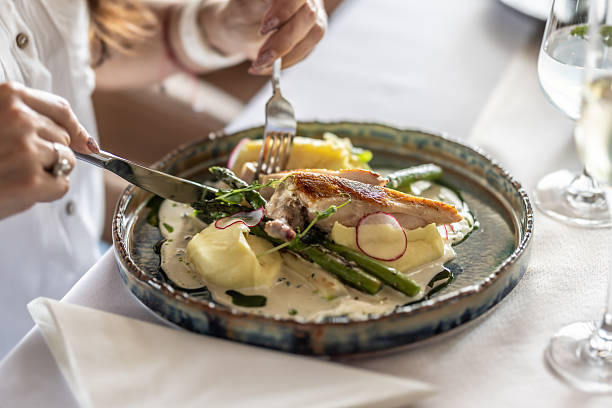
What Wine Goes With Fried Chicken
If you’re wondering what wine pairs best with crispy fried chicken, you’ve come to the right place. I’ll walk you through a few tasty options that balance the salty crunch and juicy meat without overwhelming your palate. From bright, citrusy whites to light, fruity reds, you’ll discover quick, easy pairings that elevate your dinner. Stick around and you’ll have a perfect wine match ready in minutes. Perfect for a backyard BBQ or a simple weeknight dinner, these picks work everywhere.
Best Wine Types for Fried Chicken
Light‑bodied Whites
Pair fried chicken with a crisp, light‑bodied white such as Sauvignon Blanc or Albariño. The high acidity cuts through the greasy crust, while citrus and green‑herb notes echo the seasoning. Choose a wine with 10‑12% alcohol to keep the palate fresh and avoid overwhelming the delicate meat.
Serve chilled at 45‑50°F for maximum refreshment. If you prefer a touch of fruit, a dry Riesling offers subtle honeyed flavors that complement spicy rubs without adding sweetness. Look for a wine labeled “unoaked” to keep the profile clean and let the chicken’s peppery kick shine.
This pairing works well for both classic Southern style and herb‑marinated versions, delivering a balanced bite‑to‑sip experience. A light‑bodied white also pairs nicely with a side of coleslaw or pickles, as the acidity mirrors the tangy dressing.
For outdoor picnics, bring the bottle in a cooler and let it stay just above ice to preserve its bright character.
Dry Rosés
Dry rosé wines bring a playful blend of fruit and acidity that lifts fried chicken’s savory richness. Look for a Provence‑style rosé with pale pink hue, crisp minerality, and flavors of strawberry, watermelon, and a hint of citrus.
Aim for a wine with 11‑12.5% ABV so the alcohol level matches the dish without adding heaviness. The subtle tannins in rosé help cleanse the palate between bites, while the fruit notes echo any herb or spice rubs. Serve the rosé well chilled, around 50‑55°F, to keep it lively.
This pairing shines when the chicken is served with a fresh herb salad or a light aioli, as the wine’s bright profile balances the creamy dip. For a twist, try a Spanish rosado made from Tempranillo, which offers a deeper berry backbone that complements smoky barbecue glaze on the chicken.
Sparkling Wines
Sparkling wines add effervescence that cuts through fried chicken’s crunchy coating while refreshing the palate. Opt for a Brut Champagne, a dry Prosecco, or an American sparkling Cabernet Franc for a bolder edge. Select bottles with 11‑12% alcohol and fine, persistent bubbles to lift the fat and highlight the seasoning.
The high acidity and bright fruit—green apple, lemon zest, and white peach—mirror the salty, salty‑sweet notes of the chicken’s batter. Serve chilled at 45‑48°F, and pour a modest glass to keep the fizz lively throughout the meal.
This match works especially well with Southern‑style chicken served with honey‑mustard dipping sauce, as the wine’s crispness balances the sauce’s sweetness. For a festive twist, try a sparkling rosé; its pink hue and berry aromatics add visual appeal and a subtle fruit layer that pairs beautifully with herb‑infused fried chicken.
How to Match Wine Flavors with Fried Chicken Seasonings
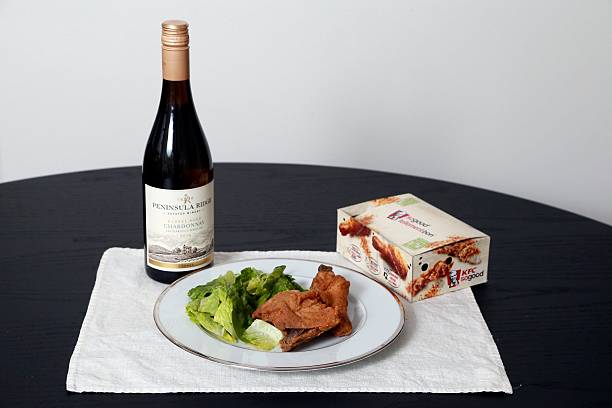
Spicy vs. Sweet
When your fried chicken leans toward a fiery kick, look for wines that can cool the palate and balance heat. Choose a slightly off‑dry Riesling with bright acidity; its touch of sweetness tames the spice while its citrus notes echo the chicken’s seasoning.
A sparkling rosé also works, offering bubbles that cleanse the mouth and a fruit forward profile that softens heat. For milder, sweet‑coated chicken, opt for wines with a hint of fruit and low tannins. A chilled Gewürztraminer brings aromatic spice and a natural sweetness that mirrors honey‑glazed crusts.
A light-bodied Pinot Noir with soft red fruit can complement the caramelized sugars without overwhelming the dish. In both cases, keep the wine temperature cool (45‑55°F) to enhance refreshment and ensure the pairing remains lively rather than heavy.
Serve the wine in a slender flute to preserve its effervescence, and let guests sip between bites to keep the flavors bright.
Herb‑infused Coatings
Herb‑laden fried chicken, whether seasoned with rosemary, thyme, or sage, calls for wines that echo those green notes without competing. A crisp Sauvignon Blanc offers grassy aromatics and zesty citrus that mirror the herbaceous crust, while its high acidity cuts through the oil.
A dry Vinho Verde from Portugal brings subtle herb flavor and a slight fizz that lifts the palate. If you prefer red, a light‑bodied Gamay (Beaujolais) provides soft red fruit and a gentle earthiness that complements thyme and rosemary without adding tannic weight.
Keep the wine chilled just enough (50‑55°F) to highlight freshness, and consider a slight spritz of lemon in the glass to reinforce the lemon‑herb synergy often present in the coating. This approach ensures the wine and chicken speak the same botanical language, creating a harmonious bite‑to‑sip experience.
Pair each bite with a small sip, allowing the herb profile to linger and the wine to refresh, which heightens the overall satisfaction.
Sauce Pairings
Sauces transform fried chicken, and the wine choice should reflect the dominant flavor—whether it’s tangy BBQ, creamy buttermilk, or spicy hot sauce. For smoky BBQ glaze, reach for a Zinfandel with ripe blackberry and pepper notes; its moderate alcohol and soft tannins complement the char without overwhelming sweetness.
A creamy buttermilk coating pairs beautifully with a buttery Chardonnay that offers subtle oak and a round mouthfeel, echoing the sauce’s richness while the acidity balances the fat.
When the chicken is tossed in a fiery hot sauce, opt for an off‑dry Riesling or a sparkling Prosecco; the touch of sweetness and bubbles cool the heat and keep the palate lively.
Always serve the wine slightly chilled (45‑55°F) for white and rosé styles, and at cellar temperature (60‑65°F) for fuller reds, ensuring the sauce’s intensity is matched by the wine’s structure.
Tips for Serving Temperature and Glassware
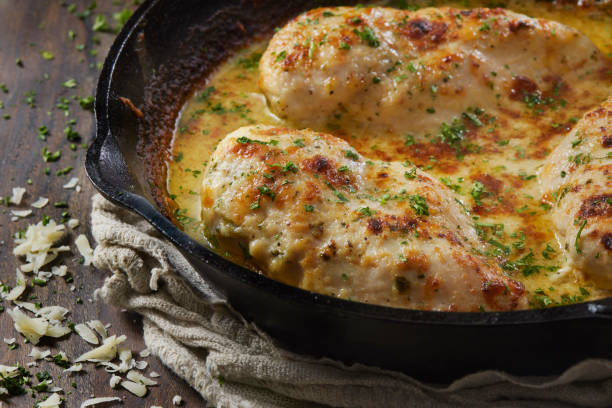
Chilling White and Rosé Wines
Select a crisp white or a dry rosé and chill it to 45‑50°F (7‑10°C) before serving. The acidity in Sauvignon Blanc, Albariño, or a light rosé cuts through the fried chicken’s grease, while subtle fruit notes complement the seasoning.
Keep the bottle in an ice bucket for 20‑30 minutes, or use a wine fridge set to the target range. Avoid over‑chilling, which can mute flavors; a quick test is to touch the glass—if it feels cool but not icy, you’re in the sweet spot.
Serve the wine in a standard white‑wine glass with a slightly tapered rim to direct the aromatic flow toward your nose, enhancing the bright citrus and herbaceous cues that pair beautifully with the crunchy coating.
Pair it with classic Southern sides like coleslaw or a light vinaigrette salad to keep the palate refreshed.
Serving Sparkling at the Right Temp
Sparkling wines such as Prosecco, Champagne, or a dry Cava bring lively bubbles that cut through fried chicken’s richness. Serve them at 40‑45°F (4‑7°C) to preserve the fine mousse while allowing fruit aromatics to shine.
Place the bottle in a bucket of ice and water for ten minutes, or chill in the refrigerator for at least two hours. Avoid serving too cold, which can suppress the delicate citrus and apple notes that balance the salty crust.
When pouring, tilt the glass and let the wine flow down the side to retain carbonation. Choose a flute or tulip glass that concentrates the bubbles and directs the perfume toward your nose, enhancing the perception of acidity and freshness.
This temperature and glass combination makes each sip act as a palate cleanser, readying you for the next bite of golden, crunchy chicken.
Choosing the Right Glass
The shape of the glass influences how temperature and aroma are experienced with fried chicken pairings. For white wines and rosés, a balloon‑style white‑wine glass with a slightly wider bowl keeps the wine cooler longer while allowing subtle aromatics to gather.
For sparkling selections, a tulip glass concentrates the bubbles and channels the lively acidity toward the palate, preventing premature warming. If you prefer a light red such as a chilled Gamay, opt for a medium‑sized red‑wine glass with a tapered rim to focus the fruit‑forward notes without overheating the wine.
Always pre‑chill the glass by placing it in the refrigerator for a few minutes; a cold rim helps maintain the desired serving temperature as you sip.
Clean, thin‑rimmed glasses also let you see the golden hue of the wine, adding a visual cue that enhances the overall dining experience alongside the crispy chicken.
What to Avoid When Pairing Wine with Fried Chicken
Heavy Reds
When pairing fried chicken, steer clear of heavy reds such as Cabernet Sauvignon or Syrah. Their robust tannins and high alcohol can clash with the crispy, salty crust, making the dish taste metallic and the wine taste overly aggressive.
Avoid strong tannins because they bind to the protein and fat, creating a drying sensation that masks the chicken’s juiciness. Skip high‑alcohol wines as they amplify the greasiness and can overwhelm the subtle spice notes.
Instead, opt for lighter reds or rosés if you prefer red wine, but keep the body low and the acidity bright. Remember, the goal is to complement the crunchy texture and savory flavor, not dominate it with a wine that feels too weighty on the palate.
Choosing a lighter style ensures the wine stays refreshing and lets the chicken’s seasoning shine through without competition.
Overly Oaked Whites
Overly oaked white wines, such as heavily barrel‑aged Chardonnay, should be avoided with fried chicken. The pronounced vanilla, butter, and toast flavors can mask the bright, salty crunch and make the palate feel heavy.
Skip wines with strong oak influence because the creamy texture competes with the chicken’s crisp skin, dulling the contrast that makes the pairing enjoyable. Avoid excessive buttery notes as they add richness that mirrors the fried fat, leading to a cloying mouthfeel.
A lightly oaked or unoaked white, like a crisp Sauvignon Blanc or a bright Albariño, provides acidity that cuts through the grease and highlights the seasoning. Keep the oak level low to let the wine stay lively and supportive, rather than overwhelming the dish with a woody, buttery profile.
By choosing a restrained oak style, the wine stays refreshing and lets the chicken’s golden crust remain the star.
Too Sweet Desserts
Sweet dessert wines, like late‑harvest Riesling or Sauternes, are a mismatch for fried chicken. Their high residual sugar can overpower the savory, salty flavors and make the overall experience taste cloyingly sweet.
Avoid wines with pronounced sweetness because they mute the peppery or herbaceous notes often used in seasoning blends, and the sugar competes with the natural caramelization of the crust. Skip honey‑laden profiles as they turn the pairing into a dessert rather than a balanced meal.
While a touch of fruitiness can be pleasant, the sugar level should stay low to let acidity do the work of cutting through the grease.
Opt for a dry or off‑dry white with bright acidity, such as a Grüner Veltliner or a dry Riesling, which offers a hint of fruit without overwhelming sweetness, preserving the chicken’s flavor integrity.
Regional Pairings: Classic Combinations Around the World
Southern US and Champagne
Pair Southern fried chicken with a dry Champagne or sparkling wine to match its crispy crust and savory spices. The high acidity cuts through the fried batter, while fine bubbles lift the salty skin, keeping the palate fresh.
Choose a non‑dosage Brut for bright citrus notes that echo the chicken’s peppery rub, or a rosé Champagne for a hint of red fruit that complements any Southern side like coleslaw. Serve chilled (45‑50°F) in a flute to preserve effervescence, and sip between bites to cleanse the palate.
For a budget‑friendly alternative, opt for a quality French Crémant or an American sparkling Brut; they deliver similar acidity and texture without the premium price.
Match the wine’s acidity to the chicken’s richness for a balanced bite, and you’ll experience a classic Southern pairing that elevates both the food and the drink.
Korean Fried Chicken and Riesling
Korean fried chicken, known for its double‑crisp coating and sauces ranging from sweet‑gochujang to spicy garlic, thrives with an off‑dry Riesling. The wine’s natural acidity balances the heat and cuts the oil, while its subtle stone‑fruit aromas echo the caramelized glaze.
Look for a Riesling from Germany’s Mosel or Alsace with 6‑9 g/L residual sugar; the touch of sweetness softens the peppery kick without overwhelming the dish. Serve slightly chilled (50‑55°F) to keep the fruit vibrant.
Pair a classic yangnyeom (sticky soy‑garlic) wing with a Riesling that shows apricot and honey notes, and match a spicy yangnyeom‑buldak with a slightly sweeter style to soothe the heat.
Match the wine’s residual sugar to the sauce’s intensity for a harmonious bite, and the pairing will highlight both the complex flavors of the chicken and the aromatic profile of the Riesling.
Japanese Karaage and Sake‑based Wine
Japanese karaage, with its light soy‑ginger marination and ultra‑crisp bite, pairs beautifully with a dry, sparkling sake or a premium Junmai Daiginjo. The fine bubbles and bright acidity of a sparkling sake lift the delicate batter, while the subtle rice‑derived fruit mirrors the umami of the soy glaze.
Choose a sake with a clean finish and 12‑14 % alcohol, such as a Tokyo‑style kimoto or a Korean‑inspired sparkling sake, to keep the palate lively. Serve chilled (40‑45°F) in a small wine glass to appreciate the aroma.
For a richer option, a Junmai Daiginjo with notes of melon, pear, and a hint of mineral can stand up to the garlic‑ginger notes without masking them.
Match the sake’s acidity and subtle sweetness to the karaage’s seasoning for a seamless integration, allowing each bite to be refreshed by the wine’s lift and each sip to echo the dish’s nuanced flavor.
How to Pair Wine with Different Fried Chicken Cuts
Wings vs. Drumsticks
Start by matching the intensity of the cut with the wine’s body. Wings are often coated in spicy or tangy sauces, so a crisp, high‑acid white such as Sauvignon Blanc or a lightly oaked Chardonnay will cut through the heat and refresh the palate.
If the wings are smoky‑BBQ, a dry rosé with bright red fruit notes adds balance without overwhelming the sauce. Drumsticks have more meat and a richer, juicier texture, making them a good partner for medium‑bodied reds like Pinot Noir or a Grenache‑based blend that offers soft tannins and subtle spice.
For classic Southern seasoning, try an off‑dry Riesling that tempers the salt while echoing the herbaceous rub. In every case, serve the wine slightly chilled (around 50‑55°F) to keep the fried crust lively and the flavors harmonious for dinner.
Boneless Nuggets
Treat boneless nuggets as a versatile canvas; their mild flavor lets the wine shine. Lightly salted nuggets pair beautifully with aromatic whites such as Gewürztraminer or a Viognier, whose floral aromas and gentle spice echo the subtle seasoning.
If the nuggets are tossed in a sweet‑chili glaze, choose an off‑dry rosé or a slightly sweet Riesling; the hint of residual sugar balances the glaze’s heat while preserving crisp acidity.
For a richer, buttermilk‑battered bite, a medium‑bodied red like a Barbera or a chilled Gamay offers soft tannins that won’t dominate the delicate crumb.
Serve the wine at 45‑50°F for whites and rosés, and a touch cooler for reds, ensuring the fried coating stays crunchy and the palate remains refreshed throughout each bite. Pair with a light appetizer like pickles to further enhance the experience and keep the flavors lively.
Whole Fried Chicken
Whole fried chicken presents a layered taste journey—from salty skin to juicy thigh meat—requiring a wine that can handle both crispness and richness. Skin‑crackling sections benefit from a sparkling wine such as Brut Champagne or a dry Prosecco; the bubbles lift the fat and accentuate the seasoned crust.
For the deeper, herb‑infused meat of the legs and breast, a fuller white like an oaked Chardonnay or a white Rioja delivers enough body and subtle oak to mirror the smoky notes.
If you prefer red, opt for a low‑tannin, fruit‑forward Grenache or a young Tempranillo, which provide gentle acidity and a hint of spice without overwhelming the dish.
Serve the sparkling option at 40‑45°F and the still whites or reds at 50‑55°F, allowing the temperature to keep the chicken’s crunch intact while the wine’s flavors evolve with each bite.
Best Ways to Store and Open Your Wine for a Fried Chicken Meal
Proper Refrigeration
To keep your wine tasting its best with fried chicken, start by refrigerating the bottle at the ideal temperature. White wines such as Sauvignon Blanc or a lightly oaked Chardonnay should sit between 45‑50°F (7‑10°C), while rosé and light reds like Pinot Noir thrive at 55‑60°F (13‑16°C).
Place the bottle on a flat shelf away from the door to avoid temperature swings, and let it rest for at least 20 minutes after removal from the fridge before serving. Avoid exposing the wine to direct sunlight or strong odors, which can alter its flavor profile.
If you’re using a wine fridge, set the humidity to around 70 % to preserve the cork. Finally, label the bottle with the intended meal so you can quickly retrieve the right wine when the fried chicken is ready to be plated.
Decanting Sparkling Wines
Sparkling wines can elevate the crunch of fried chicken, but they need careful handling to maintain lively bubbles. Begin by chilling the bottle to 40‑45°F (4‑7°C) for at least three hours.
When you’re ready to serve, gently remove the foil and wire cage, then hold the bottle at a 45‑degree angle over a clean glass. Tilt the glass slightly and pour slowly, allowing the foam to settle before completing the pour.
Avoid vigorous shaking or aggressive decanting, as this can cause premature loss of carbonation. If you prefer a slightly warmer profile, let the wine sit for five minutes after pouring; this brings out subtle fruit notes that pair well with the salty, savory coating of the chicken.
Remember to keep the remaining wine in the refrigerator, sealed with a sparkling wine stopper, to preserve its effervescence for the next course.
Using Wine Stoppers
After opening a bottle to accompany fried chicken, preserving its freshness is crucial for consistent flavor. Immediately insert a reusable wine stopper that creates an airtight seal, preventing oxidation that can mute the wine’s acidity and fruitiness.
Store the sealed bottle upright in the refrigerator; this orientation keeps the cork from drying out and reduces the surface area exposed to air. For red wines such as a light Zinfandel, allow the bottle to warm slightly—about 10‑15 minutes at room temperature—before serving, as this restores aromatic complexity.
Label the stopper with the wine type and opening date, so you can track how long it has been stored.
If you notice a slight loss of aroma after 24‑48 hours, consider using a vacuum pump to extract excess air and revive the wine’s vibrancy for the next bite of crispy chicken.
Frequently Asked Questions
What type of wine pairs best with fried chicken?
A crisp, aromatic white such as Riesling or a light-bodied red like Pinot Noir complements the salty, fried flavors without overwhelming them.
Can sparkling wine work with fried chicken?
Yes, sparkling wines like Prosecco or Champagne have bright acidity and bubbles that cut through the richness, making them an excellent match.
Should I choose a dry or off‑dry wine with fried chicken?
Both can work, but an off‑dry wine like a slightly sweet Riesling balances the seasoning and adds a pleasant contrast to the savory dish.
Is there a red wine that doesn’t clash with fried chicken?
A low‑tannin, fruit‑forward red such as Gamay (Beaujolais) or a chilled Pinot Noir offers enough acidity and lightness to pair nicely.
How does the seasoning of the chicken affect wine choice?
Spicier or heavily seasoned fried chicken pairs better with wines that have a hint of sweetness and bright acidity, while simply salted chicken works well with drier whites.
Can I serve a rosé with fried chicken?
A dry rosé with good acidity and subtle fruit flavors is versatile and pairs well with the crisp crust and juicy meat of fried chicken.
Conclusion
In short, a crisp, aromatic white like Riesling or a bright, low‑tannin rosé, and even a light, fruity red such as Gamay, perfectly balance fried chicken’s salty crunch and juicy flavor. Remember to match the wine’s acidity with the dish’s richness, and feel free to experiment with regional pairings. Enjoy discovering your ideal sip, and let these suggestions elevate every bite.