What Wine Pairs With Chocolate
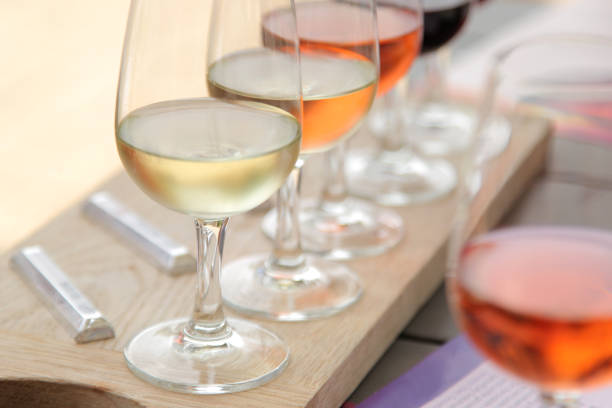
If you’ve ever wondered which wine makes chocolate taste even better, you’re in the right place. We’ll quickly guide you through the top pairings, from rich reds that hug dark chocolate to crisp whites that brighten milk varieties. Expect easy-to-follow tips, flavor‑matching tricks, and a few surprising combos you can try tonight. By the end, you’ll know exactly what wine pairs with chocolate for any occasion. Enjoy the perfect sip, impress guests, and savor each bite.
How to Choose the Right Wine for Different Types of Chocolate
Dark Chocolate: Flavor Intensity and Tannins
Choosing a wine for dark chocolate starts with matching its intensity and tannic structure. Select full‑bodied reds such as Cabernet Sauvignon, Syrah, or a mature Zinfandel; their firm tannins echo the chocolate’s bitterness while fruit notes soften the edge.
If you prefer a lighter option, try a Pinot Noir with bright red fruit that highlights the chocolate’s subtle spice. Consider a fortified wine like a tawny Port; its caramel and nutty flavors complement the deep cocoa without overwhelming it.
Serve the wine slightly below room temperature (around 60‑65°F) to keep alcohol perception gentle. When tasting, let a small bite of chocolate melt on the palate before sipping, allowing the wine’s acidity to cleanse and the flavors to intertwine.
This approach ensures the wine enhances, rather than competes with, the dark chocolate’s robust profile overall and in the experience.
Milk Chocolate: Balancing Sweetness
Milk chocolate’s creamy sweetness calls for wines that can match its sugar level without turning cloyy. Opt for off‑dry whites such as Riesling, Gewürztraminer, or a lightly chilled Moscato; their natural acidity cuts through the milk chocolate’s richness while aromatic fruit notes echo the caramel undertones.
For red lovers, a fruit‑forward Lambrusco or a light‑bodied Grenache offers gentle tannins and bright berry flavors that balance the chocolate’s milky texture. Try a sparkling rosé; its bubbles lift the palate and its subtle red fruit complements the chocolate’s vanilla hints.
Serve whites at 45‑50°F and sparkling at 40‑45°F to keep the wine crisp. When pairing, take a bite of chocolate, let it melt, then sip the wine, allowing the wine’s acidity to refresh the mouth and prevent the sweetness from lingering too long.
This method creates a harmonious dialogue between milk chocolate and wine.
White Chocolate: Matching Light Flavors
White chocolate’s delicate, buttery profile pairs best with wines that highlight light fruit and subtle acidity. Choose aromatic whites like a dry Chenin Blanc, a lightly oaked Chardonnay, or an Albariño; their crisp citrus and stone‑fruit flavors lift the chocolate’s vanilla notes without overwhelming them.
A slightly sweet Vouvray or a low‑alcohol Riesling can mirror the chocolate’s creaminess while the wine’s acidity keeps the palate from feeling heavy. For a different angle, try a sparkling Prosecco; its fine bubbles and subtle apple aroma add a refreshing contrast that accentuates the chocolate’s silkiness.
Serve these wines chilled at 45‑50°F. Pair by placing a small piece of white chocolate on the tongue, allowing it to melt, then sip the wine, letting the wine’s bright finish cleanse the buttery coating.
This technique ensures the wine supports the subtle flavors of white chocolate and creates a balanced tasting experience.
What is the Ideal Wine for Dark Chocolate?

Full‑Body Red Wines
Choose a full‑body red wine that can stand up to the intensity of dark chocolate. Look for wines with high tannin and rich fruit such as Cabernet Sauvignon, Syrah, or a robust Merlot.
Serve the wine slightly below room temperature, around 60‑65°F, to keep the alcohol from overwhelming the chocolate’s bitterness.
Pair a 70% cacao bar with a wine that has notes of blackcurrant, plum, and a hint of oak; the fruit will echo the chocolate’s depth while the tannins cut through its richness.
If the chocolate includes a touch of sea salt, the saline accent will highlight the wine’s mineral edge. Taste both together slowly, allowing the flavors to mingle on the palate, and adjust the pairing by selecting a wine with a slightly higher fruit concentration if the chocolate feels too bitter.
Port and Dessert Wines
Turn to fortified wines when you want a sweeter complement for dark chocolate. Select a vintage Port or a late‑harvest Zinfandel that offers concentrated berry and raisin flavors. Serve the Port slightly chilled, about 55°F, to soften its alcohol heat and let the chocolate’s bitterness shine.
Pair a 70‑80% cacao piece with a tawny Port that has nutty, caramel notes; the wine’s sweetness balances the chocolate’s depth without masking it. For those who enjoy a richer mouthfeel, a ruby Port with bright cherry and chocolate‑spice undertones works beautifully alongside chocolate infused with orange zest.
Sip slowly and note the transition, as the wine’s lingering finish should echo the lingering cocoa aftertaste, creating a harmonious finish. Adjust the pairing by choosing a higher‑aged Port for a smoother, less assertive profile if the chocolate is exceptionally intense.
Bold Zinfandel Options
Explore bold Zinfandel selections for a vibrant, fruit‑forward match to dark chocolate. Choose a Zinfandel with 14‑15% alcohol, jammy blackberry and pepper spice that can mirror the chocolate’s intensity. Serve it a few degrees cooler than room temperature, around 58‑60°F, to keep the fruit aromas bright.
Pair a 65% cacao bar with a Zinfandel that displays notes of dried fig, cinnamon, and a subtle smoky edge; the spice will lift the chocolate’s bitterness while the ripe fruit adds sweetness. If the chocolate includes toasted nuts, the wine’s nutty undertones will enhance that texture.
Take a small sip, then a bite, letting the flavors meld on the palate; the wine’s lingering peppery finish should complement the chocolate’s lingering cocoa aftertaste. Adjust the pairing by opting for a slightly older Zinfandel if you prefer a softer tannic structure that blends seamlessly with the chocolate’s smoothness.
Tips for Pairing Wine with Milk Chocolate
Medium‑Body Reds
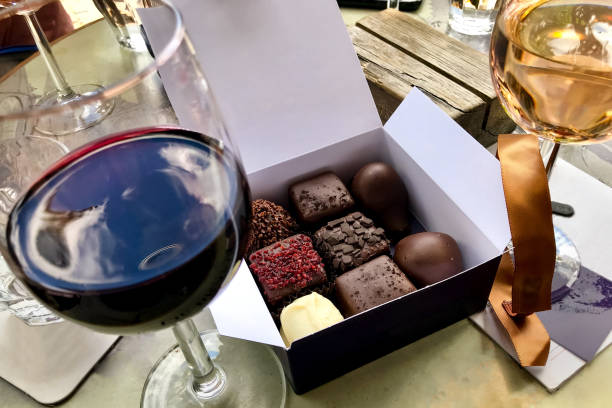
Choose a medium‑body red that offers gentle tannins and bright fruit to complement the creamy sweetness of milk chocolate. Pinot Noir is a classic match; its red‑berry notes and subtle earthiness echo the chocolate’s milky texture without overwhelming it.
Merlot provides soft plum and chocolate‑cocoa flavors that mirror the treat, while its low astringency keeps the pairing smooth. If you prefer a spicier edge, a lightly chilled Zinfandel adds peppery spice and jammy fruit that accentuate caramel undertones in the chocolate.
Serve the wine slightly chilled (around 55°F) to enhance freshness and prevent the alcohol from masking the chocolate’s nuance. Pair a single‑serve square of milk chocolate with a half‑glass of wine, allowing the flavors to mingle on the palate before taking another bite.
This balanced approach creates a harmonious dialogue between fruit, tannin, and dairy sweetness. Enjoy the pairing as a relaxed dessert moment, letting the wine’s acidity cleanse the palate between bites for maximum enjoyment.
Rich White Wines
Rich white wines with a touch of oak and ripe fruit can stand up to the sweetness of milk chocolate while adding a luxurious mouthfeel. Chardonnay aged in buttery oak delivers vanilla, toasted almond, and tropical fruit notes that echo the chocolate’s creamy base and enhance its caramel hints.
For a more aromatic profile, try an off‑dry Riesling; its honeyed apricot and bright acidity cut through the chocolate’s sugar, creating a refreshing contrast that prevents cloyiness. Viognier offers lush stone‑fruit aromas and a slightly oily texture that mirrors the melt‑in‑your‑mouth quality of milk chocolate, making each bite feel silkier.
Serve these whites chilled at 50‑55°F to preserve their fruit intensity and to keep the wine from overpowering the delicate chocolate flavor.
Pair a generous piece of milk chocolate with a 5‑ounce pour, allowing the wine’s richness to coat the palate before the chocolate follows, resulting in a layered tasting experience that highlights both the wine’s depth and the chocolate’s milky sweetness together.
Rosé Selections
Rosé wines that combine bright acidity with ripe red fruit can create a lively partnership with milk chocolate, especially when the chocolate includes subtle nutty or caramel notes.
Provence rosé offers crisp green‑apple and strawberry flavors with a dry finish, which lifts the chocolate’s sweetness and adds a refreshing lift to each bite.
A dry orange‑petaled rosé from Spain brings citrus zest and a hint of honey, complementing the milk chocolate’s buttery texture while the slight tannic edge keeps the palate clean.
For a richer experience, choose a pinot noir‑based rosé that carries soft raspberry and plum aromas; its fuller body mirrors the chocolate’s creaminess and its subtle spice accentuates any toasted almond coating. Serve the rosé chilled at 48‑52°F to maintain its vibrant fruit profile.
Pair a small square of milk chocolate with a 4‑ounce glass, allowing the wine’s acidity to cut through the chocolate’s sugar and the fruit notes to echo the cocoa, resulting in a balanced, uplifting tasting moment that showcases both the wine’s elegance and the chocolate’s comforting smoothness.
Best Ways to Pair Wine with White Chocolate
Sweet Riesling and Moscato
When you pair white chocolate with a sweet Riesling or Moscato, focus on balancing the creamy sweetness with bright acidity and fruit notes. Choose a Riesling with moderate residual sugar—it will echo the vanilla tones while cutting through the richness.
Moscato’s aromatic peach and apricot flavors complement the milky texture, creating a harmonious mouthfeel. Serve the wine chilled (around 45‑50°F) to enhance its crispness and keep the chocolate from feeling overly heavy. A small pour (2‑3 ounces) allows the palate to reset between bites, preventing cloying sensations.
Look for wines labeled “late harvest” or “Spätlese” for extra depth; these often have honeyed nuances that mirror the caramelized edges of white chocolate. Pairing this way turns dessert into a refined tasting experience, where each sip lifts the chocolate’s subtle butteriness without overwhelming it altogether.
Sparkling Wines
Sparkling wines bring effervescence that cuts through white chocolate’s silky richness, making each bite feel lighter. Opt for a demi‑sec Prosecco or a slightly off‑dry Champagne; the gentle sweetness mirrors the chocolate while the bubbles cleanse the palate.
Serve the wine well‑chilled (45°F) and pour it into a flute to preserve its fizz. The acidity in the wine highlights the subtle vanilla and caramel notes of the chocolate, preventing the dessert from becoming cloying.
Pair a single‑serve piece of white chocolate with a sip of sparkling wine, allowing the carbonation to lift the flavors and create a refreshing contrast.
For an extra layer of complexity, choose a sparkling wine aged on lees, which adds toasty, nutty undertones that echo the cocoa butter in the chocolate. This pairing transforms a simple confection into a celebratory moment, perfect for holidays or intimate gatherings.
Light Red Alternatives
While red wines are often paired with dark chocolate, a light‑bodied red can also enhance white chocolate’s delicate profile. Select a Pinot Noir or a Gamay (Beaujolais) with low tannins and bright red fruit aromas; these wines provide just enough acidity to balance the sweetness without overpowering the subtle flavors.
Serve slightly cooler than room temperature (around 55‑60°F) to keep the fruitiness crisp. The soft cherry and raspberry notes in the wine echo the creamy vanilla of white chocolate, creating a seamless dialogue on the palate.
Pair a thin slice of white chocolate with a modest sip, allowing the wine’s gentle structure to lift the chocolate’s buttery texture. For added intrigue, try a chilled rosé‑styled Pinot Noir, which adds a hint of floral nuance that complements the chocolate’s milky smoothness.
This unexpected match offers a sophisticated twist for those who enjoy a touch of red with their dessert.
How to Match Wine with Chocolate Desserts
Chocolate Mousse and Creamy Wines
Chocolate mousse, with its airy texture and subtle sweetness, pairs beautifully with wines that echo its creaminess. Choose a buttery Chardonnay from a cool climate, where moderate acidity balances the mousse’s richness while the oak‑driven vanilla notes mirror the dessert’s flavor.
A lightly oaked Viognier works as well, offering aromatic stone‑fruit aromas that complement the mousse’s cocoa undertones without overwhelming it. When serving, keep the wine slightly chilled (around 12‑13 °C) to maintain freshness and prevent the mousse from feeling heavy.
Avoid high‑tannin reds, as they will clash with the smooth mouthfeel. A small pour in a white‑wine glass lets the wine’s texture coat the palate, creating a harmonious blend of silkiness and chocolate. This pairing enhances both components, making each bite and sip feel luxurious and balanced.
Serve the mousse in chilled glasses and garnish with a dusting of cocoa powder to echo the wine’s subtle spice.
Chocolate Cake and Fortified Wines
Rich chocolate cake, especially when layered with ganache or frosting, calls for wines that can stand up to its intensity. A ruby Port offers deep berry and plum flavors, its residual sweetness matching the cake’s cocoa richness while the wine’s firm tannins cut through the frosting’s fat.
A sweet Madeira, such as Bual, brings caramel and nutty notes that echo the cake’s toasted edges, creating a seamless flavor bridge. Serve the fortified wine slightly cooler than room temperature (around 15 °C) to keep the alcohol lively without overwhelming the dessert.
Avoid dry sherries, as their bracing acidity can clash with the cake’s sweetness. When pairing, pour a modest glass—about 90 ml—so the wine’s concentrated profile doesn’t dominate the palate.
The combination of the cake’s moist crumb and the fortified wine’s luscious body results in a decadent, balanced finish that satisfies both chocolate lovers and wine enthusiasts alike.
Chocolate Truffles and Aromatic Whites
Chocolate truffles, with their silky ganache centers and occasional liqueur accents, pair surprisingly well with aromatic white wines that bring acidity and perfume. A late‑harvest Riesling offers bright citrus, honeyed stone‑fruit, and a crisp acidity that lifts the richness of the truffle while echoing any orange‑liqueur notes.
A Gewürztraminer provides exotic lychee and rose petal aromas, complementing truffles flavored with spices such as cinnamon or cardamom. Serve the white wine well‑chilled (10‑12 °C) to keep its aromatic intensity vivid against the melt‑in‑your‑mouth chocolate. Skip heavily oaked whites, whose buttery weight can mask the truffle’s delicate nuances.
A small pour, about 60 ml, allows the wine’s lively acidity to cleanse the palate between bites, preventing the chocolate from feeling cloying. This pairing highlights the truffle’s velvety texture and the wine’s fragrant profile, delivering a sophisticated tasting experience that feels both indulgent and refreshing.
What to Avoid When Pairing Wine and Chocolate
Overly Acidic Wines
When matching wine with chocolate, the first pitfall is choosing a wine that is overly acidic. High acidity can clash with the sweet, creamy texture of most chocolates, making the pairing taste sharp and unbalanced.
Avoid wines with bright citric or green apple notes, such as many young Sauvignon Blancs, Pinot Grigio, or high‑acid Rieslings, because their tartness will highlight the bitterness of dark chocolate and drown out the subtle cocoa flavors.
Instead, look for wines where acidity is muted and integrated, allowing the chocolate’s richness to shine. If you must use a white wine, opt for a slightly off‑dry Riesling with lower acidity or a Chenin Blanc that offers gentle fruit without a piercing tart edge.
For reds, choose medium‑bodied options with softer acidity, like Merlot or a lightly chilled Beaujolais. By steering clear of wines that scream acidity, you preserve the harmony between the wine’s fruit profile and the chocolate’s sweetness, creating a smoother, more enjoyable tasting experience.
Serve the wine slightly chilled, around 10‑12°C, to keep the acidity in check, and allow a small piece of chocolate to melt slowly on the palate before sipping. This method lets the fruit flavors emerge without being overpowered, ensuring a balanced finish.
Highly Oaked Whites
Highly oaked white wines present another common mistake when pairing with chocolate. The pronounced oak influence introduces vanilla, toast, and buttery notes that can dominate the delicate cocoa flavors, resulting in a muddy, overly rich mouthfeel.
Steer clear of heavily barrel‑aged Chardonnay, especially those with strong buttery or smoky characteristics, because the oak’s intensity competes with the chocolate’s sweetness and can make the pairing feel cloyingly heavy.
Instead, choose whites where oak is either absent or used sparingly, allowing the fruit and acidity to complement the chocolate rather than overwhelm it. A lightly oaked or unoaked Chardonnay, an Albariño, or a crisp Viognier with subtle floral aromas works better with milk chocolate or caramel‑filled varieties.
For darker chocolates, a wine with a modest nutty or caramel nuance, such as a gently oaked Pinot Gris, can add depth without masking the bitterness. When serving, keep the temperature a bit cooler, around 8‑10°C, to soften the oak’s texture and keep the wine lively.
By avoiding wines saturated with heavy oak, you preserve the chocolate’s nuanced flavors and achieve a harmonious balance where each sip enhances the bite of chocolate rather than drowning it.
Pair a small square of chocolate with each sip, allowing the flavors to intertwine; this pacing helps the subtle fruit notes emerge without being overrun by the wine’s oak profile.
Tips for Tasting and Serving Wine with Chocolate
Temperature Guidelines
Start by chilling your wine to the optimal temperature to highlight its flavors alongside chocolate. White and rosé wines should be served slightly cool, around 45‑50°F (7‑10°C), which preserves acidity and bright fruit notes that cut through creamy milk chocolate.
Light‑bodied reds such as Pinot Noir are best at 55‑60°F (13‑16°C); this cooler range softens tannins, allowing the wine’s red fruit to complement dark chocolate without overwhelming bitterness.
Dessert wines like Port, Banyuls, or late‑harvest Riesling shine at 55‑58°F (13‑14°C), keeping their sweetness lively and preventing the perception of cloyiness when paired with rich chocolate truffles. Always use a wine thermometer and give the bottle a few minutes to adjust after removal from the fridge or cellar.
Proper temperature ensures the wine’s structure and the chocolate’s texture work in harmony, creating a balanced tasting experience.
Glassware Selection
Choosing the right glassware can dramatically influence how wine and chocolate interact on the palate. Large‑bowl red wine glasses allow ample surface area for oxygen to mingle with the wine, softening tannins and releasing aromatic compounds that echo the roasted notes of dark chocolate.
For sweet or fortified wines, opt for a smaller, tulip‑shaped glass; its narrower rim concentrates the bouquet, enhancing the wine’s honeyed and nutty aromas that pair beautifully with caramel‑filled or nut‑laden chocolates.
White and rosé wines benefit from a U‑shaped glass that directs the wine to the middle of the tongue, balancing acidity with the milder sweetness of milk chocolate. Avoid overly thick or decorative glasses that trap heat and mute subtle flavors.
Clean, clear glasses also let you observe the wine’s color, an important visual cue when matching intensity levels with different chocolate types. By matching glass shape to wine style, you maximize flavor synergy and elevate the overall tasting experience.
Sequencing the Pairing
Plan the tasting sequence to let each bite and sip build on the previous one, creating a harmonious progression.
Begin with lighter chocolates such as white or milk varieties; pair them with a crisp rosé or lightly chilled Chardonnay whose bright acidity and subtle fruit cleanse the palate and highlight the chocolate’s creaminess.
Move to fruit‑infused or nut‑topped chocolates, introducing a medium‑bodied red like Merlot whose soft tannins and plum notes echo the added flavors without overpowering them.
Finish with intense dark chocolate (70%+ cacao) and a rich dessert wine such as Tawny Port or a late‑harvest Zinfandel; the wine’s sweetness and fortified body balance the chocolate’s bitterness, leaving a lingering, satisfying finish. Allow a brief pause—about 30 seconds—between each sip and bite to let flavors settle.
This deliberate order ensures the wine’s structure supports the chocolate’s intensity at every stage.
Frequently Asked Questions
What type of wine pairs best with dark chocolate?
Full‑bodied red wines with rich fruit and moderate tannins, such as Cabernet Sauvignon, Zinfandel, or a robust Syrah, complement the bitterness and intensity of dark chocolate.
Which wine works well with milk chocolate?
Milk chocolate’s sweeter, creamier profile pairs nicely with lighter reds like Pinot Noir or fruit‑forward whites such as Riesling or Gewürztraminer, which balance the sweetness without overwhelming it.
Can sparkling wine be enjoyed with chocolate?
Yes, sparkling wines like Brut Champagne or a semi‑dry Prosecco provide bright acidity and fine bubbles that cut through chocolate’s richness, especially with chocolate‑covered strawberries or mousse.
What dessert wine should I choose for chocolate truffles?
A luscious dessert wine such as a Tawny Port, Sauternes, or late‑harvest Riesling matches the creamy texture and deep flavors of truffles, enhancing both the wine and the chocolate.
How do I match wine and chocolate based on cocoa percentage?
Lower cocoa percentages (under 40%) pair better with lighter, fruit‑driven wines, while higher percentages (70%+ cocoa) call for bold, tannic reds or fortified wines that can stand up to the bitterness.
Are there any red blends that complement chocolate desserts?
Yes, blended reds like a Bordeaux blend or a Rhône-style blend combine fruit, spice, and structure, making them versatile partners for chocolate cakes, brownies, or chocolate‑covered nuts.
Conclusion
When pairing wine with chocolate, remember that balance, intensity, and flavor harmony are key. Dark chocolate shines with robust reds like Cabernet Sauvignon or a velvety Pinot Noir, while milk chocolate pairs beautifully with softer reds such as Merlot or a fruity Zinfandel. For white chocolate, opt for a crisp Riesling or a lightly chilled sparkling rosé. Experiment, trust your palate, and enjoy the delicious discoveries.