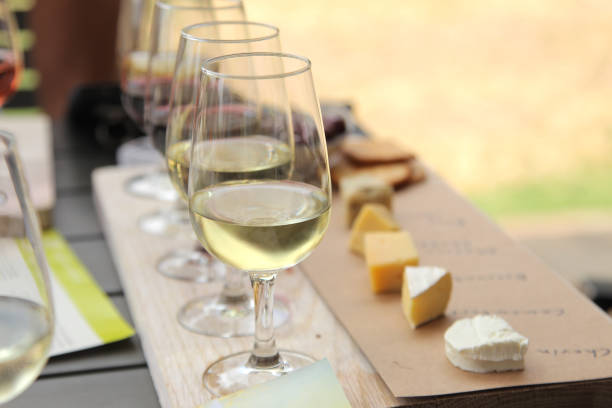
What Pairs With White Wine
If you’re wondering what pairs with white wine, you’ve come to the right place. In the next few lines we’ll quickly guide you through the best food matches, from light salads and fresh seafood to creamy cheeses and aromatic herbs.
How to Choose the Right White Wine for Food Pairing
Identify flavor profile of the wine
Begin by tasting the wine and noting its dominant aromas and flavors. Look for citrus notes like lemon or grapefruit, stone fruit such as peach or apricot, and subtle herbal or mineral hints.
Identify whether the wine leans toward fruit‑forward, floral, or earthy characteristics, because this guides the complementary food choices. A wine with bright citrus and green apple will enhance light, fresh dishes, while a wine rich in honeyed or tropical fruit can stand up to richer sauces.
Write down the primary flavor cues and compare them to the ingredients in your menu. When the wine’s profile matches the dish’s dominant flavors, the pairing feels seamless and the palate stays balanced.
Use this flavor map as the first step before considering acidity or body, ensuring every bite and sip reinforce each other’s strengths.
Match acidity levels with dishes
Acidity is the engine that brightens a white wine and cuts through richness, so matching its level to the food is crucial.
Assess the wine’s acidity by noting the crisp, tingling sensation on the sides of your tongue; high‑acid wines like Sauvignon Blanc or Albariño feel lively, while low‑acid varieties such as Chardonnay aged in oak feel smoother.
Pair high‑acid wines with fatty or creamy dishes—think butter‑based sauces, fried seafood, or rich cheeses—because the acidity will cleanse the palate and prevent heaviness. Conversely, low‑acid wines complement delicate preparations like poached fish, light salads, or herb‑infused rice, where a subtle wine won’t overwhelm the subtle flavors.
When you align the wine’s acidity with the dish’s richness or delicacy, each bite feels refreshed and the overall dining experience remains harmonious. Use this acidity check as a quick guide before moving on to body and texture considerations.
Consider body and texture
Body describes the weight and mouthfeel of a white wine, ranging from feather‑light to full‑bodied, and it should echo the texture of the food you serve. Determine the wine’s body by feeling its viscosity on the palate—lighter wines glide quickly, while richer wines linger with a creamy coat.
Pair light‑bodied wines such as Pinot Grigio or Vermentino with crisp salads, shellfish, or sushi, where a delicate texture won’t mask the subtle flavors of the dish.
For medium‑bodied options like Chenin Blanc or Viognier, think of roasted chicken, mushroom risotto, or mildly spiced Asian cuisine, where the wine’s moderate weight supports the dish without overwhelming it.
Full‑bodied whites such as oaked Chardonnay or White Rioja shine alongside buttery lobster, grilled pork, or dishes with nut‑based sauces, matching the richness and providing a cohesive mouthfeel. Aligning body and texture ensures each sip mirrors the dish’s density, creating a balanced and satisfying pairing experience.
Best Light Appetizers to Serve with White Wine
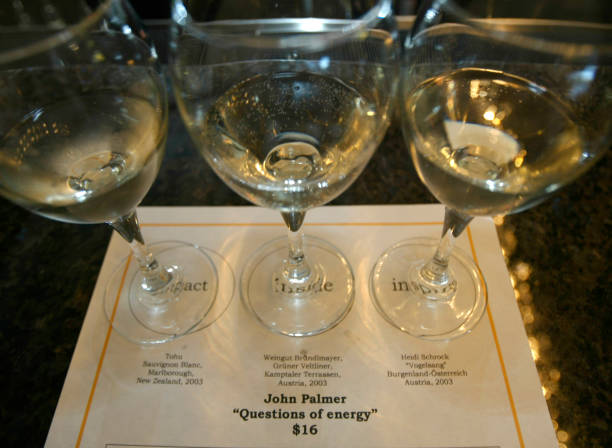
Fresh cheeses and crackers
Pairing fresh cheeses with crisp crackers creates a versatile base that lets white wine shine. Choose a soft goat cheese or a mild feta, then spread it on thin, lightly toasted crackers.
Add a drizzle of honey and a sprinkle of fresh herbs such as thyme or dill to introduce aromatic notes that echo the wine’s acidity. Serve at room temperature so the cheese’s texture remains creamy and the flavors are fully released.
Include a small bowl of olives or a handful of toasted nuts for texture contrast. The salty crunch of the crackers balances the wine’s fruitiness, while the cheese’s subtle tang mirrors the citrus undertones common in Sauvignon Blanc or Pinot Grigio.
This simple platter can be assembled in minutes and scales easily for larger gatherings, making it an ideal light appetizer for any white‑wine tasting.
Citrus-infused salads
Bright citrus‑infused salads are a natural companion for white wines, especially those with high acidity. Toss mixed greens with segmented orange, grapefruit, or lemon zest, then add thinly sliced fennel and a handful of toasted pine nuts for crunch.
Dress the salad with a light vinaigrette made from extra‑virgin olive oil, fresh lemon juice, and a touch of honey; the acid‑bright dressing mirrors the wine’s crisp profile while the honey softens any sharpness.
Sprinkle fresh basil or mint leaves to introduce aromatic layers that echo herbaceous notes found in Chardonnay or Riesling. Serve the salad in small, individual bowls so guests can enjoy a bite‑size portion alongside their glass.
The combination of citrus sparkle, herb fragrance, and subtle sweetness creates a balanced palate that enhances the wine’s fruit flavors without overwhelming them, making it an elegant, low‑calorie appetizer for any white‑wine pairing.
Smoked salmon bites
Smoked salmon bites deliver a luxurious, umami‑rich flavor that pairs beautifully with the minerality of many white wines. Start with small rye or pumpernickel crackers, then top each with a thin slice of smoked salmon, a dollop of crème fraîche, and a sprinkle of finely chopped chives.
Add a few capers for briny contrast and a squeeze of fresh lemon juice to highlight the wine’s acidity.
The silky texture of the salmon and the creamy tang of the crème fraîche echo the smooth mouthfeel of an oaked Chardonnay, while the lemon and capers accentuate the bright citrus notes of a Sauvignon Blanc. Arrange the bites on a chilled platter and garnish with micro‑greens for visual appeal.
This bite‑size offering is quick to assemble, offers a balanced blend of salt, smoke, and freshness, and elevates any white‑wine tasting experience with minimal effort.
Classic Main Courses That Complement White Wine

Roast chicken with herbs
Start with a whole free‑range chicken, pat it dry, and season generously with salt, pepper, and a blend of fresh herbs such as thyme, rosemary, and parsley. Rub the herbs into the skin to create a fragrant crust that will complement the acidity of Sauvignon Blanc or Pinot Grigio.
Roast the bird at 425°F for 15 minutes, then lower to 375°F and continue until the internal temperature reaches 165°F, about 45‑60 minutes total. While the chicken cooks, baste it every 20 minutes with its own juices mixed with a splash of lemon juice to enhance brightness.
Let the meat rest ten minutes before carving to retain moisture. Serve the slices alongside a simple salad of mixed greens dressed with a light vinaigrette; the crisp vegetables echo the wine’s minerality, making each bite and sip harmonious.
Creamy pasta sauces
Choose a pasta shape that holds sauce—fettuccine, linguine, or pappardelle work best. Prepare a cream‑based sauce by melting butter, adding minced garlic, and whisking in heavy cream and grated Parmesan until smooth.
Simmer gently for five minutes, then stir in fresh peas, sautéed mushrooms, and a pinch of nutmeg for depth. Season with salt and cracked black pepper, tasting frequently to balance richness with acidity.
While the sauce simmers, cook the pasta al dente in salted water, reserving a cup of cooking liquid. Toss the noodles with the sauce, adding a splash of the reserved water to achieve a silky coating that clings to each strand.
Finish with a drizzle of lemon zest and a handful of chopped basil; the citrus spark cuts through the cream, pairing beautifully with an oaked Chardonnay or a buttery Viognier. Serve immediately, allowing the wine’s fruit notes to lift the velvety pasta.
Pork tenderloin with fruit glaze
Select a center‑cut pork tenderloin, trim excess fat, and season with salt, pepper, and a pinch of smoked paprika for subtle heat. Sear the meat in a hot skillet with olive oil, browning each side for three minutes to develop caramelized flavor.
Transfer the pork to a preheated oven at 400°F and roast for 20‑25 minutes, or until the internal temperature hits 145°F.
Meanwhile, prepare a fruit glaze by reducing equal parts apple cider and orange juice with a spoonful of honey, a dash of Dijon mustard, and finely chopped rosemary until thick and glossy.
Brush the glaze over the pork during the last five minutes of roasting, allowing it to caramelize and infuse the meat with bright, sweet‑tart notes. Let the tenderloin rest ten minutes before slicing; serve the slices drizzled with extra glaze alongside roasted asparagus.
The glaze’s acidity and fruitiness harmonize with a crisp Riesling or a lightly oaked Sauvignon Blanc, enhancing every bite.
Pairing White Wine with Seafood Dishes
Grilled shrimp skewers
Grilled shrimp skewers are a lively match for crisp white wines such as Sauvignon Blanc or Pinot Grigio. Start by selecting a wine with bright acidity to cut through the charred edges and garlic‑marinade.
Serve the wine chilled at 45‑50°F so the fruit flavors stay vivid against the smoky sweetness of the shrimp. Pair the wine’s citrus notes with a squeeze of lemon over the skewers; the acidity mirrors the wine and lifts the seafood.
If you prefer a richer profile, choose an oaked Chardonnay and add a light brush of herb butter during grilling; the buttery texture will echo the wine’s creamy mouthfeel.
Finally, keep the skewer spacing even to ensure uniform cooking, and present the dish on a platter of fresh herbs to reinforce the herbal aromas of the wine.
Enjoy the pairing with a light salad of arugula and citrus vinaigrette to further accent the wine’s zest and keep the palate refreshed between bites.
Oysters on the half shell
Oysters on the half shell demand a white wine that highlights their briny minerality without overwhelming delicate flavors. Choose a dry, high‑acid wine such as Muscadet, Chablis, or a unoaked Albariño; the acidity mirrors the oceanic salinity and cleanses the palate.
Serve the wine ice‑cold, around 40‑45°F, to keep the fruit crisp and the minerality pronounced. Enhance the pairing by adding a splash of mignonette sauce with shallots and red‑wine vinegar; the sharp tang aligns with the wine’s citrus edge.
If you favor a slightly richer texture, a lightly oaked Viognier offers floral notes that complement the oyster’s sweet undertones.
Arrange the oysters on a bed of crushed ice and garnish with lemon wedges and fresh dill, which echo the herbaceous hints in the wine and keep the experience refreshing from start to finish.
Lemon butter fish fillet
An elegant lemon butter fish fillet pairs beautifully with white wines that can balance richness and acidity. Opt for a medium‑bodied Chardonnay with subtle oak, or a Viognier that offers a creamy texture and bright stone‑fruit aroma.
Chill the wine to 50‑55°F so the buttery notes align with the sauce while the acidity cuts through the fat. Boost the harmony by adding a pinch of fresh thyme and a drizzle of white‑wine reduction to the pan; the herbal nuance mirrors the wine’s subtle spice.
For a lighter alternative, a crisp Riesling (off‑dry) provides a hint of sweetness that complements the lemon zest without masking the fish’s delicate flavor.
Plate the fillet on a bed of sautéed asparagus and garnish with lemon zest curls, reinforcing the citrus thread that runs through both the dish and the chosen wine.
Vegetarian and Vegan Options for White Wine Pairing
Goat cheese stuffed mushrooms
Pairing white wine with goat‑cheese stuffed mushrooms creates a bright, balanced bite. Start by selecting a crisp Sauvignon Blanc or a lightly oaked Chardonnay; the wine’s acidity cuts through the creamy cheese while echoing the mushroom earthiness.
Choose mushrooms that are fresh and uniformly sized to ensure even cooking, then sauté them briefly with garlic and thyme before stuffing. Mix goat cheese with a drizzle of lemon zest, chopped herbs, and a pinch of sea salt, then fill each cap and bake until golden.
When serving, arrange the mushrooms on a chilled platter and drizzle a splash of extra‑virgin olive oil. The wine’s citrus notes highlight the lemon zest, while its subtle oak mirrors the toasted mushroom caps, making each sip and bite harmonize beautifully.
This pairing works well as an appetizer or a light main for vegetarian gatherings.
Quinoa and vegetable stir‑fry
Quinoa and vegetable stir‑fry is a versatile companion for aromatic white wines such as Pinot Grigio or an unoaked Chardonnay. The light body and crisp acidity of these wines enhance the nutty flavor of quinoa while balancing the sweet crunch of bell peppers, snap peas, and carrots.
Begin by rinsing quinoa thoroughly, then cook it in vegetable broth for added depth; fluff with a fork and set aside. In a hot wok, stir‑fry minced garlic, ginger, and a splash of sesame oil, then add a colorful mix of vegetables, cooking just until tender‑crisp.
Toss the quinoa back in, drizzle with a modest amount of soy‑lime dressing, and finish with fresh cilantro and toasted sesame seeds.
Serve the dish warm, alongside a chilled glass of Pinot Grigio; the wine’s bright citrus aroma lifts the lime notes, and its subtle minerality mirrors the quinoa’s earthy undertones, creating a harmonious, plant‑forward pairing perfect for vegans and vegetarians alike.
Tomato basil bruschetta
Tomato basil bruschetta pairs effortlessly with a lively white wine such as Vermentino or a dry Riesling, making it an ideal starter for vegetarian menus. The wine’s zesty acidity cuts through the ripe tomato’s sweetness and highlights the fragrant basil, while its subtle herbal notes echo the olive‑oil drizzle.
To assemble, toast slices of crusty sourdough until golden, then rub each piece with a garlic clove for a gentle perfume. Dice fresh heirloom tomatoes and toss them with finely chopped basil, a pinch of sea salt, cracked black pepper, and a splash of aged balsamic vinegar.
Spoon the mixture onto the warm toast, finish with a drizzle of extra‑virgin olive oil and a sprinkle of grated Pecorino or nutritional yeast for a vegan twist.
Serve the bruschetta alongside a chilled glass of Vermentino; the wine’s bright citrus and mineral finish mirrors the acidity of the tomatoes, creating a balanced bite‑and‑sip experience that celebrates fresh, plant‑based flavors.
Desserts and Sweet Treats That Match White Wine
Fruit tarts with custard
Pair a crisp, aromatic white wine with a fruit tart topped with silky custard for a harmonious finish. Choose a Sauvignon Blanc or a dry Riesling to echo the tart’s citrus notes while cutting through the richness of the custard.
Serve the tart slightly chilled so the pastry stays flaky and the fruit stays bright. Add a drizzle of honey or a sprinkle of toasted almonds to introduce a subtle nutty layer that complements the wine’s minerality.
When plating, place a small wedge of lemon beside the tart to accentuate the wine’s acidity. This combination balances sweetness, acidity, and texture, making each bite and sip feel refreshing yet indulgent.
For a party, prepare individual tartlets so guests can easily match each bite with a sip of the chosen white wine. Pairing it with a glass served at 45°F enhances the fruit’s aroma and keeps the wine’s crisp profile lively.
Light lemon sorbet
Refresh the palate by serving a light lemon sorbet alongside a bright, unoaked Chardonnay or a Pinot Grigio. The sorbet’s sharp citrus zing mirrors the wine’s natural acidity, creating a clean, invigorating match.
Serve the sorbet in chilled glasses and add a thin mint leaf for a fragrant accent that lifts both components. A splash of sparkling water can be poured over the sorbet to introduce a gentle effervescence, echoing the wine’s subtle fruit bubbles.
When enjoying, take a small spoonful of sorbet first, then sip the white wine to let the citrus flavors cascade across the tongue, followed by the wine’s buttery or mineral finish. This interplay heightens the perception of freshness and prevents the dessert from feeling overly sweet.
For dinner parties, prepare mini sorbet cups with a decorative rim of powdered sugar to impress guests while keeping the pairing effortless and elegant.
Honey‑drizzled panna cotta
Elevate a silky honey‑drizzled panna cotta with a buttery white wine such as a Viognier or an oaked Chardonnay. The creamy texture of the panna cotta pairs beautifully with the wine’s round mouthfeel, while the honey’s floral sweetness is amplified by the wine’s ripe stone‑fruit notes.
Serve the panna cotta in shallow ramekins and garnish with a few fresh figs or a light dusting of toasted sesame seeds for added crunch. Before the first bite, swirl a thin ribbon of the honey over the surface to create a glossy sheen that mirrors the wine’s golden hue.
Take a spoonful, then sip the wine, allowing the honey’s viscosity to soften the wine’s acidity, resulting in a harmonious balance. This pairing works well after a rich main course, providing a gentle transition to dessert.
For a refined presentation, add a sprig of rosemary beside each ramekin to introduce a subtle herbal aroma that complements both the honey and the wine.
Tips for Serving and Storing White Wine with Meals
Ideal serving temperature
To bring out the bright acidity and delicate aromatics of white wine, serve it chilled but not ice‑cold. Aim for 45‑55°F (7‑13°C) depending on the style: lighter, crisp Sauvignon Blanc or Pinot Grigio performs best at the lower end, while richer Chardonnay or Viognier benefits from a slightly warmer range.
Before pouring, place the bottle in the refrigerator for about two hours, or use an ice bucket with a 1:1 water‑ice mix for a quick chill of 20‑30 minutes. Let the wine sit for a minute after removal to avoid a frosty mouthfeel.
This temperature window enhances fruit flavors, balances acidity, and makes the wine a perfect companion for seafood, salads, and light poultry dishes, ensuring each sip complements the food rather than overpowering it. When pairing, match the wine’s acidity with citrus‑y or herb‑forward dishes to keep the palate lively.
Glassware that enhances flavor
Choosing the right glass can amplify a white wine’s subtle nuances and guide the pairing experience. Select a tulip‑shaped or U‑shaped white‑wine glass with a narrow rim; this concentrates aromatic compounds and directs the wine to the tip of the tongue where acidity shines.
Avoid oversized red‑wine glasses that disperse aromas too quickly. For aromatic varieties such as Riesling or Gewürztraminer, a slightly larger bowl allows the bouquet to open without overwhelming the palate.
Hold the glass by the stem to keep the bowl cool and to swirl gently, releasing fruit and floral notes that pair beautifully with spicy Asian dishes, creamy cheeses, or fresh herbs.
By matching glass shape to wine style, you enhance flavor perception and create a more harmonious match with your meal. Experiment with crystal clarity to see the wine’s color, which also hints at its fruit profile.
Proper storage for leftovers
After a meal, preserving the remaining white wine ensures it stays fresh for future pairings. Seal the bottle with a vacuum stopper or a reusable cork to limit oxygen exposure, which can dull aromatics and turn flavors flat.
Store the sealed bottle upright in the refrigerator; the cool environment slows oxidation and keeps the wine at a stable temperature.
For wines with higher acidity, such as Sauvignon Blanc, you can keep them for up to five days, while richer whites like oaked Chardonnay may begin to lose nuance after three days.
Before re‑serving, let the wine warm slightly—about ten minutes out of the fridge—to return to its ideal serving temperature, then taste and adjust with a splash of sparkling water if the acidity feels sharp.
Proper storage lets you enjoy the same wine with a new dish, like pairing leftover Chardonnay with grilled fish or a crisp Riesling with fruit‑based desserts.
Frequently Asked Questions
What types of cheese pair well with white wine?
Soft cheeses like Brie, Camembert, and goat cheese complement the acidity and fruit notes of most white wines, while sharper cheeses such as aged cheddar work well with richer styles like Chardonnay.
Which seafood dishes are best with white wine?
Light, flaky fish (e.g., sole, halibut), shellfish (shrimp, scallops), and dishes with citrus or buttery sauces pair nicely with Sauvignon Blanc, Pinot Grigio, or a crisp Riesling.
Can I serve white wine with poultry?
Yes—white wine pairs well with chicken or turkey when prepared with herbs, lemon, or creamy sauces; try a lightly oaked Chardonnay or a dry Gewürztraminer for a balanced match.
What vegetable sides complement white wine?
Fresh salads, grilled asparagus, roasted cauliflower, and sautéed mushrooms enhance the minerality of wines like Albariño or Vermentino, while sweet corn or carrots work with slightly off‑dry varieties.
Do desserts pair with white wine?
Desserts featuring fruit, honey, or light pastries pair nicely with off‑dry or sweet whites such as Moscato, late harvest Riesling, or Sauternes, highlighting the wine’s natural sweetness.
How does the wine’s acidity affect food pairing?
Higher acidity in white wines cuts through rich, fatty foods and brightens flavors in lighter dishes, making them ideal for creamy sauces, oily fish, and dishes with lemon or vinegar.
Conclusion
Pairing white wine is all about balance—crisp salads, buttery seafood, light poultry, and fresh cheeses enhance its bright acidity, while subtle herbs and citrus sauces highlight its fruit notes. Remember to match intensity: delicate wines with gentle dishes, fuller styles with richer flavors. Experiment with regional pairings for fun, and let your palate guide you. Enjoy discovering the perfect companions for your next glass!