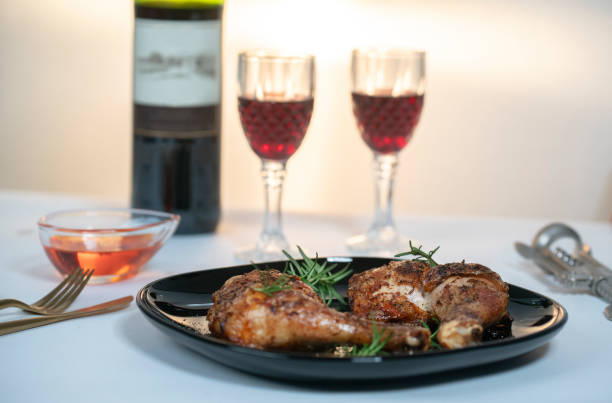
What Wine Goes With Pot Roast
Looking for the perfect wine to pair with your hearty pot roast? You’ve come to the right place. In the next few lines we’ll quickly pinpoint the ideal reds and even a few unexpected whites that complement the rich, savory flavors of slow‑cooked beef. Whether you prefer a bold Cabernet, a smooth Merlot, or a silky Zinfandel, we’ll break down why each works and how to serve it, so you can enjoy a flawless dinner tonight with confidence and ease.
How to Choose the Right Wine for Pot Roast
Identify the flavor profile of your pot roast
Start by tasting the pot roast and noting its dominant flavors. Is the meat seasoned with garlic, rosemary, or thyme, or does it carry a sweet note from carrots and onions? Identify salty, savory, or sweet elements because they guide the wine’s acidity and fruit profile.
If the broth is rich and umami‑heavy, look for a wine that can cut through the depth with bright acidity. For a roast that leans toward earthy mushrooms or root vegetables, consider wines with earthy undertones such as a Pinot Noir or a light‑bodied Merlot.
Match the spice level; a peppery rub pairs well with a wine that has a hint of spice, like a Syrah. By clearly defining the flavor profile you set a solid foundation for selecting a complementary wine that enhances rather than overwhelms the dish.
Consider the cooking method and sauce
Think about how the pot roast is prepared—slow‑braised, oven‑roasted, or pressure‑cooked—as each method creates a distinct texture and sauce consistency. A slow‑braised roast with a glossy, reduced gravy benefits from wines that can mirror the sauce’s richness while providing enough acidity to balance the fat.
If the dish includes a tomato‑based or wine‑infused sauce, choose a wine with complementary fruit notes, such as a Zinfandel or a medium‑bodied Cabernet Sauvignon, to echo the tomato’s sweetness.
For a roast finished with a buttery, herb‑laden pan sauce, a buttery Chardonnay or an oaked white can echo those flavors without clashing. Assess the sauce’s sweetness, acidity, and saltiness; a sweeter glaze pairs nicely with a wine that has a hint of residual sugar, like a Riesling.
Aligning the cooking method and sauce with the wine ensures a harmonious mouthfeel from start to finish.
Match wine body to meat richness
Finally, align the wine’s body with the pot roast’s meat richness. A full‑bodied red such as a Bordeaux blend or a robust Malbec can stand up to a heavily marbled cut, providing tannins that cut through the gelatinous texture while echoing the deep, caramelized flavors.
For a leaner, grass‑fed roast, a medium‑bodied wine like a Chianti Classico offers enough structure without overwhelming the subtle beef notes. If you prefer white wine, choose one with sufficient weight—an oaked Viognier or a full‑bodied white Rioja—to match the richness while delivering bright acidity that lifts the palate.
Consider tannin level and alcohol; higher tannins pair best with fattier meat, whereas lower‑alcohol wines complement milder cuts. By matching the wine’s weight and texture to the roast’s density, you create a balanced pairing that highlights both the dish and the bottle.
What Red Wines Pair Best with Classic Pot Roast
Cabernet Sauvignon basics
When pairing a classic pot roast, Cabernet Sauvignon is a top choice because its firm tannins and dark fruit flavors stand up to the rich, slow‑cooked beef.
Look for a wine with moderate acidity to cut through the fatty gravy, and notes of blackcurrant, plum, and a hint of oak that echo the caramelized onions and herbs.
A younger Cabernet offers fresh fruit vigor, while a more mature bottle adds silky tannins and subtle tobacco or cedar that complement the stew’s depth. Serve the wine slightly below room temperature, around 60‑65°F, to keep the alcohol from overwhelming the dish.
Key tip: choose a bottle from a cooler climate (e.g., Chile or Washington) for a brighter profile, or a classic Napa Cabernet for a bolder, more opulent match. Pair it with a side of roasted root vegetables to enhance the wine’s spice and fruit layers.
Merlot as a versatile option
Merlot’s plush, medium‑body character makes it a versatile partner for pot roast, especially when the dish includes sweet carrots and earthy mushrooms. The wine’s soft tannins and ripe berry profile—think blackberry, plum, and a touch of chocolate—mirror the natural sweetness of the braising liquid without overpowering the meat.
Look for a Merlot with a hint of spice and moderate acidity; this balance helps cleanse the palate between bites of tender beef and buttery potatoes. A California Merlot often brings a round, fruit‑forward style, while a Bordeaux‑right‑bank blend adds subtle earth and cedar that echo the stew’s herbs.
Serve Merlot slightly chilled, around 58‑60°F, to accentuate its freshness. Pro tip: a Merlot aged a few years will have integrated tannins that glide smoothly, creating a harmonious match with the melt‑in‑your‑mouth texture of a well‑cooked pot roast.
Syrah/Shiraz for spice
Syrah (or Shiraz) brings a peppery, smoky edge that pairs beautifully with a pot roast seasoned with garlic, rosemary, and a splash of tomato‑based sauce.
The wine’s bold tannic structure and flavors of black pepper, smoked meat, and dark fruit—such as blueberry and blackcurrant—enhance the dish’s savory depth while adding a subtle heat that lifts the richness of the beef.
Choose a Syrah from a cooler region like the Northern Rhône for restrained acidity and mineral notes, or an Australian Shiraz for a fruitier, more jammy profile that can stand up to a sweeter glaze. Serve the wine at 60‑64°F to keep its aromatics vibrant.
Serving suggestion: a glass of Syrah alongside a side of caramelized onions amplifies the wine’s spice, creating a cohesive, flavor‑forward dining experience. Pair it with a robust red wine reduction sauce to echo the wine’s own intensity and bring the meal full circle.
What White Wines Complement Pot Roast Variations
Chardonnay for buttery sauces
Choose a full‑bodied Chardonnay when your pot roast is finished with a buttery, cream‑based sauce. The wine’s ripe apple and tropical fruit flavors match the richness of the sauce, while its subtle oak and buttery notes echo the melt‑in‑your‑mouth texture.
Serve slightly chilled at 55‑60°F to keep the acidity lively and cut through the fat. Look for a Chardonnay with moderate oak integration; excessive smokiness can overwhelm the meat, but a balanced buttery finish will enhance the caramelized crust.
Pair the wine with the roast’s vegetables—carrots, parsnips, and onions—so the wine’s bright acidity lifts the earthy sweetness. Decant for ten minutes to allow the wine to open up, revealing nuanced vanilla and citrus layers that complement the dish’s depth.
Also, a touch of citrus zest in the sauce will mirror the wine’s subtle lemon undertones, creating a harmonious finish.
Pinot Gris for lighter broths
Opt for a crisp Pinot Gris when your pot roast is simmered in a light broth or a simple wine‑based jus. The wine’s bright acidity and stone‑fruit notes cut through the gentle fat of the meat without overpowering its subtle flavors. Serve chilled at 50‑55°F to preserve its refreshing character.
Choose a Pinot Gris with a clean, mineral finish; this will echo the broth’s savory depth and enhance the tenderness of the beef. Pair it with root vegetables like turnips and celery, whose earthy sweetness is lifted by the wine’s citrus hints.
Taste a sip before the first bite to gauge balance—if the wine feels too sharp, let it breathe for a few minutes to soften the edge.
This pairing works especially well for pot roasts that include herbs such as thyme or bay leaf, as the wine’s subtle spice complements the aromatic profile.
Viognier for aromatic herbs
Select a fragrant Viognet for pot roasts that feature aromatic herbs like rosemary, sage, or lavender. Viognet’s lush peach, apricot, and subtle floral aromas harmonize with the herbaceous notes, creating a layered tasting experience.
Serve slightly cooler than room temperature, around 58‑62°F, to keep the wine’s perfume vivid while allowing enough body to stand up to the beef’s richness.
Look for a Viognet with moderate acidity; too much sweetness can clash with the savory herbs, but a balanced profile will accentuate the roast’s caramelized edges.
Pair the wine with side dishes such as roasted garlic potatoes or a light salad dressed with lemon vinaigrette, which will mirror the wine’s citrus sparkle. Give the wine a brief swirl before sipping to release its aromatic compounds, ensuring each sip complements the herb‑infused broth and tender meat.
Tips for Pairing Wine with Different Pot Roast Cuts
Chuck roast vs. brisket
When choosing a wine for a pot roast, start by distinguishing the cut. Chuck roast is richly marbled and benefits from full‑bodied red wines that can match its beefy texture, such as Cabernet Sauvignon or a robust Zinfandel.
The higher tannin level in these wines cuts through the fat and enhances the caramelized crust. Brisket, on the other hand, is leaner but often cooked longer, developing deep, smoky flavors; it pairs beautifully with medium‑to‑full‑bodied reds that have a touch of spice, like Syrah or a Rioja Reserva.
Both cuts thrive on wines with moderate acidity to balance the richness and keep the palate refreshed between bites. Serve the wine slightly below room temperature, around 60‑65°F, to preserve fruit intensity while softening tannins, ensuring each spoonful of pot roast feels harmonious with the glass.
Enjoy it during your dinner.
Lean vs. fatty cuts
Lean pot roast cuts, such as eye of round or top sirloin, contain less intramuscular fat, so the wine should provide bright acidity and subtle fruit to lift the meat without overwhelming it.
A Pinot Noir with soft tannins and red‑berry notes works well, as does a chilled Beaujolais Nouveau that adds a refreshing zing.
Fatty cuts like short rib or well‑marbled chuck demand wines that can stand up to the richness; look for oak‑aged reds with enough body to coat the palate, such as a Bordeaux blend or an aged Malbec.
The oak integration mirrors the roast’s caramelized exterior, while the wine’s structured tannins help cut through the grease, preventing a cloying mouthfeel.
If you prefer white, choose a full‑bodied, buttery Chardonnay with a touch of oak for fatty cuts, but keep the lean selections paired with a crisp Sauvignon Blanc to preserve balance.
Adjusting wine acidity
Acidity is the secret weapon when pairing wine with any pot roast, because it brightens the deep, savory flavors and prevents the dish from feeling heavy.
If your pot roast leans toward a tomato‑based sauce, increase the wine’s crisp acidity by choosing a Sangiovese or a Chianti Classico, which will echo the tomato’s tang while cutting through the meat’s richness.
For a broth‑heavy roast with herbs, a high‑acid white such as an Albariño or a dry Riesling adds a lively lift that harmonizes with rosemary and thyme.
When the roast is finished with a splash of balsamic or a sweet glaze, balance the sweetness with a wine that has moderate to high acidity and low residual sugar, like a dry Grenache or a cool‑climate Pinot Gris.
Adjust the serving temperature a few degrees cooler for high‑acid wines to enhance their refreshing edge, ensuring each bite feels vibrant.
Best Ways to Serve Wine with Pot Roast
Ideal serving temperature
Serve your pot‑roast wine a few degrees cooler than room temperature to highlight fruit and soften tannins. Aim for 60‑65°F (15‑18°C) for full‑bodied reds such as Cabernet Sauvignon, Merlot, or Zinfandel.
If you prefer a lighter option, a Pinot Noir or a dry Rhône blend should be chilled to 55‑58°F (13‑14°C). Use a wine‑cooling sleeve or place the bottle in the refrigerator for 20‑30 minutes before serving.
Avoid overly warm wine, which can make alcohol taste harsh and mask the stew’s savory notes. Conversely, too cold a temperature will mute the wine’s complexity and prevent it from complementing the meat’s richness.
Let the bottle sit for a few minutes after removal from the fridge to allow the aromas to open, ensuring a harmonious pairing with the pot roast. Serve the wine in a wide‑bowl glass to further enhance its bouquet and integrate with the stew’s herbs.
Decanting tips for reds
Decanting softens tannins and releases aromatic compounds, crucial for reds that accompany a rich pot roast. Allow 30‑45 minutes of decanting for younger Cabernet Sauvignon or Merlot to open up their fruit and spice notes.
For more mature wines, a brief 10‑15 minute pour helps awaken subtle flavors without over‑exposing delicate nuances. Use a clean, clear decanter and pour slowly, letting the wine run down the side to aerate evenly. Avoid shaking the bottle; instead, let gravity do the work.
If you lack a decanter, a large pitcher or even a clean glass jar works as a temporary vessel—just ensure it’s free of residues.
After decanting, give the wine a gentle swirl in the glass to further integrate oxygen, enhancing its ability to complement the stew’s caramelized edges and savory broth during the meal.
Glassware recommendations
Choosing the right glass amplifies the wine’s synergy with pot roast, directing flavors to the palate where they meet the dish. A large‑bowl Bordeaux glass is ideal for full‑bodied reds like Cabernet or Syrah, as its wide opening captures the wine’s robust aroma and guides it over the meat’s richness.
For lighter reds such as Pinot Noir, a tall, tapered Burgundy glass highlights delicate fruit while still allowing enough surface area for oxygenation. If you prefer an oaked white like Chardonnay, a medium‑size, slightly rounded glass balances acidity and buttery notes without overwhelming the stew.
Ensure the glass is clean and free of detergent residue, as any film can mute subtle flavors. Warm the glass slightly in your hand before pouring to release volatile compounds, then let the wine settle for a moment before the first sip to fully experience the pairing.
Common Pairing Mistakes to Avoid
Overpowering the dish with high‑tannin wines
High‑tannin reds such as Cabernet Sauvignon or Nebbiolo can dominate the gentle, savory flavors of a pot roast, leaving the meat tasting flat. Avoid selecting wines with excessive tannin because the long cooking process already softens the protein, and extra astringency will clash with the melt‑in‑your‑mouth texture.
Instead, choose medium‑bodied reds with softer tannins, like Merlot, Pinot Noir, or a Zinfandel that offers fruit‑forward notes without overwhelming the dish. Match the wine’s structure to the stew’s richness by focusing on fruit intensity and moderate acidity rather than sheer grip.
This balance lets the caramelized vegetables and braised beef shine while the wine adds complementary depth rather than a harsh edge. A good rule of thumb is to taste the wine before serving; if the tannins feel drying on the palate, swap it for a softer option.
This simple check ensures the wine enhances rather than masks the comforting flavors of the pot roast.
Choosing overly sweet whites
Sweet white wines like Riesling or Moscato may seem tempting, but their residual sugar can clash with the savory, umami‑rich broth of a pot roast. Steer clear of high‑sugar profiles because the sweetness will highlight the salt and fat, creating an unbalanced palate.
Opt for dry or off‑dry whites such as Chardonnay with modest oak, Sauvignon Blanc, or a lightly oaked Viognier that provide bright acidity and subtle fruit without overpowering the meat. Prioritize acidity over sweetness to cut through the richness and refresh the palate between bites.
When selecting, taste the wine and note its finish; a crisp, clean finish signals the right level of acidity to complement the slow‑cooked flavors. This approach lets the wine act as a palate cleanser, enhancing the tenderness of the roast rather than turning the dish into a sugary contrast.
Ignoring regional flavor matches
Pairing without considering the regional origins of both the wine and the pot roast can lead to mismatched flavor profiles.
Don’t ignore the culinary heritage; a classic American beef pot roast benefits from wines that share similar terroir, such as a California Zinfandel or a Bordeaux‑style Merlot that echo the smoky, herb‑laden character of the dish.
Conversely, an Italian‑style braised beef with tomatoes and rosemary pairs beautifully with a Chianti Classico or a Sangiovese that mirrors the Mediterranean herbs. Align the wine’s fruit and spice notes with the stew’s seasoning to create harmony.
Look for wines that exhibit earthy undertones, modest oak, and a balanced acidity that can stand up to the slow‑cooked richness. By matching regional flavor cues, the wine reinforces the dish’s depth, turning a simple pot roast into a cohesive, memorable dining experience.
Frequently Asked Questions About Wine and Pot Roast
Can I use rosé?
Rosé can be a surprisingly good partner for pot roast, especially if you choose a dry style with enough acidity to cut through the richness. Look for a Provençal rosé or a dry Italian rosato that offers bright red‑fruit flavors and a crisp finish.
Choose a rosé with moderate tannins so it won’t clash with the tender meat, and serve it slightly chilled (around 55°F) to keep the palate refreshed. If your pot roast includes herbs like rosemary or thyme, a rosé with subtle herbal notes will echo those flavors.
For a heartier, tomato‑based sauce, a fuller‑bodied rosé can stand up to the sauce’s depth. Remember to taste the wine alongside a small bite of the roast before committing; this quick test ensures the pairing works for your specific seasoning profile today again.
What about sparkling wine?
Sparkling wine can lift a pot roast dinner by adding effervescence that brightens the deep, savory flavors. Opt for a Brut or Extra‑Dry Champagne, a dry Cava, or an Italian Prosecco with enough acidity to balance the meat’s richness.
Select a sparkling wine with fine bubbles and a crisp minerality, which will cleanse the palate between bites and highlight the caramelized crust. If your pot roast is cooked with a sweet glaze or root vegetables, a slightly off‑dry style can echo those sweet notes without becoming cloying.
Serve the wine chilled at 45‑50°F, and consider pouring it into a flute to preserve the bubbles.
A quick tip: let the sparkling wine breathe for a minute after opening; this softens any sharp alcohol edge and lets the fruit aromas emerge, making the pairing more harmonious with the hearty stew.
How far ahead can I prep the pairing?
Planning the wine pairing ahead of time ensures a stress‑free dinner and lets the flavors develop fully. You can purchase the chosen bottle up to a week before the pot roast, but store it in a cool, dark place to preserve its character.
If you prefer a red like a Cabernet Sauvignon or a Merlot, let it rest at cellar temperature (55‑60°F) for at least 30 minutes after removal from the fridge; this brings out soft tannins and fruit nuances.
For whites or rosés, chill them to 50‑55°F and keep them there until just before serving. You may also pre‑mix a small tasting flight: pour a quarter‑glass of each candidate wine into separate glasses, label them, and let guests sample 10‑15 minutes before the meal.
This proactive step helps you confirm the best match and gives diners confidence that the wine has been thoughtfully paired with the pot roast’s herbs, sauce, and texture.
Frequently Asked Questions
What type of red wine pairs best with pot roast?
Full-bodied red wines with moderate tannins, such as Cabernet Sauvignon, Merlot, or a Bordeaux blend, complement the rich, savory flavors of pot roast.
Can a lighter red wine work with pot roast?
Yes, lighter reds like Pinot Noir or a Grenache can work if the pot roast is prepared with milder herbs and a less intense sauce, offering a balanced pairing.
Are there any white wines that go well with pot roast?
While red wines are traditional, a full-bodied white like oaked Chardonnay or a Viognier can pair nicely, especially if the dish includes creamy or buttery elements.
How does the cooking method affect wine selection for pot roast?
Slow-braised pot roast with deep, caramelized flavors pairs best with robust reds, whereas a quicker stovetop roast with lighter seasoning may suit medium-bodied reds or fuller whites.
Should I consider the sauce when choosing a wine for pot roast?
Absolutely; a tomato-based sauce leans toward acidic reds like Chianti, while a mushroom or gravy sauce pairs well with earthy reds such as Pinot Noir or a mature Cabernet.
What about non-alcoholic options to pair with pot roast?
A rich, unsweetened grape juice or a robust herbal tea, like rooibos, can mimic the depth of red wine and complement the savory profile of pot roast.
Conclusion
In short, a robust red such as Cabernet Sauvignon, Merlot, or a spicy Zinfandel perfectly complements the rich, savory flavors of pot roast, while a full‑bodied Syrah or a mellow Malbec offers a smooth, earthy balance. Remember to match the wine’s acidity and tannins to the dish’s sauce and herbs. Experiment, enjoy the pairing, and let each bite and sip enhance the other.