What Wine Goes With Halibut
Finding the perfect wine for halibut doesn’t have to be a mystery. In this quick guide, we’ll match the delicate, flaky texture and mild flavor of the fish with a few top picks that enhance every bite. From crisp whites to light rosés, you’ll discover why certain wines complement the subtle sweetness and buttery finish of halibut. Stick with us, and you’ll be serving a flawless pairing at your next dinner without any guesswork for your guests to enjoy tonight.
How to Choose the Right Wine for Halibut
Flavor profile of halibut
Halibut offers a delicate, mildly sweet flavor with a firm, flaky texture that carries a faint hint of the sea. Its low‑fat flesh lets subtle seasonings and sauces shine without overwhelming the palate.
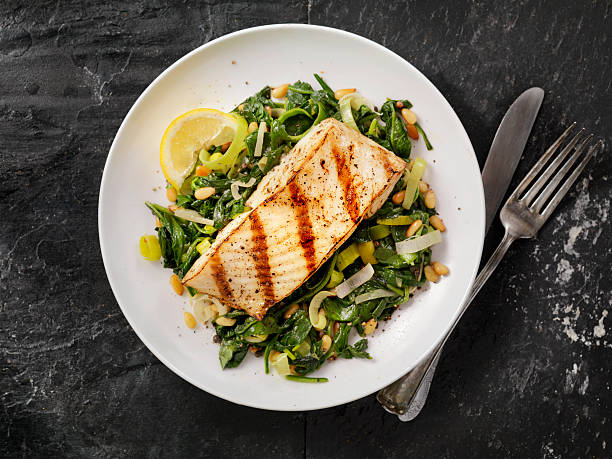
When cooked simply—grilled, baked, or pan‑seared—the natural buttery notes become more pronounced, while richer preparations with butter, lemon, or herb sauces add bright acidity and aromatic depth. Key tasting notes include gentle sweetness, light brininess, and a clean finish that rarely dominates a dish.
Because the fish is not intensely fishy, it pairs best with wines that complement rather than compete, allowing the subtle flavors to be highlighted. Understanding this profile helps you target wines with matching acidity, light body, and nuanced fruit, creating a harmonious balance on the plate.
Consider the cooking method and any accompanying ingredients, as they can shift the ideal wine choice toward brighter citrus notes or softer, creamy textures.
Key wine characteristics to match
To complement halibut, look for wines that deliver bright acidity, moderate alcohol, and a light‑to‑medium body. High acidity cuts through any buttery sauce and highlights the fish’s natural sweetness, while keeping the palate refreshed.
Wines with subtle fruit—such as citrus, green apple, or stone fruit—mirror the delicate flavor of the flesh without overwhelming it. A modest alcohol level (around 11‑13% ABV) ensures the wine remains gentle and does not mask the fish’s nuance.
Opt for unoaked or lightly oaked varieties to preserve a clean finish; excessive oak can introduce heavy vanilla or toast that competes with the subtle brine. Good candidates include Sauvignon Blanc, Albariño, Pinot Grigio, and dry Riesling, each offering the right balance of zest, minerality, and restrained fruit.
When the dish includes herbs like dill or parsley, choose a wine with herbaceous notes to echo those aromatics, creating a seamless flavor dialogue.
Common mistakes to avoid
Pairing halibut with the wrong wine can drown its subtle character or create a clash of flavors. Avoid heavy, high‑tannin reds such as Cabernet Sauvignon or Syrah; their firm structure and dark fruit dominate the gentle fish and leave a bitter aftertaste.
Similarly, overly sweet wines like late‑harvest Riesling or Moscato can mask the natural sweetness of the halibut, turning the dish overly cloying. Do not select overly oaked whites—think heavily barrel‑aged Chardonnay—because the buttery, vanilla notes will compete with any sauce and obscure the fish’s clean finish.
Another pitfall is ignoring the preparation: a grilled halibut with smoky char benefits from a slightly more robust white, while a delicate poached version calls for a crisp, mineral‑focused wine. Finally, be wary of high‑alcohol wines; the heat can amplify the perception of richness and make the pairing feel unbalanced.
By steering clear of these errors, you keep the focus on the fish’s nuanced flavor and enjoy a harmonious dining experience.
What Types of White Wine Pair Best
Sauvignon Blanc
Sauvignon Blanc’s bright acidity and citrus-driven profile make it a natural partner for delicate halibut. Start by selecting a bottle with pronounced notes of lime, grapefruit, and green apple; these flavors echo the fish’s mild sweetness while cutting through any buttery sauce.
Serve chilled at 45‑50°F to preserve its crispness, and consider a light, herb‑infused garnish like dill or parsley on the plate. If the halibut is prepared with a lemon‑butter glaze, the wine’s zesty edge will balance the richness without overwhelming the flesh.
For grilled or pan‑seared preparations, the herbaceous undertones of a New Zealand or Loire Valley Sauvignon Blanc add a refreshing contrast that lifts the dish. Pairing tip: a splash of fresh lemon juice in the wine can mirror the citrus accents on the fish, creating a harmonious finish for dinner.
Chardonnay
Chardonnay, especially those with moderate oak influence, pairs beautifully with halibut served in creamy or buttery sauces.
Look for a wine that balances buttery vanilla notes with bright fruit such as peach, pineapple, and a hint of citrus; this duality mirrors the richness of a beurre blanc or a light cream sauce without competing with the fish’s subtle flavor.
Serve slightly cooler than room temperature, around 50‑55°F, to keep the wine’s texture supple. When the halibut is pan‑seared and finished with a herb‑butter drizzle, the wine’s subtle oak can echo the buttery glaze while its acidity cleanses the palate.
For baked halibut with a Parmesan crust, the nutty undertones of a lightly oaked Chardonnay enhance the cheese’s depth. Pairing tip: choose a bottle with a crisp finish rather than overly buttery, ensuring the wine lifts the dish and leaves a clean, lingering impression.
Pinot Grigio
Pinot Grigio offers a light‑bodied, mineral‑driven canvas that accentuates the clean taste of halibut, especially when the fish is prepared with Asian‑inspired flavors.
Select a wine from Italy’s Veneto or Oregon’s Willamette Valley that showcases crisp green apple, lemon zest, and a subtle saline edge; these elements echo the fish’s delicate texture and any soy‑ginger glaze. Serve well chilled at 40‑45°F to highlight its refreshing acidity.
If the halibut is grilled and finished with a miso‑citrus glaze, the wine’s bright acidity cuts through the umami while its mineral notes lift the dish. For poached halibut with a light broth of white wine, herbs, and scallions, the subtle fruit of Pinot Grigio complements without overwhelming.
Pairing tip: a touch of sparkling water added to the glass can enhance the wine’s effervescence, mirroring the delicate bubbles in a broth‑based preparation and keeping the palate lively.
What Red Wines Can Work with Halibut

Light‑bodied reds
Light‑bodied reds can surprisingly complement halibif’s delicate flavor when chosen carefully. Look for wines with low tannin, bright acidity, and subtle fruit notes that won’t overwhelm the fish’s buttery texture.
Select a Grenache‑based blend from the Southern Rhône or a young Beaujolais Nouveau, both offering soft red berry aromas and a refreshing finish. Serve the wine slightly chilled, around 55°F (13°C), to enhance its crispness and keep the palate lively.
Pairing a light‑bodied red with a citrus‑herb sauce on the halibut helps balance richness while preserving the fish’s natural sweetness. Avoid heavily oak‑aged reds, as their smoky intensity can mask the subtle sea‑derived flavors.
By focusing on gentle structure and bright fruit, you create a harmonious duet that highlights both the wine and the delicate white fish. Try serving the halibut with a light tomato‑based salsa to echo the wine’s red fruit character.
Pinot Noir
Pinot Noir is a classic red that often pairs well with seafood, and its subtle profile makes it a top choice for halibut. The wine’s silky tannins, bright acidity, and aromas of cherry, raspberry, and earth provide a gentle backdrop that enhances the fish without dominating it.
Choose a cool‑climate Pinot, such as those from Oregon’s Willamette Valley or Burgundy’s Côte de Nuits, where the fruit stays restrained and the minerality is pronounced. Serve the wine at 58‑60°F (14‑15°C) to preserve its aromatic finesse.
When the halibut is prepared with a mushroom‑infused beurre blanc or a light soy‑ginger glaze, the earthiness of the Pinot mirrors the umami notes, creating a seamless flavor bridge. Avoid overly oaked or high‑alcohol styles, as they can overwhelm the delicate flesh.
By matching the wine’s elegance with the fish’s subtle richness, you achieve a balanced, restaurant‑quality pairing.
Beaujolais
Beaujolais, especially the fruit‑forward Beaujolais Villages or a lightly chilled Beaujolais Nouveau, offers a playful red option for halibut lovers seeking something different.
Made from Gamay grapes, the wine delivers vibrant raspberry and strawberry flavors, low tannins, and a lively acidity that can cut through buttery sauces while preserving the fish’s natural sweetness. Serve Beaujolais at 50‑55°F (10‑13°C) to accentuate its freshness and keep the palate from feeling heavy.
This style shines when paired with halibut grilled with a citrus‑herb butter or tossed in a light summer salad with capers and olives, as the wine’s bright fruit mirrors the dish’s zest.
Steer clear of the more mature Beaujolais Crus, which develop earthier, tannic characteristics that may clash with the delicate flesh. By choosing a young, fruit‑driven Beaujolais, you introduce a refreshing contrast that elevates the meal without overpowering the star ingredient.
Tips for Pairing Wine with Different Halibut Preparations
Grilled halibut
When you grill halibut, aim for a wine that can stand up to the smoky char while highlighting the fish’s mild, sweet flavor. Choose a crisp, mineral‑driven white such as a Sauvignon Blanc from the Loire or a New Zealand Sauvignon Blanc; the bright acidity cuts through any grill‑induced richness.
If you prefer a fuller body, a lightly oaked Chardonnay from Burgundy offers buttery notes that echo a brushed‑up grill surface without overwhelming the delicate flesh. Avoid overly sweet or heavily tannic reds, as they will mask the subtlety of the fish.
Serve the wine slightly chilled (around 50‑55°F) to keep the palate refreshed between bites. Pairing with a side of herb‑marinated vegetables or a citrus salsa will further enhance the wine’s citrus aromatics, creating a harmonious balance between smoke, sea, and glass today.
Pan‑seared with butter sauce
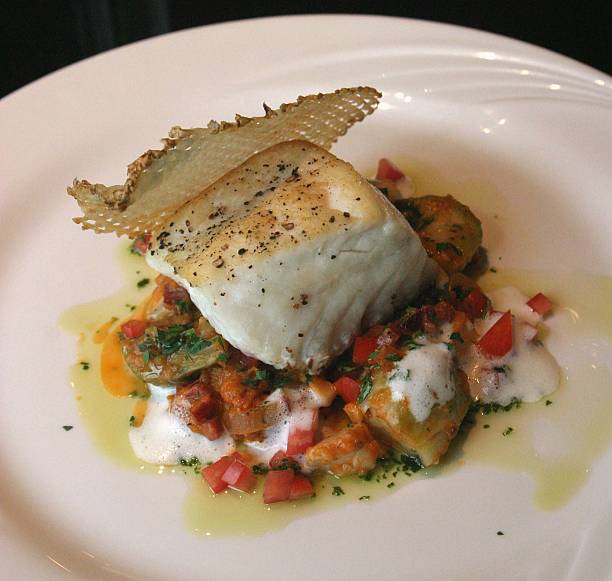
For pan‑seared halibut bathed in a buttery sauce, select a wine that mirrors the richness while preserving acidity to cleanse the palate. Opt for a white Burgundy (Chardonnay) with subtle oak and a lively minerality; its creamy texture pairs naturally with the velvety butter and enhances the fish’s firm bite.
A German Riesling (dry, Kabinett style) works equally well, offering bright citrus notes and a hint of stone fruit that cut through the sauce’s fat. Steer clear of high‑alcohol reds that can feel heavy beside the buttery glaze. Serve the wine at 52‑55°F to maintain its aromatic intensity.
Complement the pairing with sautéed greens or a light asparagus risotto, which will echo the wine’s green apple and lemon nuances, creating a seamless dialogue between the buttery sauce, the halibut, and the glass tonight.
Halibut in citrus marinades
When halibut is marinated in citrus, the bright acidity calls for a wine that amplifies the zest while offering enough body to match the fish’s texture.
Pick a dry rosé from Provence or a Spanish rosado; its red fruit backbone and crisp acidity echo the lemon‑lime notes and keep the palate lively. An Albariño from Rías Baixas also shines, delivering stone‑fruit aromas and a saline minerality that mirrors the sea‑freshness of the dish.
Avoid overly oaky whites that could mute the citrus sparkle. Serve the wine chilled at 48‑52°F for maximum freshness.
Pair with a side of quinoa salad tossed in herbs and orange segments; the wine’s subtle herbaceous hints will intertwine with the salad, reinforcing the citrus theme and delivering a balanced, refreshing experience. Enjoy this pairing with a sunny afternoon on the patio for an unforgettable meal.
Best Ways to Serve Wine with Halibut
Ideal serving temperature
Serving the right temperature unlocks the delicate flavors of the wine that pairs best with halibut, typically a crisp white such as Sauvignon Blanc, Chardonnay, or a light Pinot Gris. Chill the wine to 45‑50°F (7‑10°C) for a bright, refreshing profile that complements the fish’s flaky texture and subtle sweetness.
If you prefer a richer, buttery Chardonnay, aim for the higher end of the range, around 50°F, to preserve its creamy mouthfeel without muting its oak nuances. For aromatic whites like Riesling, a slightly cooler 45°F keeps the acidity lively and the fruit forward.
Use a wine fridge or an ice bucket with a thin layer of ice and water for precise control, and avoid over‑chilling, which can mask the wine’s complexity and diminish the pairing’s harmony with halibut.
Check the label for serving suggestions and adjust slightly based on the dish’s seasoning for optimal balance.
Glassware selection
Choosing the proper glass enhances the aromatic expression and sip experience of the wine paired with halibut. Select a white‑wine glass with a narrow rim and a slightly tapered bowl; this channels the wine’s delicate nose toward the nose and preserves its crisp acidity, which brightens the fish’s mild flavor.
For fuller‑bodied whites like oaked Chardonnay, a glass with a broader bowl allows gentle aeration, releasing subtle buttery and vanilla notes that echo the richness of a pan‑seared halibut. Avoid overly large, red‑wine glasses that disperse aromas too quickly, diluting the nuanced pairing.
If serving a sparkling wine such as Champagne, opt for a flute to retain effervescence while still delivering the citrus zest that cuts through the buttery sauce. Matching glassware to the wine style ensures each sip supports the texture and seasoning of the halibut dish.
Decanting basics
While most white wines for halibut do not require extensive decanting, a brief pour‑and‑wait can soften tight aromatics and reveal hidden layers.
Decant for 15‑30 minutes if the wine is a young, high‑acid Sauvignon Blanc or a mineral‑driven Albariño; this short exposure to oxygen mellows sharp edges and lets citrus and green‑apple notes open up.
For richer, oak‑influenced Chardonnays, a 20‑minute decant can integrate buttery nuances with subtle oak, creating a smoother mouthfeel that mirrors the fish’s silky texture. Use a clear, wide‑mouth decanter to maximize surface area, and avoid over‑decanting, which can evaporate delicate fruit and leave the wine flat.
Taste after the allotted time and adjust by letting the wine sit a few minutes longer if needed, ensuring the final sip perfectly complements the halibut’s flavor profile. Serve the decanted wine immediately after the final taste to maintain its refreshed character throughout the meal.
How to Complement the Meal with Food and Wine
Side dishes that enhance the pairing
Pair halibut with light, citrus‑forward whites such as Sauvignon Blanc, unoaked Chardonnay, or a crisp Pinot Gris. Choose a side that mirrors the wine’s acidity – think lemon‑zested quinoa, asparagus spears tossed in olive oil, or a simple arugula salad with a vinaigrette.
These vegetables add a bright, slightly bitter edge that balances the fish’s mild sweetness and lets the wine’s fruit shine. Avoid heavy, creamy sides like buttery mashed potatoes, which can mute the wine’s freshness.
Instead, opt for a grain pilaf infused with herbs, or a chilled cucumber‑mint relish that adds a refreshing crunch. When the side dish supplies a clean, mineral backdrop, the chosen white wine will enhance the delicate flake of halibut, creating a harmonious bite‑to‑sip experience.
Pairing with a glass served slightly chilled, around 45‑50°F, ensures the acidity stays lively and the palate remains refreshed between bites.
Sauces and herbs that affect wine choice
The sauce you drizzle over halibut can pivot the wine choice dramatically. A buttery lemon‑butter sauce calls for a richer, oak‑aged Chardonnay that can match the creaminess while echoing citrus notes.
If you prefer a herbaceous pesto with basil, parsley, and a hint of garlic, a crisp Sauvignon Blanc with herbal undertones will complement the green flavors without overwhelming the fish.
For a spicy Asian glaze featuring ginger, soy, and a touch of chili, opt for an off‑dry Riesling that balances heat with a touch of sweetness. Herbs like dill or tarragon add a subtle anise quality; a light Pinot Gris with subtle spice can mirror this nuance.
Adjust the wine’s body to the sauce’s intensity: lighter sauces pair with delicate wines, while richer sauces need a wine with enough structure to stand up to the added richness.
Dessert considerations
Finishing a halibut dinner with dessert requires a wine that respects the lingering marine flavors while satisfying the sweet craving. A light, fruit‑forward Moscato d’Asti works well after a citrus‑based sauce, offering gentle fizz and honeyed notes that won’t overpower the palate.
If the meal featured richer, buttery elements, consider a late‑harvest Gewürztraminer whose aromatic spice and residual sugar can echo the richness without clashing. For those who prefer chocolate or nut‑based desserts, a dry sherry such as Amontillado provides nutty depth and a clean finish that balances the fish’s subtlety.
Keep portions modest and serve the dessert wine slightly cooler than the white wine, around 50‑55°F, to maintain freshness. By matching the dessert’s intensity and flavor profile, you ensure the overall dining experience ends on a harmonious, memorable note.
Pairing with a small spoonful of vanilla‑infused whipped cream can enhance the wine’s aromatics and create a silky bridge between the fish and the sweet finale.
Frequently Asked Questions About Halibut and Wine Pairing
Can I pair rosé with halibut?
Rosé can be an excellent match for halibut, especially when the fish is prepared with light, citrusy or herb‑driven sauces. Choose a dry, crisp rosé that offers bright acidity and subtle red‑fruit notes; this balances the delicate, flaky texture without overwhelming it.
If you’re grilling or pan‑searing the halibut with a splash of lemon, a Provençal rosé made from Grenache, Cinsault, and Syrah works beautifully. For a more aromatic profile, a rosé from the Loire Valley with hints of green apple and white pepper can complement a herb‑butter glaze.
Avoid overly sweet rosés, as the sugar can clash with the fish’s natural sweetness. Serve the wine slightly chilled, around 45‑50°F (7‑10°C), to keep the palate refreshed.
By pairing a dry rosé with the right preparation, you enhance both the wine’s fruitiness and the halibut’s subtle flavors, creating a harmonious dining experience.
What if I prefer sparkling wine?
Sparkling wine adds a festive, palate‑cleansing element to halibut dishes, especially when the fish is served with buttery or creamy sauces. Opt for a Brut or Extra‑Brut style, which provides crisp acidity and fine bubbles that cut through richness without adding sweetness.
A classic Champagne, a quality Prosecco, or a Spanish Cava all work well; each offers mineral notes that echo the oceanic character of the fish. If the halibut is prepared with a citrus‑infused glaze, the bright lemon zest pairs beautifully with the wine’s lively effervescence.
For a more adventurous twist, try an English sparkling wine made from Chardonnay and Pinot Noir for subtle toastiness. Serve the sparkling wine well chilled, around 40‑45°F (4‑7°C), and pour it into a flute to preserve the bubbles.
This combination lifts the delicate flavor of halibut while keeping the meal light and celebratory.
How to store leftover wine after the meal
Storing leftover wine properly ensures you can enjoy it later without losing its character. Seal the bottle tightly using a wine stopper or a vacuum pump to minimize oxygen exposure, which can cause oxidation and flatten flavors.
Keep the wine in a cool, dark place; a refrigerator works well for both white and sparkling wines, maintaining a steady temperature around 50‑55°F (10‑13°C). If you have a larger amount, consider transferring it to a smaller bottle to reduce the air headspace.
For red wines that were served with halibut, you can let them warm to room temperature before drinking, but avoid prolonged storage at warm temperatures.
Remember to label the bottle with the date opened, so you know how long it’s been stored—generally, most wines stay enjoyable for 3‑5 days after opening. By following these simple steps, you preserve the wine’s aroma and taste, ready for another enjoyable sip.
Frequently Asked Questions
What type of white wine pairs best with halibut?
A crisp, acidic white wine such as Sauvignon Blanc or Pinot Grigio complements the mild, flaky texture of halibut, enhancing its delicate flavor without overwhelming it.
Can I pair halibut with a rosé?
Yes, a dry rosé with bright acidity and subtle fruit notes can work well, especially if the halibut is served with a light tomato or citrus sauce.
Is a Chardonnay suitable for halibut?
A lightly oaked or unoaked Chardonnay can be a good match, particularly if the dish includes buttery or creamy sauces that echo the wine’s subtle richness.
What red wines, if any, go with halibut?
Red wines are generally not recommended, but a light-bodied, low-tannin red like a Pinot Noir or a chilled Beaujolais can work if the preparation includes earthy or mushroom elements.
How does the cooking method affect wine choice for halibut?
Grilled or blackened halibut pairs well with more robust whites like Albariño, while poached or steamed halibut shines with delicate wines such as Vermentino or a dry Riesling.
Should I consider the sauce when selecting wine for halibut?
Absolutely—citrus, herb, or butter sauces each call for different wines: citrus sauces favor high-acid whites, herb sauces pair with aromatic whites like Grüner Veltliner, and buttery sauces suit richer whites like Chardonnay.
Conclusion
Pairing halibut with wine is simple: choose bright, crisp whites that enhance the fish’s delicate flavor without overwhelming it. Sauvignon Blanc, unoaked Chardonnay, and a light Pinot Grigio provide refreshing acidity, while a dry Riesling adds subtle fruit notes. Remember to serve chilled and enjoy the harmony of flavors. Experiment, trust your palate, and let each bite and sip elevate your dining experience.