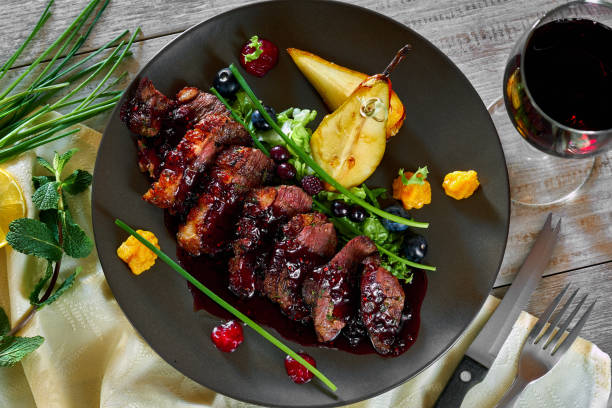
What Wine Goes With Duck Breast
Choosing the perfect wine for duck breast doesn’t have to be a mystery. In this quick guide, we’ll match the rich, slightly gamey flavor of duck with wines that enhance its juicy tenderness and any sweet‑or‑savory glaze you might use. Expect recommendations ranging from classic Pinot Noir to bold Zinfandel, plus a few unexpected whites that surprise the palate. By the end, you’ll know exactly which bottle to uncork for a dinner that impresses without the guesswork for everyone today.
How to Choose the Right Wine for Duck Breast
Flavor profile of duck breast
Understanding the flavor profile of duck breast is the first step to a successful pairing. The meat is rich and gamey, offering a deep, slightly earthy taste that is balanced by a naturally silky, buttery texture.
Because duck has a higher fat content than chicken or turkey, it carries a subtle sweetness that often shines when paired with fruit‑based sauces such as orange, cherry, or plum. The skin, when crisped, adds a pleasant crackling crunch and a hint of smoky caramelization.
These layers create a complex palate that benefits from wines that can mirror the meat’s intensity while cutting through the fat. Look for wines that provide bright acidity, a touch of fruit‑forward character, and enough body to stand up to the richness without overwhelming the delicate nuances of the duck.
A well‑chosen wine will echo the duck’s savory depth while refreshing the palate for each bite.
Key wine characteristics to match
To match duck breast, focus on wines that deliver bright acidity, moderate tannins, and a fruit‑forward profile. Acidity slices through the meat’s fat, cleansing the palate and highlighting the subtle sweetness of any glaze. Moderate tannins add structure without creating a bitter clash with the duck’s richness.
Look for fruit notes like cherry, plum, or blackberry, which echo the fruit sauces often served with the bird. A wine with a hint of spice or earthiness, such as a lightly peppered Pinot Noir or a Grenache‑based blend, can complement the gamey undertones.
Full‑bodied options, like a mature Merlot or a lightly oaked Syrah, work when the dish includes a richer, buttery sauce. Finally, consider the temperature: serving the wine slightly cooler than room temperature preserves its freshness, ensuring each sip balances the duck’s silky texture and robust flavor.
Common pairing mistakes
Even with good guidance, diners often slip into common pairing pitfalls that mask the duck’s elegance. One frequent error is choosing a high‑tannin red such as a young Cabernet Sauvignon; the harsh tannins can feel gritty against the silky skin and amplify bitterness.
Another mistake is reaching for an overly sweet wine like a late‑harvest Riesling, which competes with the natural sweetness of fruit sauces and overwhelms the meat.
Pairing a light, low‑acid white such as a simple Pinot Grigio leaves the palate feeling greasy, as it lacks the acidity needed to cut the fat.
Ignoring the sauce is also risky—if the duck is served with a spicy Asian glaze, a mellow, fruit‑forward wine may clash, whereas a wine with subtle peppery notes will harmonize. Lastly, serving the wine too warm dulls its freshness, reducing its ability to refresh the palate between bites.
What Red Wines Pair Best with Duck Breast

Pinot Noir: a classic match
Pinot Noir is often hailed as the go‑to red for duck breast because its bright acidity and subtle fruit complement the rich, slightly gamey meat without overwhelming it.
Look for a wine with soft, silky tannins and notes of red cherry, raspberry, and a hint of earthiness; these flavors echo the sweet‑and‑savory glaze or fruit‑based sauces commonly served with duck.
A cooler‑climate Pinot, such as those from Burgundy or Oregon’s Willamette Valley, offers a refined structure that cuts through the fat while enhancing the dish’s nuanced spices. When the duck is prepared with a classic orange‑marmalade glaze, the wine’s natural acidity mirrors the citrus, creating a harmonious balance.
Serve the Pinot slightly chilled, around 55‑58°F, to accentuate its freshness and ensure each sip refreshes the palate between bites. Pair it with a side of roasted root vegetables to further tie the earthy notes together.
Merlot and its soft tannins
Merlot’s plush mouthfeel and ripe plum character make it a surprisingly versatile partner for duck breast, especially when the meat is cooked to a medium‑rare finish and served with a rich, velvety sauce.
The wine’s moderate acidity balances the fattiness of the duck, while its soft, rounded tannins glide over the palate, echoing the buttery texture of the meat.
Choose a Merlot from a warm climate, such as California’s Napa Valley or a Bordeaux‑style blend from the Right Bank, where the fruit leans toward black cherry, blackberry, and a whisper of vanilla from oak aging.
These flavors complement classic accompaniments like a cherry‑reduction or a mushroom‑cream sauce, enhancing both the wine and the dish. Serve Merlot slightly below room temperature, around 60‑64°F, to keep its fruit forward and prevent the alcohol from dominating the nuanced flavors of the duck.
Syrah/Shiraz for bold flavor
Syrah, known as Shiraz in warmer regions, brings a bold, peppery intensity that can stand up to the robust flavor profile of duck breast, particularly when the bird is seasoned with aromatic herbs or a smoky rub.
The wine’s deep, dark fruit—think blackberry, plum, and a touch of dried fig—pairs beautifully with the meat’s richness, while its characteristic notes of black pepper, smoked paprika, and subtle leather add a complementary spice layer.
Opt for a Syrah from the Rhône Valley for a more restrained, mineral-driven style, or choose an Australian Shiraz for a fruit-forward, higher‑alcohol expression that matches a glaze of pomegranate or a reduction of red wine and balsamic.
The firm tannic structure of Syrah helps cut through the duck’s fat, refreshing the palate with each sip. Serve it at 58‑62°F to showcase its complexity without overwhelming the dish.
What White Wines Complement Duck Breast
Chardonnay with buttery notes
Chardonnay’s creamy, buttery texture pairs beautifully with the rich, silky flesh of duck breast. Look for a wine that balances oak‑derived vanilla and toast with bright acidity; this contrast cuts through the meat’s fat while echoing its subtle sweetness.
Choose a lightly oaked Chardonnay from Burgundy or a cooler‑climate New World region to keep the palate fresh. Serve the wine slightly chilled, around 12‑13 °C, to enhance its crisp fruit notes and prevent the buttery mouthfeel from becoming cloying.
Pair it with a classic orange‑glaze or a herb‑butter sauce, allowing the wine’s citrus hints to lift the glaze’s tang. The combination of bright acidity, subtle oak, and buttery richness creates a harmonious match that highlights both the wine’s elegance and the duck’s delicate flavor.
Enjoy this pairing with a side of roasted root vegetables, which will echo the wine’s mineral undertones and round out the meal.
Gewürztraminer for spice
Gewürztraminer’s aromatic intensity and gentle sweetness make it an ideal partner for spiced duck breast preparations. The wine’s floral notes of lychee, rose petal, and ginger complement the peppery or five‑spice rubs often used on the poultry, while its low acidity balances the richness of the meat.
Select a dry‑to‑off‑dry style from Alsace or a cool New World region to keep the palate lively without overwhelming the dish. Serve slightly chilled, around 10‑12 °C, to preserve its fragrant bouquet.
Pair the duck with a plum‑based sauce or a modest amount of orange‑marmalade; the wine’s subtle sweetness will echo the fruit’s natural sugars and soften any heat from the spices.
The synergy of aromatic spice, gentle sweetness, and moderate acidity creates a vibrant contrast that lifts the duck’s flavor profile and leaves a lingering, pleasant finish.
Riesling off‑dry style
An off‑dry Riesling offers bright acidity paired with a touch of residual sugar, making it a versatile match for duck breast served with sweet‑savory components.
The wine’s crisp green‑apple and citrus flavors cut through the duck’s fat, while the subtle honeyed notes echo glaze ingredients such as cherry, pomegranate, or balsamic reduction. Opt for a German Kabinett or an Alsace Riesling with 2‑4 g/L residual sugar to keep the balance lively yet gentle.
Serve chilled at 9‑11 °C to highlight its aromatic purity. When the duck is finished with a light peppercorn crust or a ginger‑soy glaze, the Riesling’s acidity brightens the spice, and its faint sweetness tempers any heat, resulting in a harmonious palate.
The combination of zesty acidity, faint sweetness, and mineral backbone ensures the wine supports the duck without overpowering, delivering a refreshing finish that invites another bite.
Tips for Matching Wine with Duck Sauce Variations
Orange or citrus‑based sauces
Orange or citrus‑based sauces bring bright acidity and a hint of sweetness that can clash with overly tannic wines. Choose a wine that mirrors that lively acidity while offering enough fruit to complement the sauce.
Opt for a dry Riesling from Alsace or Germany; its crisp acidity and subtle stone‑fruit notes echo the orange zest without overwhelming the duck. Gewürztraminer works well if the sauce leans toward sweet, providing aromatic spice that pairs with citrus aromatics.
For red lovers, a light‑bodied Pinot Noir with soft tannins and red‑berry flavors can handle the citrus lift, especially when the sauce includes orange marmalade.
Finish with a brief tasting: sip, then taste a bite of duck with sauce, noting how the wine’s acidity cleanses the palate and highlights the fruit‑forward character of the dish. Serve the Riesling slightly chilled, around 10‑12 °C, to preserve its zestiness.
If you prefer a red, ensure the Pinot Noir is served just below room temperature, about 14‑16 °C, to keep its fruit purity intact. Pair the duck with a light orange‑glazed carrot or a fennel salad; the wine will cut through the richness and keep the meal balanced.
Remember to let the wine breathe for ten minutes to open up its aromatic profile, which will enhance the citrus dialogue on the palate.
Berry‑rich reductions
Berry‑rich reductions, such as those made with blackcurrant, cherry, or cranberry, add deep fruit sweetness and a velvety texture that pairs beautifully with wines offering similar jammy character.
Choose a medium‑bodied Pinot Noir from Burgundy or Oregon; its soft tannins and bright raspberry notes echo the berry sauce while cutting through the duck’s richness. A fruit‑forward Zinfandel from California can also shine, providing peppery spice and plum‑like depth that mirrors the sauce’s intensity.
If you favor a richer red, a Merlot with plush black‑fruit flavors and supple tannins will harmonize without overwhelming the palate. Serve the wine slightly below room temperature, around 15 °C, to maintain freshness.
Complement the dish with a side of roasted beetroot or a wild‑rice pilaf; the earthiness of these sides will resonate with the wine’s fruit backbone, creating a cohesive dining experience. Allow the wine to aerate for a few minutes to fully develop its aromatic profile before serving.
Serve the Pinot Noir with a drizzle of aged balsamic reduction to brighten the berry notes. If you choose Zinfandel, garnish with caramelized shallots to echo its sweet‑spicy character. Decant the wine for ten minutes to soften edges and release aroma.
A modest side of aged Gouda or mild blue cheese adds creamy richness that melds with the sauce and enhances the wine’s fruit depth.
Herb‑infused gravies
Herb‑infused gravies, featuring rosemary, thyme, sage, or tarragon, lend earthy aromatics that complement the gamey flavor of duck breast. To match these savory notes, select a wine that offers both acidity and subtle oak to echo the herbs without masking the meat.
A lightly oaked Chardonnay from Burgundy provides bright citrus acidity, a creamy mouthfeel, and a hint of vanilla that harmonizes with rosemary‑laden sauces. Sauvignon Blanc, especially from the Loire Valley, delivers crisp green‑herb notes and zesty lime that mirror thyme or tarragon nuances, keeping the palate refreshed.
For red‑wine lovers, a Grenache‑based blend with moderate tannins and red‑fruit character can stand up to the herb intensity while adding a touch of spice. Serve the white wines chilled at 10‑12 °C and the red slightly cooler than room temperature, around 14 °C, to preserve their aromatic precision.
Pair the duck with a side of sautéed wild mushrooms or a parsnip purée; the earthiness of these accompaniments will resonate with the herb‑forward gravy and the chosen wine, creating a harmonious finish.
Before serving, allow the Chardonnay to breathe for five minutes to open its subtle oak nuances, and give the Sauvignon Blanc a quick swirl to awaken its herbaceous aromatics. If you opt for the Grenache blend, a brief decant of ten minutes will soften tannins and reveal its spice profile.
Complement the herb gravy with roasted Brussels sprouts tossed in garlic and lemon; the bright vegetables will echo the wine’s acidity and enhance the overall balance of the plate.
Best Ways to Serve Wine with Duck Breast
Ideal serving temperature
Serve the wine slightly chilled to highlight its fruit and acidity while preserving the silky texture that complements duck breast. Aim for 55‑58°F (13‑14°C) for medium‑bodied reds such as Pinot Noir or Merlot, and 12‑14°F (7‑8°C) for richer whites like Gewürztraminer.
Use a wine fridge or an ice bucket with a thin layer of ice for precise control. Let the bottle rest for a few minutes after removal from the fridge to allow subtle warming, which releases aromatic compounds that enhance the dish’s savory notes.
Avoid serving overly warm reds, as they can taste flabby and mask the duck’s delicate fat. By matching the temperature to the wine style, you ensure balanced acidity, soft tannins, and a harmonious mouthfeel that elevates the sweet‑and‑savory profile of the duck breast.
Serve the glass on a wooden coaster to maintain the chill longer and enjoy the full complexity of flavors.
Glassware that enhances aroma
Choose a glass that concentrates the wine’s bouquet while allowing the duck’s rich aromas to mingle. A Burgundy‑style glass with a wide bowl and slightly tapered rim is ideal for Pinot Noir, directing fruit‑forward notes toward the nose.
For fuller reds like Syrah, opt for a large, rounded Bordeaux glass that opens up the complex spice and smoke aromas. The glass’s thin rim ensures a smooth flow onto the palate, enhancing the silkiness that balances the duck’s crisp skin.
Avoid narrow, flute‑like glasses that trap volatile compounds and mute the subtle herbal hints of the wine. Clean the glass thoroughly, free of detergent residue, as any film can dull aromatic perception.
Serving the wine in a warmed hand‑held glass for a few seconds before sipping can also release hidden layers, creating a more immersive pairing experience with the duck breast.
Decanting and aeration tips
Decanting softens tannins and opens up aromatic intensity, crucial for wines paired with duck breast.
Pour the wine into a decanter and let it rest for 20‑30 minutes if you’re serving a young Pinot Noir or a medium‑aged Merlot; this gentle aeration reveals bright red fruit and subtle earth tones that echo the duck’s gamey flavor.
For more mature reds, a brief 10‑minute swirl in the glass is sufficient to awaken lingering bouquet without risking oxidation. Use a clear, wide‑bodied decanter to maximize surface area, and avoid shaking the bottle, which can introduce unwanted sediment.
If time is limited, a wine aerator attached to the pour spout provides instant exposure to oxygen, delivering a smoother mouthfeel instantly. Remember to taste the wine before and after decanting to gauge the evolution and ensure it complements the duck’s sweet‑and‑savory glaze perfectly.
How to Pair Wine When Cooking Duck Breast
Wine selection for pan‑seared duck
Start by choosing a wine that can stand up to the rich, fatty nature of pan‑seared duck breast. Pinot Noir is a classic match; its bright acidity and soft tannins cut through the meat while echoing its earthy notes.
If you prefer a white, opt for a Gewürztraminer or Riesling with a touch of residual sugar to balance the crisp skin and sweet fruit glaze. Look for wines with moderate alcohol (12‑13%) to avoid overwhelming the dish.
When shopping, read the label for descriptors like “silky,” “spicy,” or “jammy,” which signal the flavor profile you need. Finally, chill red wines slightly (about 55°F) and serve whites a bit cooler (around 45‑50°F) to keep the palate refreshed throughout cooking and tasting.
Taste a sip before plating; if the wine feels too sharp, add a splash of orange juice to soften the edge and harmonize with the duck’s caramelized skin.
Pairing with smoked or roasted duck
Smoked or roasted duck brings deeper, wood‑infused flavors that demand a wine with enough body and spice. Syrah/Shiraz offers peppery notes and a plush mouthfeel that mirrors the smoky crust while its dark fruit complements the meat’s richness.
For a more delicate approach, try an Oaked Chardonnay with buttery texture and subtle vanilla that lifts the caramelized exterior without masking it.
When selecting a red, look for a wine with moderate tannins and a hint of smokiness—Grenache or Zinfandel fit well, especially if the duck is glazed with a fruit‑based reduction. Serve the wine slightly warmer than usual (around 60°F) to release aromatic compounds that echo the roasting process.
Finally, taste the pairing while the duck rests; a brief sip will reveal whether the wine’s acidity balances the lingering fat and enhances the overall dining experience.
Using wine in the sauce
Integrating wine directly into a duck sauce amplifies flavor and creates a cohesive dining experience. Begin by deglazing the pan with dry red wine—a Merlot or Cabernet Franc works well—scraping up caramelized bits for depth.
Reduce the wine by half to concentrate its fruit and tannin structure, then add duck stock, a splash of balsamic vinegar, and a touch of honey to balance acidity.
For a silky finish, whisk in a tablespoon of cold butter off the heat, creating an emulsion that coats the meat beautifully.
Taste and adjust: if the sauce feels too sharp, stir in a pinch of finely grated orange zest for brightness; if it’s overly sweet, add a dash of freshly cracked black pepper.
Serve the sauce warm over sliced duck breast, and pair the dish with the same wine used in the sauce to reinforce the harmonious flavor loop.
Frequently Asked Questions About Duck Breast Wine Pairing
Can I pair rosé with duck?
Yes, a dry rosé can work beautifully with duck breast, especially when the bird is served with fruit‑based sauces or a light glaze.
Look for a rosé that offers bright acidity, crisp red‑fruit flavors and a subtle mineral backbone; these elements cut through the richness of the meat while echoing the sweetness of orange, cherry or plum accompaniments.
Choose a Provençal rosé made from Grenache, Cinsault and Rolle for a balanced profile, or a cooler‑climate rosé from Oregon that delivers brighter acidity. Serve the wine slightly chilled at 50‑55 °F (10‑13 °C) to keep the palate fresh.
If the duck is prepared with a heavier, peppery rub, opt for a rosé with a touch more body and spice, such as a Spanish rosado from Rioja. This approach lets you enjoy a versatile, food‑friendly wine without overwhelming the delicate flavor of the duck.
What if I prefer a low‑alcohol wine?
If you prefer a wine under 12 % ABV, there are several low‑alcohol choices that still complement duck breast’s richness.
A Pinot Noir from cooler regions such as Burgundy or New Zealand often finishes around 11‑12 % and offers bright red‑berry notes, gentle earthiness and soft tannins that enhance the meat without adding heaviness.
Opt for a Gamay‑based Beaujolais Nouveau; its light body, fruity profile and 11 % alcohol make it a lively partner for a simple pan‑seared duck breast with a cherry‑vinegar reduction.
For an even lighter palate, try a dry Riesling from Alsace or the Mosel with 9‑10 % alcohol; its crisp acidity and stone‑fruit aromatics cut through fat while echoing sweet‑sour sauces.
Serve any of these wines slightly cooler than room temperature, and consider decanting a Pinot Noir for 15‑20 minutes to open up aromatics. This strategy lets you keep the alcohol level modest while still delivering flavor synergy.
How to store opened wine for later meals
Storing an opened bottle correctly ensures that the wine you saved for later still pairs well with duck breast. First, reseal the bottle with a proper wine stopper that creates a tight seal; this minimizes oxygen exposure, which is the main cause of flavor loss.
If you have a vacuum pump, use it to pull out air and extend freshness by 2‑3 days for reds and up to a week for whites.
Keep the bottle upright in a cool, dark place—ideally a refrigerator for whites and rosés, and a cellar or a wine fridge set around 55 °F (13 °C) for reds. Avoid temperature swings; a sudden warm spot accelerates oxidation.
Before the next meal, let a refrigerated red warm to about 60‑65 °F (15‑18 °C) for optimal mouthfeel. Finally, give the wine a quick sniff and sip; if it smells flat or tastes overly sour, it’s time to replace it.
This routine preserves the wine’s structure, allowing it to continue enhancing the duck’s savory‑sweet profile.
Frequently Asked Questions
What type of red wine pairs best with duck breast?
A medium‑to‑full‑bodied red with good acidity and fruit, such as Pinot Noir, Merlot, or a Grenache‑based blend, complements the rich, slightly sweet flavor of duck breast.
Can white wine work with duck breast?
Yes, especially an aromatic white with good acidity like a dry Riesling, Gewürztraminer, or a lightly oaked Chardonnay, which can balance the dish’s richness without overwhelming it.
What about sparkling wine for duck breast?
A dry sparkling wine, such as Champagne or a quality Crémant, offers bright acidity and fine bubbles that cut through the fattiness of the duck, making for an elegant pairing.
How does the sauce affect wine choice for duck breast?
A fruit‑based sauce (e.g., orange, cherry, or plum) pairs well with a slightly sweeter wine like a Pinot Noir or a fruit‑forward Zinfandel, while a classic red wine sauce works nicely with fuller reds such as Bordeaux or Syrah.
Is there a recommended wine temperature for serving with duck breast?
Red wines should be served slightly cooler than room temperature, around 60‑65°F (15‑18°C), while whites and sparkling wines are best chilled to 45‑50°F (7‑10°C) to enhance freshness and balance the dish.
Can I pair a rosé with duck breast?
A dry, medium‑bodied rosé, especially one made from Grenache or Syrah, can be a versatile match, offering enough fruit and acidity to complement both the meat and any accompanying fruit sauces.
Conclusion
Pairing duck breast with wine is all about balancing richness, fruit, and acidity. A classic Pinot Noir offers bright red fruit and soft tannins that complement the meat’s fat, while a fuller-bodied Merlot or a spicy Grenache adds depth. For a touch of elegance, try an aged Riesling or a light, earthy Burgundy. Experiment with these suggestions to discover your perfect match and elevate every dinner.