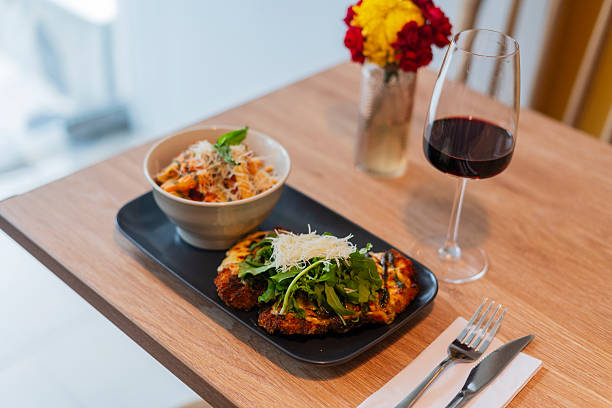
What Wine Goes With Chicken Parm
If you’re wondering which wine pairs best with chicken parm, you’re in the right place. We’ll quickly guide you through the top choices— from bright, acidic whites like Pinot Grigio to medium‑bodied reds such as Chianti that complement the tomato sauce and melted cheese. Expect easy, tasty recommendations that fit any budget, plus a few serving tips so your dinner feels restaurant‑worthy without the guesswork. Grab a glass, enjoy the harmony, and impress your guests tonight.
What wine styles complement chicken parm
Red wines that match the tomato sauce
Pair chicken parm with a medium‑bodied red that can stand up to the bright tomato sauce without overwhelming the breaded chicken. Chianti Classico offers bright acidity and soft tannins that cut through the richness while echoing the herbs in the dish.
Sangiovese from Tuscany provides similar fruit‑forward flavors—ripe cherry and plum—with a zesty finish that brightens the sauce. For a slightly richer option, try a Barbera from Piedmont; its low tannins and high acidity keep the palate fresh.
Serve the wine slightly chilled, around 60°F, to enhance its fruit notes and keep the pairing lively. Avoid overly oak‑heavy reds, as they can mask the delicate mozzarella and Parmesan.
By matching the wine’s acidity to the tomato’s tang, you create a harmonious balance that lets each bite and sip complement the other. A glass of this red alongside the dish will elevate the savory notes and make the meal feel restaurant‑worthy.
White wines that balance the cheese
Choosing a white wine for chicken parm means finding a balance between the creamy cheese layer and the tangy tomato base. Unoaked Chardonnay delivers crisp green apple and citrus aromas that cut through the mozzarella while preserving the dish’s buttery texture. Its moderate acidity keeps the palate from feeling heavy.
Pinot Grigio from Italy offers a light, mineral-driven profile with subtle stone‑fruit notes, perfect for highlighting the herbs without competing with the sauce. For a richer white, consider a Verdicchio; its slight nutty undertone and bright acidity complement the Parmesan and add a refreshing lift.
Serve the wine chilled at 50‑55°F to maintain its freshness. Avoid heavily oaked or buttery whites that could clash with the tomato’s acidity. By pairing a crisp, well‑structured white, you let the cheese melt smoothly while the wine’s acidity brightens each bite and enhances the overall dining experience.
Rosé options for a lighter pairing
Rosé offers a versatile middle ground that can handle both the tomato’s acidity and the cheese’s richness without overwhelming the chicken. A dry Provençal rosé brings bright red‑fruit flavors—strawberry, raspberry—and a crisp minerality that mirrors the herbaceous notes in the sauce.
Its light tannic structure keeps the palate lively, making each bite feel fresher. For a slightly fruitier profile, try an Italian Cerasuolo; its deeper pink hue carries notes of cherry and orange peel, which pair nicely with the Parmesan’s nutty edge.
Serve rosé slightly chilled, around 55°F, to preserve its aromatic intensity. Avoid sweet or overly floral rosés, as they can clash with the savory elements. By selecting a dry, balanced rosé, you add a refreshing contrast that lifts the dish while still complementing the classic Italian flavors.
A glass alongside the plate adds a celebratory touch and keeps the meal feeling light and enjoyable.
How to choose a wine based on flavor intensity

Assessing the richness of the dish
Start by evaluating the buttery, cheesy layers of chicken parm, which give the dish a medium‑to‑high richness. Look for wines that can mirror that mouthfeel without overwhelming the palate. Choose a wine with moderate body and a touch of oak to complement the melted mozzarella and Parmesan.
A lightly oaked Chardonnay, especially one with subtle vanilla notes, offers enough creaminess to echo the sauce while keeping the acidity bright enough to cut through the oil.
If you prefer red, opt for a Pinot Noir with soft tannins and a fruit‑forward profile; its silkiness will match the dish’s texture without clashing with the tomato base. Avoid overly tannic reds like Cabernet Sauvignon, as they can make the cheese feel heavy.
By aligning the wine’s richness with the dish’s buttery layers, you create a harmonious balance that lets both flavors shine.
Matching acidity levels
Next, focus on the acidity that ties the tomato sauce to the wine. The bright, tangy notes in marinara demand a partner that can echo that zing without drowning the flavors.
Select a wine with lively acidity, such as a Chianti Classico or a Sangiovese‑based blend, which naturally mirrors the red‑fruit acidity of the sauce. These wines bring bright cherry and plum tones that lift the dish, while their moderate tannins keep the cheese from feeling greasy.
If you lean toward white, a dry Italian Pinot Grigio offers crisp citrus and green apple flavors that cut through the richness and enhance the herbaceous basil. Avoid low‑acid wines like buttery Viognier, as they will make the sauce taste flat.
By matching the wine’s acidity to the sauce’s tang, you create a refreshing contrast that keeps each bite lively and prevents the meal from feeling heavy.
Considering spice and herbs
Finally, think about the aromatic herbs and subtle spice that define chicken parm. Fresh basil, oregano, and a hint of garlic add layers that can be highlighted or softened by the right wine.
Choose a wine with herbaceous undertones, like a Grenache‑based rosé or a light‑bodied Zinfandel, which can echo the oregano and bring out the basil’s perfume without adding heat. These wines often carry peppery spice that complements the garlic without overwhelming the cheese.
For a white option, a Sauvignon Blanc with grassy notes and a touch of white pepper can mirror the herb profile while providing a clean finish. Steer clear of overly sweet wines such as Moscato, as the sweetness will clash with the savory herbs and make the dish taste unbalanced.
By aligning the wine’s herb and spice characteristics with those in the chicken parm, you enhance the overall harmony and keep the palate refreshed.
Best red wines for chicken parm
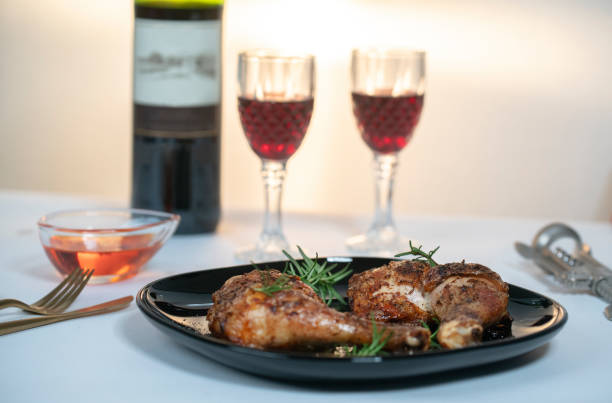
Chianti Classico
When you serve chicken parm, reach for a Chianti Classico to complement the tomato‑based sauce and melted mozzarella. Choose a wine with bright acidity; it will cut through the richness and highlight the herb‑infused breadcrumbs.
Look for a vintage that offers red cherry and plum notes, a hint of dried herbs, and soft tannins that won’t overwhelm the dish. Serve the wine slightly chilled at 60‑65°F to enhance its freshness. Decant for 30 minutes if the bottle is young, allowing the flavors to open up.
Pairing this Sangiovese‑dominant wine with the dish creates a balanced mouthfeel, where the wine’s acidity mirrors the sauce’s tang while its subtle earthiness echoes the oregano and basil. This classic Italian match elevates both the wine and the chicken parm, making the meal feel restaurant‑quality at home tonight.
Barbera d’Asti
Barbera d’Asti is an excellent alternative when you want a fruit‑forward wine that still holds enough acidity for chicken parm. Select a bottle with vibrant ruby color and aromas of raspberry, black cherry, and a touch of pepper.
Its medium‑body structure and soft tannins let the cheese and breading shine without being masked. Serve the wine at 58‑62°F; a slight chill preserves its lively fruit profile. If the wine is a few years old, a brief 15‑minute aeration can soften any sharp edges.
Pair the Barbera’s bright acidity with the marinara sauce, while its subtle spice complements the oregano and garlic in the dish. This combination delivers a harmonious balance where the wine lifts the flavors of the parmigiana, creating a satisfying dining experience that feels both comforting and refined for you.
Zinfandel
If you prefer a richer, spicier profile, a fruit‑laden Zinfandel pairs surprisingly well with chicken parm. Look for a wine with jammy blackberry, plum, and a hint of cinnamon to echo the sweet‑savory balance of the dish.
Its higher alcohol content and soft tannins stand up to the fried coating while the spice notes complement the garlic and basil in the sauce. Serve Zinfandel slightly cooler than room temperature, around 64‑68°F, to keep the fruit forward and the heat in check.
For younger bottles, a 20‑minute pour‑over in a glass can mellow any aggressive edge.
The wine’s bold character enhances the cheese melt and tomato tang, creating a dynamic pairing where each bite feels amplified by the wine’s depth and warmth, turning a simple dinner into a memorable feast for your guests and friends.
Top white wines for chicken parm
Pinot Grigio
When pairing Pinot Grigio with chicken parm, focus on its crisp acidity and subtle fruit to cut through the rich tomato sauce and melted cheese. Choose a dry, mineral-driven style from Italy’s Veneto region, where the wine’s light body won’t overwhelm the breaded chicken.
Serve the wine chilled at 45‑50°F to enhance its refreshing character. Match the wine’s citrus notes—lemon, green apple, and a hint of pear—with the herbaceous basil and oregano in the dish, creating a harmonious balance.
A glass poured just before the first bite prepares the palate, allowing each sip to cleanse the palate and highlight the dish’s savory depth. For an extra touch, drizzle a splash of the wine into the sauce while cooking; this integrates the flavors and reinforces the pairing.
Pair it with a simple side salad dressed in lemon vinaigrette to keep the meal light and let the wine’s bright finish shine.
Sauvignon Blanc
Sauvignon Blanc’s vibrant acidity and herbaceous aromatics make it a stellar companion for chicken parm, especially when the dish features fresh basil and garlic.
Select a New Zealand or California expression that showcases citrus zest, green bell pepper, and subtle tropical fruit, which will echo the tomato’s tang and cut through the cheese’s richness. Chill the wine to 48‑52°F and serve in a narrow glass to concentrate its aromatic punch.
Highlight the wine’s minerality by pairing it with a light drizzle of olive oil on the chicken before baking, enhancing the interplay of flavors. As you eat, sip the wine between bites to refresh the palate, allowing the bright lime and passion‑fruit notes to lift the savory sauce.
For an added twist, finish the meal with a splash of Sauvignon Blanc reduced into a quick pan‑sauce, reinforcing the harmonious match.
Verdicchio
Verdicchio, the Italian white from the Marche region, offers a delicate nutty backbone and crisp acidity that pairs beautifully with chicken parm’s tomato‑based sauce and Parmesan topping.
Choose a Verdicchio dei Castelli di Jesi Classico that displays notes of green apple, almond, and a subtle saline minerality, mirroring the dish’s salty cheese and herb accents. Serve slightly chilled at 50‑54°F to preserve its fresh fruit character while allowing the nuanced texture to shine.
Use the wine’s slight bitterness to balance the richness of the fried chicken, especially when you finish the plate with a squeeze of lemon. Sip between bites to let the wine’s bright citrus and almond finish cleanse the palate, enhancing each mouthful of sauce and cheese.
For a cohesive experience, deglaze the pan with a splash of Verdicchio after sautéing garlic, creating a light sauce that ties the wine and chicken parm together.
When to pick rosé or sparkling wines
Rosé for summer meals
Rosé is an excellent companion for chicken parm when you’re serving it during warm weather or an outdoor gathering. Choose a dry, crisp rosé with bright acidity—such as a Provençal or Italian rosato—to cut through the richness of the cheese and tomato sauce while complementing the herb‑infused breadcrumbs.
Serve chilled, around 45‑50°F, so the wine’s fruit flavors stay lively and don’t overwhelm the dish. Pair a rosé with a side of grilled vegetables or a light salad to keep the meal refreshing.
If you prefer a slightly sweeter profile, opt for a rosé with subtle strawberry or watermelon notes, but keep the sugar level low to avoid clashing with the savory Parmesan.
Taste the wine first, then adjust the seasoning of the chicken if needed, ensuring a harmonious balance between acidity, fruit, and umami.
Prosecco for a festive touch
Prosecco brings a lively sparkle that can elevate chicken parm for a celebratory meal without overpowering its comforting flavors. Select a Brut or Extra‑Dry Prosecco, which offers enough acidity to balance the tomato sauce while delivering gentle fruit notes of green apple and pear.
Serve well‑chilled at 40‑45°F to preserve the fine bubbles and keep the palate refreshed between bites. The effervescence helps cleanse the palate, cutting through the melted mozzarella and Parmesan, making each forkful feel lighter.
Pair the dish with a simple arugula salad dressed in lemon vinaigrette to echo the wine’s citrus edge. If you’re hosting a party, offer a Prosecco cocktail—like a Spritz with a splash of Aperol—alongside the chicken parm, but keep the base wine prominent.
Taste the wine first, then adjust the seasoning of the sauce to ensure the bright acidity matches the wine’s crisp profile.
Champagne for special occasions
Champagne is the ultimate choice when chicken parm is part of a special occasion, offering depth, complexity, and a celebratory fizz that matches the dish’s richness. Opt for a Brut or Extra‑Brut Champagne, which provides high acidity and subtle toasty notes that complement the baked cheese and herb‑infused crust.
Serve at 45‑50°F, allowing the aromas of brioche, citrus, and white fruit to unfold while the bubbles lift the palate. The wine’s fine mousse cuts through the creamy mozzarella, while its minerality echoes the Parmesan’s salty bite.
Pair the meal with a side of roasted asparagus or a light fennel‑orange salad to mirror the Champagne’s bright citrus character. If you prefer a slightly sweeter style, a Demi‑Sec can work, but keep the sugar modest to avoid masking the sauce.
Taste the wine first, then fine‑tune the seasoning, ensuring the sauce’s acidity aligns with the Champagne’s vibrant profile.
Tips for serving wine with chicken parm
Optimal serving temperature
When pairing wine with chicken parm, temperature is crucial for unlocking flavor balance. Serve red wines slightly below room temperature, around 60‑65°F (15‑18°C), to soften tannins and highlight the dish’s tomato acidity.
For lighter reds like Chianti or Barbera, aim for the lower end of the range; fuller‑bodied options such as Montepulciano can be a few degrees warmer.
White wines should be chilled to 50‑55°F (10‑13°C) if you prefer a contrast to the cheese and sauce, though a lightly oaked Chardonnay works well slightly warmer. Use a wine thermometer or a quick 15‑minute ice‑water bath for reds, and a 20‑minute fridge chill for whites.
Avoid serving wine too cold, as it masks fruit and spice, and too warm, which can make alcohol taste harsh. Proper temperature ensures the wine’s acidity and fruit complement the savory, cheesy chicken parm without overwhelming it.
Decanting red wines
Decanting can elevate the red wines that pair best with chicken parm, especially those with robust tannins. Allow the wine to breathe for 20‑30 minutes before serving; this softens a Chianti Classico or a Sangiovese blend, letting fruit aromas rise above the earthy notes.
Use a decanter with a wide base to increase surface area, and gently swirl the wine to release volatile compounds. If you’re short on time, pour the wine into a glass and let it sit for 10‑15 minutes, swirling occasionally.
Avoid over‑decanting high‑acid wines, as excessive exposure can accentuate sourness and diminish the balance with the tomato sauce. For lighter reds like Dolcetto, a brief pour‑and‑wait method works, while fuller‑bodied Montepulciano benefits from a longer decant.
By managing oxygen exposure, you ensure the wine’s acidity and fruit complement the cheesy, herb‑infused chicken parm without clashing.
Glassware recommendations
Choosing the right glassware enhances the wine‑and‑chicken parm experience by directing aromas and controlling sip size. Opt for a Bordeaux‑style glass for medium‑bodied reds like Chianti, as its tall, slightly tapered bowl concentrates fruit notes while allowing enough room for the wine to open.
For lighter reds such as Barbera, a smaller, rounder glass focuses the bright acidity and highlights the sauce’s tang. If you prefer a white pairing, a U‑shaped Chardonnay glass balances the wine’s buttery texture against the dish’s cheese.
Ensure the rim is thin to deliver a smooth flow onto the palate, and keep the bowl at a comfortable height for easy swirling. Avoid overly large, stemless tumblers, which dilute aromas and make temperature control difficult.
Proper glass selection amplifies the wine’s acidity, fruit, and subtle spice, creating a harmonious match with the savory, tomato‑laden chicken parm.
Common pairing mistakes to avoid
Choosing overly tannic reds
When you reach for a wine with strong tannins, such as a full‑bodied Cabernet Sauvignon, the result can be a clash with chicken parm. The dish’s tomato‑based sauce and melted mozzarella are delicate enough that high tannin levels will emphasize bitterness and dry out the palate.
Choose wines with softer tannin structures—for example, a Chianti Classico or a light‑bodied Sangiovese—so the acidity can match the tomato while the fruit supports the cheese. Avoid overly aged reds that have developed a rigid mouthfeel, because they will overpower the subtle herbs and breadcrumbs.
Instead, select a wine that offers bright acidity and moderate fruit, allowing the chicken’s crisp coating and savory sauce to shine without being masked by astringent tannins. Serve the wine slightly chilled, around 60°F, to further soften any residual tannic edge and enhance the dish’s freshness.
Pairing heavy wines with light sauces
Heavy, oak‑driven reds like a Barolo or a New World Merlot can overwhelm the modest sauce that coats chicken parm.
The sauce, typically a simple blend of crushed tomatoes, garlic, and a hint of basil, lacks the richness to stand up to the deep vanilla and spice notes found in heavily aged wines. Select lighter‑bodied reds or even a crisp white that can complement rather than dominate.
A medium‑acid Chianti, a young Pinot Noir, or a dry Italian white such as Verdicchio will mirror the acidity of the tomato while preserving the delicate texture of the cheese.
Avoid wines with pronounced oak influence, because the buttery undertones will compete with the buttery melt of mozzarella, creating a muddied flavor profile.
Instead, aim for a wine that offers bright fruit, moderate alcohol, and a clean finish, allowing each bite of chicken parm to be highlighted by the wine’s supportive character.
Ignoring personal palate preferences
Choosing a wine solely based on classic pairings can backfire if it doesn’t align with your own taste preferences. Some diners love the bright acidity of a Sangiovese, while others find it too sharp for the creamy mozzarella in chicken parm.
Identify whether you prefer fruit‑forward, low‑tannin options or more earthy, structured profiles before committing to a bottle. If you enjoy a subtle hint of spice, a Nero d’Avola with gentle pepper notes can enhance the herbaceous basil without overwhelming the dish.
Conversely, if you favor a smoother mouthfeel, a lightly chilled Beaujolais Nouveau offers soft tannins and juicy red‑berry flavors that complement the tomato sauce’s sweetness. Don’t ignore the temperature and serving style; a wine served too warm can accentuate alcohol heat, making the pairing feel heavy.
By tuning the selection to your palate—considering acidity, fruit intensity, and body—you ensure the wine lifts the chicken parm rather than competes with it.
Frequently Asked Questions
What type of red wine pairs best with chicken parm?
A medium‑bodied red like Chianti or Sangiovese works well, offering bright acidity and soft tannins that complement the tomato sauce and cheese without overpowering the chicken.
Can I serve a white wine with chicken parm?
Yes, a fuller‑bodied white such as a lightly oaked Chardonnay or an Italian Verdicchio provides enough richness and acidity to match the dish’s flavors while keeping the palate refreshed.
Should I choose a wine with high acidity for chicken parm?
High‑acid wines help cut through the richness of the cheese and sauce; options include Barbera, Montepulciano d’Abruzzo, or a crisp Pinot Grigio if you prefer white.
Is a rosé a good match for chicken parm?
A dry rosé, especially one from Italy like a Cerasuolo d’Abruzzo, offers bright fruit and acidity that complement the tomato sauce and can be a versatile, food‑friendly choice.
What about sparkling wine with chicken parm?
A Brut sparkling wine or Prosecco can be a fun pairing; the bubbles and acidity cleanse the palate and balance the richness of the dish.
How does the cooking method affect wine selection?
If the chicken parm is baked with a lot of cheese, opt for wines with higher acidity and moderate tannins; if it’s pan‑seared with a lighter sauce, a softer red or fuller white can work nicely.
Are there any specific Italian wines that pair especially well?
Italian classics like Chianti Classico, Montepulciano d’Abruzzo, or a Nero d’Avola provide regional harmony, matching the Italian flavors of chicken parm with complementary fruit and acidity.
Conclusion
Choosing the right wine for chicken parm is simple: opt for a medium‑bodied red like Chianti, Barbera, or a fruit‑forward Zinfandel, or a bright, acidic white such as Pinot Grigio or Vermentino. These wines balance the dish’s tomato acidity, cheese richness, and herbaceous notes without overwhelming the flavors. Serve reds slightly chilled and whites at cellar temperature to highlight acidity and fruit, enhancing every bite.
