
What Wine Goes With Corned Beef
If you’re wondering what wine pairs best with corned beef, you’ve come to the right place. We’ll quickly guide you through the top choices—think bright Rieslings, crisp Pinot Grigios, and even a smooth Merlot—that balance the salty, savory flavors without overwhelming the dish. In just a few lines you’ll discover the perfect pour to elevate your meal, making dinner both effortless and delicious. Grab a glass, follow our simple tips, and enjoy a harmonious pairing that impresses every palate today.
How to Choose a Wine for Corned Beef
Flavor profile of corned beef
Understanding the flavor profile of corned beef is the first step to a successful pairing. The meat is cured with a blend of salt, sugar, and spices such as peppercorns, mustard seed, and bay leaf, giving it a salty, slightly sweet, and aromatic character.
Slow cooking breaks down connective tissue, resulting in a tender, juicy texture that carries a subtle umami depth. The brine also imparts a faint peppery bite, while the fat content adds a smooth mouthfeel.
When you taste a slice, you’ll notice a balance between the savory saltiness and the gentle sweetness of the cure, plus a hint of spice warmth. Recognizing these layers—salty, sweet, umami, and spice—helps you target wines that can complement or contrast them without overwhelming the dish.
Consider the overall richness and the way the spices linger on the palate, as these nuances guide the wine’s acidity and fruit profile.
Key wine characteristics to match
To pair wine with corned beef, focus on bright acidity, moderate fruit, low to medium tannins, and a touch of spice-friendly aromatics. Acidity cuts through the dish’s salt and fat, refreshing the palate after each bite.
Look for wines with citrus or green apple notes, which echo the subtle sweetness of the cure while providing contrast to the savory meat. Low to medium tannins prevent a drying sensation that could magnify the beef’s richness; a soft, rounded mouthfeel is preferable.
Aromatic whites such as Riesling or Gewürztraminer, and light reds like Pinot Noir or Gamay, often display a hint of floral or herbal spice that mirrors the peppery brine. Additionally, a modest alcohol level (around 11‑13% ABV) keeps the wine from overwhelming the dish’s delicate spice balance.
By matching these characteristics—crisp acidity, gentle fruit, restrained tannin, and complementary aromatics—you create a harmonious dialogue between wine and corned beef.
Common pairing mistakes to avoid
Even with a solid understanding of flavor, it’s easy to slip into common pairing pitfalls that can mask or clash with corned beef. Avoid high‑tannin reds such as Cabernet Sauvignon or Syrah; their firm structure will accentuate the meat’s saltiness and make the palate feel gritty.
Likewise, steer clear of overly sweet wines like late‑harvest Riesling, which can overwhelm the subtle sweetness of the cure and turn the dish taste‑flat. Wines with excessive alcohol (above 14% ABV) tend to amplify the beef’s richness and drown out the delicate spice notes.
Heavy, oak‑driven whites (e.g., barrel‑aged Chardonnay) add buttery weight that competes with the dish’s natural fattiness rather than balancing it. Finally, neglecting the spice component—by choosing a wine with no herbal or peppery nuance—leaves the brine’s peppery bite unaccompanied, resulting in a disjointed experience.
By sidestepping these errors—high tannin, excess sweetness, high alcohol, heavy oak, and lack of spice harmony—you keep the focus on the corned beef’s nuanced profile and let the wine enhance, not dominate, the meal.
What Red Wines Pair Best with Corned Beef
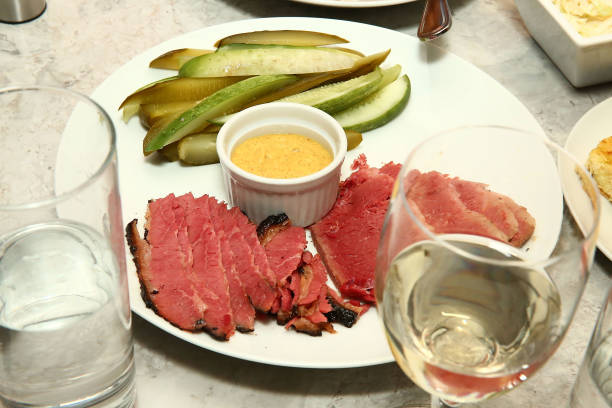
Medium‑body reds
When you’re serving corned beef, a medium‑body red can provide just the right balance of fruit, acidity, and gentle tannins to complement the meat’s salty, savory character.
Look for wines that offer bright red‑fruit flavors—think cherry, raspberry, and plum—paired with a modest acidity that can cut through the richness of the beef without overwhelming it not. Key point: choose a wine with moderate alcohol (around 12‑13.5% ABV) to keep the palate lively.
Varieties such as Merlot, Pinot Noir, or a light‑styled Zinfandel deliver that approachable profile, offering enough structure to stand up to the dish while remaining supple enough to let the spices shine.
Serve the wine slightly chilled (about 55‑60°F) to enhance its fruitiness and keep the overall dining experience refreshing and harmonious. Pair it with a traditional mustard or a horseradish sauce to create a complementary flavor bridge that ties the wine and the beef together.
Full‑body reds with soft tannins
Full‑body reds are often associated with robust, tannic wines, but those that feature soft, rounded tannins can actually elevate corned beef by adding depth without crushing its delicate spice notes. Opt for wines that showcase dark fruit—blackberry, blackcurrant, and plum—alongside a velvety texture that glides over the meat’s fat.
Key point: select a wine with integrated tannins and a touch of oak to introduce subtle vanilla and spice aromas that echo the corned beef’s seasoning.
Cabernet Franc, a gentle Grenache‑based blend, or a low‑tannin Malbec provide this plush mouthfeel, delivering enough body to match the dish’s richness while staying supple enough to let the peppercorn and bay leaf flavors shine.
Serve the wine at a slightly cooler temperature (around 60‑64°F) to keep the fruit forward and the tannins from feeling overly aggressive, ensuring a balanced, satisfying pairing.
Examples of specific varietals
To make choosing easier, here are three specific red‑wine varietals that consistently perform well with corned beef, each offering a distinct flavor profile that can be matched to your preferred preparation style. **1.
Merlot – Known for its plush plum and soft cherry notes, Merlot brings a gentle acidity and low‑to‑moderate tannins that complement the meat’s saltiness while allowing the mustard glaze to stay bright. 2.
Pinot Noir – With its bright raspberry and subtle earthiness, Pinot Noir adds a lively lift; the wine’s silky texture works especially well if you serve the corned beef with a sweet‑spicy glaze or caramelized onions. 3.
Grenache‑based blend** – Often featuring warm spice, red‑pepper fruit, and a hint of licorice, this blend mirrors the peppercorn and bay leaf aromatics in the dish, creating a harmonious echo.
Serve any of these wines slightly chilled and enjoy the synergy of fruit, acidity, and soft tannins that turn a simple corned‑beef plate into a memorable dining experience.
What White Wines Pair Best with Corned Beef
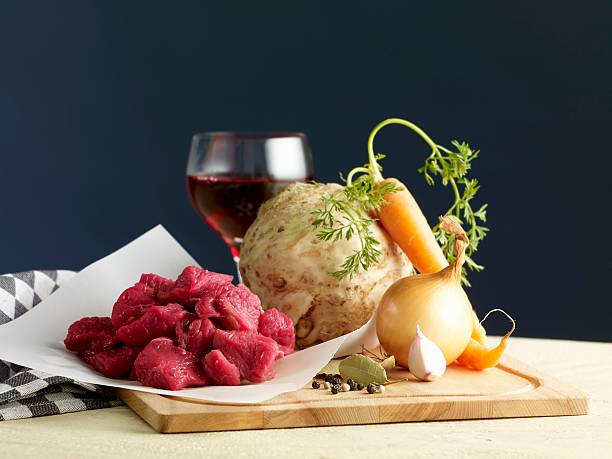
Crisp whites with acidity
Crisp white wines with bright acidity are the safest match for the salty, fatty profile of corned beef. Look for wines that deliver zesty citrus, green apple and subtle mineral notes, as these flavors cut through the richness and refresh the palate between bites.
Sauvignon Blanc from cooler climates, such as New Zealand or the Loire Valley, offers a lively lemon‑lime backbone that balances the beef’s brine. Similarly, a dry Albariño or a Vinho Verde provides a light‑bodied, slightly saline edge that mirrors the dish’s seasoning without overwhelming it.
Serve these wines chilled, around 45‑50 °F, to maintain their crispness. When choosing a bottle, prioritize high acidity, clean fruit expression, and minimal oak to keep the focus on the meat’s savory character while adding a bright counterpoint.
Pairing this style with a traditional Irish rye bread or a mustard‑spiced side dish further enhances the harmonious balance.
Off‑dry whites for sweet balance
Off‑dry white wines bring a gentle touch of residual sugar that softens the saltiness of corned beef while complementing its peppery notes. The subtle sweetness creates a pleasant contrast, allowing the meat’s savory depth to shine without feeling heavy.
Riesling from Germany’s Mosel region, especially those labeled Kabinett, offers honeyed apricot and stone‑fruit flavors balanced by crisp acidity, making it an ideal companion. Similarly, an off‑dry Gewürztraminer delivers aromatic rose‑petal and lychee nuances that echo the dish’s aromatic spices.
When serving, keep the temperature slightly cooler than red wines, around 48‑52 °F, to preserve the fruit character. Choose bottles with moderate residual sugar (2‑6 g/L), bright acidity, and floral aromatics; these attributes ensure the wine lifts the palate rather than masking the beef’s texture.
Pair the wine with a mustard‑based sauce or a sweet‑pickle garnish to amplify the harmonious sweet‑savory interplay.
Recommended white varietals
Below are three white varietals that consistently deliver the right balance of acidity, fruit and texture to enhance corned beef. Sauvignon Blanc – especially from the Marlborough or Sancerre regions – offers razor‑sharp citrus, green‑herb and a mineral backbone that cuts through the meat’s fattiness while echoing its brine.
Riesling (off‑dry) – a Mosel Kabinett or Alsace Vendange Tardive – provides honey‑kissed stone fruit and a lively acidity that softens the salt without overwhelming the palate.
Pinot Grigio – the Italian style from Friuli‑Venezia Giulia – delivers light‑bodied, crisp apple and pear notes with a clean finish, making it a versatile, food‑friendly option. When selecting a bottle, prioritize balanced acidity, moderate alcohol (11‑12 % ABV), and minimal oak influence to keep the wine lively and complementary.
Serve each wine chilled, and consider a simple side of boiled potatoes or cabbage to let the wine and corned beef shine together in harmony.
Tips for Pairing Wine with Different Corned Beef Preparations
Traditional boiled corned beef
Start with a classic, medium‑bodied red such as Pinot Noir or a light Beaujolais when serving traditional boiled corned beef. The gentle tannins and bright red fruit complement the salty, slightly sweet crust without overwhelming the meat’s natural richness.
Choose a wine with moderate acidity to cut through the fat and keep the palate refreshed between bites. If you prefer white, a dry Riesling or an off‑dry Gewürztraminer offers bright citrus notes that echo the peppercorn seasoning while adding a subtle hint of sweetness that balances the brine.
Serve the wine slightly chilled (about 55‑60°F) to enhance its fruit character. Avoid heavy, high‑tannin reds like Cabernet Sauvignon, which can clash with the delicate texture of boiled corned beef. Pairing these lighter wines ensures each spoonful feels harmonious and keeps the meal lively from start to finish.
Corned beef with cabbage and potatoes
When corned beef shares the table with cabbage and potatoes, the dish gains earthy sweetness and a buttery mouthfeel that calls for a wine with enough body to stand up to the vegetables yet enough acidity to lift the fat.
A medium‑to‑full‑bodied white such as a Chardonnay with modest oak influence works well; the creamy texture mirrors the potatoes while the citrus core cuts through the cabbage’s cabbage‑like bitterness.
Opt for a wine with bright acidity—for example, an Alsatian Pinot Blanc or a New Zealand Sauvignon Blanc—so each bite feels clean. If you lean toward red, a Grenache‑based blend offers soft tannins and red‑fruit spice that complement the caramelized edges of the cabbage.
Serve the wine at around 50‑55°F to preserve its freshness. Steer clear of overly sweet wines like Moscato, which can clash with the savory depth of the corned beef‑and‑veg combo, and avoid very high‑tannin reds that would dominate the delicate cabbage flavor.
Spicy or smoked corned beef dishes
For spicy or smoked corned beef, the palate encounters smoky depth and heat that demand a wine capable of matching intensity while soothing the spice. A bold, aromatic red such as Syrah or a Zinfandel offers ripe black‑fruit, peppery notes, and enough tannin structure to balance the smoke‑infused meat.
Look for a wine with a touch of sweetness—for instance, an off‑dry Riesling or a Gewürztraminer—because the residual sugar can tame the heat and highlight the smoky aromatics.
If you prefer a rosé, choose a dry, fruit‑forward style from Provence; its bright acidity and red‑berry profile will cut through the richness and complement the peppery kick. Serve the wine slightly cooler than typical reds (about 58‑60°F) to keep the fruit lively.
Avoid very high‑alcohol wines like fortified sherries, which can amplify the spiciness and overwhelm the nuanced smoke flavor of the dish.
Best Ways to Serve Wine with Corned Beef
Ideal serving temperature
To unlock the full harmony between corned beef and wine, start with the ideal serving temperature. Light‑to‑medium reds such as Pinot Noir or Zinfandel shine at 55‑60 °F (13‑16 °C), allowing fruit aromas to surface without overwhelming the meat’s spice.
If you prefer a white, off‑dry Riesling or Gewürztraminer should be chilled to 45‑50 °F (7‑10 °C), preserving acidity that cuts through the salty fat while highlighting subtle citrus notes.
Avoid overly warm reds, which can taste overly tannic and mask the beef’s peppery profile, and steer clear of ice‑cold whites that mute the wine’s aromatic complexity.
Use a wine fridge or an ice bucket with a splash of water to fine‑tune temperature, and let the bottle rest for five minutes after removal from the cooler to reach the perfect sipping range.
Serving at these precise temperatures ensures the wine’s fruit and acidity complement the beef’s brine and spices, creating a balanced palate experience.
Glassware that enhances flavors
The right glass can amplify the dialogue between corned beef and its companion wine. For reds like Pinot Noir or Merlot, choose a large‑bowl, slightly tapered glass that directs aromas upward while allowing gentle swirling to release subtle spice notes.
The broader bowl also softens tannins, making the wine feel smoother against the beef’s salty crust. When serving a white such as Riesling, opt for a U‑shaped, narrower rim glass that concentrates floral and citrus aromas, enhancing the wine’s acidity that cuts through the richness of the meat.
Avoid overly tall, narrow flute glasses, which trap volatile compounds and mute the nuanced flavors essential for pairing. Clean, crystal glassware with a thin rim ensures each sip delivers clarity, while a modest stem keeps your hand from warming the wine.
Selecting the appropriate glass not only elevates aroma perception but also balances temperature retention, allowing the wine to stay in its optimal range throughout the meal.
Timing the pour for maximum impact
Timing the pour can turn a good pairing into a memorable experience. Aim to serve the wine just as the corned beef reaches its peak temperature, typically 140‑150 °F (60‑65 °C) after a short rest.
This synchrony lets the wine’s acidity and fruit cut through the beef’s juicy interior while the heat releases aromatic compounds in the meat that the wine can echo.
For reds, uncork the bottle five minutes before plating and let it breathe; this softens tannins and opens up spice‑forward notes that mirror the peppercorn seasoning. With whites, give the bottle a quick 10‑minute chill after opening, then pour immediately to preserve bright citrus aromas that brighten the dish.
Avoid delayed pours that let the wine warm beyond its ideal range, as this dulls acidity and masks subtle flavors. By coordinating the pour with the final minutes of cooking, you ensure each sip reinforces the savory, salty, and slightly sweet dimensions of the corned beef.
How to Test Your Wine Pairing at Home
Simple tasting checklist
Begin your at‑home test with a basic tasting checklist. First, pour a small glass of the chosen wine—traditionally a medium‑bodied red such as a Merlot, Zinfandel, or a lightly oaked Cabernet—that complements the salty, fatty character of corned beef.
Take a quick sniff, noting aromas of dark fruit, spice, or oak, then sip and let it coat your palate. While the wine rests, bite a piece of corned beef, paying attention to its brine, peppercorn, and beefy notes.
Compare the wine’s acidity and tannin against the meat’s richness; a good match will feel balanced, not overwhelmed. Record your impressions in a notebook, marking aroma match, flavor harmony, and overall satisfaction on a simple 1‑5 scale.
Repeat the process with a second wine—perhaps a crisp Riesling or a dry rosé—to create a side‑by‑side reference that will guide future pairings.
Adjusting wine choice based on feedback
After the initial tasting, use the feedback loop to fine‑tune your wine choice. If the first red feels too heavy, note the specific sensations—excessive tannin, lingering bitterness, or a clash with the corned beef’s peppery crust.
Switch to a wine with higher acidity and lower body, such as a chilled Gamay, a Pinot Noir, or even a sparkling Brut, and repeat the bite‑and‑sip routine.
Observe how the brighter acidity cuts through the meat’s fat, while the lighter fruit profile highlights the dish’s subtle sweetness from the cabbage or carrots often served alongside. Document each adjustment, rating the balance, mouthfeel, and after‑taste compared to the previous pour.
Over several iterations you’ll develop a personal matrix that points to the optimal style—whether that’s a fruit‑forward red, a crisp white, or a sparkling option—ensuring the final recommendation is rooted in real‑world tasting data rather than theory alone.
Storing leftovers for future meals
Finally, think ahead to storing leftovers so you can revisit the pairing without starting from scratch. After your meal, seal any remaining corned beef in an airtight container and refrigerate it within two hours to preserve its flavor and texture.
Likewise, re‑cork the wine bottle tightly, store it upright, and keep it in a cool, dark spot; most reds will stay fresh for up to five days, while whites and rosés benefit from a slightly lower temperature.
When you’re ready to test again, gently re‑warm the beef in a skillet with a splash of broth, then repeat the tasting steps, noting any changes caused by the aging of the wine or the meat’s moisture loss.
This practice not only saves time and money but also creates a controlled experiment that reveals how the pairing evolves, giving you confidence to recommend the perfect wine for future corned‑beef gatherings.
Frequently Asked Questions About Wine and Corned Beef
Can I pair rosé with corned beef?
Rosé can be a surprisingly good match for corned beef, especially when the dish is served with mustard or a light vinaigrette. Choose a dry, crisp rosé with bright acidity; this will cut through the meat’s saltiness and fat.
Look for varieties from Provence or a New World style with strawberry and citrus notes. Serve the wine chilled at 45‑50°F (7‑10°C) to keep the palate refreshed.
If your corned beef is heavily spiced, a rosé with a hint of herbal character, such as a Grenache‑based blend, can complement the seasoning without overwhelming it. Avoid overly sweet rosés, as they may clash with the savory profile.
In summary, a dry, aromatic rosé works well, offering balance and a lively finish that enhances the corned beef’s richness. Pair it with a side of pickled cabbage to echo the wine’s acidity and create a harmonious bite.
What about sparkling wine options?
Sparkling wines bring bright bubbles and acidity that can lift the dense texture of corned beef. Opt for a Brut or Extra‑Dry style such as a Cava, Prosecco, or a classic Champagne; the dryness prevents the wine from tasting sugary against the salty meat.
The fine carbonation helps cleanse the palate between bites, while citrus and green apple aromas complement the beef’s peppery notes. Serve the sparkling wine well‑chilled at 40‑45°F (4‑7°C) for maximum freshness.
If you prefer a richer profile, a Blanc de Noirs Champagne offers deeper red‑fruit flavors that still retain crisp acidity. Avoid demi‑sec or rosé sparkling wines, as their sweetness can clash with the savory elements.
In practice, a dry sparkling wine adds a festive lift, making the corned beef feel lighter and more celebratory. A glass alongside a mustard‑dressed potato salad will highlight the wine’s zest and keep the meal balanced.
Do I need a decanter for red wines?
Decanting red wine before serving corned beef can improve texture and aroma, but it isn’t always necessary. Use a decanter for young, tannic reds such as a Cabernet Sauvignon or a Syrah; the exposure to oxygen softens harsh tannins and releases fruit‑forward notes that pair well with the meat’s richness.
Allow the wine to sit for 30‑45 minutes after pouring, giving it time to open up. For more mature, already‑integrated reds like a Pinot Noir or a Merlot, a brief swirl in the glass is sufficient, as excessive oxygen can diminish delicate flavors.
Keep the decanted wine at cellar temperature (around 60‑65°F or 15‑18°C) to maintain balance. If you lack a decanter, a large pitcher or even a wide‑bowl glass can serve as a temporary vessel.
In short, decant only when the wine benefits from aeration, focusing on younger, robust reds to enhance the corned beef experience.
Frequently Asked Questions
What type of wine pairs best with corned beef?
A medium‑bodied red wine with moderate acidity, such as a Pinot Noir or a Zinfandel, complements the salty, savory flavor of corned beef without overwhelming it.
Can I serve white wine with corned beef?
Yes, a crisp white wine like a Sauvignon Blanc or an off‑dry Riesling works well, as the acidity and fruit notes cut through the richness of the meat.
Should I choose a sweet or dry wine for corned beef?
A dry or off‑dry wine is usually best; dry reds balance the saltiness, while a slightly sweet white (e.g., Riesling) can offset the dish’s spice without being cloying.
What about sparkling wine with corned beef?
Sparkling wines, especially Brut Champagne or a dry Prosecco, provide bright acidity and bubbles that refresh the palate and pair nicely with the meat’s texture.
Are there any specific regional wines that match corned beef?
Irish or British reds like a light Bordeaux blend or an Irish Cabernet Franc can echo the dish’s heritage, offering familiar flavor profiles that enhance the corned beef.
How does cooking method affect wine choice for corned beef?
If the corned beef is slow‑braised, richer reds work well; for a grilled or pan‑seared preparation, a higher‑acid wine like a Chianti or a crisp white helps balance the charred flavors.
Can I pair a rosé with corned beef?
A dry rosé with good acidity and subtle fruit can be a versatile match, especially for lighter preparations or when serving the meat with a tangy mustard sauce.
Conclusion
Pairing corned beef with wine is all about balancing its salty, savory richness with the right acidity and fruit. A crisp Riesling or off‑dry Gewürztraminer cuts through the meat’s fattiness, while a light Pinot Noir adds subtle tannins without overwhelming flavor. For those who prefer reds, a chilled Beaujolais works nicely. Experiment, enjoy the contrast, and let your palate guide the perfect match.
