What Wine Goes With Chicken Piccata
If you’re wondering which wine pairs best with chicken piccata, you’re in the right place. This bright, lemon‑y dish calls for a crisp, acidic white that can stand up to the capers and butter sauce without overwhelming the delicate chicken. We’ll quickly guide you through top picks, from classic Italian whites to versatile alternatives, so you can pour the perfect glass and enjoy a harmonious, restaurant‑quality meal at home. Stay tuned, and we’ll also suggest a red option for palates.
How to Choose the Right Wine for Chicken Piccata
Identify key flavor components
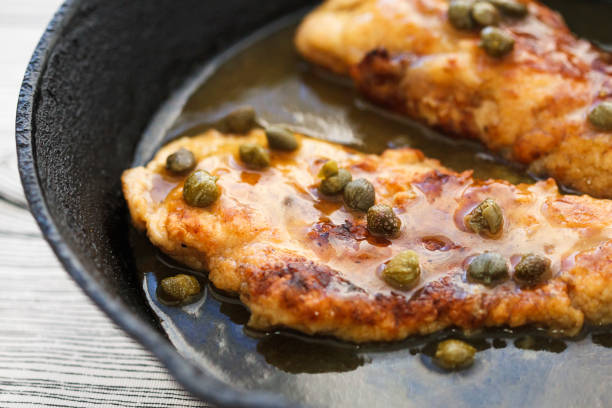
Start by breaking down the dominant flavors in chicken piccata: bright lemon acidity, briny capers, buttery sauce, and a hint of garlic or parsley. Taste the sauce and note its level of sourness and saltiness.
Match acidity with a wine that offers similar crispness, such as a Sauvignon Blanc or a dry Italian Pinot Grigio. Avoid overly sweet wines that will clash with the lemon. Consider the subtle herb notes; a wine with light herbaceous aromas, like a Vermentino, can echo the parsley.
Finally, think about the cooking method—pan‑seared chicken adds a gentle caramelized edge, so a wine with a touch of minerality can balance that richness. By cataloguing these flavor cues, you create a clear framework for selecting a wine that complements rather than competes with the dish.
Serve the chosen wine slightly chilled to enhance its refreshing qualities.
Consider wine body and weight
Next, evaluate the wine’s body and weight to ensure it stands up to the piccata’s texture. Light‑to‑medium‑bodied wines are ideal because they won’t overwhelm the delicate chicken. Look for a wine with moderate alcohol (11‑13% ABV) that provides enough structure without adding heaviness.
For example, an Italian Soave offers a crisp, lean profile, while a dry Riesling brings a subtle richness that mirrors the buttery sauce. Avoid full‑bodied reds such as Cabernet Sauvignon, which can dominate the palate.
If you prefer a slightly richer feel, a lightly oaked Chardonnay with restrained oak can add a creamy mouthfeel that complements the sauce’s silkiness.
Test the wine’s weight by sipping and noting the coating sensation on your tongue; it should feel harmonious with the sauce’s smoothness, creating a balanced mouthfeel throughout the meal. and enjoyment.
Evaluate personal palate preferences
Finally, align the wine choice with your own palate preferences to guarantee satisfaction. Identify whether you favor crisp acidity, subtle fruit, or a touch of minerality and let that guide your selection.
If you love bright citrus notes, a Vermentino or a New Zealand Sauvignon Blanc will echo the lemon in the piccata, while those who enjoy gentle fruit aromas may opt for a Pinot Grigio with pear and apple hints.
For fans of a slightly richer texture, a lightly oaked Chardonnay offers a buttery nuance that mirrors the sauce’s richness without overpowering. Conduct a quick taste test: pour a small amount of the wine, sip, and note the lingering finish—does it complement the tangy sauce or clash with it?
Recording these impressions helps you build a personalized wine‑pairing cheat sheet for future piccata nights, ensuring each dinner feels both familiar and exciting.
What Types of White Wine Pair Best with Chicken Piccata
Sauvignon Blanc
When serving chicken piccata, a crisp Sauvignon Blanc is a natural match because its bright acidity mirrors the lemony sauce while its subtle herbaceous notes echo the capers.
Choose a bottle from the Loire Valley or New Zealand for a lively citrus backbone that cuts through the butter without overwhelming the dish. Look for flavors of green apple, grapefruit, and a hint of grass; these will lift the tangy lemon and enhance the parsley garnish.
Serve the wine chilled at 45‑50°F to keep its refreshing profile intact. If you prefer a slightly richer texture, opt for a Sauvignon Blanc with a touch of oak, which adds a creamy mouthfeel that complements the buttery element of the piccata.
Pairing this wine with the dish creates a balanced palate where acidity, fruit, and subtle minerality work together for a harmonious dining experience.
Pinot Grigio
Pinot Grigio’s light‑to‑medium body and clean, mineral finish make it an excellent companion for chicken piccata’s delicate flavors. Select an Italian Pinot Grigio from the Veneto or Friuli regions where the wine often displays crisp green apple, pear, and a whisper of citrus zest.
These fruit notes echo the lemon sauce while the subtle saline edge mirrors the briny capers, creating a seamless flavor bridge. Keep the wine chilled at 48‑52°F to preserve its bright acidity, which will cut through the buttery coating without masking the herb garnish.
For a slightly richer profile, choose a Pinot Grigio that has undergone gentle malolactic fermentation, adding a soft creaminess that rounds out the dish. Serving this wine alongside piccata enhances the freshness of the plate, allowing each bite to be refreshed by the wine’s lively, clean finish.
Vermentino
Vermentino, a Mediterranean white with pronounced citrus and herbal character, pairs beautifully with the bright, buttery sauce of chicken piccata.
Opt for a Vermentino from Sardinia or the Ligurian coast, where the wine often showcases notes of lime, sea salt, and a hint of rosemary that echo the dish’s lemon‑capers profile.
Its lively acidity lifts the richness of the butter while the subtle minerality mirrors the dish’s briny elements, creating a harmonious balance. Serve Vermentino slightly cooler than room temperature, around 50‑54°F, to keep its aromatic intensity vivid.
If you enjoy a fuller mouthfeel, select a Vermentino that has spent a short time on the lees, adding a gentle creaminess without compromising freshness. Pairing this wine with chicken piccata adds a sun‑kissed, aromatic dimension that accentuates the lemon zest and enhances the overall dining experience.
Tips for Matching Wine Acidity with Lemon Sauce
Balance lemon acidity with wine acidity
Start by matching the bright lemon tang of chicken piccata with a wine that mirrors that acidity. Choose a crisp white such as Sauvignon Blanc, Pinot Grigio, or an unoaked Chardonnay; their natural acidity cuts through the sauce without overwhelming the delicate chicken.
Look for wines with a zesty citrus profile and a clean finish, typically 6‑8% residual sugar, to keep the palate refreshed.
When tasting, sip the wine first, then sample a bite of the piccata; the wine should lift the lemon’s sharpness while the sauce softens any sharp edge in the wine.
If the wine feels flat, opt for a slightly higher acidity level, perhaps a Vermentino from Italy’s Ligurian coast, which offers mineral notes that echo the dish’s lemon‑butter base. Serve the wine slightly chilled, around 45‑50°F, to enhance its refreshing qualities and maintain the balance throughout the meal.
Pairing with buttery notes
Chicken piccata often finishes with a drizzle of butter that adds richness to the lemon‑bright sauce. To complement this buttery layer, select a white wine with a subtle creamy texture such as an oaked Chardonnay from a cooler climate or a white Burgundy.
These wines provide soft, buttery mouthfeel that echoes the dish without competing with the citrus. Look for a wine that shows gentle oak integration—just enough to add a hint of vanilla and toasted almond, which will harmonize with the melted butter.
When pairing, let the wine breathe for a few minutes to allow the oak nuances to open up, then take a sip before the next bite. The result should be a seamless transition where the wine’s creaminess lifts the sauce, and the lemon’s acidity keeps the overall palate lively.
Using oak influence wisely
The oak character in a wine can either support or clash with the lemon‑butter balance of chicken piccata. Aim for a restrained oak influence—just enough to provide a whisper of spice and a faint creamy backbone without dominating the bright acidity.
Wines like a lightly oaked Viognier, a Rioja Blanco, or a New World Chardonnay with minimal barrel time work well. Check the label for terms such as “unoaked,” “lightly oaked,” or “short‑finished” to gauge the intensity.
Serve the wine at cellar temperature (around 50‑55°F) to keep the oak aromas subtle and the fruit crisp. By managing the oak, you allow the wine to enhance the buttery sauce while the lemon’s zing remains the star, creating a harmonious pairing that feels both elegant and approachable.
Pair this selection with a side of lightly sautéed greens to keep the palate bright and the oak’s nuance in perfect perspective.
Best Red Wine Options for Chicken Piccata Lovers
Light-bodied reds like Pinot Noir
Pinot Noir is the top choice when you want a red that won’t overwhelm chicken piccata’s lemon‑butter sauce. Its light body and soft tannins let the citrus notes shine, while subtle red‑fruit flavors add a gentle sweetness that balances the dish’s acidity.
Look for bottles from cooler climates such as Oregon, Burgundy, or New Zealand, where the wine tends to be more restrained and aromatic. Serve the wine slightly chilled, around 55‑60°F, to enhance its freshness and keep the palate bright.
Pairing a young, fruit‑forward Pinot with the capers and parsley in piccata creates a harmonious contrast, making each bite feel lighter and more vibrant.
If you prefer a slightly earthier profile, choose a Pinot with faint mushroom or forest‑floor hints, but keep the overall style delicate to let the sauce remain the star.
Medium-bodied reds with subtle fruit
Medium‑bodied reds that carry a whisper of fruit can complement chicken piccata without masking its bright lemon flavor. A soft‑tannic Merlot from California’s Central Coast offers plum and black‑cherry notes that echo the dish’s capers, while its rounded mouthfeel smooths the buttery sauce.
Similarly, an Italian Barbera from Piedmont brings lively acidity and a touch of raspberry, which mirrors the citrus zest and keeps the palate from feeling heavy. When selecting, aim for wines with moderate alcohol (around 12‑13%) and low to medium tannins, ensuring they won’t clash with the delicate protein.
Serve these reds at cellar temperature, about 60‑65°F, to preserve their fruit nuance. Pairing a well‑balanced Merlot or Barbera with piccata adds depth, allowing the sauce’s sharpness to shine while the wine supplies a gentle, lingering fruit finish that rounds out each bite.
When to skip red wine
There are moments when red wine simply isn’t the best partner for chicken piccata, and recognizing those cues can save your dinner.
If the sauce is extra citrus‑forward or the dish is served with a side of steamed asparagus, the acidity can clash with even the lightest reds, making the palate feel sour.
Likewise, when the piccata is prepared with a creamy butter reduction enriched with herbs, a white wine such as a crisp Sauvignon Blanc or an unoaked Chardonnay will highlight the herbaceous notes without adding tannic weight.
In hot weather or outdoor gatherings, a refreshing rosé or a sparkling Prosecco keeps the experience lively and prevents the wine from feeling heavy. Finally, if your guests prefer low‑alcohol options, opting for a dry white or a low‑ABV rosé respects their preference while still delivering a complementary flavor profile.
How to Serve and Store Your Wine Pairing
Ideal serving temperature
Serve your chicken piccata wine at the perfect chill to highlight its bright acidity and citrus notes. Aim for 45–48°F (7–9°C) for light whites such as Sauvignon Blanc, Pinot Grigio, or unoaked Chardonnay.
To achieve this, place the bottle in the refrigerator for 2–3 hours before service, or use an ice bucket with a 1:1 ice‑water mixture for a quicker 20‑minute chill. Avoid over‑chilling, which can mute fruit flavors and make the wine taste overly sharp.
If the wine is too warm, a brief 5‑minute stint in the freezer will correct it. Consistently monitoring temperature with a wine thermometer ensures the wine’s crisp minerality pairs harmoniously with the lemon‑butter sauce and capers of the piccata, delivering a balanced, refreshing dining experience.
Serve the glass immediately after chilling, and keep the bottle covered to maintain temperature throughout the meal.
Decanting tips for white wines
Although most white wines for chicken piccata do not require extensive decanting, a brief aeration can soften any residual sulfite bite and open aromatic layers. For Sauvignon Blanc or Pinot Grigio, pour the wine into a clean, wide‑bowl decanter for 10–15 minutes before serving.
This short exposure allows the citrus zest, green apple, and subtle herb notes to become more expressive, complementing the lemon‑capers in the dish. If you lack a decanter, simply swirl the glass vigorously for 20 seconds to achieve similar oxygenation.
Avoid prolonged decanting—over‑exposure can cause the delicate acidity to flatten and the wine to lose its crisp edge. Store the decanted wine in a cool, dark area, and cover it with a wine stopper to prevent oxidation.
Re‑taste after the initial period; if the flavors have brightened, the wine is ready to pair, delivering a lively contrast to the buttery sauce without overwhelming the palate.
Glassware recommendations
Choosing the right glass enhances the expression of the white wine paired with chicken piccata, allowing its acidity and aromatics to shine.
Opt for a U‑shaped white wine glass with a slightly tapered rim; this shape concentrates the citrus and herbaceous aromas while directing the wine to the tip of the tongue where acidity is perceived.
A glass capacity of 12‑14 oz provides enough room for gentle swirling without spilling, and the slender stem keeps hand heat from warming the wine. For those who prefer a more versatile option, a Euro‑style Bordeaux glass works well, offering a broader bowl that still preserves freshness.
Avoid overly large, bowl‑heavy glasses that can dissipate temperature quickly. Ensure the glass is crystal‑clear and free of residues, as any film can mute the wine’s bright notes.
Serve the wine in freshly polished glasses, and present them on a chilled platter if the room is warm, maintaining the optimal serving temperature throughout the meal.
Common Pairing Mistakes to Avoid
Overpowering oak flavors
One frequent error is reaching for a heavily oaked Chardonnay or a barrel‑aged white that dominates the plate. The buttery, vanilla notes of overpowering oak can mask the bright lemon and caper flavors that define chicken piccata.
Instead, choose a lightly oaked or unoaked wine that lets the dish’s acidity shine. Look for a crisp Sauvignon Blanc, a Vermentino, or a lightly oaked Chardonnay with fresh citrus and minerality. Serve the wine chilled, around 45–50°F, to keep the palate bright.
By avoiding intense oak, you preserve the delicate balance between the sauce’s lemony zing and the wine’s fruit, ensuring each sip enhances rather than overwhelms the meal.
Also, steer clear of wines with heavy toast or smoky characteristics, as these can clash with the bright, herbaceous notes of parsley and the subtle buttery finish of the sauce.
A wine with crisp acidity and a clean finish will cut through the butter while complementing the capers, making every bite feel cohesive.
Ignoring sauce acidity
Many diners overlook the high acidity of the lemon‑caper sauce and select wines that are too soft or low‑acid. When the wine lacks bright acidity, it cannot match the tangy punch of chicken piccata, leaving the palate feeling flat.
Opt for wines that mirror the sauce’s pH, such as a Pinot Grigio, a dry Riesling, or an Albariño, each offering zesty citrus and crisp minerality. Serve the wine slightly cooler than room temperature to accentuate its lively edge.
Avoid sweet or semi‑sweet whites, as their residual sugar will dull the sauce’s sharpness. By pairing with a wine that respects the sauce’s acidity, you create a harmonious dialogue where each sip refreshes the palate and prepares it for the next bite of buttery, lemon‑laden chicken.
A good rule of thumb is to aim for a wine with a pH close to that of the sauce, typically around 3.2 to 3.5, which ensures the flavors stay in balance.
Pairing with overly tannic reds
Choosing a bold, tannic red such as Cabernet Sauvignon or Syrah for chicken piccata is a classic misstep. The firm tannins in these wines clash with the dish’s delicate lemon‑butter sauce, creating a metallic taste and masking the bright caper notes.
Instead, reach for a light‑bodied red with low tannin, like a Pinot Noir, a Gamay (Beaujolais), or a chilled rosé, each delivering soft fruit and subtle acidity that complement rather than dominate. Serve the red slightly chilled, around 55°F, to soften any remaining tannic edge.
Avoid heavily oak‑aged reds, as the additional vanilla and spice will further overwhelm the subtle flavors of the piccata. By selecting a gentle red, you preserve the sauce’s freshness while adding a pleasant, rounded backdrop to the meal.
If you prefer a red, consider a fruity, low‑tannin style and serve it a few degrees cooler than usual to keep the palate lively.
Frequently Asked Questions About Wine and Chicken Piccata
Can I pair rosé with chicken piccata?
Yes, rosé can be a delightful partner for chicken piccata. The wine’s bright acidity mirrors the lemon‑y sauce, while its subtle fruit tones soften the capers’ brininess. Choose a dry rosé with crisp citrus notes rather than a sweet style; Provence or Italian rosato varieties work well.
Serve it slightly chilled, around 45‑50°F, to keep the palate refreshed. If you’re cooking with a butter‑rich finish, the slight richness of a rosé will balance the dish without overwhelming it.
Tip: swirl the glass before sipping to release aromatics, then take a bite of piccata and notice how the wine lifts the lemon and cuts the butter, creating a harmonious bite‑after‑bite experience. This pairing works for both casual weeknight meals and elegant dinner parties.
Pair it with a light appetizer like a mixed green salad dressed in vinaigrette to further enhance the synergy.
What if I prefer sparkling wine?
If you love bubbles, sparkling wine can elevate chicken piccata. The effervescence cuts through the buttery sauce and brightens the lemon, while the acidity matches the capers’ salty punch. Opt for a Brut Champagne or a dry Prosecco; avoid overly sweet Moscato styles that could clash with the dish’s tang.
Serve the sparkling wine well chilled, around 40‑45°F, to maintain crispness. When pouring, let the bubbles settle for a few seconds before the first sip, allowing the wine’s minerality to shine.
Pro tip: a splash of the sparkling wine in the pan during the final deglaze adds depth and ties the flavors together, creating a seamless bridge between food and drink. This technique works especially well for celebratory meals or when you want a lively, refreshing pairing.
Try serving a small plate of marinated olives alongside to complement the wine’s crisp minerality and the dish’s briny notes.
How does regional cuisine affect pairing?
Regional cuisine influences wine choices because local ingredients and cooking methods shape flavor profiles. In Italy, where chicken piccata originates, the classic pairing is a light Italian white such as Verdicchio or a Soave, which echo the Mediterranean herbs and citrus.
If you’re preparing an American‑style piccata with added garlic or herbs like parsley, a Californian Chardonnay with moderate oak can complement the richer palate without overpowering the lemon.
For a Southern twist featuring a buttery sauce, a dry Riesling from Alsace offers bright acidity and a hint of stone fruit that balances the dish’s richness. Key tip: always match the wine’s acidity to the sauce’s acidity; higher‑acid wines keep the palate clean, while low‑acid wines can feel heavy.
Adjust the pairing based on whether the recipe leans toward bright, herbaceous notes or a more indulgent, buttery finish.
Frequently Asked Questions
What type of wine pairs best with chicken piccata?
A crisp, acidic white wine such as Sauvignon Blanc, Pinot Grigio, or a dry Italian Vermentino complements the lemon and caper flavors of chicken piccata.
Can I serve a sparkling wine with chicken piccata?
Yes, a dry sparkling wine like Prosecco or a Brut Champagne works well, as its effervescence and acidity cut through the buttery sauce and enhance the dish.
Is a Chardonnay a good match for chicken piccata?
A lightly oaked or unoaked Chardonnay can work, but choose one with bright acidity and minimal butteriness to avoid overpowering the lemony sauce.
What red wine, if any, can be served with chicken piccata?
If you prefer red, opt for a light-bodied, low-tannin wine such as a Pinot Noir or a chilled Beaujolais, but white or sparkling wines are generally a better fit.
How does the preparation of chicken piccata affect wine choice?
Since the dish features a bright lemon‑caper sauce, wines with high acidity and citrus notes complement it, while richer, buttery sauces would call for fuller-bodied whites.
Should I consider the region of the wine when pairing with chicken piccata?
Italian wines from the same region as the dish, like a Ligurian Vermentino or a Veneto Pinot Grigio, often harmonize well due to similar flavor profiles and terroir.
Conclusion
In short, bright, crisp whites like Sauvignon Blanc, Pinot Grigio, or a lightly oaked Chardonnay complement the lemon‑butter sauce and capers of chicken piccata, while a dry rosé offers a refreshing alternative. Remember to match the wine’s acidity with the dish’s tangy flavors for balance. Experiment with these suggestions, trust your palate, and enjoy the perfect pairing at your next dinner.