What Wine Goes With Brisket
If you’re wondering what wine pairs best with brisket, you’ve come to the right place. In the next few lines we’ll cut through the confusion and match you with the perfect bottle, whether you prefer a bold red, a smoky rosé, or a silky white. Expect quick, practical tips that consider flavor, cooking style, and your palate, so you can serve a wine that elevates every bite of that tender, smoky meat and make your dinner unforgettable tonight for everyone.
How to Choose the Right Wine for Brisket
Consider the Cooking Method
Start by looking at how the brisket is prepared, because the cooking method shapes the flavor profile you’ll need to complement.
Smoked brisket develops deep, charred notes and a subtle smokiness that pairs well with wines offering a hint of oak and a touch of acidity, such as a lightly oaked Chardonnay or a medium‑bodied Zinfandel.
Braised brisket, cooked slowly in broth or sauce, yields a tender, juicy texture with rich, savory juices; here a fuller‑bodied red like a Cabernet Sauvignon or a Syrah can stand up to the meat’s gelatinous mouthfeel.
Oven‑roasted brisket often has a milder crust and a cleaner taste, making a versatile option like a Grenache‑based blend or a Pinot Noir a safe match. By aligning the wine’s structural elements with the specific cooking technique, you ensure the drink enhances rather than competes with the dish.
Match Flavor Intensity
Next, compare the intensity of the brisket’s seasoning to the wine’s flavor power, because a mismatch can leave either the food or the drink feeling muted.
Heavily spiced or pepper‑crusted brisket brings bold, pungent notes; a wine with pronounced fruit and spice, like a Malbec with black‑berry depth or a Shiraz that carries peppery undertones, will mirror that strength.
Sweet‑glazed brisket, often finished with brown sugar, honey, or barbecue sauce, calls for a wine that can handle a touch of sweetness without becoming cloying—think of an off‑dry Riesling or a Zinfandel with jammy fruit character.
Mildly seasoned brisket that relies on the meat’s natural beefy flavor benefits from a more restrained red, such as a Merlot or a Sangiovese, whose soft tannins and moderate acidity let the meat shine.
By aligning the wine’s intensity with the brisket’s flavor level, you create a harmonious palate where each component amplifies the other.
Balance Fat and Tannins
Finally, think about the brisket’s fat content and how the wine’s tannic structure can cut through richness, creating a clean finish.
Well‑marbled, fatty brisket produces a silky mouthfeel that benefits from wines with firm yet smooth tannins, such as a Cabernet Franc or a Tempranillo aged in oak; the tannins act like a palate cleanser, softening the grease while preserving fruit flavor.
Leaner brisket cuts with less intramuscular fat are less demanding, allowing a softer‑tannic wine like a Pinot Noir or a Gamay to provide enough acidity to brighten the meat without overwhelming it.
If the brisket is finished with a fat‑rich barbecue glaze, choose a wine that offers both acidity and moderate tannins—think of a Barbera or a Grenache‑Syrah blend to balance the glaze’s sweetness and the meat’s oiliness.
Matching the fat level with the right tannic profile ensures each sip refreshes the palate and prepares it for the next bite.
What Types of Red Wine Pair Best with Brisket
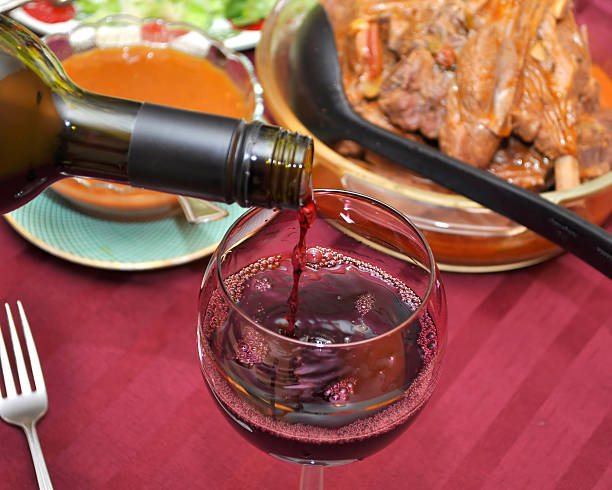
Cabernet Sauvignon
Cabernet Sauvignon’s firm tannins and dark fruit profile make it a classic companion for rich, smoked brisket. Match the wine’s acidity with the meat’s fat to cleanse the palate between bites, and let the wine’s oak nuances echo the charred bark.
Look for a bottle with ripe blackberry, cassis, and a hint of vanilla from barrel aging; these flavors mirror the sweet‑spicy rub often on brisket. If the brisket is prepared with a tomato‑based barbecue sauce, the wine’s subtle herbaceous notes will balance the acidity.
Serve the wine slightly below room temperature, around 60‑65°F, to keep the tannins supple. Pairing tip: a 2018 Napa Valley Cabernet offers enough structure to stand up to the meat without overwhelming delicate spice layers.
Enjoy the pairing with a side of pickled onions, which adds a bright contrast that highlights the wine’s fruit intensity.
Zinfandel
Zinfandel’s jammy fruit and peppery spice make it a natural ally for brisket that carries a sweet‑heat glaze. Balance the wine’s bold fruit with the meat’s caramelized crust to create a harmonious mouthfeel.
Choose a California Zinfandel with notes of black cherry, plum, and a touch of cinnamon; these flavors echo the typical barbecue rub’s brown sugar and smoked paprika. The wine’s moderate acidity cuts through the brisket’s richness, while its subtle tannins prevent the palate from feeling heavy.
Serve it slightly chilled, around 58‑62°F, to keep the fruit forward and the spice lively. Serving suggestion: pair with a side of roasted root vegetables, whose earthiness will amplify the Zinfandel’s peppery undertones and enhance the overall dining experience.
A glass poured just before the first bite sets the tone, allowing the wine’s ripe raspberry edge to mingle with the smoky aroma of the meat.
Syrah/Shiraz
Syrah (or Shiraz) offers a deep, smoky profile that mirrors the slow‑cooked nature of brisket, especially when the meat is seasoned with pepper and herbs. Leverage the wine’s dark‑fruit core and peppery finish to complement the brisket’s robust flavor.
Opt for a Rhône‑style Syrah with aromas of black olive, smoked meat, and a hint of licorice; these notes resonate with a brisket rubbed in garlic, rosemary, and cracked black pepper. The wine’s medium‑to‑high tannins provide structure, while its subtle acidity lifts the fatty layers of the meat.
Serve at 62‑65°F to keep the palate supple and the spice bright. Pairing tip: accompany with a simple arugula salad dressed in lemon vinaigrette, whose peppery bite will accentuate the Syrah’s own pepper notes and refresh the palate between bites.
A final sip after dessert, perhaps with a dark chocolate square, will highlight the wine’s lingering cocoa undertones and close the meal elegantly.
What White Wines Can Complement Brisket
Oak-Aged Chardonnay
Pair an oak‑aged Chardonnay with a smoked or braised brisket to balance the meat’s richness. Choose a wine with 12‑13% alcohol and noticeable buttery notes, because the creaminess cuts through the fat while the oak mirrors the char on the bark.
Serve the Chardonnay slightly chilled, around 50‑55°F, to keep its acidity lively. Taste before serving; if the wine feels overly oaky, let it breathe for ten minutes to soften the wood influence.
When cooking, consider adding a splash of the same Chardonnay to the braising liquid; the wine’s subtle vanilla and toast will echo in the final dish, creating a seamless flavor loop that enhances both the meat and the glass.
Pair it with a side of roasted root vegetables or a light coleslaw, and the wine’s acidity will brighten the palate between bites, ensuring each mouthful feels fresh.
Viognier
Viognet (Viognier) offers aromatic intensity that can stand up to the smoky depth of brisket. Look for a bottle with floral notes of apricot and honeysuckle, as these aromas lift the meat’s caramelized crust. Serve the wine at 55‑60°F to preserve its lush mouthfeel without muting its perfume.
Decant for five minutes to allow the subtle fruit flavors to open, especially if the wine was aged in stainless steel.
In the kitchen, add a splash of Viognier to the finishing glaze; the wine’s natural stone‑fruit sweetness will meld with the brisket’s sauce, creating a harmonious bridge between the dish and the glass.
Complement the pairing with a simple herb‑infused quinoa or grilled asparagus, letting the wine’s bright acidity cut through the richness and keep the overall experience balanced. Serve the wine alongside a crisp green salad dressed with lemon vinaigrette to further accentuate the wine’s aromatic profile.
Gewürztraminer
Gewürztraminer’s spicy, lychee‑laden character can surprisingly complement a sweet‑and‑smoky brisket. Select a dry or off‑dry style with moderate acidity, which will tame the meat’s fat while echoing its peppery rub. Chill the bottle to 52‑54°F; too cold will mute its perfume, too warm will make the sweetness overwhelming.
Swirl and sniff before the first sip to appreciate the rose and ginger notes that will mirror the brisket’s aromatics. In the cooking process, deglaze the pan with a splash of Gewürztraminer, allowing the wine’s subtle sweetness to integrate into the sauce, creating a nuanced glaze that brightens each bite.
Pair this with roasted carrots or a sweet‑potato mash; the vegetable’s natural sugars will harmonize with the wine’s lingering fruit, delivering a balanced palate that celebrates both the dish and the glass.
Finish the meal with a small piece of dark chocolate, as the wine’s spice will complement the chocolate’s bitterness, leaving a memorable finish.
Tips for Pairing Wine with Different Brisket Styles
Smoked vs. Braised
When you’re deciding between a smoked brisket and a braised version, think about the intensity of the smoke and the richness of the cooking liquid.
A smoked brisket carries a deep, woody flavor that pairs beautifully with a full‑bodied red like a Zinfandel or a Syrah, whose peppery spice mirrors the char.
For a braised brisket, which is softer and often cooked in broth or wine, a medium‑to‑full red such as a Cabernet Sauvignon or a Merlot works well, offering enough tannin to cut through the gelatin while complementing the savory broth.
If you prefer a lighter touch, try a dry rosé for smoked cuts; its bright acidity lifts the smoky fat. For braised, a oak‑aged Chardonnay can echo the buttery mouthfeel without overwhelming the meat. Match the wine’s structure to the cooking method for a balanced sip.
Spicy Rubs
Spicy rubs introduce heat, pepper, and sometimes cumin, demanding a wine that can stand up to bold flavors without being crushed. A fruit‑forward Zinfandel with its jammy blackberry notes and moderate alcohol offers a sweet counterbalance to the heat, while its spice accents echo the rub’s paprika.
If you favor a cooler palate, choose a Grenache; its soft tannins and bright red‑fruit profile soften the burn and highlight the herbaceous elements.
For those who enjoy a touch of earth, a Petite Sirah delivers firm tannins and peppery undertones that mirror the cumin and black pepper in the rub. Consider a slightly chilled Syrah for extra refreshment—its chilled temperature tempers the spice, letting the fruit shine.
Pairing a wine with a spicy brisket is about matching intensity: the wine should be robust enough to compete, yet smooth enough to soothe the heat.
Sweet Barbecue Sauce
Sweet barbecue sauces combine molasses, brown sugar, or honey with tangy tomato and smoky undertones, creating a rich, caramelized glaze on brisket. To complement that sweetness, reach for a off‑dry Riesling; its crisp acidity cuts through the sugar while its subtle fruit mirrors the fruit‑forward sauce.
A Lambrusco with gentle fizz can also work, as the bubbles lift the glaze and the slight bitterness balances the honeyed notes. If you prefer a red, choose a Pinot Noir from a cooler climate—its soft tannins and red‑cherry flavor enhance the sauce’s fruit without overwhelming the meat.
For a richer match, a late‑harvest Zinfandel offers intensified jammy fruit and higher alcohol that echo the caramel depth. The key is to pair a wine that offers enough acidity or effervescence to offset the sauce’s sweetness while echoing its smoky backbone.
How to Serve Wine with Brisket for Maximum Flavor
Ideal Serving Temperature
Start by chilling your red wine to the right temperature to let its flavors shine alongside the rich, smoky brisket. Aim for 60‑65°F (15‑18°C) for medium‑body reds such as Zinfandel, Syrah, or a balanced Cabernet Sauvignon; this range softens tannins while preserving fruit intensity.
If you prefer a fuller, bolder style, let the wine sit a few minutes longer at 68‑70°F (20‑21°C) to reveal deeper spice notes that echo the brisket’s rub.
For lighter options like a Pinot Noir, keep it slightly cooler at 55‑58°F (13‑14°C) to maintain bright acidity that cuts through the meat’s fat. Use a wine thermometer or a simple fridge‑plus‑counter method: chill for 20 minutes, then remove and let rest for 10 minutes before serving.
Consistently hitting the target temperature ensures each sip balances the brisket’s savory depth without overwhelming the palate.
Decanting Basics
Decanting can unlock hidden layers in the wine that complement the smoky, caramelized crust of brisket. Pour the wine into a decanter for 20‑30 minutes if you’re using a younger Zinfandel or Syrah; this exposure to oxygen softens harsh tannins and releases peppery spice that mirrors the meat’s rub.
For an older Cabernet Sauvignon, a shorter 10‑15 minute decant is sufficient to awaken subtle oak and dark‑fruit aromas without over‑oxidizing. If you choose a Pinot Noir, a brief 5‑minute swirl in the glass often does the trick, as this delicate varietal benefits from gentle aeration.
Place the decanter on a neutral‑colored surface to monitor clarity, and avoid shaking; a steady pour preserves the wine’s structure. By timing the decanting process to match the brisket’s serving schedule, you ensure every glass arrives with a balanced, aromatic profile that enhances the dish.
Glassware Selection
The right glass can direct the wine’s bouquet toward the brisket’s savory profile, making each bite more harmonious.
Choose a large‑bowl, slightly tapered red‑wine glass for Zinfandel or Syrah; the wide bowl gathers aromatic compounds while the narrowed rim guides the wine to the center of the tongue, highlighting fruit and spice that echo the meat’s seasoning.
For Cabernet Sauvignon, a standard Bordeaux‑style glass with a broader rim supports the wine’s firm tannins and deep blackberry notes, balancing the brisket’s richness. If you serve Pinot Noir, opt for a smaller, elegant Burgundy glass that concentrates delicate aromas and preserves acidity, cutting through the fat.
Avoid overly narrow stems that restrict airflow, and ensure the glass is crystal‑clear for visual appeal. Serve the glass at room temperature, free of water spots, and hold it by the stem to keep the bowl cool, allowing the wine to perform at its best alongside the brisket.
Best Ways to Test Your Wine and Brisket Pairing at Home
Taste Test Steps
Begin by preparing a small portion of your favorite smoked or braised brisket, ensuring it’s still warm and juicy. Select three candidate wines—for example, a full‑bodied Zinfandel, a fruit‑forward Cabernet Sauvignon, and a smooth Malbec—each offering different tannin levels and spice profiles.
Pour a modest glass of each wine, letting it breathe for five minutes. Taste the brisket first, noting its smoky, sweet, and savory notes, then sip the wine, observing how the acidity, fruit, and tannins interact with the meat. Record which combination enhances the meat’s richness or balances its fat.
Repeat the process with a second bite and a different wine, keeping the order consistent to avoid palate fatigue. This systematic approach lets you pinpoint the wine that best complements the brisket’s flavor layers.
Take a moment to cleanse your palate with a sip of water before each new tasting to maintain clarity.
Adjusting Pairing Variables
Once you’ve identified a promising wine, experiment with variables that can shift the harmony between the drink and the brisket. Modify the cooking method—try a slower low‑heat oven roast versus a high‑heat smoker—to see how changes in caramelization affect the wine’s fruit intensity.
Alter the seasoning by adding a touch of coffee rub, smoked paprika, or a sweet‑bitter glaze, then note how the added bitterness or sweetness interacts with the wine’s acidity and tannins.
Adjust the serving temperature of both components; a slightly cooler red (around 60 °F) can soften harsh tannins, while a warm brisket (just off the heat) preserves its juiciness. Document each tweak and the resulting sensory impression, focusing on balance, contrast, and overall enjoyment.
This iterative testing helps you fine‑tune the pairing to match your personal palate and the specific brisket style you’re serving.
Keeping a Pairing Journal
A simple journal becomes your most valuable reference for mastering the brisket‑wine duo. Create a consistent template that captures the date, brisket cut, cooking technique, seasoning profile, and the exact wine label, vintage, and serving temperature.
After each tasting, jot down sensory notes: aroma intensity, flavor highlights, mouthfeel, and how the wine either cut through the meat’s fat or amplified its smoky depth. Include a rating scale of 1‑10 for overall compatibility and a brief comment on any adjustments you’d make next time.
Review past entries monthly to spot patterns—perhaps a particular fruit‑forward red consistently shines with a coffee‑rubbed brisket, or a cooler serving temperature repeatedly smooths out tannic bite.
Over time, this documented evolution empowers you to confidently select the perfect bottle for any brisket occasion, turning trial and error into a refined, repeatable art.
Frequently Asked Questions About Wine and Brisket Pairings
Can I Pair Rosé?
Rosé can be a surprisingly versatile partner for brisket, especially when the meat is cooked low‑and‑slow and finished with a sweet‑tangy barbecue glaze. Choose a dry or off‑dry rosé that offers bright acidity and red‑fruit notes; this cuts through the richness while echoing the smoky undertones.
If you prefer a fruitier profile, a rosé made from Grenache or Syrah will bring berry flavors that complement the caramelized crust. Serve the wine slightly chilled, around 50‑55°F, to keep the palate refreshed between bites.
For a classic Texas‑style brisket, a Rosé of Provence with mineral hints works well, whereas a California rosé with a hint of citrus can brighten a sweeter sauce. Pairing rosé also allows guests who avoid red wine to enjoy a balanced, food‑friendly option without sacrificing depth.
Try serving it alongside a simple mixed green salad to enhance the wine’s crisp finish and keep the meal lively.
What About Sparkling Wine?
Sparkling wine brings effervescence and acidity that can cut through the fattiness of a juicy brisket, making it an excellent alternative to still reds. Select a Brut or Extra‑Dry style with fine bubbles and a flavor profile that includes citrus, green apple, or subtle toast notes.
The carbonation lifts the savory juices, while the bright acidity refreshes the palate after each bite. For a traditional barbecue brisket, a Prosecco offers fruit‑forward flavors that match a sweet glaze, whereas a Champagne or quality Crémant provides a richer, yeasty backbone that stands up to a smoky rub.
Serve the sparkling wine well chilled, around 45‑48°F, and consider using a flute or tulip glass to preserve the bubbles. Pairing sparkling also adds a celebratory feel to a casual dinner, encouraging guests to linger and enjoy the interplay of texture and taste.
How Much Wine Should I Serve?
Estimating the right amount of wine for a brisket gathering helps keep the experience enjoyable without excess.
A general rule of thumb is one 5‑ounce glass per person for every hour of eating, which translates to roughly half a bottle for a light snack and a full bottle for a hearty main course.
If you’re serving a mix of red, white, and perhaps a rosé, aim for about 0.4 bottles of each per guest, allowing everyone to sample different styles.
For a typical 3‑hour dinner with 8 guests, plan on 4 to 5 bottles total—split between a robust Zinfandel or Cabernet for the meat, a crisp Sauvignon Blanc for contrast, and a refreshing rosé for those who prefer lighter options.
Keep a few extra bottles on hand in case the conversation flows and the wine is enjoyed slowly; it’s easier to store unopened bottles than to run short mid‑meal. Remember to provide water and non‑alcoholic alternatives to maintain balance.
Frequently Asked Questions
What type of red wine pairs best with brisket?
Full‑bodied reds with moderate tannins, such as Zinfandel, Syrah/Shiraz, or a Cabernet Sauvignon, complement the rich, smoky flavors of brisket. Their fruit and spice notes enhance the meat without overwhelming it.
Can I pair brisket with white wine?
Yes—if you prefer white, choose a richer style like an oaked Chardonnay or a Viognier. Their creamy texture and subtle oak can stand up to the brisket’s fat and smoky notes.
How does the cooking method affect wine choice for brisket?
Smoked or barbecued brisket benefits from bolder reds that match the charred flavors, while a slow‑roasted, milder brisket can be paired with lighter reds or fuller whites. Adjust the wine’s intensity to the level of smokiness and seasoning.
Are there specific wine regions known for brisket pairings?
Wines from California (Zinfandel, Cabernet), Australia (Shiraz), and the Rhône Valley (Syrah) are classic matches because they offer ripe fruit and spice that echo brisket’s profile. These regions produce wines that balance acidity and tannin for the meat.
Should I consider the sauce or rub when choosing wine for brisket?
Absolutely—sweet or tangy BBQ sauces pair well with fruit‑forward reds like Zinfandel, while a peppery rub can be matched with a peppery Syrah. Matching the sauce’s flavor intensity helps the wine and food complement each other.
What are some budget-friendly wine options that go well with brisket?
Look for affordable Zinfandel or Merlot from California, or a value Shiraz from Australia, typically priced under $15. These wines deliver the necessary body and spice without breaking the bank.
Conclusion
When pairing wine with brisket, remember that the meat’s smoky, rich flavor shines best with reds that balance acidity and tannin. Full‑bodied Zinfandel, fruit‑forward Syrah, or a smooth Merlot complement the fat and spice, while a chilled Grenache or a light Cabernet Franc offers a fresher lift. Experiment with these suggestions, trust your palate, and enjoy the perfect harmony of wine and brisket at your next gathering.