Why Do People Save Wine Corks
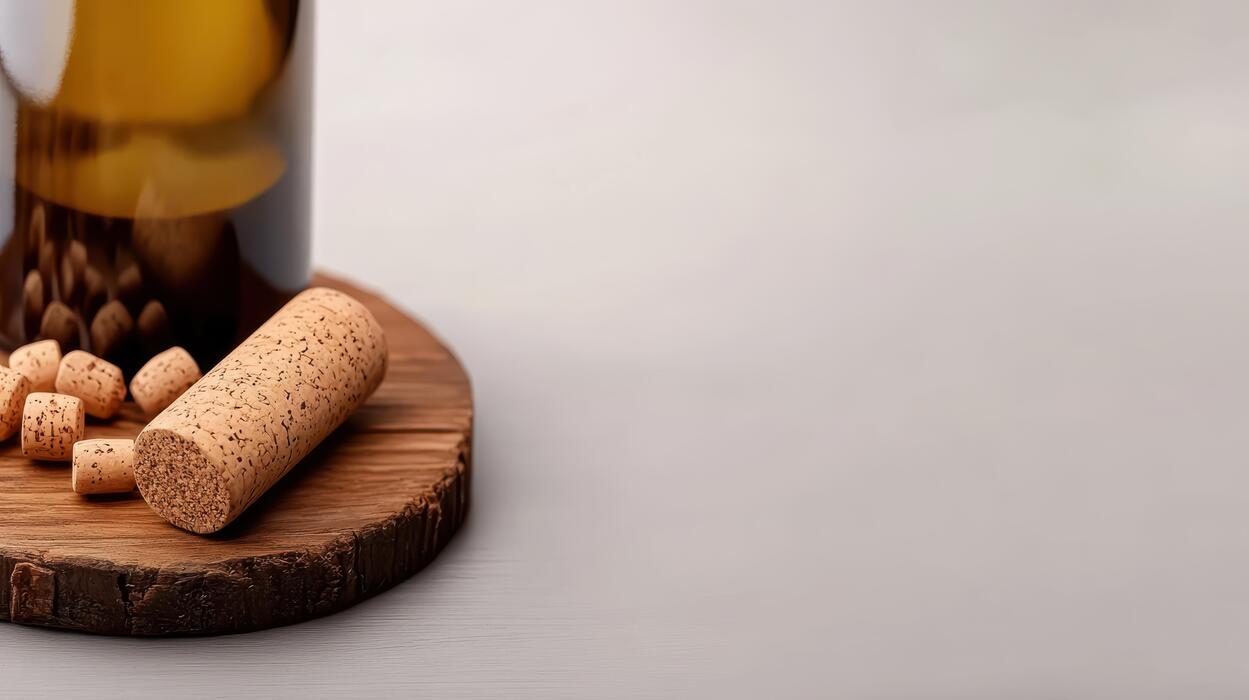
Have you ever finished a great bottle of wine and hesitated before tossing the cork? You are not alone. People save wine corks for a variety of reasons, ranging from sentimental keepsakes of special celebrations to versatile materials for creative DIY home projects. Whether you are looking for clever crafting inspiration or wondering about the environmental benefits of recycling them, this guide explains exactly why these little stoppers are worth keeping. Let’s dive into the most popular ways to repurpose your collection today.
Common reasons people collect wine corks
Preserving memories of special occasions
One of the most meaningful reasons to keep wine corks is to create a physical timeline of your most cherished life events.
Instead of letting a significant moment fade, you can preserve memories of special occasions by writing the date, location, and the names of people you shared the bottle with directly onto the side of the cork.
This simple act turns a piece of bark into a powerful souvenir from weddings, anniversaries, or promotion celebrations. By storing these marked corks in a dedicated memory jar or shadow box, you build a visual archive of your personal history.
It serves as a great conversation starter when guests visit, allowing you to relive joyful milestones through a tangible object. This solution-focused habit ensures that the sensory experience of a great evening remains accessible for years.
Collecting corks this way transforms a disposable item into a valuable sentimental keepsake that captures the essence of a celebration long after the bottle is empty.
Tracking tasting notes and favorite brands
For those looking to refine their palate, saving corks is a practical method for tracking tasting notes and favorite brands without needing complex apps.
Many enthusiasts use a fine-tip marker to jot down a quick rating or a specific flavor profile, such as ‘oaky’ or ‘bright acidity,’ on the cork itself.
This provides a low-tech but highly effective inventory of your wine preferences, helping you remember which labels to repurchase and which ones to avoid during your next trip to the store.
You can organize these corks in small bins categorized by grape variety or region, creating a physical database of your drinking history. This organized approach allows you to identify patterns in your taste, making it much easier to provide recommendations to friends or communicate with sommeliers.
By treating each cork as a data point, you turn your casual hobby into an educational journey, ensuring every future purchase is a well-informed and satisfying choice for your collection.
Aesthetic appeal for home decor
Beyond sentimental and educational value, many people save corks to leverage their unique aesthetic appeal for home decor projects. The natural texture and varied branding on corks offer a rustic, sophisticated look that fits perfectly in kitchens, dining rooms, or home bars.
You can use your collection to create functional art, such as hand-crafted bulletin boards, durable coasters, or even textured backsplashes that add warmth to a room. For a simpler solution, filling a large glass vessel with assorted corks provides an effortless centerpiece that signals a love for viticulture.
This approach to collecting is highly sustainable, as it upcycles natural materials into beautiful interior design elements rather than sending them to a landfill.
Whether you are building a custom wreath or simply displaying them in a decorative bowl, these items provide a versatile and cost-effective way to personalize your living space. Embracing this creative outlet allows you to showcase your personality while giving a second life to every bottle enjoyed.
Practical DIY projects for old corks
Making handmade bulletin boards
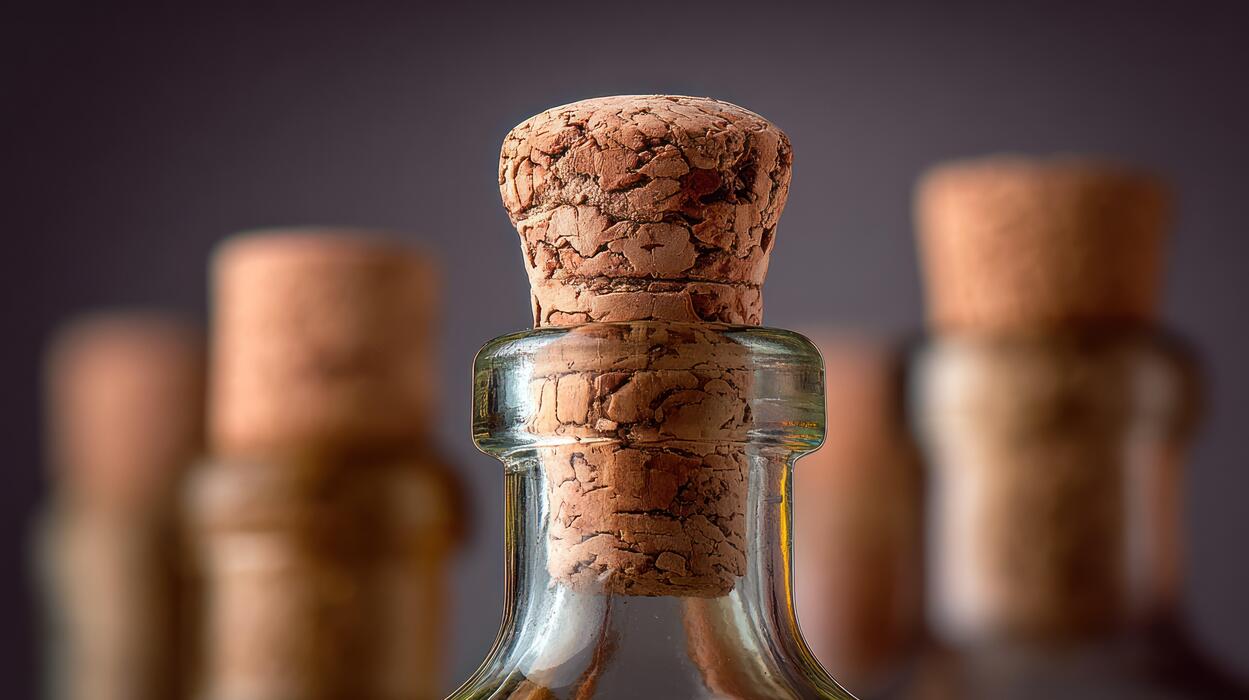
One of the most functional reasons people save wine corks is to construct durable, personalized bulletin boards that serve as both decor and organization tools. To begin this project, gather a sturdy frame or a wooden backing and a large collection of natural corks.
You should slice the corks in half lengthwise using a sharp utility knife to ensure they sit flush against the backing, which also doubles your surface area. Apply a strong adhesive like hot glue or wood glue to attach the flat side of each piece to your board.
You can experiment with herringbone or basketweave patterns to create a professional look that conceals pinholes effectively. These boards are superior to store-bought versions because the dense material of high-quality wine corks naturally self-heals after pins are removed, ensuring your message center lasts for years.
This DIY solution transforms a drawer full of discarded stoppers into a central hub for grocery lists, photos, and important reminders while adding a rustic, eco-friendly aesthetic to your home office or kitchen walls.
Creating custom coasters and trivets
Saving wine corks allows you to create high-heat resistant kitchen accessories like custom coasters and trivets that protect your surfaces from damage. Because cork is a natural insulator and water-resistant material, it is the perfect medium for handling hot pots or condensation from cold beverages.
To start, select corks of uniform height and arrange them in a tight geometric shape, such as a square or hexagon. You can secure the perimeter with a metal hose clamp for a modern industrial look or glue them onto a thin cork sheet for added stability.
For a more polished finish, consider sanding the top surface to ensure your glassware sits perfectly level and won’t tip over. These handmade items make excellent gifts and provide a practical answer to why people hoard these small items.
By repurposing your collection into trivets, you are utilizing the shock-absorbing properties of the wood to prevent scratches on delicate dining tables. This project is a quick, solution-focused way to clear out your stash while adding functional, handmade charm to your living space.
Building unique stamps for scrapbooking
If you are a craft enthusiast, saving wine corks provides a steady supply of handles and bases for building unique, custom stamps for scrapbooking and card making. The firm yet slightly yielding texture of a wine cork makes it an ideal substrate for carving intricate designs or attaching foam shapes.
Using a precision hobby knife, you can carve simple icons like hearts, stars, or initials directly into the circular end of the cork to create a permanent stamp.
Alternatively, you can glue pre-cut rubber or foam letters to the bottom, using the cork’s body as an ergonomic grip that keeps ink off your fingers during use. This DIY approach allows for complete creative control over your stationery designs without the expense of commercial stamping kits.
Furthermore, because cork is porous, it holds onto certain types of adhesive very well, ensuring your stamp faces stay attached through hundreds of impressions.
It is a brilliant way to upcycle small materials into artistic tools, proving that even the most mundane objects can be repurposed into high-value assets for your creative projects and personalized gift wrapping.
How to use wine corks in your garden
Natural mulch for potted plants
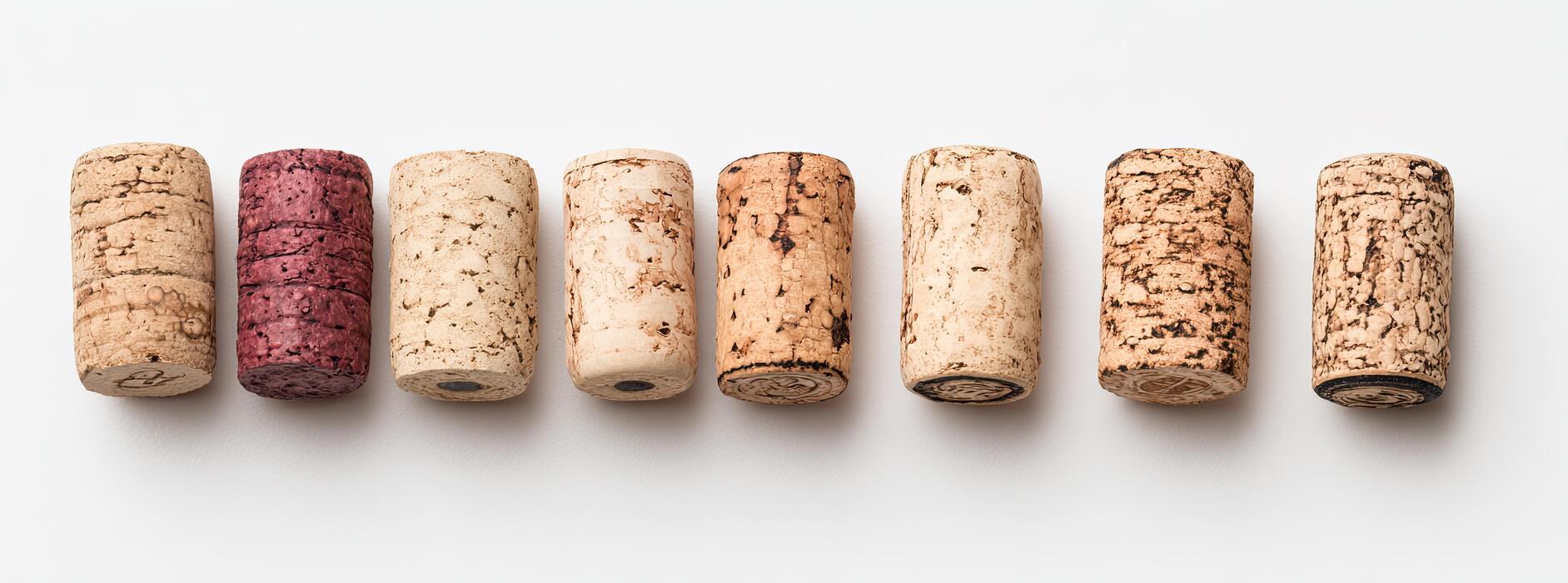
One of the most practical reasons people save wine corks is to use them as a sustainable, organic mulch for indoor and outdoor container gardens.
Because cork is harvested from the bark of the cork oak tree, it is a completely natural material that resists rot while providing an effective barrier for your soil.
By spreading a thick layer of whole or halved corks over the surface of your pots, you can significantly reduce moisture evaporation, which means you will need to water your plants less frequently.
This layer also acts as an insulating blanket, protecting sensitive root systems from extreme temperature fluctuations during the summer heat or unexpected cold snaps. Beyond the functional benefits, wine cork mulch adds a unique, rustic aesthetic to your home decor.
As the corks eventually begin to break down over several years, they contribute valuable organic matter back into the soil, improving its overall structure without the need for synthetic additives or expensive store-bought wood chips.
DIY plant markers and labels
Organization is key to a successful garden, and wine corks offer a free, weather-resistant solution for identifying your herbs,
Creative home decor ideas using wine corks
Filling glass vases and shadow boxes
People save wine corks because they serve as versatile, organic fillers that instantly add texture and warmth to any living space. One of the most effective ways to utilize your collection is by filling large glass cylinders or oversized vases to create sophisticated centerpieces.
This approach is highly popular because it transforms a simple container into a conversational piece that highlights memories of shared bottles and special occasions.
To elevate the look, you can nestle a flameless LED candle in the center of the corks, allowing the natural wood tones to glow beautifully during evening gatherings. For those who prefer a more structured display, shadow boxes provide an organized way to showcase corks while protecting them from dust.
You can even write dates or names on the corks before dropping them into the box, turning your home decor into a chronological visual diary of your favorite vintages and life milestones.
Designing rustic wall art
Wine corks are frequently preserved because their uniform shape and unique branding marks make them the perfect medium for creating custom rustic wall art.
By arranging corks in various patterns, such as herringbone or vertical stacks, you can construct a functional corkboard that is far more stylish than a standard office supply version.
Many enthusiasts choose to glue corks into specific silhouettes, such as a state map, a wine bottle shape, or even initials, to personalize their kitchen or dining area. This project is a fantastic solution for those looking to improve room acoustics while adding a tactile, earthy element to their walls.
Because cork is a natural material, it complements wood furniture and neutral color palettes seamlessly. Whether you leave them natural or lightly dip the ends in acrylic paint for a pop of color, these DIY installations turn a pile of recycled materials into a sophisticated gallery-worthy focal point.
Crafting holiday ornaments and wreaths
The tradition of saving wine corks often stems from the desire to create handmade holiday decorations that carry a sense of nostalgia and personal history.
During the festive season, corks can be transformed into charming ornaments by simply adding eye hooks and ribbon; they are particularly effective when carved into miniature reindeer or stacked to resemble tiny evergreen trees.
For a more substantial project, many crafters use a straw or foam base to construct a full-sized wine cork wreath. This process involves layering corks in a sunburst pattern, resulting in a durable and lightweight piece of decor that looks stunning on a front door or above a fireplace.
These wreaths offer a sustainable alternative to plastic decorations and can be accented with seasonal greenery, dried berries, or burlap bows to suit any holiday theme. Using your saved corks for these projects ensures that your seasonal home styling remains unique, budget-friendly, and deeply connected to your personal celebrations.
Environmental benefits of recycling wine corks
Reducing waste in local landfills
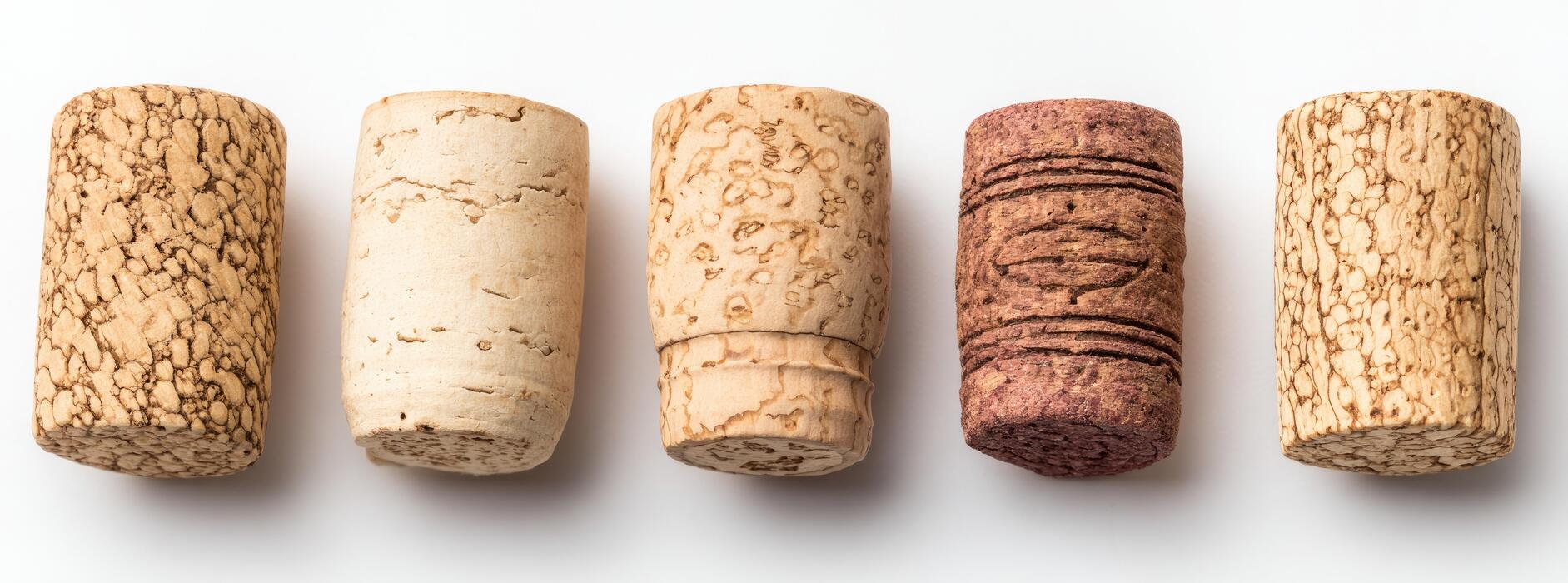
One of the most immediate reasons people save wine corks is to prevent unnecessary waste from accumulating in local landfills. Natural cork is a 100% biodegradable and compostable material, but when trapped in the anaerobic environment of a landfill, it fails to decompose efficiently and takes up valuable space.
By choosing to collect and divert corks, you contribute to a circular economy that treats waste as a resource rather than a burden. Saving these small stoppers helps lower your household carbon footprint and ensures that a renewable resource does not go to waste.
Furthermore, because cork is harvested from the bark of Quercus suber trees without cutting them down, preserving the material honors the sustainable harvesting cycle of the Mediterranean forests.
Every cork kept out of the trash represents a commitment to environmental stewardship and a simple, actionable step toward zero-waste living that anyone can implement at home with minimal effort or specialized equipment.
How cork recycling programs work
Understanding the logistics of cork reclamation makes the act of saving them feel more impactful. Dedicated organizations have established collection networks at wineries, retail stores, and restaurants to gather used natural corks in bulk.
Once collected, these corks are transported to processing facilities where they are sorted to remove any synthetic or plastic imitations. The natural cork is then ground into high-quality granules of various sizes, which serve as the raw material for secondary manufacturing.
By participating in these programs, you are supporting a sophisticated logistics chain that transforms a single-use item into a durable industrial ingredient. Many programs even partner with logistics companies to utilize carbon-neutral shipping methods, ensuring that the environmental cost of transport does not outweigh the benefits of recycling.
Finding a local drop-off point or a mail-in service is the most effective way to ensure your collection reaches these facilities, turning your personal stash into a valuable contribution to global sustainability efforts.
Sustainable products made from recycled cork
The reason why people save wine corks becomes clear when you see the innovative products created from the recycled material. Because cork is naturally hypoallergenic, fire-resistant, and moisture-wicking, it is a highly prized material for green construction and consumer goods.
Recycled cork granules are frequently used to manufacture eco-friendly flooring tiles, soundproofing insulation, and thermal gaskets for various industries. Beyond industrial use, the material is repurposed into lifestyle items such as sustainable yoga blocks, non-slip footwear soles, and bulletin boards.
By saving your corks, you provide the essential raw material for these low-impact alternatives to plastic and foam, which often rely on petroleum-based ingredients. This process effectively extends the life of the cork indefinitely, keeping the carbon sequestered within the material for decades.
Supporting the market for recycled cork products creates a demand for sustainable manufacturing, proving that even a small item like a wine stopper can have a massive positive influence on the health of our planet.
Ways to clean and prep corks for crafting
Removing wine stains and odors
People save wine corks because they serve as versatile, eco-friendly crafting materials that carry sentimental value from special occasions. However, natural cork is porous, meaning it easily absorbs red wine pigments and distinct odors that can interfere with your DIY projects.
To effectively refresh your collection, begin by soaking the corks in a mixture of warm water and a splash of white vinegar. This natural acidic solution helps break down deep-set tannins and neutralizes lingering scents without compromising the structural integrity of the material.
For particularly stubborn purple stains, you can gently scrub the ends with a soft-bristled toothbrush and a paste made from baking soda and water. Avoid using harsh chemical bleaches, as these can cause the cork to dry out, turn brittle, or develop an unnatural chalky appearance.
Once the stains are lightened and the smell is neutral, rinse them thoroughly in cold water. This preparation phase ensures your finished craft looks professional and remains free of any stale, vinegary aromas over time.
The best way to sanitize used corks
Since corks are often extracted from bottles that have been stored in damp cellars or handled frequently, sanitization is a crucial step before using them for home decor or functional items.
The most effective method to eliminate bacteria and mold spores is steaming the corks for approximately ten to fifteen minutes. You can use a standard kitchen steamer basket over a pot of boiling water; this process uses high heat to penetrate the pores without saturating the center with excessive liquid.
Alternatively, a quick submersion in a mild hydrogen peroxide solution can serve as an effective disinfectant for corks that appear relatively clean. After sanitizing, it is vital to let the corks air dry completely on a wire rack or a clean towel for at least twenty-four to forty-eight hours.
Ensuring they are entirely moisture-free prevents the growth of new mold once they are glued or assembled into your project. Properly sanitized corks provide a safe, hygienic foundation for everything from bulletin boards to coasters and trivets.
How to cut corks without crumbling
One of the biggest challenges when repurposing saved wine corks is achieving a clean, smooth cut without the material shattering into small, messy pieces. The secret to success lies in rehydrating the cork before you attempt to slice it.
By steaming the corks for about ten minutes right before cutting, you temporarily soften the cellular structure, making the material pliable and much more forgiving under a blade. Once they are softened and warm, use a very sharp utility knife or a serrated bread knife to make the cut.
Apply gentle, consistent pressure and use a sawing motion rather than trying to force the blade straight through in one downward chop. This technique is essential for creating flat-backed pieces for wall art or uniform rounds for jewelry.
If you notice the cork starting to resist or flake, simply return it to the steam for a few more minutes to restore its flexibility. Taking this extra step ensures your craft projects have professional, clean edges and significantly reduces wasted material from crumbling.
Where to donate or sell your cork collection
Local schools and community art centers
One of the most immediate ways to repurpose your collection is by contacting local schools and community art centers. Teachers and art instructors frequently seek out natural materials for classroom projects, as cork is a safe, tactile, and versatile medium for children to handle.
People save wine corks specifically because they are perfect for STEM activities, holiday ornaments, and architectural modeling. By donating your stash, you provide free supplies for student creativity while ensuring the materials do not end up in a landfill.
Before dropping them off, it is helpful to sort your corks by material, separating natural wood from synthetic plastic, as different projects may require specific textures. Many preschools also use them for sensory bins or simple painting stamps.
Reaching out to your local ‘Buy Nothing’ group on social media is an excellent way to find nearby educators who can put your collection to immediate use for upcoming educational curriculum needs or community-wide art festivals.
Companies that buy bulk wine corks
If you have amassed a significant volume of material, you can actually turn your sustainability efforts into profit by selling to companies that buy bulk wine corks.
While individual corks carry little value, large collections are highly sought after by specialty resellers and professional crafters on platforms like eBay or Etsy. People save wine corks because they are essential for high-end home decor items, such as large-scale bulletin boards, flooring underlayment, and heat-resistant trivets.
When preparing your collection for sale, ensure you remove any residual foil or wire and discard corks that are badly crumbled or stained with excessive mold. High-quality, natural corks usually fetch the best prices, especially those with unique winery branding or vintage markings.
Shipping in bulk quantities of 100 to 500 units is the most cost-effective way to manage logistics and attract serious buyers. This approach rewards your patience in collecting while supporting a circular economy where used materials are treated as valuable raw resources for new manufacturing.
Retail drop-off locations for ReCork
For those seeking the most convenient and environmentally impactful solution, retail drop-off locations for ReCork offer an ideal outlet. ReCork is North America’s largest natural cork recycling program, transforming used stoppers into sustainable consumer products like footwear and yoga blocks.
People save wine corks because they are a renewable, carbon-sequestering resource that should never be wasted in household trash. You can find collection bins at major retailers such as Whole Foods Market and various independent wine boutiques.
Simply use the online locator tool to find a partner near you, then bring your bag of natural corks for free disposal. It is crucial to exclude synthetic or plastic stoppers from these bins, as they contaminate the recycling stream intended for natural bark products.
By participating in this program, you directly contribute to a sustainable supply chain that reduces the demand for synthetic foams and plastics. This simple action ensures that every bottle you open supports forest conservation and green manufacturing initiatives across the entire continent.
Frequently Asked Questions
Why do people collect wine corks for sentimental reasons?
Many people save wine corks as mementos of special occasions, such as weddings, anniversaries, or memorable dinners. Writing the date or event on the cork allows it to serve as a physical souvenir that triggers memories of the shared experience and the specific bottle enjoyed.
Can wine corks be reused for household DIY projects?
Yes, wine corks are a popular material for various DIY crafts because they are easy to cut, glue, and arrange. Common projects include creating handmade bulletin boards, coasters, trivets, or even decorative wreaths that showcase a person’s wine journey.
Are wine corks recyclable or biodegradable?
Natural wine corks are biodegradable and compostable, but many people save them to participate in specialized recycling programs like ReCork. These programs grind down old corks to create sustainable products like yoga blocks, shoe soles, and flooring.
Do wine corks have any practical uses in gardening?
Gardeners often save corks to use as natural mulch or drainage aids in potted plants. Because cork is a natural material, it can also be used as labels for herb gardens or chopped up and added to compost piles to break down over time.
How do wine enthusiasts use corks for decor?
Wine lovers frequently use corks as decorative filler for large glass vases, shadow boxes, or ‘cork cages.’ This aesthetic choice highlights their appreciation for viticulture and turns a collection of waste into a rustic interior design element.
Is there a functional reason to keep a cork after opening a bottle?
Beyond sentiment, keeping the original cork allows you to temporarily reseal a bottle if you don’t finish it in one sitting. However, if the cork was damaged during removal, many people save a small stash of spare, intact corks to use as replacements for future bottles.
Conclusion
People save wine corks for a blend of sentimental value and creative potential. Whether acting as a physical bookmark for a cherished memory or serving as raw material for unique home decor, these small stoppers bridge the gap between past celebrations and future projects. Next time you open a special bottle, hold onto the cork. It is more than just debris; it is an invitation to relive a moment or craft something beautiful.