What Is Vermentino
Vermentino is a bright, aromatic white wine grape that thrives along the Mediterranean coast, especially in Italy’s Sardinia, Liguria, and Tuscany, as well as in southern France. Known for its crisp acidity, citrus zest, and subtle herbaceous notes, it pairs beautifully with seafood, salads, and light pasta dishes. In this quick guide we’ll explain the grape’s origins, flavor profile, ideal food matches, and how to choose the perfect bottle for any occasion. You’ll also learn serving temperature tips and storage tricks.
What is Vermentino?
Origin and History
Vermentino is a white grape variety that traces its roots to the Mediterranean coast, especially the Ligurian and Tuscan regions of Italy. First documented in the 13th century, the grape spread across the French Riviera, Corsica, and the islands of Sardinia and Elba.
Historical records suggest it was prized by Roman vintners for its ability to thrive in salty, breezy soils. Over centuries, Vermentino adapted to diverse microclimates, developing a reputation for producing crisp, aromatic wines.
Today, its lineage is celebrated for blending ancient tradition with modern winemaking techniques, making it a staple in both historic and contemporary wine culture.
Grape Characteristics
The Vermentino vine is known for its medium‑size berries and thin skins, which contribute to a light‑to‑medium body in the finished wine. Leaves are deeply lobed, allowing ample sunlight penetration and aiding in the grape’s early ripening cycle.
The grapes typically reach optimal sugar levels by late August, balancing acidity with subtle mineral notes. They thrive on well‑drained, limestone‑rich soils and benefit from coastal breezes that preserve freshness.
Viticulturists often practice green harvesting to concentrate flavors and manage yields, ensuring each bunch develops the aromatic compounds that define Vermentino’s signature profile. These traits make the grape versatile for both unoaked and lightly oak‑aged styles, enhancing its market appeal.
Flavor Profile
Vermentino wines are celebrated for their vibrant citrus aromas, often showcasing notes of lemon, lime, and grapefruit. Alongside the citrus, you’ll detect floral hints such as orange blossom and jasmine, complemented by subtle herbaceous tones like rosemary and sage.
On the palate, the wine delivers a crisp acidity that lifts flavors of green apple, pear, and tropical pineapple, while a distinctive salty minerality reflects its coastal origins. Some producers add a touch of buttery texture through gentle malolactic fermentation, creating a rounded mouthfeel without overpowering the freshness.
The overall profile is light‑to‑medium body, making it an ideal companion for seafood, salads, and Mediterranean cuisine.
Key Growing Regions
The most renowned Vermentino vineyards are found in Italy’s Liguria, Tuscany, and Sardinia, where the grape benefits from sunny slopes and sea breezes. In France, the Corsican and Provence regions produce distinctive expressions, often with a slightly richer texture.
Spain’s Catalonia and Balearic Islands have also embraced Vermentino, adapting it to local terroir and creating crisp, aromatic wines. Beyond Europe, emerging producers in Australia’s Margaret River and California’s Central Coast experiment with the variety, highlighting its adaptability to warm climates while maintaining its signature minerality.
Visiting these regions offers wine enthusiasts the chance to explore diverse styles, from lean, mineral‑driven bottles to more fruit‑forward interpretations.
How Vermentino is Grown
Soil and Climate Requirements
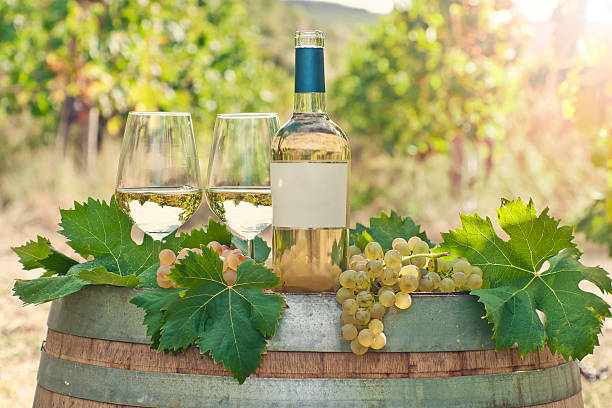
Vermentino thrives on well‑drained, limestone‑rich soils that allow roots to explore deep moisture while preserving mineral freshness. Ideal sites feature granite or schist substrates that reflect sunlight, enhancing the grape’s aromatic intensity. The variety prefers a Mediterranean climate with warm, dry summers and cool sea breezes that moderate temperature spikes.
Moderate diurnal shifts help retain acidity, while ample sunshine promotes the development of citrus and floral notes. When planting, select slopes with a south‑or southeast‑facing aspect to capture optimal sunlight exposure. Avoid overly fertile soils that can produce excessive vigor and dilute flavor concentration.
By matching Vermentino to these soil and climate conditions, growers lay the foundation for a wine that showcases bright acidity, minerality, and a distinctive aromatic profile. These terroir elements also contribute to the wine’s characteristic green apple and saline minerality, ensuring a crisp finish that reflects its coastal origins.
Vineyard Practices
Effective vineyard practices for Vermentino focus on balanced canopy management to maximize sunlight while protecting delicate grapes from excessive heat. Early-season pruning should aim for a moderate bud load, encouraging uniform shoot growth and preventing over‑cropping that can dilute flavor.
Implement vertical shoot positioning (VSP) or a lyre system to improve air circulation, reducing disease pressure in humid coastal environments. Throughout the season, conduct selective leaf thinning on the north side of the canopy to enhance exposure of the fruit zone without compromising shade needed for acid retention.
Soil health is maintained with cover crops such as legumes, which fix nitrogen and improve soil structure, while organic mulches help retain moisture. Minimal irrigation is preferred; when necessary, apply deficit irrigation during the veraison phase to concentrate phenolics.
Regular monitoring for powdery mildew and downy mildew is essential, employing organic fungicides or canopy sprays as needed. These practices collectively support the development of Vermentino’s signature bright aromatics and crisp palate.
Harvest Timing
Harvest timing is critical for Vermentino to capture its hallmark vibrant acidity and expressive aromatics. Growers typically begin sampling in late August, assessing Brix levels between 11.5 and 12.5 while ensuring the pH remains around 3.2–3.4 to preserve freshness.
The grape’s thin skins allow early ripeness of aromatic compounds, so a slight underripe window can enhance citrus and herbaceous notes. Monitoring tartaric acid concentration helps decide the optimal pick date; a decline below 1.5 g/L signals the need for immediate harvest.
In cooler sites, a later harvest extending into early October may be necessary to achieve sufficient phenolic maturity without sacrificing acidity. Hand‑picking is preferred to minimize berry damage and oxidation, and sorting on‑site ensures only fully ripe clusters are processed.
By aligning harvest decisions with these analytical and sensory cues, winemakers secure a Vermentino that delivers a crisp, mineral‑driven palate with lingering floral and tropical nuances.
How Vermentino is Made
Winemaking Techniques
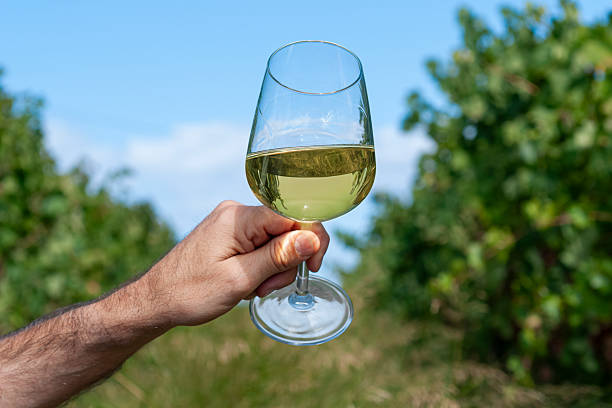
Vermentino begins its journey in the vineyard, where growers select well‑drained, sun‑kissed sites that highlight the grape’s natural minerality. Hand‑picking is preferred to preserve delicate skins and avoid oxidation. Once harvested, grapes are gently sorted and de‑stalked, then transferred to temperature‑controlled stainless steel tanks.
Winemakers often employ cold maceration for 12‑24 hours, allowing aromatic precursors to dissolve while limiting phenolic extraction. The juice is pressed using low‑pressure pneumatic presses to retain freshness. Throughout this stage, careful monitoring of pH and acidity ensures the wine will retain its signature crispness and citrus‑driven profile.
By controlling temperature (typically 12‑16 °C) and minimizing oxygen exposure, the process safeguards the bright, floral character that defines Vermentino.
Some producers experiment with a small proportion of oak‑aged Vermentino to add subtle vanilla notes, but the majority opt for a pure, unoaked style to let the grape’s inherent zest shine.
The final must is clarified through fine filtration before moving to fermentation, ensuring a clean palate and consistent quality across batches.
Fermentation Choices
After the winemaking techniques have prepared a pristine juice, Vermentino’s character is shaped during fermentation. Winemakers may choose spontaneous fermentation with indigenous yeasts, allowing the vineyard’s micro‑flora to impart nuanced earthy and herbaceous notes that complement the grape’s citrus backbone.
Alternatively, selected Saccharomyces cerevisiae strains are introduced to guarantee reliable temperature control and preserve bright aromatics. Fermentation is typically conducted at cool temperatures between 14 °C and 18 °C, which slows yeast activity and promotes the retention of volatile compounds such as white pepper, green apple, and tropical fruit aromas.
Some producers employ a brief malolactic fermentation to soften acidity, though many prefer to retain the natural sharpness that defines Vermentino. Throughout the process, gentle punch‑downs or pump‑overs are used to ensure even extraction without extracting excessive tannins.
The result is a lively, aromatic wine with a balanced acidity that showcases the grape’s signature minerality and floral finesse.
Aging Options
The final stage of Vermentino production determines how the wine will evolve in the glass. Most winemakers opt for short‑term aging in inert stainless steel vats for 4‑6 months, preserving the grape’s fresh citrus, saline, and floral aromatics while maintaining a crisp mouthfeel.
For producers seeking added texture, a portion of the wine may be transferred to neutral oak barrels or large old oak foudres for a brief 2‑3 month period; this imparts subtle micro‑oxygenation and a faint hint of vanilla or toast without overwhelming the varietal’s purity.
Some boutique estates experiment with amphora aging, allowing gentle oxidation that enhances mineral depth and adds a nuanced nutty character. Throughout any aging regime, wines are regularly racked and filtered to remove lees and prevent off‑flavors.
The chosen approach balances the desire for a vibrant, youthful profile with the potential for a slightly richer, more complex expression, ensuring that Vermentino remains versatile for both early consumption and modest cellar development.
Best Food Pairings with Vermentino
Seafood Dishes
Vermentino is a crisp, aromatic white wine from the Mediterranean, known for its bright acidity, citrus zest, and subtle saline minerality. When paired with seafood, its lively profile enhances the natural brine of the ocean while cutting through buttery textures.
Serve chilled Vermentino alongside grilled shrimp, lemon‑garlic prawns, or a classic Italian bouillabaisse; the wine’s green‑apple and grapefruit notes echo the herbs and tomatoes in the broth. For raw preparations, pair it with oysters on the half‑shell or a sashimi platter, where the wine’s minerality mirrors the sea‑salted flesh.
A light drizzle of extra‑virgin olive oil and a sprinkle of sea‑salt on the dish will further harmonize with the wine’s subtle herbaceous undertones, creating a balanced, refreshing dining experience.
Enjoy this pairing on a warm summer evening, letting the wine’s crisp finish cleanse the palate between bites, and you’ll notice how the citrus spark lifts the seafood’s sweet flavors.
Light Pasta and Salads
Vermentino’s aromatic profile—notes of lime, white peach, and a whisper of rosemary—makes it an ideal companion for light pasta dishes and fresh salads. Toss al dente linguine with a lemon‑olive‑oil sauce, cherry tomatoes, and basil, then drizzle a splash of Vermentino to echo the citrusy acidity and brighten the herbs.
The wine’s moderate alcohol level prevents it from overwhelming delicate sauces, while its minerality balances the olive oil’s richness. For salads, combine mixed greens, sliced fennel, and citrus segments, then dress with a vinaigrette made from Vermentino reduction; the wine’s fruit‑forward character mirrors the dressing’s tang.
A handful of toasted pine nuts adds texture that resonates with the wine’s subtle nutty undertones. Serving the wine slightly chilled (10‑12°C) ensures the crispness cuts through the pasta’s starch, leaving a clean, invigorating finish that invites another forkful.
Cheese Selections
Vermentino’s bright acidity and saline edge pairs beautifully with a curated selection of cheeses, especially those that are mild yet flavorful. Serve a platter of fresh goat cheese, young Pecorino, and a light feta, each offering a creamy texture that the wine’s citrus spark can cut through without masking.
The wine’s subtle herbaceous notes complement the grassy undertones of goat cheese, while its minerality highlights the salty tang of Pecorino. For a twist, add a slice of ripe pear or a drizzle of honey; the fruit’s sweetness will echo the wine’s peach nuance and create a harmonious contrast.
A sprinkle of crushed rosemary or thyme on the cheese adds an aromatic bridge to the wine’s aromatic profile. Keep the Vermentino chilled to 11‑13°C; the cool temperature preserves its lively fruit character, ensuring each bite of cheese feels refreshed and balanced.
Tips for Tasting Vermentino
Glassware Selection
When you reach for a glass of Vermentino, the right vessel can highlight its bright acidity and aromatic finesse. Choose a tulip‑shaped white‑wine glass with a slightly tapered rim; this concentrates the wine’s citrus and herbaceous notes while allowing a gentle swirl.
Select a glass with a broad bowl to let the wine breathe, revealing its minerality, and a thin rim to direct the flow onto the palate. Avoid overly large bowls that dilute the delicate flavors.
Before pouring, ensure the glass is clean and free of residue, as any lingering scent can mask Vermentino’s subtle aromas of lemon zest, green apple, and sea‑spray. Serve the wine in a single‑handed pour to maintain temperature, and let the glass sit upright for a moment so the aromas settle.
This thoughtful glassware choice sets the stage for a nuanced tasting experience.
Temperature Guidelines
Vermentino thrives when served at a temperature that balances its crisp acidity with its fragrant fruit profile. Aim for 10‑12 °C (50‑54 °F); cooler than most whites but warmer than a chilled rosé.
To achieve this, place the bottle in a refrigerator for 45‑60 minutes before service, or chill it in an ice‑water bath for 10‑15 minutes for faster results. Avoid over‑chilling, which can mute the wine’s citrus zest, herbal undertones, and the subtle saline minerality that define Vermentino.
If the wine feels too cold, let it sit for a couple of minutes in the glass; the slight warming will unlock aromatic layers of white peach, grapefruit, and a whisper of Mediterranean herbs. Keep a thermometer handy for consistency, especially when serving multiple bottles at a gathering.
Consistent temperature control ensures each sip reveals the wine’s bright, refreshing character without sacrificing depth.
Aroma Identification
Identifying Vermentino’s aroma spectrum enhances appreciation and guides food pairings. Start by swirling the glass to release primary notes of lemon peel, lime zest, and crisp green apple; these should be evident within the first few seconds.
Next, inhale deeper to detect secondary aromas such as crushed herbs—thyme, rosemary, or sage—and a faint sea‑spray salinity that hints at its coastal origins. A subtle hint of white peach or tropical pear may emerge as the wine opens, adding a layer of fruitiness.
To practice, compare the scent to fresh herbs in a garden or a slice of citrus on a plate, noting the intensity and balance.
Record the dominant aroma on a tasting sheet; this habit sharpens sensory memory and helps you match Vermentino with dishes like grilled seafood, light pasta with olive oil, or fresh salads. Consistent aroma identification turns each tasting into a focused, enjoyable exploration.
How to Store Vermentino
Short-Term Storage
Vermentino is a light‑to‑medium‑bodied white wine from the Mediterranean, known for its crisp acidity, citrus‑lime aromas, and subtle herbaceous notes. Store the bottle upright for the first few days to keep the cork moist, then lay it on its side in a cool, dark place at 10‑13 °C (50‑55 °F).
Avoid temperature fluctuations greater than 5 °C, as they can accelerate oxidation. Keep humidity around 70 % to prevent the cork from drying out, which would let air in and flatten the wine’s bright fruit character.
Use a wine fridge or a cellar with stable conditions; a regular refrigerator is acceptable for short‑term storage but should be limited to a week or two to preserve the wine’s fresh aromatics.
Label the bottle with the purchase date so you can track its age and enjoy Vermentino at its peak freshness.
Long-Term Aging Potential
While Vermentino is celebrated for its youthful vibrancy, certain bottlings—especially those from premium terroirs or with oak influence—can develop additional complexity over time. Aim for a cellar temperature of 12‑14 °C (54‑57 °F) and maintain a constant humidity of 65‑75 % to protect the cork and slow oxidation.
Store bottles on their side to keep the cork saturated, and avoid exposure to strong odors that could be absorbed through the cork. For long‑term aging, select wines with higher acidity and moderate alcohol (11‑13 % ABV), as these structural elements act as natural preservatives.
Plan a 3‑5 year window for most quality Vermentino; after this period the bright citrus notes may mellow, giving way to honeyed stone‑fruit, nutty undertones, and a richer mouthfeel.
Periodically check the seal and note any changes in color— a slight amber hue can signal graceful evolution, while browning may indicate premature decline.
Opening and Decanting
Before enjoying Vermentino, bring the bottle to its optimal serving temperature of 9‑12 °C (48‑54 °F) to highlight its aromatic freshness. Place the bottle in a bucket of ice water for 20‑30 minutes rather than the freezer, which can cause the cork to contract and let in unwanted air.
Gently remove the cork, inspecting it for any signs of leakage or mold; a clean, intact cork ensures the wine’s integrity.
Although most Vermentino does not require full decanting, a brief 10‑15 minute aeration in a glass or a small decanter can soften any youthful sharpness and reveal nuanced stone‑fruit and herbal aromas.
Swirl the wine in the glass to increase surface exposure, and taste after a few minutes to allow the flavors to open fully. If the wine appears closed, give it an additional 5‑10 minutes of breathing time; however, avoid prolonged exposure, as the delicate profile can fade quickly.
Where to Buy Vermentino
Online Retailers
Vermentino is a light‑to‑medium‑bodied white wine grape native to the Mediterranean coasts of Italy, France and Sardinia, known for its crisp acidity, citrus‑lime zest, and subtle herbal notes.
Buy Vermentino online by visiting major e‑commerce platforms such as Amazon Wine, Wine.com, and Vivino, which offer extensive selections from regions like Liguria, Corsica, and the Tuscan coast.
Look for filter options that let you sort by price, rating, and vintage to pinpoint a bottle that matches your palate and budget. Many retailers provide free shipping thresholds or subscription boxes that include tasting notes and pairing suggestions, making it easy to explore new producers.
Be sure to check the seller’s return policy and verify that the wine is stored at proper temperature during transit, especially for older vintages that benefit from careful handling. Reading customer reviews can also reveal which bottles deliver the bright, mineral finish that defines classic Vermentino.
Local Wine Shops
Vermentino thrives in coastal vineyards, delivering a bright, saline character that pairs beautifully with seafood, salads, and light cheeses. To experience this wine close to home, visit local wine shops that specialize in Mediterranean selections; they often stock bottles from small producers in Sardinia, Liguria, and the French Riviera.
Ask the staff for tasting flights or sample pours, which let you compare the crisp citrus profile of a young Vermentino with the richer, nutty nuances of an aged bottling.
Many shops offer loyalty programs or discount cards that reduce the price per bottle after a few purchases, making regular exploration affordable. Inquire about in‑store storage conditions—ideal temperature and humidity ensure the wine remains at peak freshness.
Finally, local retailers can often order rare vintages on your behalf, delivering them directly to the shop for pickup, so you never miss out on a coveted release.
Travel Destinations for Direct Purchases
Vermentino’s heritage is rooted in the sun‑kissed coasts of Italy and France, making a wine‑focused trip an ideal way to buy the freshest bottles straight from the source.
Head to the island of Sardinia, especially the towns of Alghero and Olbia, where family‑run wineries invite visitors to tour vineyards, taste single‑vintage Vermentino, and purchase directly from the barrel room at discounted cellar prices.
In mainland Italy, the Ligurian Riviera offers seaside tasting rooms in Cinque Terre and Portovenere, where you can enjoy a glass while the sea breeze accentuates the wine’s mineral edge.
Across the border, the French region of Provence boasts wine routes through Cassis and Bandol; here, local merchants sell limited‑edition Vermentino that isn’t exported. Remember to bring a reliable cooler or arrange shipping services to preserve the wine’s crisp acidity once you return home.
Frequently Asked Questions
What is Vermentino?
Vermentino is a white grape variety native to the Mediterranean, especially popular in Italy’s Liguria, Sardinia, and Tuscany, as well as in southern France.
Where is Vermentino grown?
It thrives in coastal regions of Italy, France (where it’s called Rolle), and parts of Spain, benefiting from sunny, breezy climates that preserve its aromatic qualities.
What does Vermentino wine taste like?
Vermentino wines are typically light‑to‑medium bodied with crisp acidity, featuring flavors of citrus, green apple, peach, and subtle herbaceous or saline notes.
How should Vermentino be served?
Serve chilled at 45‑50°F (7‑10°C) and pair it with seafood, salads, light pasta dishes, or goat cheese to complement its bright, refreshing profile.
Is Vermentino a good wine for aging?
Most Vermentino wines are best enjoyed young to capture their fresh aromatics, though some higher‑quality examples can develop additional complexity after 3‑5 years.
What foods pair well with Vermentino?
Ideal pairings include grilled fish, shrimp scampi, sushi, fresh herbs, citrus‑based sauces, and light cheeses such as feta or mozzarella.
How does Vermentino differ from other white wines?
Compared to Chardonnay or Sauvignon Blanc, Vermentino often has a more pronounced mineral and saline character, with lower oak influence and a distinct Mediterranean terroir expression.
Conclusion
Vermentino is a bright, aromatic white wine originating from Mediterranean coasts, celebrated for its crisp acidity, citrus and herbal notes, and versatile food pairings. Its diverse terroirs—from Italy’s Liguria and Sardinia to France’s Corsica—produce subtle regional nuances, yet the grape consistently delivers refreshing elegance. Whether you’re new to white wines or a seasoned sipper, explore Vermentino’s lively character and let it enhance your next dining experience.