
What Is Vivino
Vivino is a popular wine app and community that helps you discover, rate, and buy wines with just a snap of the label. In this quick guide we’ll explain how the platform works, what features set it apart, and why millions of users trust it for recommendations. Whether you’re a casual sipper or a seasoned collector, you’ll get the essential info you need to start exploring and enjoying wine confidently right away. We’ll also share tips for getting the ratings.
What is Vivino?
Definition and Core Purpose
Vivino is a global wine community and marketplace built around a mobile‑first platform that lets users discover, rate, and purchase wines. By simply snapping a label with a smartphone camera, the app instantly identifies the bottle, pulls average ratings from millions of reviews, and provides price comparisons across online retailers.
The core purpose is to demystify wine selection, turning a traditionally opaque market into a data‑driven experience where consumers can make confident choices based on real‑world feedback. In addition to ratings, Vivino offers personalized recommendations, food‑pairing tips, and a social feed where members share tasting notes.
The platform also enables wineries and merchants to list their products, creating a two‑sided ecosystem that benefits both buyers seeking guidance and sellers looking for exposure. Key points: instant label recognition, community‑sourced scores, and a seamless buying pathway.
History and Evolution
Founded in 2010 by Heini Zachariassen and Theis Søndergaard, Vivino began as a simple label‑scanning prototype in Copenhagen before expanding into a full‑featured app available in over 150 countries.
Early growth was driven by a passionate community of wine lovers who contributed thousands of reviews, allowing the platform to refine its recommendation algorithms. Over the years, Vivino introduced premium subscriptions, AI‑enhanced tasting notes, and a robust e‑commerce layer that connects users directly to vetted retailers.
Strategic acquisitions, such as the purchase of the wine‑analytics startup Wine-Searcher in 2021, bolstered its data capabilities and broadened its market reach. Today, the service supports multiple languages, integrates with smart‑home assistants, and continuously rolls out features like virtual tastings and augmented‑reality label overlays.
Key milestones: launch, global expansion, premium services, and data‑driven acquisitions. These developments keep Vivino at the forefront of digital wine discovery.
Target Audience
Vivino serves a diverse audience ranging from casual drinkers curious about the wine on their dinner table to seasoned connoisseurs seeking nuanced reviews and rare vintages.
The app’s intuitive scanning feature appeals to beginners who want quick guidance, while its extensive database and advanced filters attract professionals looking for detailed terroir information and price trends. Retailers, wineries, and distributors also rely on Vivino’s marketplace to reach a global customer base and gather actionable consumer insights.
Moreover, the platform offers a social component where users can follow friends, join themed groups, and participate in virtual tasting events, fostering a sense of community. By catering to both educational needs and commercial objectives, Vivino creates value for anyone interested in exploring, purchasing, or sharing wine knowledge.
Core users: everyday enthusiasts, expert sommeliers, and wine‑business stakeholders today.
How Vivino Helps Wine Lovers

Scanning Bottles for Instant Info
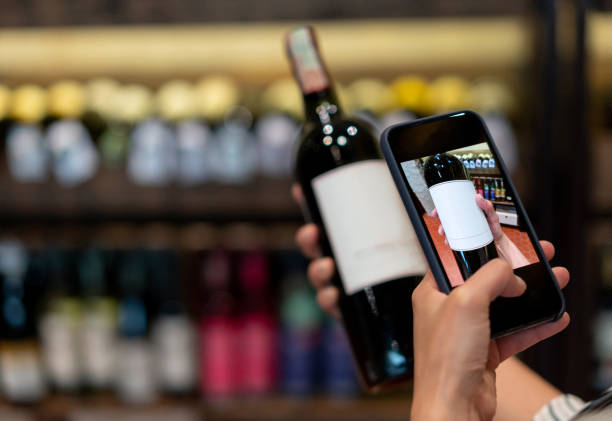
Vivino’s core feature lets users point their smartphone camera at any wine label and receive a detailed snapshot within seconds. The app’s image‑recognition algorithm matches the label to a massive database, then displays the wine’s name, region, grape varieties, vintage, average price, and typical flavor profile.
Users also see a quick visual of the wine’s overall rating and the number of reviews contributing to that score. This instant information helps shoppers make confident decisions at the store, restaurant, or at home, eliminating the need to research each bottle separately.
The interface highlights key tasting notes, food‑pairing suggestions, and price‑range indicators, allowing even novices to gauge whether a wine aligns with their palate and budget before purchase. By simply scanning, wine lovers gain immediate, reliable data that turns a potentially overwhelming selection into an informed, enjoyable experience.
Personalized Recommendations
Beyond simple label lookup, Vivino builds a personal profile for each user based on the wines they scan, rate, and purchase. The app analyzes these interactions to generate tailored suggestions that reflect individual taste preferences, price comfort zones, and favored regions.
When a user opens the recommendation feed, they see wines that share similar flavor characteristics, aroma descriptors, and rating trends to those they have previously enjoyed. The system also incorporates seasonal trends and upcoming releases, ensuring the advice stays fresh and relevant.
Users can fine‑tune the algorithm by marking wines as “liked,” “disliked,” or “to try later,” which further sharpens future picks. This dynamic, data‑driven approach turns the often‑intimidating task of discovering new bottles into a curated experience, helping both beginners and seasoned enthusiasts expand their palate with confidence and minimal trial‑and‑error.
Community Ratings and Reviews
The strength of Vivino lies in its massive community of wine enthusiasts who contribute millions of ratings and written reviews, creating a living encyclopedia of collective expertise.
Each bottle displayed in the app shows an aggregated average score, the total number of contributors, and a breakdown of how many users rated it as “love,” “like,” or “dislike.” Readers can scroll through individual comments to discover nuanced insights such as “bright acidity with a hint of blackberry” or “perfect for grilled salmon.” Because the database updates in real time, emerging vintages quickly gain visibility, allowing early adopters to benefit from fresh opinions.
The platform also highlights top‑rated wines in specific categories, regional charts, and trending picks, giving users a quick reference for popular choices.
By leveraging this crowd‑sourced knowledge, wine lovers can trust that the information reflects a broad spectrum of palates, reducing the risk of a disappointing purchase and fostering a more adventurous tasting journey.
How to Get Started with Vivino
Downloading and Installing the App
Begin by locating Vivino in your device’s app marketplace—search “Vivino” in the Apple App Store or Google Play Store. Tap Install and wait for the download to finish; the app size is modest, so it typically completes within minutes on a stable connection.
Once installed, open the app and grant necessary permissions, such as camera access, which enables label scanning. Familiarize yourself with the home screen layout: the search bar at the top, the “Explore” feed in the middle, and the profile icon at the bottom right.
Tip: Enable push notifications to receive personalized wine recommendations and promotional offers. If you encounter any issues during installation, consult the in‑app help center or visit Vivino’s support page for troubleshooting guides.
Completing these steps ensures you have a functional platform ready for the next phase of building your wine journey.
Creating Your Profile
After launching Vivino, tap the profile silhouette in the lower‑right corner to begin setting up your account. You can register using an email address, Google, or Facebook—choose the method that offers the quickest access.
Fill in essential details such as your name, location, and a secure password; these elements help tailor regional wine suggestions. Key step: Verify your email by clicking the link sent to your inbox, which unlocks full app functionality and syncs your wine activity across devices.
Next, add a profile picture if desired; a recognizable image enhances community interactions when you comment on reviews. Review the privacy settings to control who sees your ratings and collections, adjusting them to your comfort level.
Completing your profile not only personalizes the feed but also enables Vivino’s algorithm to start recommending wines that match your emerging preferences.
Setting Taste Preferences
To fine‑tune Vivino’s recommendations, navigate to the “Preferences” tab located within your profile menu. Here you’ll encounter a series of sliders and checkboxes covering flavor profiles, price ranges, and favorite wine types such as reds, whites, rosés, or sparkling.
Adjust each slider to reflect your typical palate—drag the sweetness, acidity, and tannin bars toward the levels you enjoy most. Select price brackets that align with your budget, and tick the regions you’re curious about, like Napa Valley, Bordeaux, or Marlborough.
Pro tip: Rate at least ten wines you’ve tried, either by scanning their labels or searching manually; each rating feeds the machine‑learning engine, sharpening future suggestions. After saving your selections, Vivino will prioritize wines that mirror these inputs, displaying them prominently in the “Explore” feed and during label scans.
Revisit this section periodically to adapt to evolving tastes and new discoveries.
Tips for Using Vivino Effectively
Interpreting Ratings and Scores
Understanding Vivino’s rating system is the first step to making confident wine choices. Each wine displays an average score based on millions of user reviews, ranging from 1 to 5 stars. Focus on the numeric average rather than a single extreme review, as it smooths out outliers.
Pay attention to the distribution bar, which shows how many users gave each star rating; a wine with many 4‑star votes and few 1‑star votes is generally reliable. Also consider the price‑to‑score ratio; a moderately priced wine with a 4.2 average often offers better value than an expensive 4.5.
Finally, filter results by region, grape variety, or food pairing to see how scores vary across contexts, helping you select wines that match your palate and budget. Use the app’s personal rating feature to track how your own impressions compare with the community averages over time.
Saving and Organizing Your Wine List
Vivino lets you build a personalized wine cellar with just a few taps, turning random discoveries into an organized collection. Start by tapping “Save” on any wine page; the bottle instantly appears in your “My Wines” tab.
Use the “Add to Cellar” option to assign a custom label such as “Favorites,” “To‑Try,” or “Gift Ideas,” which helps you filter later. You can also sort entries by price, rating, or purchase date, making it easy to locate a specific bottle when planning a dinner.
For deeper organization, create multiple cellars (e.g., “Red Collection,” “White Collection”) and move wines between them via drag‑and‑drop. Take advantage of the barcode scanner to quickly add new bottles without manual entry, and attach personal notes about aroma, food pairing, or occasion.
Regularly review your saved list to prune wines you no longer enjoy, keeping the cellar relevant and manageable.
Engaging with the Community
Active participation in Vivino’s community turns the app into a powerful learning tool. Begin by leaving detailed reviews for wines you taste; mention aroma, palate, finish, and food pairing, and rate each aspect with the built‑in flavor profile sliders. Your insights help others and improve the overall rating accuracy.
Follow users who share similar taste preferences, and explore their “Favorites” lists to discover hidden gems. Join regional groups or wine‑tasting events posted in the app to exchange tips and ask questions in real time.
When you see a wine you’re curious about, use the “Ask the Community” feature to request recommendations or clarification on vintage differences. Consistently interacting—liking, commenting, and sharing—boosts your reputation score, which signals credibility and encourages more meaningful dialogue among fellow enthusiasts.
Take advantage of the monthly wine challenges to test your palate and earn badges that showcase your growing expertise.
Best Ways to Leverage Vivino for Buying Wine
Finding Local Stores and Prices
Vivino is a mobile app and online community that lets you scan wine labels, read millions of user reviews, and see real‑time pricing from nearby retailers.
Start by opening the app and using the camera to capture the label; the instant match provides a rating summary, tasting notes, and suggested food pairings. The platform aggregates data from thousands of wine lovers, giving you a reliable snapshot of a bottle’s reputation before you buy.
To locate the best deal, enable location services and let Vivino show a map of stores that carry the wine, along with current prices and stock levels. Compare the average rating with the price to gauge value, and read recent comments for any recent vintage changes.
This quick overview turns a confusing wine aisle into a curated shopping experience, helping you make confident purchasing decisions.
Using the Marketplace Feature
The Vivino Marketplace is an integrated shop where you can purchase bottles directly from vetted sellers worldwide. Browse the marketplace after you’ve scanned a wine to see if it’s available for direct order, often with discounts not shown in local stores.
Each listing includes detailed provenance, shipping costs, and estimated delivery times, allowing you to weigh convenience against price. Take advantage of the ‘Add to Wishlist’ button to track wines you’re interested in and receive price‑drop alerts when a seller reduces the cost.
Read the seller’s rating and recent buyer feedback to ensure reliability, and compare multiple offers for the same label to find the best deal. For larger purchases, check if the seller offers bulk pricing or free shipping thresholds.
By leveraging the marketplace, you turn Vivino from a research tool into a one‑stop buying platform, streamlining the path from discovery to doorstep delivery.
Comparing Similar Wines
Vivino’s powerful comparison engine lets you evaluate wines that share grape variety, region, or price point, helping you pinpoint the best value for your palate. After scanning a bottle, tap ‘Similar Wines’ to generate a curated list of alternatives with comparable ratings and tasting profiles.
Examine the average score, number of reviews, and price per bottle to see which option offers the highest quality‑to‑cost ratio. Use the filter sliders to narrow results by vintage year, sweetness level, or food‑pairing suggestions, making the list relevant to your current meal plan.
Pay attention to recent reviewer comments that note changes in winemaking or terroir, as these can affect taste despite similar scores.
By systematically comparing at least three comparable wines, you can make an informed decision that balances personal preference with budget, turning the often‑overwhelming wine aisle into a data‑driven selection process.
How Vivino Generates Revenue
Subscription Plans and Premium Features
Vivino turns its massive wine‑lover community into a steady revenue stream through tiered subscription plans that unlock premium features. Free users can scan labels, read basic reviews, and rate wines, but they encounter limited access to advanced analytics and personalized recommendations.
By upgrading to the Vivino Premium tier, members gain unlimited access to detailed tasting notes, professional sommelier scores, and the ability to create private cellars with custom organization tools.
Monthly or annual billing options provide flexibility, while the higher‑priced Vivino Pro package targets serious collectors and industry professionals, offering exclusive market insights, price‑trend alerts, and priority customer support.
These subscriptions generate recurring income, and the differentiated feature set encourages free users to convert as they seek deeper engagement with the platform’s extensive database.
The model also leverages localized pricing to maximize adoption across different regions, ensuring that users worldwide can access premium tools at a price point that reflects their market.
Advertising Partnerships
Vivino monetizes its high‑traffic app and website by partnering with wine brands, distributors, and related lifestyle companies for targeted advertising placements. Sponsored listings appear at the top of search results, giving producers immediate visibility to millions of engaged consumers actively seeking purchase inspiration.
In addition, native banner ads blend seamlessly into the feed, showcasing new releases, limited‑edition bottles, or upcoming events without disrupting the user experience. These campaigns are powered by sophisticated data analytics that match ads to users’ taste profiles, geographic location, and past interaction history, dramatically increasing click‑through and conversion rates.
Advertisers benefit from detailed performance dashboards, while Vivino earns pay‑per‑click and cost‑per‑impression fees that scale with campaign reach. Seasonal promotions and exclusive partnership bundles further amplify revenue, as brands can secure premium placement during peak wine‑shopping periods such as holidays and harvest festivals, driving both brand awareness and direct sales.
Affiliate Sales and Marketplace Fees
Vivino captures a share of every transaction that originates from its platform through affiliate agreements and marketplace commissions. When a user clicks a ‘Buy Now’ button on a wine’s detail page, they are redirected to partner e‑commerce sites such as wine‑specific retailers, grocery chains, or direct‑to‑consumer wineries.
Vivino earns a referral fee for each completed purchase, typically a percentage of the order value, which incentivizes the company to highlight high‑margin products and seasonal specials.
In addition, the app hosts its own online marketplace where merchants list inventory directly; Vivino charges sellers a listing fee and a transaction commission on every bottle sold. Advanced analytics allow the platform to suggest complementary wines and bundle deals, increasing average order size.
By combining affiliate payouts with marketplace fees, Vivino creates a diversified revenue engine that scales with user buying behavior and expands its influence across the global wine supply chain.
Common Questions About Vivino
Is Vivino Free to Use?
Vivino operates on a freemium model, allowing anyone to download the app and start scanning bottles at no cost. Free users can access basic features such as viewing community ratings, reading reviews, and adding personal notes to their wine journal.
However, certain advanced tools—like detailed vintage analytics, personalized recommendations, and ad‑free browsing—are reserved for Vivino Premium subscribers, which requires a monthly or annual fee. The free tier also limits the number of daily scans in some regions, encouraging heavy users to upgrade.
Despite these limits, the core experience remains robust: you can quickly identify a wine, see average scores, and compare prices across retailers.
If you’re casual or just beginning your wine journey, the free version provides ample insight, while power users may find value in unlocking the premium suite for deeper data and exclusive offers.
Privacy and Data Handling
Vivino collects user data to personalize recommendations and improve its wine database, but it follows industry‑standard privacy practices. Personal information such as email, location, and taste preferences is stored securely and is not sold to third‑party marketers without consent.
The app uses anonymized aggregate data to refine its rating algorithms and to provide market insights to partner retailers. Users can control their privacy settings directly in the profile menu, opting out of location tracking or limiting the visibility of their wine reviews to friends only.
Vivino also offers a clear data‑deletion request process, allowing you to erase your account and associated history if you decide to leave the platform. While the service requires access to your camera for label scanning, this permission is limited to the scanning session and is not retained afterward.
By reviewing the privacy policy and adjusting settings, you can enjoy the app’s benefits while keeping your personal data protected.
Accuracy of Wine Ratings
The reliability of Vivino’s wine ratings stems from its massive community of over 50 million users who contribute scores and written reviews after each tasting.
Each bottle receives an average rating calculated from thousands of individual inputs, which helps smooth out outliers and provides a more balanced view than a single critic’s score.
However, personal taste varies, so the platform highlights the distribution of ratings, allowing you to see how many users rated a wine as “good,” “great,” or “excellent.” Vivino also employs machine‑learning algorithms that adjust weightings based on reviewer credibility, frequency of contributions, and alignment with expert panels.
While this improves consistency, the system is not immune to bias—popular brands may receive inflated scores due to brand loyalty. To maximize accuracy, compare the community average with professional reviews, examine the number of votes, and read recent comments that reflect current vintage conditions.
By triangulating these sources, you can make informed purchasing decisions despite inherent subjectivity.
Frequently Asked Questions
What is Vivino?
Vivino is a mobile app and online platform that lets users discover, rate, and purchase wines by scanning labels or searching its extensive database.
How does Vivino help users choose wines?
Users can read millions of community reviews, see average ratings, and get personalized recommendations based on their taste preferences and past ratings.
Can I buy wine through Vivino?
Yes, Vivino offers a marketplace where users can purchase wines directly from partnered retailers, with delivery options in many countries.
Is Vivino free to use?
The basic app is free and includes scanning, rating, and browsing features; a premium subscription provides advanced analytics, ad‑free experience, and exclusive offers.
How does Vivino calculate wine scores?
Scores are averaged from individual user ratings (typically 1‑5 stars) and may be weighted by the reviewer’s activity level and rating consistency.
Is Vivino reliable for wine education?
Vivino aggregates user feedback and expert data, making it a useful tool for learning about wine regions, varietals, and food pairings, though personal taste may vary.
Conclusion
Vivino demystifies wine selection by merging a massive user‑generated database with intuitive scanning technology, personalized ratings, and global marketplace access. It empowers novices and connoisseurs alike to discover, compare, and purchase bottles confidently, while offering insightful reviews and tailored recommendations. Dive in, explore new varietals, and let Vivino guide your next perfect pour.