Dual Zone Wine Fridge Temps
Wondering about the ideal dual zone wine fridge temps? You’re not alone—finding the perfect settings can make all the difference in preserving your wines’ flavors. The good news? We’ve got you covered. In this guide, you’ll quickly learn the best temp ranges for each zone, why they matter, and how to set up your fridge for perfectly served wine every time.
What Is a Dual Zone Wine Fridge?
How Dual Zone Fridges Work
A dual zone wine fridge allows you to maintain two distinct temperature zones within a single unit, making it ideal for storing both red and white wines at their optimal serving temperatures. The upper compartment typically runs cooler, set between 45°F and 50°F, perfect for white, rosé, and sparkling wines.
The lower zone operates slightly warmer, around 55°F to 65°F, which preserves the complexity and aroma of red wines. These zones are independently controlled, using separate cooling systems or advanced airflow technology to prevent temperature crossover.
This precise climate control ensures that each bottle ages properly or stays ready to serve. Dual zone fridges are especially beneficial for enthusiasts who enjoy different wines with meals or entertain frequently.
By preserving ideal storage conditions, these units enhance flavor profiles and protect your wine investment over time, offering a practical solution for diverse wine collections.
Key Components of Dual Zone Models
Dual zone wine fridges rely on several critical components to maintain independent temperature environments. Most models feature dual thermostats and separate evaporators or a single compressor with a diverter system that channels cool air to each zone as needed.
Advanced units use digital temperature controls with LED displays, allowing precise adjustments and real-time monitoring. Internal insulated partitions prevent thermal transfer between compartments, while fan-forced air circulation ensures even cooling without drying out corks.
UV-tinted glass doors and vibration-reducing shelves further protect wine quality by minimizing exposure to light and movement. Many models also include humidity control to keep corks supple and prevent oxidation. These engineering features work together to create a stable, customizable storage environment.
By integrating smart technology and quality materials, dual zone fridges deliver consistent performance and long-term wine preservation for serious collectors and casual drinkers alike.
Differences Between Single and Dual Zone Fridges
The primary difference between single and dual zone wine fridges lies in temperature flexibility. A single zone fridge maintains one consistent temperature throughout, typically set around 55°F, which is a compromise between ideal red and white wine storage.
While affordable and space-efficient, it limits your ability to serve wines at their best. In contrast, a dual zone model offers independent temperature control, allowing simultaneous storage of reds and whites at their respective ideal ranges.
This makes dual zone fridges more versatile, especially for households that enjoy a variety of wines. They also tend to feature advanced cooling technology and better insulation. Though generally more expensive, the investment pays off in wine quality and serving convenience.
For those with growing collections or frequent entertaining, the enhanced functionality of dual zone units provides a clear advantage over single zone alternatives.
Ideal Temperature Settings for Red and White Wines
Best Temp Range for Red Wine Storage
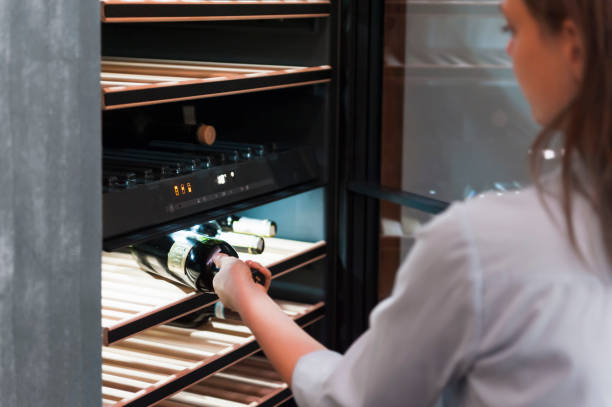
The ideal temperature for storing red wine in a dual zone wine fridge is between 55°F and 65°F (13°C–18°C). Within this range, red wines maintain their complex flavors and aromas without accelerating aging.
Full-bodied reds like Cabernet Sauvignon and Syrah benefit from the warmer end of the spectrum—around 63°F–65°F—as it enhances their rich textures and softens tannins. Lighter reds such as Pinot Noir are best kept at 55°F–60°F to preserve their delicate fruit notes and acidity.
Avoid storing reds above 68°F, as excessive heat can spoil the wine, causing it to taste flat or oxidized. A dual zone wine fridge allows you to set the red wine compartment precisely within this optimal range, ensuring your bottles age gracefully and are ready to serve at their peak.
Consistent temperature prevents cork damage and minimizes oxidation, preserving quality over time.
Best Temp Range for White Wine Storage
For optimal preservation and taste, white wines should be stored between 45°F and 50°F (7°C–10°C) in the cooler zone of a dual zone wine fridge. Crisp, aromatic whites like Sauvignon Blanc and Pinot Grigio thrive at the lower end—45°F–48°F—to maintain their bright acidity and fresh fruit character.
Fuller-bodied whites such as oaked Chardonnay are best kept slightly warmer, around 50°F, to allow their nuanced flavors and creamy textures to shine when served. Storing whites too cold long-term (below 40°F) can dull aromas and cause precipitation of tartaric acid crystals, though this isn’t harmful.
A dual zone wine fridge ensures whites stay at their ideal serving-ready temperature while protecting them from temperature fluctuations that degrade quality. This precise control helps preserve freshness, balance, and complexity, especially for aged whites or those meant for cellaring up to several years.
How Temperature Affects Wine Flavor
Temperature plays a critical role in preserving and expressing wine flavor, and improper settings can mask or distort a wine’s true character. When red wines are served too warm, alcohol becomes overpowering and fruit flavors fade, while overly chilled reds suppress aroma and make tannins seem harsh.
Conversely, white wines served too cold lose aromatic complexity and taste overly acidic, but when too warm, they feel flat and flabby. A dual zone wine fridge allows precise control for both storage and serving, ensuring each wine type matures properly and tastes as intended.
Consistent, cool storage slows oxidation and microbial activity, preserving freshness. Fluctuating temperatures cause corks to expand and contract, potentially letting air in and spoiling the wine.
By maintaining stable, ideal temps in each zone, you protect the wine’s balance of acidity, tannin, aroma, and body, delivering a consistently superior tasting experience every time you open a bottle.
How to Set Up Your Dual Zone Wine Fridge
Step-by-Step Setup Guide
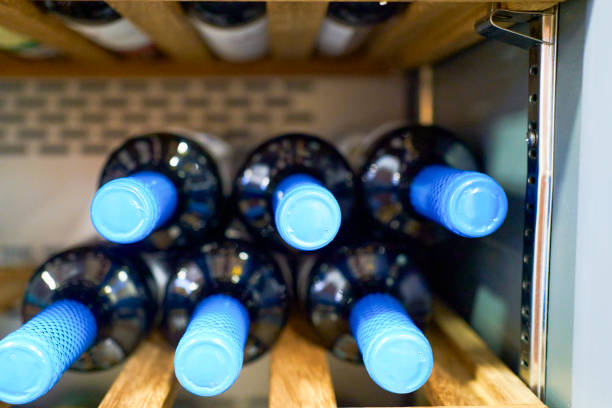
Begin by placing your dual zone wine fridge in a cool, dry area away from direct sunlight and heat sources to ensure optimal performance. Allow at least 2–3 inches of clearance around the unit for proper ventilation.
Plug the fridge into a dedicated power outlet and wait 24 hours before turning it on if it was transported horizontally—this prevents compressor damage.
Once powered, access the control panel and set the desired temperatures: the upper zone should typically be set between 45°F and 50°F (7°C–10°C) for white, rosé, and sparkling wines, while the lower zone should be 55°F to 65°F (13°C–18°C) for reds.
Use the digital display to adjust each zone independently and confirm the settings are saved. Allow the unit to run for at least 4–6 hours to stabilize before adding any bottles. This initial stabilization period ensures accurate temperature control and protects your wine collection from thermal shock during storage.
Loading Wines Correctly by Zone
Proper loading ensures each wine type ages and serves at its ideal temperature. Store white, rosé, and sparkling wines in the cooler upper zone, which maintains temperatures between 45°F and 50°F (7°C–10°C). These wines benefit from colder storage to preserve freshness, acidity, and effervescence.
Place red wines in the warmer lower zone, set between 55°F and 65°F (13°C–18°C), to maintain their complex aromas and smooth tannins. Avoid overcrowding—leave small gaps between bottles for consistent airflow and even cooling. If your fridge has adjustable shelves, position them to accommodate different bottle sizes without tilting.
For long-term aging, keep corks moist by storing bottles horizontally, especially in the lower zone. Never place wines near the door or vents, as temperature fluctuations can degrade quality. This organized zoning maximizes flavor preservation and serving readiness.
Initial Temperature Calibration Tips
After setup, verify your dual zone wine fridge maintains accurate temperatures using independent thermometer checks in each zone. Place a refrigerator thermometer in the center of each compartment and monitor readings over 24 hours. If temperatures deviate, recalibrate using the control panel settings—most models allow ±2°F adjustments.
Avoid frequent door openings during calibration to prevent temperature swings. Humidity levels should remain between 50% and 70% to protect corks; some models include a humidity indicator. If your fridge has a ‘fast chill’ mode, use it sparingly to avoid overworking the compressor. Allow 48 hours after adjustments before rechecking.
For best results, calibrate after loading bottles, as glass mass affects thermal stability. Consistent calibration ensures your whites stay crisp and reds age gracefully, delivering perfectly served wine every time.
Common Mistakes in Dual Zone Temperature Control
Setting Both Zones Too Cold
One of the most common mistakes in dual zone wine fridge usage is setting both temperature zones too cold, which can harm the aging process and mute the flavors of your wines.
While white wines thrive in cooler environments (45–50°F), reds require a slightly warmer range (55–65°F) to maintain their complexity and aroma. When both zones are set below 50°F, even full-bodied reds like Cabernet Sauvignon or Syrah can become overly tight, with suppressed fruit notes and harsh tannins.
Maintaining appropriate temperature differentiation ensures each wine type matures properly. To avoid this mistake, always calibrate your zones based on the wine styles stored—use the lower zone for whites, rosés, and sparkling wines, and the upper zone for reds.
Regularly check the digital thermostat and allow 24 hours for temperature stabilization after adjustments. Avoid overcooling in pursuit of preservation—extremely cold temps may prevent spoilage but sacrifice sensory quality.
Storing Reds in the Cold Zone
Placing red wines in the colder zone of a dual zone wine fridge is a frequent oversight that compromises their optimal drinking experience. Red wines are best stored and served at 55–65°F, a range that allows their bouquet, body, and tannin structure to express fully.
When stored below 50°F for extended periods, reds can develop muted aromas and astringent flavors due to suppressed chemical development. Additionally, serving a red wine straight from a cold zone often requires waiting for it to warm up, which defeats the purpose of ready-to-serve storage.
To prevent this, assign the upper, warmer zone exclusively for reds and reserve the lower zone for whites, sparkling, and dessert wines. Always double-check labels and organize bottles by type to maintain clarity. Consistent zone assignment not only protects wine quality but also streamlines access and enhances enjoyment when serving.
Ignoring Humidity and Vibration Factors
While temperature is critical, many users overlook the impact of humidity levels and vibration on wine preservation in dual zone fridges. Ideal humidity (50–70%) prevents corks from drying out, which could lead to oxidation and spoilage. Low humidity, often caused by overcooling or poor ventilation, compromises long-term aging potential.
Conversely, excessive vibration from compressor activity or improper placement can disturb sediment in aging wines and interfere with the maturation process, especially in reds. To mitigate these risks, ensure your unit is on a stable, level surface away from high-traffic areas. Some models offer vibration-dampening shelves—use them.
Monitor humidity with a built-in hygrometer or external sensor, and consider placing a small humidifying pack if levels drop. Balancing temperature, humidity, and physical stability creates an optimal microclimate. Regular maintenance and environmental checks ensure your dual zone fridge protects both the short-term freshness and long-term evolution of your collection.
Best Practices for Maintaining Wine Quality
Optimal Humidity Levels for Long-Term Storage
Maintaining optimal humidity levels between 50% and 70% is crucial for preserving wine quality in a dual zone wine fridge. Humidity that’s too low can dry out corks, leading to oxidation and spoilage, while excessive moisture promotes mold growth on labels and corks.
Stable humidity helps keep corks pliable, ensuring a tight seal that protects the wine from air exposure. Most dual zone wine coolers maintain adequate humidity, but it’s wise to monitor levels using a built-in hygrometer or an external sensor.
If humidity falls below 50%, placing a small water tray inside can help increase moisture. Conversely, if condensation builds up, ensure the door seal is intact and minimize frequent door openings. Avoid storing wine bottles in overly dry environments like standard kitchen refrigerators, which lack humidity control.
Regularly checking and adjusting humidity supports long-term aging and preserves the wine’s intended flavor profile.
Avoiding Temperature Fluctuations
Consistent temperature is vital for preserving the chemical balance and aging potential of wine stored in a dual zone wine fridge. Fluctuations as small as 5°F can accelerate aging or cause spoilage, especially in fine wines meant for long-term storage.
The ideal settings are 50–55°F (10–13°C) for reds in the warmer zone and 45–50°F (7–10°C) for whites in the cooler zone. Place the unit in a climate-controlled area away from direct sunlight, heat sources, or drafty spaces. Avoid installing it in garages or unconditioned spaces where ambient temperatures vary widely.
Minimize door openings and ensure the seal is airtight to prevent warm air from entering. Allow the fridge time to stabilize after adding new bottles. Using a digital thermometer to monitor both zones ensures accuracy.
Stable conditions prevent cork contraction and expansion, which can let air seep in and degrade wine quality over time.
Cleaning and Maintenance Schedule
A consistent cleaning and maintenance routine ensures your dual zone wine fridge operates efficiently and preserves wine quality. Clean interior shelves and walls every three months using a mild vinegar-water solution to prevent mold and odor buildup. Avoid harsh chemicals that can off-gas and affect wine taste.
Inspect and clean the door gasket monthly with a damp cloth to maintain an airtight seal, which is essential for temperature and humidity stability. Vacuum the condenser coils every six months to prevent dust buildup that can reduce cooling efficiency. Check that the fan operates quietly and without obstruction.
Replace carbon filters annually if your model includes them for odor control. Keep the unit level to ensure proper door closure. Finally, unplug the fridge during deep cleaning and verify temperature readings post-maintenance. Regular upkeep extends appliance life and safeguards your wine investment.
Choosing the Right Dual Zone Wine Fridge
Size and Capacity Considerations
When choosing a dual zone wine fridge, assess your collection size and available space to ensure a proper fit. These fridges typically hold between 18 to 100+ bottles, so match capacity to your storage needs—whether you’re a casual drinker or a serious collector.
Dual zone models allow you to store both reds and whites at their ideal temperatures, so consider how you plan to split the zones—a 50/50 split may not suit everyone. If you entertain often, a larger upper zone for whites (served chilled) might be preferable.
Measure the installation area carefully, including clearance for ventilation. Built-in models require extra space around them, while freestanding units offer more flexibility. Also, think about interior layout: removable shelves and adjustable racks enhance usability.
Choosing the right size ensures optimal temperature stability and long-term satisfaction, helping preserve your wine’s flavor and aroma through consistent, zone-specific cooling.
Energy Efficiency and Noise Levels
Energy efficiency and noise are crucial when selecting a dual zone wine fridge, especially for home use. Look for ENERGY STAR-rated models to reduce electricity consumption and environmental impact. Efficient compressors not only save money but also generate less heat, contributing to more stable internal temperatures.
Regarding noise, opt for units with low decibel ratings (under 40 dB) if placing the fridge in a living area, kitchen, or bedroom. Compressor-based models are effective but can be louder than thermoelectric units, which are quieter but less powerful in larger fridges.
Thermoelectric cooling suits small to mid-sized fridges in climate-controlled environments. Ensure the fridge has proper insulation and vibration dampening to protect wine sediment and maintain quiet operation. Balancing energy use and sound output helps create an enjoyable experience while preserving your wine at precise, consistent temperatures in both zones.
Top Brands and Models for Accurate Temps
Several trusted brands excel in delivering dual zone wine fridges with precise temperature control and reliable performance. Whynter, Kucht, and Kalamera offer budget-friendly models with digital controls and wide temp ranges (typically 41°F–66°F), allowing customization for both red and white wines.
For higher-end options, Bosch, GE Monogram, and Sub-Zero provide superior insulation, advanced cooling systems, and humidity control, ensuring long-term wine preservation. Look for models with independent digital thermostats for each zone, LED displays, and alarm systems for temperature fluctuations.
Brands like Vinotemp and EdgeStar are praised for consistent cooling and sleek designs suitable for built-in or freestanding use. Read customer reviews to gauge real-world performance, especially regarding temperature accuracy and compressor reliability.
Investing in a reputable brand ensures your wine ages properly, with stable, zone-specific conditions that enhance flavor, aroma, and overall quality.
Serving Wine at the Right Temperature
Adjusting Fridge Temp Before Serving
To serve wine at its best, adjust your dual zone wine fridge temperatures based on the type of wine you’re planning to enjoy. The upper zone should be set to 55–65°F (13–18°C) for red wines, preserving their complex aromas without dulling the flavors.
The lower zone should maintain 45–55°F (7–13°C) for whites, rosés, and sparkling wines to ensure crisp acidity and refreshing character. Avoid serving reds too cold or whites too warm, as this masks their true profile.
If your fridge is set too low for reds, move bottles to the upper zone or let them warm up 15–30 minutes before serving. For whites that need slight warming, remove them 10 minutes early. Use the dual zones strategically—store long-term in optimal conditions, then shift bottles as needed.
This precision enhances aroma, balance, and overall enjoyment with every pour.
How Long to Chill Wine Before Serving
Knowing how long to chill wine ensures ideal serving temperatures straight from your dual zone wine fridge. If starting from room temperature (around 70°F), chill reds in the upper zone for 1–2 hours to reach 60–65°F, preserving their structure.
Whites and rosés typically need 2–3 hours in the lower zone to hit the ideal 45–50°F range. Sparkling wines benefit from 3+ hours to maintain lively bubbles and crispness. For last-minute chilling, use an ice bucket with water and salt for faster cooling—15–20 minutes suffices.
Avoid the freezer for extended periods, as rapid temperature shifts can damage the wine. Dual zone fridges reduce prep time by maintaining base temperatures, so most wines only need minor adjustments.
Plan ahead and use your fridge’s zones to stage bottles, ensuring every wine reaches its peak temperature just as you’re ready to serve.
Matching Wine Type to Serving Temp
Serving each wine at its ideal temperature enhances flavor, aroma, and balance. In a dual zone wine fridge, light-bodied whites like Pinot Grigio and Sauvignon Blanc thrive at 45–50°F (7–10°C), preserving their zesty freshness. Fuller whites such as Chardonnay taste best at 50–55°F (10–13°C), allowing oak and texture to shine.
Sparkling wines, including Champagne, should be served at 43–48°F (6–9°C) to maintain effervescence and acidity. For reds, lighter varieties like Pinot Noir are best at 55–60°F (13–16°C), while full-bodied reds like Cabernet Sauvignon do well at 60–65°F (16–18°C).
Storing wines in the correct zone ensures they’re always close to ideal serving temps. Use the dual zones to categorize by type, making it easy to grab and serve with confidence.
Frequently Asked Questions
What is a dual zone wine fridge?
A dual zone wine fridge is a refrigerator with two separate temperature-controlled compartments, allowing you to store different types of wine at their ideal temperatures. This is especially useful for keeping reds and whites at their optimal serving conditions simultaneously.
What temperature should each zone be set to in a dual zone wine fridge?
The upper zone (for white, rosé, and sparkling wines) should be set between 45°F and 50°F (7°C–10°C). The lower zone (for red wines) should be maintained between 55°F and 65°F (13°C–18°C) to preserve flavor and aroma.
Can I store both red and white wine in the same zone?
It’s not recommended, as red and white wines require different temperatures for optimal aging and serving. Storing them together in one zone may compromise the taste and quality of one or both types.
How do I set the temperatures on my dual zone wine fridge?
Use the digital controls on your unit to adjust each zone independently. Allow 24 hours for temperatures to stabilize after setting, and use a standalone thermometer to verify accuracy.
Why is temperature consistency important in a wine fridge?
Consistent temperatures prevent wine from aging too quickly or developing off-flavors. Frequent fluctuations can damage corks and allow oxidation, ruining the wine over time.
Can I change the zones depending on the wine I’m storing?
Yes, you can adjust the zones based on your current collection. For example, if you’re aging reds and serving whites, keep the lower zone cooler and the upper warmer—just ensure each wine type stays within its ideal range.
Conclusion
Maintaining proper dual zone wine fridge temperatures ensures both reds and whites age gracefully and taste their best. Keep whites between 45–50°F and reds between 55–65°F for optimal enjoyment. With the right settings, you preserve aromas, balance acidity, and enhance flavors. Investing in a dual zone fridge offers convenience and precision, elevating your wine experience. Cheers to perfectly chilled wines—your palate will thank you!