What Is Sweet Red Vermouth
If you’ve ever wondered what sweet red vermouth actually is, you’re in the right place. This aromatic, ruby‑colored fortified wine blends red wine with a balanced mix of herbs, spices, and a touch of sugar, creating a smooth, slightly bitter‑sweet profile perfect for sipping or mixing. In the next few lines we’ll break down its ingredients, flavor notes, and classic cocktail uses, so you’ll get a clear, quick answer right away. Enjoy discovering this classic libation!
What is Sweet Red Vermouth?
Definition and flavor profile
Sweet red vermouth is a fortified, aromatized wine that blends a base of red wine with a blend of botanicals, herbs, and spices, then is sweetened to create a rich, velvety character.
Key ingredients often include wormwood, cinnamon, clove, orange peel, and vanilla, which together produce a complex palate of caramel, dried fruit, and subtle bitterness. The alcohol content typically ranges from 15% to 18% ABV, giving it a warming finish.
Its deep ruby hue and syrupy texture make it a versatile component in classic cocktails like the Manhattan and Negroni, while also being enjoyed neat or over ice.
Flavor profile balances sweetness with herbal depth, offering notes of cherry, plum, and a hint of spice that linger on the tongue, making it both a sipping wine and a cocktail staple today everywhere.
History and origins
Sweet red vermouth traces its roots to the 18‑century Italian city of Turin, where winemakers began fortifying local red wines with a secret blend of herbs to create a medicinal tonic.
Historical purpose was to aid digestion and provide a pleasant alternative to harsher spirits, quickly gaining popularity among aristocrats and travelers. By the early 1800s, producers such as Carpano and Martini & Rossi refined the recipe, introducing caramelized sugar and a richer spice mix that defined the modern sweet style.
The drink spread across Europe, becoming a staple in French cafés and British bars, where it was mixed with gin or whiskey to balance strong flavors.
Cultural impact grew during the Prohibition era in the United States, as bartenders used vermouth to stretch limited supplies of liquor, cementing its role in classic cocktails that endure today.
Difference from dry vermouth
Dry vermouth and sweet red vermouth share a common base of fortified wine, but they diverge sharply in flavor, color, and typical usage.
Key differences include the level of sweetness: dry vermouth is lightly sweetened, often with a crisp, almost bracing finish, while sweet red vermouth contains added caramel and sugar, delivering a richer, smoother palate.
Color also sets them apart; dry vermouth is pale straw‑gold, whereas sweet vermouth boasts a deep ruby hue from the red wine foundation.
In cocktails, dry vermouth is the classic partner for gin in a Martini, emphasizing botanical clarity, whereas sweet red vermouth pairs with whiskey or bourbon in a Manhattan, adding depth and warmth.
Choosing the right type depends on the desired balance: use dry for bright, clean drinks, and sweet red when you want a fuller, aromatic backbone that can stand up to stronger spirits.
How Sweet Red Vermouth Is Made
Base wine selection
Choosing the right base wine is the foundation of sweet red vermouth. Select a dry, neutral red wine made from grapes such as Tempranillo, Grenache, or Cabernet Sauvignon, harvested at moderate ripeness to provide structure without overwhelming fruitiness.
Winemakers often prefer wines from cooler climates because they retain higher acidity, which balances the eventual sweetness. After fermentation, the wine is filtered to remove sediments and stabilize the flavor profile. A clean, well‑tuned base ensures that the botanical infusion shines through rather than being masked by strong wine characteristics.
Producers may blend small amounts of other wines to fine‑tune tannins and body, creating a versatile canvas for the complex aromatics that follow. The chosen wine is then stored in stainless steel tanks at controlled temperatures, preserving its freshness while allowing winemakers to monitor the integration of upcoming ingredients.
Infusion of botanicals
The heart of sweet red vermouth lies in its botanical infusion, where herbs, spices, and fruits impart signature aromas. Begin with a curated blend of ingredients such as wormwood, gentian, cinchona bark, orange peel, coriander, and vanilla beans, each measured for balance.
These botanicals are macerated in the base wine at low temperatures for several days, allowing delicate flavors to extract without bitterness. Some producers use a two‑step method: a cold maceration followed by a gentle heat‑infusion, which intensifies aromatic compounds while preserving freshness.
Timing and temperature are critical; too hot or too long can dominate the profile, while insufficient contact yields a muted character. After extraction, the mixture is filtered through fine cloth or diatomaceous earth to remove solids, resulting in a clear, aromatic infusion ready for sweetening.
This careful process ensures that every sip delivers a harmonious blend of bitter, citrus, and spice notes.
Sweetening process
The final stage transforms the infused wine into the luscious sweet red vermouth known worldwide. Add a precise amount of sugar or simple syrup, typically ranging from 5% to 12% by weight, to achieve the desired level of sweetness without overwhelming the botanical complexity.
Some artisans prefer caramelized sugar, which contributes a subtle amber hue and a depth of flavor reminiscent of toasted nuts. The sweetener is blended slowly at a controlled temperature of around 15‑18°C to ensure complete dissolution and uniform distribution.
After sweetening, the vermouth may undergo a brief aging period in stainless steel vats or neutral oak barrels, allowing the flavors to meld and the mouthfeel to smooth out. Quality control checks include measuring residual sugar, acidity, and alcohol content, guaranteeing consistency across batches.
The finished product is then filtered once more, bottled, and labeled, ready for cocktails or neat enjoyment.
Key Ingredients in Sweet Red Vermouth
Types of herbs and spices
Sweet red vermouth is a fortified wine infused with a complex blend of botanicals that give it its signature aromatic profile. Key herbs such as wormwood, gentian, and cinchona provide the classic bitter backbone, while spices like cinnamon, clove, and nutmeg add warmth and depth.
Aromatic herbs—rosemary, thyme, and sage—contribute subtle earthiness, and citrus peels (orange, lemon) brighten the palate. The careful selection and proportion of these ingredients determine whether the vermouth leans toward floral, herbal, or spicy notes.
When crafting a balanced vermouth, start by macerating the herbs in neutral spirit for several days, tasting regularly to avoid over‑extraction. Strain the mixture, then combine it with the base wine and sweetening agents.
This method ensures that each sip delivers a harmonious blend of bitter, sweet, and aromatic layers, making sweet red vermouth versatile for both sipping and cocktail mixing.
Role of caramel and sugars
Caramel and sugars are the heart of sweet red vermouth’s luscious mouthfeel, turning a dry fortified wine into a balanced, approachable libation.
Caramelized sugar—often created by heating sucrose until it reaches a deep amber hue—imparts a subtle toasted flavor and a rich amber color that distinguishes vermouth from its dry counterparts.
In addition, natural sweeteners such as grape must, honey, or maple syrup can be blended to fine‑tune the level of sweetness and add nuanced flavor notes like fruitiness or floral undertones.
When formulating the vermouth, dissolve the caramel in a small amount of warm water before integrating it with the fortified wine, ensuring a smooth, lump‑free mixture. Adjust the sugar concentration gradually, tasting after each addition to achieve the desired balance between bitterness and sweetness.
Properly calibrated caramel not only softens the herbal bite but also enhances the overall viscosity, making the vermouth ideal for sipping neat or as a cornerstone in classic cocktails like the Manhattan or Negroni.
Influence of aging barrels
The final dimension of sweet red vermouth emerges during barrel aging, where time and wood collaborate to refine flavor and texture. Oak barrels, whether new or previously used for wine or spirits, impart gentle tannins, vanilla, and toasted notes that round out the herbal intensity.
Aging for a minimum of two months allows the infused botanicals to meld with the wood’s micro‑oxygenation, creating a smoother mouthfeel and subtle complexity. Choose barrels with medium toast to balance smoky undertones without overwhelming the vermouth’s bright citrus character.
During maturation, monitor temperature and humidity closely; cooler conditions preserve delicate aromatics, while slight warmth accelerates integration of wood compounds. Periodic tasting every week helps identify the optimal moment when the harmonious blend of spice, sweetness, and oak reaches its peak.
Once the desired profile is achieved, filter the vermouth, bottle it, and enjoy a product that reflects both botanical craftsmanship and the nuanced influence of barrel aging.
How to Choose the Best Sweet Red Vermouth
Reading label details
When you pick up a bottle, the first step is to read the label carefully. Look for the vermouth’s style designation—sweet red, often labeled “rosso” or “sweet.” The alcohol by volume (ABV) typically ranges from 15% to 18%; a higher ABV can signal a richer, more robust flavor.
Pay attention to the listed botanicals: classic ingredients include wormwood, cinnamon, clove, orange peel, and vanilla. Some producers highlight regional origins, such as Italian “Martini & Rossi” or Spanish “Cinzano,” which can hint at traditional recipes.
Check for any aging information; a barrel‑aged vermouth may have deeper amber tones and a smoother mouthfeel. Finally, note any certifications like “organic” or “sustainably sourced,” which can affect both taste and price. By decoding these details, you can quickly narrow down options that match your palate and cocktail plans.
Comparing price vs quality
Balancing cost and craftsmanship is key when selecting sweet red vermouth. Set a budget first—most entry‑level bottles sit between $12 and $20, while premium, barrel‑aged versions can exceed $40.
Don’t assume higher price always means better taste; many mid‑range brands deliver complex aromatics and a smooth finish suitable for classic cocktails like the Manhattan or Negroni. Compare price per ounce rather than the total bottle price, especially if you buy larger formats.
Read reviews that focus on balance between sweetness, bitterness, and herbal depth; a well‑priced vermouth will have a harmonious profile without overwhelming sugar.
Consider the intended use: for mixing, a modestly priced vermouth works well, whereas for sipping neat, you might justify a higher‑end label with richer vanilla and caramel notes. By evaluating these factors, you can achieve the best value without compromising flavor.
Taste testing a small sample before committing to a full bottle can also help you confirm the quality‑price balance.
Recommended brands for beginners
If you’re new to sweet red vermouth, start with approachable, well‑balanced labels that showcase classic flavors without overwhelming complexity. Martini & Rossi Rosso is a reliable choice; its bright ruby hue, gentle spice, and modest sweetness make it ideal for learning the basics of cocktail construction.
Cinzano Rosso offers a slightly richer palate with notes of dried fruit and vanilla, perfect for experimenting with a Negroni or a Vermouth‑forward spritz. For those who prefer an Italian touch, Carpano Antica Formula—though a bit pricier—delivers a luxurious, honey‑laden profile that rewards sipping neat and elevates any mixed drink.
If you enjoy a Spanish twist, try Vermouth El Maestro Rojo, which blends aromatic herbs with a subtle caramel finish at an accessible price point.
Starting with these three options will give you a solid foundation, allowing you to compare sweetness levels, botanical depth, and overall mouthfeel before moving on to more niche, artisanal selections.
Best Ways to Serve Sweet Red Vermouth
On the rocks with garnish
Serving sweet red vermouth on the rocks is the simplest way to highlight its herbal sweetness. Fill a short‑old‑fashioned glass with a generous handful of clear ice, then pour 2‑3 oz of vermouth over it. Stir gently for 10‑15 seconds to chill without diluting too quickly.
Add a bright garnish—an orange twist, a lemon peel, or a few fresh berries—to introduce citrus aromatics that complement the vermouth’s spice notes. For an extra layer, splash a few drops of aromatic bitters or a splash of soda water if you prefer a lighter mouthfeel.
This method keeps the drink approachable for beginners while allowing seasoned palates to appreciate the balance of bitter, sweet, and botanical flavors. Serve immediately and encourage guests to sip slowly, letting the ice melt and reveal evolving nuances.
You can also experiment with a sprig of rosemary or a dash of orange bitters for a fragrant twist that enhances the vermouth’s complex profile.
As an aperitif with food pairings
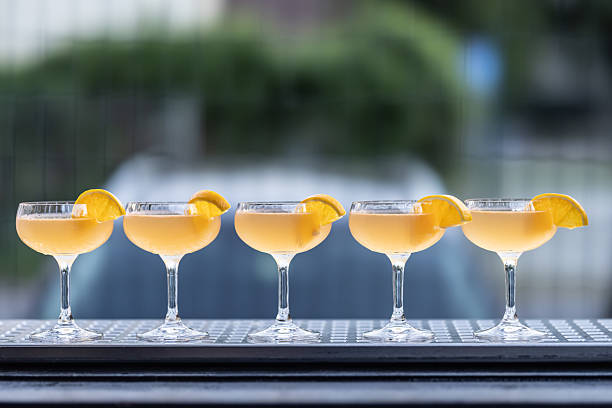
Present sweet red vermouth as an elegant aperitif by pairing it with light bites that echo its aromatic profile. Serve 2 oz in a chilled coupe or small wine glass, allowing the vermouth to breathe for a minute before sipping.
Choose complementary foods such as Marcona almonds, aged Manchego cheese, or prosciutto-wrapped figs; the salty‑savory contrast highlights the vermouth’s sweetness while the nutty and fruity notes of the snacks reinforce its botanical character.
Add a small plate of olives, pickled vegetables, or a citrus‑infused bruschetta to introduce acidity that balances the drink’s richness. For a refined touch, garnish the glass with a thin slice of blood orange or a few whole pink peppercorns, which release subtle aromatics as you sip.
This pairing strategy creates a harmonious start to any dinner, stimulating the palate and preparing guests for more complex cocktails later in the evening.
Mixing into spritzes
Elevate a classic spritz by using sweet red vermouth as the base spirit, creating a richer, more aromatic twist on the familiar formula.
Fill a large wine glass with plenty of ice, then combine 1½ oz of vermouth, 1 oz of Aperol or Campari, and top with 3 oz of sparkling water or Prosecco for extra effervescence. Stir gently to integrate flavors without losing bubbles.
Garnish with a grapefruit wedge, a sprig of fresh thyme, or a few frozen berries to add visual appeal and a burst of fragrance that complements the vermouth’s herbal sweetness. This variation balances bitterness, citrus, and the vermouth’s spice, making it perfect for brunches, garden parties, or sunset gatherings.
Adjust the proportions to taste—more vermouth for depth, more bitter for bite, or more sparkling for a lighter feel—allowing you to craft a personalized spritz that showcases the versatility of sweet red vermouth.
Sweet Red Vermouth in Classic Cocktails
Manhattan recipe guide
Sweet red vermouth is a fortified wine infused with herbs, spices, and caramel, giving it a rich, slightly bitter-sweet flavor that anchors many classic cocktails. Choose a quality vermouth and store it chilled after opening to preserve its aromatics.
For a perfect Manhattan, combine 2 oz rye whiskey, 1 oz sweet red vermouth, and 2 dashes Angostura bitters in a mixing glass filled with ice. Stir gently for 20‑30 seconds until the mixture is well‑chilled and slightly diluted, then strain into a chilled coupe or rocks glass.
Garnish with a maraschino cherry or a twist of orange peel to highlight the vermouth’s citrus notes. Adjust the vermouth ratio if you prefer a sweeter or drier profile, but the classic 2:1 whiskey‑to‑vermouth balance showcases the vermouth’s depth while complementing the whiskey’s spice.
Serve the drink promptly and enjoy the harmonious blend of sweet vermouth’s herbal complexity with the rye’s robust character.
Negroni variation with sweet vermouth
Sweet red vermouth provides the backbone of a Negroni, delivering herbal sweetness that balances bitter Campari and gin’s botanicals. Select a vermouth with pronounced vanilla and spice notes to enhance the cocktail’s depth.
To craft a Sweet Vermouth Negroni, measure 1 oz gin, 1 oz Campari, and 1 oz sweet red vermouth in a mixing glass over ice. Stir for 20 seconds until the surface is frosty, then strain into an Old‑Fashioned glass filled with a large ice cube.
Garnish with an orange peel, expressing its oils over the drink to accent the vermouth’s citrus undertones. If you prefer a softer bitterness, increase the vermouth to 1¼ oz and reduce Campari to ¾ oz; this adjusts the balance while preserving the classic three‑ingredient structure.
Serve immediately and savor the interplay of sweet, bitter, and aromatic flavors that define a refined Negroni.
Martini twist using sweet vermouth
Traditionally a Martini relies on dry vermouth, but swapping in sweet red vermouth creates a richer, more nuanced sip that highlights the spirit’s character. Pick a vermouth with balanced caramel and herbaceous tones to avoid overpowering the gin.
For a Sweet Vermouth Martini, combine 2 oz gin, ½ oz sweet red vermouth, and a dash of orange bitters in a mixing glass filled with ice. Stir briskly for 25 seconds to chill and lightly dilute, then strain into a chilled martini coupe.
Garnish with a lemon twist, gently running it around the rim to release bright oils that complement the vermouth’s sweetness.
Adjust the vermouth ratio up to ¾ oz for a smoother palate or down to ¼ oz for a drier finish; tweak the balance to match personal taste while keeping the cocktail elegant. Serve promptly and experience the silky fusion of sweet vermouth’s depth with gin’s botanical crispness.
Tips for Storing and Preserving Sweet Red Vermouth
Ideal refrigeration temperature
Sweet red vermouth is a fortified, aromatically spiced wine that balances sweetness with herbal bitterness, making it a staple in classic cocktails. Store it in the refrigerator as soon as possible after purchase to preserve its delicate flavors.
The ideal temperature is between 45°F and 55°F (7°C‑13°C); this cool range slows oxidation while keeping the vermouth’s aromatic compounds stable. Avoid freezing, which can damage the wine’s structure and mute its nuanced notes.
Place the bottle upright to minimize surface area exposure to air, and ensure the cap or cork is tightly sealed after each use. If you have a wine fridge, set it to the recommended range; a regular fridge works as well, though it may be slightly colder.
Consistently maintaining this temperature helps the vermouth retain its bright ruby hue and complex palate for months.
Shelf life after opening
Once opened, sweet red vermouth begins to oxidize, gradually losing its vibrant aroma and balanced sweetness. Consume within 1‑3 months for optimal taste, though a well‑sealed bottle kept cold can last up to six months before noticeable decline.
To extend shelf life, always replace the original cap tightly or use a vacuum seal stopper to reduce air exposure. Store the bottle in the main compartment of the refrigerator rather than the door, where temperature fluctuations are greater.
Keep the vermouth away from strong‑smelling foods, as it can absorb unwanted odors through the cork. If the liquid develops a sour or flat scent, a dull color, or a bitter aftertaste, it’s time to discard it.
Regularly checking the aroma and flavor ensures you enjoy the vermouth at its peak, whether sipping neat, mixing cocktails, or adding depth to sauces.
Reusing leftovers in cooking
Leftover sweet red vermouth is a flavorful ingredient that can elevate both savory and sweet dishes. Use it in sauces, marinades, and braises to impart a subtle herbal sweetness and a hint of bitterness that balances rich proteins.
Add a splash to mushroom or tomato‑based sauces, letting it reduce by half to concentrate its aromatics before finishing with butter or cream. In desserts, incorporate vermouth into poached fruit, tiramisu, or chocolate ganache for an adult twist; the alcohol evaporates while the nuanced spice profile remains.
When cooking, keep the heat moderate to avoid scorching the sugars, and always taste as you go to achieve the desired balance. Remember to store any unused portion in the refrigerator, sealed tightly, and use it within a few weeks to maintain its culinary potency.
Deglaze the pan after searing meat by adding a generous splash of vermouth, scraping up the browned bits to create a quick, aromatic reduction that complements roasted vegetables. Serving a small glass of the same vermouth alongside the dish can reinforce the complementary herbal notes.
Frequently Asked Questions
What is sweet red vermouth?
Sweet red vermouth is a fortified wine flavored with a blend of herbs, spices, and botanicals, resulting in a rich, slightly sweet, and aromatic profile typically used in cocktails and as an aperitif.
How is sweet red vermouth made?
It is made by blending a base wine with distilled spirits to increase alcohol content, then infusing the mixture with a proprietary mix of botanicals, herbs, and sweeteners before aging and bottling.
What are the key flavor characteristics of sweet red vermouth?
Typical flavors include caramel, dried fruit, vanilla, cinnamon, clove, and herbal notes like wormwood and gentian, balanced by a subtle sweetness and a gentle bitterness.
Which cocktails commonly use sweet red vermouth?
Classic cocktails such as the Manhattan, Negroni, Boulevardier, and the Martinez rely on sweet red vermouth to add depth, sweetness, and aromatic complexity.
How should sweet red vermouth be stored?
Store it in a cool, dark place and keep the bottle tightly sealed; once opened, it can be kept in the refrigerator for up to a month without significant loss of flavor.
Can sweet red vermouth be enjoyed on its own?
Yes, it can be served chilled or over ice as an aperitif, often garnished with an orange twist or a cherry to highlight its aromatic and sweet qualities.
Conclusion
Sweet red vermouth is a fortified, aromatically spiced wine that balances rich fruit sweetness with bitter botanicals, making it a versatile cocktail staple and a delightful sipping aperitif. Remember its key ingredients, classic uses in drinks like the Manhattan, and proper storage to preserve flavor. Now that you know its history and profile, experiment with your own mixes and enjoy discovering the nuanced world of sweet red vermouth.