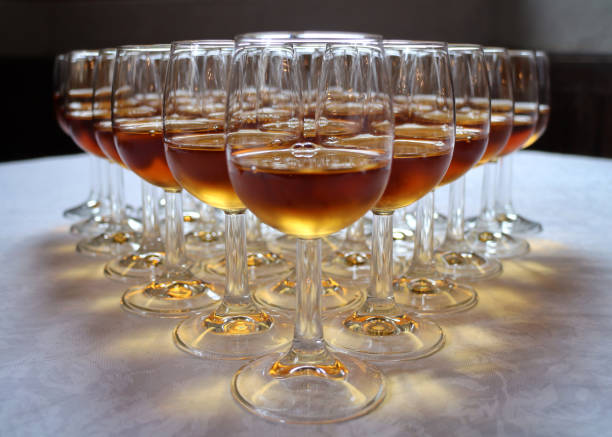
What Is A Sweet Rose Wine
What is a sweet rose wine? It’s a fruity, lightly colored wine that strikes the perfect balance between red and white—offering the freshness of white wine with a hint of red grape character and a touch of sweetness. If you love wines that are smooth, easy to drink, and taste of strawberries, watermelon, or peaches, sweet rose is likely your go-to. In this article, we’ll break down exactly what makes a rose wine sweet, how it’s made, and which bottles to try for the best experience.
What Is a Sweet Rose Wine?
How sweet rose wine differs from dry rose
Sweet rosé wine stands apart from dry rosé primarily in its residual sugar content, which gives it a noticeably fruity and lush palate. While dry rosés are fermented until most sugars convert to alcohol, sweet rosés are either stopped early or have unfermented grape juice added back, preserving sweetness.
This results in a wine that often exhibits flavors of ripe strawberries, watermelon, and candied fruit, making it more approachable for those who prefer less tartness. Sweet rosés typically have a lower acidity and a fuller mouthfeel compared to the crisp, refreshing profile of dry rosés.
They are ideal for pairing with spicy foods, desserts, or enjoying on their own as a pleasurable aperitif. Understanding this difference helps consumers choose based on their taste preferences—whether they crave bright and zesty or soft and sweet notes in their glass.
Common grapes used in sweet rose production
Several grape varieties are favored in producing sweet rosé due to their naturally high sugar levels and aromatic profiles. Grenache is one of the most popular, offering ripe red fruit flavors like strawberry and raspberry, along with a soft texture that enhances sweetness.
Zinfandel, especially in the form of White Zinfandel, is widely known for its off-dry to sweet style and bright notes of cherry and citrus. Muscat grapes, particularly Muscat Blanc, contribute intense floral and grapey aromas, making them ideal for distinctively sweet rosés.
Other varieties like Sangiovese and Pinot Noir can also be used in sweeter styles when harvested late or fermented partially. These grapes are often blended to balance acidity and sugar, creating a harmonious, fruit-forward wine.
Choosing the right grape ensures the final wine delivers both flavor intensity and balanced sweetness, appealing to a broad audience.
How sweetness is measured in wine
The sweetness in wine, including rosé, is determined by measuring residual sugar (RS)—the amount of natural grape sugars remaining after fermentation. This is expressed in grams per liter (g/L) and can range from 0–4 g/L for dry wines to over 45 g/L for sweet styles.
Wines between 10–30 g/L are typically considered off-dry, while those above 30 g/L are classified as sweet. Winemakers can control sweetness by halting fermentation early, adding unfermented grape must (a process called *süssreserve*), or using late-harvest grapes with concentrated sugars.
Tasting the wine alongside checking technical sheets helps confirm perceived sweetness, as acidity and alcohol levels can balance or enhance sugary notes.
Understanding these metrics empowers consumers to make informed choices based on their palate preferences and ensures they select a rosé that delivers the desired level of sweetness and enjoyment.
Types of Sweet Rose Wines
White Zinfandel: A popular sweet rose
White Zinfandel is one of the most widely recognized sweet rose wines, especially in the United States. Made from the red Zinfandel grape, it undergoes minimal skin contact, resulting in a light pink hue and a sweet, approachable flavor profile.
Expect notes of strawberry, raspberry, watermelon, and candied cherry, often balanced with low to moderate acidity. Its low tannins and easy-drinking nature make it ideal for casual sipping or pairing with spicy foods, salads, and light desserts. Produced primarily in California, White Zinfandel ranges from off-dry to very sweet.
Look for bottles labeled ‘sweet’ or ‘extra sweet’ if you prefer a dessert-style wine. It’s a great entry point for new wine drinkers exploring the world of rosé.
Moscato Rose and its fruity profile
Moscato Rose, also known as Rosé Moscato, is a sweet, aromatic wine made from the Muscat grape, known for its intense floral and fruity aromas.
This wine typically features bright notes of peach, apricot, orange blossom, and ripe red berries, delivering a luscious, refreshing taste perfect for warm weather or dessert pairings. Often produced in a slightly sparkling (frizzante) style, Moscato Rose has low alcohol content and vibrant sweetness balanced by gentle acidity.
It’s a versatile option for celebrations or pairing with fruit-based desserts, pastries, or spicy Asian cuisine. Because of its approachable flavor and easy sipping quality, Moscato Rose is a favorite among those who enjoy sweeter beverages. Choose still or sparkling versions based on your preference for texture and effervescence.
Pink Moscato vs. other sweet roses
Pink Moscato stands out from other sweet roses due to its distinct blend of Muscat grapes with red grape varieties like Merlot or Grenache, creating a unique fusion of floral sweetness and berry-driven flavors.
Compared to White Zinfandel, Pink Moscato is often fruitier and more intensely aromatic, with notes of strawberry, rose petal, citrus, and honey. While both are sweet, Pink Moscato tends to be more perfumed and less jammy than traditional rosés.
Unlike drier European styles, it maintains a consistent, crowd-pleasing sweetness and is often slightly effervescent. It’s an excellent choice for those who enjoy dessert wines or sweet cocktails but want a wine-based alternative. When choosing between sweet roses, consider Pink Moscato for its aromatic complexity and softer finish.
European styles like Rosato Dolce
European sweet rosés, such as Italian Rosato Dolce, offer a more restrained yet elegantly sweet alternative to their New World counterparts.
Made primarily in southern Italy from native grapes like Negroamaro or Malvasia Nera, Rosato Dolce balances ripe red fruit flavors—cherry, plum, and red currant—with floral hints and a touch of honeyed sweetness.
Unlike overly sugary styles, many European sweet rosés maintain better acidity and structure, making them more food-friendly and less cloying. These wines are often enjoyed as aperitifs or paired with fruit tarts, creamy desserts, or mild cheeses.
While less common internationally, seeking out authentic Italian or Portuguese sweet rosés can introduce you to a more nuanced expression of sweetness in rosé. Look for terms like ‘dolce’ (sweet) or ‘amabile’ (semi-sweet) on labels.
How Sweet Rose Wine Is Made
Harvesting grapes for sweetness
Sweet rose wine begins with the careful selection and harvesting of ripe grapes that naturally contain high sugar levels. Winemakers often delay the harvest to allow grapes to reach optimal ripeness, increasing their sugar concentration.
Grapes like Grenache, Muscat, and Zinfandel are commonly chosen for their inherent sweetness and aromatic profiles. These varieties thrive in warm climates, where sunlight enhances sugar development without sacrificing acidity.
The timing of the harvest is crucial—too early, and the grapes lack sweetness; too late, and acidity drops too low, affecting balance. Hand-harvesting is frequently used to ensure only the healthiest, most mature clusters are selected, preserving quality and contributing directly to the wine’s final sweetness.
Fermentation techniques that preserve sugar
To make sweet rose wine, winemakers use controlled fermentation methods that retain residual sugar. Unlike dry wines, where yeast consumes nearly all sugar, sweet rose fermentation is managed to halt sugar conversion early. This is achieved by monitoring temperature, yeast strain, and nutrient levels.
Cooler fermentation temperatures slow yeast activity, helping preserve natural sugars. Selecting yeast strains with low alcohol tolerance ensures fermentation stops naturally before all sugar is consumed. These precise techniques allow winemakers to craft a balanced, fruity profile while maintaining the desired sweetness.
The result is a refreshing rose with vibrant aromas and a luscious finish, perfect for those who enjoy a touch of sweetness in their wine.
Role of blending in sweet rose production
Blending plays a vital role in crafting consistent and appealing sweet rose wines. Winemakers may combine different grape varieties to enhance sweetness, aroma, and body. For example, blending a highly aromatic Muscat with a softer Grenache can create a wine with intense floral notes and smooth sweetness.
In some cases, a small amount of unfermented grape juice (called *sussreserve*) is blended into the finished wine to boost residual sugar without restarting fermentation. This method preserves freshness and allows precise control over the final taste.
Blending also helps balance acidity and sweetness, ensuring the wine remains refreshing rather than cloying, making it enjoyable for a wide range of palates.
When and how fermentation is stopped
Stopping fermentation at the right moment is essential to achieving the desired sweetness in rose wine. Winemakers carefully monitor sugar levels using tools like hydrometers or refractometers to determine the perfect stopping point.
Fermentation can be halted through several methods: cooling the wine rapidly to inactivate yeast, adding sulfur dioxide to inhibit yeast activity, or filtering out yeast entirely using sterile filtration. In some traditional methods, fortification with alcohol (like brandy) is used to kill the yeast, preserving sugar while boosting alcohol content.
Timing is critical—stop too early, and the wine may be overly sweet; too late, and it risks becoming dry. These techniques ensure a consistent, well-balanced sweet rose with the ideal sugar-to-acid ratio.
Tasting Profile of Sweet Rose Wine
Flavor notes you can expect
Sweet rose wine delivers a lively, fruit-forward taste that balances natural grape sugars with refreshing acidity. You can expect prominent flavors of ripe strawberries, raspberries, and watermelon, often accented by hints of peach, melon, or tropical fruit depending on the grape variety and region.
The residual sugar in these wines enhances the perception of sweetness without being cloying, especially when balanced by crisp acidity. Unlike dry roses, which emphasize minerality and tartness, sweet roses highlight juicy, dessert-like profiles that make them ideal for pairing with light pastries, fruit salads, or spicy Asian cuisine.
Sipping a sweet rose reveals a smooth, rounded mouthfeel with a lingering fruity finish, making it an approachable choice for both new and experienced wine drinkers.
Aroma characteristics of sweet roses
The aromatic profile of sweet rose wine is one of its most inviting features, offering an immediate burst of fresh red fruit and floral notes. Swirling the glass releases scents of strawberry, cherry, and ripe melon, often layered with subtle hints of rose petal, citrus zest, or honeysuckle.
These wines are crafted to preserve fragrant varietal character, especially when made from grapes like White Zinfandel, Grenache, or Muscat. The intensity of the aroma often mirrors the wine’s sweetness, signaling a lush, flavorful experience ahead.
Unlike more restrained dry roses, sweet versions boast pronounced, perfumed bouquets that enhance their drinkability. These inviting scents make sweet rose ideal for casual sipping, especially in warm weather or during celebratory toasts where fragrance adds to the festive mood.
How color relates to taste
The pale pink to vibrant coral hue of sweet rose wine offers visual clues about its taste profile. Generally, a deeper pink color suggests longer skin contact during fermentation, which can intensify both flavor and sweetness.
However, in sweet roses, color doesn’t always correlate directly with sugar content—some lightly tinted wines can still be quite sweet due to residual sugar retained post-fermentation. The translucent, blush appearance often signals a fruit-driven, approachable style.
Winemakers may blend red and white grapes or adjust fermentation to achieve both the desired color and sweetness. Understanding this helps consumers choose based on preference: lighter shades for delicate sweetness, deeper tones for bolder fruit expression.
Ultimately, the color enhances the sensory experience, setting expectations for a refreshing, slightly sweet sip.
Best serving temperature for flavor
To fully enjoy a sweet rose wine, serve it chilled between 45°F and 50°F (7°C–10°C). This temperature range preserves the wine’s vibrant acidity while enhancing its fruity sweetness and aromatic complexity.
If served too warm, the wine can taste overly sweet or flabby; too cold, and the flavors may seem muted. For best results, refrigerate the bottle for 2–3 hours before serving or use an ice bucket for quicker chilling.
Once opened, keep the wine cool with a wine sleeve or ice bucket during consumption. Proper temperature unlocks the balance between sugar and acidity, allowing notes of strawberry, melon, and floral tones to shine.
Serving at the ideal temperature ensures a crisp, refreshing finish, making sweet rose perfect for outdoor gatherings, brunches, or as a palate cleanser between courses.
How to Serve and Enjoy Sweet Rose Wine
Ideal glassware for sweet rose
To fully appreciate sweet rose wine, use a white wine or aromatic wine glass with a slightly tapered rim. This shape helps concentrate the wine’s floral and fruity aromas, enhancing your sensory experience.
The medium-sized bowl allows enough room for gentle swirling, which releases the wine’s delicate notes of strawberry, peach, and honey without spilling. Avoid oversized red wine glasses, as they can disperse the subtle bouquet too quickly.
For the best results, hold the glass by the stem to prevent warming the wine with your hand. Choosing the right glassware ensures you capture the balance of sweetness and acidity that defines quality sweet rose, making every sip more enjoyable and refined.
Chilling tips for best taste
Serve sweet rose wine well-chilled, ideally between 45°F and 50°F (7°C–10°C), to highlight its refreshing sweetness and vibrant acidity. Place the bottle in the refrigerator for 2 to 3 hours before serving, or use an ice bucket with equal parts ice and water for faster chilling—about 20 to 30 minutes.
Avoid freezing temperatures, as they can dull the aromas and make the wine overly sweet. Once opened, keep the bottle in the fridge and consume within 3 to 5 days for optimal flavor. Using a wine cooler instead of the freezer prevents over-chilling.
Proper temperature ensures the wine’s luscious fruit notes and crisp finish are perfectly balanced, turning any occasion into a delightful tasting experience.
Pairing sweet rose with desserts
Sweet rose wine shines when paired with desserts that match its fruity, floral profile without overwhelming it. Try it with fruit tarts, lemon bars, or light pastries like angel food cake topped with fresh berries.
The wine’s natural sweetness complements sugary treats, while its acidity cuts through richness, preventing palate fatigue. Avoid overly chocolate-heavy desserts, which can clash with the wine’s delicate notes. Instead, opt for desserts with stone fruits, citrus, or honey, which echo the wine’s flavor profile.
For a show-stopping pairing, serve sweet rose with a mascarpone-based dessert or a berry pavlova. These combinations enhance the wine’s aromatic intensity and silky texture, creating a harmonious and memorable finish to any meal.
Matching sweet rose with spicy or savory dishes
Sweet rose wine’s balanced sweetness and bright acidity make it a surprisingly versatile partner for spicy and savory dishes. The subtle sugar content cools the heat in foods like Thai curry, jalapeño poppers, or spicy grilled shrimp, while its fruit-forward notes complement the bold flavors.
It also works well with savory appetizers such as goat cheese crostini, prosciutto-wrapped melon, or Moroccan tagines with dried fruit. The key is to balance intensity—avoid heavy, heavily spiced meats that can overpower the wine. Instead, focus on dishes where sweetness and spice coexist.
This contrast enhances both the food and wine, making sweet rose a refreshing and unexpected pairing that elevates your entire dining experience.
Where to Buy Sweet Rose Wine
Best grocery stores and wine shops
You can find sweet rosé wine at most major grocery stores and local wine shops. Chains like Whole Foods, Trader Joe’s, and Kroger often carry a curated selection of sweet rosés, including popular brands like Barefoot, Sutter Home, and Cupcake.
Look for wines labeled ‘off-dry’ or ‘sweet’ near the white or rosé section. Independent wine shops may offer more niche or imported options, such as Italian Lambrusco or German Weissburgunder Rosé, which tend to have naturally sweeter profiles.
Staff at specialty shops can provide personalized recommendations based on your taste preferences. Always check for tasting samples or staff picks to guide your choice. Shopping locally also allows you to support small businesses while discovering new favorites.
Online retailers with wide selections
Shopping online opens access to a vast array of sweet rosé wines from around the world. Websites like Wine.com, Total Wine & More, and Vivino offer detailed filters to search specifically for sweet rosés by region, grape, or customer rating.
Subscription services like Firstleaf or Winc tailor selections to your palate, often including sweet styles. International options—such as Portuguese Rosado or Californian Pink Moscato—are easier to find online. Many sites provide tasting notes, food pairings, and customer reviews, helping you make informed choices.
Look for free shipping promotions or sampler packs to try multiple bottles cost-effectively. Online retailers are ideal for discovering limited-edition or hard-to-find sweet rosés that aren’t available locally.
Reading labels to find true sweet roses
To identify a genuinely sweet rosé, pay close attention to the label. Terms like ‘doux,’ ‘demi-sec,’ or ‘lieblich’ indicate sweetness in French, Spanish, or German wines. Check the residual sugar (RS) level, often listed in grams per liter—anything above 12 g/L is typically sweet.
Grape varieties matter: White Zinfandel, Moscato, and Red Bual tend to be sweeter. Wines from warmer climates, like Southern California or Southern Italy, often have riper fruit flavors and higher natural sugar.
Avoid dry indicators like ‘brut’ or ‘sec.’ Alcohol content can also help—sweet rosés usually have lower ABV (below 11%). When in doubt, look for fruity descriptors like strawberry, peach, or honey on the label.
Price ranges and value picks
Sweet rosé wines come in a range of prices, but great value can be found under $15. Budget-friendly bottles like Bartenura Moscato Rosé or Sutter Home White Zinfandel deliver consistent sweetness and fruit-forward flavors without high cost.
Mid-range options ($15–$25) often include premium imports or small-batch wines with more complexity, such as Ruffino Regale Aleatico or Schloss Wachenheim Rosé. Higher-priced sweet rosés are typically niche or dessert wines, not always better. Look for ‘best value’ awards or high ratings on retailer sites.
Buying in 3- or 6-bottle packs can reduce per-bottle cost. For parties or casual sipping, affordable sweet rosés offer maximum enjoyment at minimal expense.
Storing and Shelf Life of Sweet Rose Wine
How long unopened sweet rose lasts
An unopened bottle of sweet rosé wine typically lasts 3 to 5 years from the vintage date when stored properly.
Unlike dry wines, sweet rosés have higher sugar content, which acts as a natural preservative, but their fresh fruit flavors and aromatic profile are best enjoyed within the first few years.
To maximize shelf life, store the bottle in a cool, dark place with a consistent temperature around 55°F (13°C) and high humidity to prevent the cork from drying out. Always check the vintage date on the label—most sweet rosés are not meant for long-term aging.
Consuming within this window ensures the wine retains its bright sweetness and floral notes. Beyond 5 years, the wine may fade in flavor and lose its vibrancy.
Signs your sweet rose has gone bad
If your sweet rosé shows off-odors like vinegar, wet cardboard, or mustiness, it has likely spoiled. Color changes—such as browning or deep orange hues—indicate oxidation. A bulging or pushed-up cork may signal leakage or microbial contamination.
Once opened, if the wine tastes flat, sour, or overly sharp, it’s past its prime. The sweetness should be balanced, not cloying or fermented. Visible cloudiness or particles (not from chilling) also suggest spoilage.
While sweet wines resist spoilage better than dry ones, exposure to air, heat, or light accelerates degradation. If in doubt, smell and taste a small amount—trust your senses. Discard the bottle if anything seems off to avoid unpleasant experiences.
Best storage conditions at home
To preserve the quality of unopened sweet rosé, store it on its side in a cool, dark, and humid environment to keep the cork moist and airtight. Ideal storage is around 55°F (13°C) with minimal temperature fluctuations—avoid attics, kitchens, or near appliances.
Use a wine rack or closet away from sunlight, which can degrade the wine’s flavors. For opened bottles, reseal tightly with a wine stopper and refrigerate. Even brief exposure to warm or fluctuating temperatures can dull the wine’s aromatic sweetness and freshness.
If you lack a wine cellar, a dedicated wine cooler is a worthwhile investment. Proper storage ensures the wine maintains its crisp balance of sugar and acidity for optimal enjoyment.
Can you refrigerate sweet rose long term?
Yes, you can refrigerate unopened sweet rosé long term as a practical alternative to a wine cellar, provided the fridge maintains a stable temperature around 40°F (4°C) and low vibration. While cooler than ideal, refrigeration slows oxidation and preserves freshness.
However, extended refrigeration may dry the cork over time if the bottle isn’t sealed properly. For opened bottles, refrigeration is essential—it helps retain flavor and fizz (if sparkling) for up to 5 days. Always use a vacuum stopper or inert gas to limit air exposure.
Avoid freezing, as it can alter texture and push out corks. For best quality, transfer opened wine to smaller containers if possible and consume within a week.
Frequently Asked Questions
What is a sweet rosé wine?
A sweet rosé wine is a type of wine made from red grape varieties that has a pink hue and noticeable residual sugar, giving it a fruity and often floral taste. It is typically lighter in body and alcohol than red wine but sweeter than dry rosé styles.
How is sweet rosé wine made?
Sweet rosé is made by allowing the grape juice to have limited contact with red grape skins, giving it its pink color, and then stopping fermentation early to retain natural sugars. This process preserves sweetness and enhances fruity flavors like strawberry, peach, and melon.
What does sweet rosé wine taste like?
Sweet rosé wine typically tastes fruity and refreshing, with notes of ripe strawberries, watermelon, peaches, and citrus. The sweetness balances the acidity, making it smooth and easy to drink.
How should I serve sweet rosé wine?
Serve sweet rosé wine well-chilled, between 45°F and 50°F (7°C to 10°C), in a white wine or rosé glass. It’s best enjoyed cold to enhance its refreshing sweetness and aromatics.
What foods pair well with sweet rosé wine?
Sweet rosé pairs well with spicy dishes, fruit-based desserts, light cheeses, and salads with vinaigrette. Its sweetness complements heat and contrasts salty or tangy flavors.
Is sweet rosé wine the same as White Zinfandel?
White Zinfandel is a popular type of sweet rosé wine made from Zinfandel grapes, known for its pink color and sugary profile. While not all sweet rosés are White Zinfandel, it is one of the most well-known examples.
Can sweet rosé wine be aged?
Most sweet rosé wines are meant to be consumed young, within 1–3 years of production, to enjoy their fresh, fruity flavors. Aging is not recommended, as it can diminish the wine’s vibrant sweetness and aroma.
Conclusion
A sweet rose wine combines the refreshing qualities of rose with a touch of sweetness, making it a delightful choice for many palates. Typically made from red grapes with limited skin contact, its flavor ranges from fruity to floral. Popular varieties include White Zinfandel and Pink Moscato. Serve chilled, it pairs well with spicy dishes, desserts, or enjoys solo.