What Is A Cabernet Franc
Wondering what a Cabernet Franc is? You’re not alone—this red wine grape often flies under the radar, but it’s a star in its own right. Grown around the world but especially loved in France’s Loire Valley and Bordeaux, Cabernet Franc delivers vibrant red fruit flavors, herbal notes, and a smooth finish. It’s lighter than Cabernet Sauvignon but full of character. In this article, we’ll break down its taste, origins, food pairings, and why it deserves a spot in your wine rotation—quick, clear, and easy to understand.
What Is Cabernet Franc?
Origin and History of Cabernet Franc
Cabernet Franc is one of the oldest and most historically significant red wine grape varieties, originating in the Bordeaux region of France. It is believed to be a parent of both Cabernet Sauvignon and Merlot, making it a foundational grape in classic Bordeaux blends.
Unlike its more famous offspring, Cabernet Franc thrives in cooler climates and was traditionally used to add aromatic complexity and softness to red blends. Over time, it gained recognition as a standalone varietal, particularly in France’s Loire Valley, where regions like Chinon and Bourgueil produce elegant, food-friendly expressions.
The grape’s early ripening nature and resistance to frost make it suitable for diverse growing conditions. Today, Cabernet Franc is cultivated worldwide, from Italy to the United States, with each region highlighting its versatility and distinct terroir expression. Understanding its roots helps appreciate its evolving role in modern winemaking.
How Cabernet Franc Differs from Cabernet Sauvignon
While often confused, Cabernet Franc and Cabernet Sauvignon are distinct grape varieties with noticeable differences in flavor, structure, and growing needs. Cabernet Franc typically has lighter body, lower tannins, and higher acidity than the bolder, more structured Cabernet Sauvignon.
Flavor-wise, Cabernet Franc expresses bright red fruit notes like raspberry and red cherry, along with herbaceous or floral hints such as bell pepper, violet, and graphite—a contrast to Cabernet Sauvignon’s classic blackcurrant and cedar profile.
It also ripens earlier and performs better in cooler climates, making it ideal for regions where Cabernet Sauvignon might struggle. In blends, Cabernet Franc adds aromatic lift and finesse, while Cabernet Sauvignon contributes depth and aging potential.
Recognizing these differences helps wine lovers select bottles based on preferred style, whether it’s a crisp, aromatic Franc or a powerful, age-worthy Sauvignon.
Common Characteristics of Cabernet Franc Grapes
Cabernet Franc grapes exhibit several distinctive physical and flavor traits that influence the resulting wine’s profile. The vines produce small to medium-sized berries with thin skins, contributing to wines that are lighter in color and tannin than many other red varieties.
The grapes naturally carry high acidity and moderate sugar levels, leading to balanced, food-friendly wines with moderate alcohol. Aromatically, Cabernet Franc is known for its complex bouquet of red fruits, floral notes, and herbal or vegetal characteristics—often including raspberry, strawberry, violet, green pepper, and sometimes a peppery spice.
When grown in limestone-rich soils, such as in the Loire Valley, it develops greater minerality and elegance. Winemakers may use whole-cluster fermentation to enhance its aromatic complexity and add texture.
These traits make Cabernet Franc a versatile grape for both blending and single-varietal wines, especially in cooler climates where its full potential shines.
Where Cabernet Franc Is Grown

Main Regions in France Producing Cabernet Franc
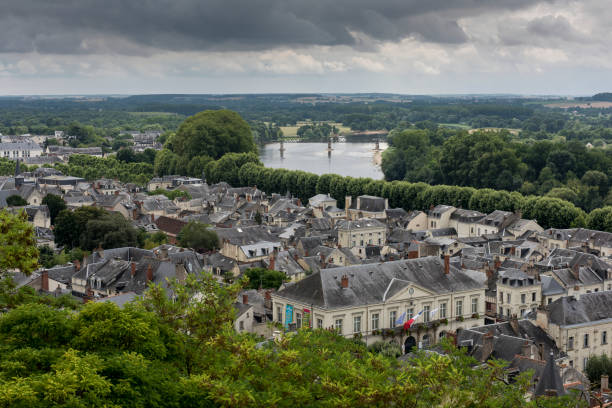
Cabernet Franc thrives in France’s Loire Valley and Bordeaux, where cool to moderate climates preserve its bright acidity and aromatic complexity. In the Loire, Chinon, Bourgueil, and Saumur-Champigny are standout appellations, producing elegant, medium-bodied reds with notes of red berries, violets, and herbaceous undertones.
These wines often showcase crisp tannins and vibrant freshness, making them ideal for early drinking or short-term aging. In Bordeaux, Cabernet Franc plays a crucial blending role, especially on the Right Bank in regions like Saint-Émilion and Pomerol, where it adds aromatic lift and structure to Merlot-based wines.
Increasingly, producers are also crafting single-varietal expressions that highlight its finesse. The grape benefits from well-drained soils like limestone and gravel, which help regulate moisture and promote concentration. French Cabernet Franc is prized for its terroir transparency, expressing subtle differences across subregions.
For wine lovers, exploring these French zones offers a masterclass in balance, elegance, and varietal purity.
Top U.S. Regions for Cabernet Franc
In the United States, Virginia, Long Island, and parts of California have emerged as top regions for high-quality Cabernet Franc.
Virginia’s humid yet temperate climate and well-drained soils create ideal conditions for the grape, yielding wines with bright acidity, structured tannins, and complex layers of raspberry, bell pepper, and floral notes. Many Virginia producers now spotlight Cabernet Franc as a flagship red, emphasizing sustainable practices and site-specific expression.
On Long Island’s North Fork, the maritime influence extends the growing season, allowing full phenolic ripeness without excessive sugar, resulting in balanced, aromatic wines with herbal and red fruit character.
In California, cooler pockets like Sonoma Coast, Paso Robles, and Napa Valley’s cooler margins produce riper, fuller styles with darker fruit and spice, often aged in oak for added complexity. American growers are increasingly focusing on earlier harvesting to preserve freshness and avoid over-ripeness.
These regions demonstrate Cabernet Franc’s adaptability and rising prominence in U.S. viticulture.
Other Notable Growing Areas Around the World
Beyond France and the U.S., Cabernet Franc is gaining recognition in Italy, Hungary, South Africa, and Argentina, where diverse terroirs highlight its versatility.
In Italy, especially Tuscany and Friuli, it appears in both blends and varietal wines, often with softer tannins and ripe plum characteristics, influenced by warmer climates and modern winemaking. Hungary’s Villány region produces structured, age-worthy versions with spicy, dark fruit profiles, benefiting from limestone soils and continental conditions.
South African producers in Stellenbosch and Swartland craft vibrant, food-friendly styles with herbal lift and red berry intensity, often using organic practices and minimal intervention. Argentina’s Uco Valley, with its high-altitude vineyards and large diurnal shifts, yields aromatic precision and freshness, defying expectations for bold reds.
These regions are redefining Cabernet Franc as a global variety, not limited by tradition. As winemakers experiment with canopy management and harvest timing, the grape’s floral, earthy, and fruit-forward dimensions are being fully explored, offering wine enthusiasts a broad spectrum of styles beyond its French roots.
How Cabernet Franc Wine Is Made

Harvesting and Crushing the Grapes
Cabernet Franc grapes are typically harvested in early to mid-October, earlier than many red varieties due to their thinner skins and earlier ripening cycle. Growers carefully monitor sugar levels, acidity, and tannin maturity to determine the optimal harvest time, which greatly influences the wine’s final flavor profile.
Once picked, the grapes are destemmed and gently crushed to release juice while minimizing harsh tannin extraction from seeds and stems. This step preserves the grape’s bright acidity and fresh red fruit characteristics.
In cooler climates like France’s Loire Valley, the grapes retain higher acidity, yielding wines with crisp raspberry and violet notes, while warmer regions like California produce riper, fuller-bodied expressions. Temperature-controlled stainless steel tanks are often used during crushing and initial processing to maintain freshness.
The resulting must—juice, skins, and seeds—is then moved to fermentation vessels, setting the stage for flavor development.
Fermentation and Aging Process
During fermentation, yeast converts sugars into alcohol, extracting color, tannins, and aromatic compounds from the grape skins. For Cabernet Franc, this process typically occurs at moderate temperatures (75–85°F) to preserve delicate floral and herbal notes.
Fermentation lasts about 7–10 days, after which the wine is pressed off the skins to avoid excessive bitterness. Many producers choose to age Cabernet Franc in oak barrels, which adds structure and introduces subtle flavors like cedar, vanilla, and baking spice.
Aging duration varies—ranging from 6 to 18 months—depending on the desired style. Lighter, fruit-forward versions may age in neutral oak or stainless steel to retain freshness, while premium expressions benefit from new French oak for complexity.
This stage is crucial for softening tannins and integrating aromas, resulting in a balanced, layered wine ready for bottling.
Blending Practices with Other Varietals
While Cabernet Franc excels as a single-varietal wine, it is also a key blending grape in Bordeaux-style reds, often combined with Cabernet Sauvignon and Merlot.
Its bright acidity and aromatic lift help balance the deeper, tannic structure of Cabernet Sauvignon, while its early ripening nature makes it a reliable component in cooler vintages. In blends, Cabernet Franc adds complexity, perfume, and finesse, contributing notes of red berries, bell pepper, and crushed herbs.
Winemakers may use it in proportions from 5% to 20%, depending on the wine’s intended profile. In regions like Saint-Émilion and Pomerol, it can even dominate blends, especially on limestone soils where it thrives.
Some New World producers also blend it with Malbec or Petit Verdot to enhance color and spice. These thoughtful blending decisions highlight Cabernet Franc’s versatility and structural contribution to world-class red wines.
Tasting Profile of Cabernet Franc
Aroma and Bouquet Notes
Cabernet Franc offers a distinctive aromatic profile that sets it apart from other red wine varieties. When you bring a glass to your nose, expect to detect vibrant notes of red berries like raspberry and red currant, often layered with floral hints of violets and a subtle earthiness.
Unlike its more robust relative, Cabernet Sauvignon, Cabernet Franc typically presents lighter, more perfumed aromas with a fresh, herbal edge. You may also notice green bell pepper or pencil shavings, especially in cooler climate expressions, due to the presence of pyrazines.
These characteristics make it highly expressive and terroir-driven, reflecting the soil and climate where it’s grown. To fully appreciate its bouquet, decant the wine briefly or swirl gently in the glass to release its layered scents.
This aromatic complexity makes Cabernet Franc a favorite among wine enthusiasts seeking nuanced, fragrant reds with elegance and restraint.
Flavor Profile on the Palate
On the palate, Cabernet Franc delivers a balanced and approachable taste marked by bright acidity and moderate tannins. It showcases juicy red fruit flavors such as cherry, strawberry, and cranberry, often complemented by herbal or spice undertones like thyme, green pepper, or black pepper.
The wine’s medium body and smooth texture make it enjoyable young, yet complex enough to intrigue experienced palates. In warmer regions, riper expressions may reveal darker fruit notes like plum or blackberry, with a touch of cocoa or licorice.
Its crisp acidity enhances food pairing versatility, especially with tomato-based dishes, roasted vegetables, or herb-crusted meats. To best experience its flavor profile, serve slightly below room temperature—around 60–65°F (15–18°C). This temperature range preserves its freshness and aromatic lift, ensuring a vibrant and well-rounded tasting experience from first sip to finish.
How Aging Affects the Taste
Aging transforms Cabernet Franc, softening its tannins and deepening its flavor complexity over time. While many bottles are enjoyable within 3–5 years, high-quality examples can evolve beautifully for 8–12 years or more.
As the wine matures, primary fruit notes mellow, giving way to secondary characteristics like leather, tobacco, forest floor, and dried herbs. Oak aging, especially in French barrels, adds layers of vanilla, cedar, and baking spice, enhancing structure and longevity.
The wine’s acidity remains vibrant, preserving balance even as flavors become more integrated. With extended aging, the texture becomes silkier and more rounded, offering a luxurious mouthfeel. To maximize aging potential, store bottles on their side in a cool, dark place with consistent humidity.
Tasting periodically allows you to capture the wine at its peak expression, whether you prefer youthful vibrancy or the nuanced elegance of a well-aged Cabernet Franc.
Food Pairings with Cabernet Franc
Best Meat Dishes to Serve with Cabernet Franc
Cabernet Franc shines when paired with leaner meats that benefit from the wine’s bright acidity and herbal complexity. Grilled lamb chops, seasoned simply with rosemary and garlic, harmonize beautifully with the wine’s peppery and red fruit notes.
Duck breast, especially when seared and served with a cherry or red wine reduction, enhances the wine’s natural tartness and earthy undertones. Roasted chicken, particularly with herbs like thyme or sage, offers a lighter yet flavorful match that doesn’t overpower the wine’s medium body.
Venison and other game meats also work well due to their rich, iron-rich flavor that aligns with Cabernet Franc’s structure. Avoid overly fatty or heavily smoked meats, as they can clash with the wine’s elegance.
The key is balancing richness with acidity, allowing both the dish and wine to elevate each other. For best results, serve the wine slightly below room temperature to accentuate its freshness.
Vegetarian and Plant-Based Pairings
Cabernet Franc is a standout choice for vegetarian cuisine, thanks to its herbal and earthy profile that mirrors many plant-based ingredients. Mushroom-based dishes, such as wild mushroom risotto or grilled portobello steaks, echo the wine’s forest floor and umami notes.
Lentil stews or roasted root vegetables like beets, carrots, and parsnips bring out the wine’s red fruit and spice characteristics. Eggplant Parmesan or grilled zucchini with herbs also complement its moderate tannins and bright acidity. Dishes featuring fresh herbs—like basil, oregano, or tarragon—enhance the wine’s natural green, leafy qualities.
For vegan pairings, consider smoked tofu or tempeh with a balsamic glaze, which matches the wine’s tang and depth. The key is layering flavors thoughtfully, avoiding overly sweet or creamy sauces that can dull the wine. Serve slightly chilled to refresh the palate between bites.
Cheese and Appetizers That Complement the Wine
When selecting cheeses to pair with Cabernet Franc, opt for semi-soft to firm varieties that balance its acidity and herbal notes. Aged goat cheese is an ideal match, as its tanginess mirrors the wine’s crispness while its creaminess softens the tannins.
Manchego or Comté offer nutty flavors that enhance the wine’s complexity without overwhelming it. Herbed cheese spreads on crusty bread make excellent appetizers, especially when paired with marinated olives or sun-dried tomatoes. Charcuterie boards with light cured meats like prosciutto or soppressata, alongside pickled vegetables, create a dynamic tasting experience.
Avoid overly pungent or blue cheeses, which can dominate the wine’s subtler characteristics. The key is contrast and balance—using salty, tangy, and earthy elements to highlight the wine’s red berry and green bell pepper nuances. Serve cheeses at room temperature and pour the wine slightly chilled for optimal harmony.
Serving and Storing Cabernet Franc
Ideal Serving Temperature for Cabernet Franc
Serving Cabernet Franc at the ideal temperature of 60–65°F (15–18°C) enhances its aromatic complexity and balances its acidity and tannins. If served too cold, the wine’s flavors can seem muted and the tannins overly harsh; if too warm, alcohol may dominate the palate.
To achieve this range, refrigerate the bottle for about 30 minutes before serving if stored at room temperature. For bottles stored in a wine fridge, remove 10–15 minutes prior to pouring. Using a wine thermometer ensures precision.
Lighter, fruit-forward styles benefit from the cooler end of the spectrum, while fuller-bodied, oak-aged versions thrive slightly warmer. Avoid serving straight from a standard refrigerator (typically 35–40°F), as it dulls the wine’s expressive notes.
Letting the wine breathe slightly after pouring also helps open up its bouquet, allowing red berry, violet, and herbal notes to shine. Proper temperature control transforms your tasting experience.
Choosing the Right Glassware
Selecting the right glassware significantly elevates the Cabernet Franc experience by directing the wine to the optimal part of the palate and concentrating its aromas. A glass with a large bowl and tapered rim, such as a standard Bordeaux or universal red wine glass, is ideal.
This shape allows ample surface area for aeration while guiding the wine toward the back of the mouth, balancing its moderate tannins and vibrant acidity. The narrow rim focuses the wine’s signature notes of raspberry, bell pepper, and graphite. Avoid small or stemless tumblers, which limit aeration and warmth transfer.
Hold the glass by the stem to prevent altering the wine’s temperature with hand heat. For premium or aged bottles, consider decanting into a carafe with a wide base to accelerate opening up.
Even subtle differences in glass design can enhance clarity and depth, making the investment in quality stemware worthwhile for fully appreciating Cabernet Franc’s nuanced profile.
How to Store Bottles for Longevity
To preserve Cabernet Franc over time, store bottles horizontally in a cool, dark, and humid environment with stable temperature and minimal vibration. The ideal storage conditions are 55°F (13°C) with 70% humidity, which keeps the cork moist and prevents oxidation.
Avoid areas with temperature fluctuations—such as kitchens or garages—as they can damage the wine’s structure. UV light exposure should be minimized; use tinted glass or wooden racks to shield bottles. For long-term aging (5–10 years), ensure the wine has sufficient acidity and tannin structure—common in Old World or high-elevation expressions.
Younger, fruit-driven styles are best consumed within 3–5 years. Always store bottles away from strong odors and movement, which can disturb sediment and degrade quality. Proper storage ensures the wine evolves gracefully, revealing deeper layers of spice, earth, and complexity over time.
Buying and Enjoying Cabernet Franc
What to Look for on the Wine Label
When selecting a Cabernet Franc, check the region and vintage to gauge style and quality. Wines from France’s Loire Valley, like Chinon or Bourgueil, often showcase bright acidity, herbal notes, and moderate tannins, while those from Napa or Argentina may be riper and fuller-bodied.
Look for keywords like ‘organic,’ ‘biodynamic,’ or ‘single vineyard’—these often signal careful winemaking and distinct terroir expression. If the label mentions aging in oak, expect subtle spice and structure. Don’t ignore the back label—it may reveal alcohol content (ideally 12.5–14%) and tasting notes.
Wines labeled simply as ‘Cabernet Franc’ without a specific appellation can still offer great value, especially from emerging regions. Always verify the producer’s reputation through quick online research. Familiar names like Domaine des Roches Neuves or Charles Joguet are reliable starting points.
Understanding these details helps you choose a bottle that matches your taste and occasion.
Top Value Bottles Under $25
You don’t need to splurge to enjoy excellent Cabernet Franc—many standout bottles come in under $25. Try the Louis Jadot Bourgueil from France’s Loire Valley, offering vibrant red fruit, crushed herbs, and a crisp finish at around $20.
La Grange Tiphaine La Côte is another Loire gem, biodynamically farmed and bursting with raspberry and violet notes. For New World options, The Show Cabernet Franc from California delivers juicy plum and mocha flavors with soft tannins, perfect for casual sipping.
Ojala Wines Cabernet Franc from California’s Central Coast emphasizes freshness and balance, often priced under $25. Don’t overlook South American picks—Alto Valle Vineyards from Argentina offers a bright, earthy expression with excellent value. These bottles prove that affordability doesn’t mean compromise, especially when exploring diverse styles.
Keep an eye out for wine shop staff picks or shelf talkers highlighting value—these often spotlight hidden gems worth trying.
Tips for Trying Cabernet Franc for the First Time
Approach your first Cabernet Franc with curiosity—serve it slightly cooler than room temperature, around 60–65°F, to highlight its bright acidity and aromatic complexity. Use a standard red wine glass to capture its floral and herbal notes.
Begin with a swirl and a deep sniff—expect scents of red berries, bell pepper, violet, and sometimes graphite or wet stone. Take a small sip and let it coat your palate; note the medium body, firm but smooth tannins, and refreshing finish.
If the green bell pepper note is strong, it’s a hallmark of cooler-climate Cabernet Franc—some love it, others prefer riper styles. Pair it with roasted chicken, mushroom dishes, or charcuterie to enhance its savory side.
If one bottle doesn’t appeal, try another from a different region—diversity is a strength of this grape. Taking notes on what you like helps refine your preferences for next time.
Frequently Asked Questions
What is Cabernet Franc?
Cabernet Franc is a red wine grape variety that is one of the parent grapes of Cabernet Sauvignon. It is known for its lighter body, bright acidity, and notes of red berries, cherry, and herbal or vegetal undertones like bell pepper.
Where does Cabernet Franc originate?
Cabernet Franc originates from the Bordeaux region of France, where it is commonly used in blends, especially on the Right Bank in wines from regions like Saint-Émilion and Pomerol.
What are the typical flavor notes in Cabernet Franc wine?
Typical flavor notes include raspberry, cherry, plum, violet, and green bell pepper. With age or oak aging, it can develop notes of tobacco, leather, and spice.
How does Cabernet Franc differ from Cabernet Sauvignon?
Cabernet Franc is generally lighter in body and color than Cabernet Sauvignon, with softer tannins and more pronounced herbal characteristics. It also ripens earlier and thrives in cooler climates.
Which regions are known for producing Cabernet Franc?
Notable regions include Bordeaux and the Loire Valley in France, as well as emerging areas like Napa Valley, Tuscany, and Argentina, where it is made as a varietal wine or in blends.
Is Cabernet Franc used in any famous wine blends?
Yes, Cabernet Franc is a key component in many Bordeaux blends, particularly on the Right Bank. It’s also a major grape in the famous ‘Bordeaux blend’ and increasingly used in ‘Super Tuscan’ wines from Italy.
Can Cabernet Franc be aged?
Yes, quality Cabernet Franc wines can age well for 5–15 years, developing more complex flavors of earth, leather, and spice while softening its natural tannins and acidity.
What foods pair well with Cabernet Franc?
It pairs well with roasted poultry, duck, lamb, mushrooms, and herb-heavy dishes. Its acidity and herbal notes make it a versatile match for a range of savory and earthy flavors.
Conclusion
Cabernet Franc is a red wine grape known for its vibrant acidity, herbal notes, and red fruit flavors like raspberry and cherry. Often used in blends, especially in Bordeaux, it also shines as a single-varietal wine. Explore Cabernet Franc to discover its unique charm and growing global appeal.

