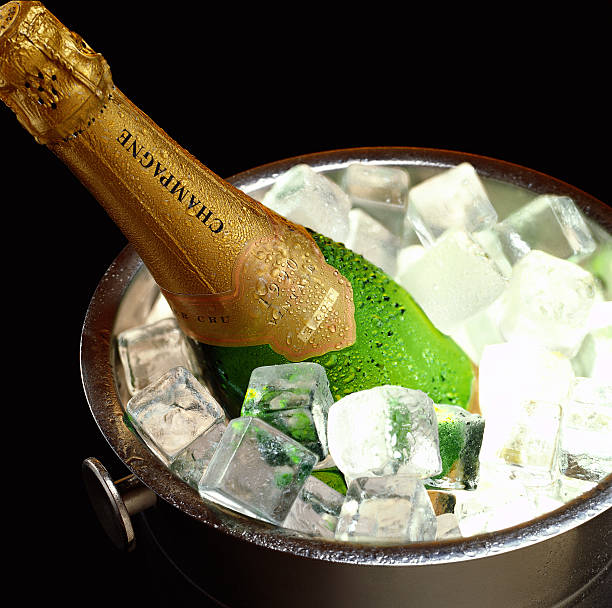
What Is A Brut
What is a brut? Simply put, brut is a term used to describe dry sparkling wines, especially Champagne, with very little residual sugar. If you’ve ever wondered why some sparkling wines taste crisp and not sweet, brut is the reason. This guide will quickly break down what “brut” means, how it’s made, and why it’s a favorite for toasts and celebrations. You’ll also learn how brut compares to other sweetness levels so you can choose your next bottle with confidence.
What Is a Brut? Definition and Origins
Definition of Brut in Winemaking
In winemaking, ‘Brut’ refers to a dry style of sparkling wine, most commonly associated with Champagne from France. The term indicates the level of residual sugar in the final product, with Brut wines containing less than 12 grams of sugar per liter.
This places Brut at the drier end of the sparkling wine sweetness scale, making it a popular choice for those who prefer crisp, refreshing flavors without noticeable sweetness. Brut is achieved during the dosage stage, where a small amount of sugar and wine are added after secondary fermentation.
Winemakers carefully control this step to preserve the wine’s acidity and structure. Brut is not a grape variety or region, but a classification based on sweetness. It’s ideal for aperitifs, pairing with seafood, or serving with light appetizers.
Understanding the term helps consumers make informed choices when selecting sparkling wines for different occasions.
History of Brut Champagne
The rise of Brut Champagne marks a significant shift in wine preferences during the 19th century. Originally, sparkling wines were much sweeter, catering to tastes in markets like Russia and the United States.
However, in 1876, Perrier-Jouët introduced a drier style at the request of the British market, paving the way for Brut as we know it. This new style emphasized freshness, acidity, and elegance, distinguishing itself from its sweeter predecessors.
By the early 20th century, Brut had become the dominant style of Champagne, favored for its sophistication and versatility. The term ‘Brut’ itself comes from the French word meaning ‘dry’ or ‘unrefined’, reflecting its crisp character.
Advancements in winemaking techniques, such as better temperature control and yeast selection, allowed producers to consistently craft high-quality dry sparkling wines. Today, Brut Champagne symbolizes celebration and refinement, with its origins rooted in evolving consumer tastes and innovation.
How Brut Differs from Other Wine Terms
Understanding how Brut differs from other wine terms is key to making informed selections. Brut is specifically a sweetness classification, not a grape type, region, or production method. It sits on a spectrum: drier than ‘Extra Dry’ and significantly drier than ‘Demi-Sec’, despite the confusing naming.
For example, ‘Extra Dry’ actually contains more sugar than Brut, a contradiction that often confuses consumers. ‘Sec’ means ‘dry’ in French but refers to a medium-sweet wine, further illustrating the nuance. In contrast, terms like ‘Blanc de Blancs’ refer to the grape (100% Chardonnay), while ‘Rosé’ indicates color and method.
‘Non-Vintage’ and ‘Vintage’ refer to blending practices, not sweetness. Knowing these distinctions ensures you choose a wine that matches your palate. When selecting sparkling wine, always check the label for terms like Brut, Extra Brut, or Doux to gauge sweetness accurately and enhance your tasting experience.
How Brut Is Made: The Production Process

Grape Varieties Used in Brut
Brut champagne and sparkling wines are typically made from a blend of specific grape varieties that contribute to their crisp, dry profile. The most common grapes used are Chardonnay, Pinot Noir, and Pinot Meunier. Chardonnay adds brightness, acidity, and citrus notes, making it essential for structure and elegance.
Pinot Noir brings body, structure, and red fruit characteristics, while Pinot Meunier contributes aromatic richness and early maturity, enhancing the wine’s complexity. In some regions, other grapes like Pinot Blanc or Arbane may be used, but they are less common.
Winemakers carefully select and blend these grapes to achieve a balanced base wine before moving to secondary fermentation. The choice of grape varieties directly impacts the final taste, aroma, and texture of the brut, ensuring a refreshing, dry finish with vibrant acidity.
Understanding these grapes helps appreciate the craftsmanship behind every bottle.
The Traditional Method Explained
The hallmark of high-quality brut sparkling wine is the traditional method, also known as *méthode champenoise*. This meticulous process begins with fermenting the grape juice into a still base wine. Then, a secondary fermentation occurs inside the bottle, initiated by adding yeast and sugar.
As the yeast consumes the sugar, it produces alcohol and carbon dioxide, which dissolves into the wine, creating natural bubbles. The wine then ages on the lees (dead yeast cells) for months or even years, developing complex flavors like brioche, toast, and nuttiness.
After aging, the bottles undergo riddling, gradually tilting them neck-down to collect sediment. Finally, disgorgement removes the sediment, and the bottle is quickly sealed. This labor-intensive method ensures the fine, persistent bubbles and layered flavor profile characteristic of premium brut.
Dosage and Sugar Levels in Brut
The term ‘brut’ refers to the dryness level of sparkling wine, determined by the dosage—a mixture of wine and sugar added after disgorgement. Despite being dry, brut is not sugar-free; it contains up to 12 grams of sugar per liter, carefully calibrated to balance acidity without tasting sweet.
The dosage fine-tunes the final flavor, enhancing aromatic complexity and mouthfeel while preserving the wine’s crisp character. Winemakers may adjust the dosage based on the base wine’s profile and desired style.
Brut sits between drier styles like *extra brut* (0–6 g/L) and slightly sweeter ones like *extra dry* (12–17 g/L), making it the most popular choice for its harmonious balance.
Understanding dosage helps consumers appreciate how brut achieves its signature refreshing, clean finish—ideal for aperitifs or pairing with a wide range of foods.
Types of Brut Wines Available
Brut Champagne from France
Brut Champagne from France is the gold standard of dry sparkling wines, originating exclusively from the Champagne region. ‘Brut’ refers to the dryness level, indicating minimal residual sugar—typically less than 12 grams per liter.
This style is crafted using the traditional method, where secondary fermentation occurs in the bottle, creating fine bubbles and complex flavors. Primary grape varieties include Chardonnay, Pinot Noir, and Pinot Meunier, each contributing structure, fruitiness, or elegance.
French Brut Champagne often exhibits notes of green apple, citrus, brioche, and mineral undertones, making it ideal for toasting or pairing with seafood and creamy cheeses. Because of strict appellation rules, every bottle guarantees quality and authenticity.
For consumers seeking sophistication and consistency, choosing a reputable house like Moët, Veuve Clicquot, or Taittinger ensures a reliable experience. Whether celebrating a milestone or elevating a dinner party, Brut Champagne delivers crisp, refreshing taste with timeless appeal.
Brut Cava from Spain
Brut Cava from Spain offers an excellent, budget-friendly alternative to Champagne without sacrificing quality. Produced primarily in Catalonia using the traditional method, Cava must undergo at least nine months of aging on lees, developing subtle complexity.
The term ‘Brut’ here also signifies low sugar content—under 12 g/L—resulting in a crisp, dry profile. Most Cavas are made from native Spanish grapes like Macabeo, Xarel-lo, and Parellada, which lend bright acidity and citrus or orchard fruit notes. Some premium Cavas incorporate Chardonnay or Pinot Noir for added depth.
With vibrant bubbles and refreshing finish, Brut Cava is perfect for aperitifs, tapas, or seafood dishes. Its affordability and consistency make it a go-to for everyday celebrations. Brands like Freixenet, Codorníu, and Segura Viudas deliver reliable quality. Look for ‘Cava de Paraje Calificado’ for top-tier expressions.
For those exploring dry sparkling wines, Spanish Brut Cava provides excellent value and authentic regional character.
Brut Sparkling Wines from Other Regions
Brut sparkling wines from regions beyond France and Spain showcase global interpretations of dry effervescence. Countries like Italy, the United States, South Africa, and Australia produce high-quality Brut wines using both traditional and tank methods.
Italy’s Franciacorta and Trento DOC wines, for example, follow the Champagne method and offer refined structure with apple, pear, and nutty notes. In the U.S., producers in California and Oregon craft elegant Brut sparklers from Chardonnay and Pinot Noir, often with vibrant acidity and aging potential.
These wines typically contain less than 12 g/L of residual sugar, adhering to the international definition of ‘Brut’ as dry. They pair beautifully with oysters, sushi, or light appetizers.
Exploring Brut wines from diverse climates reveals unique terroir expressions, from tropical fruit nuances in New World bottles to mineral-driven profiles in cooler regions. For adventurous drinkers, these global options provide affordable, high-quality alternatives to Champagne, expanding the possibilities for any occasion.
How to Read a Brut Wine Label
Decoding Sugar Level Terms on Labels
Understanding the term ‘brut’ begins with recognizing it as a classification of sweetness in sparkling wines, particularly Champagne and other effervescent varieties. Brut indicates a dry wine with minimal residual sugar, typically containing less than 12 grams of sugar per liter.
This places it on the drier end of the sweetness spectrum, below terms like ‘extra dry’ or ‘demi-sec’—a counterintuitive hierarchy that often confuses consumers. When reading a label, look for ‘Brut’ prominently displayed, often near the appellation or producer name.
Other related terms include ‘Brut Nature’ (even drier, with 0–3 g/L) and ‘Extra Brut’ (0–6 g/L). Knowing these distinctions helps you select a wine aligned with your taste preference. Always check for these indicators before purchasing, as sweetness levels significantly influence flavor profile and food pairing potential.
Familiarity with these terms empowers confident, informed choices in any sparkling wine selection.
Recognizing Appellation and Vintage Information
Beyond sweetness, a brut wine label offers crucial details about origin and aging, starting with the appellation—the designated wine-producing region. For example, ‘Champagne’ legally refers only to sparkling wines from France’s Champagne region, while other areas use terms like ‘Cava’ (Spain) or ‘Prosecco’ (Italy).
Appellation signals quality standards and production methods, which impact taste and value. Vintage information is equally important: a vintage brut is made from grapes harvested in a single year, indicating higher quality and aging potential, while ‘NV’ (non-vintage) blends multiple years for consistency.
Look for these markers near the producer name or at the bottom of the label. Understanding appellation and vintage helps assess authenticity and style, guiding you toward a brut that matches your expectations for complexity and character.
These elements, combined with the ‘brut’ designation, provide a complete picture of what’s in the bottle.
Common Misconceptions About Brut Labels
Many consumers mistakenly assume that ‘brut’ means sweet or that ‘extra dry’ is drier than brut, but the opposite is true. The term ‘extra dry’ actually indicates a slightly sweeter wine than brut, with 12–17 g/L of sugar—making it less dry despite its name.
This confusion stems from historical naming conventions that no longer align with modern expectations. Another misconception is that all brut wines taste the same; in reality, acidity, grape variety, and terroir greatly influence flavor.
A brut Champagne made from Chardonnay will taste different from a brut Cava with more red grape content. Some also believe vintage is always superior, but non-vintage brut wines are crafted for balance and consistency. Educating yourself on these nuances prevents misjudgment and enhances your tasting experience.
By recognizing these common myths, you can interpret labels more accurately and choose a brut that truly suits your palate.
Best Ways to Serve Brut
Ideal Serving Temperature for Brut
Serving brut at the ideal temperature enhances its crisp, refreshing character and preserves its delicate bubbles. The perfect range is between 46°F and 50°F (8°C to 10°C). If served too cold, the aromas and flavors can become muted, diminishing the tasting experience.
Conversely, serving it too warm allows carbonation to dissipate quickly and can emphasize alcohol warmth. To achieve this temperature, refrigerate the bottle for 2 to 3 hours before serving.
For quicker chilling, use an ice bucket filled with equal parts ice and water—this cools the bottle in 20 to 30 minutes. Avoid freezing or over-chilling, as it numbs the palate. Always check the temperature with a wine thermometer if possible.
Consistent, proper temperature ensures the bright acidity and fine bubbles of brut shine through, making each sip balanced and celebratory.
Choosing the Right Glassware
Selecting the correct glassware significantly impacts how brut tastes and feels on the palate. The best choice is a flute or tulip-shaped glass, both designed to preserve carbonation and concentrate aromas. Flutes have a narrow bowl that minimizes surface area, slowing bubble loss and showcasing the elegant stream of effervescence.
Tulip glasses offer a slightly wider bowl, allowing more room for aromas to develop while still retaining bubbles—ideal for complex bruts. Avoid wide, shallow saucers like coupes, which release carbonation too quickly and reduce flavor intensity. Glass quality matters—use crystal or thin-rimmed glass for a smoother pour and better mouthfeel.
Rinse glasses only if necessary and dry with a lint-free cloth to prevent bubble-killing residues. The right glass elevates the drinking experience, highlighting the crisp, clean profile of brut.
Chilling and Opening a Bottle Safely
Properly chilling and opening a bottle of brut ensures safety, freshness, and maximum enjoyment. Always chill the bottle slowly in the refrigerator rather than the freezer to prevent cracking or over-pressurization.
If using an ice bucket, submerge the bottle up to the neck in ice and water for even, rapid cooling. Before opening, hold the cork firmly with one hand and twist the base of the bottle gently with the other—this gives better control than twisting the cork.
Keep the bottle pointed away from people and fragile objects. Loosen the wire cage, but do not remove it entirely until ready to open. Aim for a soft ‘sigh’ rather than a loud pop—this preserves carbonation and prevents spillage.
Once opened, serve immediately or use a sparkling wine stopper to maintain fizz. Following these steps ensures a safe, elegant pour every time.
Food Pairing Tips for Brut
Best Appetizers to Serve with Brut
Brut is a dry sparkling wine known for its crisp acidity and minimal residual sugar, making it an excellent companion to a variety of appetizers. Its refreshing effervescence cuts through rich, creamy textures, so consider serving it with goat cheese crostini, baked brie, or herbed cream cheese-stuffed mushrooms.
Salty snacks like prosciutto-wrapped melon, marinated olives, or capers on toast also pair beautifully, as the wine’s acidity balances the saltiness. For a lighter option, shrimp cocktail or crab salad bites enhance Brut’s bright character. Avoid overly sweet or heavily spiced starters, which can clash with the wine’s dry profile.
The key is to match intensity—opt for clean, fresh flavors that won’t overpower the delicate notes of apple, citrus, and almond often found in Brut. Serving these appetizers chilled ensures harmony with the wine’s cool, lively bubbles, making every bite and sip a perfectly balanced experience.
Pairing Brut with Seafood and Poultry
Brut’s crisp acidity and light body make it an ideal match for delicate seafood and lean poultry dishes. The wine’s effervescence lifts the richness of buttery sauces without overwhelming subtle flavors.
Try pairing Brut with grilled scallops, seared salmon, or steamed mussels in white wine broth—the minerality in the wine complements the brininess of shellfish. For poultry, herb-roasted chicken, turkey sliders, or duck à l’orange work well, as the citrus notes in Brut echo the dish’s zest.
Avoid heavy, spicy, or tomato-based sauces, which can clash with the wine’s dryness. Instead, focus on simple preparations with lemon, herbs, or light cream sauces to maintain balance.
The high acidity in Brut also helps cleanse the palate between bites, making it especially effective with fried seafood like tempura shrimp or fish and chips. This versatility makes Brut a go-to choice for elegant yet approachable meals.
Dessert Combinations That Work
While Brut is dry, it can still pair surprisingly well with certain desserts if you choose wisely. The key is to avoid overly sweet treats that can make the wine taste sour. Instead, opt for lightly sweetened or fruit-based desserts like lemon tart, fresh berry pavlova, or apple galette.
The bright acidity in Brut complements the tartness of citrus and stone fruits, creating a harmonious balance. Unsweetened fruit sorbets, especially raspberry or grapefruit, also work well, enhancing the wine’s natural fruit notes.
For a more indulgent option, champagne-poached pears or white chocolate mousse with a hint of citrus can succeed if the sugar level remains moderate. Avoid chocolate cakes or caramel-heavy desserts, which tend to overpower Brut’s delicate profile.
When in doubt, serve dessert first and transition back to Brut—its crisp finish acts as a palate refresher, making it a versatile end to a sophisticated meal.
Storing and Buying Brut: Practical Advice
How to Store Brut at Home
To preserve the fizz and freshness of your brut, proper storage is essential. Store bottles horizontally in a cool, dark place to keep the cork moist and prevent air from entering, which can spoil the wine.
Ideal storage temperature ranges between 45°F and 50°F (7°C–10°C)—avoid fluctuations that can damage the delicate bubbles. If you don’t have a wine fridge, a closet away from appliances or sunlight works well. Avoid storing brut in the kitchen, as heat and light degrade quality quickly.
For short-term storage (up to a few weeks), a refrigerator is fine, but don’t chill it long-term—the dry environment can dry out the cork. Always keep bottles away from strong odors and vibrations, which can affect flavor and stability.
Proper storage ensures your brut remains crisp and vibrant until the moment you pop the cork.
When to Buy Vintage vs Non-Vintage Brut
Understanding the difference between vintage and non-vintage brut helps you make informed purchases. Non-vintage brut is blended from multiple harvests, offering consistent flavor year-round—ideal for everyday celebrations and reliable quality. These are typically ready to drink upon release and should be consumed within 1–3 years.
Vintage brut, made only in exceptional harvest years, is aged longer and develops complex, nuanced flavors. It’s best for collectors or special occasions and can age 5–10 years or more. Buy non-vintage for immediate use—it’s affordable and widely available.
Choose vintage for aging or premium gifting, especially from acclaimed years like 2012 or 2015. Check the label: ‘Vintage’ will be clearly marked. If you’re unsure, non-vintage is a safe, high-quality choice for toasts, dinners, or casual enjoyment.
Top Brands and Where to Purchase
When selecting a quality brut, trusted champagne houses and sparkling wine producers lead the way. Top champagne brands include Moët & Chandon, Veuve Clicquot, and Laurent-Perrier, known for crisp, balanced profiles. For excellent non-champagne brut, consider Freixenet, Prosecco DOCG from Italy, or Spanish Cava from Freixenet or Codorníu.
These offer great value and consistent quality. Purchase from reputable retailers like Total Wine, Wine.com, or local specialty wine shops that store bottles properly. Online platforms often provide vintage details and customer reviews to guide your choice. For premium vintages, consider champagne specialists or auction sites with authenticity guarantees.
Always check storage conditions when buying in-store—avoid bottles in warm, lit areas. Signing up for wine club memberships or retailer newsletters can also offer access to exclusive releases and discounts.
Frequently Asked Questions
What is a Brut?
A Brut is a dry style of sparkling wine, most commonly associated with Champagne. The term ‘Brut’ on a label indicates that the wine has very low residual sugar, making it taste crisp and not sweet.
How is Brut different from other sparkling wines?
Brut is drier than styles like Extra Dry or Demi-Sec, which have more residual sugar. While all Champagnes can be Brut, not all sparkling wines labeled Brut come from Champagne, France.
Can Brut be red or rosé?
Yes, Brut refers to sweetness level, not color. Rosé Brut and red sparkling wines made in a dry style can also be labeled Brut.
What does ‘Brut Nature’ mean?
Brut Nature is even drier than standard Brut, with little to no added sugar after fermentation. It typically contains fewer than 3 grams of sugar per liter.
What foods pair well with Brut Champagne?
Brut pairs well with oysters, sushi, fried foods, and light appetizers due to its acidity and dryness. It also complements creamy cheeses and seafood dishes.
Is Prosecco always Brut?
Most Prosecco is labeled Brut, especially in recent years, as producers favor drier styles. However, Prosecco can also be found in Extra Dry or Dry versions, which are slightly sweeter than Brut.
Conclusion
A brut is a dry style of sparkling wine, most commonly associated with Champagne, characterized by its low sugar content and crisp, refreshing taste. Understanding the brut designation helps consumers choose wines that suit their palate, especially for those who prefer less sweetness. Its versatility makes it ideal for toasting, pairing with food, or enjoying on its own. Embrace the elegance of brut and explore its delightful complexity in your next celebration.