What Goes With Champagne
Wondering what goes with champagne? You’re in the right place. Whether you’re celebrating a special occasion or just treating yourself, pairing champagne with the perfect foods can elevate your experience instantly. From buttery pastries and fresh strawberries to savory cheeses and delicate caviar, the right match enhances both flavor and fizz. In this guide, we’ll quickly walk you through the best champagne pairings—sweet, salty, rich, and fresh—so you can serve, sip, and savor with confidence. Let’s get popping!
Best Food Pairings with Champagne
Cheese and Charcuterie Combinations
Champagne’s crisp acidity and fine bubbles make it a perfect match for rich, creamy cheeses and salty cured meats. Opt for soft cheeses like Brie, Camembert, or aged Comté, which balance the wine’s effervescence with their buttery textures.
For a more robust pairing, try aged Gouda or a mild blue cheese like Brillat-Savarin. Pair these with delicate charcuterie such as prosciutto, smoked ham, or duck rillettes to avoid overpowering the wine. The saltiness enhances Champagne’s fruit notes while the bubbles cleanse the palate.
Avoid overly pungent or spicy meats. Serve cheeses at room temperature and include unsalted crackers or baguette slices to maintain the harmony of flavors. This combination is ideal for elegant appetizer spreads or celebratory gatherings.
Seafood Dishes That Complement Champagne
Champagne’s bright acidity and mineral notes elevate delicate seafood flavors beautifully. Classic pairings include raw oysters on the half shell, where the brininess of the oyster harmonizes with Champagne’s crispness.
Grilled shrimp, seared scallops, and ceviche also shine, as the citrus and saline notes in both food and wine enhance one another. Lightly poached lobster with drawn butter is another luxurious yet balanced choice—the richness of the butter is cut by the bubbles, preventing heaviness.
Even sushi and sashimi pair well, especially with Blanc de Blancs Champagne. Avoid overly spicy or heavily sauced seafood dishes, which can clash with the wine’s subtlety. For best results, serve seafood chilled and with minimal seasoning to let the Champagne’s nuances come through.
Fried Foods That Enhance Bubbles
The effervescence and acidity of Champagne cut through grease, making it a surprisingly ideal match for fried foods. Think classic pairings like fried chicken, tempura, or pommes frites—the bubbles act as a palate cleanser, lifting the oil and enhancing flavor.
The contrast between the crisp, dry wine and the crunchy exterior of fried dishes creates a delightful sensory experience. For a gourmet twist, try Champagne with fried oysters or beignets. Light batters work best, as heavy coatings can overwhelm the wine.
Avoid overly spicy or smoky fried items, which may clash with Champagne’s delicate profile. Serve in moderation to balance richness, and consider pairing with a Blanc de Blancs for its citrusy zing. This unexpected combo is perfect for brunch or festive indulgences.
Fruit and Chocolate Pairings
Fresh fruit and select chocolates can elevate Champagne’s natural fruitiness without overwhelming it. Berries like strawberries, raspberries, and blackberries are ideal—their natural sweetness and acidity mirror Champagne’s profile. Sliced peaches or green grapes also work well, especially when lightly chilled.
For chocolate, choose high-quality white or milk chocolate, or dark chocolate with 60% cocoa or less. Avoid intensely bitter dark chocolate, which can clash with the wine’s delicate bubbles. Consider chocolate-covered strawberries for a balanced treat.
Champagne with a touch of sweetness, like a Demi-Sec, pairs especially well with fruit and chocolate desserts. Keep portions small to maintain the pairing’s elegance. This combination is perfect for dessert courses or romantic occasions, offering a light, celebratory finish.
How to Serve Champagne Properly
Ideal Serving Temperature
Serving champagne at the ideal temperature of 45–48°F (7–9°C) ensures optimal flavor and aroma. Too cold, and the nuances are muted; too warm, and the bubbles become aggressive.
To achieve this, chill the bottle in the refrigerator for 3–4 hours or in an ice bucket filled with equal parts ice and water for 20–30 minutes. Avoid the freezer for long periods, as it risks over-chilling or damaging the cork. Consistent temperature helps maintain effervescence and balance.
If serving outdoors or in a warm environment, keep the bottle in a chilled bucket between pours. This precision enhances the crisp acidity and delicate fruit notes, making each sip refreshing and refined. Temperature control is a simple yet essential step for showcasing champagne at its best.
Choosing the Right Glassware
The right glass enhances champagne’s aroma, flavor, and bubble longevity. Opt for a tulip-shaped flute or a white wine glass rather than a wide coupe. Flutes preserve carbonation with their narrow shape, while tulip glasses offer more room for aromas to develop.
Avoid plastic or thick tumblers, as they dull the experience. Crystal or thin glass enhances the visual appeal of rising bubbles. A rim-blown glass provides a smoother sip. Choose stemware to prevent hand warmth from affecting the temperature.
The shape should direct bubbles to the center of the mouth, balancing acidity and effervescence. Proper glassware transforms a simple pour into a sophisticated sensory experience, elevating both casual and formal occasions.
Chilling and Opening Tips
Proper chilling and opening preserve champagne’s quality and safety. Chill the bottle upright for at least 3 hours in the fridge or 30 minutes in an ice-water bath. This stabilizes pressure and prevents premature cork movement.
Before opening, remove the foil and loosen the wire cage, but keep your thumb over the cork. Hold the bottle at a 45-degree angle, pointing away from people and valuables. Twist the bottle, not the cork, with steady pressure until it releases with a soft *pfft*.
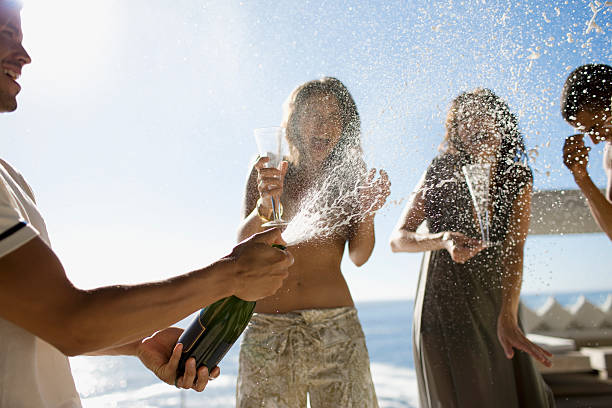
Avoid popping, which wastes bubbles and risks spillage. Keep the bottle chilled until serving. These steps ensure a controlled, elegant opening that maintains effervescence and prevents accidents, setting the tone for a refined experience.
Pouring Without Losing Bubbles
To preserve champagne’s delicate bubbles, pour in two stages at a 45-degree angle. Begin by filling the glass halfway, allowing the foam to settle, then top it off. This method reduces foam overflow and maintains carbonation. Avoid pouring straight down the center, as it agitates the wine too much.
Use a clean, dry glass—residue or moisture can accelerate bubble loss. Pour slowly and steadily, keeping the bottle close to the glass. Never fill more than three-quarters full to allow room for aromas. Holding the bottle by the base ensures better control.
These techniques ensure each glass stays fizzy, aromatic, and visually appealing from first sip to last, enhancing both flavor and presentation.
Popular Champagne Drink Mixes
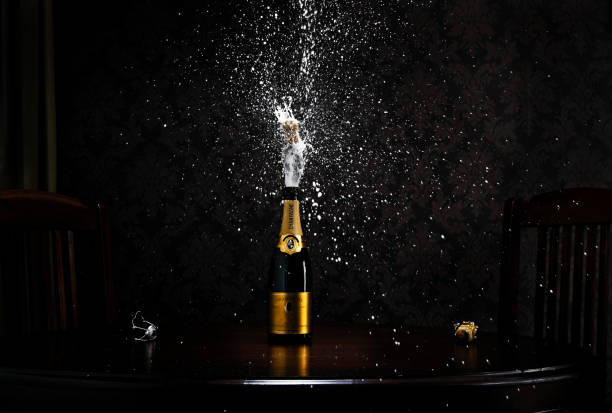
Classic Champagne Cocktails
Classic champagne cocktails elevate the drinking experience with bold flavor combinations and elegant presentation. The French 75 is a standout, blending champagne with gin, lemon juice, and simple syrup for a citrusy kick.
Another favorite is the Bellini, which mixes champagne with peach purée for a sweet, fruity finish perfect for brunch. For a touch of sophistication, try the Kir Royale, combining champagne with a splash of crème de cassis. These cocktails maintain the effervescence and lightness of champagne while adding depth.
Use chilled ingredients and fluted glasses to preserve bubbles and enhance aroma. Mastering these classics ensures you’re prepared for celebrations, offering guests a refined, memorable drink that highlights champagne’s versatility beyond sipping solo.
Fruit Juices That Mix Well
Pairing champagne with fruit juices creates refreshing, vibrant drinks ideal for any occasion. Orange juice is a popular choice, forming the base of the classic Mimosa—equal parts juice and champagne deliver a bright, citrusy balance.
For a more luxurious twist, pomegranate juice adds tartness and rich color, perfect for holiday gatherings. Cranberry juice offers a tangy contrast, especially when mixed with a hint of lime. Pineapple and grapefruit juices also complement champagne’s dryness with tropical sweetness or bitter zest.
Always use cold juice and chilled champagne to maintain fizz and flavor. These juice mixes are easy to prepare in bulk, making them excellent for brunches or parties. Experiment with proportions to match your taste, and consider garnishing with fresh fruit for an elegant touch.
Creating a Champagne Spritzer
A champagne spritzer is a light, refreshing drink that’s perfect for daytime events or warm weather. To make one, combine equal parts chilled champagne and sparkling water for a crisp, bubbly base with reduced alcohol content. Add a splash of citrus—such as fresh lemon or lime juice—to enhance brightness.
For extra flavor, muddle a few berries or fresh herbs like mint or basil in the glass before pouring. Serve over ice in a wine or highball glass to preserve carbonation. The spritzer’s effervescent simplicity makes it a crowd-pleaser, especially for those who prefer lighter drinks.
It’s also highly customizable—try adding a touch of elderflower liqueur or cucumber slices for a modern twist. This low-effort, high-reward drink keeps guests refreshed and hydrated.
Non-Alcoholic Mixers to Try
Non-alcoholic mixers open the door to inclusive, bubbly drinks everyone can enjoy. Ginger ale or ginger beer adds a spicy-sweet kick that pairs beautifully with champagne’s crispness, creating a mocktail version of a classic mimosa.
Flavored sparkling water—like lemon, lime, or raspberry—maintains effervescence while adding subtle fruit notes without added sugar. Pomegranate or apple cider (non-alcoholic) can also blend well, offering depth and seasonal flair.
For a creamy twist, try champagne with a splash of cold tea, such as hibiscus or green tea, which introduces tannins and complexity. These mixers are ideal for designated drivers or non-drinkers and can be garnished with citrus wheels or herbs for a festive touch.
The key is balancing sweetness and acidity to complement, not overpower, champagne’s delicate profile.
Champagne for Breakfast and Brunch
Best Brunch Foods to Serve
When pairing food with champagne for breakfast or brunch, light, fresh, and slightly rich dishes work best. Champagne’s crisp acidity and effervescence cut through richness while enhancing delicate flavors. Consider serving smoked salmon blinis, goat cheese crostini, or fresh fruit platters with berries and melon.
Pastries like croissants, pain au chocolat, or lemon scones complement the wine’s subtle sweetness and bubbles. Avoid overly spicy or heavy foods that can overwhelm the palate. For vegetarian options, try avocado toast with microgreens or a caprese salad.
The high acidity and bubbles in champagne cleanse the palate, making each bite feel fresh. These pairings elevate the brunch experience, ensuring every guest enjoys a harmonious balance of flavors.
How to Make a Mimosa Bar
A mimosa bar adds fun and customization to any champagne brunch. Start with chilled champagne or prosecco as the base, then offer a variety of freshly squeezed juices like orange, grapefruit, pineapple, and cranberry. Include garnishes such as citrus slices, fresh berries, mint sprigs, and edible flowers for visual appeal.
Provide tall flutes, small pitchers for juice, and labeled dispensers for easy self-service. Add sparkling non-alcoholic options for guests who prefer no alcohol. Encourage guests to mix ratios to taste—typically 2 parts champagne to 1 part juice is ideal.
A mimosa bar not only looks impressive but also invites interaction, making your brunch feel festive, personalized, and effortlessly elegant.
Savory vs Sweet Pairings
Balancing savory and sweet pairings with champagne enhances the overall brunch experience. Savory options like prosciutto-wrapped asparagus, quiches, or herbed goat cheese align beautifully with champagne’s crispness and minerality. The saltiness in these foods contrasts the wine’s acidity, creating a refreshing bite.
On the sweet side, treats like lemon curd tarts, berry parfaits, or almond pastries highlight the subtle fruit notes in the champagne without overpowering it. Avoid overly sweet desserts that can make the wine taste flat. The key is contrast and balance—richness countered by bubbles, sweetness offset by acidity.
Thoughtful pairing ensures each course complements the champagne, keeping flavors vibrant from first sip to last bite.
Champagne and Eggs Benedict Tips
Eggs Benedict is a classic brunch dish that pairs exceptionally well with champagne. The rich, creamy hollandaise and velvety poached eggs are cut through by champagne’s bright acidity and effervescence, cleansing the palate with each sip.
For best results, use lightly toasted English muffins and high-quality Canadian bacon or smoked salmon to add depth without heaviness. Serve the dish warm but not hot, allowing the champagne’s cool temperature to contrast pleasantly. Choose a brut or extra brut champagne to avoid sweetness overwhelming the dish.
Present both elegantly on chilled plates and in flutes to enhance the experience. This pairing delivers a luxurious, balanced harmony that feels celebratory and satisfying, perfect for special weekend mornings.
Pairing Champagne with Desserts
Light Pastries and Macarons
Light pastries and macarons are ideal companions for brut or extra brut champagne due to their delicate textures and subtle sweetness. The crisp acidity and fine bubbles in dry champagne cut through the buttery richness of croissants, madeleines, or choux pastry, refreshing the palate with each sip.
Macarons, with their slightly chewy interior and nutty flavor, pair beautifully with the nuanced notes of yeast and citrus often found in traditional method sparkling wines. Opt for flavors like vanilla, pistachio, or raspberry to complement rather than overpower the champagne.
The key is balance—avoid overly sweet fillings that can clash with the wine’s dryness. This pairing works especially well for afternoon celebrations or bridal showers, where elegance and lightness are the focus.
Strawberries and Cream
Few pairings are as classic as champagne with fresh strawberries and lightly sweetened cream. The natural acidity and red fruit notes in champagne harmonize with the bright tartness of ripe strawberries, while the cream adds a silky richness that softens the wine’s effervescence.
Use minimal sugar in the cream to avoid overwhelming the champagne’s dry profile. This combination highlights the strawberry and raspberry undertones often present in rosé champagne, making it a particularly elegant match. Serve chilled strawberries with a dollop of whipped cream on the side for dipping.
This dessert is perfect for romantic dinners or festive brunches, offering a simple yet sophisticated experience that enhances both the food and the wine.
Tart Desserts That Balance Sweetness
Tart desserts like lemon tart, passionfruit curd, or key lime pie are excellent choices to serve with champagne, especially drier styles like brut nature or extra dry. The high acidity in these desserts mirrors the wine’s own acidity, creating a harmonious balance that prevents either element from tasting flat.
Champagne’s bubbles help cleanse the palate after each tangy bite, enhancing the refreshing quality of the pairing. Avoid heavy crusts or excessive sugar—a light, buttery shortbread base works best.
Citrus-based desserts highlight the bright, zesty notes in many champagnes, making this combination ideal for warm-weather gatherings or as a finale to a multi-course meal where freshness is key.
Avoiding Overly Sweet Combinations
Pairing champagne with overly sweet desserts like chocolate cake, caramel flan, or syrupy pastries can dull its delicate flavors and make the wine taste flat or sour. Most champagnes, especially brut varieties, are drier than the dessert, causing a clash in sweetness levels that overwhelms the palate.
To avoid this, either choose drier desserts or select a demi-sec (slightly sweet) champagne if serving richer sweets. Even then, moderation is crucial—pair small bites with small sips. The goal is harmony, not competition.
For chocolate lovers, consider a champagne with brioche and nutty notes alongside a lightly sweetened cocoa-dusted mousse rather than dense fudge. This mindful approach preserves the elegance and effervescence that make champagne special.
Champagne at Parties and Celebrations
Appetizers That Impress Guests
When serving champagne at parties, pair it with elegant, light appetizers that enhance its crisp, bubbly character. Classic pairings include oysters on the half shell, smoked salmon on blinis with crème fraîche, and goat cheese crostini with honey and figs.
The acidity and effervescence of champagne cut through rich flavors, making creamy or fatty foods ideal companions. Try delicate prosciutto-wrapped asparagus or mini shrimp cocktails for a refined touch. Avoid overly spicy or heavy dishes that can overpower the wine’s subtlety.
Fresh ingredients and balanced flavors ensure each bite complements the champagne’s brightness. These pairings not only elevate the tasting experience but also leave guests impressed with your thoughtful, sophisticated menu planning for any celebration.
Make-Ahead Snacks for Large Groups
For large gatherings, prepare champagne-friendly snacks in advance to reduce stress and maximize guest interaction. Mini quiches, stuffed mushrooms, and caprese skewers with cherry tomatoes, mozzarella, and basil are flavorful, easy to assemble ahead of time, and pair beautifully with bubbly.
Use phyllo cups filled with herbed goat cheese or crab salad for an elegant touch. These make-ahead options maintain quality when chilled and can be brought out just before serving. Avoid items that become soggy or lose freshness. Pre-slicing breads and pre-measuring dips streamlines presentation.
With thoughtful preparation, you’ll offer delicious, low-effort pairings that harmonize with champagne while freeing you to enjoy the celebration alongside your guests.
Champagne Fountain Food Pairings
A champagne fountain is a show-stopping centerpiece, and the right foods enhance both flavor and experience. Focus on bite-sized, non-messy treats that guests can enjoy while standing. Fresh berries like strawberries and raspberries are perfect for dipping in chocolate and pairing with flowing bubbles.
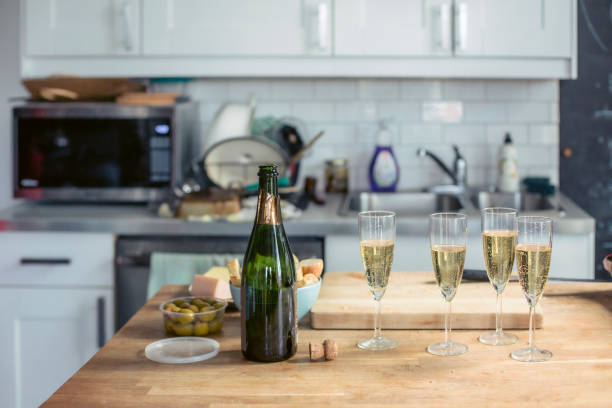
Offer mini pastries, such as fruit tarts or cream puffs, which complement the sweetness of demi-sec champagnes. Cheese cubes and marinated olives provide savory balance. Avoid greasy or crumbly foods that could disrupt the fountain’s flow. These pairings encourage mingling and grazing, making them ideal for interactive, festive settings.
Thoughtful choices ensure the fountain remains a highlight while keeping the taste experience delightful and seamless.
Serving Suggestions for Events
To elevate your champagne service, follow professional serving practices that ensure optimal taste and guest satisfaction. Chill bottles to 45–48°F (7–9°C) and serve in flutes or tulip glasses to preserve bubbles and aroma. Open bottles quietly by twisting the bottle, not the cork, for a controlled pour.
Offer a range of styles—brut for dry preferences and demi-sec for sweeter palates—to accommodate all guests. Designate a champagne station with labeled bottles, ice buckets, and glassware for easy access. Consider pairing flights with small tasting cards to educate and engage. Replenish glasses promptly and monitor temperature throughout the event.
These details create a polished, welcoming atmosphere that enhances any celebration’s elegance and flow.
Choosing the Right Champagne Type
Brut vs Extra Brut Differences
Understanding the difference between Brut and Extra Brut is key to pairing champagne with the right foods. Brut champagne has a dry profile with up to 12 grams of sugar per liter, making it versatile for appetizers like oysters, goat cheese, or smoked salmon.
It balances acidity and subtle fruit notes, enhancing savory flavors without overwhelming them. Extra Brut, drier with less than 6 grams of sugar per liter, is ideal for low-sugar or salt-forward dishes such as raw bar selections or crisp vegetable crudités.
Its crisp, clean finish highlights delicate textures and avoids clashing with subtle seasonings. Choose Brut for broader food compatibility and Extra Brut when emphasizing purity and minerality in both the wine and dish.
Rosé Champagne Food Matches
Rosé champagne, with its vibrant color and red fruit notes like strawberry and raspberry, pairs beautifully with a wide range of dishes. Its slightly fuller body and balanced acidity make it excellent with richer appetizers such as duck pâté, grilled shrimp, or seared tuna.
The subtle berry undertones also complement mildly spiced Asian cuisine or herbed goat cheese. For brunch, try it with salmon benedict or roasted vegetable quiche—its effervescence cuts through richness while enhancing savory and umami flavors. Avoid overly sweet or heavy dishes that might dull its freshness.
Rosé champagne shines when matched with colorful, flavorful foods that mirror its complexity, making it a versatile choice for both starters and light mains.
Sweet Champagne and Dessert Pairing
When pairing sweet champagne—such as Demi-Sec or Doux—with desserts, the key is to ensure the dessert is no sweeter than the wine to avoid a flat, sour taste.
These champagnes, with their honeyed notes and ripe fruit flavors, pair exquisitely with fruit-based sweets like apple tart, lemon meringue pie, or poached pears. They also balance dark chocolate’s bitterness when served in moderation. Avoid overly rich or creamy desserts like cheesecake unless they include tart fruit compotes.
Sweet champagne works best when it enhances, rather than competes with, dessert flavors. For a standout pairing, try it with almond cake or vanilla panna cotta topped with berries—its bubbles cleanse the palate and elevate the sweetness experience.
Vintage vs Non-Vintage Uses
Choosing between vintage and non-vintage champagne depends on the occasion and food pairing goals. Non-vintage champagne, blended from multiple years, offers consistency and freshness, making it ideal for toasts, casual gatherings, and pairing with light hors d’oeuvres like canapés or sushi. Its bright acidity and approachable profile suit everyday celebrations.
Vintage champagne, made from a single exceptional year, has greater depth, complexity, and aging potential, making it perfect for milestone events and pairing with more substantial dishes like roasted poultry, truffle risotto, or aged cheeses. Serve vintage champagne slightly warmer (around 50°F) to unlock its full aroma.
Use non-vintage for versatility and vintage for elevated moments and refined pairings.
Frequently Asked Questions
What foods pair well with champagne?
Champagne pairs beautifully with light, fresh foods such as oysters, caviar, and seafood due to its crisp acidity and effervescence. It also complements salty snacks like popcorn or fried appetizers, as well as creamy cheeses like brie and camembert.
Can you serve champagne with dessert?
Yes, champagne pairs well with desserts like fresh berries, fruit tarts, and light pastries. Opt for brut or extra brut champagne to avoid overly sweet combinations that can overpower the drink.
What savory dishes go best with champagne?
Savory pairings include smoked salmon, crab cakes, and roasted chicken. The acidity and bubbles in champagne cut through richness and enhance delicate flavors in these dishes.
Is champagne good with cheese?
Champagne pairs especially well with soft, creamy cheeses such as brie, goat cheese, and triple crème varieties. The wine’s acidity balances the richness, creating a harmonious flavor profile.
What snacks are ideal for a champagne toast?
Ideal snacks include mini quiches, shrimp cocktail, bruschetta, and stuffed mushrooms. These bite-sized options are elegant and complement champagne’s refreshing character.
Does champagne go with spicy food?
Champagne is generally not ideal for very spicy dishes as the carbonation can amplify heat. However, off-dry or rosé champagnes may better balance mild spice in foods like Thai or Indian cuisine.
Conclusion
Champagne pairs beautifully with a variety of foods, from salty snacks like popcorn to rich dishes like oysters and fried chicken. Its acidity and bubbles cut through fatty flavors, enhancing the dining experience. For desserts, opt for fruit-based treats or dark chocolate. Beyond food, elegant glassware and festive occasions elevate the enjoyment. Whether celebrating a milestone or savoring a quiet moment, champagne brings sparkle to any event—so pop a bottle, explore pairings, and toast to life’s special pleasures.