What Dessert Pairs Well With Champagne
Looking for the perfect dessert to enjoy with champagne? You’re in the right place. The good news is, champagne pairs beautifully with a variety of sweet treats that enhance its bubbly elegance. From light and citrusy desserts to rich chocolate and fresh berries, the key is balancing flavors and textures. In this guide, we’ll quickly walk you through the top dessert choices that not only match but elevate your champagne experience—making every sip and bite a celebration.
Best Desserts to Pair with Champagne
Light Fruit-Based Desserts
Light fruit-based desserts are ideal companions for champagne because their natural sweetness and acidity complement the wine’s crisp, effervescent character without overwhelming it. Opt for fresh berries, poached pears, or a vibrant fruit tart with a buttery crust.
The brightness of citrus or stone fruits enhances the floral and fruity notes often found in both blanc de blancs and rosé champagnes. A simple strawberry shortcake or a lemon sorbet can cleans the palate while harmonizing with the bubbles.
Avoid overly sweet fruit glazes or syrups, which can clash with champagne’s dryness. Instead, focus on fresh, minimally processed fruits to maintain balance. These desserts not only elevate the tasting experience but also keep the pairing refreshing and elegant.
Classic French Pastries
Classic French pastries bring elegant simplicity that pairs beautifully with champagne’s sophistication. Delicate options like choux à la crème, madeleines, or palmiers offer just enough sweetness and buttery richness to match the wine’s complexity without dominating it.
The light, airy texture of profiteroles filled with vanilla cream enhances the effervescence, while the subtle caramel drizzle adds a hint of depth. Avoid overly dense or custard-heavy pastries, as they can dull the palate.
Instead, choose pastries with a crisp exterior and soft interior to mirror champagne’s contrast of bubbles and smoothness. These timeless treats elevate brunch or evening pairings, making them perfect for celebrations where both flavor and presentation matter.
Chocolate Treats That Work
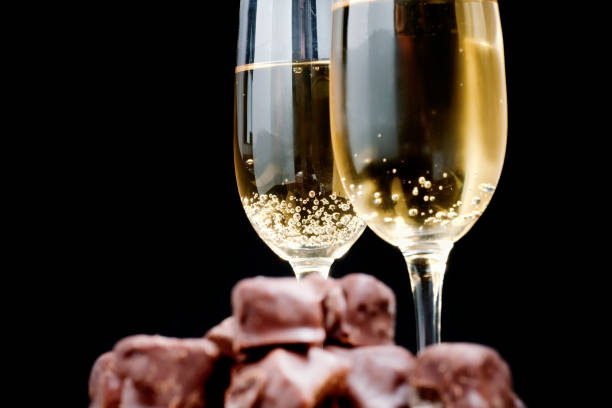
While rich chocolate can overpower champagne, the right chocolate desserts enhance its nutty and toasty notes. Choose dark chocolate with at least 70% cocoa in modest portions, such as truffles or delicate mousse, to avoid sweetness overload.
The bitter edge of dark chocolate contrasts beautifully with champagne’s acidity and bubbles, creating a balanced, luxurious experience. Milk chocolate can work with sweeter demi-sec champagnes, but pair sparingly to maintain harmony. Consider chocolate-dipped strawberries or a flourless chocolate cake with raspberry coulis for added brightness.
Avoid heavy ganaches or overly sweet chocolate cakes, which mute the wine’s finesse. When matched thoughtfully, chocolate and champagne create a sophisticated, celebratory duo that delights the senses.
Cheese and Dessert Combos
Cheese and dessert pairings with champagne offer a unique blend of sweet and savory that highlights the wine’s versatility. Opt for creamy, mild cheeses like brie or cambozola served alongside honey-drizzled figs or pear slices.
The richness of the cheese contrasts with champagne’s acidity, while the fruit adds a natural sweetness that enhances the bubbles. A small charcuterie-style dessert board with marcona almonds, dried apricots, and a touch of quince paste can serve as an elegant alternative to traditional sweets.
Avoid overly pungent or salty cheeses, which can clash with the wine’s delicate profile. These combinations are perfect for festive gatherings, offering guests a refined, multi-layered tasting experience that lingers pleasantly.
How Champagne Flavor Affects Pairing
Dry vs. Sweet Champagne Profiles
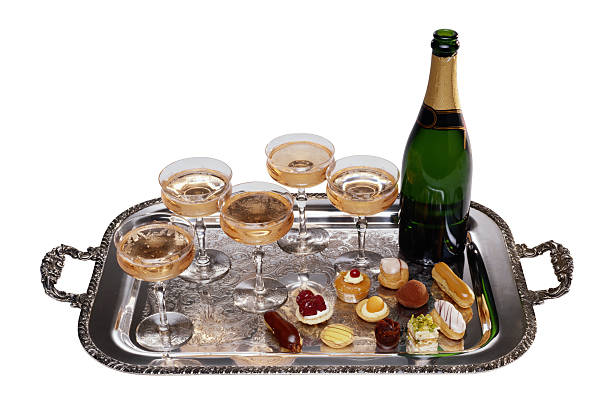
When pairing desserts with champagne, matching sweetness levels is crucial to avoid clashing flavors. Brut Nature or Extra Brut champagnes, which are very dry, pair best with desserts that are not overly sweet, such as almond biscotti, lemon tart, or fruit-based desserts with a tart edge.
These champagnes won’t be overpowered by the dessert and help cleanse the palate between bites. Conversely, semi-sweet or demi-sec champagnes are ideal for richer, sweeter desserts like crème brûlée, fruit tarts with honey glaze, or vanilla panna cotta.
The subtle sugar in these champagnes balances the dessert’s sweetness, creating a harmonious flavor experience. Always aim to have the champagne slightly drier than the dessert to prevent a flat or sour taste.
Understanding these profiles allows you to elevate both the drink and dish, making each bite and sip more enjoyable.
Acidity and Bubbles in Pairing
The high acidity and effervescence of champagne make it a uniquely versatile companion for desserts. The bubbles lift rich textures and cut through sweetness, refreshing the palate with every sip. This makes champagne especially effective with buttery or creamy desserts like cheesecake, lemon meringue pie, or chocolate mousse.
The acidity balances sugary notes, while the fizz enhances mouthfeel, preventing the pairing from feeling heavy. For fruit-forward desserts—such as strawberry shortcake or poached pears—the bright citrus and green apple notes in many champagnes echo the fruit’s natural tartness, creating a cohesive flavor bridge.
Avoid pairing highly acidic champagnes with very sweet, dense desserts unless the champagne has some residual sugar. Instead, use acidity to your advantage by matching it with desserts that have a tangy or zesty component, ensuring a dynamic and refreshing dessert experience.
How Vintage Impacts Dessert Choice
Vintage champagne, made from grapes of a single exceptional year, tends to have deeper complexity, richer body, and nuanced flavors like dried fruit, nuts, and brioche—qualities that influence dessert pairing choices.
These mature profiles pair beautifully with sophisticated desserts such as flourless chocolate cake, spiced poached pears, or caramelized figs with mascarpone. The oxidative notes and lower acidity in older vintages complement desserts with depth rather than bright sweetness.
In contrast, non-vintage champagnes, with their consistent freshness and crispness, suit lighter desserts like macarons or fruit sorbets. When selecting a dessert for vintage champagne, prioritize richness and subtlety over sugar overload to match its elegance. The goal is to mirror or contrast its mature character without overwhelming it.
This mindful pairing ensures both the dessert and the vintage champagne shine, offering a refined and memorable tasting experience.
Tips for Pairing Desserts with Different Champagne Types
Matching Brut with Citrus Desserts
Brut champagne, with its crisp acidity and dry profile, pairs exceptionally well with citrus-based desserts that aren’t overly sweet. Think of treats like lemon tart, orange chiffon cake, or key lime pie—these desserts highlight the bright, zesty notes in Brut without overwhelming its delicate balance.
The high acidity in both the champagne and the dessert creates a refreshing contrast that cleanses the palate with each bite. To maximize harmony, avoid heavy buttercreams or sugary glazes that can mute the champagne’s effervescence.
Instead, opt for desserts with light textures and fresh fruit elements, which allow the subtle apple, pear, and citrus undertones in Brut to shine. A squeeze of fresh lemon zest on a shortbread cookie or a dollop of citrus curd can elevate the pairing further.
Chilling both the champagne and dessert ensures a cohesive, refreshing experience perfect for warm-weather gatherings or celebratory brunches.
Using Rosé Champagne with Berries
Rosé champagne, known for its floral aroma and subtle red fruit notes, complements desserts featuring fresh berries and light creams. The natural strawberry, raspberry, and cherry hints in Rosé harmonize beautifully with fruit tarts, berry pavlovas, or a simple bowl of macerated strawberries.
Its balanced acidity and slight sweetness enhance the fruit’s natural juiciness without overpowering delicate flavors. For best results, choose desserts with minimal added sugar to preserve the champagne’s elegance. A mousse made with fresh raspberries or a berry compote layered in a crepe can elevate the pairing.
The creamy textures also contrast nicely with the champagne’s lively bubbles. Avoid overly rich chocolate or dense cakes, which can clash with Rosé’s nuanced profile. Serving the champagne well-chilled and the dessert slightly cool ensures a refreshing, cohesive experience ideal for romantic dinners or afternoon celebrations.
Sweet Champagne and Rich Desserts
Sweet champagne, such as demi-sec or doux, is perfectly suited for rich, decadent desserts because its higher sugar content balances intense flavors like chocolate, caramel, and nuts.
Pairing a velvety chocolate mousse, crème brûlée, or bread pudding with sweet champagne creates a luxurious experience where the wine’s honeyed notes enhance the dessert’s depth without making it cloying. The effervescence cuts through richness, cleansing the palate and preparing it for the next bite.
To achieve harmony, match the sweetness levels—a dessert that’s too sweet can overwhelm even a demi-sec champagne. Consider adding a hint of sea salt or spice, like cinnamon or espresso, to add complexity. A chocolate torte with a raspberry coulis or a caramel-filled tart pairs exceptionally well.
Serve the champagne well-chilled but not ice-cold to allow its aromatic profile to unfold. This pairing is ideal for cozy evenings or holiday celebrations, offering indulgence with elegance.
Easy Make-Ahead Desserts for Champagne Events
Champagne-Soaked Fruit Cups
Champagne-Soaked Fruit Cups are a refreshing, elegant dessert that pairs perfectly with the crisp, bubbly notes of champagne. To prepare, combine diced strawberries, raspberries, and green grapes in a bowl, then gently mix with chilled champagne and a touch of honey or simple syrup.
Let the mixture marinate for at least two hours—or overnight—for maximum flavor infusion. Serve in small glass cups garnished with fresh mint for a light, effervescent finish that complements the acidity and dryness of the champagne.
These cups are ideal for make-ahead preparation, as the flavors deepen over time without compromising texture. They’re also naturally gluten-free and can be adapted for vegan diets by ensuring the sweetener is plant-based. The natural fruit sugars balance the dryness of the champagne, enhancing both the drink and dessert.
This pairing works especially well with brut or extra-dry champagnes, creating a harmonious, celebratory experience.
Mini Lemon Tarts
Mini Lemon Tarts offer a bright, zesty contrast that enhances the crisp, clean profile of champagne. Their tangy citrus filling cuts through the richness of creamy desserts and complements the wine’s acidity, making them a perfect palate-cleansing treat.
Prepare the tarts ahead by baking the shortbread crusts and filling them with smooth lemon curd up to two days in advance. Chill until serving, then garnish with a thin lemon slice or a sprinkle of powdered sugar for an elegant touch.
The balance of sweet and sour in the tarts mirrors the complexity of quality champagne, creating a sophisticated pairing. Use a buttery, flaky crust for texture contrast without overwhelming the delicate bubbles. These individual servings are easy to transport and serve, making them ideal for events.
For best results, serve the tarts well chilled alongside chilled glasses of brut or blanc de blancs champagne.
No-Bake Chocolate Mousse
No-Bake Chocolate Mousse delivers a rich yet airy indulgence that pairs surprisingly well with champagne when balanced correctly. Use high-quality dark chocolate (60-70% cacao) to avoid excessive sweetness, which can clash with dry champagne.
Whip egg whites or aquafaba for a light texture, or use chilled heavy cream folded gently into melted chocolate for a creamy, luxurious result. Chill the mousse in individual serving glasses for at least four hours—perfect for make-ahead convenience.
A small scoop allows guests to enjoy the decadence without overwhelming the palate. Add a hint of orange zest or a raspberry garnish to elevate the pairing, as fruity notes harmonize with champagne’s subtle berry undertones.
Serve with a dry rosé champagne for a luxurious contrast between berry-chocolate richness and sparkling wine brightness. This dessert proves that even chocolate can shine alongside champagne with thoughtful preparation and portion control.
Dessert Pairings for Special Occasions
Wedding Cake and Champagne Tips
When pairing dessert with champagne for a wedding, opt for light, delicate flavors that won’t overpower the bubbly. Classic choices include vanilla bean, almond, or lemon-infused wedding cakes with soft buttercream or Swiss meringue frosting—these complement the crisp acidity and effervescence of champagne.
Avoid overly rich or chocolate-heavy tiers, as they can dull the wine’s brightness. Naked or semi-naked cakes with fresh berries and edible flowers enhance both visual appeal and taste harmony. For dessert bars, consider mini options like champagne-poached pears, lemon tarts, or macarons in pastel hues.
Serve champagne well-chilled (around 45°F) to heighten its refreshing quality. Coordinate with your caterer to time dessert service just before or during the toast for maximum impact. Remember, balance is key—let both the cake and champagne shine without competing for attention.
New Year’s Eve Pairing Ideas
Celebrate New Year’s Eve with champagne-friendly desserts that elevate the festive atmosphere. Mini fruit tarts filled with raspberry, passionfruit, or citrus curd provide a bright, tangy contrast that enhances champagne’s natural acidity. Chocolate-dipped strawberries or white chocolate truffles with a hint of citrus offer indulgence without overwhelming the palate.
For a sophisticated twist, serve champagne sorbet in chilled flutes—its light, bubbly texture mirrors the drink itself. Consider a dessert charcuterie board with an assortment of macarons, mini cheesecakes, and candied nuts for variety.
Avoid overly sweet or dense desserts like fudge or heavy custards, which can clash with champagne’s crisp profile. Serve desserts just before midnight to align with the toast, creating a seamless, celebratory experience. These pairings ensure your guests enjoy a harmonious, elegant finish to the year.
Anniversary Dessert Suggestions
For anniversary celebrations, choose elegant, intimate desserts that reflect the sophistication of champagne. A dark chocolate soufflé with a molten center pairs beautifully with brut champagne—the bitterness of the chocolate balances the wine’s dryness.
Alternatively, poached figs with honey and mascarpone offer a luxurious, refined option that complements champagne’s subtle nutty and brioche notes. Individual pavlovas topped with fresh berries and whipped cream provide a light, airy texture that enhances the bubbles.
Consider incorporating a personal touch, like a custom cake topper or a dessert named after your first date. Serve in small portions to maintain elegance and allow room for conversation. Chill both dessert and champagne to ensure a refreshing experience.
These thoughtful pairings not only delight the palate but also symbolize the sweetness and sparkle of lasting love.
Common Mistakes in Champagne and Dessert Pairing
Avoiding Overly Sweet Combinations
One of the most common mistakes in pairing champagne with dessert is choosing overly sweet treats that overpower the wine. Champagne, especially brut or extra brut varieties, has bright acidity and subtle sweetness that can be completely overshadowed by desserts like fudge brownies or caramel cheesecake.
When the dessert is sweeter than the champagne, the wine tastes flat and sour in comparison. To achieve balance, opt for desserts with moderate sweetness, such as lemon tart, almond cake, or fresh fruit-based pastries. These allow the champagne’s crispness and nuanced fruit notes to shine.
Pairing with slightly less sweet desserts also enhances the perception of richness in the wine, creating a harmonious experience. Remember, the goal is synergy—where neither the dessert nor the champagne dominates. By avoiding cloying confections, you preserve the elegance of the champagne while elevating the overall tasting experience.
Don’t Ignore Temperature
Serving temperature significantly impacts how well a dessert pairs with champagne. Champagne should always be well-chilled—ideally between 45°F and 50°F (7°C–10°C)—to preserve its effervescence and refreshing acidity. If the champagne is too warm, it loses its crispness and the bubbles dissipate too quickly, making it taste flat alongside dessert.
Conversely, desserts that are too cold—like frozen mousses or ice cream straight from the freezer—can numb the palate, preventing full appreciation of the champagne’s complexity. Allow chilled desserts to sit for a few minutes before serving to bring out their flavors.
Serving both elements at their ideal temperatures ensures a vibrant, balanced pairing. For example, a chilled strawberry shortcake with a perfectly cooled brut champagne enhances both components. Temperature harmony is subtle but essential—don’t overlook it when crafting your perfect pairing.
Mismatched Texture Pitfalls
Texture plays a surprisingly vital role in champagne and dessert pairings, and mismatched consistencies can disrupt the experience. Champagne’s fine bubbles and light body pair best with desserts that have a delicate or creamy texture, such as panna cotta, mousse, or soufflé.
Heavy, dense desserts like dense chocolate cake or sticky toffee pudding can overwhelm the wine’s elegance, making each sip feel thin or abrupt. The effervescence in champagne acts as a palate cleanser, cutting through creamy richness when textures align.
For example, a silky lemon curd tart with a buttery crust complements the wine’s crispness beautifully. On the other hand, overly chewy or dry desserts create a jarring contrast. Choose desserts with a light, airy, or smooth mouthfeel to match champagne’s finesse.
By aligning texture, you create a seamless transition between bite and sip, enhancing both elements in a way that feels natural and indulgent.
Serving and Presentation Tips
Chill Desserts Properly
To maximize the harmony between champagne and dessert, ensure your sweet treat is properly chilled before serving. Cold desserts like chilled fruit tarts, panna cotta, or lemon mousse complement the crisp, effervescent nature of champagne by refreshing the palate with each bite.
Serving desserts at the ideal temperature—typically between 38°F and 45°F—helps preserve the delicate balance of sweetness and acidity, preventing the dessert from overwhelming the wine’s subtle notes. Avoid serving desserts at room temperature, as warmth can intensify sweetness and dull champagne’s vibrant bubbles.
For layered presentations like parfaits or frozen mousses, refrigerate for at least two hours before serving. Chilling not only enhances texture but also ensures each component—creamy, fruity, or crisp—delivers a clean, refreshing contrast to the wine’s effervescence. This temperature synergy makes every bite-and-sip combination feel intentional and elegant.
Use the Right Glassware
Selecting the appropriate glassware significantly elevates the champagne and dessert experience. Opt for tulip-shaped champagne flutes or white wine glasses, which preserve carbonation while allowing aromas to develop. These glasses concentrate the delicate floral and citrus notes in the champagne, making them more pronounced when paired with dessert.
Avoid wide, shallow coupes—they may look classic but cause bubbles to dissipate too quickly. When serving desserts on plates, keep them small and refined, matching the elegance of the glass. Consider placing the dessert to the upper left of the champagne flute for balanced visual appeal.
For plated desserts with sauces, use a clean swipe rather than a pool to maintain sophistication. Proper glassware enhances both aroma and presentation, turning a simple pairing into a curated sensory journey that highlights the best qualities of both the champagne and the sweet course.
Garnishes That Enhance Both
Thoughtful garnishes can bridge the flavor profiles of dessert and champagne, creating a seamless tasting experience. Use edible flowers, citrus zest, or fresh berries as finishing touches—they add visual sparkle and subtle flavor accents that mirror champagne’s bright, fruity notes.
A twist of lemon zest over a vanilla custard or a few raspberries atop a chocolate-dipped shortbread can echo the wine’s acidity and effervescence. Avoid overly sweet or artificial garnishes, which can clash with champagne’s dryness.
Instead, opt for mint leaves, gold leaf flakes, or a dusting of powdered sugar for elegance without overpowering. Garnishes should enhance, not dominate—a light touch ensures balance. When plating, place garnishes strategically to guide the eye and palate, creating a cohesive presentation.
These small details elevate the pairing from casual to celebratory, making each bite and sip feel intentional and harmonious.
Frequently Asked Questions
What types of desserts pair best with champagne?
Light, fruity desserts like strawberry shortcake, lemon tart, or fresh berry pavlova pair exceptionally well with champagne. Their bright acidity and sweetness complement the bubbles and crispness of the wine without overwhelming it.
Can I serve chocolate with champagne?
Yes, but choose wisely. Dark chocolate with a high cocoa content (70% or more) pairs better with dry or brut champagne due to its bitterness balancing the sweetness. Avoid milk or overly sweet chocolates, which can clash with the wine’s acidity.
Are creamy desserts a good match for champagne?
Yes, creamy desserts like crème brûlée or panna cotta work well, especially if they include citrus or fruit elements. The champagne’s effervescence cuts through the richness, cleansing the palate with each sip.
Should dessert pairings match the sweetness of the champagne?
Ideally, the dessert should be slightly sweeter than the champagne to avoid making the wine taste flat or sour. For example, pair demi-sec (slightly sweet) champagne with moderately sweet desserts.
What fruit-based desserts go well with champagne?
Champagne pairs beautifully with desserts featuring berries, peaches, or citrus. Try a mixed berry sorbet or a champagne-poached pear for an elegant and refreshing combination.
Is it okay to serve cake with champagne?
Yes, light sponge cakes like angel food or champagne cupcakes with fruit fillings pair nicely. Avoid dense, heavy cakes that can overpower the delicate flavors of the champagne.
How does the type of champagne affect dessert pairing?
Brut champagne pairs well with tart or less sweet desserts, while rosé champagne complements berry-based or slightly richer desserts. Sweeter champagnes like demi-sec can handle desserts with more sugar.
Conclusion
Champagne pairs beautifully with light, elegant desserts like fruit tarts, macarons, and delicate pastries that complement its effervescence and acidity. Avoid overly sweet treats that can overpower its subtle flavors. The key is balance—opt for desserts with citrus, berries, or a hint of cream. These pairings enhance both the champagne and the dessert, creating a luxurious experience. Try these combinations at your next celebration and elevate your dessert course with sparkling sophistication.