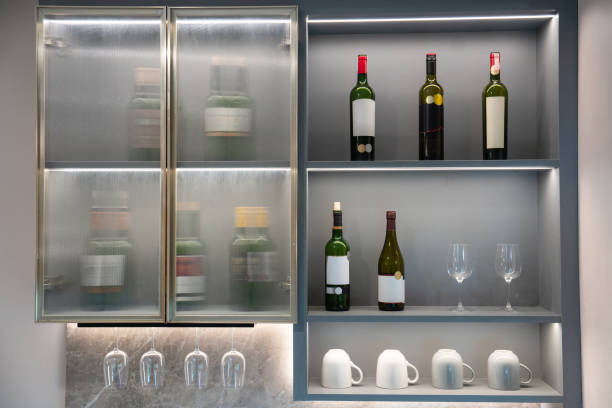
Temperature For Red Wine Storage
Wondering about the ideal temperature for red wine storage? You’re not alone—and getting it right matters. Too warm, and your wine ages too fast; too cold, and it can lose flavor. The sweet spot? Between 55°F and 65°F, with 55°F being ideal for long-term storage. This range preserves aroma, balance, and complexity. In this guide, we’ll break down why temperature stability matters, how to store red wine at home, and what happens if it’s too hot or cold—so your next bottle tastes just as the winemaker intended.
What Is the Ideal Temperature for Red Wine Storage
Standard Temperature Range for Red Wines
The ideal temperature for red wine storage is between 55°F and 65°F (13°C to 18°C). This range helps preserve the wine’s chemical balance, ensuring that aging occurs gradually and flavors develop fully.
Temperatures above this range can accelerate aging, leading to flat or cooked flavors, while colder conditions may slow aging too much and cause corks to dry out. Storing red wine at a steady 55°F is often recommended, especially for long-term cellaring.
Avoid fluctuations and heat spikes, such as those near ovens or in garages. For short-term storage (up to a few months), slightly broader ranges are acceptable, but consistency remains key to maintaining quality and preventing spoilage.
How Vintage Affects Storage Temperature
The vintage year of a red wine influences its ideal storage temperature due to variations in grape ripeness, acidity, and tannin structure.
Older vintages, especially those meant for long aging like Bordeaux or Barolo, benefit from being stored at the cooler end of the spectrum—around 55°F (13°C)—to slow oxidation and preserve delicate aromas.
Younger, robust vintages with high tannins can tolerate slightly warmer conditions, up to 65°F (18°C), which may encourage gradual softening. Monitoring vintage-specific needs helps optimize maturation. Always store vintage wines away from temperature swings, as fluctuations can damage aging potential.
Researching the producer’s recommendations can further refine your storage approach for optimal results.
Differences Between Light and Full-Bodied Reds
Light-bodied reds like Pinot Noir and Gamay are more delicate and should be stored at the cooler end of the ideal range—55°F to 60°F (13°C to 16°C)—to preserve their bright fruit characteristics and acidity.
In contrast, full-bodied reds such as Cabernet Sauvignon, Syrah, and Malbec can be stored slightly warmer, around 60°F to 65°F (16°C to 18°C), to support the slow integration of tannins and complex flavors. Matching storage temperature to body type helps each wine evolve properly over time.
Storing lighter wines too warm risks flattening their aromas, while keeping fuller wines too cold may stall development. Understanding these style-based differences enhances long-term aging outcomes and ensures peak enjoyment when opened.
Why Consistent Temperature Matters
Temperature consistency is just as crucial as the target range when storing red wine. Frequent fluctuations cause wine to expand and contract, which can push the cork out slightly and allow oxygen ingress, leading to oxidation and spoilage.
Even daily swings of 10°F or more can degrade wine quality over time. A stable environment prevents premature aging and helps maintain the wine’s intended balance of fruit, tannin, and acidity. Avoid storing wine in areas like kitchens, attics, or garages, where temperatures vary widely.
Instead, use a dedicated wine cooler or climate-controlled cellar. Consistency supports long-term aging and ensures that when you open a bottle, it tastes as the winemaker intended—fresh, vibrant, and true to its origin.
How Temperature Affects Wine Quality

Chemical Reactions in Wine at High Temperatures
Elevated temperatures accelerate chemical reactions in red wine, leading to premature aging and degradation of flavor compounds. When stored above 70°F (21°C), wine undergoes rapid oxidation and the breakdown of delicate aromas, resulting in flat, dull, or cooked flavors.
Heat increases pressure inside the bottle, which can push the cork slightly out and allow air leakage, further spoiling the wine. Additionally, phenolic compounds responsible for color and tannin structure can degrade, causing browning and loss of complexity.
To preserve quality, red wines should be kept in environments where temperatures remain consistently below 68°F (20°C). Avoid storing wine near ovens, radiators, or in attics where heat fluctuates dramatically.
Signs of Heat-Damaged Wine
Heat-damaged red wine exhibits several telltale signs that indicate compromised quality. The cork may be slightly pushed out or show leakage stains on the label, a result of expanded liquid and increased internal pressure. Visually, the wine might appear browner than expected for its age due to oxidation.
On the nose, it often smells cooked, jammy, or sherry-like, lacking the fresh fruit characteristics typical of healthy red wine. The palate may feel flat or unbalanced, with muted flavors and a short finish.
If the wine tastes overly sweet or lacks acidity despite being dry, it’s likely been exposed to excessive heat. These flaws are irreversible, so early detection and proper storage are essential to preserving wine integrity.
Cold Storage Risks for Red Wine
While heat is a well-known enemy of wine, excessively cold storage also poses risks. Temperatures below 45°F (7°C) can cause tartrate crystals to form, which are harmless but may concern consumers. More critically, extreme cold slows aging too much, preventing red wine from developing complexity over time.
Frequent temperature swings between cold and warm conditions induce repeated expansion and contraction, increasing the risk of air seeping past the cork. Additionally, if wine freezes, the liquid expands and may push the cork out or crack the bottle.
For optimal aging, red wines should avoid prolonged exposure to refrigeration temperatures unless consumed soon. Stable, moderate cold—around 55°F (13°C)—is ideal, not freezing conditions.
Long-Term Aging and Temperature Stability
For red wines intended for long-term aging, temperature stability is more critical than perfect temperature. Ideally, store wine at a consistent 55°F (13°C), as this allows slow, graceful maturation without thermal stress. Fluctuations of more than 5°F (3°C) can cause chemical imbalances and hasten spoilage.
A stable environment protects the wine’s aromatic development, tannin softening, and integration of oak. Cellars or climate-controlled wine coolers are best for maintaining this equilibrium. Avoid garages or closets where temperatures vary daily. Remember, even a slightly warmer but steady environment is better than a cooler one with frequent swings.
Consistency ensures the wine evolves as intended, preserving its quality for years.
Best Ways to Store Red Wine at Home

Using a Wine Refrigerator or Cooler
A wine refrigerator or cooler is one of the most reliable ways to maintain the ideal temperature for red wine storage, which ranges between 55°F and 65°F (13°C–18°C). These units offer consistent temperature control and minimal temperature fluctuations, both critical for preserving wine quality.
Look for a dual-zone model if you also store white wines, as they require cooler temps. Place the unit in a cool, shaded area away from heat sources. Set the humidity level between 50% and 70% to prevent corks from drying out.
Avoid frequent opening of the door to reduce temperature swings. A wine cooler not only protects your investment but also ensures your red wines age gracefully and taste as intended when opened.
Choosing the Right Location in Your Home
If you don’t have a wine fridge, choose a cool, dark, and stable environment in your home. Basements are ideal because they naturally maintain a consistent temperature near 55°F–65°F and have low light exposure. Avoid storing red wine in kitchens or near appliances that generate heat, like ovens or dishwashers.
Keep bottles away from windows to prevent UV damage, which can degrade wine. Store bottles horizontally to keep corks moist and maintain a tight seal. Avoid areas with frequent vibrations, such as near laundry machines or high-traffic zones.
Stability is key—avoid spots with temperature swings, like attics or garages, which can spoil wine over time.
Avoiding Common Storage Mistakes
Many wine lovers unknowingly damage their red wines by making common storage mistakes. One major error is storing wine at room temperature (often 70°F+), which accelerates aging and can spoil the wine. Another is exposing bottles to direct sunlight or fluorescent lighting, leading to ‘light strike’—a condition that alters flavor.
Storing bottles upright for long periods dries out corks, allowing oxygen in and causing oxidation. Avoid fluctuating temperatures, such as moving wine between fridge and room frequently. Also, keep wine away from strong odors, as corks can absorb surrounding smells.
By maintaining stable, cool temps and proper positioning, you preserve the wine’s integrity and enjoy it at its best.
Tips for Storing Opened Bottles
Once opened, red wine begins to oxidize, so proper storage is essential to extend its life. Re-cork the bottle or use a wine stopper and store it in the refrigerator, even for reds—this slows oxidation and preserves flavor for 3–5 days.
For longer preservation, consider using a vacuum pump or inert gas spray to displace oxygen in the bottle. Avoid leaving opened wine at room temperature, as heat speeds up spoilage. Light exposure should still be minimized.
When ready to drink, let the wine breathe at room temperature for 15–20 minutes before serving. These simple steps help maintain the wine’s character and allow you to enjoy it fully, even after opening.
Wine Cellar Setup for Optimal Temperature
Ideal Humidity and Temperature Balance
Maintaining the ideal temperature for red wine storage—between 55°F and 65°F (13°C–18°C)—is crucial for preserving flavor and aging potential. 55°F (13°C) is widely considered optimal, especially for long-term aging. Alongside temperature, relative humidity should be kept between 60% and 70% to prevent corks from drying out and letting oxygen in.
Fluctuations in temperature can cause wine to expand and contract, potentially damaging the seal. Store bottles horizontally to keep corks moist and ensure consistent contact with wine. Avoid placing your cellar near heat sources or in areas with high foot traffic, as these can create microclimate shifts.
A stable, cool, and humid environment ensures your red wines develop complexity without spoilage or premature aging.
Insulation and Ventilation Requirements
Proper insulation is essential to maintain a steady temperature in your wine cellar, especially in areas with extreme external climates. Use R-19 insulation in walls and R-30 in ceilings to minimize thermal transfer and reduce cooling system strain.
Vapor barriers should be installed on the warm side of insulation to prevent moisture buildup. Ventilation prevents mold and mildew by allowing air circulation without introducing warm or humid outside air. Sealed, airtight rooms with controlled airflow help stabilize conditions. Avoid using standard HVAC systems, as they dehumidify excessively.
Instead, integrate passive vents or dedicated cellar ventilation units. By combining high-quality insulation with strategic airflow, you create a buffer against temperature swings and protect your red wine investment from environmental stress.
Choosing the Right Cooling System
Selecting the right cooling system is vital for maintaining the ideal red wine storage temperature. Split-system or ducted wine cellar coolers offer quiet, efficient climate control and are ideal for built-in cellars. For smaller spaces, self-contained units or through-wall coolers provide cost-effective solutions.
Ensure the unit’s BTU rating matches your cellar’s size and insulation level. Avoid standard air conditioners, as they cool too aggressively and reduce humidity. Look for models with built-in humidifiers and precision thermostats to maintain both temperature and moisture levels.
Position the unit away from direct sunlight and ensure proper airflow around the condenser. A reliable cooling system not only stabilizes temperature but also extends the lifespan of your wine collection by preventing heat damage and oxidation.
Monitoring Temperature with Digital Tools
Consistent temperature monitoring is key to successful red wine storage, and digital tools make it simple and accurate. Use wireless temperature and humidity sensors placed at multiple points in your cellar to detect hot or cold spots.
Devices like data loggers or smart hygrometers send real-time alerts to your phone if conditions fall outside the ideal range. Calibrate sensors regularly to ensure accuracy. Some advanced systems integrate with cooling units to automatically adjust settings. Continuous monitoring helps identify trends and equipment failures early, preventing costly wine damage.
By leveraging technology, you gain peace of mind and precise control, ensuring your red wines age gracefully in a stable, optimized environment.
Short-Term vs Long-Term Red Wine Storage
Temperature Needs for Wines You Plan to Drink Soon
For red wines intended for short-term consumption—within a few weeks to six months—ideal storage temperature ranges from 55°F to 65°F (13°C to 18°C). This range preserves freshness and prevents premature aging. Avoid drastic temperature swings, as they can expand and contract the wine inside the bottle, potentially compromising the seal.
A consistent, cool environment like a basement or interior closet works well. While refrigeration isn’t recommended for long-term storage, brief chilling before serving is acceptable. Keep bottles away from heat sources like ovens or direct sunlight.
If storing for less than six months, precise climate control is less critical, but stable conditions help maintain flavor and aroma integrity until you’re ready to enjoy the wine.
Best Practices for Aging Red Wines Over Years
When aging red wine for long-term development, maintaining a constant temperature of 55°F (13°C) is crucial. Fluctuations can damage delicate aging processes, leading to oxidized or flat flavors. Combine this with 50–70% humidity to keep corks from drying out and letting air in.
Store bottles horizontally to keep corks moist and sealed. Use a dedicated wine fridge or climate-controlled cellar to ensure stable conditions. Avoid vibrations from appliances or foot traffic, which can disturb sediment and affect maturation. Only age-worthy reds—like Cabernet Sauvignon, Nebbiolo, or Syrah—benefit from long storage.
Proper temperature control ensures tannins soften and complex flavors evolve over time, delivering a balanced, refined drinking experience when opened.
How Bottle Size Influences Storage
Bottle size impacts how temperature and aging affect red wine. Larger formats like Magnums (1.5L) or Double Magnums age more slowly due to a lower oxygen-to-wine ratio and greater thermal mass, making them ideal for long-term storage. They maintain stable internal temperatures longer, reducing sensitivity to minor fluctuations.
Smaller bottles, like half-bottles (375ml), heat and cool faster, accelerating aging—best for early consumption. For long-term cellaring, larger bottles benefit from the same 55°F (13°C) ideal but offer enhanced aging potential. In short-term storage, size matters less, but consistency is still key.
Choose bottle size based on your drinking timeline and storage conditions to optimize quality and longevity.
Labeling and Organizing Your Collection
Clear labeling and organization are essential for managing both short- and long-term red wine storage. Use waterproof labels or tags to note vintage, varietal, and purchase date, and include a target drink-by window for aging bottles. Organize by type, region, or drink date to easily locate bottles.
In a shared space, a digital inventory app can track conditions and aging progress. For long-term collections, group wines by intended aging potential—separating those for early enjoyment from age-worthy vintages. Rotate stock using a first-in, first-out approach for short-term bottles.
Proper organization prevents accidental premature opening and ensures optimal storage conditions are maintained based on each wine’s needs, maximizing enjoyment and value.
Common Red Wine Storage Myths
Myth: Room Temperature Is Safe for Storage
Storing red wine at typical room temperature—often around 70°F (21°C) or higher—is not ideal for long-term aging. The ideal storage temperature for red wine is between 55°F and 65°F (13°C–18°C), with 55°F being optimal for most varieties.
Higher room temperatures accelerate aging, potentially causing wine to lose its complexity and freshness prematurely. Heat is one of the greatest enemies of wine, leading to expanded air pressure in the bottle and possible leakage or oxidation.
To preserve flavor, aroma, and longevity, use a climate-controlled wine storage unit or a cool, dark basement. Consistency matters as much as the temperature itself, so avoid placing wine near radiators, ovens, or sunny windows. Maintain a stable, cool environment to protect your investment.
Myth: All Wines Can Be Stored the Same Way
While all wines benefit from cool, dark storage, red wines have different ideal conditions than whites, sparkling, or dessert wines. Red wines thrive at slightly warmer temperatures—55°F to 65°F (13°C–18°C)—to preserve tannin structure and aging potential.
Storing bold reds like Cabernet Sauvignon at temperatures suited for white wine may slow aging too much, while keeping lighter reds too warm can dull their fruit characteristics. One-size-fits-all storage leads to compromised quality.
Use a dual-zone wine cooler if storing multiple types, or designate separate areas based on varietal needs. Always store bottles horizontally to keep corks moist. Understanding these subtle but critical differences ensures each wine reaches its peak when opened, delivering the intended tasting experience.
Myth: Refrigeration Ruins Red Wine
Short-term refrigeration does not ruin red wine—in fact, it can be beneficial. While long-term storage in a standard kitchen fridge is discouraged due to low humidity and vibration, chilling red wine before serving enhances its flavor.
Many reds are served too warm; cooling a bottle for 15–30 minutes before opening brings out balance and aroma. For long-term storage, however, a wine fridge or cellar with stable temperature and humidity is essential. Standard refrigerators pull moisture from the air, risking dried-out corks and oxidation.
The key is using the right type of refrigeration: wine-specific coolers maintain ideal conditions. Don’t fear cold—just apply it wisely and with the right equipment to protect and perfect your reds.
Myth: Temperature Fluctuations Are Harmless
Frequent temperature swings are extremely damaging to red wine, even more so than a consistently slightly warm environment. When temperatures rise and fall, wine expands and contracts, pushing against the cork and potentially allowing oxygen to seep in, leading to oxidation and spoilage.
These fluctuations also disrupt the slow, chemical aging process, causing uneven development and flat or off-flavors. The ideal storage environment maintains a steady temperature between 55°F and 65°F (13°C–18°C) with minimal variation. Avoid storing wine in garages, attics, or near appliances that generate heat.
Use a dedicated wine cooler or climate-controlled cellar to ensure stability. Consistency protects complexity, so monitor your storage space with a digital thermometer to catch fluctuations early and preserve your wine’s integrity.
Troubleshooting Temperature Problems in Wine Storage
What to Do If Wine Gets Too Hot
If red wine is exposed to temperatures above 70°F (21°C), act quickly to minimize damage. Move the wine to a cool, dark place with stable temperatures between 55–65°F (13–18°C), the ideal range for red wine storage. Avoid placing bottles in the refrigerator abruptly, as rapid cooling can cause thermal shock.
Instead, allow a gradual return to optimal conditions. Prolonged heat exposure can lead to expanded corks, seepage, and cooked flavors, so inspect bottles for leaks or pushed corks. If the wine smells flat, stewed, or vinegary, it may be compromised. Limit light exposure and vibration during recovery to support stability.
Monitor the wine closely before consumption.
How to Recover from Cold Exposure
If red wine has been exposed to temperatures below 45°F (7°C), move it to a stable, temperature-controlled environment within the ideal 55–65°F (13–18°C) range. Avoid rapid warming, as thermal shock can damage the wine’s structure or cause cork displacement. Allow bottles to acclimate slowly over 24–48 hours.
Cold exposure may cause tartrate crystals to form, which are harmless and not a sign of spoilage. However, freezing can expand the liquid and push the cork, risking oxidation. Inspect bottles for leaks or cracks. If the wine smells normal and the cork is intact, it’s likely safe.
Always store wine horizontally to keep corks moist and sealed during recovery.
Preventing Temperature Swings During Transport
Maintaining consistent temperature during wine transport is essential to preserve quality. Use insulated wine shippers or coolers with thermal liners to buffer against external heat or cold. Avoid leaving wine in cars, especially in extreme weather.
For long trips, consider temperature-controlled shipping services or travel during cooler parts of the day. Keep bottles stored horizontally to prevent cork drying. Monitor conditions with a portable temperature logger to ensure exposure stays within 55–65°F (13–18°C). Minimize handling and vibration, which can accelerate aging.
If immediate storage isn’t possible, find a climate-stable interim location. Planning and protective packaging are critical for safeguarding wine during transit.
When to Discard Compromised Wine
Discard red wine if it shows clear signs of spoilage from temperature abuse. Pushed or leaking corks, seepage around the capsule, or visible sediment shifts suggest heat damage. If the wine smells musty, sour, or like vinegar, oxidation or bacterial growth has likely occurred.
A flat, lifeless taste or cooked fruit aroma indicates it was stored above 70°F (21°C) for too long. While minor flaws may just degrade quality, severely compromised wine poses no health risk but offers poor drinking value. When in doubt, pour a small sample after proper aeration.
If flaws persist, it’s best to discard the bottle. Prioritize prevention through proper storage to avoid future losses.
Frequently Asked Questions
What is the ideal temperature for storing red wine?
The ideal temperature for storing red wine is between 55°F and 65°F (13°C to 18°C). This range helps preserve the wine’s flavor, aroma, and aging potential over time.
Can red wine be stored at room temperature?
Most room temperatures (around 70°F/21°C or higher) are too warm for long-term red wine storage and can accelerate aging or spoil the wine. For optimal aging, use a cooler, consistent environment like a wine fridge or cellar.
Is it bad to store red wine in a regular refrigerator?
Storing red wine in a regular refrigerator for long periods is not recommended because it’s too cold (around 35°F/2°C) and too dry, which can dry out the cork and disrupt aging. Refrigerators are best for short-term storage before serving.
Should red wine be served at the same temperature it’s stored?
No, red wine should be served slightly cooler than its storage temperature. Take it out of storage 15–30 minutes before serving to allow it to reach the ideal serving temperature of 60–65°F (15–18°C).
What happens if red wine is stored at fluctuating temperatures?
Temperature fluctuations can cause the wine to expand and contract, potentially pushing the cork out slightly and allowing oxygen in, which leads to oxidation and spoilage. Consistent temperature is crucial for long-term storage.
Can I store all types of red wine at the same temperature?
Yes, most red wines benefit from storage within the 55°F to 65°F (13°C to 18°C) range, regardless of variety. This consistency supports balanced aging for everything from light Pinot Noirs to full-bodied Cabernets.
Conclusion
Proper temperature is crucial for preserving the quality and flavor of red wine during storage. Ideally, red wines should be kept between 55°F and 65°F, with 55°F being optimal for long-term aging. Avoid temperature fluctuations and extreme heat, as they can damage the wine. Consistent, cool storage helps maintain balance and complexity. By following these guidelines, wine enthusiasts can ensure their collections age gracefully and deliver the best possible tasting experience.
