
What Cheese Goes With Rose
If you’re wondering what cheese goes with rosé, you’re in for a treat—this light, fruity wine pairs beautifully with a range of cheeses. Think fresh, creamy, and mild options like goat cheese, mozzarella, or burrata that complement rosé’s bright acidity without overpowering it. Aged cheeses like manchego or mild cheddar can also work well. In this guide, we’ll break down the best cheese pairings for rosé, so you can create the perfect charcuterie board in minutes.
Best Cheeses to Pair with Rosé Wine
Soft Cheeses That Complement Rosé
Soft cheeses like Brie and Camembert are excellent choices when pairing with rosé wine due to their creamy texture and mild, buttery flavors. These characteristics enhance the wine’s fruit-forward notes without overwhelming its delicate profile.
The slight richness of soft cheeses balances the crisp acidity of a dry rosé, creating a harmonious palate experience. For best results, serve the cheese at room temperature to allow its full flavor to develop.
Pair a French Brie with a Provence rosé for a classic combination that highlights terroir-driven elegance. Avoid overly ripe or pungent varieties, which can clash with the wine’s subtlety. This pairing works especially well as part of a summer charcuterie board or light afternoon gathering.
Fresh Cheeses for Light Pairings
Fresh cheeses such as mozzarella, ricotta, and burrata offer a clean, milky flavor that complements the bright, floral notes of rosé without dominating the palate. Their high moisture content and delicate taste make them ideal for warm-weather pairings, especially with fruit-infused or citrusy rosés.
Burrata, in particular, with its luscious center, adds a luxurious texture that enhances the wine’s refreshing finish. Try topping slices of mozzarella with cherry tomatoes, basil, and a drizzle of olive oil to create a Caprese-style bite that elevates both the cheese and wine.
These cheeses are best served chilled but allowed to sit at room temperature for 15 minutes before serving to optimize flavor. Perfect for picnics or light appetizers.
Mild Hard Cheeses That Work Well
Mild hard cheeses like young Gouda, Fontina, and Havarti provide a subtle nuttiness and smooth melt-in-the-mouth quality that pairs beautifully with medium-bodied rosés. These cheeses have enough structure to stand up to the wine’s acidity while maintaining a gentle flavor that doesn’t overpower.
Their creamy yet firm texture offers a satisfying contrast to the wine’s crispness. Opt for younger varieties, as aged hard cheeses can become too sharp and clash with rosé’s delicate profile. Shave or cube the cheese for easy serving alongside crackers or fresh fruit like green apples or grapes.
This combination is ideal for casual gatherings or as part of a balanced cheese board where balance and approachability are key. The pairing highlights subtle sweetness in both elements.
Goat Cheese and Rosé: A Classic Match
Goat cheese, especially varieties like Chèvre, is a time-tested companion to rosé wine, creating one of the most celebrated pairings in wine and cheese circles.
The cheese’s tangy, slightly earthy flavor mirrors the bright acidity and red berry notes commonly found in rosé, resulting in a refreshing and cohesive taste experience. The creamy texture of fresh goat cheese contrasts beautifully with the wine’s crisp finish, while its mild funk adds depth without overwhelming.
For an elevated pairing, try a herbed or ash-coated Chèvre, which introduces aromatic complexity that complements herbal or mineral undertones in the wine. Serve with a drizzle of honey or a few toasted walnuts to enhance the synergy. Ideal for outdoor dining or as a starter at a summer soirée.
How Rosé Wine Characteristics Affect Cheese Pairing

Dry vs. Sweet Rosé: What to Choose
When pairing cheese with rosé, the sweetness level of the wine is crucial. Dry rosé, with its crisp, refreshing profile, pairs best with fresh, mild cheeses like goat cheese, feta, or mozzarella. These cheeses don’t overpower the wine and instead complement its bright acidity.
On the other hand, sweet rosé—often fruit-forward with residual sugar—balances saltier or richer cheeses such as aged gouda, blue cheese, or mascarpone. The contrast between sweetness and salt enhances both flavors. Avoid pairing sweet rosé with very tangy cheeses, as the sugar can clash with high acidity.
For a harmonious match, align the wine’s sweetness with the cheese’s intensity, ensuring neither dominates the palate. This balance creates a seamless tasting experience.
Acidity Levels and Cheese Compatibility
High acidity in rosé wine cuts through rich, creamy cheeses, making it an excellent match for varieties like brie, camembert, or burrata. The wine’s tartness cleanses the palate between bites, preventing the cheese from feeling overly heavy.
Conversely, low-acid rosés may fall flat when paired with tangy cheeses like goat cheese, which can overshadow the wine. Opt for rosés with vibrant acidity when serving fresh or soft-ripened cheeses. For firmer, aged cheeses such as manchego or comté, a rosé with moderate acidity maintains balance without competing.
Taste the wine and cheese together to assess harmony—ideally, the acidity should lift the cheese’s flavor without creating a sour aftertaste. This synergy ensures a refreshing and well-integrated pairing.
Body and Texture: Matching Intensity
Matching the body of the rosé with the cheese’s texture ensures a balanced pairing. Light-bodied rosés, common in Provence-style wines, pair beautifully with delicate, fresh cheeses like chèvre or ricotta. Their subtle flavors won’t be overwhelmed, and the wine’s crispness enhances the cheese’s creaminess.
Medium-bodied rosés, often with more fruit concentration, stand up to semi-firm cheeses such as young cheddar or havarti. These combinations create a pleasing mouthfeel without one element dominating. Avoid heavy, full-flavored cheeses like aged blue or smoked gouda with light rosés, as they can overpower the wine.
Instead, save bold cheeses for fuller rosés or those with some skin contact. Harmony in weight and texture leads to a more enjoyable tasting experience.
Floral and Fruity Notes in Pairings
Rosé wines often exhibit floral aromas and red fruit flavors like strawberry, raspberry, or peach, which can elevate cheese pairings when matched thoughtfully. Cheeses with subtle, earthy, or herbal notes, such as fresh chèvre with thyme or herbed ricotta, complement these fruity and floral characteristics beautifully.
For rosés with pronounced berry notes, try pairing with mild washed-rind cheeses like taleggio, which offer a gentle funk that enhances the wine’s complexity. Avoid strongly pungent cheeses, as they can mute the wine’s delicate bouquet.
Consider adding fruit garnishes—like sliced peaches or grapes—to bridge the flavor profile between the wine and cheese. Highlighting shared flavor notes creates a cohesive and delightful tasting experience, making the pairing feel intentional and sophisticated.
Cheese Pairing Tips for Different Rosé Styles
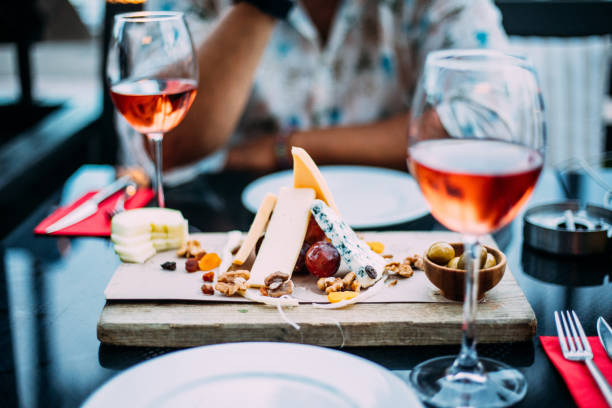
Provence Rosé and Delicate Cheeses
When pairing Provence rosé, choose delicate, fresh cheeses that mirror its light body and crisp acidity. This pale, dry wine shines alongside goat cheese (chèvre), fresh mozzarella, and burrata, enhancing their creamy texture without overpowering subtle flavors.
Herbed goat cheese with thyme or rosemary complements the wine’s herbal notes, while a drizzle of honey adds a touch of sweetness that balances the rosé’s bright finish. Serve cheeses slightly chilled and at room temperature to fully express their character.
Avoid strong or aged cheeses, as they can overwhelm the wine. For a complete experience, pair with a simple arugula salad and crusty bread to elevate the freshness of both the cheese and the wine.
Spanish Rosado with Tangy Options
Spanish rosado, often made from Garnacha or Tempranillo, tends to be fruit-forward with a lively acidity—perfect for tangy, slightly salty cheeses. Opt for Manchego, especially younger varieties, which offer a nutty yet zesty profile that harmonizes with the wine’s red berry notes.
Tetilla and Mahón are also excellent choices, providing a creamy texture with a pleasant sharpness. For a bolder pairing, try cabrales in small amounts—their bold tang cuts through the fruitiness and creates a dynamic contrast. Serve with marcona almonds and quince paste (membrillo) to enhance the pairing.
Balancing richness with acidity ensures each bite and sip feels refreshing and well-integrated.
American Rosé and Creamy Choices
American rosé wines vary in style but often feature ripe strawberry, melon, and citrus notes with moderate acidity—ideal for rich, creamy cheeses. Pair with brie, camembert, or triple-crème cheeses that offer a luxurious mouthfeel and mild flavor, allowing the wine’s fruitiness to shine.
The creamy texture contrasts beautifully with the wine’s crispness, creating a balanced palate experience. For a more adventurous option, try a herb- or ash-ripened goat cheese, which adds complexity without clashing. Serve with fresh fruit like peaches or berries to echo the wine’s fruit profile.
Avoid overly pungent cheeses, as they can dominate the wine’s subtler characteristics and disrupt harmony.
Sparkling Rosé and Zesty Cheeses
The vibrant bubbles and bright acidity of sparkling rosé call for zesty, tangy cheeses that match its energetic profile. Aged goat cheese, feta, and pecorino fresco work exceptionally well, offering a salty punch that complements the wine’s red fruit and citrus notes.
The effervescence cuts through richness, making even bold cheeses feel refreshing. For a gourmet touch, try blue-veined goat cheese—its sharpness and creaminess are balanced by the wine’s crisp finish. Serve with olives, sun-dried tomatoes, or a citrus vinaigrette drizzle to amplify the zest.
Chill both wine and cheese slightly to enhance their lively interplay and create a celebratory pairing perfect for any occasion.
Serving Cheese and Rosé: Temperature and Presentation
Ideal Serving Temperatures for Cheese
For the best flavor and texture when pairing cheese with rosé, serve cheeses at room temperature, allowing them to sit out for 30–60 minutes before serving. Cold cheese can mute its taste and become waxy, which dulls the delicate balance with rosé’s bright acidity.
Softer cheeses like Brie, Camembert, or fresh goat cheese benefit most from warming up, as they become creamier and more aromatic. Harder cheeses such as Manchego or aged Gouda should also be brought to room temperature to enhance their nutty, complex notes.
This ensures each bite complements the crisp, fruity profile of rosé without overpowering it. Avoid overheating or direct sunlight—cheese should feel cool to the touch, not warm.
How to Store Opened Cheese
To maintain freshness after opening, wrap cheese properly based on its type. Soft cheeses like goat cheese or Brie should be stored in wax or parchment paper, then loosely in plastic wrap or a breathable container to prevent mold and retain moisture.
Hard cheeses such as Cheddar or Comté can be wrapped tightly in wax paper and placed in a resealable bag or container. Store all cheese in the vegetable drawer of your refrigerator, where humidity is higher. Avoid freezing cheese, as it alters texture and flavor.
When storing multiple cheeses, keep them separate or in divided containers to prevent flavor transfer. Proper storage ensures leftover cheese remains ideal for future rosé pairings without waste or spoilage.
Plating Tips for Maximum Appeal
Create a visually inviting cheese and rosé pairing display by using a neutral-toned board or platter to let the colors pop. Arrange 3–5 cheeses with varying textures—such as soft goat cheese, semi-firm Havarti, and a crumbly aged cheese—for contrast.
Cut a few small slices or wedges to suggest how to serve, but leave some whole for visual interest. Add fresh herbs like rosemary or edible flowers for a touch of elegance. Place small cheese knives next to each variety.
Position the cheeses at different points around the board and nestle small bowls nearby for olives or honey. This thoughtful layout enhances the rosé’s summery, refreshing vibe and encourages guests to explore flavor combinations with confidence.
Pairing with Crackers and Accompaniments
Choose neutral or lightly flavored crackers like water crackers or plain baguette slices to avoid overpowering the delicate taste of rosé and cheese. Offer a variety of textures—include crispbreads, seeded crackers, and gluten-free options for inclusivity.
Complement the pairing with sweet and tangy accompaniments such as fig jam, honey, or fresh grapes, which enhance the fruit notes in rosé. Add savory elements like marinated olives or cornichons for balance. Avoid overly salty or spicy additions that can clash with the wine.
Arrange accompaniments in small mounds or ramekins around the cheese board to keep flavors distinct and presentation tidy. This thoughtful mix elevates the overall tasting experience and highlights the harmony between cheese and rosé.
Common Mistakes to Avoid in Rosé and Cheese Pairings
Overpowering Cheese Flavors
When pairing cheese with rosé, it’s essential to avoid overly strong or pungent cheeses that can overpower the wine’s delicate profile. Rosé is typically light, fresh, and aromatic, with subtle fruit and floral notes that can be easily masked by bold cheeses like aged blue or sharp cheddar.
Instead, opt for mild, creamy cheeses such as fresh goat cheese, mozzarella, or burrata, which complement rather than dominate. These softer varieties enhance the wine’s brightness and allow its nuances to shine. Balancing intensity ensures a harmonious pairing where both elements are appreciated.
Choosing the right cheese intensity preserves the elegance of the rosé and creates a refreshing, cohesive tasting experience perfect for warm-weather gatherings or light meals.
Ignoring Wine Sweetness Levels
One common mistake is failing to match the sweetness level of the rosé with the cheese. Dry rosés, which are crisp and acidic, pair best with tangy, fresh cheeses like feta or chèvre, as their brightness cuts through richness.
On the other hand, off-dry or slightly sweet rosés harmonize with mildly sweet or nutty cheeses such as mascarpone or young gouda. Mismatching sweetness can result in a flat or overly tart tasting experience. Always taste your wine first to determine its profile, then select a cheese that complements it.
This attention to balance enhances both components, creating a more enjoyable and sophisticated pairing, especially when serving a variety of rosé styles.
Serving Cheese Too Cold
Serving cheese straight from the refrigerator is a frequent error that dulls its flavor and texture, negatively impacting the rosé pairing. Cold temperatures mute the aromas and make creamy cheeses stiff and less spreadable. For the best experience, allow cheeses to sit at room temperature for 30–60 minutes before serving.
This warming period unlocks their full flavor potential and creates a smoother mouthfeel that complements the rosé’s acidity and fruitiness. Properly tempered cheese interacts more effectively with the wine, enhancing notes of citrus, berry, or melon.
This simple step significantly improves the sensory experience, making your pairing feel more intentional and enjoyable, especially during outdoor picnics or brunches.
Mismatching Regional Styles
While not mandatory, overlooking regional pairings can mean missing out on classic, harmonious combinations. For example, a Provençal rosé from southern France naturally complements local goat cheeses or fresh tomme, as their flavor profiles evolved together. Similarly, a Spanish rosado pairs beautifully with mild Manchego orMahon.
Aligning regional styles often results in balanced, authentic pairings that highlight terroir. Ignoring this connection may lead to disjointed flavors, even if individual components are high quality. When in doubt, choose cheeses from the same region as the rosé for a culturally cohesive and reliably delicious match.
This approach simplifies decision-making and elevates the overall tasting experience with minimal effort.
Cheese and Rosé Pairings for Different Occasions
Picnic-Friendly Combos
For a light and refreshing picnic, pair dry rosé wines with fresh goat cheese or chèvre. These cheeses have a tangy brightness that mirrors the crisp acidity of rosé, creating a harmonious balance.
Add a drizzle of honey or serve with sliced baguette and seasonal fruit like watermelon or berries for a perfect outdoor pairing. Brie also works well—its creamy texture contrasts nicely with the wine’s structure without overpowering it. Choose cheeses that are easy to transport and serve at room temperature.
Avoid strongly aged or pungent cheeses, which can clash with rosé’s delicate profile. Pack in a cooler and let the cheese come to ambient temperature before serving to enhance flavor integration and elevate your picnic experience.
Dinner Party Pairings
When hosting a dinner party, elevate your cheese board with medium-bodied rosé and a curated selection of semi-soft and bloomy rind cheeses. Camembert and Humboldt Fog complement the wine’s berry and floral notes, while their creamy texture adds richness.
Include a mild blue like Cambozola for complexity without overwhelming the palate. Serve cheeses at room temperature on a slate or wooden board with crackers, toasted nuts, and fig jam to enhance the pairing. Arrange from mildest to strongest to guide guests.
The balanced acidity of rosé cuts through creaminess, refreshing the palate between bites. This combination impresses without being overly formal—ideal for stylish yet relaxed gatherings where flavor and presentation shine equally.
Summer BBQ Cheese Choices
At a summer BBQ, pair rosé’s bright acidity with grilled or smoked cheeses to match the smoky flavors of the grill. Halloumi is a standout—grill it and serve with a chilled rosé for a refreshing contrast.
Smoked mozzarella or young gouda also work well, offering subtle smokiness that aligns with the wine’s red fruit notes. Add grilled peaches or cherry tomatoes for a flavor bridge between cheese and wine. Avoid overly rich or aged cheeses that may clash with rosé’s light profile.
Keep portions small and serve on a chilled platter to maintain freshness in the heat. The crisp finish of rosé cleanses the palate after savory, smoky bites, making it the ideal summer companion for outdoor grilling and casual entertaining.
Romantic Evening Suggestions
For a romantic evening, create an intimate cheese and rosé pairing with elegant, delicate flavors. Choose buttery triple-cream cheeses like Brillat-Savarin or Saint-André—their lush texture melts on the tongue and harmonizes with rosé’s silky mouthfeel.
Pair with a dry, pale rosé featuring notes of strawberry, citrus, and rose petal for a sensory experience. Add a few dark chocolates, candied almonds, and fresh raspberries to elevate the tasting journey. Serve on a small, beautifully arranged board with wine in stemless glasses for a cozy ambiance.
The subtle interplay of fruit and cream enhances intimacy, making this pairing ideal for quiet moments and meaningful conversation under soft lighting.
How to Build a Rosé and Cheese Board
Selecting 3-5 Complementary Cheeses
When pairing cheese with rosé, choose varieties that balance the wine’s bright acidity and subtle fruit notes. Opt for soft and creamy cheeses like brie or camembert, which complement rosé’s smooth texture. Include a semi-firm cheese such as manchego or aged gouda for a nutty contrast.
A fresh goat cheese adds tanginess that enhances rosé’s crispness, while a mild blue like gorgonzola dolce offers richness without overpowering. Aim for 3–5 cheeses with varying textures and flavors to keep the board interesting. Serve them at room temperature to fully express their character.
Avoid overly pungent or heavily aged cheeses that may clash with rosé’s delicate profile. This balance ensures each bite harmonizes with every sip.
Adding Fruits and Nuts
Enhance your rosé and cheese board with fresh and dried fruits that echo the wine’s fruity notes. Include sliced strawberries, green grapes, and figs for a sweet-tart balance that pairs beautifully with both soft and aged cheeses. Add dried apricots or cherries for concentrated flavor and chewy texture.
Complement with toasted nuts like almonds, pistachios, or walnuts for crunch and earthiness. These elements not only add visual appeal but also create dynamic flavor pairings—try goat cheese with honey-drizzled figs or brie with toasted almonds. Avoid overly sweet jams; instead, use honey or fruit mostarda for a sophisticated touch.
The goal is to refresh the palate between sips and bites, maintaining harmony between the rosé and every component on the board.
Choosing the Right Board and Tools
Select a large wooden or marble board to create an elegant, functional display that keeps cheeses at their best temperature. Include individual cheese knives for soft, semi-firm, and hard varieties to prevent flavor mixing and ensure clean cuts. Arrange cheeses evenly around the board, leaving space for accompaniments.
Use small bowls for items like olives or honey to contain mess and add structure. Label each cheese with small tags for guests to identify options, especially helpful with milder or unfamiliar varieties. Choose a board with a slight lip to catch crumbs and juices.
Keep napkins and extra flatware nearby for convenience. A well-organized layout not only looks inviting but also encourages guests to explore pairings confidently, enhancing the overall rosé and cheese experience.
Wine Quantity and Glassware Tips
Plan for one 750ml bottle of rosé per 3–4 guests if it’s the featured drink, ensuring everyone enjoys multiple glasses. Chill the wine to 45–50°F (7–10°C) to preserve its freshness and aromatic profile.
Serve in standard white wine glasses with a stem, as the shape concentrates aromas and allows proper swirling without warming the wine. Avoid oversized red wine glasses, which can dissipate rosé’s delicate bouquet. Keep extra bottles chilled and ready to open as needed.
For larger gatherings, consider a wine dispenser with an ice bucket to maintain temperature and reduce waste. Offering a second rosé—such as a dry Provençal style and a fruitier New World option—adds variety. Proper glassware and serving temperature ensure the rosé enhances every cheese pairing on the board.
Frequently Asked Questions
What types of cheese pair well with rosé wine?
Light, fresh cheeses like goat cheese, feta, mozzarella, and ricotta pair beautifully with rosé. Their creamy texture and tangy flavor complement the wine’s crisp acidity and fruity notes.
Can I serve aged cheese with rosé?
Aged cheeses like cheddar or Parmesan can overpower rosé’s delicate flavor. It’s best to stick with younger, milder cheeses to maintain balance.
Is blue cheese a good match for rosé?
While bold blue cheeses can contrast with rosé, milder varieties like Gorgonzola Dolce work better. Strong blues may clash with the wine’s subtlety.
What cheese board pairings go well with rosé?
Create a board with goat cheese, brie, camembert, and fresh mozzarella, paired with fruits like watermelon, berries, and grapes. These enhance the refreshing character of rosé.
Does the color or style of rosé affect cheese pairing?
Yes, pale, dry rosés from Provence pair best with light cheeses, while fuller-bodied rosés can handle slightly richer cheeses like brie or aged gouda.
Can I pair soft cheeses with sparkling rosé?
Absolutely. Soft, creamy cheeses like burrata or fresh chèvre enhance the effervescence and acidity of sparkling rosé, creating a refreshing and luxurious pairing.
Conclusion
Pairing cheese with rosé wine enhances both flavors, creating a delightful tasting experience. Light, fresh cheeses like goat cheese, feta, and mozzarella complement rosé’s crisp acidity and fruity notes. Avoid strong, aged cheeses that can overpower the wine. The key is balance—opt for creamy, tangy, or slightly salty varieties. Experiment with pairings to find your favorite combination. Enjoy exploring these refreshing matches at your next gathering or quiet evening.

