What Cheese Goes With Pinot Noir
If you’re wondering what cheese goes with pinot noir, you’re in the right place. This light to medium-bodied red wine with its bright acidity and red fruit notes pairs beautifully with the right cheeses. Think creamy, earthy, and slightly tangy options like brie, camembert, aged gouda, or mild blue cheeses. In this guide, we’ll break down the best pairings that enhance both the wine and cheese, making your next tasting or gathering a hit. Let’s dive in.
What Makes Pinot Noir a Great Cheese Pairing Wine
How Pinot Noir’s Flavor Profile Influences Pairings
Pinot Noir’s light to medium body and bright red fruit flavors—such as cherry, raspberry, and strawberry—make it exceptionally food-friendly, especially with cheese. Its delicate structure doesn’t overpower subtle dairy notes, allowing both the wine and cheese to shine.
Cheeses that mirror or complement these fruit characteristics, like creamy goat cheese with a hint of citrus or washed-rind varieties with fruity undertones, create harmonious pairings. Additionally, Pinot Noir’s moderate alcohol level prevents it from clashing with creamy textures, which can sometimes feel cloying with bolder wines.
The key is balancing intensity—avoiding strongly aged or salty cheeses that might overwhelm the wine. Instead, opt for semi-soft or bloomy rind cheeses like Brie, Camembert, or young Gouda, which align well with the wine’s elegance.
This synergy enhances both components, making Pinot Noir a go-to for cheese boards centered on finesse and freshness.
Why Acidity and Tannins Matter with Cheese
The moderate acidity and low tannins in Pinot Noir play a crucial role in cheese pairing success. Acidity cuts through rich, creamy cheeses, cleansing the palate and preventing a heavy aftertaste—this makes it ideal for buttery, soft-ripened cheeses like Brie or Taleggio.
Meanwhile, the wine’s minimal tannin content avoids the metallic or bitter taste that high-tannin reds can produce when paired with certain dairy. This allows earthy or mushroomy cheeses to express their full flavor without interference.
For best results, match the wine’s acidity with the cheese’s fat content—higher fat calls for brighter acidity to maintain balance. Cheeses like Humboldt Fog or Cambozola, which blend creaminess with tang, respond exceptionally well. Even mild blue cheeses with creamy textures, such as Gorgonzola Dolce, pair beautifully.
The takeaway: Pinot Noir’s gentle structure supports a wide cheese range, especially those relying on texture and subtle flavor rather than sharpness or salt.
The Role of Fruit and Earth Notes in Pairing
Pinot Noir’s distinctive fruit and earth notes open up unique pairing opportunities with cheeses that share similar flavor profiles. The wine’s red fruit character—think ripe cherry and cranberry—complements cheeses infused with fruit preserves or those with a naturally tangy-sweet edge.
Meanwhile, its earthy, mushroom-like undertones, especially in aged or terroir-driven bottles, resonate with washed-rind or cave-aged cheeses like Epoisses or aged Gruyère. These shared earthy qualities create a layered, cohesive tasting experience.
For an elevated pairing, try a Pinot Noir with a truffle-infused cheese or one aged on wooden boards, which amplifies the wine’s forest floor notes. Even nutty cheeses like Comté or young Manchego harmonize well, as their toasty flavors echo the wine’s complexity.
The key is seeking complementary aromatics—not identical flavors—so each bite and sip enhances the other, making Pinot Noir a dynamic partner for thoughtfully chosen cheeses.
Best Soft Cheeses to Pair with Pinot Noir
Why Brie Works So Well with Pinot Noir
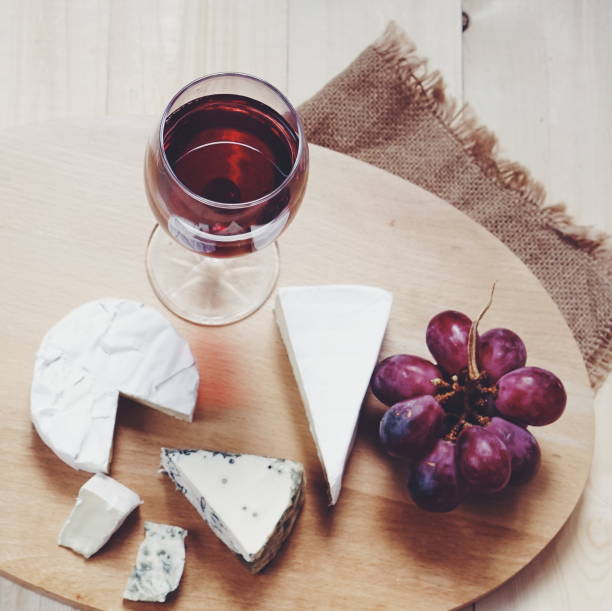
Brie is one of the best soft cheeses to pair with Pinot Noir because of its creamy texture and mild, buttery flavor that complements the wine’s bright acidity and red fruit notes.
The delicate earthiness in Pinot Noir harmonizes with Brie’s edible rind, enhancing the overall tasting experience without overwhelming the palate. Serve Brie at room temperature to fully release its rich, velvety texture and subtle mushroom undertones, allowing it to meld beautifully with the wine’s silky tannins.
Avoid strongly flavored additions like garlic or herbs, which can clash with the wine’s subtlety. Instead, pair with plain crackers or a slice of baguette to keep the focus on the harmonious balance between wine and cheese.
This classic pairing is ideal for casual gatherings or elegant soirées, offering an accessible yet sophisticated flavor profile that appeals to a wide range of palates.
Pairing Camembert for a Creamy Match
Camembert offers a slightly more robust flavor than Brie, making it an excellent companion for Pinot Noir’s complex profile. Its dense, creamy interior and bloomy rind contribute earthy, mushroom-like notes that mirror the forest floor and cherry nuances often found in this red wine.
When pairing Camembert with Pinot Noir, allow the cheese to come fully to room temperature so its luxurious texture can shine, creating a smooth mouthfeel that matches the wine’s elegance. The slight tang in Camembert cuts through the wine’s fruitiness, creating a balanced, lingering finish.
For an elevated experience, serve with toasted walnut bread or fresh pear slices—ingredients that enhance both the cheese and wine without dominating them. This pairing works especially well with cooler-climate Pinot Noirs, which tend to have higher acidity and more pronounced earthy characteristics, ensuring a cohesive and satisfying tasting journey.
Tips for Serving Triple-Crème Cheeses
Triple-crème cheeses like Brillat-Savarin or Explorateur deliver an ultra-rich, buttery experience that pairs luxuriously with Pinot Noir when served correctly. Their high fat content creates a silky mouthfeel that complements the wine’s smooth tannins, but their intensity requires careful presentation.
Always serve at room temperature—remove from the refrigerator at least 30–45 minutes before serving—to allow the full depth of flavor and texture to emerge.
Use a soft cheese knife for clean slicing and avoid overpowering accompaniments; instead, opt for neutral crackers, fresh figs, or a drizzle of honey to enhance sweetness without masking subtleties. Limit portion sizes, as their richness can quickly dominate the palate.
Pairing with a chilled, fruit-forward Pinot Noir helps cut through the fat, refreshing the mouth between bites. This indulgent combination is perfect for special occasions, offering a harmonious blend of opulence and elegance that showcases the best of both cheese and wine.
Top Semi-Soft Cheeses That Complement Pinot Noir

Using Havarti for a Mild, Buttery Flavor
Havarti is an excellent match for Pinot Noir due to its creamy texture and mild, buttery flavor that doesn’t overpower the wine’s delicate profile. This Danish semi-soft cheese melts smoothly on the palate, enhancing the wine’s natural silkiness.
Its subtle tanginess and hints of sweetness complement the red fruit notes like cherry and raspberry commonly found in Pinot Noir. For best results, serve Havarti at room temperature to fully release its rich aroma and creamy consistency.
Pairing it with a chilled slice of apple or a drizzle of honey can elevate the tasting experience, creating a harmonious balance between sweet, creamy, and fruity elements.
Havarti’s versatility also makes it ideal for cheese boards or melted into warm appetizers, offering multiple ways to enjoy it alongside a glass of Pinot Noir without masking the wine’s nuanced character.
How Gouda Enhances Pinot Noir’s Fruit Notes
Aged Gouda brings a caramelized sweetness and nutty depth that beautifully enhances the bright fruit characteristics of Pinot Noir. While young Gouda is mild, selecting a semi-aged or aged version (around 12–18 months) introduces subtle crystal formations and a richer flavor profile that mirrors the wine’s complexity.
The cheese’s natural umami and butterscotch undertones amplify the wine’s notes of plum, strawberry, and dried cherry, creating a layered tasting experience. Serve Gouda in small cubes at room temperature to allow its full flavor to shine.
Pairing it with a few walnuts or a fig jam adds texture and sweetness, further bridging the gap between cheese and wine. This combination is especially effective with medium-bodied, fruit-forward Pinot Noirs from regions like Oregon or New Zealand, where acidity and fruit are perfectly balanced.
Why Fontina Balances Earthy Wines
Fontina, a semi-soft Italian cheese from the Aosta Valley, offers a mildly tangy, earthy flavor with a smooth, supple texture that pairs exceptionally well with earthy-style Pinot Noirs. Its subtle mushroom and nutty notes mirror the forest floor and herbal undertones often found in Burgundian or aged Pinot Noir expressions.
This synergy creates a cohesive sensory experience, where neither the cheese nor the wine dominates. Fontina’s high meltability makes it ideal for serving warm—try it lightly melted on crusty bread or in a fondue with a splash of Pinot Noir for a decadent pairing.
At room temperature, its creamy consistency coats the palate gently, softening the wine’s acidity while enhancing its depth. For an elevated pairing, add roasted mushrooms or truffle oil to the cheese board, reinforcing the earthy connection and making every sip and bite more immersive.
Hard Cheeses That Stand Up to Pinot Noir
Choosing Aged Gouda for Depth and Complexity
Aged Gouda is an excellent match for Pinot Noir due to its deep, caramelized flavors and crystalline texture that complement the wine’s bright acidity and red fruit notes.
As Gouda ages—typically 18 months or more—it develops umami-rich, nutty, and butterscotch-like qualities that stand up to Pinot Noir’s medium body without overwhelming it. The cheese’s natural sweetness balances the wine’s tart cherry and raspberry tones, creating a harmonious pairing.
For best results, serve aged Gouda at room temperature to fully release its complex flavor profile. Choose a Gouda aged over two years for maximum depth, and pair with a Pinot Noir from cooler climates like Burgundy or Oregon, where earthy and floral notes enhance the cheese’s savory finish.
This combination works especially well as a standalone pairing or with rustic bread and dried fruit.
Pairing Manchego with Fruity Pinots
Manchego, a firm sheep’s milk cheese from Spain, offers a tangy, buttery flavor with a firm texture that pairs beautifully with fruit-forward Pinot Noirs. Its slight lanolin note and nutty finish complement the wine’s bright acidity and red berry profile, creating a balanced and refreshing experience.
Opt for a Manchego aged 12 to 18 months to achieve the ideal firmness and depth without becoming too sharp. Serve it alongside a Pinot Noir from regions like California’s Sonoma Coast or New Zealand’s Central Otago, where juicy strawberry and ripe plum notes shine.
Enhance the pairing with quince paste (membrillo) or Marcona almonds, which amplify the fruit and nutty elements in both cheese and wine. This combination is ideal for casual gatherings or as part of a charcuterie board where bold flavors coexist with elegance.
How Comté Brings Nutty Harmony
Comté, a French alpine cheese made from cow’s milk, brings a smooth, nutty, and slightly sweet profile that harmonizes beautifully with the delicate structure of Pinot Noir.
Aged between 12 to 24 months, Comté develops rich flavors of roasted nuts, brown butter, and subtle fruit—echoing the wine’s earthy undertones and red fruit character. Its firm yet creamy texture melts subtly on the palate, allowing the wine’s acidity to cleanse the mouth between bites.
This synergy makes Comté a versatile and reliable pairing, especially with Pinot Noirs that have hints of forest floor, dried herbs, or baking spice. Serve both at cool room temperature to maximize aroma and flavor integration.
For an elevated experience, add a few walnuts or a drizzle of honey to the cheese board—elements that bridge the gap between Comté’s richness and the wine’s bright, silky finish.
Washed-Rind and Funky Cheeses with Pinot Noir
Why Taleggio Pairs Surprisingly Well
Taleggio, a semi-soft washed-rind cheese from Italy, creates a harmonious balance with Pinot Noir due to its creamy texture and mild tang. Despite its pungent aroma, Taleggio’s flavor is surprisingly approachable, offering fruity and lactic notes that mirror the red berry and earthy undertones in Pinot Noir.
The wine’s bright acidity cuts through the cheese’s richness, cleansing the palate with each sip. Serve at room temperature to fully release Taleggio’s buttery mouthfeel and subtle mushroom finish, enhancing the wine’s complexity.
For best results, pair with a cool-climate Pinot Noir, which tends to have higher acidity and more restrained fruit—perfect for complementing rather than overwhelming the cheese. This pairing works especially well on cheese boards with fresh figs or toasted nuts, which amplify the synergy between wine and dairy.
Avoid aged or overly salty cheeses here, as they can clash with Pinot’s delicate structure.
Using Epoisses for a Bold Flavor Match
Epoisses, a French washed-rind cheese known for its intense aroma and velvety texture, stands up beautifully to the deeper expressions of Pinot Noir. Its pungent, barnyard-like funk and creamy, almost liquid interior are balanced by the wine’s bright acidity and red fruit notes, creating a bold yet refined pairing.
The key is selecting a Pinot Noir with enough structure—look for bottles from Burgundy or cooler regions like Oregon—that offer earthy undertones and subtle spice to mirror Epoisses’ complexity. Serve both at room temperature to allow flavors to fully integrate.
The wine’s tannins, though light, help cut through the cheese’s richness, while Epoisses’ saline finish enhances the wine’s lingering finish. This combination shines when accompanied by a rustic baguette or cornichons, which add textural contrast and refresh the palate.
Avoid oaky or high-alcohol wines, as they can overwhelm Epoisses’ delicate balance.
Tips for Balancing Strong Cheeses with Light Wine
Pairing strong, funky cheeses with a light-bodied wine like Pinot Noir requires strategic balance and attention to serving details. Start by selecting washed-rind cheeses with creamy textures—such as Munster or Pont-l’Évêque—rather than dry, aged varieties that can overpower the wine.
Serve cheeses at room temperature to soften their intensity and bring out their nuanced flavors, allowing them to complement rather than dominate the wine. Portion sizes matter: offer small bites to prevent palate fatigue.
Choose a Pinot Noir with bright acidity and minimal oak influence to cut through the richness and refresh the mouth. Consider accompaniments like quince paste, fresh pear slices, or honey—sweet and acidic elements that bridge the gap between bold cheese and delicate wine.
Finally, cleanse the palate between pairings with sparkling water or plain crackers to fully appreciate each combination. With these tips, even assertive cheeses can harmonize with Pinot Noir’s elegance.
Regional Pairings: Classic French Matches
Burgundy Cheese and Wine Traditions
In Burgundy, the art of pairing local wines with regional cheeses is deeply rooted in centuries-old culinary traditions. Pinot Noir, the region’s signature red wine, thrives in the same terroir as many of its celebrated cheeses, creating natural harmony between the two.
The elegant structure, bright acidity, and red fruit notes of Pinot Noir complement the rich, creamy textures of Burgundian cheeses without overwhelming them. Locals traditionally enjoy these pairings at the end of meals, enhancing both the wine and cheese through balanced flavor interactions.
Seasonal availability and artisanal production methods further strengthen these pairings, as both wine and cheese reflect the nuances of their shared environment. Understanding this regional synergy helps guide ideal matches beyond mere taste—it’s about honoring tradition and terroir.
When selecting a cheese for Pinot Noir, look to Burgundy’s time-tested choices for authentic, satisfying results.
Pairing Pinot Noir with Époisses de Bourgogne
One of the most celebrated pairings with Pinot Noir is Époisses de Bourgogne, a pungent, washed-rind cheese known for its creamy texture and savory depth. The wine’s bright acidity and subtle earthiness cut through the cheese’s richness, cleansing the palate with each sip.
Meanwhile, the umami and slightly tangy notes of Époisses enhance the wine’s red berry and forest floor characteristics, creating a layered tasting experience.
This pairing works best when both the cheese and wine are served at optimal temperatures—slightly chilled Pinot Noir and Époisses at room temperature to release its full aroma. The affinage process of Époisses, often washed in marc de Bourgogne, adds a complementary complexity that mirrors the wine’s own craftsmanship.
For an authentic Burgundian experience, serve this duo on a wooden board with a crusty baguette and let the flavors unfold gradually.
Why Chaource is a Local Favorite
Chaource, a soft-ripened cheese from the heart of Burgundy, is a beloved companion to Pinot Noir due to its delicate creaminess and mild, buttery flavor. Unlike more assertive cheeses, Chaource offers a subtle richness that allows the wine’s nuanced profile—think cherry, raspberry, and a hint of spice—to shine.
As the cheese matures, it develops a velvety rind and a luscious interior that melts harmoniously on the palate, enhancing the wine’s smooth tannins. This gentle interaction makes Chaource an ideal choice for those who prefer a more restrained, elegant pairing.
It’s also highly versatile—equally enjoyable on a cheese board, baked into a warm dish, or paired simply with fresh fruit.
Locals favor Chaource not only for its taste but for its ability to reflect the terroir of Burgundy in both aroma and texture, making it a natural and authentic match for regional Pinot Noir.
Serving Tips for the Perfect Pinot Noir and Cheese Experience
Ideal Serving Temperatures for Wine and Cheese
To fully enjoy the delicate balance of Pinot Noir and cheese, serving temperature is crucial. Chill your Pinot Noir to 55–60°F (13–16°C)—slightly below room temperature—to highlight its bright acidity and red fruit notes without muting its aromatics.
Remove the bottle from the fridge about 15 minutes before serving if chilled too long. For cheese, serve at room temperature (around 68–72°F) to allow flavors and textures to fully express themselves. Remove cheeses from the refrigerator 1 hour before serving so they soften appropriately.
Hard cheeses like aged Gouda firm up when cold, while soft cheeses like Brie become rubbery. Proper temperatures ensure the wine’s silkiness complements creamy textures and the cheese’s richness doesn’t overwhelm the wine’s subtlety. Matching temperature precision enhances aroma, mouthfeel, and harmony—key to a refined pairing experience.
How to Build a Pinot Noir-Friendly Cheese Board
Crafting a successful cheese board for Pinot Noir means selecting varieties that complement its bright acidity and earthy complexity. Start with soft-ripened cheeses like Brie or Camembert, whose buttery textures and mild mushroom notes echo the wine’s velvety profile.
Add a semi-firm goat cheese or aged Gouda for tangy contrast that balances Pinot’s red fruit flavors. Include a washed-rind cheese like Taleggio for its savory, slightly funky character that pairs beautifully with earthy Pinot notes. Aim for 3 to 5 cheeses with varied textures and intensities.
Arrange them from mildest to boldest to guide tasting. Label each cheese to inform guests. Allow ample space between selections to prevent flavor mixing. This thoughtful arrangement ensures each bite enhances the wine’s nuances while offering a dynamic, memorable tasting journey that celebrates balance and harmony.
Pairing Accompaniments: Crackers, Fruits, and More
Elevate your Pinot Noir and cheese experience with thoughtfully chosen accompaniments that enhance rather than overpower. Choose neutral or lightly toasted crackers to serve as a clean base—avoid heavily seasoned or sweet varieties that can clash with the wine.
Offer fresh fruits like sliced apples, pears, and red grapes, whose crisp sweetness highlights Pinot’s berry notes. Add dried fruits such as figs or cherries for a concentrated, jammy contrast. Include honey or fruit preserves for a touch of sweetness that complements earthy cheeses.
A few toasted nuts like walnuts or almonds add crunch and a subtle bitterness that balances richness. Avoid overly salty or spicy items that can dull the wine’s subtleties.
These pairings create layers of flavor and texture, turning your tasting into a well-rounded sensory delight that celebrates the elegance of Pinot Noir.
Frequently Asked Questions
What types of cheese pair best with Pinot Noir?
Pinot Noir pairs well with earthy, creamy, and semi-soft cheeses such as Brie, Camembert, aged Gouda, and mild blue cheeses like Gorgonzola Dolce. The wine’s bright acidity and red fruit notes complement the richness and subtle tang of these cheeses.
Can I pair strong cheeses with Pinot Noir?
Strong, pungent cheeses can overpower Pinot Noir’s delicate flavors. It’s best to choose milder or balanced cheeses that won’t dominate the wine’s subtle earthiness and fruit profile.
Does aged cheese go well with Pinot Noir?
Yes, moderately aged cheeses like aged Gouda or Comté work well with Pinot Noir. Their nutty, caramelized flavors enhance the wine’s complexity without overwhelming it.
What soft cheeses should I serve with Pinot Noir?
Soft-ripened cheeses such as Brie and Camembert are excellent choices. Their buttery texture and mild flavor harmonize with Pinot Noir’s smooth tannins and bright acidity.
Is blue cheese a good match for Pinot Noir?
Mild blue cheeses like Gorgonzola Dolce or Cambozola pair nicely with Pinot Noir. The creamy, tangy notes balance the wine’s fruitiness, while avoiding the harshness of stronger blues.
Should I serve cheese at room temperature with Pinot Noir?
Yes, serve cheese at room temperature to fully release its flavors and texture. This enhances the pairing experience by allowing the cheese and wine to complement each other more effectively.
Are goat cheeses suitable for Pinot Noir?
Fresh goat cheeses can be too tart for Pinot Noir, but milder, ash-ripened varieties like Humboldt Fog offer a better balance and pair nicely with the wine’s acidity and fruit notes.
Conclusion
Pinot Noir’s bright acidity and earthy notes make it a versatile companion to a range of cheeses. Ideal pairings include creamy Brie, tangy aged Gouda, and nutty Swiss varieties like Emmental. Soft goat cheese also complements its red fruit flavors beautifully. The key is balancing intensity—avoid overpowering the wine. Experimenting with these pairings can elevate your tasting experience, so don’t hesitate to explore and enjoy the delightful harmony between Pinot Noir and cheese.