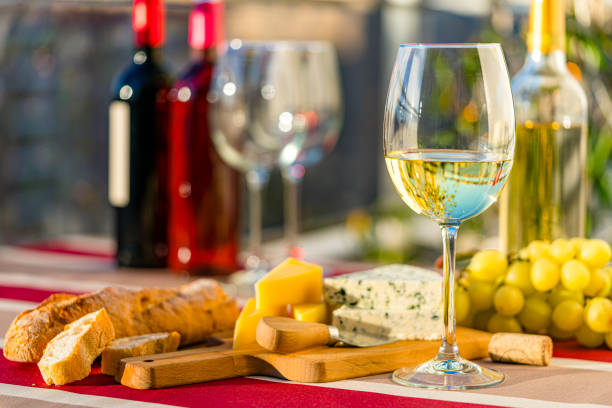
What Cheese Goes With Pinot Grigio
If you’re wondering what cheese goes with pinot grigio, you’re in the right place. This crisp, refreshing white wine pairs beautifully with light, creamy, and slightly tangy cheeses that enhance its citrus and floral notes. Think fresh goat cheese, mild mozzarella, or creamy brie. We’ll break down the best cheese pairings that elevate your wine experience, whether you’re hosting a gathering or enjoying a quiet night in. Let’s dive into the perfect matches that make every sip and bite a delight.
What Makes Pinot Grigio a Great Wine for Pairing with Cheese
How Pinot Grigio’s Flavor Profile Influences Pairings
Pinot Grigio’s light, crisp flavor profile makes it exceptionally versatile when pairing with cheese. Typically exhibiting notes of green apple, pear, lemon zest, and subtle floral hints, this wine avoids overpowering delicate cheeses.
Its moderate fruitiness and clean finish complement soft, mild cheeses like fresh mozzarella, goat cheese, and mascarpone without clashing. The wine’s subtle minerality also enhances cheeses with a creamy texture and tangy edge, such as young chèvre or burrata.
Because Pinot Grigio lacks heavy tannins or intense alcohol warmth, it doesn’t compete with subtle dairy flavors, allowing both the cheese and wine to shine. Opting for fresh, unaged cheeses ensures harmony, as strong or pungent varieties like aged blue or smoked gouda can overwhelm the wine’s delicate character.
Ultimately, the bright, refreshing nature of Pinot Grigio creates a balanced sensory experience, making it a go-to choice for light to moderately flavored cheeses in both casual and formal settings.
Acidity and Body: Why They Matter with Cheese
The high acidity and light body of Pinot Grigio play a crucial role in successful cheese pairings. This crisp acidity cuts through rich, creamy cheeses, cleansing the palate between bites and preventing flavor fatigue.
Cheeses like brie, camembert, or fresh ricotta have high fat content, which can coat the mouth; the wine’s acidity acts like a reset button, enhancing each subsequent taste. Additionally, the light-bodied nature of Pinot Grigio ensures it won’t overpower delicate cheeses, maintaining a balanced interplay on the palate.
Pairing it with overly dense or sharply aged cheeses can result in the wine being overshadowed, so choosing cheeses with mild intensity is key. The wine’s acidity also complements slightly tangy cheeses, such as feta or young alpine styles, by amplifying their brightness.
Ultimately, matching the wine’s vibrancy with creamy or fresh cheeses creates a refreshing contrast that elevates the overall tasting experience.
Best Serving Temperature for Cheese Pairings
Serving Pinot Grigio at the ideal temperature of 45–50°F (7–10°C) enhances its ability to pair beautifully with cheese. When chilled properly, the wine’s crisp acidity and aromatic notes are more pronounced, providing a refreshing counterpoint to creamy or salty cheeses.
Too cold, and the flavors become muted; too warm, and the wine loses its vibrant freshness. Similarly, cheeses should be served at slightly cooler than room temperature—around 60–65°F (15–18°C)—to allow their textures and aromas to express fully.
This temperature contrast ensures that both elements shine: the cool, zesty wine refreshes the palate while the slightly softened cheese delivers rich, nuanced flavors. Avoid serving cheese straight from the refrigerator, as cold temperatures dull taste. Letting cheeses rest for 20–30 minutes before serving creates ideal conditions.
When both wine and cheese are at their optimal temperatures, the pairing achieves harmony, making every bite and sip more enjoyable.
Best Soft Cheeses to Pair with Pinot Grigio

Why Brie Works So Well
Brie is an excellent match for Pinot Grigio due to its creamy texture and mild, buttery flavor that complements the wine’s crisp acidity without overpowering it.
The subtle notes of mushroom and earth in aged Brie harmonize with the light citrus and green apple tones commonly found in Pinot Grigio, creating a balanced palate experience. When serving, allow the Brie to come to room temperature to fully release its rich, velvety texture and delicate aroma.
Pair it with crisp baguette slices or plain crackers to maintain the focus on the cheese and wine synergy. For an elevated touch, add a drizzle of honey or a few toasted walnuts—these accents enhance the pairing without masking the wine’s freshness.
Brie’s low salt content also prevents it from clashing with the wine’s acidity, making it a reliable, crowd-pleasing choice for brunches, appetizer platters, or light evening pairings.
Pairing Pinot Grigio with Camembert
Camembert offers a slightly bolder flavor than Brie while maintaining the creamy richness that pairs beautifully with Pinot Grigio. Its earthy, mushroomy rind and soft, lactic interior contrast elegantly with the wine’s bright acidity and subtle fruit notes, resulting in a harmonious balance on the palate.
To maximize enjoyment, serve Camembert at room temperature to ensure a luxuriously smooth texture and full aroma development. Pair it with thinly sliced green apples or pear slices to echo the wine’s fruity undertones.
A sprinkle of cracked pepper or a few fresh thyme leaves can add complexity without overwhelming the pairing. The moderate fat content in Camembert helps soften the wine’s crispness, making each sip feel rounder and more integrated.
This combination works exceptionally well as a sophisticated starter or as part of a light cheese board for afternoon gatherings.
Using Goat Cheese for a Tangy Match
Goat cheese, especially in its soft, fresh form like chèvre, delivers a bright, tangy punch that mirrors the zesty acidity of Pinot Grigio, making it a dynamic and refreshing pairing.
The cheese’s clean, citrusy notes and slight chalkiness are cut through by the wine’s crisp finish, creating a vibrant, palate-cleansing effect. Opt for a plain, creamy chèvre or one rolled in herbs for added aroma without heaviness. Serve it with crisp crostini or water crackers to maintain textural contrast.
A drizzle of honey or a few roasted grapes can balance the tartness and elevate the pairing into something truly special. Because both the wine and cheese are light and refreshing, this duo shines at al fresco lunches, summer parties, or as a light dessert alternative.
The high acidity synergy ensures each bite and sip enhances the other, making goat cheese a versatile and reliable partner for Pinot Grigio.
Top Semi-Hard Cheeses That Complement Pinot Grigio

How Gruyère Balances the Wine’s Brightness
Gruyère is an excellent match for Pinot Grigio because its nutty, slightly sweet flavor tempers the wine’s crisp acidity without overpowering it. This semi-hard Swiss cheese has a smooth texture and subtle earthiness that harmonizes with the wine’s citrus and green apple notes, creating a well-rounded tasting experience.
When pairing, serve Gruyère at room temperature to fully release its aromatic compounds, allowing the complex umami undertones to shine alongside the wine’s bright finish. Aged Gruyère adds a touch of crystalline crunch from tyrosine amino acids, which contrasts delightfully with the wine’s light body.
For best results, pair with a lightly chilled Pinot Grigio from northern Italy or Alsace, where higher acidity enhances the cheese’s savory depth.
This combination works especially well as part of a cheese board with toasted almonds and crisp pear slices, adding textural contrast and natural sweetness that elevate both components.
Why Havarti Enhances Fruit Notes
Havarti’s creamy, buttery profile makes it a surprisingly effective partner for Pinot Grigio, especially when the wine exhibits tropical or stone fruit characteristics. Its mild tang and smooth melt-in-the-mouth texture accentuate the wine’s ripe peach, melon, and citrus notes without dominating the palate.
The subtle sweetness in young Havarti mirrors the fruit-forward elements in many New World Pinot Grigios, creating a harmonious bridge between cheese and wine. For a more dynamic pairing, try dill-infused or caraway-spiked Havarti, which introduces herbal complexity that complements the wine’s aromatic lift.
Serve the cheese slightly chilled but not cold to preserve its creamy consistency, and pair with a lightly oaked Pinot Grigio for added richness. This duo shines on summer platters alongside green grapes and cucumber rounds, offering refreshing contrast and a clean finish that invites another sip and bite.
Pairing with Young Manchego
Young Manchego, aged for only 3–6 months, offers the ideal balance of firm texture and mild, milky sweetness that complements Pinot Grigio’s light structure and floral notes.
Unlike its aged counterpart, young Manchego lacks sharp saltiness, instead delivering gentle nuttiness and a hint of grassiness that echo the wine’s vineyard terroir. This Spanish sheep’s milk cheese pairs beautifully with citrusy, mineral-driven Pinot Grigios, particularly those from coastal regions where salinity enhances the cheese’s natural richness.
For an elevated experience, serve with quince paste (membrillo) or drizzled honey, which amplify the fruitiness in both cheese and wine. The slight lanolin quality of sheep’s milk blends seamlessly with the wine’s acidity, cleansing the palate with each sip.
Include toasted Marcona almonds on the board to add crunch and deepen the nutty synergy, making this pairing a sophisticated yet approachable choice for casual gatherings or pre-dinner tastings.
Light and Fresh Cheese Options for Summer Pairings
Using Fresh Mozzarella in Appetizers
Fresh mozzarella is an ideal match for Pinot Grigio due to its mild flavor and high moisture content, which complement the wine’s crisp acidity and citrus notes.
For a refreshing summer appetizer, pair slices of fresh mozzarella with ripe tomatoes, basil leaves, and a drizzle of balsamic glaze to create a classic Caprese salad. The clean, milky taste of the cheese balances the wine’s light body without overwhelming the palate.
Serve chilled on individual plates or skewer as elegant bite-sized caprese kabobs for easy entertaining. For added complexity, use buffalo mozzarella, which has a slightly richer texture while still maintaining a delicate profile. Chilling both the cheese and wine enhances their refreshing qualities, making this pairing perfect for warm-weather gatherings.
Avoid aged or smoked mozzarella, as stronger flavors can clash with Pinot Grigio’s subtle fruitiness. This combination highlights simplicity and freshness, letting both the cheese and wine shine.
Pairing with Ricotta in Savory Dishes
Ricotta cheese offers a light, slightly sweet creaminess that harmonizes beautifully with the bright, floral notes of Pinot Grigio. Use fresh, whole-milk ricotta in savory tarts, stuffed vegetables, or as a spread on grilled bread topped with cherry tomatoes and a sprinkle of sea salt.
The low salt content and soft texture of ricotta allow the wine’s crisp apple and pear flavors to come forward without competition. For a sophisticated summer dish, fill delicate phyllo cups with herbed ricotta and a touch of lemon zest—this enhances the citrus undertones in the wine.
Ricotta’s subtle richness also pairs well with grilled asparagus or zucchini, ingredients that mirror Pinot Grigio’s vegetal hints. Avoid overly sweetened or flavored ricotta, as it can distort the wine’s balance.
Chilled ricotta-based dips with fresh herbs like dill or chives offer a refreshing contrast on hot days, making this pairing both versatile and seasonally appropriate.
Why Feta Adds a Salty Kick
Feta cheese brings a tangy, briny punch that contrasts and elevates the crisp, fruity profile of Pinot Grigio. Made from sheep’s or goat’s milk, feta’s sharp salinity cuts through the wine’s acidity, creating a balanced and refreshing pairing perfect for summer.
Crumble feta over a chilled watermelon and cucumber salad with mint for a vibrant dish where the sweetness of the fruit tempers the salt, while the wine ties all elements together. The mineral notes in Pinot Grigio mirror feta’s brine, enhancing the synergy between cheese and wine.
Use Greek feta packed in brine for authenticity and optimal moisture. Avoid overly dry or aged versions, which can dominate the palate. This pairing also works well in grain salads with olives, cherry tomatoes, and olive oil.
The combination delivers bright, clean flavors ideal for outdoor dining, proving that a little salt can amplify the enjoyment of a light white wine.
How to Build a Pinot Grigio Cheese Board
Choosing the Right Cheese Variety Mix
When pairing cheese with Pinot Grigio, opt for light, creamy, and fresh varieties that complement the wine’s crisp acidity and subtle fruit notes. Goat cheese is an excellent choice—its tangy profile cuts through the wine’s brightness while enhancing its citrus undertones.
Mild fresh mozzarella adds a soft, milky richness without overpowering the palate. Include young Asiago or Bel Paese for a slightly nutty yet delicate flavor that harmonizes well. Avoid overly aged or pungent cheeses like blue or sharp cheddar, as they can clash with the wine’s delicate balance.
For texture contrast, add burrata—its luscious center pairs beautifully with the wine’s smooth finish. Aim for 3–4 cheeses to offer variety without overwhelming the board. Always serve cheeses at room temperature to fully express their flavors alongside the chilled Pinot Grigio.
Adding Accompaniments That Enhance Both
Select accompaniments that elevate both the cheese and wine experience without dominating either. Fresh fruit like green grapes, pear slices, and white peaches echo Pinot Grigio’s fruity notes and provide a juicy contrast to creamy cheeses.
Honey or honeycomb adds a touch of sweetness that balances tangy goat cheese and complements the wine’s floral hints. Light crackers and plain crostini offer a neutral base, letting the pairings shine. Include marinated olives or cornichons for a briny pop that refreshes the palate between sips.
Toasted almonds or pistachios contribute subtle crunch and nuttiness, enhancing mild cheeses without overwhelming the wine. Avoid overly sweet jams or spicy mustards, which can distort Pinot Grigio’s delicate profile. The goal is balance and harmony, ensuring each bite and sip enhance one another seamlessly.
Arranging Your Board for Maximum Appeal
Create visual and sensory appeal by strategically arranging cheeses, accompaniments, and garnishes across a wooden board or marble slab. Start by placing cheeses evenly around the board—space them apart to invite exploration. Nestle small bowls into gaps for honey, olives, or mustard.
Fan out fruit slices near complementary cheeses—pair pears with brie, grapes with goat cheese. Use fresh herbs like rosemary or thyme sprigs as natural dividers and aromatic accents. Alternate textures and colors: creamy whites, vibrant fruits, earthy nuts, and crisp crackers create an inviting mosaic.
Label cheeses with small tags if serving guests. Include a variety of cheese knives for ease. The arrangement should encourage interaction and balance, guiding guests through a curated tasting journey that highlights how each element pairs beautifully with chilled Pinot Grigio.
Regional Pairings: European Cheese Matches for Pinot Grigio
Italian Cheeses That Naturally Go Together
Pinot Grigio’s crisp acidity and light citrus notes make it an ideal match for fresh and semi-soft Italian cheeses that don’t overpower the palate. Burrata and fresh mozzarella are standout pairings, their creamy textures contrasting beautifully with the wine’s bright finish.
The subtle sweetness in Pinot Grigio also complements the mild tang of stracciatella, enhancing each bite. For a more textured experience, try young pecorino, especially from Sardinia, which offers a gentle saltiness without overwhelming the wine.
Goat cheese from Lombardy works well too, particularly when served with a drizzle of honey and cracked pepper. Serve these cheeses slightly chilled but not cold to preserve their flavor. Pair with simple accompaniments like crusty bread, ripe pears, or marinated olives to elevate the tasting experience.
This combination highlights the harmony between regional Italian ingredients and native wine pairings, making it perfect for light lunches or aperitivo hour.
French Alpine Cheeses Worth Trying
The Alpine regions of France produce mild, buttery cheeses that align perfectly with Pinot Grigio’s delicate profile. Tomme de Savoie, with its earthy undertones and smooth texture, bridges the gap between richness and restraint, making it a versatile partner. Its subtle nuttiness enhances the wine’s orchard fruit notes without dominating.
Beaufort is another excellent choice—firm yet creamy, it brings a gentle sweetness that mirrors the wine’s natural balance. For a more rustic pairing, try Reblochon, traditionally used in tartiflette; its supple, slightly tangy character cuts through the wine’s acidity, creating a rounded mouthfeel.
Serve these cheeses at room temperature to fully release their aromas. Accompany with thinly sliced apples, toasted walnuts, or a touch of quince paste to add complexity. These French Alpine cheeses offer a refined, understated elegance that respects Pinot Grigio’s light structure while providing satisfying depth.
Eastern European Options Like Urda
Venturing beyond Western Europe, Urda, a traditional Romanian whey cheese, offers a delicate, slightly sweet flavor that harmonizes with Pinot Grigio’s floral and citrus notes. Its soft, ricotta-like texture makes it ideal for spreading on toast or pairing with fresh fruit.
Similarly, Bryndza from Slovakia or Poland, though stronger, can work when balanced with the wine’s acidity—opt for milder versions or blend with cream to soften the intensity.
Sirene, a Bulgarian white brine cheese, brings a gentle saltiness that contrasts nicely with the wine’s crisp finish, especially when served with cucumber and dill. These Eastern European cheeses are often less aged and lower in fat, making them refreshing companions to light-bodied whites.
Serve with rye crackers, pickled vegetables, or fresh herbs to enhance regional authenticity. Exploring these lesser-known but flavorful options expands your pairing repertoire while staying true to Pinot Grigio’s refreshing character.
Tips for Serving Cheese and Pinot Grigio at Home
How to Store Cheese Before Serving
Proper storage ensures your cheese maintains its flavor and texture before pairing with Pinot Grigio. Store cheeses in wax or parchment paper, then loosely wrap them in plastic to allow the cheese to breathe while preventing drying. Avoid airtight plastic wrap, which can trap moisture and encourage bacterial growth.
Keep your cheese in the vegetable drawer of your refrigerator, where humidity levels are higher and temperatures more stable. Hard cheeses like Gruyère or Manchego can last several weeks when stored correctly, while softer varieties like fresh goat cheese or mozzarella should be consumed within a few days.
Label each cheese with the date it was opened. If you’re planning a tasting, remove only what you’ll serve from storage the day of. Avoid freezing cheese, as it alters the texture and dulls flavor.
Proper storage preserves the integrity of the cheese, ensuring it complements the crisp, bright notes of Pinot Grigio perfectly.
Bringing Cheese to the Right Temperature
Serving cheese at the ideal temperature unlocks its full flavor potential when paired with Pinot Grigio. Remove cheeses from the refrigerator 30 to 60 minutes before serving to allow them to come to room temperature. Cold temperatures mute flavors and textures—especially in creamy or semi-soft cheeses like Brie or Havarti.
Softer cheeses benefit most from warming, as they become creamier and more aromatic. Firmer cheeses like Asiago or aged Gouda also open up in flavor when slightly warmed. Arrange cheeses on a board or platter while they warm to save time.
Avoid direct sunlight or warm rooms, which can cause soft cheeses to become too runny. The goal is a balanced texture and pronounced aroma that harmonizes with the wine’s citrus and mineral notes.
When cheese is served at the right temperature, each bite enhances the refreshing, crisp character of Pinot Grigio.
Matching Intensity: Why It Matters
Pairing cheese with Pinot Grigio successfully hinges on balancing intensity so neither overpowers the other. Pinot Grigio is typically light-bodied with bright acidity, citrus, and subtle floral notes, so it pairs best with mild to medium-intensity cheeses.
Strong, pungent cheeses like aged blue or extra-sharp cheddar can overwhelm the wine’s delicate profile. Instead, opt for fresh goat cheese, mozzarella, or young Gouda, which complement the wine’s crispness without competing.
Semi-soft cheeses like Fontina or mild feta also work well, offering creaminess that contrasts nicely with the wine’s acidity. Consider the cheese’s saltiness and fat content—moderate levels enhance the wine’s fruitiness. A well-matched pairing creates harmony: the cheese highlights the wine’s freshness, and the wine cuts through the cheese’s richness.
This balance elevates the entire tasting experience.
Frequently Asked Questions
What is the best type of cheese to pair with Pinot Grigio?
The best cheeses to pair with Pinot Grigio are fresh, mild varieties like mozzarella, goat cheese, and feta. These cheeses complement the wine’s crisp acidity and light citrus notes without overpowering it.
Can I pair aged cheeses with Pinot Grigio?
Aged cheeses like Parmesan or aged cheddar can work in small amounts, but they may overpower the delicate flavor of Pinot Grigio. It’s best to stick with younger, softer cheeses for a more balanced pairing.
Does goat cheese go well with Pinot Grigio?
Yes, goat cheese pairs exceptionally well with Pinot Grigio. Its tangy, creamy flavor enhances the wine’s bright acidity and brings out its fruity undertones, creating a refreshing combination.
What soft cheeses complement Pinot Grigio?
Soft cheeses such as fresh mozzarella, burrata, and Brie pair beautifully with Pinot Grigio. Their creamy textures and mild flavors harmonize with the wine’s crisp, clean profile.
Are there any regional cheese and wine pairings with Pinot Grigio?
Yes, in Northern Italy—where Pinot Grigio originates—it’s traditionally paired with local cheeses like Bel Paese or Taleggio. These semi-soft, mild cheeses enhance the wine’s floral and mineral characteristics.
Can I serve blue cheese with Pinot Grigio?
Blue cheeses are generally too strong and pungent for Pinot Grigio, which is light and delicate. Opt for milder cheeses to maintain a balanced and enjoyable pairing.
What should I serve with Pinot Grigio besides cheese?
Pair Pinot Grigio with light appetizers like grilled vegetables, seafood, salads, or fresh fruit. These enhance the wine’s freshness and work well alongside mild cheese selections.
Conclusion
Pinot grigio’s crisp, fruity profile pairs beautifully with fresh, mild cheeses like goat cheese, mozzarella, and fresh ricotta. These cheeses complement the wine’s acidity without overpowering its delicate flavors. For a delightful contrast, try it with slightly salty feta or creamy burrata. Ultimately, the best pairings enhance both the wine and cheese. Experiment with these combinations at your next gathering and discover how simple pairings can elevate your tasting experience. Cheers to delicious discoveries!