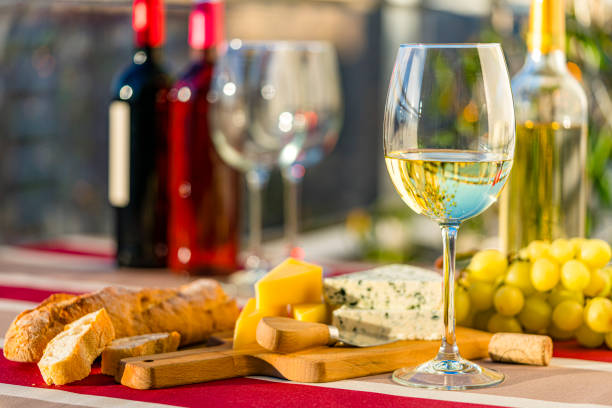
What Cheese Goes With Chardonnay
Wondering what cheese goes with Chardonnay? You’re not alone—this popular wine’s rich, buttery, or crisp flavors can make pairing tricky. The good news? We’ve got you covered. Whether your Chardonnay is oaked or unoaked, creamy or zesty, there’s a perfect cheese match that’ll elevate your tasting experience. From soft brie to tangy goat cheese, we’ll quickly guide you through the best pairings that complement Chardonnay’s unique profile. Let’s find your ideal cheese and wine combo in just a few delicious bites.
What Makes Chardonnay a Great Cheese Pairing Wine
How Chardonnay’s Flavor Profile Affects Pairings
Chardonnay’s versatile flavor profile makes it a standout choice for cheese pairings. Depending on where it’s grown and how it’s made, Chardonnay can express crisp green apple and citrus notes or richer tones like baked pear, vanilla, and butter.
These flavors harmonize with a wide range of cheeses, especially those with creamy textures or subtle tang. High-acid, unoaked Chardonnays pair beautifully with fresh, soft cheeses by cutting through richness, while fuller, oaked versions complement aged or washed-rind cheeses.
The wine’s balanced fruitiness and structure help bridge the gap between mild and bold cheeses, making it adaptable for cheese boards. Understanding these flavor elements allows you to match or contrast characteristics for a more enjoyable tasting experience.
Key Characteristics of Oaked vs Unoaked Chardonnay
The choice between oaked and unoaked Chardonnay significantly impacts cheese pairing success. Oaked Chardonnays, aged in barrels, develop buttery textures, vanilla notes, and a creamy mouthfeel, making them ideal companions for rich, high-fat cheeses like triple creams (e.g., Brillat-Savarin) or semi-firm varieties such as Gruyère.
In contrast, unoaked Chardonnays retain bright acidity and fresh fruit flavors like lemon, green apple, and pear, pairing best with lighter cheeses such as fresh goat cheese, mozzarella, or young Camembert.
The oak influence adds weight and complexity, which stands up to bolder cheeses, while the crispness of unoaked styles refreshes the palate. Selecting the right Chardonnay style ensures harmony between wine and cheese texture and flavor.
Why Acidity and Body Matter with Cheese
The acidity and body of Chardonnay play crucial roles in balancing cheese characteristics. High acidity in Chardonnay cuts through rich, fatty cheeses, cleansing the palate and preventing a heavy aftertaste—this is why crisp, unoaked styles work so well with creamy brie or cambozola.
Meanwhile, the full body of oaked Chardonnay matches the dense texture of aged cheeses like aged cheddar or comté, ensuring neither the wine nor cheese overpowers the other. When acidity is too low or body too light, the pairing can feel flabby or unbalanced.
Matching the wine’s structure to the cheese’s mouthfeel enhances both components. Think of acidity as a palate refresher and body as a textural counterpart—together, they create a seamless tasting experience.
Matching Intensity Levels for Balanced Pairings
A successful Chardonnay and cheese pairing hinges on matching intensity levels to achieve balance. Delicate cheeses like fresh chèvre or young mascarpone need light to medium-bodied, unoaked Chardonnays with bright acidity to complement—not overwhelm—subtle flavors.
On the other hand, bold, aged cheeses such as sharp white cheddar or aged Gouda demand the richness and depth of oaked Chardonnay to stand up to their intensity. Mismatched pairings—like a powerful cheese with a light wine—result in one element dominating. Aligning flavor strength ensures harmony on the palate.
Consider both aromatic intensity and texture when building a pairing; a creamy, pungent washed-rind cheese might need a full-bodied, slightly oxidative Chardonnay to match its complexity. This thoughtful matching elevates the entire tasting experience.
Best Soft Cheeses to Pair with Chardonnay

Creamy Brie and Why It Works with Oaked Chardonnay
Brie is one of the best soft cheeses to pair with oaked Chardonnay because its rich, buttery texture complements the wine’s creamy mouthfeel and vanilla undertones. The moderate acidity in Chardonnay cuts through Brie’s fat, cleansing the palate with each sip.
When selecting Brie, opt for a ripe, high-quality wheel with a bloomy rind for optimal creaminess. Serve it at room temperature to fully release its earthy, mushroomy notes that harmonize with the oak-aged complexity of the wine.
This pairing works especially well with Chardonnays aged in French oak, which bring subtle toast and spice notes. For an elevated experience, add a drizzle of honey or serve with sliced green apples to enhance the natural fruitiness of both cheese and wine.
Pairing Chardonnay with Camembert: A Match Made in Heaven
Camembert’s intense creaminess and deeper, earthy flavor make it a standout partner for Chardonnay, particularly fuller-bodied, barrel-aged styles. The wine’s balanced acidity and buttery notes mirror the cheese’s luscious texture, creating a seamless sensory experience.
Unlike milder Brie, Camembert offers a more robust profile with hints of mushroom and forest floor, which complement the oak and toast nuances in Chardonnay. To maximize enjoyment, allow the Camembert to sit at room temperature for 30 minutes before serving—this enhances its velvety consistency and aroma.
Pair with a crisp baguette or walnut bread to add textural contrast. For a gourmet touch, serve with quince paste or dried apricots, which accentuate the wine’s stone fruit notes and balance the cheese’s richness.
Using Triple-Crème Cheeses for a Luxurious Experience
For a decadent pairing, triple-crème cheeses like Brillat-Savarin or Explorateur elevate Chardonnay to a luxurious tasting experience. These ultra-rich cheeses, with their high butterfat content and silky texture, harmonize beautifully with the creamy, rounded profile of oaked Chardonnay.
The wine’s subtle oak and citrus notes cut through the fat, preventing the palate from feeling overwhelmed. Choose a well-aged Chardonnay with notes of brioche, lemon curd, or crème brûlée to mirror the cheese’s indulgent character. Serve the triple-crème slightly chilled, then bring to room temperature for optimal spreadability.
Pair with toasted brioche or plain crackers to avoid overpowering the delicate flavors. A few fresh berries or a spoonful of fig jam can add brightness and contrast, making each bite more dynamic and satisfying.
Tips for Serving Soft Cheeses at the Right Temperature
Serving soft cheeses at the ideal temperature—around 65–70°F (18–21°C)—is crucial for unlocking their full flavor and texture when pairing with Chardonnay. Cold cheese can mute aromas and feel waxy, while overly warm cheese may become runny.
Remove cheeses from the refrigerator 30 to 60 minutes before serving to allow them to come to room temperature gradually. Cover them lightly with a damp cloth to prevent drying. This warming process enhances their creamy consistency and aromatic complexity, ensuring a better match with Chardonnay’s layered profile.
For best results, serve cheeses on a wooden board and group by texture. Always taste the wine and cheese together after both have acclimated, as the pairing synergy improves dramatically at the right temperature.
Hard and Aged Cheeses That Complement Chardonnay

Aged Cheddar: A Bold Partner for Full-Bodied Chardonnay
Aged cheddar is an excellent match for full-bodied, oaked Chardonnays due to its sharp, complex flavor and firm texture. The intense tanginess of well-aged cheddar stands up to the wine’s rich notes of vanilla, toast, and caramel, creating a balanced interplay on the palate.
Look for cheddars aged over 18 months for maximum depth and crystalline texture, which contrast beautifully with the wine’s creaminess. The natural acidity in both the cheese and wine cuts through richness, preventing palate fatigue. Serve at room temperature to fully release aromas and flavors.
This pairing works especially well with Chardonnays from California or Australia, where bold oak aging complements the cheese’s robust character. Serve in small cubes with crusty bread to enhance the experience.
How Gruyère Enhances Buttery Wine Notes
Gruyère’s nutty, slightly sweet profile harmonizes seamlessly with the buttery, creamy characteristics of oaked Chardonnay. As a semi-hard Swiss cheese, it brings umami depth and subtle saltiness that amplify the wine’s toasted oak and brioche notes. The smooth melt-in-the-mouth texture mirrors the wine’s velvety mouthfeel, creating a luxurious sensory match.
Opt for Gruyère aged 12–18 months to achieve the ideal balance of fruitiness and complexity without overpowering the wine. This pairing shines when both elements are served at slightly below room temperature, around 60–65°F (15–18°C), to preserve freshness.
For an elevated tasting experience, add a few drops of honey or pair with toasted walnuts to highlight the synergy between cheese and wine.
Pairing Manchego with Unoaked Chardonnay
Manchego, made from sheep’s milk, offers a firm texture and grassy, nutty flavor that pairs beautifully with crisp, unoaked Chardonnays. These lighter wines emphasize bright acidity and citrus notes, which cut through the cheese’s rich fat content, creating a refreshing balance.
Choose a Manchego aged 6–12 months for a mellow profile that won’t dominate the wine’s subtlety. The slight lanolin tang of the cheese enhances the wine’s green apple and pear tones, while its saltiness elevates the finish.
Serve with quince paste (membrillo) to add a touch of sweetness that complements both components. This pairing is ideal for warm-weather gatherings or as a starter course. Chill the wine slightly and let the cheese warm up before serving for optimal flavor release.
Balancing Salt and Fat in Aged Cheese Matches
Successfully pairing aged cheeses with Chardonnay hinges on balancing salt, fat, and acidity. Aged cheeses like Pecorino, Comté, or aged Gouda bring concentrated flavors and high fat content, which can overwhelm lighter wines—but Chardonnay’s natural acidity and body make it a versatile partner.
The wine’s acidity cuts through fat, cleansing the palate, while its texture supports the cheese’s richness. Match intensity levels: bold, oaked Chardonnays suit saltier, firmer cheeses, while unoaked versions pair better with milder aged varieties. Avoid overly salty cheeses unless balanced with sweet accompaniments like figs or honey.
Serve cheese at room temperature to soften fat and release aroma, and pour Chardonnay slightly chilled. This balance ensures each bite and sip enhances the other, creating a harmonious tasting experience.
Washed-Rind and Funky Cheeses with Chardonnay
Why Taleggio Pairs Well with Medium-Bodied Chardonnay
Taleggio’s creamy texture and mild tang make it an ideal match for medium-bodied Chardonnays, especially those with balanced oak and acidity. The wine’s buttery notes mirror the cheese’s richness, while its crisp apple or citrus undertones cut through the fat, cleansing the palate.
Avoid heavily oaked Chardonnays, as they can overwhelm Taleggio’s subtlety. Instead, opt for a Chardonnay with moderate aging and bright acidity to complement the cheese’s slight sourness. This pairing works especially well as a starter course, where the harmony of creaminess and freshness enhances both components without dominance.
Serve slightly at room temperature to maximize aroma and mouthfeel.
Using Epoisses for a Rich, Complex Combination
Epoisses, known for its intense aroma and velvety rind, delivers a bold flavor that stands up to fuller-bodied Chardonnays. The cheese’s savory, umami-rich profile pairs beautifully with Chardonnays that have undergone malolactic fermentation, enhancing the buttery and nutty notes in the wine.
Look for Chardonnays with a touch of minerality to balance Epoisses’ pungency. This combination creates a luxurious, layered tasting experience ideal for adventurous palates. Serve on a rustic board with a baguette to absorb the richness.
The key is temperature control—let the cheese soften slightly to release its full complexity without becoming runny.
Managing Strong Aromas in Cheese and Wine Pairings
Washed-rind cheeses like Limburger or Munster emit strong, pungent aromas that can clash with delicate wines. When pairing with Chardonnay, choose bottles with robust character—those aged in oak or with higher alcohol content—to match the cheese’s intensity. Balance is key: the wine should neither be overpowered nor overpower the cheese.
Serve in a well-ventilated space and limit strong accompaniments like garlic or onions that amplify funk. Neutral crackers or plain bread help reset the palate between sips and bites. Pre-sampling the pairing ensures harmony, allowing you to adjust cheese aging or wine selection for a more pleasing sensory experience.
Serving Tips for Washed-Rind Varieties
To fully enjoy washed-rind cheeses with Chardonnay, serve the cheese at room temperature—remove from the fridge 30–60 minutes before serving to enhance aroma and texture. Use a separate knife for each cheese to prevent flavor transfer, especially important with strong-smelling varieties.
Pair with minimalist accompaniments like toasted nuts or dried pears to avoid overshadowing the wine. Decant the Chardonnay briefly to open up its bouquet, especially if it’s young or tightly wound. Present on a wooden board with labeled tags for an elegant, guest-friendly presentation.
Finally, keep portions modest—these cheeses are rich, and smaller bites allow the pairing to shine without palate fatigue.
Goat Cheese and Fresh Cheeses with Chardonnay
How Chèvre Cuts Through Oaked Chardonnay
Chèvre, or goat cheese, is an excellent match for oaked Chardonnay due to its bright acidity and tangy flavor, which balance the wine’s rich, buttery notes. The creaminess of soft goat cheese contrasts beautifully with the full-bodied texture of oaked Chardonnay, preventing palate fatigue.
Opt for a chilled, fresh chèvre to enhance its zesty character and provide a refreshing counterpoint to vanilla and caramel undertones in the wine. For an elevated pairing, serve the cheese with a drizzle of honey and cracked black pepper—this adds subtle sweetness and spice that complement the wine’s complexity.
Avoid overly aged or dry chèvre, as it may clash with the wine’s smooth finish. This pairing works especially well as an appetizer or light dessert course.
Pairing Fresh Mozzarella with Light, Crisp Styles
Fresh mozzarella pairs exceptionally well with unoaked or lightly oaked Chardonnay, where the wine’s crisp acidity and citrus notes enhance the cheese’s mild, milky flavor. The delicate, moist texture of mozzarella doesn’t overpower the wine, allowing subtle apple, pear, and lemon flavors to shine.
For best results, serve the cheese at room temperature to release its natural creaminess and pair it with ripe tomatoes, basil, and a drizzle of olive oil—this classic combination mirrors the freshness of the wine. Choose Chardonnays from cooler climates, like Chablis or Sonoma Coast, for a more vibrant match.
This pairing is ideal for summer gatherings or light lunches, offering a clean, refreshing taste experience that highlights the harmony between simple ingredients and balanced wine profiles.
Using Ricotta Salata for a Lighter Option
Ricotta salata, a firm, salted, and aged version of ricotta, offers a mildly tangy and slightly salty profile that complements both oaked and unoaked Chardonnay without overwhelming it.
Its crumbly texture and lower fat content make it a lighter alternative to creamier cheeses, ideal for pairing when you want richness without heaviness. Shave or crumble ricotta salata over salads with stone fruits or roasted vegetables to echo the wine’s fruit-forward notes.
The cheese’s subtle nuttiness pairs well with Chardonnay’s oak-influenced toast or almond hints. Avoid pairing with strongly flavored cheeses, as they can overshadow the wine. This combination works beautifully as a starter or part of a cheese board, offering a refreshing, sophisticated balance that enhances both components.
Best Ways to Season Fresh Cheeses for Pairing
Elevate fresh cheeses like chèvre, mozzarella, or ricotta salata by seasoning them to complement Chardonnay’s flavor profile. A sprinkle of flaky sea salt enhances creaminess, while cracked black pepper adds a gentle heat that pairs well with oaked styles.
Herbs like thyme, chives, or basil introduce aromatic complexity that mirrors the wine’s subtle floral or grassy notes. For a sweet-savory twist, drizzle honey or pair with fruit compote—these accents highlight the ripe apple and pear flavors in Chardonnay.
Marinating goat cheese in olive oil with garlic and herbs also deepens its flavor while maintaining a bright finish that matches the wine’s acidity. Always season just before serving to preserve texture and freshness, ensuring a harmonious and dynamic tasting experience.
Regional Pairings: Classic Cheese and Chardonnay Combos
Burgundy-Style Chardonnay with French Brie
When pairing Burgundy-style Chardonnay with French Brie, the result is a harmonious blend of creamy richness and elegant acidity. These Chardonnays, often aged in oak, offer subtle notes of toasted nuts, brioche, and citrus that complement Brie’s buttery texture without overwhelming it.
The wine’s bright acidity cuts through the cheese’s fat, cleansing the palate and enhancing each bite. For best results, serve the Brie at room temperature to fully release its earthy, mushroom-like flavors. Choose a mature but not overripe Brie to maintain balance.
This classic French combination works exceptionally well as an appetizer or dessert course, especially when accompanied by crusty baguette slices and a few cornichons for contrast.
California Chardonnay Paired with Local Artisan Cheeses
California Chardonnays, known for their ripe fruit profiles and creamy textures, pair beautifully with local artisan cheeses like Sonoma Fogline, Cowgirl Creamery Mt. Tam, or creamy Humboldt Fog. These cheeses often feature a luscious, velvety mouthfeel and tangy undertones that mirror the wine’s malolactic characteristics.
The stone fruit and tropical notes in the Chardonnay—think peach, pineapple, and mango—harmonize with the subtle acidity in the cheese, creating a layered tasting experience. Opt for soft-ripened or bloomy-rind cheeses to match the wine’s richness.
Serve slightly chilled, and consider adding a drizzle of honey or a handful of toasted almonds to elevate the pairing. This combo highlights the best of California’s terroir-driven dairy and viticulture.
Matching Australian Chardonnay with Hard Sheep’s Milk Cheeses
Australian Chardonnay, especially from cooler regions like Margaret River or Mornington Peninsula, offers a balanced profile of citrus, stone fruit, and restrained oak, making it ideal for pairing with hard sheep’s milk cheeses such as Manchego or Australian-made pecorino-style varieties.
These cheeses bring a nutty, slightly salty character that stands up to the wine’s structure without competing. The natural sweetness in the Chardonnay complements the cheese’s caramelized notes from aging, while its crisp acidity refreshes the palate. Aim for a medium-aged sheep’s milk cheese to maintain complexity without excessive sharpness.
Serve with fig jam or quince paste to enhance the pairing’s depth. This combination showcases how regional styles can inspire innovative yet classic matches.
Traditional Pairings from Wine-Producing Regions
Across wine-producing regions, time-tested pairings reveal why certain cheeses naturally align with Chardonnay. In France, Comté or aged Gruyère is often served with oaked Chardonnay, where the cheese’s nuttiness echoes the wine’s toasty notes. In northern Italy, mild Taleggio balances Chardonnay’s roundness with a hint of tang.
These traditions emphasize harmony in texture and flavor intensity. The key is matching the wine’s weight—buttery, full-bodied Chardonnays suit rich, aged cheeses, while lighter, unoaked versions go well with fresher, semi-soft varieties. Serve cheeses in progression from mild to bold to fully appreciate each pairing.
Drawing from global traditions offers a reliable roadmap for creating memorable cheese and Chardonnay experiences at home.
Serving and Presentation Tips for Chardonnay and Cheese
Ideal Serving Temperatures for Wine and Cheese
Serving Chardonnay and cheese at the right temperatures enhances their flavors and textures. Chill Chardonnay to 50–55°F (10–13°C)—too cold, and you mute its aromas; too warm, and it tastes flabby. Remove the bottle from the fridge about 15 minutes before serving to reach the ideal range.
For cheese, serve at room temperature (around 68–72°F) to unlock its full aroma and creaminess. Take cheeses out of the refrigerator 30 to 60 minutes before serving, especially dense varieties like aged Gouda or Brie. This allows fats to soften and flavors to bloom.
Matching temperature zones ensures a harmonious tasting experience—cold wine against warm cheese creates imbalance. Keep cheeses covered while they warm to prevent drying. Proper temperature alignment is a simple yet critical step for elevating your pairing.
How to Build a Chardonnay-Friendly Cheese Board
Crafting a balanced cheese board for Chardonnay means selecting varieties that complement its rich, often buttery and oaky profile.
Include three to five cheeses with varying textures and intensities: start with a creamy Brie or Camembert, add a semi-firm aged Cheddar or Gruyère, and finish with a tangy goat cheese or mild blue like Gorgonzola Dolce. These cheeses mirror Chardonnay’s creaminess while offering contrast.
Arrange cheeses from mildest to boldest to guide the palate. Label each cheese to help guests navigate. Choose a wooden board or slate platter for visual appeal. Avoid overly pungent or salty cheeses that can overpower the wine.
The goal is harmony and variety, letting both cheese and Chardonnay shine in every bite and sip.
Pairing Accompaniments: Crackers, Fruits, and Nuts
Enhance your Chardonnay and cheese experience with thoughtfully chosen accompaniments that bridge flavors. Offer a mix of neutral and flavorful crackers—water crackers for purity, and seeded varieties for texture—avoiding overly salty or spiced options that clash with the wine.
Add fresh fruits like apple slices, pear wedges, and white grapes, which echo Chardonnay’s orchard fruit notes. Include dried fruits such as apricots or figs for a touch of sweetness that complements oaked Chardonnays. Unsalted nuts like almonds, walnuts, or cashews add crunch and richness, pairing well with buttery wines.
A small spoon of honey or fruit preserves can elevate soft cheeses. Space items evenly on the board for easy access. These pairings create a dynamic tasting journey without overwhelming the wine.
How Long to Let Cheese Sit Before Serving
Allowing cheese to warm up before serving is essential for optimal flavor and texture. Remove cheeses from the refrigerator 30 to 60 minutes prior to serving, depending on density.
Soft cheeses like Brie or goat cheese need about 30 minutes, while harder cheeses such as aged Cheddar or Manchego benefit from closer to 60 minutes. This warming period allows fats to soften, releasing aromatic compounds and creamy textures that are muted when cold.
Keep cheeses covered with a damp cloth or inverted bowl to prevent drying. Never leave perishable cheeses out longer than two hours for food safety.
Serving cheese at the right temperature ensures it complements rather than competes with Chardonnay, creating a seamless, enjoyable pairing experience that highlights the best in both.
Frequently Asked Questions
What is the best type of cheese to pair with Chardonnay?
Creamy, buttery cheeses like Brie, Camembert, and triple-crème cheeses are ideal for pairing with Chardonnay. Their rich texture complements the wine’s natural buttery and oaky notes, especially in aged or barrel-fermented Chardonnays.
Can I pair hard cheeses with Chardonnay?
Yes, hard cheeses like aged Gouda, Comté, or mild Cheddar can pair well with Chardonnay. Their nutty and caramel flavors balance the wine’s acidity and enhance its depth, particularly in fuller-bodied styles.
Are soft goat cheeses good with Chardonnay?
Fresh goat cheese, especially milder varieties, pairs nicely with unoaked or lightly oaked Chardonnay. The cheese’s tanginess contrasts the wine’s fruitiness, creating a refreshing and balanced combination.
Should I avoid strong-flavored cheeses with Chardonnay?
Yes, strongly flavored or very pungent cheeses like blue cheese or aged Parmesan can overpower Chardonnay’s subtler notes. It’s best to stick with milder, creamier cheeses that enhance rather than dominate the wine.
How does oak influence Chardonnay and cheese pairings?
Oaked Chardonnays have richer, vanilla, and buttery flavors that pair well with equally rich cheeses like Brie or Havarti. Unoaked versions are crisper and brighter, making them better suited to fresh, tangy cheeses like goat cheese or young pecorino.
What are some ideal serving tips for Chardonnay and cheese pairings?
Serve Chardonnay slightly chilled (around 50°F) and let cheeses sit at room temperature for 20–30 minutes before serving. This enhances their flavors and ensures the pairing is balanced and aromatic.
Conclusion
Chardonnay pairs beautifully with a variety of cheeses, from creamy brie and buttery camembert to aged cheddar and tangy goat cheese. The wine’s richness and acidity balance well with both mild and bold flavors. For the best experience, consider the style of your Chardonnay—oaked or unoaked—when selecting a cheese. Experimenting with pairings can elevate your tasting journey, so don’t hesitate to explore and enjoy the delightful combinations.

