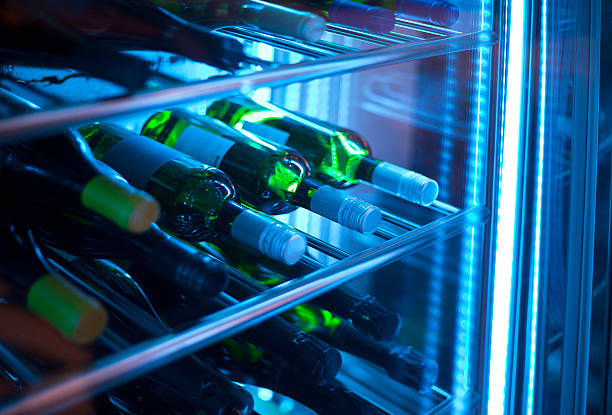
Optimal Wine Fridge Temp
Wondering what the optimal wine fridge temp should be? You’re not alone—and we’ve got you covered. Whether you’re storing bold reds, crisp whites, or delicate sparkling wines, getting the temperature right is key to preserving flavor and aroma. In this guide, we’ll break down the ideal wine fridge temperature settings for every type of wine, plus tips to maintain consistency. No more guessing—just perfectly chilled, ready-to-enjoy bottles every time. Let’s get your fridge dialed in for the best tasting experience.
What Is the Ideal Temperature for a Wine Fridge?
Standard Temperature Range for Wine Storage
The ideal temperature for a wine fridge generally falls between 50°F and 59°F (10°C to 15°C), which preserves wine quality and allows proper aging. This range minimizes chemical reactions that can spoil wine while maintaining optimal cork moisture to prevent oxidation.
Stability is key—frequent temperature fluctuations can damage wine more than being slightly off the ideal mark. Avoid setting your fridge below 45°F, as it can dull aromas, or above 65°F, which accelerates aging.
For most casual drinkers who consume wine within a few years, 55°F is widely considered the sweet spot. This temperature safely accommodates both reds and whites short-term. Ensure your wine fridge is in a cool, shaded area away from heat sources to maintain consistent internal conditions.
A built-in thermometer or digital display helps monitor accuracy, ensuring your collection stays in peak condition.
How Different Wines Need Different Temps
While a universal setting is convenient, different wines perform best at specific temperatures. Light-bodied whites like Pinot Grigio and Sauvignon Blanc shine when served chilled between 45°F and 50°F, enhancing their crisp acidity.
Full-bodied whites such as Chardonnay benefit from slightly warmer temps of 50°F to 55°F, allowing complex flavors to emerge. Red wines are best stored around 55°F to 65°F; too cold and their tannins taste harsh, too warm and alcohol dominates.
Sparkling wines and rosés should be cooler—around 43°F to 48°F—to preserve effervescence and freshness. Serving temperature impacts aroma, balance, and mouthfeel. If your fridge allows adjustments, fine-tune based on the wine type before serving.
Even small changes can elevate your tasting experience, making temperature precision a simple yet powerful tool for wine enjoyment.
Single vs. Dual Zone Fridge Settings
Choosing between single and dual zone wine fridges depends on your collection and drinking habits. A single zone fridge maintains one temperature throughout, typically set around 55°F, making it suitable for short-term storage of mixed wines. However, it lacks precision for serving different wines at their ideal serving temps.
A dual zone model offers separate compartments, allowing you to store reds at 60°F–65°F in one section and whites at 45°F–50°F in another. This flexibility is ideal for enthusiasts who want both proper aging and ready-to-serve options.
Dual zones also reduce temperature swings when opening the fridge, as only one section is exposed. If you frequently entertain or collect diverse wines, the added control of dual zones is worth the investment. For smaller collections or occasional use, a well-set single zone can still deliver excellent results.
Best Wine Fridge Temperatures by Wine Type
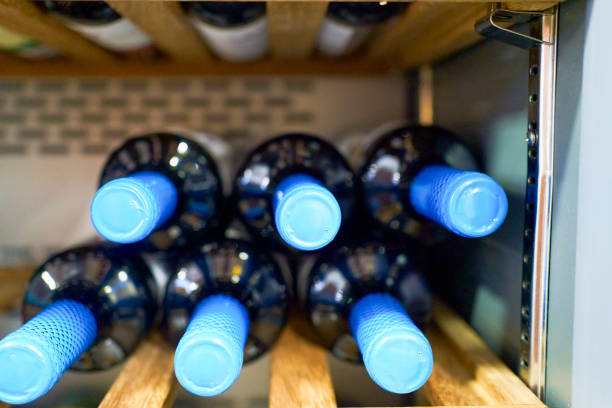
Red Wine: How Cold Should It Be?
The optimal wine fridge temp for red wine ranges between 55°F and 65°F (13°C–18°C), depending on the variety. Full-bodied reds like Cabernet Sauvignon or Syrah benefit from slightly warmer temps around 63°F–65°F to enhance their complex aromas and soften tannins.
Lighter reds such as Pinot Noir taste best at 55°F–60°F, preserving their delicate fruit notes and acidity. Avoid storing reds too cold, as it dulls flavor and makes tannins more astringent. For best results, use a dual-zone wine fridge to store reds separately from whites.
If serving immediately, let the bottle sit at room temperature for 10–15 minutes if it’s been chilled too long. Consistent, cool storage preserves aging potential and flavor integrity.
White Wine: Ideal Serving and Storage Temp
White wines thrive at cooler temperatures between 45°F and 55°F (7°C–13°C), depending on body and sweetness. Light, crisp whites like Sauvignon Blanc or Pinot Grigio should be served at 45°F–50°F to highlight their bright acidity and fresh fruit characteristics.
Fuller-bodied whites such as oaked Chardonnay taste better slightly warmer, around 50°F–55°F, allowing their rich textures and nuanced flavors to shine. Storing whites too cold long-term can mute aromas, so aim for a consistent 50°F in your wine fridge. Avoid freezing temps, which risk damaging the bottle and altering taste.
For ideal serving, chill in the fridge for 30–60 minutes if stored at cellar temperature. Proper white wine temp ensures balance and refreshment in every glass.
Sparkling and Rosé: Keeping Them Crisp
Sparkling wines and rosés need consistently cold storage between 40°F and 50°F (4°C–10°C) to maintain effervescence and freshness. Champagne, Prosecco, and other bubblies taste best served at 43°F–48°F—cold enough to preserve bubbles but not so cold that aromas are masked.
Rosé, whether light or full-bodied, should be enjoyed at 45°F–50°F to balance fruitiness with refreshing acidity. Store both types in the lower zone of a dual-zone wine fridge for optimal conditions. Avoid temperature swings, which can weaken corks and cause leakage.
For serving, chill sparkling wines for at least 2–3 hours in the fridge or 30 minutes in an ice bucket. Proper temp control ensures longevity, fizz retention, and vibrant flavor in every pour.
Dessert Wines: Temperature Tips for Sweet Varieties
Dessert wines like Port, Sauternes, and late-harvest Rieslings should be stored and served at slightly cooler than room temperature, ideally between 50°F and 58°F (10°C–14°C). Lighter sweet wines, such as Moscato or Riesling, shine at 50°F–54°F, preserving their vibrant acidity and floral notes without overwhelming sweetness.
Heavier dessert wines like Tawny Port taste best at 55°F–58°F, allowing their rich, nutty, and caramel flavors to unfold. Avoid serving too cold, which suppresses aroma, or too warm, which accentuates alcohol. Store dessert wines long-term in a stable, dark environment at 55°F with proper humidity.
Serve in smaller portions, as their intensity is best appreciated when balanced by temperature. Correct chilling enhances complexity and harmony.
How to Set and Maintain the Right Fridge Temp
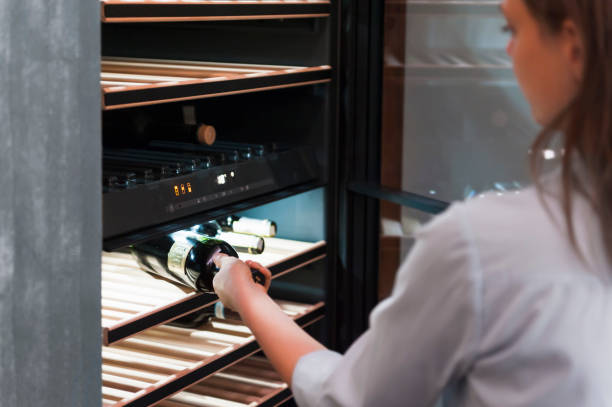
Step-by-Step Guide to Adjusting Your Wine Fridge
To set the optimal wine fridge temperature, begin by ensuring the unit is empty or minimally stocked for accurate adjustment. Most wine fridges perform best between 45°F and 65°F (7°C to 18°C), depending on the type of wine stored.
For long-term aging, aim for 55°F (13°C)—the ideal midpoint for preserving cork integrity and slowing oxidation. Start by turning the fridge on and allowing it to run for at least 24 hours before making adjustments. Use the control panel to increase or decrease the temperature in 2-degree increments.
Avoid drastic changes, as this can cause temperature fluctuations that harm wine quality. After each adjustment, wait 6–8 hours before checking again. Store reds toward the top (slightly warmer) and whites at the bottom (cooler), if your unit has a vertical temperature gradient.
This method ensures consistent, wine-friendly conditions tailored to your collection’s needs.
Using the Built-In Thermostat Correctly
The built-in thermostat in your wine fridge is designed for convenience, but understanding its limitations is key to maintaining ideal conditions. Most thermostats use internal sensors that can be affected by ambient room temperature, frequent door openings, or uneven airflow.
To use it effectively, set the thermostat to 55°F (13°C) for mixed storage or adjust based on wine type—50–54°F (10–12°C) for whites and sparkling, 57–65°F (14–18°C) for reds. Always allow at least 6 hours after adjustments before re-evaluating.
Avoid overloading shelves, as this blocks airflow and causes the thermostat to misread internal temps. Keep the door sealed tightly and minimize opening duration to prevent warm air infiltration.
Remember, the thermostat setting is a starting point—actual internal temperature may vary slightly, so pair it with periodic manual checks using an external thermometer for greater accuracy and long-term wine preservation.
When to Use a Separate Thermometer
Even with a built-in thermostat, using a separate, standalone thermometer significantly improves temperature accuracy. Built-in sensors can be imprecise or located in areas that don’t reflect average internal conditions. Place a digital thermometer with a probe on the middle shelf for 24 hours to get a true reading.
This is especially important when first setting up your wine fridge or after moving it. Seasonal changes or fluctuations in room temperature also warrant manual checks, as they can impact performance. If you store high-value or aging wines, monitor temperatures weekly to ensure stability.
A variance of more than 2°F can affect aging and flavor. Choose a thermometer with min/max memory to track fluctuations over time. By cross-checking the built-in display with an external device, you ensure your wine ages in truly optimal conditions, protecting your investment and preserving taste profiles over time.
Common Wine Fridge Temperature Mistakes
Setting It Too Cold: Risks to Flavor
Storing wine at temperatures below 45°F (7°C) may seem safe, but it can significantly suppress aromas and flavors, especially in red wines. When wine gets too cold, its chemical compounds become less active, leading to a dull tasting experience and muted bouquet.
Additionally, excessively low temperatures can cause cork contraction, increasing the risk of oxidation over time as air seeps into the bottle. White and sparkling wines benefit from cooler storage—ideally between 45–50°F (7–10°C)—but even they suffer if chilled too aggressively. The ideal wine fridge temp balances preservation and readiness for serving.
Avoid setting your unit below 45°F unless you’re short-term chilling a bottle. Consistent, moderate cooling protects the wine’s integrity and ensures it expresses its full character when opened. Always allow wine to warm slightly before serving if over-chilled.
Too Warm? How Heat Damages Wine
Exposing wine to temperatures above 68°F (20°C) accelerates aging and can lead to irreversible spoilage. Heat causes wine to expand, potentially pushing the cork out slightly and allowing oxygen to enter, resulting in oxidation and flat, vinegar-like flavors.
Prolonged warmth can also degrade delicate fruit notes, especially in whites and rosés, leaving wine lifeless and cooked-tasting. The optimal wine fridge temp for long-term storage is 55°F (13°C), a benchmark that slows aging while preserving freshness.
Even brief exposure to high temperatures—like placing a fridge near an oven or in direct sunlight—can create damaging heat spikes. Always position your wine cooler in a cool, shaded area with proper ventilation. Monitoring internal temperature with a standalone thermometer ensures accuracy, as built-in dials can be unreliable.
Prevent heat damage by maintaining a stable, moderate environment.
Frequent Temperature Swings and Their Effects
Consistency is key: fluctuating temperatures—even within an acceptable range—can harm wine over time. Repeated expansion and contraction of the liquid may compromise the cork seal, inviting oxygen and leading to premature oxidation. These shifts also disrupt the slow, steady aging process, potentially creating off-flavors or imbalanced profiles.
The optimal wine fridge temp isn’t just about hitting 55°F (13°C)—it’s about maintaining it steadily. Avoid models with poor insulation or compressors that cycle too frequently. Keep the door closed as much as possible and minimize movement of the unit.
Install your wine cooler in a location with stable ambient temperature, away from HVAC vents or exterior doors. For long-term aging, consider a dual-zone fridge with vibration control and precise thermostats. Monitoring with an external thermometer helps catch inconsistencies early. Stability protects your investment and ensures every bottle ages gracefully.
Dual Zone Wine Fridges: How to Use Both Compartments
Upper vs. Lower Zone: What to Store Where
In a dual zone wine fridge, the upper zone is typically warmer and best suited for storing red wines, which thrive at temperatures between 55°F and 65°F (12°C–18°C). This slightly elevated temperature helps preserve the complex flavors and aromas of full-bodied reds like Cabernet Sauvignon and Syrah.
Conversely, the lower zone is cooler, making it ideal for white, rosé, and sparkling wines that require temperatures between 45°F and 50°F (7°C–10°C) to maintain crispness and effervescence. Storing wines in the correct zone prevents premature aging and ensures each bottle is served at its peak.
Avoid overcrowding either compartment to allow proper air circulation. Use the manufacturer’s rack layout as a guide, placing frequently accessed bottles at eye level. Consistent placement also helps maintain stable temperatures when the door is opened.
By assigning wines to the right zone based on type and serving needs, you maximize both preservation and enjoyment.
Setting the Ideal Temp for Each Zone
To achieve the optimal wine fridge temp, set the upper zone between 55°F and 65°F for reds, which need warmth to express their full bouquet and smooth tannins. The lower zone should be set between 45°F and 50°F to keep whites, rosés, and sparkling wines properly chilled and refreshing.
Use the fridge’s digital controls to adjust each compartment independently, and allow 24 hours for temperatures to stabilize after setting. Monitor the internal thermometer regularly, as frequent door openings can cause fluctuations. Avoid setting both zones too cold, as this dulls red wine characteristics.
For best results, use an external thermometer to verify accuracy. Maintain humidity levels around 50–70% to protect corks from drying out. If your model has a ‘cellar’ preset, use it as a starting point, then fine-tune based on your wine collection.
Proper temperature settings ensure every bottle ages gracefully and is ready to serve at its best.
Best Practices for Organizing Dual Zone Fridges
Maximize efficiency and wine quality by organizing bottles according to type, varietal, and intended serving order. In the upper (warmer) zone, group reds by body—light, medium, and full—so you can easily access a Pinot Noir without disturbing a bold Malbec. Use labeled bins or dividers if available.
In the lower (cooler) zone, store whites and sparkling wines upright to minimize cork contact and preserve carbonation. Keep dessert wines like Riesling or Port in the back where temperatures are most stable. Rotate stock using the ‘first in, first out’ rule to prevent aging beyond peak drinkability.
Avoid placing bottles directly against cooling vents to prevent over-chilling. Leave space between bottles for consistent airflow. Minimize door storage except for short-term chilling, as temperatures fluctuate most there. With thoughtful organization, your dual zone fridge becomes a precision tool for wine preservation and service readiness.
How Long Can Wine Stay in a Fridge?
Short-Term Storage vs. Long-Term Aging
For short-term storage, keeping wine in a standard refrigerator is acceptable, but only for a few days to a couple of weeks. The optimal wine fridge temp for short-term storage is between 45°F and 55°F (7°C–13°C), which preserves flavor and prevents premature aging.
Refrigerators typically run too cold (around 35°F–40°F or 2°C–4°C), which can inhibit aroma development and dull the taste of wine, especially whites and rosés. While this is fine for chilling before serving, prolonged exposure to low temps and dry air can dry out corks and introduce oxidation.
In contrast, long-term aging requires consistent temperature, humidity, and darkness—conditions most kitchen fridges can’t provide. A dedicated wine cooler maintains the ideal 55°F (13°C) baseline, protecting your investment and ensuring proper maturation over months or years.
When to Move Wine to a Cellar or Cooler
If you plan to store wine beyond four weeks, it’s time to move it to a proper wine cellar or cooler. The optimal wine fridge temp for long-term storage is a steady 55°F (13°C), with humidity levels between 50% and 70% to keep corks from drying out.
Standard refrigerators lack humidity control and vibrate more, both of which can damage wine quality over time. Vibrations disturb sediments and accelerate chemical reactions, while low humidity causes corks to shrink, leading to oxidation. Fine wines meant for aging—like Cabernet Sauvignon, Barolo, or vintage Port—require stable, dark, and vibration-free environments.
A dedicated wine cooler or cellar provides these conditions, preserving complexity and balance. Don’t wait until the wine shows flaws—proactive transfer ensures peak drinking condition when the time comes.
Signs Your Wine Has Been Stored Too Long
Wine stored too long in a standard fridge may show subtle but telling signs of degradation. Premature oxidation is common, especially in reds, leading to brownish hues and flat, nutty flavors instead of vibrant fruit.
If the cork appears dry or receded, or if the wine level is low (‘ullage’), air exposure has likely damaged it. Off-odors like vinegar, wet cardboard, or mustiness indicate spoilage. Even whites and rosés can suffer—overchilling dulls aromas and stunts flavor expression, making the wine seem lifeless.
While not unsafe, such wines lose their intended character. To prevent this, limit fridge storage to under three weeks and use a wine-specific cooler for longer preservation. The optimal wine fridge temp and humidity help maintain freshness, so monitor stored bottles regularly for visual and sensory cues of decline.
Tips for Maximizing Wine Fridge Performance
Keep the Door Closed and Sealed
To maintain the optimal wine fridge temperature, it’s essential to keep the door closed as much as possible and ensure a tight seal. Frequent or prolonged door openings allow warm air to enter, forcing the compressor to work harder to stabilize the internal climate.
This temperature fluctuation can harm wine quality and shorten its aging potential. Check the door gasket regularly for wear, cracks, or debris that could compromise the seal. A simple test—closing the door on a piece of paper—can reveal gaps; if the paper slips out easily, the seal needs attention.
Additionally, avoid placing the fridge in high-traffic areas where the door may be opened often. By minimizing exposure to external air, you help the unit maintain a consistent temperature between 50°F and 59°F, which is ideal for long-term storage and aging.
Avoid Overloading the Interior
Proper airflow is critical for maintaining the optimal wine fridge temperature, and overloading shelves can disrupt circulation. When bottles are packed too tightly, cold air cannot move freely around them, leading to inconsistent cooling and potential hot spots.
This uneven environment may accelerate aging in some bottles while stalling it in others. Arrange bottles with space between them, especially near vents, to allow cool air to circulate efficiently. Follow the manufacturer’s capacity guidelines and avoid stacking bottles or adding non-wine items.
Overloading also forces the compressor to run longer, increasing energy use and wear on the unit. For best results, organize bottles by type or serving temperature to make selection easier without prolonged door openings. This practice supports stable humidity and temperature, preserving wine integrity over time.
Placement: Where to Put Your Wine Fridge for Best Results
The location of your wine fridge significantly impacts its ability to maintain the optimal wine fridge temperature. Place the unit in a cool, dry area away from direct sunlight, heat sources like ovens or radiators, and high-humidity zones like dishwashers.
Ambient temperatures above 75°F can overwhelm the cooling system, causing inconsistent internal conditions. Ensure at least 2–3 inches of clearance around the back and sides for proper ventilation and heat dissipation. Avoid enclosed cabinets unless the model is specifically designed for built-in installation.
A stable environment helps the compressor run efficiently, reducing energy use and extending the appliance’s lifespan. For best performance, choose a room with minimal temperature swings, such as a basement or climate-controlled room. Proper placement supports long-term wine preservation and peak cooling efficiency.
Frequently Asked Questions
What is the optimal wine fridge temperature for storing red wine?
The optimal temperature for storing red wine is between 55°F and 65°F (13°C–18°C). Keeping reds in this range preserves their complex flavors and prevents premature aging.
What temperature should I set my wine fridge for white wine?
White wines are best stored between 45°F and 50°F (7°C–10°C) to maintain their crisp acidity and aromatic profile. This cooler range enhances their refreshing qualities when served.
Can I store both red and white wines in the same wine fridge?
Yes, dual-zone wine fridges allow you to store both red and white wines at their ideal temperatures. Set one zone to 55°F–65°F for reds and the other to 45°F–50°F for whites.
Is 50°F too cold for red wine storage?
While 50°F is slightly below the ideal range for long-term red wine storage, it’s acceptable for short-term. Prolonged storage below 55°F may slow aging and mute flavors over time.
What is the best humidity level in a wine fridge?
The ideal humidity level in a wine fridge is between 50% and 70% to prevent corks from drying out and letting in air. Proper humidity helps maintain a tight seal and protects wine quality.
Should I adjust wine fridge temperature before serving?
Yes, you can adjust the serving temperature slightly. For example, chill fuller-bodied reds to around 60°F to enhance balance, while serving whites slightly colder at 45°F–48°F for maximum freshness.
Conclusion
Maintaining the optimal wine fridge temperature ensures your wines age gracefully and taste their best. Generally, 55°F (13°C) is ideal for long-term storage, while whites and sparkling wines benefit from cooler settings around 45–50°F (7–10°C). Red wines can be stored slightly warmer, up to 65°F (18°C). Consistency is key—avoid temperature fluctuations. By setting your wine fridge correctly, you protect your investment and enhance every pour. Cheers to perfectly preserved wine!
