
Best Temperature For Wine Fridge
Wondering about the best temperature for your wine fridge? You’re not alone—and we’ve got you covered. The ideal setting depends on the type of wine you’re storing, but most experts agree that 55°F (13°C) is the sweet spot for long-term aging. For everyday storage and serving, keeping your wine fridge between 45°F and 65°F ensures your bottles stay fresh and flavorful. In this guide, we’ll break down exact temps for reds, whites, and sparkling wines—so your next pour is always perfect.
What Is the Ideal Temperature for a Wine Fridge?
Standard Temperature Range for Wine Storage
The ideal temperature for a wine fridge typically falls between 50°F and 59°F (10°C to 15°C), which provides a balanced environment for both short-term chilling and long-term aging. This range helps preserve the wine’s chemical composition, preventing premature aging or flavor distortion.
Temperatures above 60°F can accelerate aging, while those below 45°F may dull aromas and flavors. For most mixed collections, setting your wine fridge to 55°F (13°C) is a safe and effective middle ground. This temperature supports the stability of both reds and whites, especially if you don’t have separate zones.
Avoid frequent temperature fluctuations by placing the unit away from heat sources and direct sunlight. A stable, moderate temperature ensures corks remain moist, preventing air from entering and spoiling the wine. Always use a built-in thermometer or digital monitor to verify accuracy and maintain optimal storage conditions.
How Wine Type Affects Ideal Temperature
Different wines thrive at specific temperature ranges, so adjusting your wine fridge based on varietal enhances taste and longevity. Light-bodied whites like Pinot Grigio and Sauvignon Blanc taste best when served chilled between 45°F and 50°F (7°C–10°C), preserving their crisp acidity.
Fuller whites such as Chardonnay benefit from slightly warmer temps around 50°F–55°F (10°C–13°C) to express richer aromas. Light reds like Pinot Noir shine at 55°F–60°F (13°C–16°C), while full-bodied reds including Cabernet Sauvignon should be stored near 60°F–65°F (16°C–18°C).
If your wine fridge has dual-zone cooling, use separate compartments to store whites and reds at their ideal temps. Serving wine too cold masks flavor, while serving too warm emphasizes alcohol. Adjusting zones or rotating bottles before serving ensures optimal tasting experiences tailored to each wine type.
Why Consistent Temperature Matters
Maintaining a consistent temperature in your wine fridge is just as critical as the set point itself. Frequent fluctuations—caused by poor insulation, frequent door opening, or improper placement—can damage wine by expanding and contracting the liquid, potentially pushing corks out of place and allowing oxygen to enter.
This leads to oxidation and spoilage, diminishing flavor and aroma over time. Ideally, temperature variation should stay within ±1°F (±0.5°C) daily. Stable conditions support slow, graceful aging, especially for long-term cellaring. Fluctuations also encourage sediment disturbance in older wines.
To ensure consistency, choose a high-quality wine fridge with precision cooling, avoid garage or kitchen installations with variable ambient temps, and minimize door openings. A consistent environment protects your investment and ensures every bottle reaches your glass as the winemaker intended—fresh, balanced, and true to character.
How to Set the Right Temperature for Red Wine
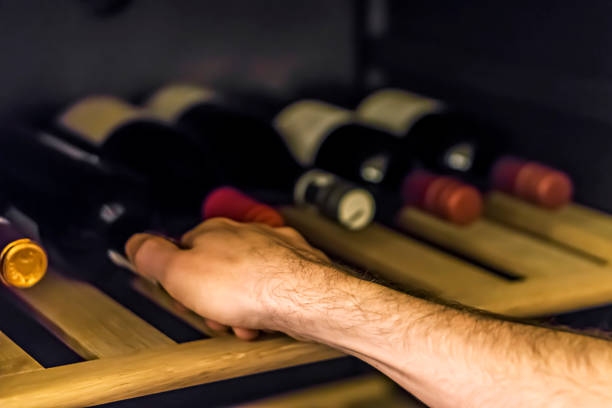
Best Temperature Range for Red Wines
The best temperature range for red wines in a wine fridge is between 55°F and 65°F (13°C–18°C). This range preserves the wine’s complex aromas and flavors while allowing it to express its full character when served.
Storing reds too warm can accelerate aging and dull delicate notes, while too cold storage may mute flavors and cause corks to contract, risking oxidation. A consistent 55°F is ideal for long-term aging, while 60–65°F works well for wines meant for earlier consumption.
Avoid temperature fluctuations by placing your wine fridge away from heat sources and direct sunlight. Use a dual-zone wine fridge if possible, allowing separate zones for reds and whites. Remember, you can always warm a slightly chilled red in the glass, but cooling an overheated bottle takes time.
Maintaining this ideal range ensures your red wines remain balanced, aromatic, and ready to enjoy at their peak.
Which Reds Need Slightly Cooler Storage
Not all red wines thrive at the same temperature—lighter-bodied reds like Pinot Noir, Gamay, and Grenache benefit from slightly cooler storage around 55°F–60°F (13°C–16°C). These wines have more delicate fruit profiles and higher acidity, which can be overwhelmed or flattened if stored too warm.
Cooler temperatures preserve their freshness and prevent alcohol from dominating the nose. Even medium-bodied reds like Sangiovese or Tempranillo can benefit from the lower end of the red wine range, especially if consumed within a few years.
Storing these varieties cooler also helps maintain balance when serving slightly chilled—about 15 minutes in the fridge before pouring enhances their vibrancy. Avoid storing all reds at room temperature, which often exceeds 70°F and can degrade quality over time.
By tailoring storage temps to the style of red, you protect their structure and ensure they’re served at their most expressive and enjoyable.
Avoiding Heat Damage to Red Wine
Heat is one of the biggest threats to red wine quality, and exposure above 70°F (21°C) can cause irreversible damage. High temperatures accelerate chemical reactions inside the bottle, leading to premature aging, flat aromas, and a cooked or stewed fruit flavor.
Prolonged heat can also cause the cork to expand and leak, introducing oxygen and spoiling the wine. Never store red wine near ovens, radiators, or in garages where temperatures fluctuate. A wine fridge set to a stable 55°F–65°F protects against these risks.
Even short heat spikes—like leaving a bottle in a hot car—can degrade quality. Use a wine fridge with temperature alarms to alert you to fluctuations. If your only option is room storage, choose a cool, dark closet away from exterior walls.
By prioritizing consistent, moderate temperatures, you preserve the wine’s integrity, ensuring every bottle ages gracefully and tastes as the winemaker intended.
How to Store White Wine at the Right Temperature
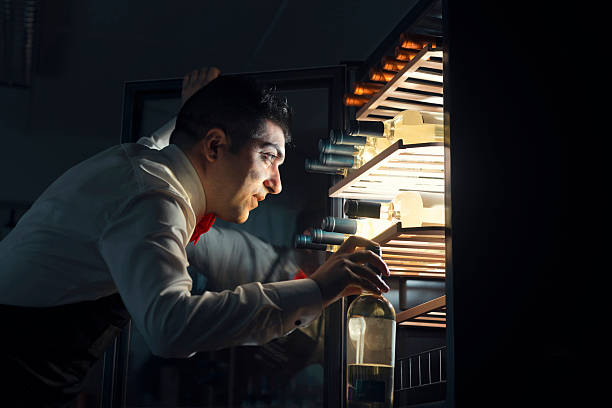
Optimal Cooling Range for White Wines
The best temperature for wine fridge storage of white wine generally falls between 45°F and 50°F (7°C to 10°C). This range preserves freshness, acidity, and aromatic complexity while preventing premature aging. Storing white wines within this optimal cooling zone ensures they remain stable and ready to serve chilled.
Avoid temperatures below 40°F, as they can dull flavors and cause corks to contract, risking oxidation. Conversely, temperatures above 55°F may accelerate chemical reactions, degrading quality over time. A dedicated wine fridge with precise temperature control is ideal—set it to 47°F as a safe starting point for most whites.
Regularly monitor the internal temperature with a separate thermometer to verify accuracy, as built-in displays can sometimes be unreliable. This consistent, cool environment helps maintain the wine’s integrity from bottle to glass.
Chilling Light vs. Full-Bodied Whites
Different white wines benefit from slightly adjusted serving temperatures within the ideal fridge range. Light, crisp whites like Pinot Grigio, Sauvignon Blanc, and unoaked Chardonnay shine when served at the cooler end—around 45°F to 48°F—which enhances their bright acidity and refreshing character.
In contrast, full-bodied whites such as oaked Chardonnay, Viognier, or white blends express more nuanced aromas and balanced textures when served slightly warmer—closer to 50°F.
Storing all whites together in the same wine fridge is acceptable, but consider moving fuller-bodied bottles to the door or letting them sit at room temperature for 10–15 minutes before serving. This fine-tuning ensures each style delivers its best sensory profile, maximizing enjoyment without compromising long-term storage safety.
Preventing Over-Chilling White Wine
While chilling white wine enhances its appeal, over-chilling can mask aromas and mute flavors, making the wine seem flat or overly acidic. Temperatures below 40°F numb the palate and suppress volatile compounds responsible for fragrance and complexity.
To prevent this, avoid storing white wine in a standard kitchen refrigerator long-term, as it typically runs at 35°F—too cold for proper preservation. Instead, use a dual-zone wine fridge set to 47°F for consistent, safe storage.
If a bottle has been over-chilled, let it warm up in the fridge for 15–20 minutes before serving. Never use quick-warming methods like hot water, as thermal shock damages wine. Proper temperature management ensures white wines retain their balance, aroma, and drinkability over time.
Temperature Settings for Rosé and Sparkling Wines
Ideal Fridge Settings for Rosé
The ideal temperature for storing rosé wine in a wine fridge is between 45°F and 50°F (7°C to 10°C). This range preserves the wine’s fresh fruit characteristics and crisp acidity, which are essential to its appeal.
Setting your wine fridge within this zone ensures rosé remains stable and ready to serve chilled without compromising its delicate balance. Avoid temperatures below 45°F, as they can mute aromas and dull flavors.
If your wine fridge allows zone control, place rosé in the middle to upper section, where temperatures are slightly warmer and more consistent. Consistency is key—frequent temperature fluctuations can accelerate aging and degrade quality.
For best results, allow the bottle to sit in the fridge for at least 2–3 hours before serving to reach optimal drinking temperature. This controlled environment helps maintain the wine’s vibrant color and refreshing profile over time.
Champagne and Sparkling Wine Storage Tips
To maintain the fizz and freshness of Champagne and other sparkling wines, set your wine fridge between 40°F and 45°F (4°C to 7°C). This cooler range helps preserve carbonation and prevents pressure buildup that could compromise the cork.
Store bottles horizontally to keep corks moist and create an airtight seal, minimizing oxidation. Avoid vibration-prone areas in the fridge, as agitation can disturb sediment and affect bubble structure. Sparkling wines are best consumed within 1–3 years, even under ideal conditions, so rotate your stock regularly.
If your wine fridge has UV-protected glass, it adds an extra layer of protection against light damage. For immediate serving, chill to 43°F–47°F—never over-chill, as extreme cold masks delicate aromas. Proper storage ensures each pour delivers crisp apple, citrus, and brioche notes with lively effervescence.
Serving Temperature vs. Long-Term Storage
It’s important to distinguish between serving temperature and long-term storage conditions for rosé and sparkling wines. For serving, rosé should be slightly chilled at 50°F–55°F, while sparkling wines shine at 43°F–47°F—cold enough to preserve bubbles but not so cold they mute flavor.
However, long-term storage requires slightly warmer, stable conditions: 45°F–50°F for rosé and 40°F–45°F for sparkling wines. This balance prevents premature aging while maintaining structural integrity. Wine fridges with dual-zone cooling allow you to store and serve optimally by dedicating one zone to aging and another to short-term chilling.
Avoid frequent temperature swings—consistency prevents spoilage and preserves freshness. Remember, serving too cold dulls aromas, so remove sparkling wine from the coldest zone 10–15 minutes before opening. Proper temperature management enhances every glass.
Dual-Zone vs. Single-Zone Wine Fridges
Benefits of a Dual-Zone Wine Fridge
A dual-zone wine fridge offers independent temperature control for two separate compartments, making it ideal for storing both red and white wines at their optimal conditions. Red wines thrive between 55°F and 65°F, while whites are best kept between 45°F and 50°F, and a dual-zone unit allows both ranges simultaneously.
This prevents flavor degradation caused by incorrect storage, preserving the wine’s aroma and complexity. Additionally, dual-zone fridges often feature superior insulation and humidity control, reducing cork drying and oxidation risks. For serious enthusiasts or frequent entertainers, this flexibility means ready-to-serve wines at perfect temperatures without last-minute chilling or warming.
The investment pays off in long-term wine quality and convenience, especially if you collect or age wines. While more expensive upfront, the precise environment supports both short-term chilling and long-term maturation, making it a smart choice for diverse wine collections.
How to Use Each Zone for Different Wines
To maximize your dual-zone wine fridge, assign the lower zone to white, rosé, and sparkling wines, setting it between 45°F and 50°F. These wines benefit from crisp, cool temperatures that preserve acidity and effervescence.
The upper zone should be set to 55°F–65°F for red wines, maintaining their smooth tannins and rich aromas without dulling flavor.
For wines like Pinot Noir or fuller-bodied whites such as oaked Chardonnay, use the warmer end of the white range or cooler end of the red range for ideal balance. Store bottles horizontally to keep corks moist, and avoid frequent temperature adjustments to prevent thermal shock.
Use the zones strategically—reserve one for long-term aging and the other for serving-ready bottles. Labeling each zone helps maintain consistency, especially in shared households. With proper setup, you ensure every bottle is served at its peak condition, enhancing both casual enjoyment and formal tastings.
Is a Single-Zone Fridge Enough?
For casual wine drinkers with a limited selection, a single-zone wine fridge can be perfectly sufficient. Set to the universal ideal of 55°F, it provides a stable environment suitable for short-term storage of most wines.
While not ideal for simultaneously serving chilled whites and room-temperature reds, you can temporarily adjust serving temperature by placing bottles in the fridge or at room temperature for an hour before serving. Single-zone units are more affordable and space-efficient, making them great for small kitchens or apartments.
If you primarily enjoy one wine type or don’t host frequently, the simplicity and lower cost outweigh the lack of dual control. However, long-term collectors or connoisseurs may find limitations, as consistent improper storage can dull flavors over time.
Ultimately, if your wine habits are modest and budget-conscious, a well-managed single-zone fridge delivers solid performance and protection against heat and light damage.
Common Wine Fridge Temperature Mistakes
Setting the Temperature Too Low
Many wine enthusiasts make the mistake of setting their wine fridge too cold, believing colder is always better for preservation. However, keeping wine too cold can dull its flavors and aromas, especially in reds that rely on chemical complexity to express their character.
The ideal temperature range for most wines is between 50°F and 59°F (10°C–15°C), with reds best stored around 55°F (13°C) and whites slightly cooler at 45°F–50°F (7°C–10°C). Setting the fridge below 45°F risks slowing aging too much and numbing the wine’s sensory profile.
Additionally, excessively low temperatures can cause corks to contract, leading to oxidation over time. Avoid defaulting to refrigerator temps—wine fridges are meant to be warmer than food refrigerators.
Use a calibrated thermometer to verify settings, and adjust based on the type of wine you’re storing to preserve balance, complexity, and drinkability.
Ignoring Humidity and Vibration
Temperature isn’t the only factor in proper wine storage—humidity and vibration play equally critical roles in preserving wine quality. Low humidity levels (below 50%) can dry out corks, allowing air to seep in and cause premature oxidation, while high humidity above 80% may damage labels and promote mold.
The ideal humidity range is 50% to 70%, which keeps corks pliable and seals intact. Meanwhile, vibration from compressors or nearby appliances can disturb sediment in aging wines and interfere with the slow chemical reactions needed for graceful maturation.
Store your wine fridge on a stable surface away from foot traffic or laundry areas. Choose models with vibration-dampening features and monitor both humidity and movement just as closely as temperature. Ignoring these elements undermines even the most precise temperature control, compromising long-term storage.
Frequent Temperature Fluctuations
One of the most damaging yet overlooked mistakes is allowing frequent temperature swings in a wine fridge. Even small, repeated fluctuations stress the wine, causing the liquid to expand and contract, which can push against the cork and introduce oxygen over time. This leads to premature aging and compromised flavor.
A stable environment is essential—fluctuations should stay within 1–2°F of your set point. Opening the fridge door often, placing it in a hot room, or poor insulation can all contribute to instability.
Avoid storing wine near ovens, dishwashers, or in direct sunlight, and ensure the unit has time to recover after loading new bottles. Use a digital thermometer with a min/max function to track consistency. Consistency matters more than perfection—a steady 57°F is better than cycling between 52°F and 60°F.
Maintain stability to protect your investment and ensure optimal aging.
Tips for Maintaining Perfect Wine Storage Conditions
How to Monitor Fridge Temperature Accurately
To maintain the best temperature for wine fridge performance, consistent monitoring is essential. The ideal range for most wines is between 55°F and 58°F (12.8°C to 14.4°C), which preserves flavor and aging potential.
Use a high-quality digital thermometer with a remote probe for precise, real-time readings, as built-in displays can sometimes be inaccurate. Place the thermometer near the center of the unit where airflow is most stable. Check the temperature at least once a week, especially during seasonal changes, to catch fluctuations early.
Avoid relying solely on preset settings—external factors like room temperature and door openings impact internal conditions. For long-term storage, consider a data-logging thermometer that records highs and lows over time. This helps identify patterns and ensures your wine ages under consistent, optimal conditions, protecting your investment and enhancing tasting quality.
Best Placement for Your Wine Fridge
Proper placement plays a crucial role in maintaining the best temperature for wine fridge efficiency and longevity. Position your unit in a cool, dry area away from direct sunlight and heat sources like ovens, radiators, or dishwashers, as external heat forces the compressor to work harder, risking temperature swings.
Ensure at least 2–3 inches of clearance around the vents to allow proper airflow and prevent overheating. Avoid garages or uninsulated spaces with extreme seasonal shifts unless the fridge is specifically designed for such environments. Interior corners of climate-controlled rooms are ideal.
Also, minimize foot traffic and vibrations near the unit, which can disturb sediment in aging bottles. By choosing a stable, low-traffic location, you help maintain consistent internal conditions, ensuring your wine ages smoothly and reaches its full potential.
Routine Maintenance for Long-Term Performance
Maintaining your wine fridge regularly ensures it sustains the best temperature for wine fridge storage over years of use. Start by cleaning the interior every three to six months using a mild baking soda solution to prevent mold and odors.
Check and clean the door gasket with a damp cloth to ensure a tight seal—leaks can cause temperature instability. Vacuum the condenser coils every six months to remove dust buildup, which can reduce cooling efficiency.
Verify that the fan operates smoothly and listen for unusual noises that may signal mechanical issues. Additionally, avoid overfilling the unit; proper air circulation is vital for uniform temperature distribution. Finally, schedule an annual check-up with a technician if your model stores valuable or aging collections.
With consistent care, your wine fridge will deliver reliable, optimal conditions for preserving wine quality.
Frequently Asked Questions
What is the best temperature for a wine fridge?
The ideal temperature for a wine fridge is between 45°F and 65°F (7°C to 18°C), depending on the type of wine. For long-term storage, a consistent temperature of around 55°F (13°C) is recommended to preserve wine quality.
Should red and white wines be stored at different temperatures in a wine fridge?
Yes, white wines are best stored between 45°F and 50°F (7°C to 10°C), while red wines should be kept between 55°F and 65°F (13°C to 18°C). Dual-zone wine fridges allow you to maintain separate temperatures for each.
Can I store all my wines at 55°F?
Yes, 55°F is considered a safe middle ground for storing both red and white wines if you have a single-zone wine fridge. While not optimal for serving, it helps preserve wine quality over time.
Why is temperature consistency important in a wine fridge?
Fluctuating temperatures can cause wine to expand and contract, potentially pushing the cork out slightly and allowing oxygen to spoil the wine. A stable temperature helps maintain the wine’s flavor, aroma, and aging potential.
Is humidity a factor in wine fridge settings?
Yes, ideal humidity levels in a wine fridge are between 50% and 70%. This prevents corks from drying out, which could lead to oxidation, while also minimizing mold risk.
What temperature should sparkling wines be stored at?
Sparkling wines, including Champagne and Prosecco, should be stored at cooler temperatures between 43°F and 47°F (6°C to 8°C) to preserve their freshness and carbonation.
Conclusion
The ideal temperature for a wine fridge depends on the type of wine, with 45–50°F best for whites, rosés, and sparkling wines, and 55–65°F optimal for reds. Consistent temperature and humidity levels help preserve flavor and age wine properly. Dual-zone fridges offer flexibility for diverse collections. By setting your wine fridge correctly, you enhance taste and longevity. Choose the right settings, store with care, and enjoy every perfectly chilled or cellar-ready sip.