Mead Making Starter Kit
Ready to dive into the ancient art of mead making but not sure where to start? A mead making starter kit is your perfect launchpad. Packed with everything you need—from yeast and honey to fermenters and instructions—these kits take the guesswork out of crafting your first batch of this delicious honey wine. Whether you’re a complete beginner or just looking for a fun new hobby, we’ll walk you through the best kits available, what to look for, and how to get started brewing delicious mead today.
What Is a Mead Making Starter Kit?
What Components Are Included in a Basic Kit
A basic mead making starter kit includes all the essential tools and ingredients needed to ferment your first batch of mead successfully. Typically, you’ll find a food-grade plastic or glass fermenter with an airlock to allow carbon dioxide to escape while preventing contamination.
Most kits include yeast specifically selected for mead fermentation, such as Lalvin D-47 or 71B, which enhance flavor and alcohol tolerance. You’ll also receive honey—sometimes pre-measured—or instructions for sourcing your own. Additional items often include a sanitizer, siphon, bottles, stopper, hydrometer to measure sugar levels, and detailed step-by-step instructions.
Sanitation supplies are crucial, as clean equipment prevents spoilage. Some kits may offer flavor add-ins like cinnamon, fruit extracts, or spices for customizing your mead. With these components, beginners can confidently start brewing with minimal extra purchases, ensuring a smooth introduction to the ancient art of mead making.
How Mead Kits Differ from Beer or Wine Kits
Mead making starter kits differ significantly from beer and wine kits in both ingredients and fermentation approach. While beer kits rely on malted grains and hops, and wine kits use grape juice or concentrate, mead kits are built around honey as the primary fermentable sugar.
This fundamental difference affects yeast selection, fermentation time, and flavor development. Mead kits often require longer aging periods—sometimes months or even years—for optimal taste, whereas beer and some wines are ready faster. Additionally, mead-specific kits include honey-compatible yeast strains that tolerate higher alcohol levels, which are common in mead.
Unlike beer kits that may include hops and complex grain bills, or wine kits with acid blends and tannins, mead kits emphasize simplicity and purity of ingredients, allowing honey’s character to shine.
Some advanced mead kits offer additive packets for melomels (fruit meads) or spiced varieties, but the core remains honey-based. This distinction makes mead kits ideal for those interested in crafting a historically inspired, naturally sweet fermented beverage with unique depth and complexity.
Types of Mead You Can Make with Starter Kits
With a mead making starter kit, you can craft a variety of mead styles, from traditional to creatively flavored versions. The simplest is traditional mead, made with just honey, water, and yeast, showcasing the pure, floral notes of the honey.
Many kits also support melomel, a fruit-infused mead, by including freeze-dried fruit or instructions for adding fresh berries, citrus, or stone fruits. For spice lovers, metheglin is easy to make using included spices like cinnamon, cloves, or ginger, adding warmth and complexity.
Some kits allow experimentation with pyment, which blends honey and grape juice for a hybrid wine-mead profile. Advanced kits may even guide you toward session meads, lower in alcohol and quicker to ferment, perfect for casual drinking.
By adjusting honey ratios, fermentation time, and additives, beginners can explore still or carbonated versions, even bottling with priming sugar for natural fizz. Starter kits provide a versatile foundation, encouraging creativity while ensuring consistent, drinkable results.
This flexibility makes them ideal for both first-time fermenters and seasoned hobbyists looking to expand their craft.
Top Features to Look for in a Mead Making Kit
Essential Equipment Included
When choosing a mead making starter kit, ensure it includes all essential equipment needed to begin fermentation successfully. Look for kits that provide a food-grade fermentation vessel with an airlock, which prevents contamination while allowing carbon dioxide to escape.
A siphon hose and bottling wand make transferring mead without disturbing sediment easier and more sanitary. Also, verify the kit includes a hydrometer to measure specific gravity—this helps track fermentation progress and estimate alcohol content. Sanitizer is another must-have, as cleanliness is critical to avoid spoilage.
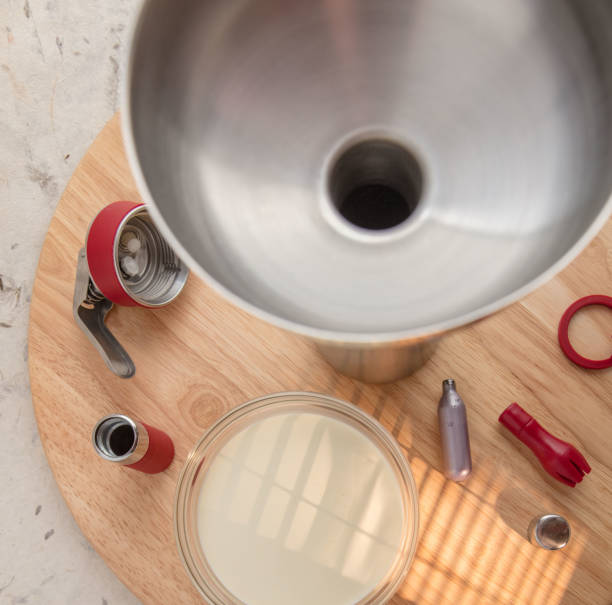
Kits with funnels, stoppers, and cleaning brushes add convenience and promote good brewing hygiene. Avoid kits that require numerous additional purchases, as these can increase costs and frustrate beginners.
A comprehensive kit saves time, reduces errors, and sets you up for success from day one, making the mead-making process smooth and enjoyable even for first-time fermenters.
Quality of Ingredients Provided
The quality of ingredients in a mead making starter kit directly impacts the flavor, clarity, and overall success of your brew. Look for kits that include pure, raw honey—preferably varietal or locally sourced—since honey is the foundation of mead and contributes significantly to aroma and taste.
High-quality kits often pair honey with yeast strains specifically cultivated for mead, such as Lalvin D-47 or Red Star Côte des Blancs, which enhance fermentation efficiency and flavor profile. Avoid kits with artificial additives, preservatives, or corn syrup blends, as these compromise authenticity.
Some kits offer natural flavorings or fruit extracts for melomel (fruit mead) variations, but ensure they’re derived from real fruit. Reading customer reviews and ingredient labels helps assess quality.
Premium ingredients may cost slightly more but result in a smoother, more complex mead and a more rewarding brewing experience, especially for beginners learning the craft.
Beginner-Friendly vs Advanced Options
When selecting a mead making starter kit, consider whether you need a beginner-friendly or advanced option based on your experience level. Beginner kits should include step-by-step instructions, pre-measured ingredients, and simplified processes like no-boil recipes to reduce complexity.
These kits often focus on traditional mead with minimal variables, helping new brewers grasp fermentation fundamentals without overwhelm. In contrast, advanced kits may offer specialty honeys, multiple yeast options, and add-in ingredients for experimenting with melomels, metheglins, or pyments. They might require temperature control, aging guidance, or secondary fermentation techniques.
Choose a kit that matches your skill level and learning goals. A good beginner kit builds confidence, while an advanced kit encourages creativity and refinement. Some kits even scale in difficulty, making them ideal for long-term learning.
Matching the kit to your experience ensures a satisfying, educational journey into the ancient art of mead making.
Best Mead Making Starter Kits on the Market
Comparison of Popular Beginner Kits
When starting your mead-making journey, choosing the right beginner-friendly kit is essential for success. Several top-rated starter kits, like the Northern Brewer Mead Making Kit and Austin Homebrew Mead Kit, offer straightforward instructions and quality ingredients. These kits typically include honey, yeast, nutrients, and bottles, making them ideal for first-timers.
The Northern Brewer version stands out with its detailed recipe guide and reliable fermentation tools, while Austin Homebrew focuses on organic components and eco-conscious packaging. Most beginner kits produce 1-gallon batches, allowing new brewers to experiment without large commitments. Ease of use, clear instructions, and consistent results are common strengths.
However, some may require purchasing additional tools like hydrometers or airlocks separately. Reading customer reviews and checking for comprehensive inclusions helps avoid surprises. For those seeking a smooth introduction, these kits provide a solid foundation in mead crafting with minimal frustration.
Premium Kits with All-In-One Supplies
For enthusiasts who want everything in one box, premium mead making starter kits deliver unmatched convenience. Kits like the Homebrew Heaven Deluxe Mead Kit and Midwest Homebrewing All-in-One Set include fermenters, siphons, airlocks, bottles, honey, yeast, and cleaning supplies—eliminating the need for extra purchases.
These all-inclusive sets are perfect for those who value time efficiency and completeness. The Homebrew Heaven kit, in particular, features a food-grade plastic fermenter with a spigot, simplifying transfers and reducing contamination risks. Premium kits often use high-quality, varietal honey and specialized yeast strains to enhance flavor complexity.
Though priced higher, their long-term value and professional results justify the investment. They also make excellent gifts for aspiring homebrewers. With step-by-step guides and durable equipment, these kits empower beginners to produce restaurant-quality mead with confidence and ease.
Budget-Friendly Options for First-Time Makers
If you’re testing the waters of mead making, affordable starter kits offer a low-risk way to begin. Options like the Crosby & Baker Mead Kit or Amazon Basics Home Mead Set typically cost under $50 and include honey, yeast, nutrients, and basic instructions.
While they may not come with fermenters or bottling gear, they’re ideal for learning the fundamentals of fermentation without overspending. These kits often require repurposing household items—like glass jugs or funnels—helping you save while gaining hands-on experience.
Many budget kits still produce delicious, drinkable mead in 4–6 weeks with proper care. Look for sets that specify ingredient quality and alcohol tolerance to ensure reliable outcomes. Customer support and online tutorials can further enhance success.
For first-time makers seeking simplicity and value, these economical kits provide a practical entry point into the ancient art of mead crafting.
How to Use a Mead Making Starter Kit
Step-by-Step Instructions for First-Time Use
Begin by reading the kit instructions thoroughly before starting, as each mead making starter kit may vary slightly in contents and process. Lay out all components—fermenter, airlock, siphon, honey blend, yeast, and additives—and confirm everything is included. Choose a clean, temperature-stable workspace, ideally between 65–75°F (18–24°C), to support consistent fermentation.
Assemble the fermenter by securely attaching the spigot if applicable, then prepare for sanitization. Follow the sequence: sanitize, mix must, pitch yeast, seal, and store. Avoid rushing any phase, especially yeast rehydration, which boosts fermentation success.
Most kits use pre-measured honey blends—simply dissolve in warm (not boiling) water to preserve flavor. Keep a notebook to log dates, observations, and room temperature. This helps troubleshoot later and refine future batches.
With patience and attention, your first mead can ferment cleanly and develop rich, balanced flavors over the coming weeks.
Sanitizing Your Equipment Properly
Sanitization is critical to prevent contamination that can spoil your mead. Use a no-rinse sanitizer like Star San or iodophor, mixing according to label directions. Disassemble all equipment—fermenter, airlock, stopper, siphon, stirring spoon—and fully submerge or coat each piece.
Pay close attention to hard-to-reach areas like spigot crevices and airlock bends, where bacteria and wild yeast thrive. Let items soak for the recommended time (usually 1–2 minutes), then drain—do not rinse if using no-rinse sanitizer. Sanitize just before use to maintain effectiveness.
Never touch sanitized surfaces with bare hands or unsanitized tools. Re-sanitize if equipment is set down or exposed. Even a small lapse can introduce off-flavors or stalled fermentation. Treat every piece that contacts the must as a potential contamination point.
By making sanitizing a strict habit, you protect your mead’s quality and ensure a clean, successful fermentation from the start.
Mixing the Must and Adding Yeast Correctly
To mix the must, dissolve the included honey blend in 1–2 gallons of warm water (around 90–100°F) to aid integration without killing yeast later. Stir thoroughly until no sediment remains. Top up with cool, filtered water to reach the fermenter’s fill line (usually 1 gallon).
Check temperature before pitching yeast—ideally 68–75°F. Rehydrate dry yeast in sterile water at 95°F for 15 minutes if recommended, or sprinkle directly if the kit specifies. Gently pour yeast into the must and stir lightly to distribute. Seal the fermenter with a stopper and airlock filled with sanitizer or water.
Avoid over-stirring post-pitch to limit oxidation. Store in a dark, temperature-stable area. Bubbling in the airlock within 24–72 hours signals active fermentation. Proper mixing and yeast handling ensure a strong start, leading to a smooth, flavorful mead.
Fermentation Process and Timeline
How Long Fermentation Takes
The fermentation timeline for mead typically ranges from 2 to 4 weeks for the primary phase, though total aging can last 3 to 6 months or longer for optimal flavor. Using a mead making starter kit, you’ll begin fermentation within 24 to 72 hours after pitching the yeast.
The duration depends on factors like honey type, yeast strain, and temperature. Primary fermentation slows when bubbling in the airlock decreases to one bubble every 30 seconds or less. After this, many brewers rack the mead to a secondary vessel to clarify and mature.
Patience is key—rushing fermentation can result in off-flavors or incomplete yeast activity. While some kits claim ready-to-drink mead in weeks, allowing extended aging enhances smoothness and complexity. Always confirm fermentation is complete using a hydrometer—stable readings over three consecutive days indicate it’s time to move on.
Ideal Temperature and Storage Conditions
Maintaining consistent temperature is crucial for successful mead fermentation. The ideal range is 64–75°F (18–24°C), depending on the yeast strain included in your mead making starter kit. Temperatures below this range can stall fermentation, while higher levels risk producing off-flavors or alcohol-heavy profiles.
Store your fermenter in a dark, temperature-stable location away from direct sunlight and drafts. Use a fermentation jacket or heating pad if ambient conditions fluctuate. Avoid placing the carboy near appliances or windows that alter room temperature. Stability supports healthy yeast activity and prevents stress-related fermentation issues.
Additionally, ensure your airlock is filled with sanitizer or vodka to prevent contamination. A quiet corner of a basement or closet often works well. Monitoring with a fermentation thermometer strip can help maintain ideal storage conditions throughout the process.
Signs Your Mead Is Fermenting Properly
Several visible and measurable indicators confirm your mead is fermenting correctly. Within 12 to 36 hours of pitching yeast, you should see bubbles in the airlock, signaling CO2 release. A foamy krausen layer forming on the surface is another positive sign of active yeast.
Swirling the fermenter gently may reveal tiny bubbles rising steadily. Use a hydrometer to track specific gravity—a steady decline over days confirms sugar conversion to alcohol. Avoid opening the fermenter unnecessarily to prevent contamination. Cloudiness is normal during active fermentation.
If no activity occurs after 72 hours, check yeast viability and temperature. Steady bubbling slowing over weeks, combined with falling gravity readings, indicates a healthy fermentation. These signs, when monitored consistently, ensure your mead making starter kit is performing as expected.
Common Mistakes to Avoid with Starter Kits
Overlooking Sanitation Practices
One of the most critical mistakes in mead making is neglecting proper sanitation. Even with a beginner-friendly starter kit, contamination from bacteria or wild yeast can ruin an entire batch. Everything that touches your must—fermenters, airlocks, spoons, funnels, and siphons—must be thoroughly cleaned and sanitized before use.
Many beginners assume that because honey is naturally antimicrobial, their mead is protected, but once diluted with water, it becomes vulnerable. Use a no-rinse sanitizer like Star San to ensure all equipment is safe. Avoid using household cleaners, as residue can affect fermentation and flavor.
Re-sanitize tools between steps, especially during racking or bottling. Taking sanitation seriously from day one dramatically increases your chances of producing clean, delicious mead. Skipping this step may lead to off-flavors, mold, or fermentation failure, undermining the simplicity a starter kit is meant to provide.
Using Tap Water with Chlorine
A common but avoidable error is using chlorinated tap water in your mead must. Chlorine and chloramines, commonly found in municipal water supplies, can produce harsh, medicinal off-flavors and inhibit healthy yeast activity.
Even small amounts can negatively impact the delicate fermentation process, especially with sensitive yeast strains included in starter kits. Instead, use filtered, bottled, or boiled-and-cooled water to ensure purity. Alternatively, treat tap water with a campden tablet (potassium metabisulfite) to neutralize chlorine, waiting 24 hours before pitching yeast.
Never assume your tap water is mead-safe—test it or err on the side of caution. Using clean water preserves the honey’s nuanced flavors and supports consistent fermentation.
This small adjustment significantly improves the quality and aroma of your finished mead, making it a simple yet essential best practice for beginners relying on starter kits for success.
Bottling Mead Too Early
Impatience often leads new mead makers to bottle their mead before fermentation is complete, resulting in over-carbonation, gushing bottles, or even explosions. Starter kits may suggest timelines, but actual fermentation duration varies based on temperature, yeast strain, and honey composition.
Always confirm fermentation is finished by taking specific gravity readings two to three days apart—if the numbers remain unchanged, fermentation has likely stopped. Bottling too soon traps active yeast and residual sugars, causing continued fermentation in the bottle.
This not only creates pressure risks but can also produce off-flavors or inconsistent sweetness. Use a hydrometer or refractometer to verify stability. Additionally, allow time for clearing and aging, even if the mead tastes fine early on.
Patience ensures safety, clarity, and better flavor development, turning a simple starter kit batch into a well-crafted, enjoyable mead.
Next Steps After Your First Batch
How to Bottle and Age Your Mead
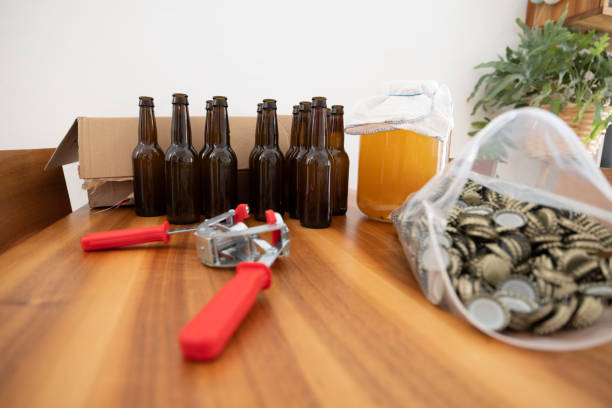
Once your mead has finished fermenting and cleared, bottling at the right time is essential for preserving flavor and carbonation. Begin by sanitizing all equipment, including bottles, siphon, and stoppers. Use a siphon to transfer the mead from the fermenter to the bottles, avoiding the sediment at the bottom.
Choose glass bottles with secure caps or corks—swing-top bottles work well for still meads. If you prefer carbonated mead, add priming sugar (about 3/4 cup per 5 gallons) before bottling. Store bottles in a cool, dark place to age.
Most meads benefit from aging for 3–12 months, which smooths harsh edges and enhances complexity. Label each bottle with the date and batch details. Patience is key—taste periodically to monitor development and determine peak flavor.
Flavor Additions and Recipe Tweaks
After your first batch, experiment with flavor enhancements to personalize your mead. Add fruits, spices, or herbs during secondary fermentation for nuanced taste—berries, citrus zest, cinnamon, or vanilla are excellent choices. Use 1–3 pounds of fruit per gallon, sanitized and crushed, and rack the mead over them.
For spices, start small: a single cinnamon stick or 1/2 teaspoon of cloves can have a big impact. Consider adjusting sweetness by backsweetening with honey post-fermentation, but stabilize with potassium sorbate first to prevent re-fermentation. Try different honey varietals—orange blossom, wildflower, or buckwheat—to alter aroma and body.
Record every change to refine your recipes. These tweaks help you develop a signature style and deepen your understanding of ingredient interactions in mead making.
Upgrading to Advanced Mead Making Equipment
As your skills grow, investing in better equipment improves consistency and efficiency. Upgrade from basic plastic fermenters to food-grade glass carboys or stainless steel conical fermenters, which offer better temperature control and reduce oxidation. A digital hydrometer like the Tilt or BrewPi can provide real-time fermentation tracking.
Replace basic airlocks with three-piece versions for easier cleaning. Consider a bottle filler wand and bench capper for faster, spill-free bottling. For precise temperature management, use a fermentation chamber with a temperature controller. A wine thief with a sample tube helps take clean gravity readings.
Advanced brewers may explore oxygenation systems and yeast starters for healthier fermentations. These upgrades streamline the process, reduce contamination risks, and help produce higher-quality, professional-grade mead with every batch.
Frequently Asked Questions
What is included in a mead making starter kit?
A typical mead making starter kit includes a fermentation vessel, airlock, stopper, siphon, bottle filler, bottles, corks, a corker, yeast, and sometimes honey and instructions. These components provide everything needed to make your first batch of mead at home.
Is a mead making starter kit suitable for beginners?
Yes, mead making starter kits are designed for beginners and include step-by-step instructions and all essential equipment. They simplify the learning process and help ensure a successful first batch.
How long does it take to make mead with a starter kit?
The fermentation process usually takes 3 to 6 weeks, followed by several months of aging for best flavor. Most kits provide a timeline and guidance on when your mead will be ready to drink.
Can I use my own honey with a mead making starter kit?
Yes, most kits allow you to use your preferred honey, which can influence the flavor of the final product. Using raw, local, or flavored honey can add unique characteristics to your mead.
Do I need additional equipment beyond the starter kit?
Most starter kits are complete, but you may need basic kitchen items like a large pot, stirring spoon, and sanitizer. Some advanced brewers later add hydrometers or additional fermentation vessels.
What type of yeast is included in a mead making kit?
Mead kits typically include wine or champagne yeast strains that are ideal for fermenting honey-based beverages. These yeasts tolerate high alcohol levels and produce clean, balanced flavors.
How much mead does a starter kit produce?
Most starter kits produce 1 gallon (about 3.8 liters) of mead, which fills approximately six 750ml bottles. Larger kits may yield up to 5 gallons for more experienced brewers.
Conclusion
Making mead at home is an enjoyable and rewarding craft, and a mead making starter kit simplifies the process for beginners. With the right ingredients, equipment, and a bit of patience, anyone can create delicious, personalized meads. These kits provide a solid foundation, guiding you through fermentation and bottling with ease. Whether you’re a novice or revisiting an ancient tradition, now is the perfect time to start your mead-making journey and savor the sweet results of your labor.